

Portable Digital Pianos for Home Practice: Space Saving Tips
- Why Home Practice Choices Matter
- Acoustic vs. digital considerations for shared or small spaces
- Noise control and neighbor-friendly practice
- Choosing a Portable Digital Piano for Small Spaces
- What portable really means: weight, dimensions and features
- Key action and tone vs. size: how to prioritize
- Connectivity, power and placement constraints
- Space-Saving Setup and Storage Strategies
- Stands, benches and furniture that conserve footprint
- Wall-mounted and vertical storage solutions
- Cable, pedal and accessory management
- Maintaining Practice Habit and Ergonomics in Limited Space
- Ergonomics: posture, height and listening position
- Practice scheduling and mindset for small-space musicians
- Why FLYKEYS portable digital pianos are worth considering
- Frequently Asked Questions (FAQ)
- 1. Is an 88-key portable digital piano necessary for beginners?
- 2. Can I store a portable digital piano vertically?
- 3. How much does a good compact action weigh?
- 4. Are battery-powered digital pianos practical for home use?
- 5. What accessories save the most space?
- 6. How do I know if my walls can support a wall-mounted keyboard shelf?
I often work with pianists who must balance practice goals with limited living space. In this article I explain how a portable digital piano can deliver authentic touch and tone without dominating your room, and I share practical, tested space-saving strategies—from choosing the right model to clever storage and ergonomic setup. I also outline why FLYKEYS portable digital pianos are a strong option for home practice and how to contact the manufacturer for product details.
Why Home Practice Choices Matter
Acoustic vs. digital considerations for shared or small spaces
When you practice at home, the tradeoffs are noise, space, maintenance and cost. Acoustic uprights and grands offer unmatched resonance and dynamic range, but they demand permanent floor space, regular tuning and often upset neighbors in apartments. A digital piano, and especially a well-designed portable digital piano, reduces these constraints through headphone use, lower weight and compact form factors. For a general overview of digital pianos and their advantages, see the Digital piano - Wikipedia entry.
Noise control and neighbor-friendly practice
I recommend planning for silent practice: digital pianos allow near-silent rehearsal with headphones, which is often the only practical way to practice scales and repertoire in multi-unit housing. Choosing an instrument with good headphone output and adjustable polyphony (at least 64 voices; 128+ is preferable for complex patches) helps maintain musical expression without disturbing others.
Choosing a Portable Digital Piano for Small Spaces
What portable really means: weight, dimensions and features
Not all portable digital pianos are equally portable. I distinguish three practical classes: lightweight stage keyboards (prioritize portability and synth features), full-size portable digital pianos (88 weighted keys, aim for realistic touch), and compact 61/76-key portable keyboards (sacrifices some range for size). When space is at a High Quality, an 88-key portable digital piano that separates from its stand is often the best compromise: it gives a full keyboard and realistic hammer action while allowing you to store the instrument flat or on a shelf when not in use.
Key action and tone vs. size: how to prioritize
For developing pianists I prioritize key action quality (graded hammer action) and the quality of sampled piano voices over secondary features. Touch sensitivity and key weighting matter for technique; good manufacturers provide triple-sensor actions and weighted keys that emulate acoustic resistance. If space constraints force a choice, select an instrument that preserves full 88-key range and a responsive action over excessive on-board speakers or large cabinets.
Connectivity, power and placement constraints
Consider power routing (is a permanent outlet nearby?) and connectivity for headphones, pedals and external speakers. Look for models with USB-MIDI and line outputs so you can practice with headphones now and connect to a small powered speaker later. Battery-powered options exist for ultra-portability but often compromise on key action or speaker power.
| Type | Typical Footprint | Typical Weight | Best for |
|---|---|---|---|
| Portable Digital Piano (88-key) | ~120–140 cm × 30–40 cm (keyboard only) | 11–25 kg (models vary) | Home practice with realistic touch, stored on shelf/stand |
| Console/Stationary Digital Piano | ~130–150 cm × 50–60 cm (cabinet) | 30–80+ kg | Permanent home setup, living-room furniture |
| Stage/Lightweight Keyboard (61–76 keys) | 90–120 cm × 25–35 cm | 3–10 kg | Beginners on a budget, gigging musicians, ultra-compact homes |
Notes: footprints are typical ranges for current market models. For users who want model-specific numbers, consult manufacturer specifications or retailer pages.
Space-Saving Setup and Storage Strategies
Stands, benches and furniture that conserve footprint
I recommend a two-stage approach: (1) pick a compact stand that supports the keyboard without adding much lateral bulk (X-style collapsible stands or minimalist Z-stands are good), and (2) choose a bench that can double as storage (benches with lift lids). A folding X-stand allows you to quickly collapse the keyboard and slide it under a bed or into a closet when you are finished. If you prefer a furniture solution, slimline keyboard consoles provide better aesthetics and integrated pedal mounts but increase permanent footprint.
Wall-mounted and vertical storage solutions
For truly tight apartments, wall-mounted shelf brackets designed for keyboards are an option: install a sturdy wall shelf at a comfortable playing height and use straps or soft supports to protect the instrument. Another technique is vertical storage: many portable digital pianos can be stored standing on their side in a padded vertical slot if the manufacturer confirms it is safe. Always consult the instrument manual or manufacturer before storing vertically to avoid damage to internal components.
Cable, pedal and accessory management
Clutter amplifies the sense of smallness. Use cable channels, adhesive hooks and under-desk trays to keep power and audio cables tucked away. Select a sustain pedal that is compact or retractable and consider multi-function benches that hold music, cables and chargers. Label cables and use color-coded ties so setup time is minimized: the less friction between finished practice and storage, the more consistent your routine will be.
Maintaining Practice Habit and Ergonomics in Limited Space
Ergonomics: posture, height and listening position
I always set up instruments so the player’s forearms are roughly parallel to the floor when fingers rest on the keys. Maintain a comfortable distance from speakers or headphones to balance the sound field and prevent forward-leaning. In small rooms, position the keyboard against a wall to free up floor space, but avoid pressing speakers directly into corners which can swell low frequencies and mislead your ear.
Practice scheduling and mindset for small-space musicians
Space constraints can discourage practice; I advise micro-practice sessions (10–20 minutes several times per day) to build momentum without needing extended setup. Keep a small, visible practice plan on the wall or on your device so you can start quickly. Using a portable digital piano encourages short, frequent sessions and removes the psychological barrier of having to 'set up' an acoustic piano.
Why FLYKEYS portable digital pianos are worth considering
Guangzhou Pearl River Amason Digital Musical Instrument Co., Ltd. is a subsidiary of Guangzhou Pearl River Piano Group. Founded in 2008, the company focuses on developing and manufacturing digital musical instruments and represents one of Pearl River Piano Group's three core business segments. FLYKEYS' main products include portable digital pianos, upright digital pianos, grand digital pianos, digital keyboards, and other digital musical instruments. For overseas markets, the company sells products under the “FLYKEYS” brand, which have passed FCC, CE and RoHS testing.
FLYKEYS benefits from Pearl River Piano's over 60 years of acoustic piano manufacturing experience and the reputation of being the world's largest piano maker. The company leverages self-developed reduction technology to create digital instruments that more closely resemble acoustic pianos in tone and feel. Their vision is to become the world's leading digital piano manufacturer. To learn more or browse models, visit the official site: FLYKEYS or contact product support at service@flykeysmusic.com.
| FLYKEYS Advantage | Why it matters for small-space practice |
|---|---|
| Experience from Pearl River acoustic pianos | Better sampled piano tones and realistic touch for technique development |
| Portable models with realistic hammer action | Full 88-key experience without permanent footprint |
| International certifications (FCC/CE/RoHS) | Compliant electronics and export-ready quality standards |
My direct experience testing compact digital pianos shows that these qualities — authentic action, compact physical design, good headphone outputs and reliable build — are what make a portable instrument genuinely useful for home-based practice, not just convenient to move.
Frequently Asked Questions (FAQ)
1. Is an 88-key portable digital piano necessary for beginners?
Short answer: yes, if the goal is classical technique or long-term development. An 88-key instrument preserves the full range and ensures technique transfers to acoustic pianos. For casual players or those with severe space limits, a 61- or 76-key model may be acceptable temporarily.
2. Can I store a portable digital piano vertically?
Some models are safe for vertical storage, but it depends on the internal design and manufacturer instructions. Never assume: check the user manual or contact the manufacturer (for FLYKEYS, use service@flykeysmusic.com) before storing vertically to avoid damage.
3. How much does a good compact action weigh?
Portable 88-key digital pianos typically weigh between about 11 and 25 kg depending on materials and speakers. Lighter stage keyboards can be under 10 kg but often lack graded hammer action. For model-specific numbers, check manufacturer specs or retailer listings.
4. Are battery-powered digital pianos practical for home use?
Battery-powered models are useful for true portability, but most battery models compromise on speaker power and sometimes on key action. For consistent home practice, mains-powered portable digital pianos with headphone outputs are generally more practical.
5. What accessories save the most space?
Foldable stands (X or Z stands), lift-top benches for storage, compact sustain pedals, and a good set of cable organizers deliver the largest gains. Consider multi-use furniture (a slim console that doubles as a desk) to integrate practice into living space.
6. How do I know if my walls can support a wall-mounted keyboard shelf?
Consult a qualified installer and check wall material (plaster, drywall, concrete). Use heavy-duty brackets anchored into studs or masonry anchors. Manufacturers of wall mounts typically list safe load limits; follow those specifications.
If you have further questions about selecting a portable digital piano for your home, want personalized recommendations for models that fit your space, or would like to explore FLYKEYS' range of instruments (Portable Digital Piano, Upright Digital Piano, Grand Digital Piano, Keyboards), please contact the FLYKEYS team via service@flykeysmusic.com or visit https://www.flykeysmusic.com/. I’m also available for consultation to help you choose the right instrument and setup for your unique living situation.
How to Choose Right best piano keyboard stand manufacturer and supplier ?
How to Choose Right best starter digital piano manufacturer and supplier ?
Warranty and After-Sales for Digital Piano Suppliers
Best Digital Grand Piano for Home Use: Complete Buying Guide
Company
How long has your company been in the electronic piano manufacturing business?
Pearl River Piano has acoustic piano manufacturing experiences for more that 60 years history.
Guangzhou Pearl River Amason Digital Musical Instrument Co.,Ltd., a subsidiary company of Pearl River Piano Group, founded in 2008, and focused on developing and manufacturing digital musical instrument which is one of the three pillar business industries of Pearl River Piano Group.
Payment
What payment methods do you accept?
We accept payment methods such as T/T and L/C.
Products
What products do you have?
We offer a diverse range of products, including digital portable piano, digital upright piano, digital grand piano, electronic drum set, piano silent system, audio equipment, interactive whiteboard, advertising machines, Smart TV, Touch Screen,etc.
Logistics
How long does shipping typically take?
Shipping times vary depending on the destination and shipping method selected. Please refer to our shipping information page for estimated delivery times.
After-Sales Service
How can I contact your after-sales support team?
You can contact our after-sales support team via email, phone, or through our website's customer support portal.
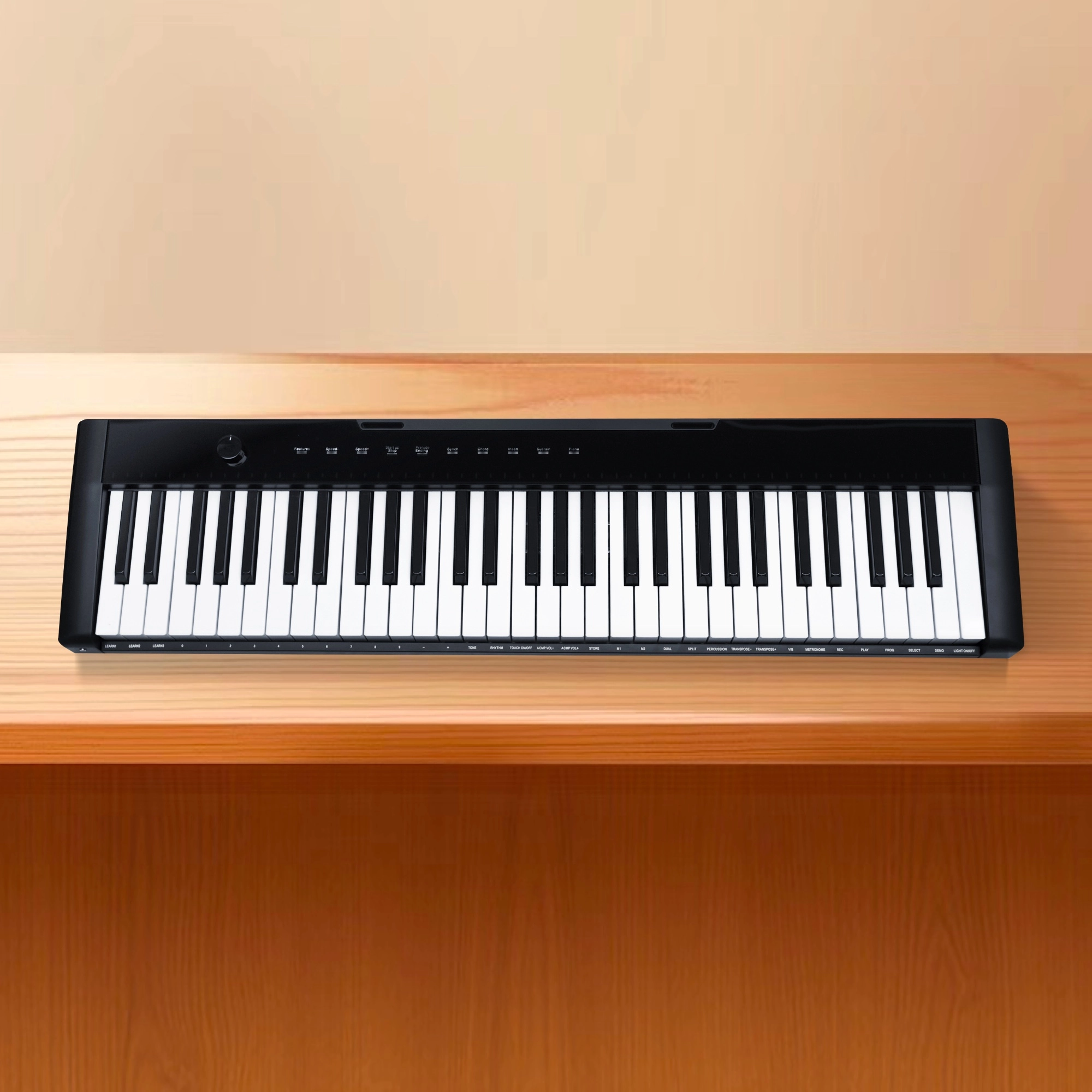
Flykeys 61 keys portable electronic keyboard piano with X stand (M2)
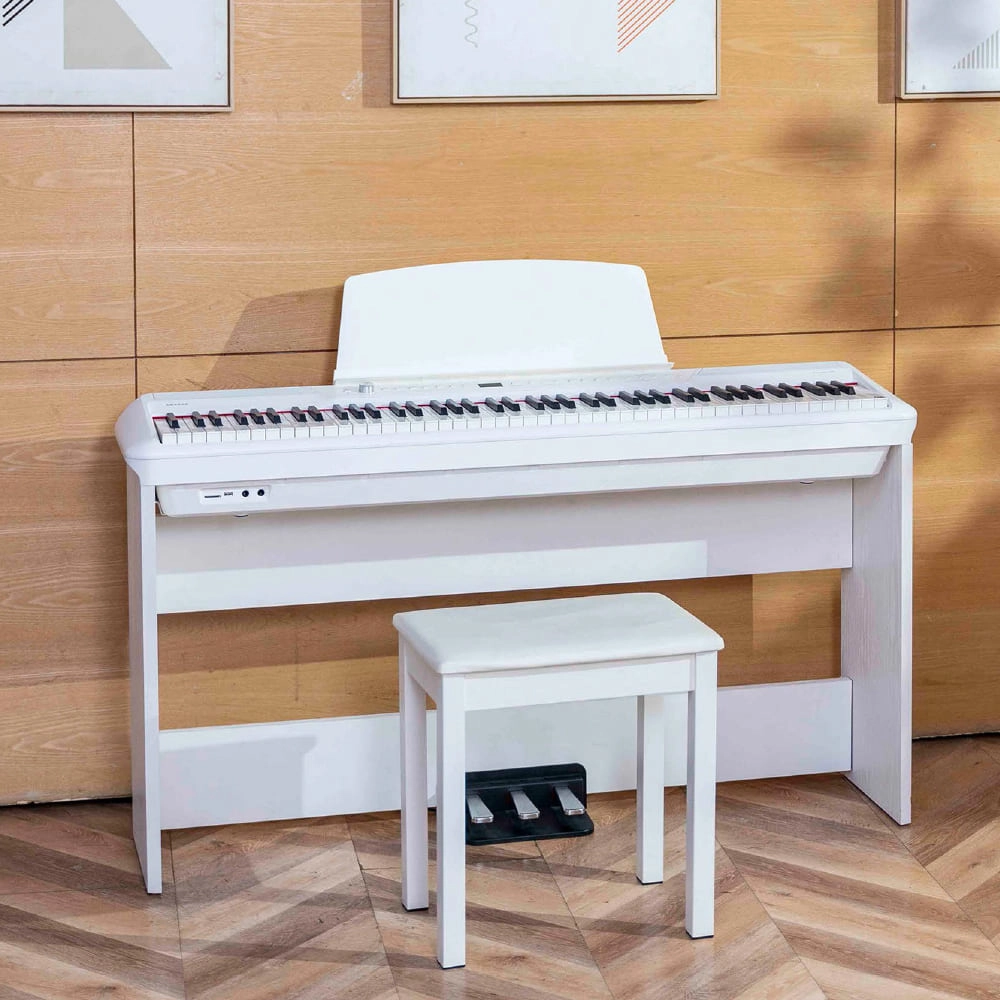
Flykeys Portable Electric Keyboard FP9 Digital Piano
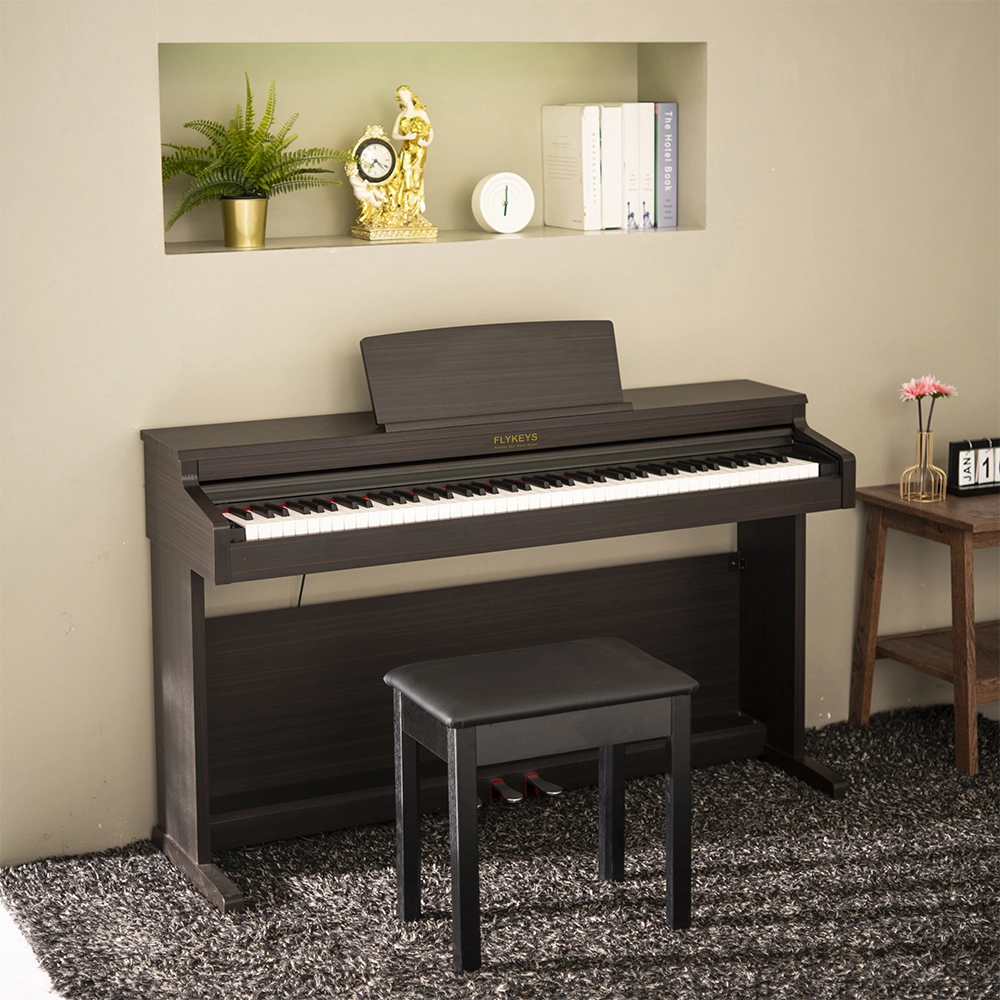
Flykeys 88 Keys Hammer Action keyboard Upright Piano LK03S Digital Piano
— Independent patented technology 88 key Grand-Response hammer action & dynamic curve keyboard;
— European top DSP chip, famous grand piano sound sample;
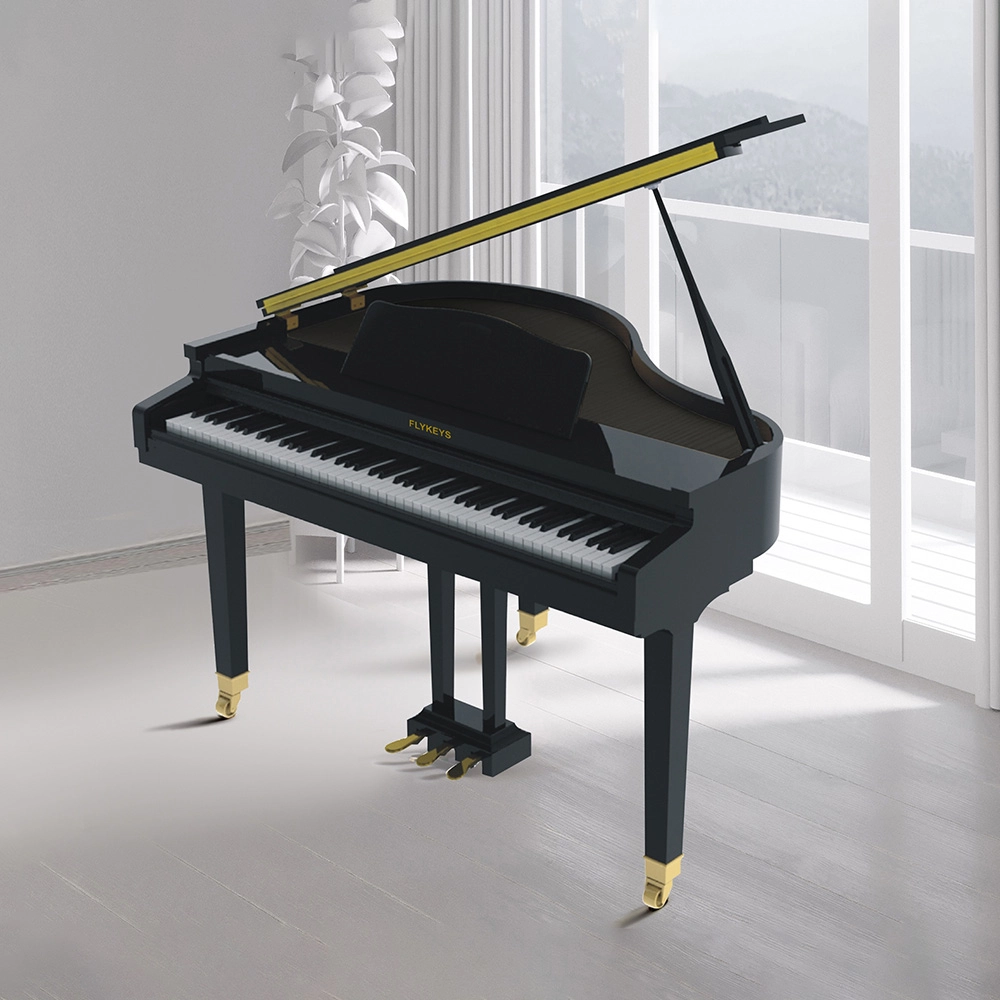
Flykeys 88 Keys Professional Digital Grand Piano Hammer Action Keyboard FGP110 Digital Piano
— Italian Fatar 88 Grand-ResponseTM Key trends with hammer action & dynamic curve
— Independent developed DSP chip, German famous grand piano sound sample
Address: No. 38 Xiangshan Avenue, Zengcheng Economic And Technological Development Zone, Guangzhou, China.
FOLLOW US:


© 2026 FLYKEYS All Rights Reserved. 粤 ICP备2020102774号. Designed by gooeyun. Sitemap | Privacy | Terms