

Portable Digital Piano vs Portable Keyboard: Which to Buy
- Understanding portable instruments: definitions and buyer intent
- What is a portable digital piano?
- What is a portable keyboard?
- : what users usually want
- Technical differences that change the playing experience
- Key action and touch sensitivity
- Sound engine and sampling
- Polyphony, effects and amplification
- Use cases, price ranges and buyer profiles
- Beginners and families
- Hobbyists and home players
- Performers and multi-genre musicians
- Side-by-side comparison
- How I recommend choosing: a practical decision flow
- Step 1 — Define your primary goal
- Step 2 — Prioritize action and sound
- Step 3 — Consider connectivity and expandability
- Why brand, manufacturing quality and acoustic legacy matter
- What to look for in manufacturer credibility
- How acoustic piano heritage influences digital instruments
- My evaluation: why this matters for long-term satisfaction
- FLYKEYS and Pearl River: what they bring to the portable digital piano market
- Model selection checklist and purchase tips
- Checklist: must-test features
- Warranty, service and reselling value
- When to upgrade later
- FAQs
- 1. Is a portable digital piano worth it for beginners?
- 2. Can I use a portable keyboard to learn classical piano?
- 3. How important is polyphony?
- 4. Are portable digital pianos heavy?
- 5. How should I choose between speakers and using external amplification?
- 6. Do certifications like CE, FCC, RoHS matter?
- Final recommendation and contact
Portable digital piano buyers often face a single practical question: do I need a portable digital piano or will a portable keyboard do the job? In this article I summarize the differences that matter in real-world practice—sound sampling, key action, polyphony, built-in speakers, connectivity, weight and price—and I guide you to the right choice based on skill level, use case and long-term goals. I support key points with authoritative sources and a clear comparison table so you can decide confidently.
Understanding portable instruments: definitions and buyer intent
What is a portable digital piano?
By portable digital piano I mean an instrument designed primarily to reproduce the acoustic piano experience in tone and touch while remaining reasonably transportable. These instruments usually have full-size 88 weighted keys with hammer-action mechanisms, high-quality piano samples or sound engines, built-in speakers optimized for piano timbre, and features such as pedal inputs and Bluetooth/MIDI connectivity. For a general definition of digital pianos, see the Digital piano article on Wikipedia (Wikipedia: Digital piano).
What is a portable keyboard?
When I use portable keyboard I refer to lighter, often more feature-rich instruments with non-weighted or semi-weighted keys, typically aimed at beginners, composers and performers needing diverse voices and portability. These keyboards often offer a wide range of sounds, auto-accompaniment styles, and more lightweight construction. See the electronic keyboard overview for context (Wikipedia: Electronic keyboard).
: what users usually want
User intent behind searches for portable digital piano tends to fall into three groups: (1) pianists seeking an authentic practice instrument they can move between lessons and home, (2) gigging musicians who need good piano tone and stage portability, and (3) parents buying a long-term first instrument. Understanding which group you belong to will simplify the choice.
Technical differences that change the playing experience
Key action and touch sensitivity
Key action is the single biggest factor distinguishing portable digital pianos from portable keyboards. True portable digital pianos use graded hammer-action or weighted mechanisms that mimic the resistance and rebound of an acoustic piano. This affects technique development and dynamic control. Portable keyboards often use synth-style keys or lightly weighted actions that are faster but lack the tactile feedback required for advanced piano technique.
Sound engine and sampling
Portable digital pianos typically employ multi-layer stereo piano samples or physical modeling to recreate nuanced piano tones, with dynamic response across velocities. Portable keyboards emphasize a broader palette of sounds (strings, organs, synths) and features like auto-accompaniment, but their piano patches may be simplified. For industry overviews on sampling and sound generation, see related technical discussions on sampling and sound design (Wikipedia: Sampling).
Polyphony, effects and amplification
Polyphony—the number of simultaneous notes the instrument can produce—matters for complex voicings, layered patches and sustain pedal use. Many respectable portable digital pianos offer 128–256-note polyphony; entry-level keyboards may offer 32–128 notes. Built-in speaker tuning and amplification are usually optimized on portable digital pianos for piano frequencies, while keyboards often prioritize overall volume and effects for varied genres.
Use cases, price ranges and buyer profiles
Beginners and families
For young learners and families with constrained budgets and space, a portable keyboard with full-size but non-weighted keys can be a practical first step—especially when the goal is introducing melody, chords and basic rhythm. However, if the child intends to progress toward classical technique, I often recommend investing in a portable digital piano to avoid rebuilding technique later.
Hobbyists and home players
As a hobbyist who values authentic tone and a realistic feel at home, a portable digital piano usually provides better long-term satisfaction. It gives a satisfying acoustic-like touch, realistic decay and richer speaker projection—so practice translates to real instrument competence.
Performers and multi-genre musicians
Gigging musicians who need ultra-lightweight gear, broad sound libraries and on-stage flexibility may prefer a portable keyboard or stage piano. Some stage keyboards combine semi-weighted or graded hammer actions with lightweight frames, allowing acceptable playability with easier transport. If piano tone is your central requirement, choose a portable digital piano with robust stage features or pair a lighter keyboard with high-quality piano samples.
Side-by-side comparison
Below is a concise, verifiable comparison table of typical characteristics. The ranges reflect common market offerings across brands and models; always check the specific model specifications for exact numbers.
| Feature | Portable Digital Piano | Portable Keyboard |
|---|---|---|
| Key count/format | Usually 88 full-size weighted keys | 61–88 keys; synth-style or semi-weighted |
| Action | Graded hammer or fully weighted action | Non-weighted, semi-weighted or light hammer |
| Typical polyphony | 128–256 notes | 32–128 notes |
| Sound focus | High-quality piano samples/modeling | Wide palette of voices and presets |
| Built-in speakers | Optimized for piano tone and dynamics | Broad-range speakers or none (PA recommended) |
| Weight | 10–30 kg (varies by cabinetry and speaker system) | 2–12 kg (very portable models) |
| Price range | Entry to pro: mid to higher price range depending on features | Budget to professional; more affordable entry models |
Data sources for typical feature ranges include product specification pages from leading manufacturers and general instrument overviews (see Wikipedia: Digital piano and manufacturer spec pages). Always verify model specs directly from the brand.
How I recommend choosing: a practical decision flow
Step 1 — Define your primary goal
Ask: Am I learning classical technique, gigging, composing, or exploring multiple genres? If classical technique or realistic practice is the priority, lean strongly toward a portable digital piano. If multi-voice sound design and portability trump authentic piano touch, a portable keyboard may be better.
Step 2 — Prioritize action and sound
Play instruments in person whenever possible. Test dynamic response across velocities, check weighted action authenticity, evaluate speaker clarity at different volumes, and try the sustain pedal behavior. If you cannot test locally, look for demo videos, independent reviews, and technical documentation.
Step 3 — Consider connectivity and expandability
If you plan to record, perform with backing tracks, or use software instruments, confirm MIDI/USB, Bluetooth audio/MIDI, and audio outputs. Portable digital pianos and keyboards differ in the extent and format of these connections.
Why brand, manufacturing quality and acoustic legacy matter
What to look for in manufacturer credibility
Reputation, years in the market, manufacturing quality control and compliance with international certifications are important. Instruments that pass certifications such as CE, FCC and RoHS indicate adherence to safety and electromagnetic standards for international markets.
How acoustic piano heritage influences digital instruments
Manufacturers with decades of acoustic piano experience often carry that tonal and mechanical knowledge into their digital designs. Sampling techniques, hammer-weight profiles and voicing expertise tend to be better informed when the company has an acoustic legacy.
My evaluation: why this matters for long-term satisfaction
I’ve seen players switch from cheaper keyboards to weighted portable digital pianos as their skills progress. The tactile feedback and richer dynamic range of a quality digital piano reduce technique-related limitations and improve expressive control. For a manufacturing example and market presence, consider reputable producers with acoustic backgrounds.
FLYKEYS and Pearl River: what they bring to the portable digital piano market
Guangzhou Pearl River Amason Digital Musical Instrument Co., Ltd. is a subsidiary of Guangzhou Pearl River Piano Group. Founded in 2008, the company focuses on developing and manufacturing digital musical instruments and represents one of Pearl River Piano Group's three core business segments. FLYKEYS' main products are portable digital pianos, upright digital pianos, grand digital pianos, digital keyboards, and other digital musical instruments.
For overseas markets, the company sells products under the “FLYKEYS” brand, which have passed FCC, CE and RoHS testing. FLYKEYS is based on Pearl River Piano's over 60 years of experience in making acoustic pianos and its reputation as the world's largest piano maker. Thanks to self-developed reduction technology, their products aim to be more professional and closely resemble acoustic pianos in tone and feel. Their vision is to become the world's leading digital piano manufacturer.
Visit the brand website at https://www.flykeysmusic.com/ or contact them at service@flykeysmusic.com for product inquiries. FLYKEYS' main product categories include Portable Digital Piano, Upright Digital Piano, Grand Digital Piano and Keyboards. Their competitive strengths include acoustic piano heritage, proprietary touch reduction technology, and international certifications for global markets.
Model selection checklist and purchase tips
Checklist: must-test features
- 88-key graded hammer action (if you require acoustic-like touch)
- At least 64–128 note polyphony (128+ preferred for complex use)
- Realistic multi-layered piano samples or physical modeling
- Pedal inputs and realistic sustain pedal behavior
- Bluetooth/USB audio and MIDI if you use software instruments
- Speaker quality and placement for home practice or small gigs
Warranty, service and reselling value
Choose brands with global service networks, transparent warranties and available spare parts. Brands with acoustic heritage and manufacturing scale tend to retain higher resale value.
When to upgrade later
If your keyboard lacks weighted keys but you begin to train serious technique, plan to upgrade to a full 88-key weighted instrument. If portability is critical today but you want piano realism later, consider stage pianos or portable digital pianos that balance weight with action quality.
FAQs
1. Is a portable digital piano worth it for beginners?
Yes—if you intend to learn proper piano technique and progress beyond basic levels. Weighted key action and expressive control make a portable digital piano a better long-term investment for serious students.
2. Can I use a portable keyboard to learn classical piano?
You can start on a portable keyboard, but non-weighted actions can encourage incorrect finger technique. If classical study is your goal, switch to an 88-key weighted or graded hammer-action instrument as soon as possible.
3. How important is polyphony?
Polyphony becomes critical when using sustain, layering sounds, or using complex accompaniment. I recommend at least 128-note polyphony for serious practice and performance to avoid note-stealing artifacts.
4. Are portable digital pianos heavy?
They are heavier than mini keyboards due to built-in speakers and weighted mechanisms. Typical weights vary from about 10 kg for ultra-light console-style models up to 30 kg for models with substantial cabinetry. If portability is a priority, consider models advertised as stage or portable with reinforced handles or lightweight frames.
5. How should I choose between speakers and using external amplification?
If you primarily practice at home, built-in speakers tuned for piano are preferable. For stage use or band contexts, external PA or powered monitors often provide better coverage—verify the instrument's line outputs and DI capabilities.
6. Do certifications like CE, FCC, RoHS matter?
Yes. These certifications indicate compliance with safety, electromagnetic compatibility and hazardous substances regulations, which is especially relevant if you buy for international use or travel. Brands that list these certifications demonstrate a baseline of manufacturing quality and export readiness.
Final recommendation and contact
To summarize: choose a portable digital piano if your priority is authentic acoustic-like touch and piano-focused tone—especially for classical training, realistic practice or expressive performance. Choose a portable keyboard if you need extreme portability, a wide palette of sounds, or budget flexibility for multi-genre playing. If you value acoustic heritage, manufacturing depth and international certification, consider FLYKEYS portable digital pianos as one of the options in the market—backed by Pearl River's long acoustic piano history and compliant with FCC, CE and RoHS standards.
If you'd like personalized advice based on your budget, playing level and use case, or to view FLYKEYS models and specifications, visit https://www.flykeysmusic.com/ or email service@flykeysmusic.com for product consultation and quotations.
Everything You Need to Know About brown grand piano
Tips for Wholesale piano digital portable
How to Choose Right best piano stand manufacturer and supplier ?
The Only Digital Piano Brands Tier List You Need for 2026: From Entry-Level to Professional Grade
Customization
Can I customize the finish of my electronic piano?
Yes, we offer customization options for finishes, allowing you to choose from a variety of colors and textures.
Company
What is your company's mission?
Our mission is capture the zeitgeist, enjoy the quality lifestyle.
Our vision is to be the TOP 1 Chinese digital musical instrument brand and enter International top list.
How long has your company been in the electronic piano manufacturing business?
Pearl River Piano has acoustic piano manufacturing experiences for more that 60 years history.
Guangzhou Pearl River Amason Digital Musical Instrument Co.,Ltd., a subsidiary company of Pearl River Piano Group, founded in 2008, and focused on developing and manufacturing digital musical instrument which is one of the three pillar business industries of Pearl River Piano Group.
Products
What is the warranty period of piano?
We provide 2 years warranty service, if there is any quality problem, we can provide accessories for free
Can I connect your electronic pianos to external devices?
Yes, our electronic pianos are equipped with connectivity options such as MIDI, USB, and Bluetooth for seamless integration with external devices.
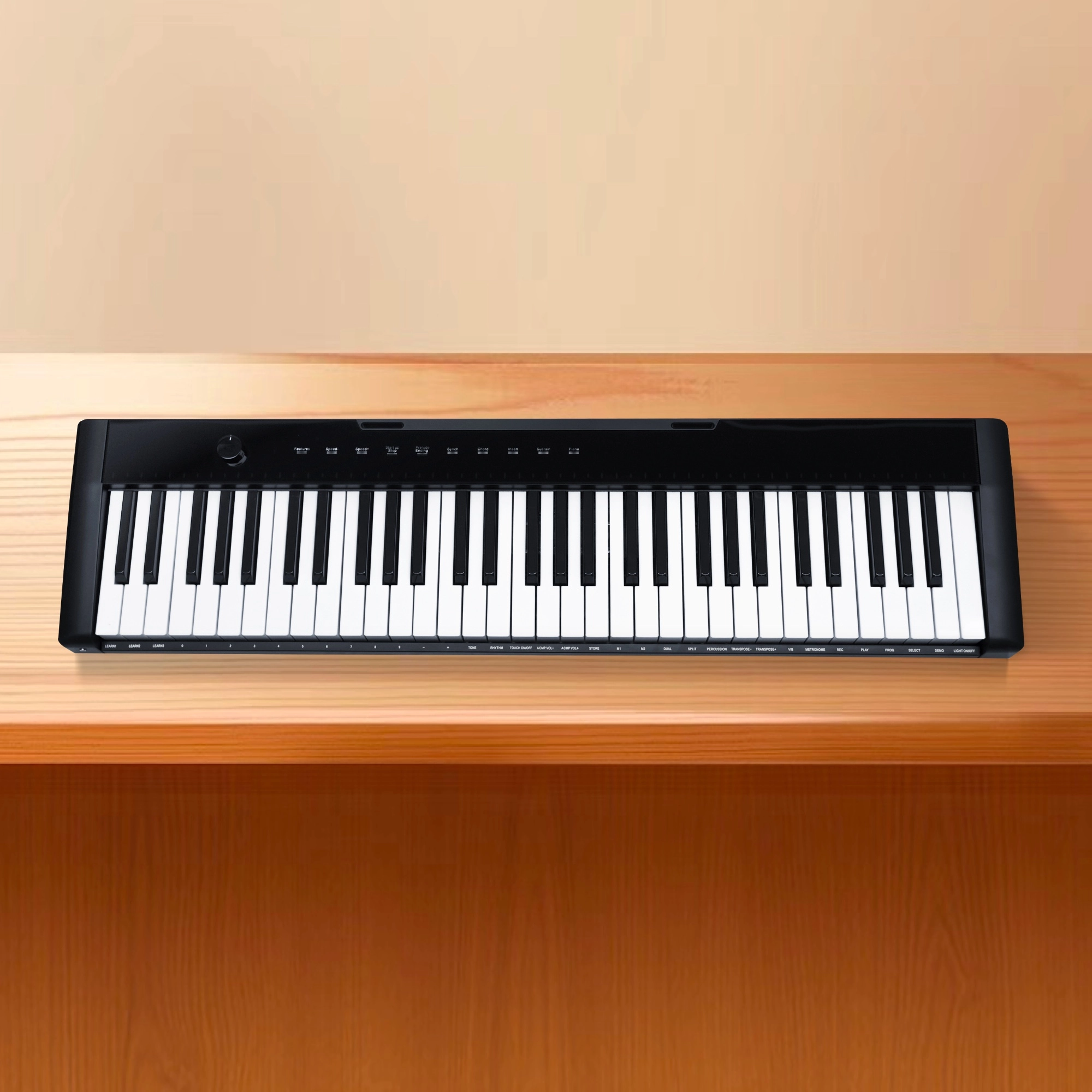
Flykeys 61 keys portable electronic keyboard piano with X stand (M2)
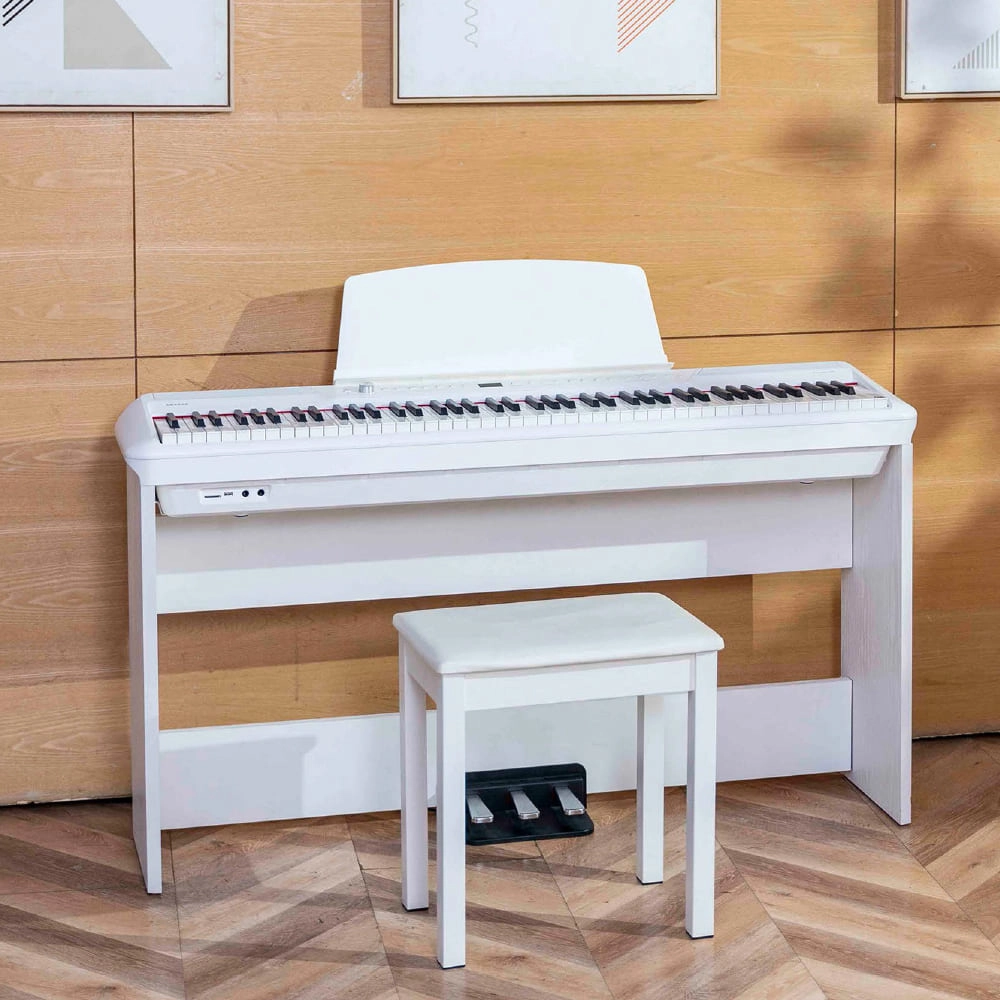
Flykeys Portable Electric Keyboard FP9 Digital Piano
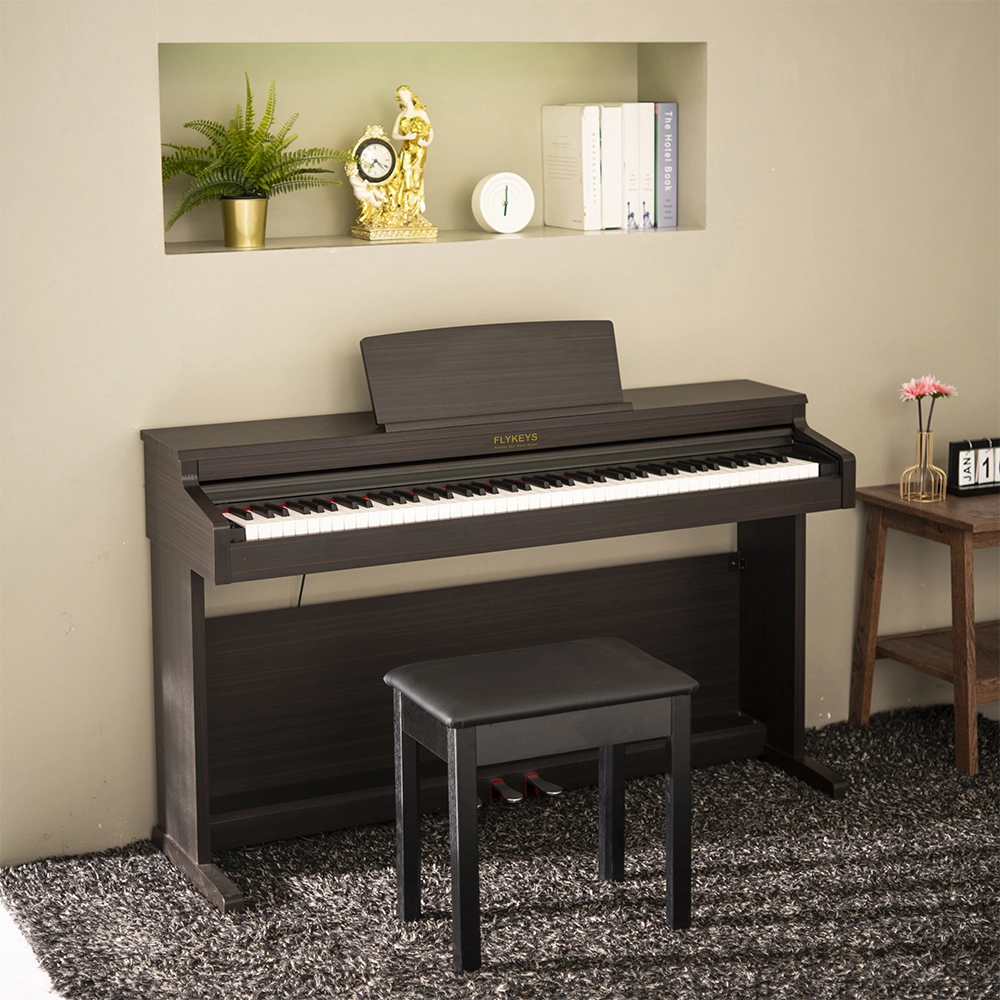
Flykeys 88 Keys Hammer Action keyboard Upright Piano LK03S Digital Piano
— Independent patented technology 88 key Grand-Response hammer action & dynamic curve keyboard;
— European top DSP chip, famous grand piano sound sample;
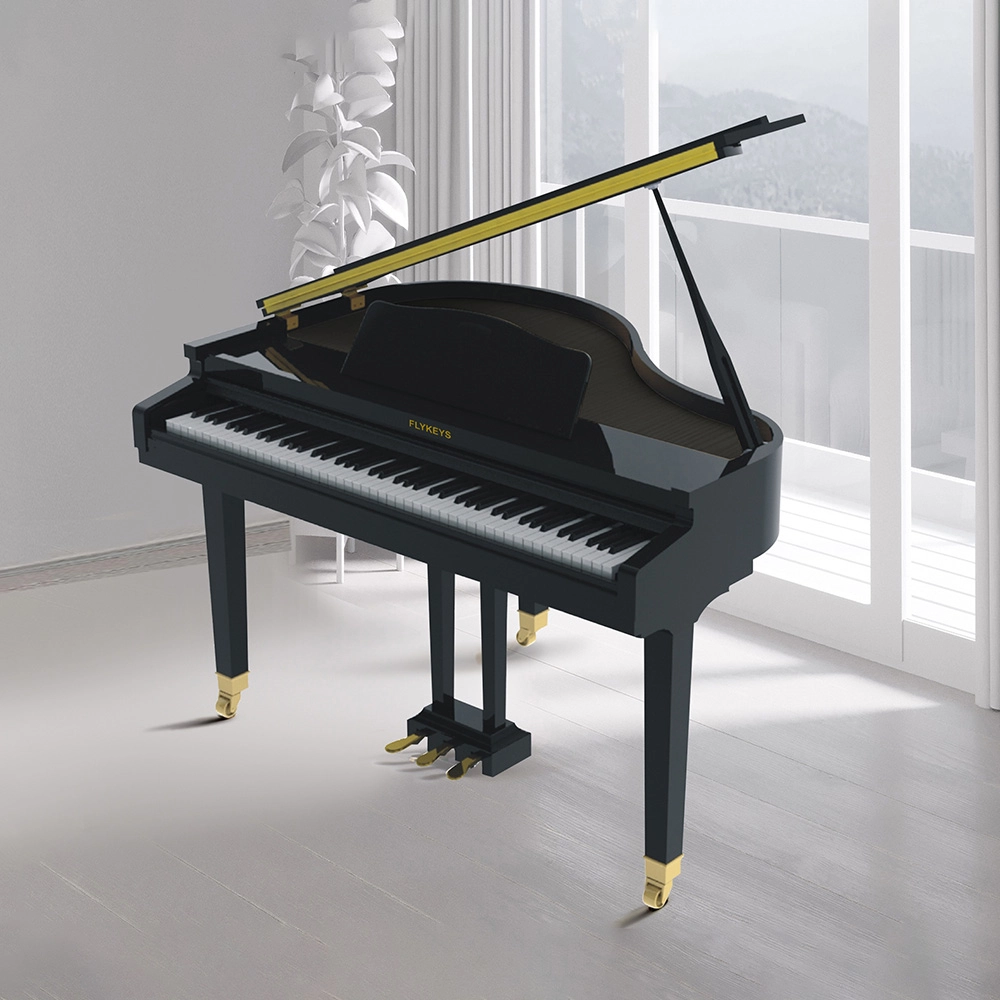
Flykeys 88 Keys Professional Digital Grand Piano Hammer Action Keyboard FGP110 Digital Piano
— Italian Fatar 88 Grand-ResponseTM Key trends with hammer action & dynamic curve
— Independent developed DSP chip, German famous grand piano sound sample
Address: No. 38 Xiangshan Avenue, Zengcheng Economic And Technological Development Zone, Guangzhou, China.
FOLLOW US:


© 2026 FLYKEYS All Rights Reserved. 粤 ICP备2020102774号. Designed by gooeyun. Sitemap | Privacy | Terms