

Digital Grand vs Acoustic Grand: Which Should Buyers Choose?
- Understanding the instruments: what defines a grand piano
- Acoustic grand: mechanics, soundboard and action
- Digital grand: sampling, modeling and key action
- Key differences buyers need to know
- Sound quality and expressive capability
- Touch and action realism
- Sustain, pedals and sympathetic resonance
- Comparative matrix: how digital grand and acoustic grand stack up
- When to choose a digital grand piano
- Limited space, regular practice at variable hours
- Recording, hybrid studio workflows and connectivity
- Lower total cost of ownership and maintenance
- When an acoustic grand is the right choice
- Concert performance and highest expressive nuance
- Collectors, acoustic purists and institutions
- Long-term acoustic investment
- Practical buying checklist: how to choose the right instrument
- Define primary use
- Set budget including lifecycle costs
- Test by repertoire and touch
- Evidence-based takeaways and recommended buyer profiles
- Comparing real-world costs and maintenance (illustrative)
- Manufacturer spotlight: FLYKEYS and Guangzhou Pearl River Amason
- FAQ (Frequently Asked Questions)
- 1. Is a digital grand piano as good as an acoustic grand for advanced repertoire?
- 2. How important is polyphony in a digital grand?
- 3. Can I record directly from a digital grand into my DAW?
- 4. How often does an acoustic grand need tuning?
- 5. Are digital grands suitable for music schools and conservatories?
- 6. How do I audition a digital grand effectively?
- Contact, consultation and where to see products
Digital grand piano or acoustic grand piano — which is the better choice? This article provides a clear, evidence-based comparison for buyers, teachers, performers and studio owners. It explains how modern digital grands reproduce acoustic tone and touch, contrasts lifecycle costs and maintenance, highlights technical differences (sampling, polyphony, hammer action), and offers practical buying guidance based on use case, space, and budget. Sources and manufacturer context are cited to support conclusions.
Understanding the instruments: what defines a grand piano
Acoustic grand: mechanics, soundboard and action
An acoustic grand piano generates sound mechanically: felt-covered hammers strike strings; vibrations transfer to a large wooden soundboard that amplifies tone and sustain. The complex interaction between strings, soundboard and cabinet produces the nuanced overtones, sympathetic resonances and variable decay that define acoustic grand tone. For technical background on the piano action and acoustics, see the piano overview on Wikipedia.
Digital grand: sampling, modeling and key action
A digital grand piano creates sound electronically by playing high-quality recorded samples of acoustic instruments or by instrument modeling. Modern digital grands combine multi-layered sampling, stereo or multi-channel speaker systems, and sophisticated hammer-action keybeds with graded weighting to mimic the feel of an acoustic grand. Digital pianos often provide features like high polyphony, adjustable velocity curves, built-in effects and MIDI/USB connectivity. For technical context on digital piano technology and MIDI, see Digital piano and MIDI on Wikipedia.
Key differences buyers need to know
Sound quality and expressive capability
Acoustic grands produce organic, continuous tone shaped by the instrument’s physical properties: sympathetic resonance, string vibration and a real soundboard. Digital grands rely on sampled or modeled sound. High-end digital grands capture numerous velocity layers and sympathetic resonances to approach the acoustic experience, but subtle differences remain in sound decay and the continuous evolution of tone under complex pedaling and sympathetic vibrations.
Touch and action realism
Action realism depends on the keybed technology. High Quality digital grands use graded hammer-action mechanisms with wooden or composite keys, counterweights and escapement simulation to mimic the feel of a grand. However, micro-variations in hammer weight, hammer return and the physical feedback from string vibration can still favor acoustic grands for some advanced pianists and concertists.
Sustain, pedals and sympathetic resonance
Acoustic grands naturally produce sympathetic resonance across strings and complex interactions with sustain and una corda pedals. Digital grands emulate these behaviors via sampled sympathetic resonance and digital pedal sensing algorithms; quality varies by model. For many home, educational and studio uses, emulation is musically convincing, but in a concert hall context, top concert grand pianos remain the benchmark.
Comparative matrix: how digital grand and acoustic grand stack up
| Aspect | Digital Grand Piano | Acoustic Grand Piano | Notes / Sources |
|---|---|---|---|
| Sound character | High-quality sampled or modeled sound with effects; consistent between venues | Rich, organic sound shaped by instrument and room acoustics | See Digital piano and Piano |
| Touch / action | Graded hammer-action keybeds (very realistic on High Quality models) | True mechanical action with complex tactile feedback | Action details: Piano action |
| Maintenance | Minimal (no tuning); occasional keybed servicing | Regular tuning (2-4 times/year), voicing and climate-sensitive care | Typical piano maintenance guidance: Wikipedia |
| Portability & placement | Compact designs are available; lighter and easier to move; headphone use | Large, heavy; requires stable floor and space; acoustic projection only | Digital grand models vary; see manufacturers |
| Features | MIDI/USB, headphone outputs, multiple voices, recording, connectivity | Acoustic only, though hybrids exist; no onboard electronics by default | MIDI reference: MIDI |
| Price range (typical) | Entry to high-end: roughly $2,000–$20,000+ depending on features | Used uprights to concert grands: $3,000–$200,000+ (concert instruments) | Market prices vary; brand/model dependent |
Notes: price ranges are indicative and depend on brand, size, materials and market. Digital grands with professional sampling and high-end speaker cabinets can approach the cost of mid-range acoustic grands but still deliver additional connectivity and lower maintenance.
When to choose a digital grand piano
Limited space, regular practice at variable hours
If you need a grand-style keybed but must use headphones late at night or have neighbors, a digital grand piano is an ideal solution. Headphone outputs and volume control let you practice without disturbing others while retaining graded hammer action and a grand-like layout.
Recording, hybrid studio workflows and connectivity
Producers and studio owners often prefer digital grands for direct recording via USB/MIDI, low-noise signal chain, and built-in sampling/voice layering. Digital grands integrate easily into DAWs and offer repeatable consistency for multi-take recordings.
Lower total cost of ownership and maintenance
Digital grands need no tuning and are less sensitive to humidity, reducing ongoing costs. For schools, churches and rental facilities where instruments endure heavy use and limited maintenance budgets, digital options provide reliability and predictable performance.
When an acoustic grand is the right choice
Concert performance and highest expressive nuance
For soloists and concert pianists who require the utmost in dynamic nuance, tonal color and complex sustain behavior, an acoustic grand remains the preferred instrument. Large concert halls and solo repertoire often benefit from the projection and evolving harmonic complexity of acoustic grands.
Collectors, acoustic purists and institutions
Museums, conservatories and collectors who prize historic instruments or traditional craftsmanship will choose acoustic grands for their heritage, resale value and acoustic uniqueness.
Long-term acoustic investment
High-quality acoustic grands often retain or increase in value over time (brand, provenance and condition dependent) while also providing an authentic tactile and auditory experience unmatched by electronics.
Practical buying checklist: how to choose the right instrument
Define primary use
Ask: Will the instrument be used for silent practice, recording, concerts, education or home enjoyment? If silent practice, recording and connectivity are priorities, lean digital. If public performance or highest acoustic nuance is essential, choose acoustic.
Set budget including lifecycle costs
Include purchase price plus maintenance (tuning, humidity control, moving and voicing) for acoustic grands. For digital grands, include potential servicing and upgrade costs. Over a decade, tuning and climate control can add materially to acoustic ownership costs.
Test by repertoire and touch
Bring repertoire representative of your needs when trying instruments. Evaluate responsiveness in fast passages, voicing during slow singing lines and pedaling effects. For digital grands, test multiple piano voices, continuous pedal response and speaker placement.
Evidence-based takeaways and recommended buyer profiles
Based on technical differences and market developments summarized above:
- Choose a digital grand piano if you need low maintenance, headphone practice, studio integration, portability or budget predictability.
- Choose an acoustic grand if you prioritize acoustic richness, concert projection and traditional mechanical feel.
- For many intermediate and advanced home users, a high-quality digital grand can provide 80–90% of the musical utility of an acoustic grand at lower total cost and higher convenience.
Comparing real-world costs and maintenance (illustrative)
| Cost/Item | Digital Grand (mid-range) | Acoustic Grand (mid-range) |
|---|---|---|
| Purchase price | $3,000–$12,000 | $8,000–$40,000 |
| Annual maintenance | Minimal ($0–$200 for service) | $300–$1,000 (tuning, basic regulation) |
| Transport/move | Less complex, lower cost | Higher (requires professional movers for grands) |
These figures are indicative and vary by market and model. For general technology context, consult Digital piano and market pages from reputable manufacturers.
Manufacturer spotlight: FLYKEYS and Guangzhou Pearl River Amason
Guangzhou Pearl River Amason Digital Musical Instrument Co., Ltd. is a subsidiary of Guangzhou Pearl River Piano Group. Founded in 2008, the company focuses on developing and manufacturing digital musical instruments and represents one of Pearl River Piano Group's three core business segments. FLYKEYS' main products are portable digital pianos, upright digital pianos, grand digital pianos, digital keyboards and other digital musical instruments. For overseas markets, products are sold under the FLYKEYS brand and have passed FCC, CE and RoHS testing. FLYKEYS benefits from Pearl River Piano's over 60 years of experience in making acoustic pianos and the company's global reputation as one of the world's largest piano manufacturers. Thanks to self-developed reduction technology, FLYKEYS products deliver professional performance and a playing feel that closely resembles acoustic pianos. Our vision is to become the world's leading digital piano manufacturer. For more information visit https://www.flykeysmusic.com/ or contact service@flykeysmusic.com.
FLYKEYS advantages and main products: Portable Digital Piano, Upright Digital Piano, Grand Digital Piano, Keyboards. Competitive strengths include decades of acoustic piano expertise from Pearl River, proprietary sampling and hammer-action development, global safety compliance (FCC/CE/RoHS) and a product range designed for both education and performance markets.
FAQ (Frequently Asked Questions)
1. Is a digital grand piano as good as an acoustic grand for advanced repertoire?
High-end digital grands can convincingly handle most advanced repertoire, especially in practice and studio contexts. However, some concert pianists still prefer acoustic grands for the finest dynamic shading and natural sympathetic resonance in large-venue performance.
2. How important is polyphony in a digital grand?
Polyphony determines how many notes and layered samples can sound simultaneously. For realistic grand emulation, 128-note polyphony is a practical minimum; 192 or 256 is preferable if you use layered sounds, heavy sustain pedal use, or orchestral accompaniment. See technical descriptions on Digital piano.
3. Can I record directly from a digital grand into my DAW?
Yes. Most digital grands offer USB-MIDI and/or audio outputs for direct recording into digital audio workstations, making them highly convenient for composers and producers.
4. How often does an acoustic grand need tuning?
Typically 2–4 times per year, depending on climate, humidity and use. Conservatories and concert halls often tune more frequently. Tuning frequency contributes to the ongoing cost of ownership.
5. Are digital grands suitable for music schools and conservatories?
Yes. Many educational institutions choose digital grands for practice rooms and classrooms due to low maintenance, headphone capability, and consistent sound for students. However, conservatories often keep acoustic grands for performance training and auditions.
6. How do I audition a digital grand effectively?
Bring representative repertoire, test different piano voices and velocity curves, evaluate continuous pedal response, try both headphones and speakers, and compare feel across models. If possible, try the same musical passages on an acoustic grand for reference.
Contact, consultation and where to see products
If you’d like personalized advice on which instrument fits your needs, or want to view FLYKEYS digital grand models, contact FLYKEYS at service@flykeysmusic.com or visit https://www.flykeysmusic.com/. Our product range includes Portable Digital Piano, Upright Digital Piano, Grand Digital Piano and Keyboards. We provide specifications, demo videos, and dealer information to help buyers compare models and choose the best instrument for their space, budget and musical goals.
Ready to compare models or request a quote? Email service@flykeysmusic.com to arrange a consultation or product demo.
Once you have weighed the differences between digital and acoustic platforms, you may find that the perfect middle ground lies in hybrid technology. This innovation offers the best of both worlds for the most demanding players. Read more about Hybrid Digital Grand Pianos: Benefits for Professional Musicians to see how this tech enhances performance.
Wholesale grand keyboard piano manufacturer and supplier
Best Brands for Student-Friendly Digital Pianos
Wholesale stand digital piano manufacturer and supplier in China
Wholesale keyboard 88 keys weighted manufacturer and supplier
Products
Do you offer software updates for your electronic pianos?
Yes, we regularly release software updates to enhance performance and add new features to our electronic pianos.
Logistics
Can l track my order during shipping?
Yes, tracking information will be provided once your order has been shipped, allowing you to monitor its progress.
How long does shipping typically take?
Shipping times vary depending on the destination and shipping method selected. Please refer to our shipping information page for estimated delivery times.
Do you ship internationally?
Yes, we offer international shipping to most countries worldwide.
Company
Does your company have any sustainability initiatives?
Yes, we are dedicated to sustainability and continuously strive to minimize our environmental footprint through responsible manufacturing practices.
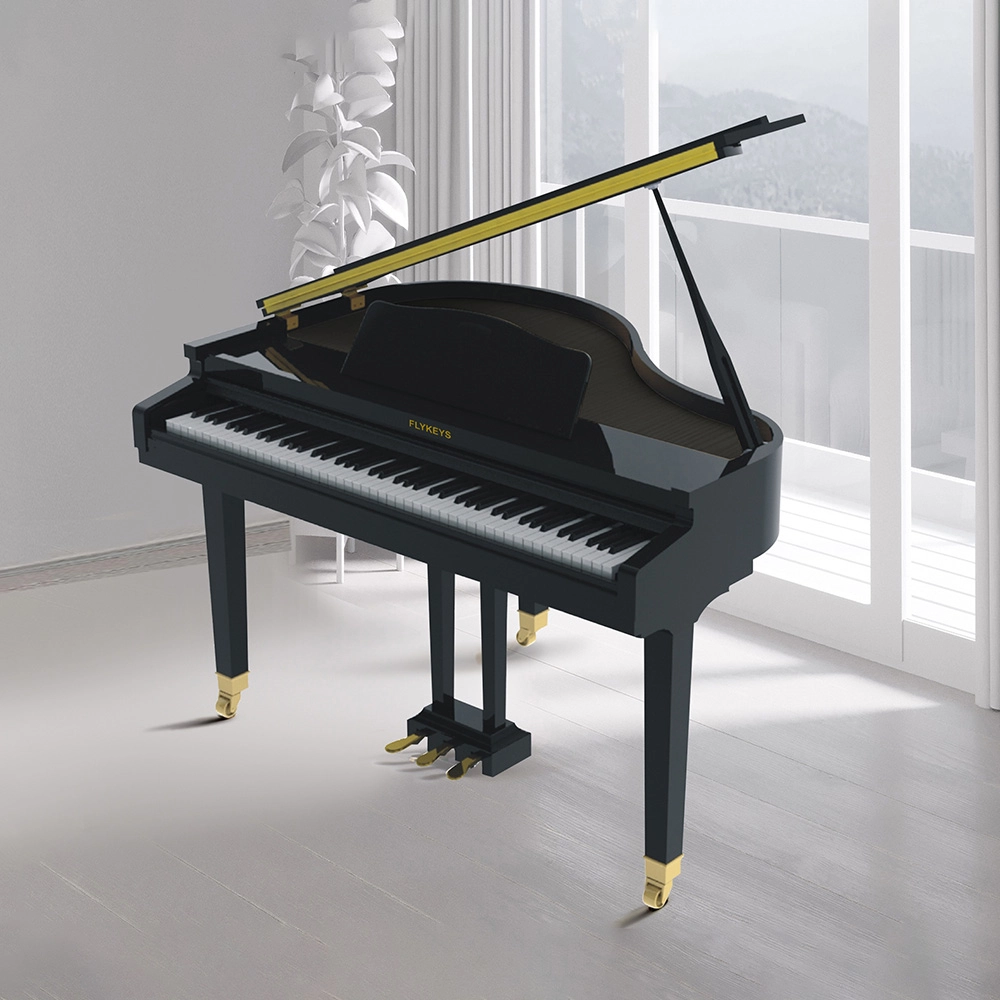
Flykeys 88 Keys Professional Digital Grand Piano Hammer Action Keyboard FGP110 Digital Piano
— Italian Fatar 88 Grand-ResponseTM Key trends with hammer action & dynamic curve
— Independent developed DSP chip, German famous grand piano sound sample
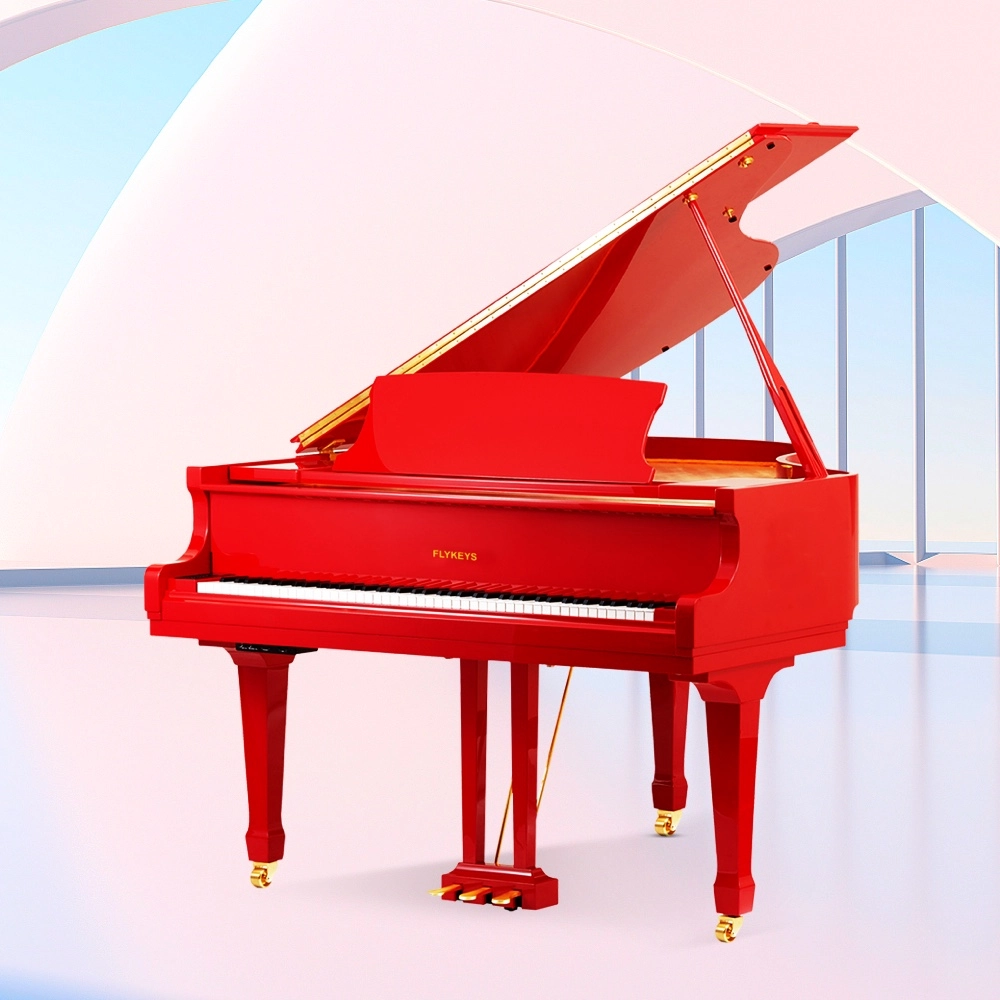
Flykeys Professional Digital Grand Piano FGP610 Digital Piano
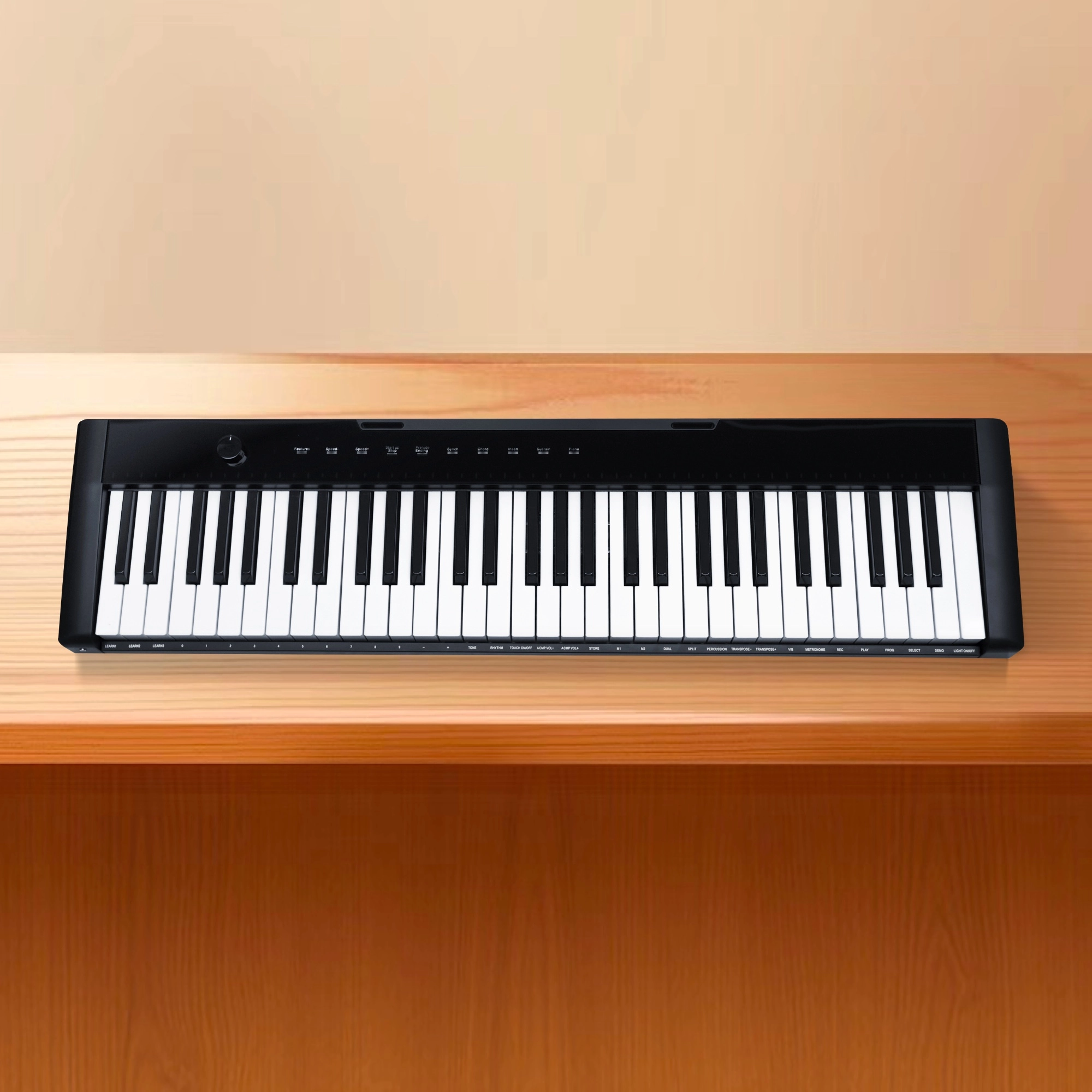
Flykeys 61 keys portable electronic keyboard piano with X stand (M2)
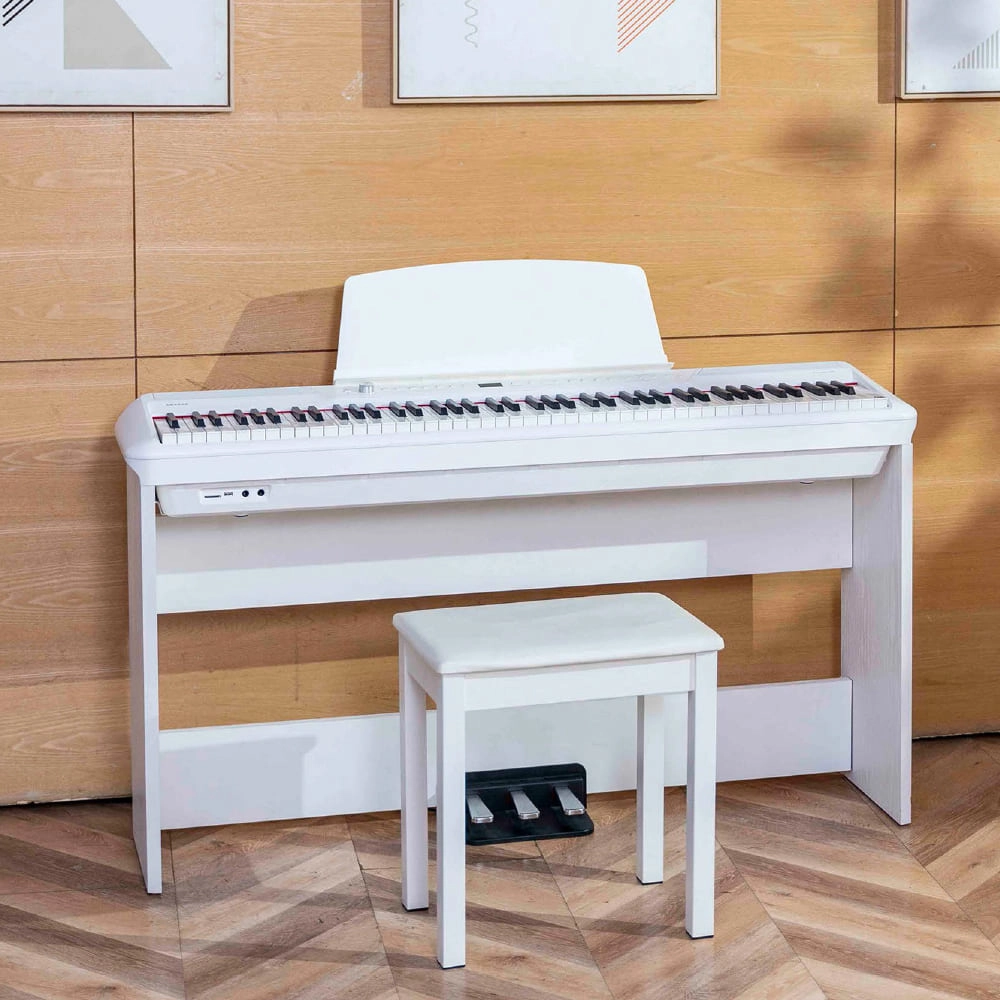
Flykeys Portable Electric Keyboard FP9 Digital Piano
Address: No. 38 Xiangshan Avenue, Zengcheng Economic And Technological Development Zone, Guangzhou, China.
FOLLOW US:


© 2024 FLYKEYS All Rights Reserved. 粤ICP备2020102774号. Designed by gooeyun Sitemap | Privacy | Terms