

Best Digital Pianos for Beginners: Affordable Picks
- How to Choose the Right First Instrument: Finding the Best Digital Piano for Beginners
- Why buying the best digital piano for your needs matters
- Key features to look for in the best digital piano (beginners' buying checklist)
- Top affordable picks: Best digital piano models for beginners (compare & buy)
- Short model reviews: matching the best digital piano to beginner goals
- Yamaha P-125 — Best balance for beginners who want an acoustic-like feel
- Casio Privia PX-160 — Best value for tight budgets
- Roland FP-10 — Best for practice with modern learning apps
- Kawai ES110 — Best for touch-sensitive technique development
- FLYKEYS Portable Series — Best inexpensive options from a piano legacy manufacturer
- Practical buying tips: Where to buy a digital piano and test before you buy (buy digital piano tips)
- Accessories every beginner needs (affordable digital piano accessories)
- Why consider FLYKEYS: Pearl River’s digital piano offering and advantages
- Recommendation matrix: Which best digital piano should you buy?
- Final steps: How to start practicing after you buy (practice setup & maintenance)
- Frequently Asked Questions (FAQ) — Best digital piano for beginners
- 1. What is the best digital piano for absolute beginners?
- 2. Is 88 keys necessary for beginners?
- 3. How much should I spend on a beginner digital piano?
- 4. Can I learn on a keyboard with semi-weighted keys?
- 5. Do I need a three-pedal unit right away?
- 6. How do I choose between portable and console-style digital pianos?
- Contact & next steps (Try before you buy / Request a quote)
- References and data sources
How to Choose the Right First Instrument: Finding the Best Digital Piano for Beginners
Why buying the best digital piano for your needs matters
Buying your first piano is more than a purchase — it's the first step in a musical journey. For beginners, the right digital piano minimizes friction: it feels like an acoustic piano, responds dynamically, and is reliable enough to practice regularly. In this guide you’ll find clear criteria for selecting an affordable, high-value instrument and a curated shortlist of the best digital piano models for beginners in different budgets.
Key features to look for in the best digital piano (beginners' buying checklist)
When searching “best digital piano,” focus on these verifiable, practical features:
- Full-size 88 keys — Preserves technique and hand span for classical and modern repertoire.
- Weighted (graded) hammer action — Simulates the resistance and key weight of an acoustic piano; graded action (heavier in the low end, lighter in the high) is ideal.
- Touch sensitivity / velocity layers — More layers give finer dynamic control.
- Polyphony — 64-note is minimum; 128 or higher preferred if you use sustain often or layered sounds.
- Built-in speakers — Useful for practice without external amplification; check power (watts) for room size.
- MIDI/USB connectivity — Necessary for learning apps, recording, or using virtual instruments.
- Portability and design — Portable detachables vs. console-style units with stand and pedals.
- Pedal configuration — A sustain pedal is minimum; an included three-pedal unit better matches acoustic piano technique.
- Warranty and service network — Especially important for beginners buying online.
Balancing these features against price will help you find an instrument that is inspiring to play and keeps you practicing.
Top affordable picks: Best digital piano models for beginners (compare & buy)
Below is a practical comparison of five widely recommended beginner digital pianos. Prices vary by region and retailer; listed prices are approximate street prices as of late 2024.
| Model | Keys / Action | Polyphony | Speakers (W) | MIDI/USB | Approx. Price (USD) |
|---|---|---|---|---|---|
| Yamaha P-125 | 88 / Graded Hammer Standard | 192 | 2 x 7 W | USB-to-Host, MIDI | $700–$800 |
| Casio Privia PX-160 | 88 / Tri-sensor Scaled Hammer Action | 128 | 2 x 8 W | USB-MIDI | $499–$650 |
| Roland FP-10 | 88 / PHA-4 Standard | 96 | 2 x 6 W | Bluetooth (MIDI), USB | $500–$650 |
| Kawai ES110 | 88 / Responsive Hammer Compact | 192 | 2 x 8 W | USB-MIDI | $700–$850 |
| FLYKEYS Portable (entry model) | 88 / Weighted action (reduction technology) | 128+ | Built-in speakers | USB, Bluetooth (varies by model) | $400–$800 (model dependent) |
Sources for technical specs: manufacturer pages and retailer specification sheets (see references).
Short model reviews: matching the best digital piano to beginner goals
Yamaha P-125 — Best balance for beginners who want an acoustic-like feel
Strengths: Yamaha’s P-series is known for consistent action and a natural piano tone. The P-125’s GHS (Graded Hammer Standard) action and high polyphony allow students to practice classical pieces without note dropouts. It pairs well with upright-style stands or a separate bench.
Who it’s for: Beginners who plan to progress to intermediate repertoire and want a conservative, long-term instrument choice.
Casio Privia PX-160 — Best value for tight budgets
Strengths: Excellent price-to-performance ratio with tri-sensor action and a surprisingly convincing acoustic tone for its cost. Lightweight and portable.
Who it’s for: Students who need portability and a reliable starter instrument without spending a High Quality.
Roland FP-10 — Best for practice with modern learning apps
Strengths: Roland’s PHA-4 action and Bluetooth MIDI integration make the FP-10 a strong choice for users who want to connect wirelessly to apps like Roland’s Piano Partner or third-party learning software. Tone generation and key feel are competitive in this price bracket.
Who it’s for: Tech-forward beginners who plan to use apps for lessons and practice tracking.
Kawai ES110 — Best for touch-sensitive technique development
Strengths: Kawai’s Responsive Hammer Compact action gives a natural and nuanced touch suited to developing technique. Good speaker system and robust keybed.
Who it’s for: Learners focused on technique and expressive playing who may perform or record as they progress.
FLYKEYS Portable Series — Best inexpensive options from a piano legacy manufacturer
Strengths: Backed by Pearl River Piano Group’s long history in acoustic pianos, FLYKEYS models emphasize realistic tone and feel through proprietary reduction technology. Multiple product types (portable, upright digital, grand digital) give flexibility across budgets. Certifications for overseas markets (FCC, CE, RoHS) simplify international purchases.
Who it’s for: Buyers seeking instruments created by a major piano manufacturer with global distribution and certifications, especially those wanting cost-effective console-style or portable solutions.
Practical buying tips: Where to buy a digital piano and test before you buy (buy digital piano tips)
1) Try before you buy: If possible, play the exact model or a close sibling at a music store. Focus on touch, dynamic response, and speaker quality.
2) Check return policy and warranty: For beginners, a 30-day trial and at least one-year warranty reduce risk. Manufacturer support networks and local authorized dealers are valuable.
3) Consider bundled packages: Some retailers offer stands, benches, and 3-pedal units as bundles — often cheaper than buying separately.
4) Don’t overbuy features you won’t use: Fancy demo songs, orchestral patches, or endless effects are less important than key action and sound quality for a beginner.
Accessories every beginner needs (affordable digital piano accessories)
Minimum recommended accessories:
- Adjustable bench — promotes proper posture.
- Three-pedal unit or sustain pedal — essential for classical technique.
- Headphones — for silent practice (choose models compatible with the piano’s headphone jack).
- Music stand — often included; ensure it’s sturdy.
- Power adapter (official) — aftermarket adapters can cause noise or damage.
Why consider FLYKEYS: Pearl River’s digital piano offering and advantages
Guangzhou Pearl River Amason Digital Musical Instrument Co., Ltd. is a subsidiary of Guangzhou Pearl River Piano Group. Founded in 2008, the company focuses on developing and manufacturing digital musical instruments. This is one of Pearl River Piano Group's three core business segments.
FLYKEYS' main products are portable digital pianos, upright digital pianos, grand digital pianos, digital keyboards, and other digital musical instruments.
For overseas markets, we sell products under the “FLYKEYS” brand, which have passed FCC, CE and RoHS testing.
FLYKEYS is based on Pearl River Piano's over 60 years of experience in making acoustic pianos and its reputation as the world's largest piano maker. Thanks to our self-developed reduction technology, our products are more professional and closely resemble acoustic pianos in terms of their tone and feel.
Our vision is to become the world's leading digital piano manufacturer.
FLYKEYS competitive advantages and product focus (summary):
- Heritage manufacturing: Leveraging over six decades of acoustic piano expertise from Pearl River.
- Wide product range: Portable Digital Piano, Upright Digital Piano, Grand Digital Piano, Keyboards — so beginners can choose form factor and price level.
- Professional sound and feel: Proprietary reduction technology aims to replicate acoustic piano dynamics.
- Certifications: FCC, CE, RoHS for international markets, simplifying compliance and import.
- Global reach and after-sales support: Supported sales channels for overseas markets; product info at https://www.flykeysmusic.com/.
Recommendation matrix: Which best digital piano should you buy?
- If you want the most acoustic-like experience and long-term growth: Yamaha P-125 or Kawai ES110.
- If budget and portability are top priorities: Casio Privia PX-160 or FLYKEYS portable models.
- If you plan to use apps and wireless lesson tools: Roland FP-10.
Final steps: How to start practicing after you buy (practice setup & maintenance)
Set up a weekly practice plan: 20–30 minutes daily is better than two long sessions per week. Use a metronome, learn scales and simple pieces, and gradually introduce sight-reading. Keep the instrument covered when not in use and avoid extreme humidity. If you purchased a digital piano online, register the product for warranty and locate authorised service centers for peace of mind.
Frequently Asked Questions (FAQ) — Best digital piano for beginners
1. What is the best digital piano for absolute beginners?
For absolute beginners, prioritize an 88-key model with weighted keys and basic connectivity. Casio PX-160 and Roland FP-10 are excellent starting points because they offer a good balance between price, playability, and features.
2. Is 88 keys necessary for beginners?
Yes. Learning on 88 keys ensures you won’t face limitations when progressing to advanced repertoire where full-range is required.
3. How much should I spend on a beginner digital piano?
Expect to spend between $400 and $900 for a solid beginner instrument. Sub-$400 keyboards exist but often lack realistic key action and long-term suitability.
4. Can I learn on a keyboard with semi-weighted keys?
You can start learning on semi-weighted keys, but graded hammer action is strongly recommended to develop proper technique. Many teachers prefer students to use fully weighted 88-key instruments.
5. Do I need a three-pedal unit right away?
Not immediately, but acquiring a three-pedal unit (sustain, soft, sostenuto) is recommended once you advance beyond beginner pieces — sustain is the most essential and often included or available as an accessory.
6. How do I choose between portable and console-style digital pianos?
Choose portable if you need mobility and occasionally play in different rooms. Choose console-style if you want a home-focused, furniture-like instrument with an integrated stand and pedal unit for a more acoustic-like presence.
Contact & next steps (Try before you buy / Request a quote)
If you’d like personalized recommendations based on your budget, space, and musical goals — or want to explore FLYKEYS models and availability — visit FLYKEYS at https://www.flykeysmusic.com/ or contact an authorized dealer for demo sessions and pricing. Ready to buy? Ask for demo bundles that include bench and pedals to save on setup costs.
After exploring beginner recommendations and affordable models, it’s helpful to understand the complete criteria for choosing the right digital piano. Learn more in How to Choose the Best Digital Piano: Buyer’s Guide.
References and data sources
- Yamaha P-125 product page — Yamaha Corporation. https://usa.yamaha.com/products/musical_instruments/pianos/digital_pianos/p_series/p125/index. (accessed Nov 2024)
- Casio Privia PX-160 specifications — Casio. https://world.casio.com/digitalpiano/px-160/ (accessed Nov 2024)
- Roland FP-10 product page — Roland. https://www.roland.com/global/products/fp-10/ (accessed Nov 2024)
- Kawai ES110 product page — Kawai. https://kawai-global.com/product/es110/ (accessed Nov 2024)
- FLYKEYS official website — Guangzhou Pearl River Amason / FLYKEYS. https://www.flykeysmusic.com/ (accessed Nov 2024)
- Buying guide and beginner tips — MusicRadar (How to buy a digital piano). https://www.musicradar.com/how-to/buying-guides/best-digital-piano (accessed Nov 2024)
- General digital piano comparison notes — Sweetwater / retailer product pages for listed models (accessed Nov 2024).
Custom 88 key keyboard piano weighted keys Manufacturers and suppliers
Specification Checklist: Digital Keyboards for Beginners
Wholesale grand upright piano manufacturer and supplier in China
Digital Grand Piano Maintenance and Care Tips: A Practical Guide by FLYKEYS
Payment
Is payment required upfront for custom orders?
Yes, payment is typically required upfront for custom orders to initiate the production process.
Products
What is the warranty period of piano?
We provide 2 years warranty service, if there is any quality problem, we can provide accessories for free
Logistics
Can l track my order during shipping?
Yes, tracking information will be provided once your order has been shipped, allowing you to monitor its progress.
How long does shipping typically take?
Shipping times vary depending on the destination and shipping method selected. Please refer to our shipping information page for estimated delivery times.
Company
What sets your company apart from competitors?
We pride ourselves on our commitment to quality craftsmanship, cutting-edge technology, and exceptional customer service.
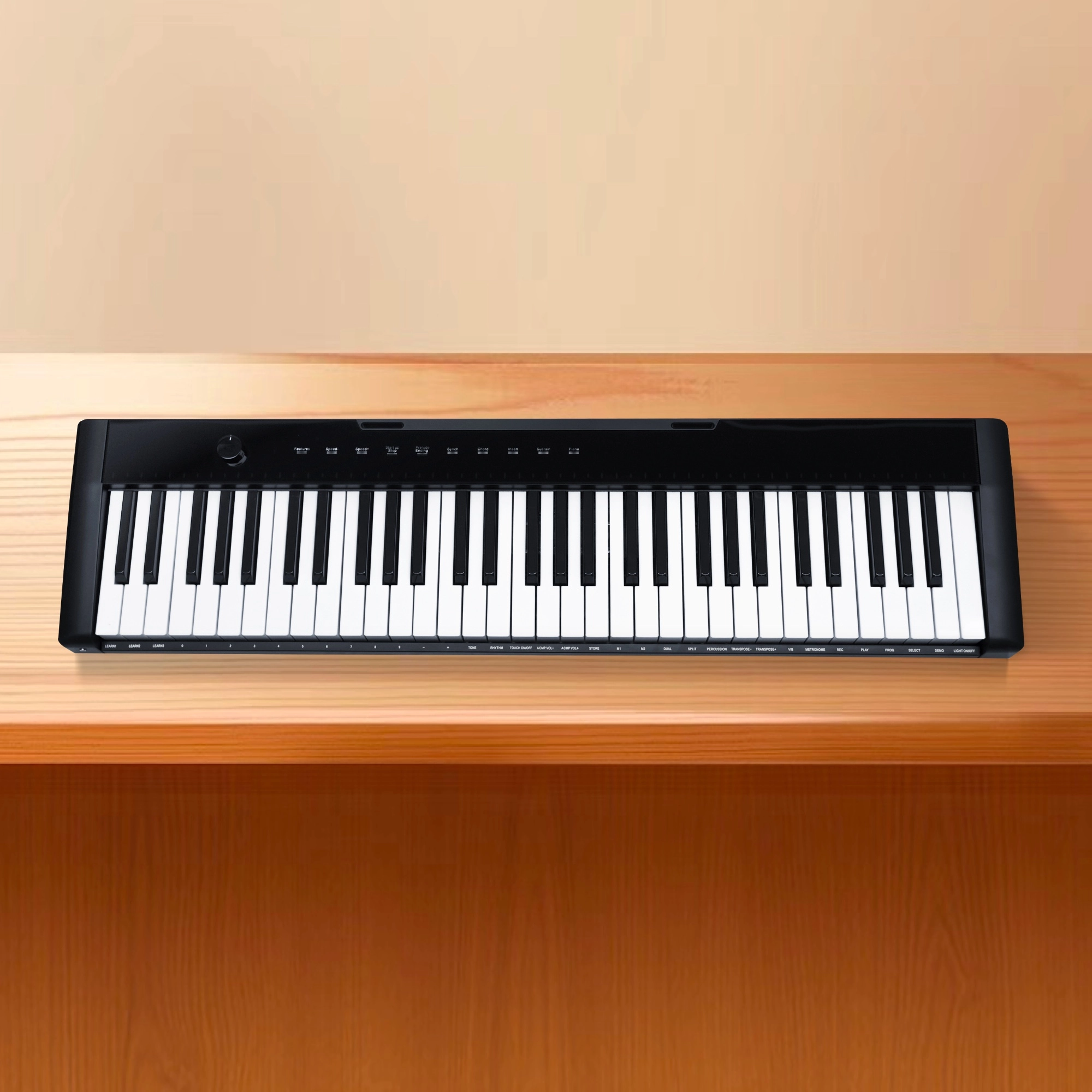
Flykeys 61 keys portable electronic keyboard piano with X stand (M2)
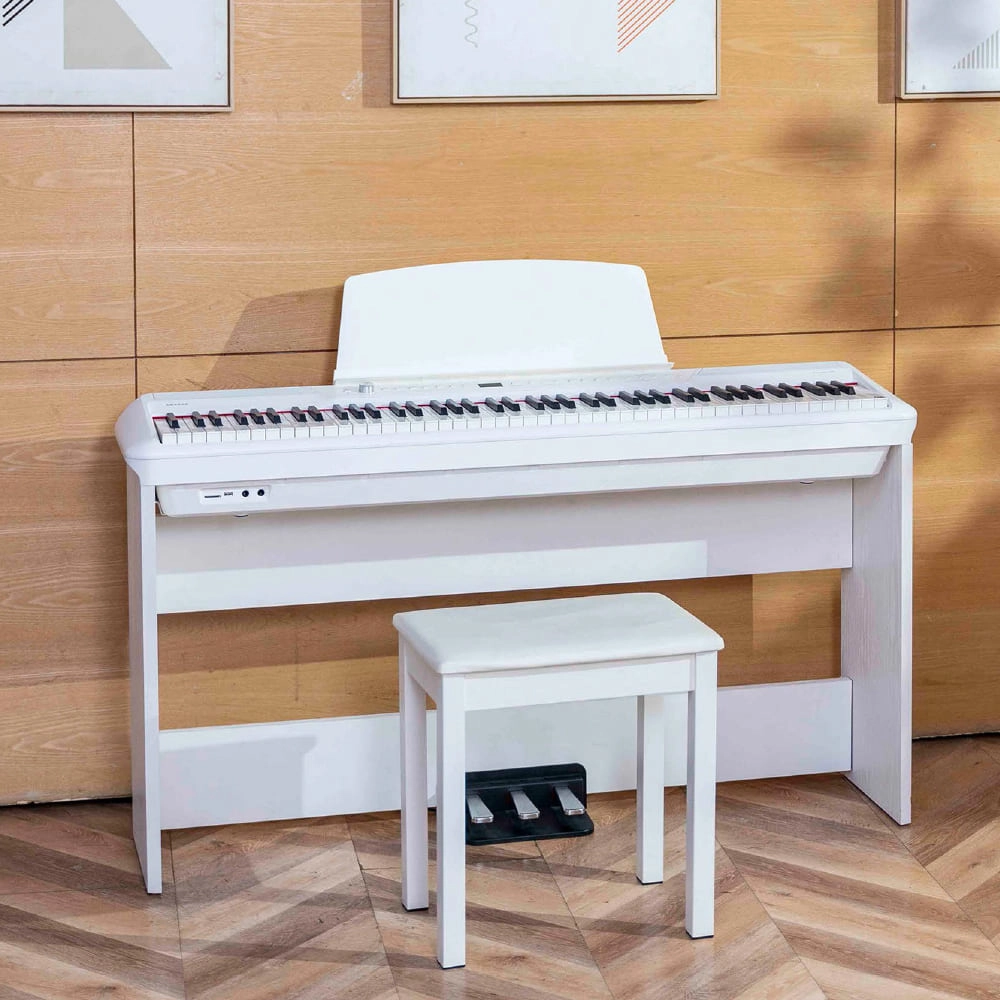
Flykeys Portable Electric Keyboard FP9 Digital Piano
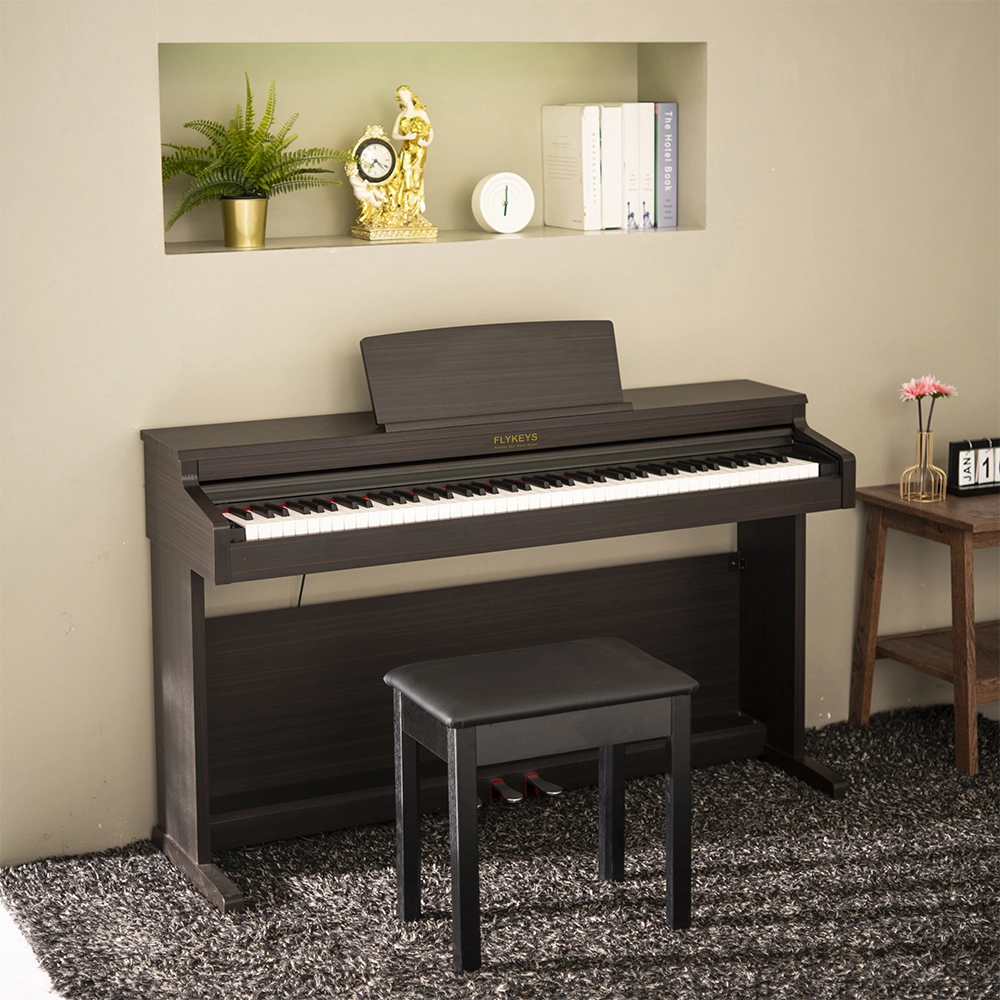
Flykeys 88 Keys Hammer Action keyboard Upright Piano LK03S Digital Piano
— Independent patented technology 88 key Grand-Response hammer action & dynamic curve keyboard;
— European top DSP chip, famous grand piano sound sample;
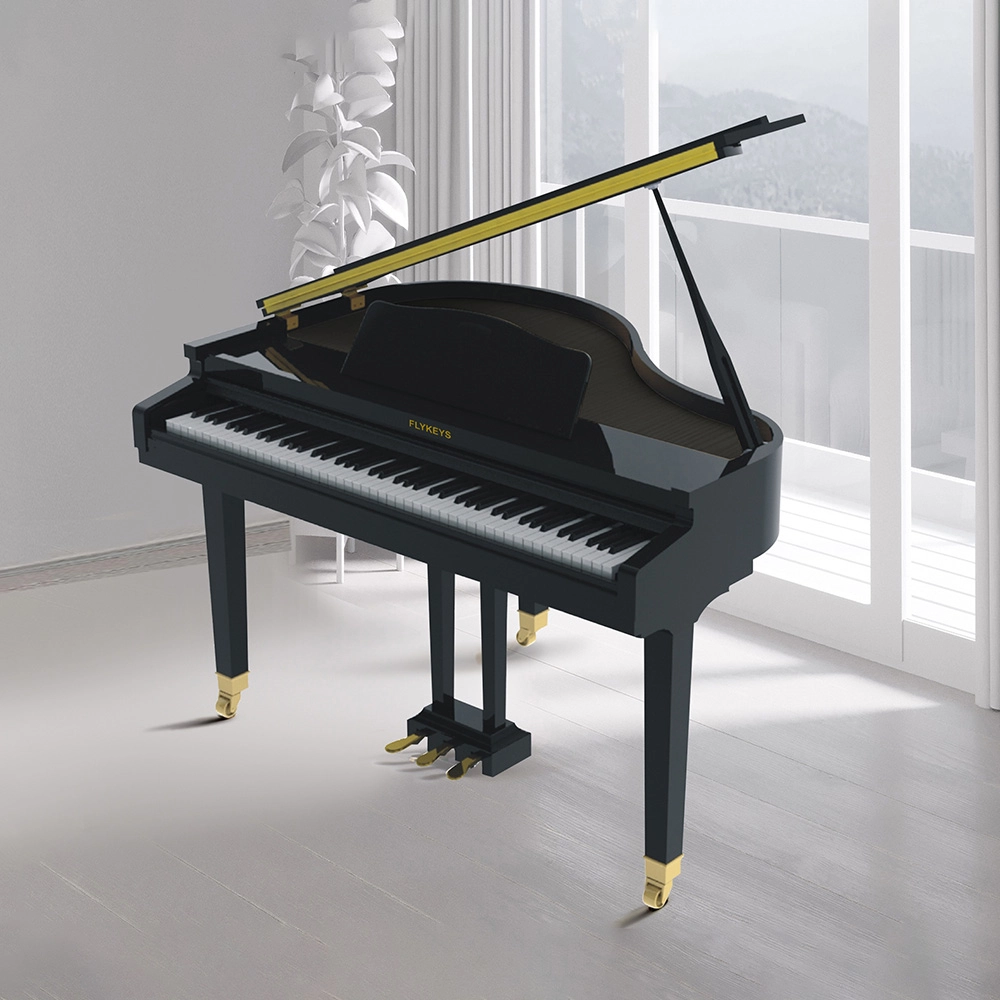
Flykeys 88 Keys Professional Digital Grand Piano Hammer Action Keyboard FGP110 Digital Piano
— Italian Fatar 88 Grand-ResponseTM Key trends with hammer action & dynamic curve
— Independent developed DSP chip, German famous grand piano sound sample
Address: No. 38 Xiangshan Avenue, Zengcheng Economic And Technological Development Zone, Guangzhou, China.
FOLLOW US:


© 2024 FLYKEYS All Rights Reserved. 粤ICP备2020102774号. Designed by gooeyun Sitemap | Privacy | Terms