

Best Digital Pianos for Home Practice & Small Studios
- Choosing the right instrument: what best digital piano means for you
- Why buying the best digital piano starts with use-case
- Key technical features that determine the best digital piano for practice
- Weighted key action and keybed quality
- Sound engine and samples
- Connectivity: recording, controllers and monitoring
- Speakers and amplification for small studios
- Space, portability and furniture considerations
- Portability vs. permanence
- Price buckets and what to expect
- Entry-level (Approx. $400–$1,000)
- Mid-range (Approx. $1,000–$2,500)
- Professional / high-end (>$2,500)
- Best digital piano categories for home practice & small studios
- Portable stage pianos (best digital piano for flexibility)
- Console/Upright-style (best digital piano for home aesthetics)
- Digital grand / hybrid instruments (best digital piano for acoustic feel)
- Quick comparison: recommended options for home practice & small studios
- How to test and choose the best digital piano in-store or online
- Checklist for in-person testing
- Checklist for online buying
- Why manufacturers’ background and certifications matter when choosing the best digital piano
- FLYKEYS & Pearl River: competitive strengths you should know
- How FLYKEYS fits into the best digital piano choices
- Top practical tips to get the most from your digital piano
- FAQ — Common questions about selecting the best digital piano
- 1. What is the best digital piano for a beginner at home?
- 2. How much should I spend on the best digital piano for small studio recording?
- 3. Is a digital piano as good as an acoustic for practice?
- 4. What features should musicians prioritize when choosing the best digital piano?
- 5. How important are certifications (FCC, CE, RoHS) when buying a digital piano?
- 6. Can I use a digital piano with music-learning apps?
- Contact & next steps — where to see and test recommended models
- References
Choosing the right instrument: what best digital piano means for you
When shoppers search for the best digital piano for home practice or a small studio, they usually mean an instrument that balances realistic touch and tone, fits the available space, and offers the right connectivity and features for learning, recording and performing. This guide breaks down the factors that matter most, compares popular options and explains how to match a digital piano to real user needs (practice, teaching, recording, and small live use).
Why buying the best digital piano starts with use-case
Different users need different things. A beginner who mainly practices at home typically values a compact footprint, full 88-key weighted action, and headphone compatibility. A small studio needs stronger amplification, multiple outputs, and perhaps MIDI/USB connectivity for DAW use. Understanding these priorities is the first step toward identifying the best digital piano for your situation.
Key technical features that determine the best digital piano for practice
Knowing which specs affect playability and sound will help you make a confident choice. Below are the most influential technical features and what they mean for daily practice and small-studio work.
Weighted key action and keybed quality
Realism of touch is critical. Graded hammer action and wooden-key simulations provide a closer feel to an acoustic piano; longer key travel and escapement/let-off simulation improves realism for expressive playing. For practice, prioritize a full 88-key weighted keybed with at least graded hammer action.
Sound engine and samples
High-quality piano samples and multi-layer velocity switching deliver dynamic nuance. Proprietary modeling engines can also produce more organic sustain and resonance. For studio use, polyphony matters — aim for 128-note polyphony or higher to avoid note dropouts during heavy pedal use or complex arrangements.
Connectivity: recording, controllers and monitoring
USB-MIDI is essential for DAW integration and lesson software. Line outputs (balanced if possible) matter for studio routing and amplification. Auxiliary inputs, headphone outputs, and Bluetooth MIDI/audio are useful extras for practice and remote teaching.
Speakers and amplification for small studios
Built-in speakers are fine for home practice; studios often prefer direct outputs to monitors. If you plan to use the instrument for small live gigs or group lessons, choose models with stronger built-in amplification or reliable line-outs.
Space, portability and furniture considerations
Selecting the best digital piano includes assessing size and style. Portable stage pianos are compact and ideal for multi-purpose rooms, while console-style upright digital pianos take up more space but provide integrated stands and pedals that complement a home or studio environment.
Portability vs. permanence
If you rearrange rooms or travel for gigs, a portable best digital piano (lightweight stage piano) is advantageous. For a dedicated practice room or studio, an upright or digital grand style instrument offers better integrated aesthetics and often improved speaker systems.
Price buckets and what to expect
Price often correlates with key action, sound quality and feature set. Below is a practical breakdown of price tiers and the types of instruments that typically sit in them when searching for the best digital piano for home or studio use.
Entry-level (Approx. $400–$1,000)
Full 88-key models with basic graded action and modest onboard sounds. Good for beginners and casual practice. Expect limited polyphony and lighter speaker systems.
Mid-range (Approx. $1,000–$2,500)
Better keybeds, stronger sound engines (sampling/modeling hybrid), more polyphony, and usable line outputs for small studios. Many small-stage pianos and console-style home units fall here.
Professional / high-end (>$2,500)
Advanced modeling or multi-layer sampled pianos, superior keybeds (often wooden or hybrid), and High Quality speaker systems. Suitable for professionals, advanced studios and performers wanting the most acoustic-like experience.
Best digital piano categories for home practice & small studios
To find the best digital piano, consider these categories: Portable Stage Pianos, Console/Upright-Style Digital Pianos, and Digital Grand/Hybrid Instruments. Each category has trade-offs in tone, touch and practicality.
Portable stage pianos (best digital piano for flexibility)
Pros: Compact, lightweight, strong MIDI/USB features. Cons: Typically weaker onboard speakers. Ideal for players who need to move gear or record to a DAW.
Console/Upright-style (best digital piano for home aesthetics)
Pros: Integrated furniture-style cabinet, pedals and often better speakers. Cons: Less portable. Great for dedicated practice rooms and home studios focused on comfort and appearance.
Digital grand / hybrid instruments (best digital piano for acoustic feel)
Pros: Best replication of acoustic touch and tone, advanced modeling. Cons: High cost and larger footprint. Use these if you prioritize acoustic-like response in a studio environment.
Quick comparison: recommended options for home practice & small studios
The table below compares representative instruments and categories to help you shortlist the best digital piano for your needs. Price and specs are indicative ranges commonly available in the market.
| Category / Example | Key Action | Polyphony | Best for | Typical Price (USD) |
|---|---|---|---|---|
| Portable Stage Pianos (e.g., Roland FP series, Yamaha P series, FLYKEYS Portable Series) | Graded hammer / weighted | 128–256+ | Home practice, DAW recording, gigging | $700–$2,000 |
| Upright-Style Digital Pianos (Yamaha Clavinova, Kawai KDP, FLYKEYS Upright Digital Piano) | Advanced graded / simulated wood options | 128–384 | Dedicated practice room, teaching studios | $1,200–$4,000 |
| Digital Grand / Hybrid (high-end modeled instruments & FLYKEYS Grand Digital Piano) | High Quality hammer/wood action | 256–Unlimited (model-dependent) | Professional studios, advanced performers | $3,000–$15,000+ |
Sources for price ranges and typical features include manufacturer product pages and industry reviews (see references).
How to test and choose the best digital piano in-store or online
Make decisions based on playability, not only spec sheets. If you can test the instrument, play scales, chords and repertoire you know. For online purchases, check return policies and warranties.
Checklist for in-person testing
- Play with headphones and through speakers to compare tonal balance.
- Use the sustain pedal extensively to test polyphony and realism.
- Check responsiveness across dynamic ranges (pp to ff).
- Test connectivity: USB-MIDI, line out, headphone comfort.
Checklist for online buying
- Confirm warranty, returns and shipping protection.
- Read multiple verified user reviews focused on touch and durability.
- Verify technical specs (polyphony, sample source, key action type).
Why manufacturers’ background and certifications matter when choosing the best digital piano
Quality control, R&D investment and manufacturing experience affect consistency and long-term reliability. Certifications (FCC, CE, RoHS) indicate compliance with international safety and environmental standards — important if you plan to sell instruments, use them in professional settings, or buy from overseas brands.
FLYKEYS & Pearl River: competitive strengths you should know
Guangzhou Pearl River Amason Digital Musical Instrument Co., Ltd. is a subsidiary of Guangzhou Pearl River Piano Group. Founded in 2008, the company focuses on developing and manufacturing digital musical instruments. This is one of Pearl River Piano Group's three core business segments. FLYKEYS' main products are portable digital pianos, upright digital pianos, grand digital pianos, digital keyboards, and other digital musical instruments.
For overseas markets, FLYKEYS sells products under the FLYKEYS brand, which have passed FCC, CE and RoHS testing. FLYKEYS is based on Pearl River Piano's over 60 years of experience in making acoustic pianos and its reputation as the world's largest piano maker. Thanks to Pearl River's self-developed reduction technology, FLYKEYS instruments are designed to be more professional and closely resemble acoustic pianos in terms of their tone and feel. Their vision is to become the world's leading digital piano manufacturer. Visit https://www.flykeysmusic.com/ for product information and certifications.
How FLYKEYS fits into the best digital piano choices
FLYKEYS offers a product range suited to multiple buyer profiles: portable digital pianos for players who need mobility, upright digital pianos for home practice rooms, and grand-style digital pianos for studios seeking acoustic-like tone. Their manufacturing scale (Pearl River heritage), in-house technology and international certifications make FLYKEYS a competitive option when assessing the best digital piano by value, tone and manufacturing reliability.
Top practical tips to get the most from your digital piano
Buying the best digital piano is only step one. To maximize value:
- Use high-quality headphones and external monitors for critical listening and recording.
- Regularly update firmware if the manufacturer provides improvements.
- Consider a 3-pedal unit for classical technique development.
- Pair the instrument with a comfortable bench and proper posture for longer practice sessions.
FAQ — Common questions about selecting the best digital piano
1. What is the best digital piano for a beginner at home?
For most beginners, a full 88-key weighted portable or compact console with graded hammer action and headphone output is the best choice. Look for models with lesson features and reliable return policies so you can upgrade later.
2. How much should I spend on the best digital piano for small studio recording?
For small-studio use, expect to invest $1,000–$3,000 to get a reliable key action, high-quality samples and good connectivity (balanced outputs and USB-MIDI). Higher-end modeled instruments are available for more advanced production needs.
3. Is a digital piano as good as an acoustic for practice?
A high-quality digital piano can closely replicate the touch and tone of an acoustic, especially with High Quality keybeds and advanced sound engines. For advanced pianists, nothing fully replaces the acoustic grand’s physical resonance, but many digital pianos are excellent for daily practice and performance.
4. What features should musicians prioritize when choosing the best digital piano?
Prioritize key action quality, polyphony (≥128 notes), sample/engine quality, and connectivity (USB-MIDI, line outputs). For home use, consider speakers and cabinet design; for studios, prioritize outputs and MIDI features.
5. How important are certifications (FCC, CE, RoHS) when buying a digital piano?
Certifications ensure compliance with safety, electromagnetic, and environmental standards in many markets. They are important when buying from overseas manufacturers and for professional applications where regulatory compliance is required.
6. Can I use a digital piano with music-learning apps?
Yes. Most modern digital pianos support USB-MIDI or Bluetooth MIDI and work with popular learning apps and DAWs. Check compatibility with the specific software you plan to use.
Contact & next steps — where to see and test recommended models
If you want to explore instruments that combine acoustic heritage with modern digital technology, consider checking FLYKEYS' range of Portable Digital Piano, Upright Digital Piano, Grand Digital Piano and Keyboards. FLYKEYS products are built on Pearl River's 60+ years of piano-making expertise, use proprietary reduction technology to enhance tone and feel, and meet FCC/CE/RoHS standards for overseas markets. To view models, specifications and local distributors, visit FLYKEYS: https://www.flykeysmusic.com/.
If you need personalized recommendations based on your budget, room size and use-case, contact a dealer to arrange an in-person test or ask the manufacturer about demo units and warranty terms. For immediate browsing, visit the FLYKEYS website to compare portable, upright and grand digital piano offerings and request a quote.
Once you’ve compared models suitable for home studios, you may want to look at beginner-friendly and budget-conscious options for new players. Continue with Best Digital Pianos for Beginners: Affordable Picks.
References
- Pearl River Piano Group — company history and background. Wikipedia. Accessed Nov 25, 2025. https://en.wikipedia.org/wiki/Pearl_River_Piano
- FLYKEYS official website — product range and certifications. Accessed Nov 25, 2025. https://www.flykeysmusic.com/
- Yamaha, Roland, Kawai, Casio product pages and technical specifications (example product series pages). Manufacturer websites. Accessed Nov 25, 2025.
- Industry reviews and buyer guides: Keyboard Magazine, Sound On Sound, MusicRadar — product comparison methodology. Accessed Nov 25, 2025.
Note: Price ranges and specifications in the comparison table reflect typical market offerings and MSRP ranges as of late 2025; always confirm current specs and pricing with manufacturers and authorized dealers before purchase.
Contact / View products: Visit https://www.flykeysmusic.com/ to explore FLYKEYS digital piano lines and request dealer information or product demos.
Everything You Need to Know About digital 88 key piano
How to Choose Right best piano keyboard stand manufacturer and supplier ?
Custom 88 keys vs 61 keys keyboard Manufacturers and suppliers in China
Wholesale top digital piano manufacturer and supplier in China
Logistics
Do you ship internationally?
Yes, we offer international shipping to most countries worldwide.
Can l track my order during shipping?
Yes, tracking information will be provided once your order has been shipped, allowing you to monitor its progress.
How long does shipping typically take?
Shipping times vary depending on the destination and shipping method selected. Please refer to our shipping information page for estimated delivery times.
After-Sales Service
What after-sales support do you offer?
We offer comprehensive after-sales support, including technical assistance, troubleshooting, and warranty services.
Products
Are your electronic pianos suitable for beginners?
Yes, we have models designed specifically for beginners, featuring user-friendly interfaces and educational features.
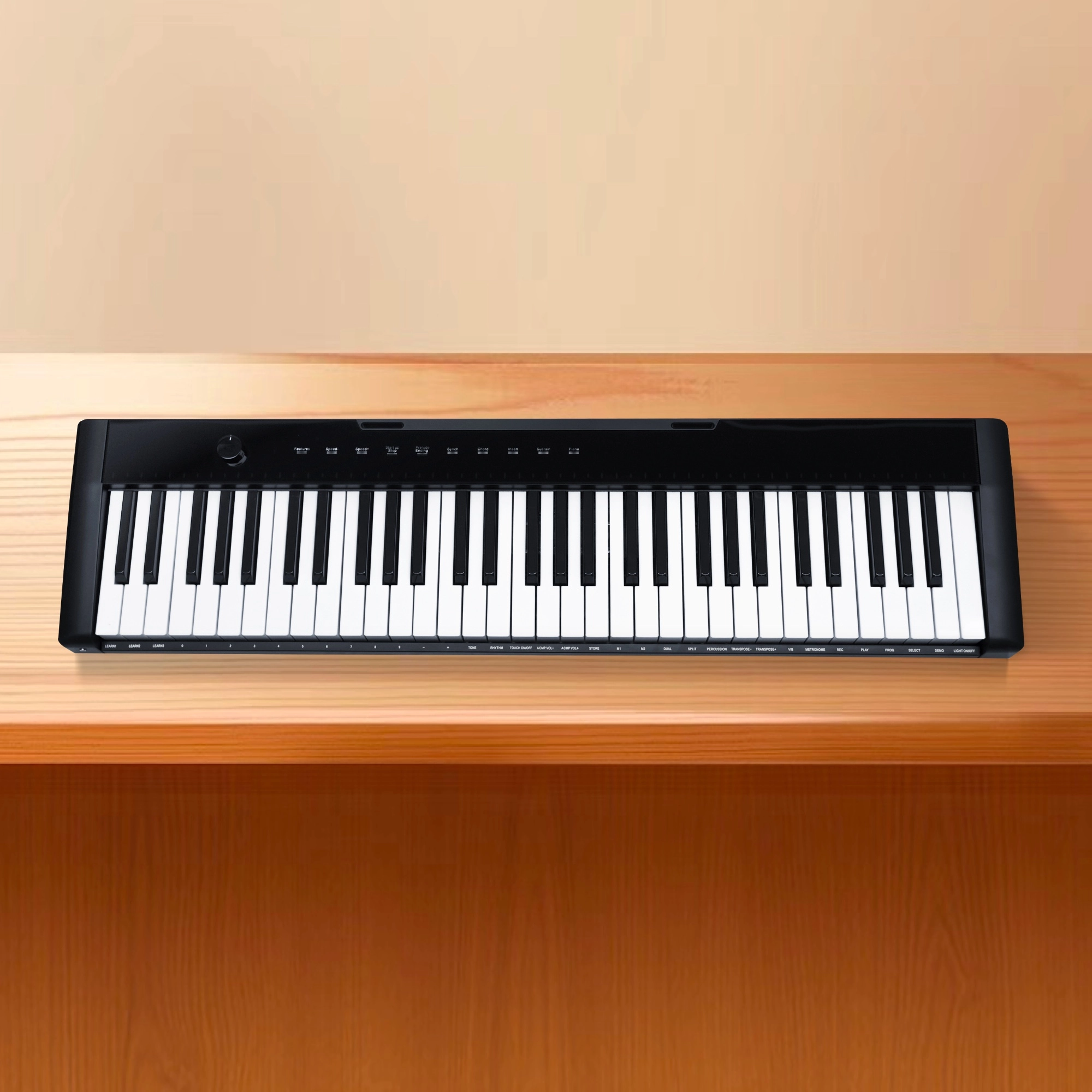
Flykeys 61 keys portable electronic keyboard piano with X stand (M2)
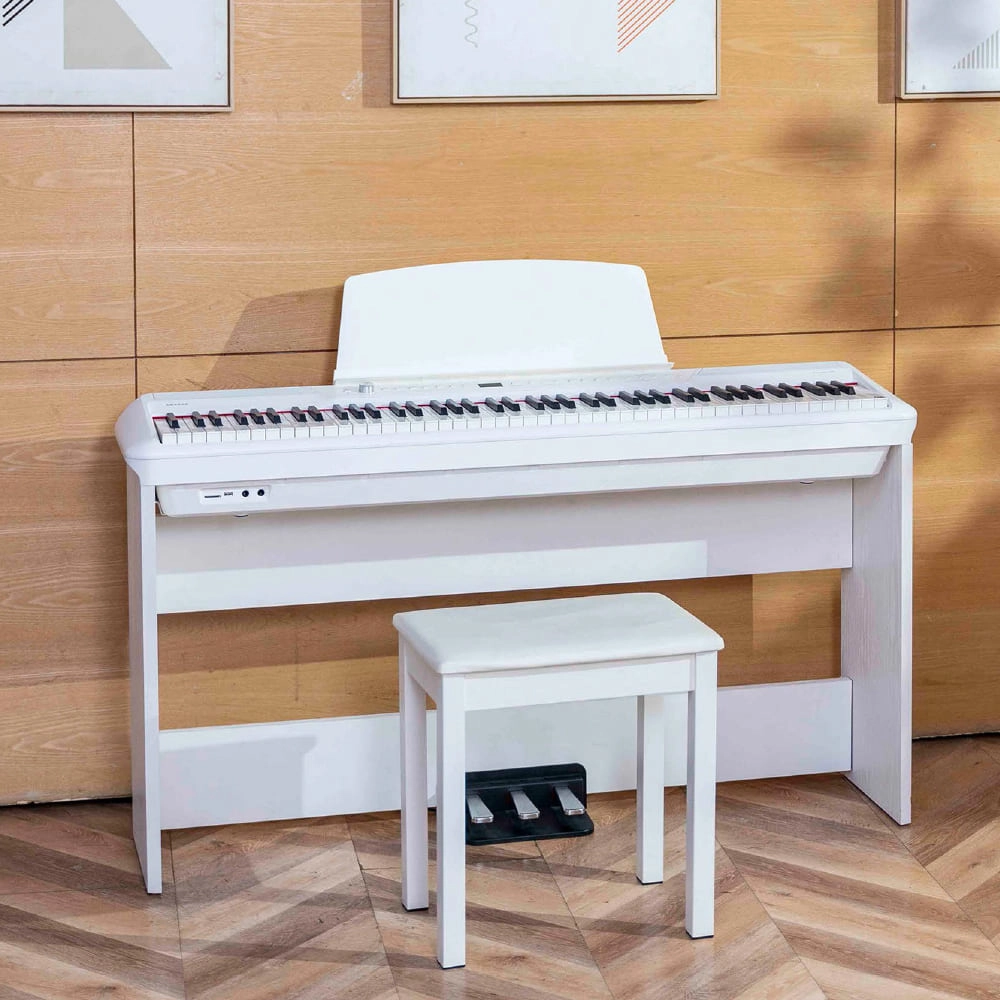
Flykeys Portable Electric Keyboard FP9 Digital Piano
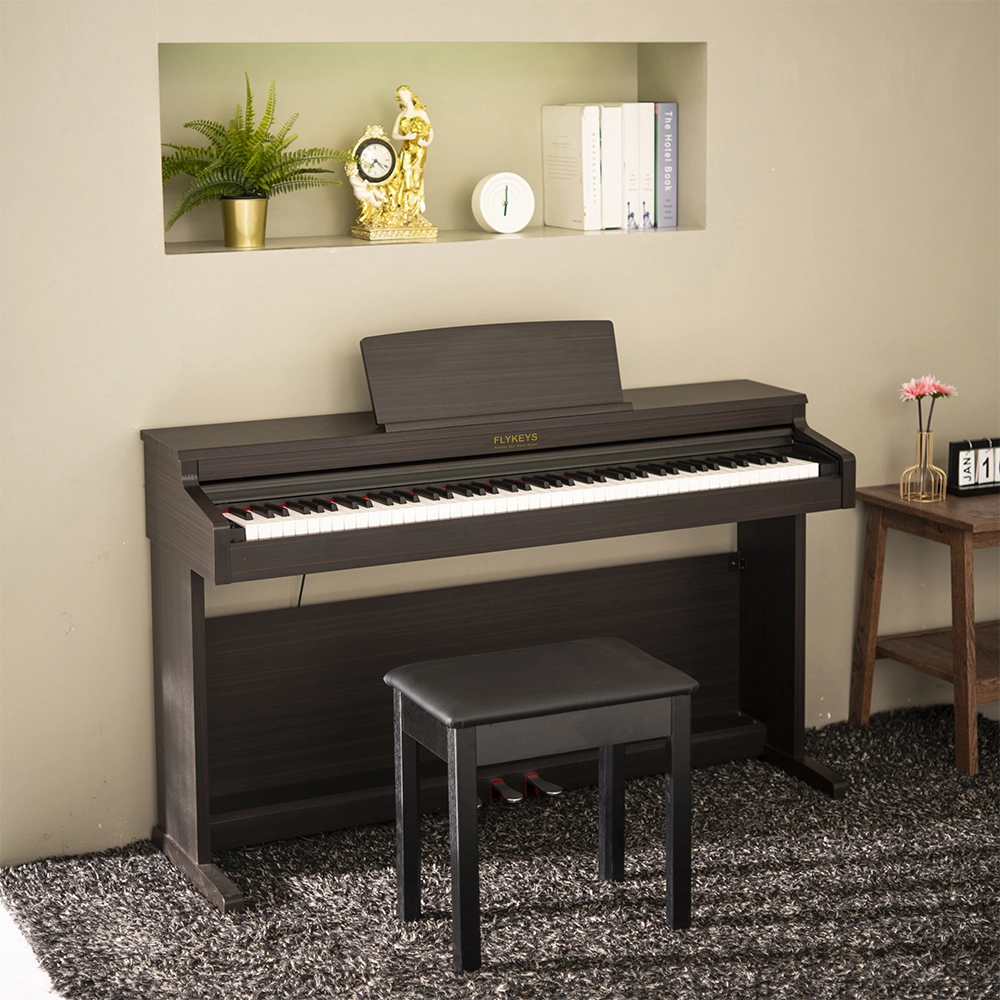
Flykeys 88 Keys Hammer Action keyboard Upright Piano LK03S Digital Piano
— Independent patented technology 88 key Grand-Response hammer action & dynamic curve keyboard;
— European top DSP chip, famous grand piano sound sample;
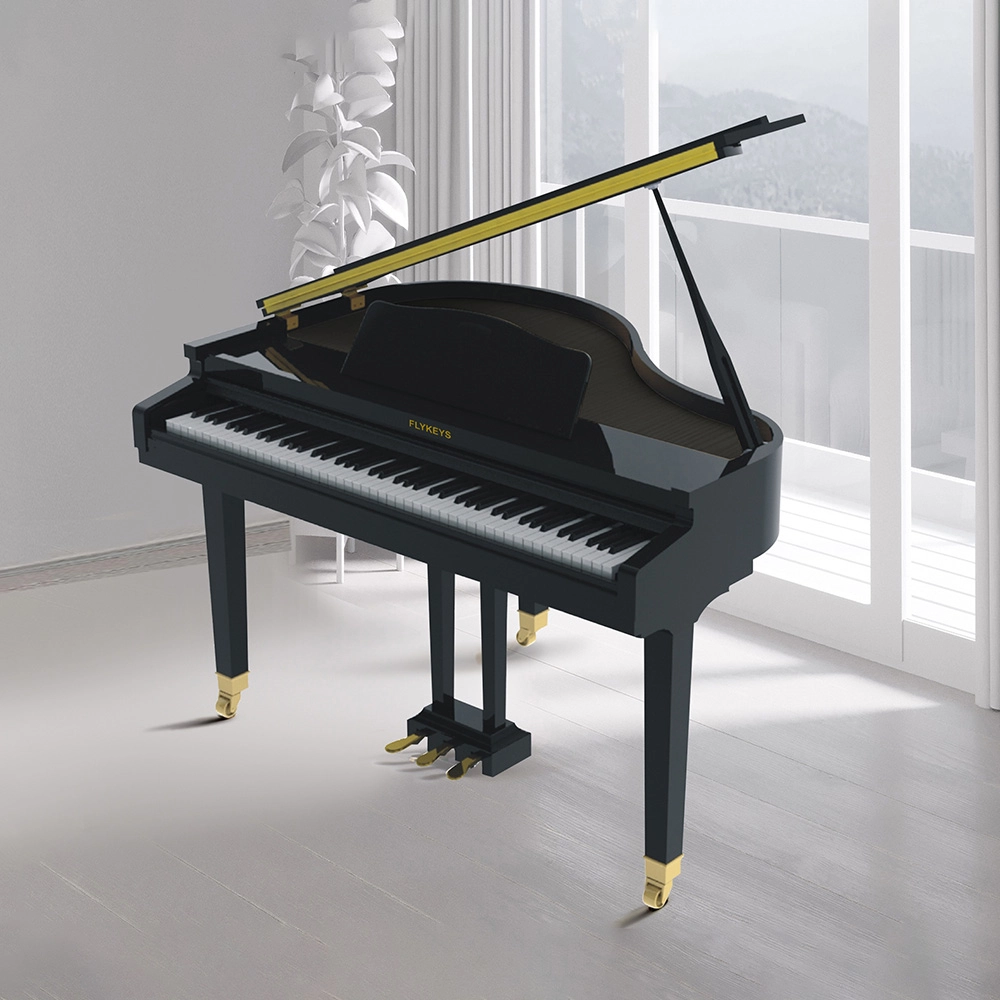
Flykeys 88 Keys Professional Digital Grand Piano Hammer Action Keyboard FGP110 Digital Piano
— Italian Fatar 88 Grand-ResponseTM Key trends with hammer action & dynamic curve
— Independent developed DSP chip, German famous grand piano sound sample
Address: No. 38 Xiangshan Avenue, Zengcheng Economic And Technological Development Zone, Guangzhou, China.
FOLLOW US:


© 2024 FLYKEYS All Rights Reserved. 粤ICP备2020102774号. Designed by gooeyun Sitemap | Privacy | Terms