

How to Choose the electronic piano manufacturer and supplier ?
- How to Choose the Electronic Piano Manufacturer and Supplier
- Understand the Buyer’s Intent: What You Really Need from an Electronic Piano Supplier
- Start with Product and Technology Evaluation
- Assess sound engine and sampling quality
- Examine key action and touch response
- Check polyphony, tone engine, and effects
- Verify Manufacturing Quality and Factory Capabilities
- Factory history, experience, and scale
- Quality control and testing workflow
- Prototyping, tooling, and customization capabilities
- Confirm Certifications, Compliance, and Safety
- Essential international certifications
- EMC, battery, and electrical safety
- Supply Chain, Lead Times, MOQ and Pricing
- Lead times and production scheduling
- Minimum order quantity (MOQ) and pricing structure
- Payment terms and financing arrangements
- Service, Warranty and After-Sales Support
- Warranty coverage and repair policies
- Spare parts, firmware updates and technical support
- Commercial & Legal Considerations
- Intellectual property and design protection
- Contract terms and penalties
- Factory & Supplier Audit Checklist
- What to inspect during factory visits
- Request documentation and proof
- Case Study: Why Choose FLYKEYS by Pearl River
- Heritage, R&D and manufacturing integration
- Quality assurance and certifications
- Negotiation Tips and Final Selection Steps
- Start with samples and small pilot orders
- Compare total landed cost, not just unit price
- Establish KPIs and review cadence
- Conclusion: Make a Balanced, Evidence-Based Choice
- Frequently Asked Questions
How to Choose the Electronic Piano Manufacturer and Supplier
Choosing the right electronic piano manufacturer and supplier is one of the most important decisions for brands, retailers, and distributors. Whether you are launching your own digital piano line or sourcing high-quality instruments for resale, this guide gives you a step-by-step process, checklist, and practical tips to evaluate potential partners. The article is designed for buyers with who need to verify quality, capacity, certifications, and long-term reliability.
Understand the Buyer’s Intent: What You Really Need from an Electronic Piano Supplier
When searching for an electronic piano manufacturer, buyers typically want to secure: reliable production capacity, consistent sound and feel comparable to acoustic pianos, competitive pricing, certification compliance (CE, FCC, RoHS), OEM/ODM services, and responsive after-sales support. Knowing these priorities helps you focus due diligence on the right areas and ask the right questions.
Start with Product and Technology Evaluation
Assess sound engine and sampling quality
Sound quality is the core commercial feature of any electronic piano. Check whether the manufacturer uses high-quality multi-layer piano samples captured at professional sampling rates (44.1 kHz or 48 kHz, 16-bit or 24-bit). Ask for demo files and on-site or sample listening tests. Professional suppliers will provide A/B comparisons and describe their sampling chain—microphone models, mic placement, and post-processing.
Examine key action and touch response
Key action defines how closely the electronic piano mimics an acoustic piano. Look for graded hammer action, triple-sensor key detection, wood or simulated-ivory keytops, and adjustable touch curves. Manufacturers should provide technical specifications (key travel, velocity resolution) and sample units for play-testing. If your market demands a “concert feel,” insist on high-end hammer mechanisms and accurate velocity sensing.
Check polyphony, tone engine, and effects
Polyphony (typical values: 64, 128, 256) affects ability to play complex pieces and layer voices. Confirm the tone engine architecture, DSP quality for reverb and effects, and whether the supplier supports firmware updates. Commercial customers often prefer platform extensibility—support for new voices, Bluetooth/USB audio, and app integrations.
Verify Manufacturing Quality and Factory Capabilities
Factory history, experience, and scale
Longstanding experience and production scale reduce supply risk. For example, Guangzhou Pearl River Amason Digital Musical Instrument Co., Ltd. was founded in 2008 and benefits from Pearl River Piano Group’s 60+ years of acoustic piano experience. FLYKEYS products combine that heritage with modern digital manufacturing. Ask potential suppliers for annual production capacity, number of production lines, and how many units they can ship monthly for your targeted models.
Quality control and testing workflow
Request details on inbound materials inspection, in-process testing, and final inspection procedures. Important checkpoints include keybed calibration, speaker testing, power safety, cosmetic inspection, and full functional testing. Reputable suppliers will share QC reports, failure rates, and corrective action records. For products sold overseas, confirm certification test reports for CE, FCC, and RoHS as evidence of compliance.
Prototyping, tooling, and customization capabilities
If you need OEM/ODM services or custom cabinetry, verify the supplier’s tooling and R&D capacity. Ask about prototype lead times, mold-making capabilities, and minimum order quantities (MOQ) for custom designs. A strong supplier offers design support, acoustic voicing, and sample development with iterative feedback loops.
Confirm Certifications, Compliance, and Safety
Essential international certifications
For international sales, ensure the manufacturer’s products meet regional standards. Common certifications include CE (Europe), FCC (USA), and RoHS (hazardous substances). Depending on your market, you may also require UL (US safety), BIS (India), or CCC (China). Ask for up-to-date certificates and lab reports—expired or missing certificates are a red flag.
EMC, battery, and electrical safety
Many digital pianos include battery operations, Bluetooth, or wireless modules. Verify electromagnetic compatibility (EMC) test results and lithium battery safety (if applicable). Suppliers should follow recognized test labs and standards to avoid import delays and safety recalls.
Supply Chain, Lead Times, MOQ and Pricing
Lead times and production scheduling
Typical lead times for electronic piano production vary with customization and order size. Standard models may take 30–60 days, while heavily customized or large orders can require 60–120 days. Confirm the supplier’s production calendar, peak-season impacts (e.g., Q3–Q4 for holiday demand), and options for rush production.
Minimum order quantity (MOQ) and pricing structure
MOQ varies widely between manufacturers and model types. Portable keyboards and entry-level digital pianos often have lower MOQs than High Quality upright or grand digital pianos. Request price tiers for different volumes, and ask how pricing changes with component upgrades (e.g., higher-grade speakers, wood keytops). Be clear on whether prices include packaging, shipping, and certification costs.
Payment terms and financing arrangements
Standard payment terms include deposit + balance before shipment (e.g., 30% deposit, 70% balance), L/C, or negotiated milestones. For long-term partnerships, some manufacturers accept extended terms or consignment for distributors. Ensure payment terms are aligned with your cash flow and risk tolerance.
Service, Warranty and After-Sales Support
Warranty coverage and repair policies
Check the length and coverage of warranties: common terms are 1–3 years for electronics, longer for cabinetry or structural components. Clarify responsibility for warranty repairs, spare parts availability, and turnaround times. Manufacturers with global support networks can help with faster local repairs for overseas customers.
Spare parts, firmware updates and technical support
A reliable supplier provides spare parts (keybeds, speakers, control boards) and firmware updates. Ask how firmware is deployed, whether updates are provided OTA (over-the-air), and whether local service partners exist. Good technical documentation and training for your service team reduce long-term operational costs.
Commercial & Legal Considerations
Intellectual property and design protection
If you are ordering proprietary designs, sign non-disclosure agreements (NDAs) before sharing specifications. Clarify IP ownership in contracts: who owns the design, tooling, and firmware modifications. Ensure the supplier respects your trademarks and brand designs to prevent unauthorized production.
Contract terms and penalties
Negotiate clear contracts that include delivery schedules, quality acceptance criteria, warranty terms, payment milestones, and penalty clauses for missed deadlines or quality defects. Include sample acceptance criteria and pre-shipment inspection rights to reduce disputes.
Factory & Supplier Audit Checklist
What to inspect during factory visits
Plan a factory visit or hire a third-party inspector. Key areas to review: manufacturing lines, R&D lab, sample room, QC stations, warehouse, and packaging lines. Check worker training records, traceability systems, and EHS policies (environment, health & safety).
Request documentation and proof
Ask for manufacturing permits, ISO certifications (if any), recent audit reports, and references from other clients. Request production samples, QC records for previous batches, and shipping history for export markets. A transparent supplier will willingly share these items.
Case Study: Why Choose FLYKEYS by Pearl River
Heritage, R&D and manufacturing integration
FLYKEYS is the overseas brand of Guangzhou Pearl River Amason Digital Musical Instrument Co., Ltd., a subsidiary of Guangzhou Pearl River Piano Group. The group has over 60 years of experience making acoustic pianos, and FLYKEYS leverages that legacy to produce professional digital pianos that closely resemble acoustic tone and feel. FLYKEYS focuses on portable digital pianos, upright and grand digital pianos, and digital keyboards.
Quality assurance and certifications
FLYKEYS products have passed FCC, CE and RoHS testing for international markets. The company emphasizes self-developed reduction technology and acoustic voicing to achieve a realistic sound and touch, backed by Pearl River’s long-standing reputation as a major global piano manufacturer. For buyers seeking a partner with OEM/ODM capabilities, FLYKEYS combines experience, compliance, and scalable production capacity.
Negotiation Tips and Final Selection Steps
Start with samples and small pilot orders
Before committing to large volumes, order production samples and a small pilot batch to validate quality and logistics. Use these to test consumer response, retail packaging, and after-sales handling. A successful pilot reduces risk for larger rollouts.
Compare total landed cost, not just unit price
Calculate total landed cost: unit price, certification and testing fees, shipping, import duties, insurance, and projected warranty/repair expenses. A slightly higher unit price can be justified by lower failure rates and faster market entry.
Establish KPIs and review cadence
Set measurable KPIs—on-time delivery rate, defect rate, lead time adherence—and schedule quarterly business reviews. A supplier committed to continuous improvement will welcome joint targets and performance-based incentives.
Conclusion: Make a Balanced, Evidence-Based Choice
Selecting the right electronic piano manufacturer and supplier requires a balanced assessment of technical quality, manufacturing reliability, certifications, commercial terms, and after-sales support. Use the checklist above to perform supplier comparisons, insist on samples and test reports, and protect your IP and contract terms. For many international buyers, partnering with experienced suppliers such as FLYKEYS—backed by Pearl River’s decades of piano craftsmanship and compliant with CE/FCC/RoHS—offers an attractive mix of heritage, quality, and global readiness.
Want to explore a partnership or request samples? Visit https://www.flykeysmusic.com/ to learn more about FLYKEYS’ product range, certifications, and OEM/ODM services.
Authoritative note: Evaluate every supplier against objective criteria—technical specs, factory capability, documentation, and references—and always test physical samples and certifications before placing large orders.
Frequently Asked Questions
Q: What are the most important certifications to check for electronic pianos?
A: For most export markets, CE, FCC and RoHS are essential. Depending on the destination, you might also need UL (USA), CCC (China), or BIS (India). Always ask for current test reports from accredited labs.
Q: How long does it typically take to produce a custom electronic piano order?
A: Lead time varies by complexity and volume. Standard models may ship in 30–60 days; custom or large orders often require 60–120 days. Confirm schedules before signing contracts and consider peak season delays.
Q: What should be included in a supplier quality agreement?
A: Include product specifications, acceptance criteria, inspection plans, defect thresholds, warranty terms, sample approval processes, and penalties for non-compliance. Clear documentation reduces disputes.
Q: How can I protect my design or brand when working with a manufacturer overseas?
A: Use NDAs, register trademarks and design patents in target markets, clarify IP ownership in contracts, and work only with vetted suppliers. Consider staggered production and component sourcing to limit exposure.
Q: Is it better to buy from a large established manufacturer or a small specialized one?
A: It depends on your priorities. Large manufacturers often offer capacity, certifications, and global logistics, while smaller specialists may provide faster customization and closer attention. Evaluate on QC history, references, and fit for your product goals.
How to Choose Right best small portable piano keyboard manufacturer and supplier ?
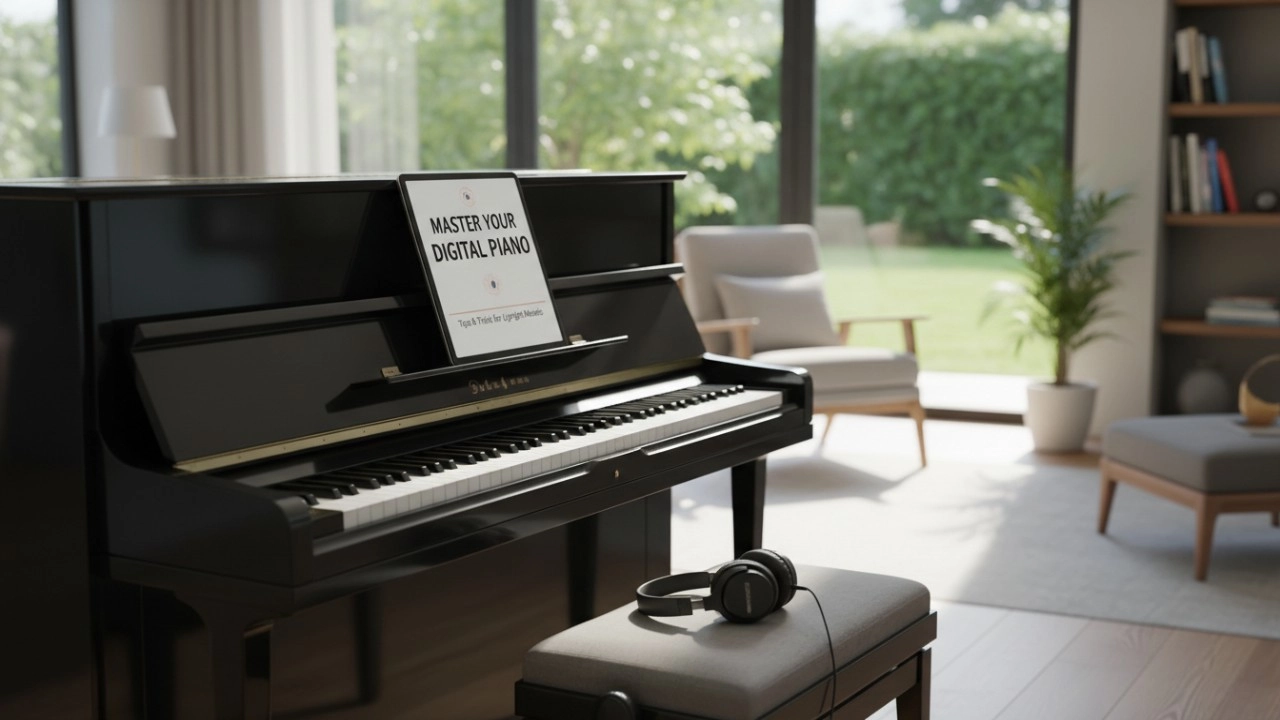
The Ultimate Guide to the Best Upright Digital Pianos: 2026 Edition
Commercial-grade best digital grand piano features to evaluate
What Is a Digital Piano? Key Features & Benefits | FLYKEYS
Customization
Can I customize the finish of my electronic piano?
Yes, we offer customization options for finishes, allowing you to choose from a variety of colors and textures.
Company
Does your company have any sustainability initiatives?
Yes, we are dedicated to sustainability and continuously strive to minimize our environmental footprint through responsible manufacturing practices.
Products
What is the warranty period of piano?
We provide 2 years warranty service, if there is any quality problem, we can provide accessories for free
Can I connect your electronic pianos to external devices?
Yes, our electronic pianos are equipped with connectivity options such as MIDI, USB, and Bluetooth for seamless integration with external devices.
Logistics
Do you ship internationally?
Yes, we offer international shipping to most countries worldwide.
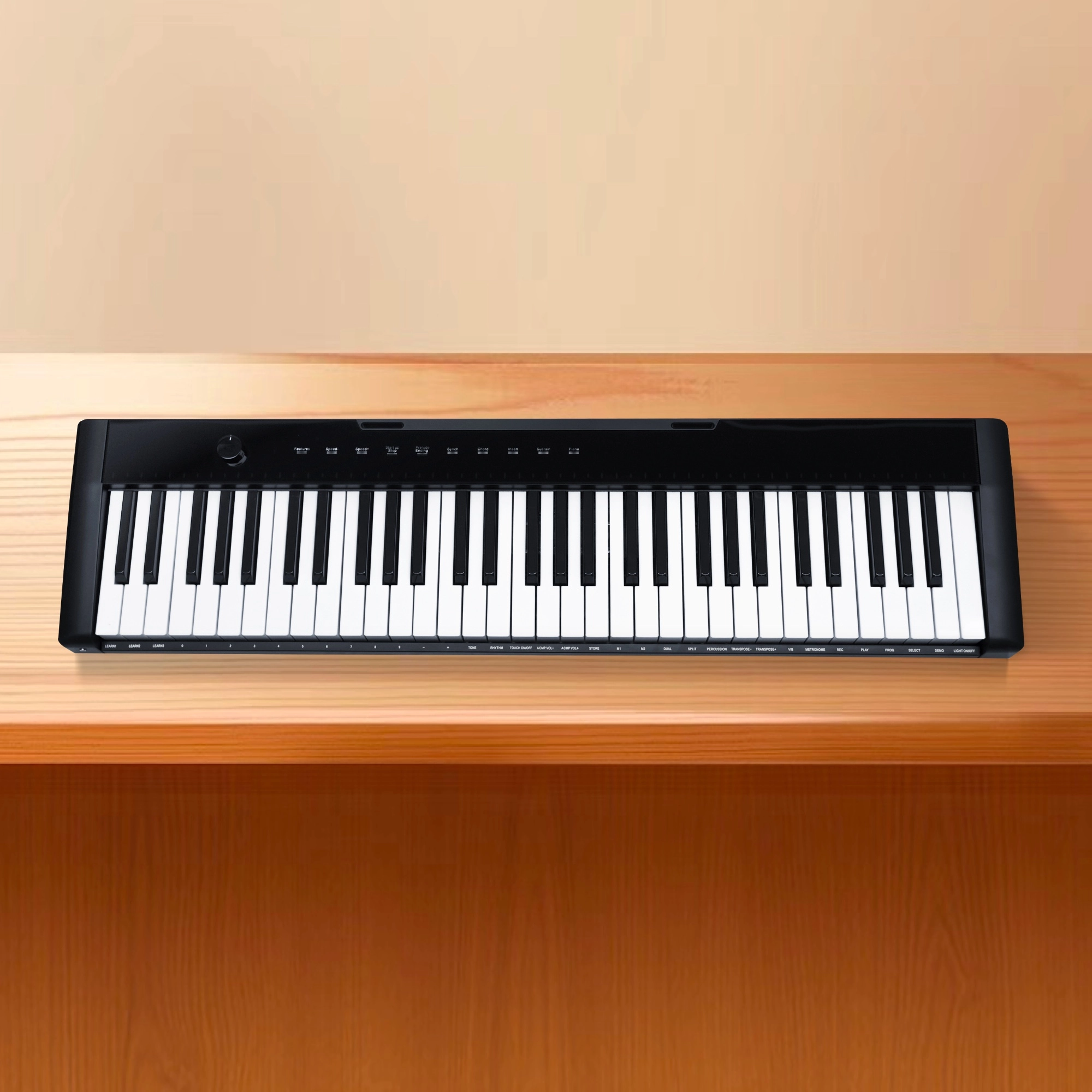
Flykeys 61 keys portable electronic keyboard piano with X stand (M2)
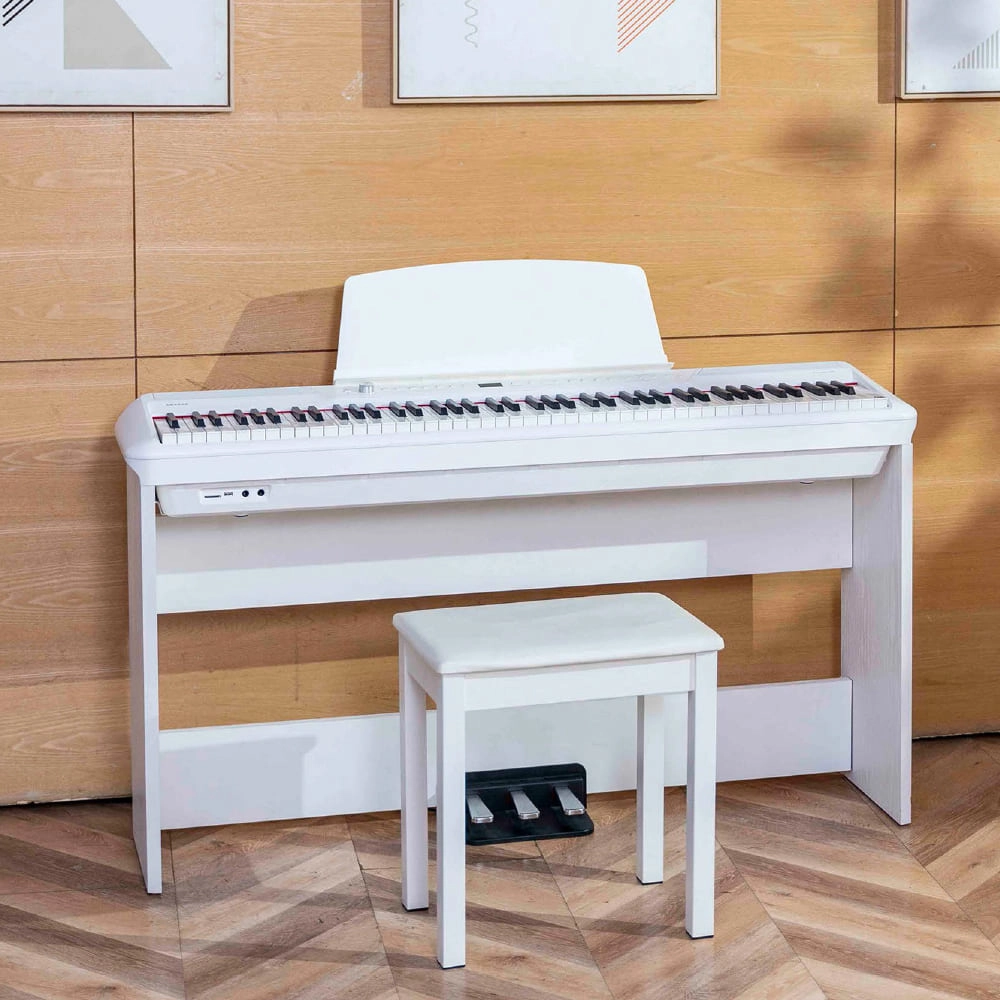
Flykeys Portable Electric Keyboard FP9 Digital Piano
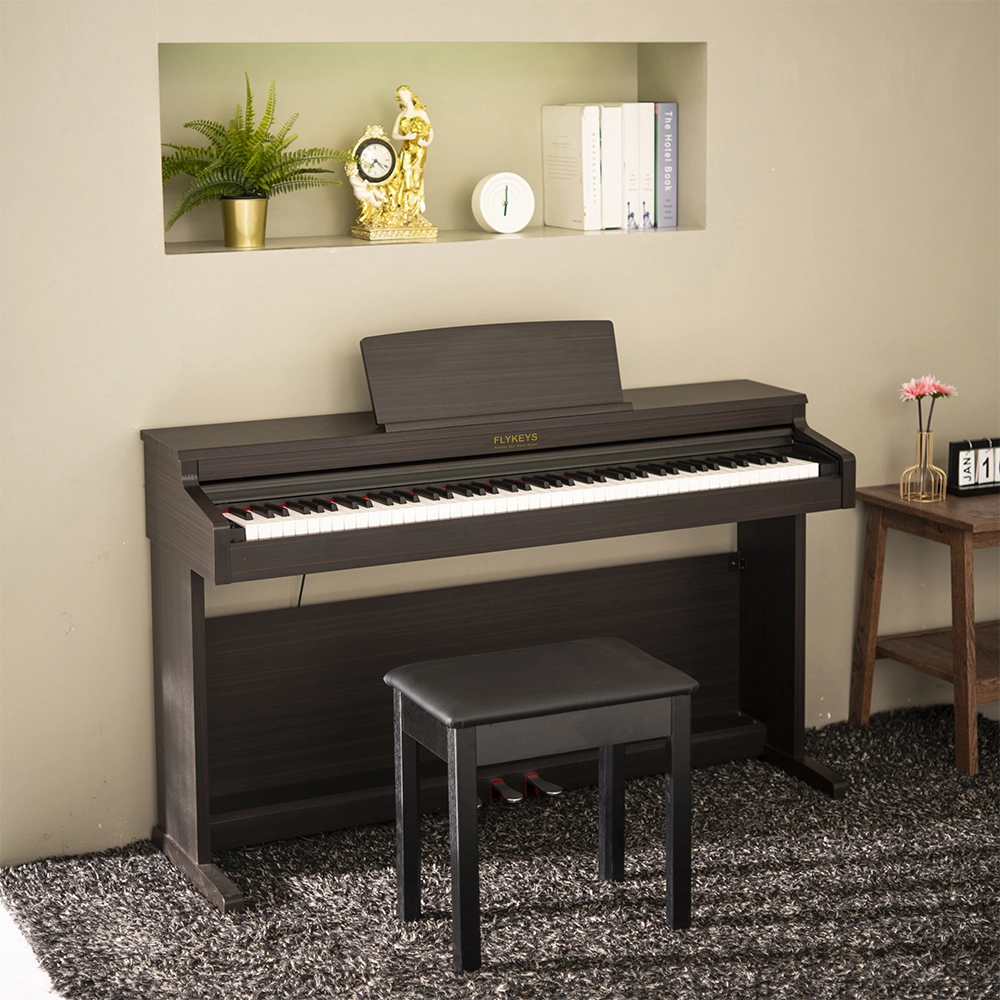
Flykeys 88 Keys Hammer Action keyboard Upright Piano LK03S Digital Piano
— Independent patented technology 88 key Grand-Response hammer action & dynamic curve keyboard;
— European top DSP chip, famous grand piano sound sample;
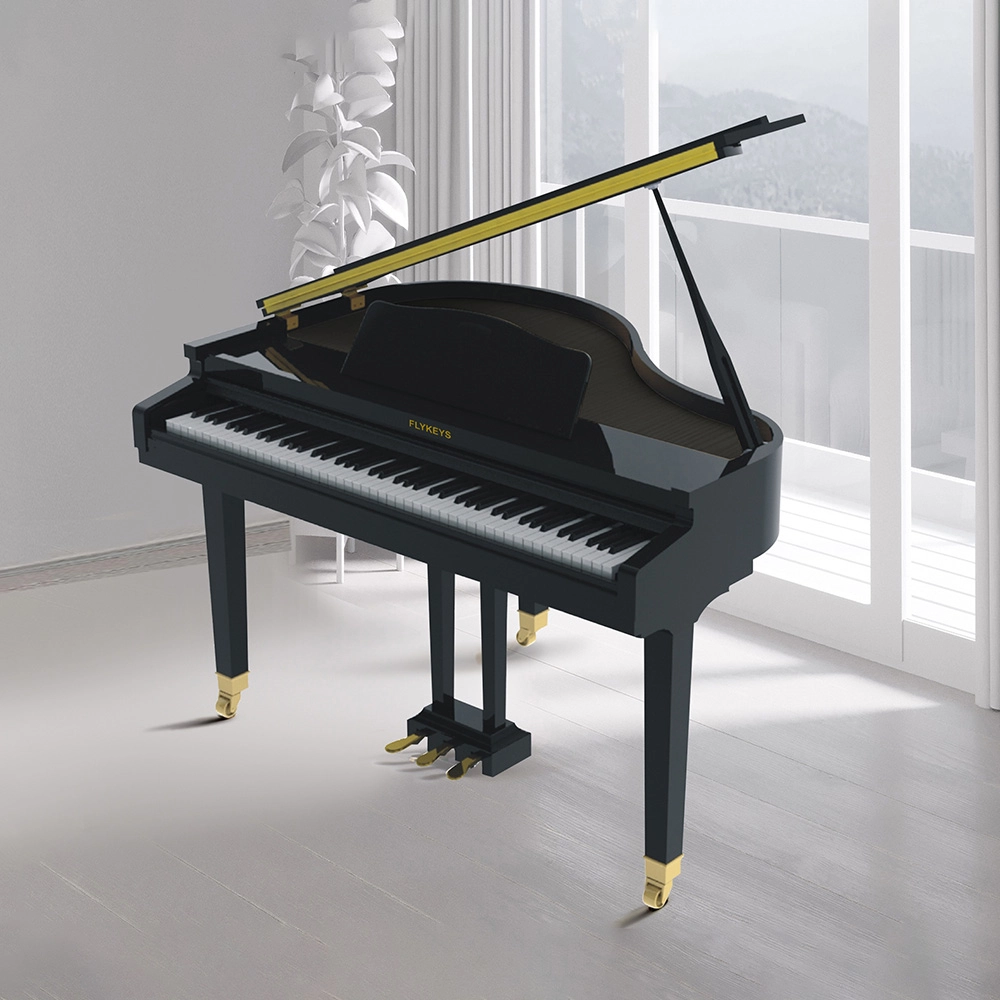
Flykeys 88 Keys Professional Digital Grand Piano Hammer Action Keyboard FGP110 Digital Piano
— Italian Fatar 88 Grand-ResponseTM Key trends with hammer action & dynamic curve
— Independent developed DSP chip, German famous grand piano sound sample
Address: No. 38 Xiangshan Avenue, Zengcheng Economic And Technological Development Zone, Guangzhou, China.
FOLLOW US:


© 2024 FLYKEYS All Rights Reserved. 粤ICP备2020102774号. Designed by gooeyun Sitemap | Privacy | Terms