

Choosing the Best Digital Grand Piano for Live Performance and Stage Use
- Introduction: Why a digital grand piano for live performance and stage use makes sense
- Understanding behind digital grand piano for live performance and stage use
- Key sound features to evaluate for stage-ready digital grand pianos
- Sampling quality and speaker realism
- Polyphony and voice layering
- Key action and touch responsiveness
- Connectivity and stage integration features
- Outputs and signals for FOH
- MIDI, USB, and syncing options
- Onboard controls and preset management
- Portability, build quality, and stage durability
- Weight, dimensions, and transport considerations
- Rugged construction and stage reliability
- Amplification and stage sound best practices
- Choosing between PA, stage monitor, and amp
- EQ and reverb tips for venue adaptation
- Latency, reliability, and technical specs to check
- Acceptable latency thresholds
- Power, firmware, and serviceability
- Comparing portable stage digital grands vs installed grand digital pianos
- Portable stage models
- Installed or furniture-style digital grands
- How FLYKEYS (Pearl River) digital grand pianos support live and stage professionals
- Company background and manufacturing advantage
- FLYKEYS features relevant to stage use
- Buying, renting, and budgeting considerations
- Price ranges and purchase guidance
- Rental and trial options
- Conclusion: Selecting the right digital grand piano for live performance and stage use
- Frequently Asked Questions
Introduction: Why a digital grand piano for live performance and stage use makes sense
Overview of live-use needsChoosing a digital grand piano for live performance and stage use means balancing acoustic piano feel and tone with the practicality of electronics. Performers need convincing tone, responsive action, reliable connectivity, consistent tuning, and manageable stage logistics. Modern digital grand pianos can deliver all this while reducing venue constraints like humidity, tuning, and moving heavy acoustic instruments.
Understanding behind digital grand piano for live performance and stage use
What users are looking forPeople searching this keyword are typically performers, music directors, rental companies, and venue buyers researching stage-ready instruments. Their goals include finding pianos that reproduce grand piano dynamics, integrate with PA systems, travel safely, and offer pro-level features such as balanced outputs, high polyphony, low latency, and realistic hammer action.
Key sound features to evaluate for stage-ready digital grand pianos
Sampling quality and speaker realism
Sound and For a digital grand piano for live performance and stage use, multi-layered stereo or multi-mic grand piano samples are essential. Look for instruments that use high-resolution multi-sampling and offer different mic positions or stereo field options—these help shape the tone for FOH (front-of-house). Many professional instruments emulate multiple mic perspectives to suit small clubs to large halls.
Polyphony and voice layering
Why polyphony matters on stageChoose a model offering at least 128-note polyphony; 192–256 notes is increasingly common and recommended for complex layering (piano + strings) and sustained pedal use during live sets. Higher polyphony prevents note-stealing in dense arrangements and when using backing tracks.
Key action and touch responsiveness
Action that responds on stageA realistic keyboard action—graded hammer action, triple-sensor detection, and escapement—is critical for expressive control. Many stage pianists prefer actions that mimic an acoustic grand: weighted keys with progressive resistance, accurate repetition, and consistent dynamic control.
Connectivity and stage integration features
Outputs and signals for FOH
Balanced outputs and DI optionsA professional digital grand piano for live performance and stage use should include balanced XLR outputs, 1/4 outputs, and DI capability. Balanced outputs reduce noise over long cable runs to the FOH desk. Some stage models offer multiple outputs for separate FOH and monitor mixes, or dedicated stereo output pairs for LR and sub.
MIDI, USB, and syncing options
Integrating with stage techUSB-MIDI and traditional 5-pin DIN MIDI keep the instrument compatible with backing tracks, click tracks, and stage lighting or show-control systems. Reliable MIDI implementation simplifies triggering samples or controlling virtual instruments via a laptop on stage.
Onboard controls and preset management
Fast sound changes during a setPerformance-oriented models provide quick-access preset banks, split/dual modes, and foot pedal assignability. Being able to recall a stage-ready piano patch instantly is a major efficiency for live gigs.
Portability, build quality, and stage durability
Weight, dimensions, and transport considerations
Roadworthiness for touringWhen selecting a digital grand piano for live performance and stage use, check the instrument’s weight, case design, and whether it breaks down for transport. Some instruments are designed as portable stage grands—sleek, lighter frames with detachable legs—while others are heavy, furniture-style grands better suited to fixed installs.
Rugged construction and stage reliability
Durable materials and protectionStage use demands robust build quality. Reinforced cabinets, secure jack panels, and strong pedal assemblies reduce failures during tours. Certifications (like CE, FCC, RoHS) indicate compliance with safety and electromagnetic standards relevant to international touring.
Amplification and stage sound best practices
Choosing between PA, stage monitor, and amp
Getting your piano heardA digital grand piano for live performance and stage use typically requires a PA for audience coverage and a monitor or wedge for player foldback. Balanced DI to FOH plus a dedicated stage monitor feed yields the best control over onstage levels and FOH tone. In smaller venues, powered stage pianos with built-in speakers can be sufficient, but they rarely replace a full PA in larger venues.
EQ and reverb tips for venue adaptation
Shaping the tone on stageWork with FOH to apply gentle EQ—cutting low mids to prevent muddiness and adding presence around 2–5 kHz as needed. Use reverb sparingly onstage; FOH reverb presets tailored to the venue generally sound more natural than heavy onboard reverb.
Latency, reliability, and technical specs to check
Acceptable latency thresholds
Why latency is critical liveFor stage use, total audio latency should be imperceptible. Low round-trip latency under 5–10 ms is generally acceptable for piano performance. Digital grand pianos engineered for professional use prioritize fast internal processing and low-latency audio paths.
Power, firmware, and serviceability
Maintainability for continuous showsReliable power supplies, straightforward firmware updates, and easy access to service support are all important when a piano is part of a touring rig or a busy venue. Check manufacturer warranties, international service networks, and spare parts availability.
Comparing portable stage digital grands vs installed grand digital pianos
Portable stage models
When portability mattersPortable models prioritize slim profiles, reduced weight, and rugged cases—ideal for session musicians, touring acts, and rental companies. They usually feature strong direct outputs, integrated handles, and quick-setup controls designed for live performance workflows.
Installed or furniture-style digital grands
When appearance and acoustic feel matterLarge furniture-style digital grands offer an authentic grand appearance and can be ideal for theaters, concert halls, and VIP venues. They prioritize acoustic realism and aesthetics, although they are less convenient for frequent transport.
How FLYKEYS (Pearl River) digital grand pianos support live and stage professionals
Company background and manufacturing advantage
Why Pearl River heritage mattersGuangzhou Pearl River Amason Digital Musical Instrument Co., Ltd., a subsidiary of Pearl River Piano Group founded in 2008, leverages over 60 years of acoustic piano expertise. FLYKEYS products are developed with Pearl River’s long history of piano-making, producing digital grand pianos that emphasize authentic tone and responsive action.
FLYKEYS features relevant to stage use
Practical benefits for live performanceFLYKEYS models combine professionally sampled piano tones, realistic key action developed using reduction technology, and practical stage features such as balanced outputs, MIDI/USB connectivity, and rugged construction. FLYKEYS instruments sold overseas meet FCC, CE, and RoHS standards, supporting international touring and venue requirements.
Buying, renting, and budgeting considerations
Price ranges and purchase guidance
Budgeting for performance needsPrice for a digital grand piano for live performance and stage use varies by feature set. Entry-level stage grands typically start around US$1,000–2,500; professional stage models commonly range from US$2,500–8,000; high-end flagship instruments and furniture-style digital grands can exceed US$8,000 depending on bespoke features. Consider total cost including stands, flight cases, and monitor solutions.
Rental and trial options
Try before you tourRenting is an economical way to test a digital grand piano for live performance and stage use before committing. Reputable dealers and rental houses often provide stage-ready setups so you can evaluate sound in a venue-like environment. Verify insurance, transport provisions, and technical support in rental agreements.
Conclusion: Selecting the right digital grand piano for live performance and stage use
Final decision checklistTo choose the best digital grand piano for live performance and stage use, focus on realistic sampled tone, robust graded action, balanced outputs and routing, sufficient polyphony, low latency, rugged transportability, and reliable manufacturer support. Match the instrument to your performance context—touring musicians will prioritize portability and balanced I/O; venues may prioritize appearance and built-in amplification options. FLYKEYS, backed by Pearl River’s long heritage and international certifications, is positioned as a compelling option for players seeking acoustic-like performance combined with modern stage convenience.
Frequently Asked Questions
Q: What is the minimum polyphony I should look for in a stage digital grand?A: Aim for at least 128-note polyphony for basic stage use. For layered sounds, extended sustain, and complex arrangements, 192–256 notes or higher is safer to avoid note-stealing.
Q: Do I need built-in speakers for live stage use?A: Built-in speakers are useful for practice and very small venues, but for most live stage situations you'll route the signal through a PA and use balanced outputs to FOH and separate stage monitors for reliable coverage.
Q: How important is keyboard action for live performance?A: Very important. Expressive control and fast repetition matter on stage. Look for graded hammer action, triple-sensor detection, and escapement-like feel if you play classical or expressive pop/rock piano parts.
Q: How do I connect a digital grand piano to a venue PA?A: Use the instrument’s balanced XLR outputs or a DI box to send line-level signals to FOH. If available, use separate outputs for FOH and monitor mixes so engineers can tailor each feed.
Q: Are digital grand pianos durable enough for touring?A: Many modern stage-focused digital grands are built for touring with reinforced chassis, secure jack panels, and protective flight cases. Verify the model’s weight, case options, and manufacturer support before touring.
Q: How much should I budget for a professional stage digital grand piano?A: Expect entry-level stage models around US$1,000–2,500; professional models typically US$2,500–8,000; and High Quality instruments above US$8,000. Include costs for cases, stands, and monitoring in your budget.
Q: Why choose FLYKEYS for live performance applications?A: FLYKEYS benefits from Pearl River Piano Group’s 60+ years of acoustic piano expertise, offers professionally voiced samples and realistic action, and meets international FCC, CE, and RoHS certifications—important for global touring and venue compliance.
Everything You Need to Know About digital 88 key piano
Best Digital Grand Piano for Home Use: Complete Buying Guide
Best Digital Pianos with MIDI, USB, and Bluetooth
Tips for Wholesale grand piano vs upright
Company
What sets your company apart from competitors?
We pride ourselves on our commitment to quality craftsmanship, cutting-edge technology, and exceptional customer service.
Where is your company located?
Our headquarters are located in Guangzhou City, China, with manufacturing facilities strategically positioned for efficient global distribution.
Products
Are your electronic pianos suitable for beginners?
Yes, we have models designed specifically for beginners, featuring user-friendly interfaces and educational features.
Can I connect your electronic pianos to external devices?
Yes, our electronic pianos are equipped with connectivity options such as MIDI, USB, and Bluetooth for seamless integration with external devices.
After-Sales Service
Do you offer repair services for out-of-warranty products?
Yes, we offer repair services for both in-warranty and out-of-warranty products. Please contact our support team for assistance.
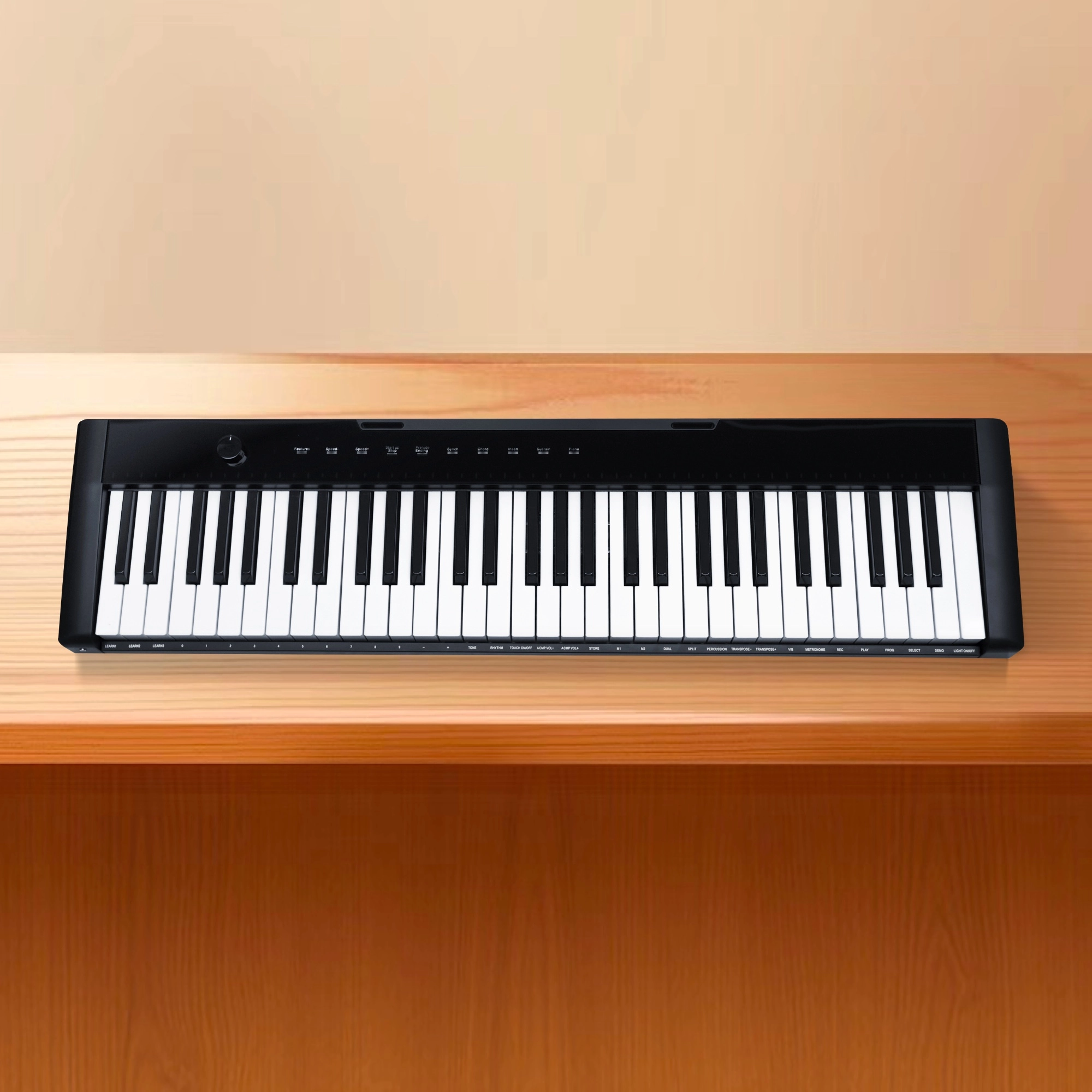
Flykeys 61 keys portable electronic keyboard piano with X stand (M2)
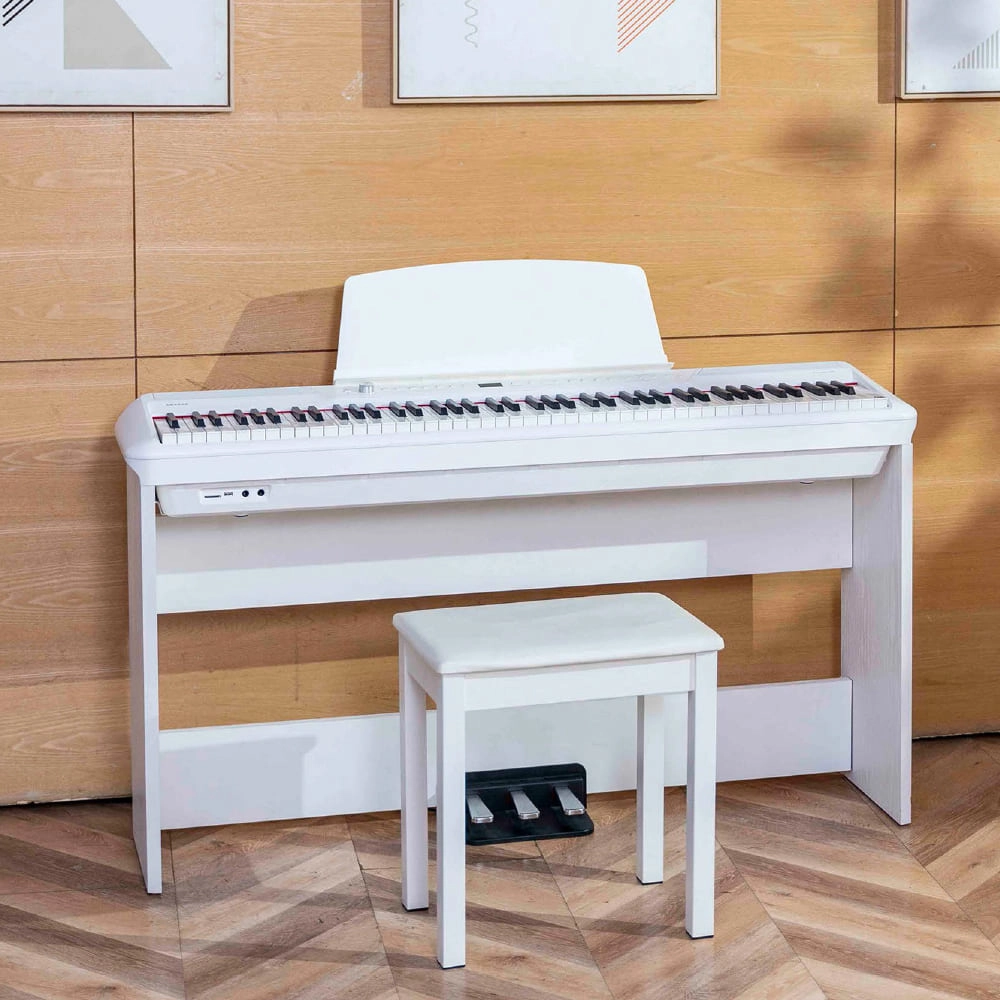
Flykeys Portable Electric Keyboard FP9 Digital Piano
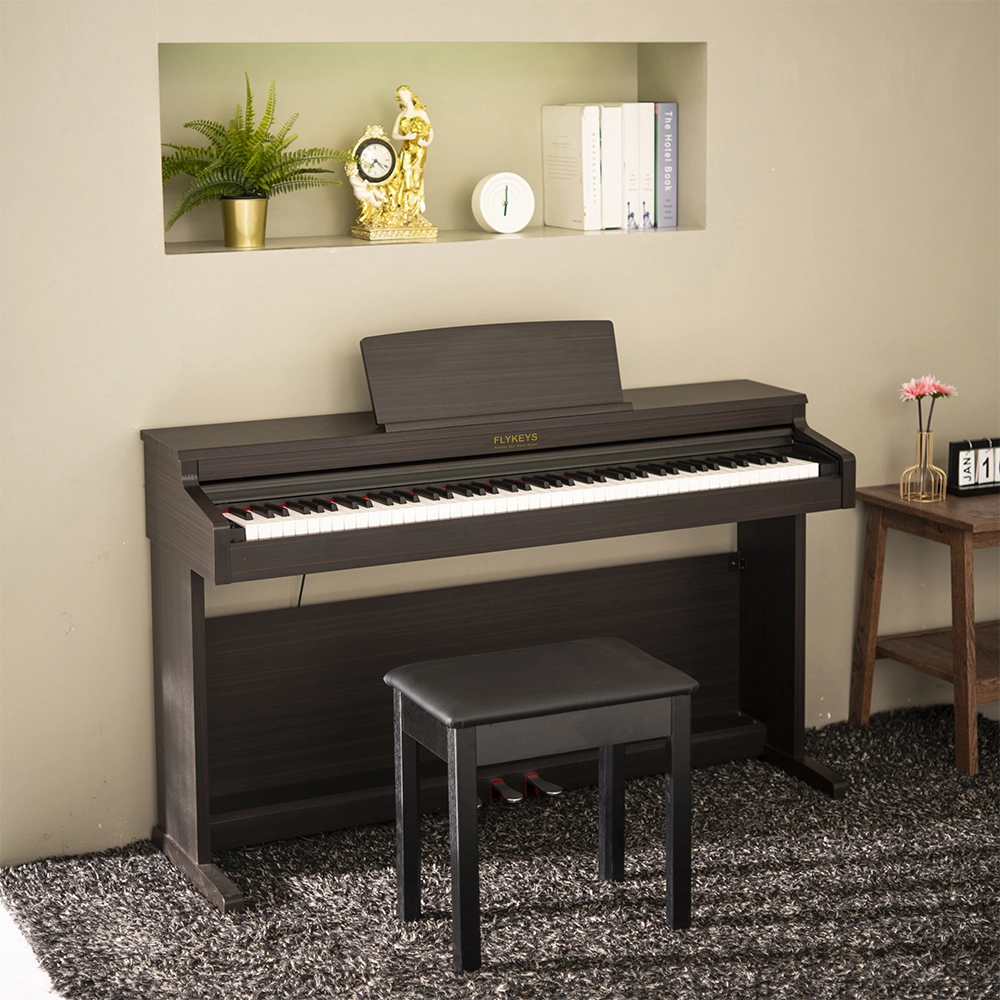
Flykeys 88 Keys Hammer Action keyboard Upright Piano LK03S Digital Piano
— Independent patented technology 88 key Grand-Response hammer action & dynamic curve keyboard;
— European top DSP chip, famous grand piano sound sample;
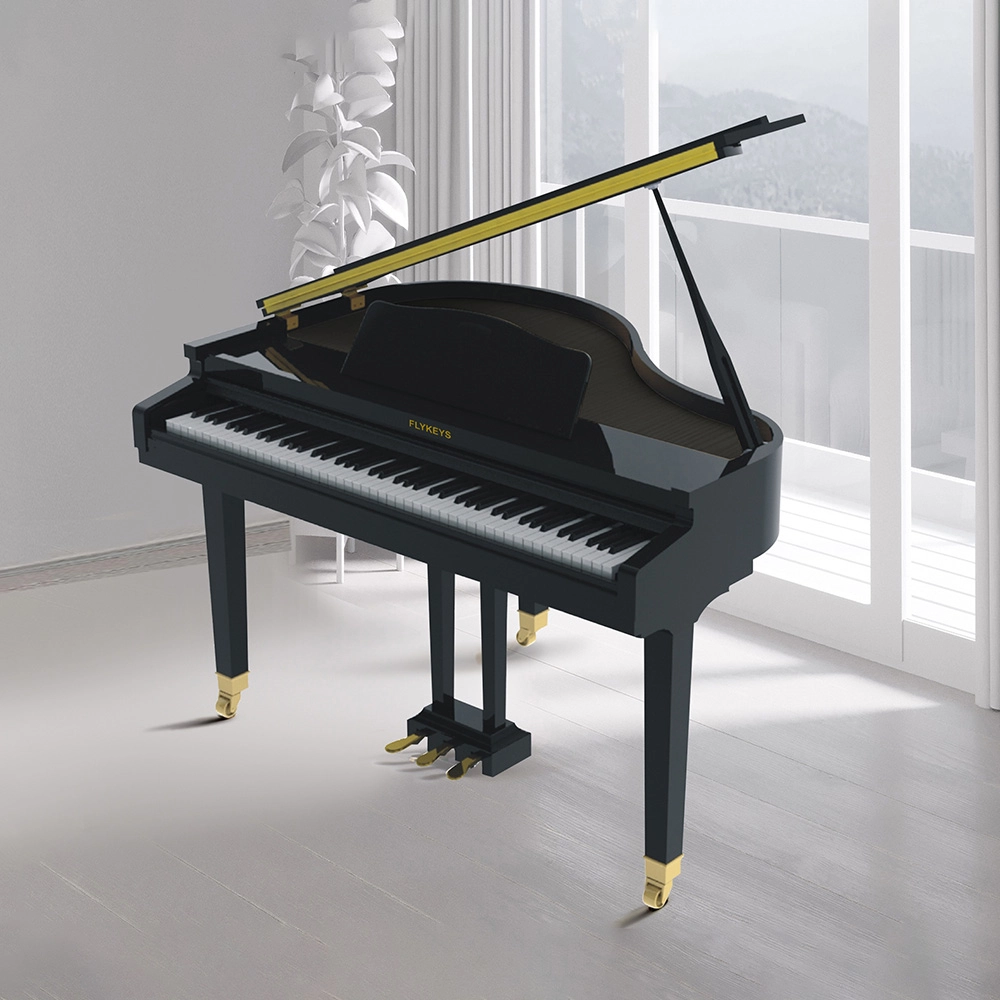
Flykeys 88 Keys Professional Digital Grand Piano Hammer Action Keyboard FGP110 Digital Piano
— Italian Fatar 88 Grand-ResponseTM Key trends with hammer action & dynamic curve
— Independent developed DSP chip, German famous grand piano sound sample
Address: No. 38 Xiangshan Avenue, Zengcheng Economic And Technological Development Zone, Guangzhou, China.
FOLLOW US:


© 2024 FLYKEYS All Rights Reserved. 粤ICP备2020102774号. Designed by gooeyun Sitemap | Privacy | Terms