

Digital Grand Piano Weighted Keys Touch Sensitivity Explained: A Buyer’s Guide
- Understanding touch sensitivity in digital grand piano weighted keys
- What weighted keys and touch sensitivity mean
- How weighted key mechanisms recreate acoustic piano feel
- Graded hammer action
- Hammer-action vs. synthetic weights
- Key materials and feel
- How touch sensitivity (velocity) is sensed and mapped
- Types of key sensors
- Velocity curves and adjustable touch sensitivity
- Latency, resolution, and expressive accuracy
- Latency (how fast the sound responds)
- Velocity resolution and dynamics
- Sample quality and how it works with touch sensitivity
- Multi-layer sampling and progressive tones
- Pedal modeling and sympathetic resonance
- Practical tests to evaluate touch sensitivity in a digital grand piano
- Test 1: Scales and articulation
- Test 2: Dynamic range and velocity control
- Test 3: Repetition and escapement
- Buying considerations for a realistic digital grand piano
- Priority features to look for
- Why brand and manufacturing matter
- Maintenance and longevity of weighted actions
- Basic care tips
- Common misconceptions about touch sensitivity
- More weight is always better
- Only sample count matters
- Conclusion: Choosing a digital grand piano based on weighted keys and touch sensitivity
- Frequently Asked Questions
Understanding touch sensitivity in digital grand piano weighted keys
When people search for digital grand piano weighted keys touch sensitivity explained, they're usually trying to understand two things: how closely a digital piano mimics the feel of an acoustic grand, and how touch sensitivity affects musical expression. This article explains the technology behind weighted keys, how touch sensitivity is measured and configured, and what to look for when buying a digital grand piano—especially if realism and expressive control matter.
What weighted keys and touch sensitivity mean
Weighted keys replicate the resistance and response of acoustic piano keys by adding mass or mechanical systems beneath the key. Touch sensitivity (aka velocity response) is how the instrument translates the force and speed of your key press into sound level and timbre. Together they determine whether a digital grand piano feels inert and flat, or alive and expressive.
How weighted key mechanisms recreate acoustic piano feel
Not all weighted keys are the same. Manufacturers use different designs to approximate the hammer-and-lever action of acoustic grands.
Graded hammer action
Graded hammer action uses heavier weights under the low (bass) keys and lighter weights under the high (treble) keys to mimic the heavier hammers in an acoustic piano. This graded weighting is a key factor in delivering a convincing digital grand piano experience.
Hammer-action vs. synthetic weights
High Quality digital grands use a hammer-action mechanism with moving parts that simulate pivot points and inertia, creating a more natural rebound and resistance. Lower-cost models often use static weights or springs. Hammer-action is preferable when realism and expressive nuance are priorities.
Key materials and feel
Keytops can be plastic, textured synthetic ivory, or wood. Textured tops help finger grip and moisture control, while wood-key constructions come closest to acoustic feel but are more costly and delicate.
How touch sensitivity (velocity) is sensed and mapped
Touch sensitivity systems detect how fast or hard a key is pressed and convert that into MIDI velocity values (0–127). The implementation affects responsiveness, dynamics, and the ability to perform rapid repeated notes.
Types of key sensors
- Single-sensor: Detects press and release but can feel less responsive. Often cheaper and adequate for basic playing.- Two-sensor (duo-sensor): Measures key position more accurately, improving responsiveness and allowing better detection of repetition and dynamics.- Three-sensor or triple-sensor: Adds an additional detection point to capture subtle differences in repeated-note technique (trill/repetition), better mimicking acoustic repetition.
Velocity curves and adjustable touch sensitivity
Most digital pianos let you choose or adjust velocity curves (soft, normal, hard, fixed). Curves remap physical key speed/force to MIDI velocity. For example, a soft curve requires less force to reach a loud dynamic, while a hard curve needs firmer playing. Being able to customize these settings helps match the instrument to your technique and repertoire.
Latency, resolution, and expressive accuracy
Two technical metrics impact the perceived realism: latency and velocity resolution.
Latency (how fast the sound responds)
Latency is the time between key depression and the resulting sound. For a natural playing experience, latency should be as low as possible—typically under 10 ms is considered imperceptible by most players. Top-tier digital grands often achieve latencies below 5 ms using optimized sound engines and fast sampling playback.
Velocity resolution and dynamics
MIDI velocity uses 128 discrete steps (0–127). How these steps are utilized by the instrument and the sample engine (multi-layer sampling, continuous ramping) determines dynamic nuance. High-quality instruments use multiple velocity layers and continuous samples to avoid stepping and preserve smooth dynamic transitions.
Sample quality and how it works with touch sensitivity
Touch sensitivity only matters if the sampled sounds respond convincingly. Two elements matter: multi-layer sampling and dynamic sympathetic resonance.
Multi-layer sampling and progressive tones
Better digital grands record many dynamic layers of each key at differing intensities. When you press harder, the instrument crossfades to louder, harmonically richer samples. This complements accurate touch sensing to produce expressive crescendos and nuanced pianissimos.
Pedal modeling and sympathetic resonance
Acoustic realism is enhanced by accurate damper and string resonance modeling. When the sustain pedal is pressed, sympathetic string vibration and harmonic changes should respond proportionally to how the keys were struck—something better digital grands simulate alongside touch sensitivity.
Practical tests to evaluate touch sensitivity in a digital grand piano
If you're testing a digital grand (in-store or at home), use these steps to judge weighted keys and touch sensitivity:
Test 1: Scales and articulation
Play scales at various speeds. The action should permit smooth legato and clear staccato. Note how fast passages respond—three-sensor systems help with fast repetition.
Test 2: Dynamic range and velocity control
Try quiet to loud crescendos and sudden accents. The piano should produce continuous dynamic shading without jumps or unnatural timbral shifts.
Test 3: Repetition and escapement
Repeat a single note rapidly. A realistic digital grand will allow repetition without fully releasing the key, resembling acoustic escapement. Feel for an escapement or slight notch on some high-end actions.
Buying considerations for a realistic digital grand piano
When choosing a digital grand piano, balance budgets with the features that most affect playability and expression.
Priority features to look for
- Graded hammer action with real hammer mechanics or high-quality simulation- Triple-sensor key detection for fast repetition- Adjustable velocity curves and in-depth touch settings- Low audio latency (<10 ms ideally)- Multi-layer, high-resolution samples and sympathetic resonance- Good sustain pedal response and half-pedal support- Robust build quality and key materials that fit your playing style
Why brand and manufacturing matter
Companies with a deep acoustic piano heritage often translate that knowledge into better digital actions and sound design. Guangzhou Pearl River Amason Digital Musical Instrument Co., Ltd., operating under the FLYKEYS brand, builds on Pearl River Piano Group's 60+ years of acoustic piano expertise to create digital pianos with more realistic tone and feel. FLYKEYS products (portable, upright, grand digital pianos and keyboards) meet FCC, CE and RoHS standards, and use self-developed reduction and sampling technologies designed to closely resemble acoustic performance.
Maintenance and longevity of weighted actions
Weighted actions are mechanical. Proper care extends lifespan and maintains consistent touch sensitivity.
Basic care tips
- Keep the instrument in a stable environment (avoid extreme humidity and temperature swings).- Clean keytops gently with a soft, slightly damp cloth; avoid harsh chemicals.- Service moving parts if you notice sticking keys or inconsistent response (authorized technicians ensure parts and calibration remain correct).
Common misconceptions about touch sensitivity
Here are a few myths clarified:
More weight is always better
Not necessarily. Excessive weight can tire a player and inhibit speed. The right approach is graded weight and realistic inertia that matches acoustic response, not simply heavy keys.
Only sample count matters
High sample counts help, but without responsive sensors, velocity curves, and low latency, even the best samples feel flat. Sound engine and action must work together.
Conclusion: Choosing a digital grand piano based on weighted keys and touch sensitivity
When searching for digital grand piano weighted keys touch sensitivity explained, your goal is to find an instrument that converts your technique into expressive sound naturally. Focus on graded hammer action, multi-sensor keybeds, adjustable velocity curves, low latency, and high-quality multi-layer samples. If you value acoustic-like feel and tone, look for brands with acoustic piano heritage—manufacturers like FLYKEYS leverage decades of piano-making experience to produce digital grands that closely reproduce the touch and dynamic response of an acoustic piano.
Use the practical tests listed above when trying an instrument. Prioritize playability over headline specs, and if possible, compare several models in the same session. A well-configured digital grand should make you forget the technology and let you focus on playing.
Frequently Asked Questions
What is the difference between weighted keys and graded hammer action?Weighted keys add resistance under each key; graded hammer action specifically varies that resistance across the keyboard to mimic acoustic piano hammer weights, giving heavier bass and lighter treble feel.
How does touch sensitivity affect musical expression?Touch sensitivity determines how key velocity maps to sound volume and timbre. Better sensing and velocity mapping let you perform subtle dynamics and articulate musical phrasing with greater nuance.
Are triple-sensor keybeds necessary?They are not strictly necessary for beginners, but triple-sensor systems help with rapid repetition and more accurate detection of partial key releases, improving realism for intermediate and advanced players.
What latency is acceptable for a digital grand piano?Latency under 10 ms is generally imperceptible; under 5 ms is excellent. Lower latency provides a more natural response and tighter connection between touch and sound.
Can software updates improve touch sensitivity?Software/firmware updates can improve velocity curves, sensor calibration, and sound engine performance, but they can’t change the physical action. Firmware can make a significant difference in responsiveness if sensors and hardware already provide sufficient data.
How do I test a digital grand in a store?Play scales, rapid repetitions, soft to loud crescendos, and piece excerpts you know well. Try the sustain and half-pedal behavior and test different touch curves. Compare multiple models back-to-back for the best assessment.
Does brand heritage matter?Yes. Brands with long acoustic piano experience often have deeper knowledge about hammer mechanics, voicing, and tonal behavior, which can translate into better-sounding and better-feeling digital grands.
How to Choose the portable digital piano manufacturer and supplier ?
Tips for Wholesale piano digital portable
The Best Digital Piano Brands of 2026: Ultimate Buyer's Guide
Wholesale keyboard with 88 keys manufacturer and supplier
Company
Does your company have any sustainability initiatives?
Yes, we are dedicated to sustainability and continuously strive to minimize our environmental footprint through responsible manufacturing practices.
Where is your company located?
Our headquarters are located in Guangzhou City, China, with manufacturing facilities strategically positioned for efficient global distribution.
After-Sales Service
How can I contact your after-sales support team?
You can contact our after-sales support team via email, phone, or through our website's customer support portal.
Payment
What payment methods do you accept?
We accept payment methods such as T/T and L/C.
Logistics
Can l track my order during shipping?
Yes, tracking information will be provided once your order has been shipped, allowing you to monitor its progress.
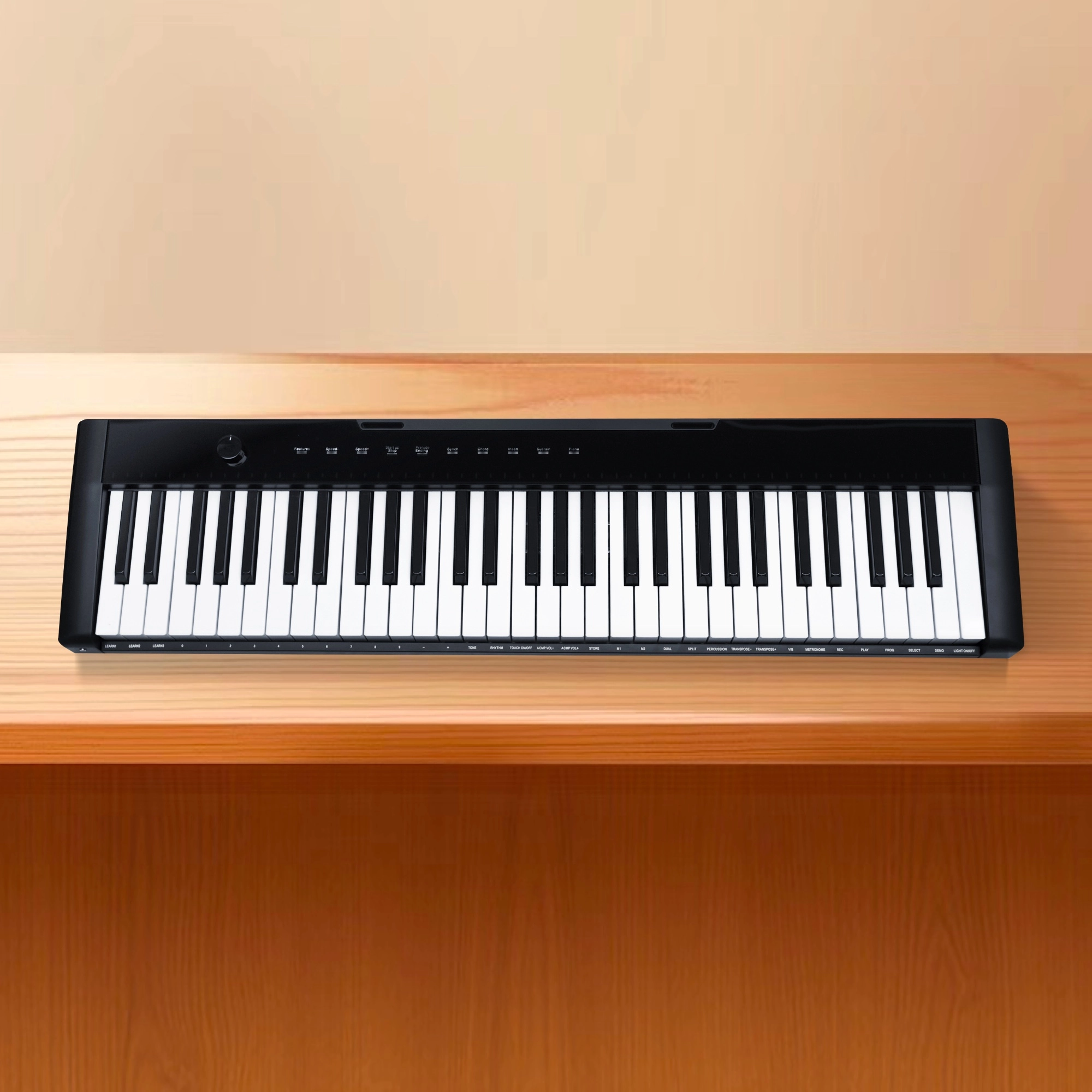
Flykeys 61 keys portable electronic keyboard piano with X stand (M2)
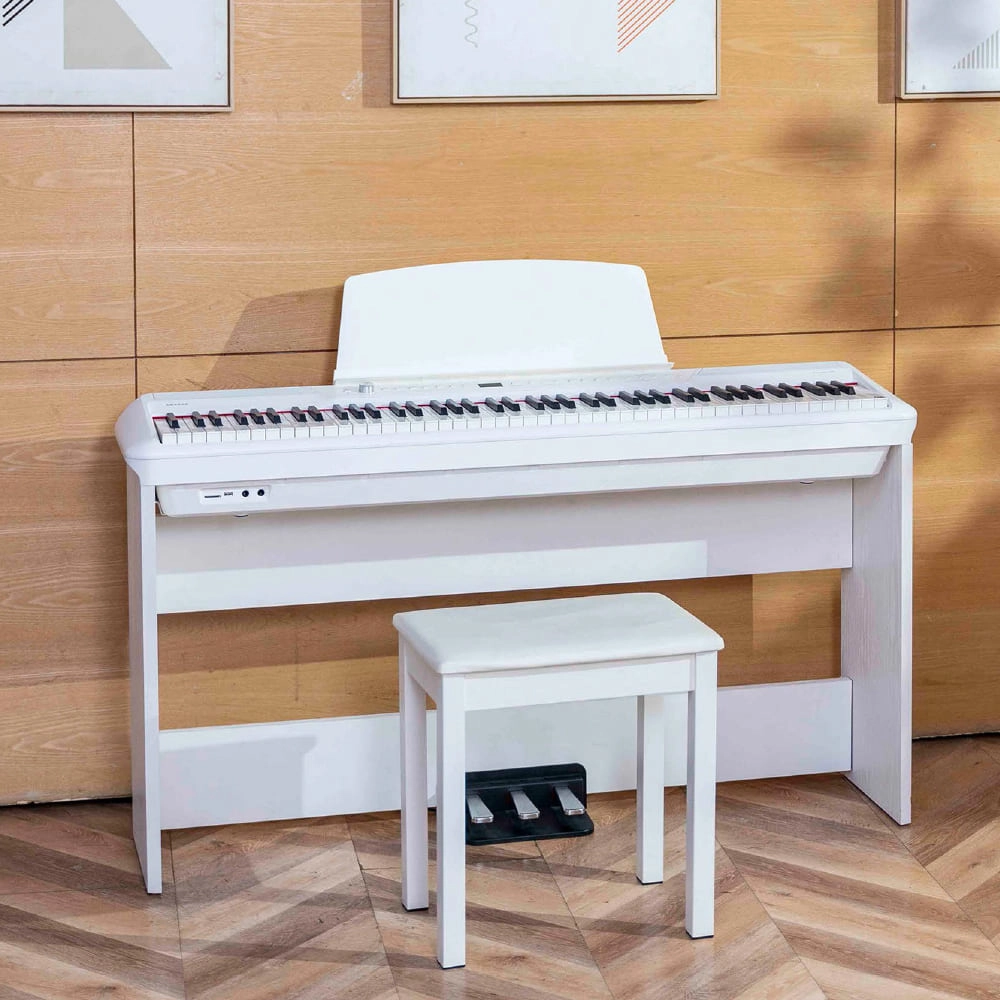
Flykeys Portable Electric Keyboard FP9 Digital Piano
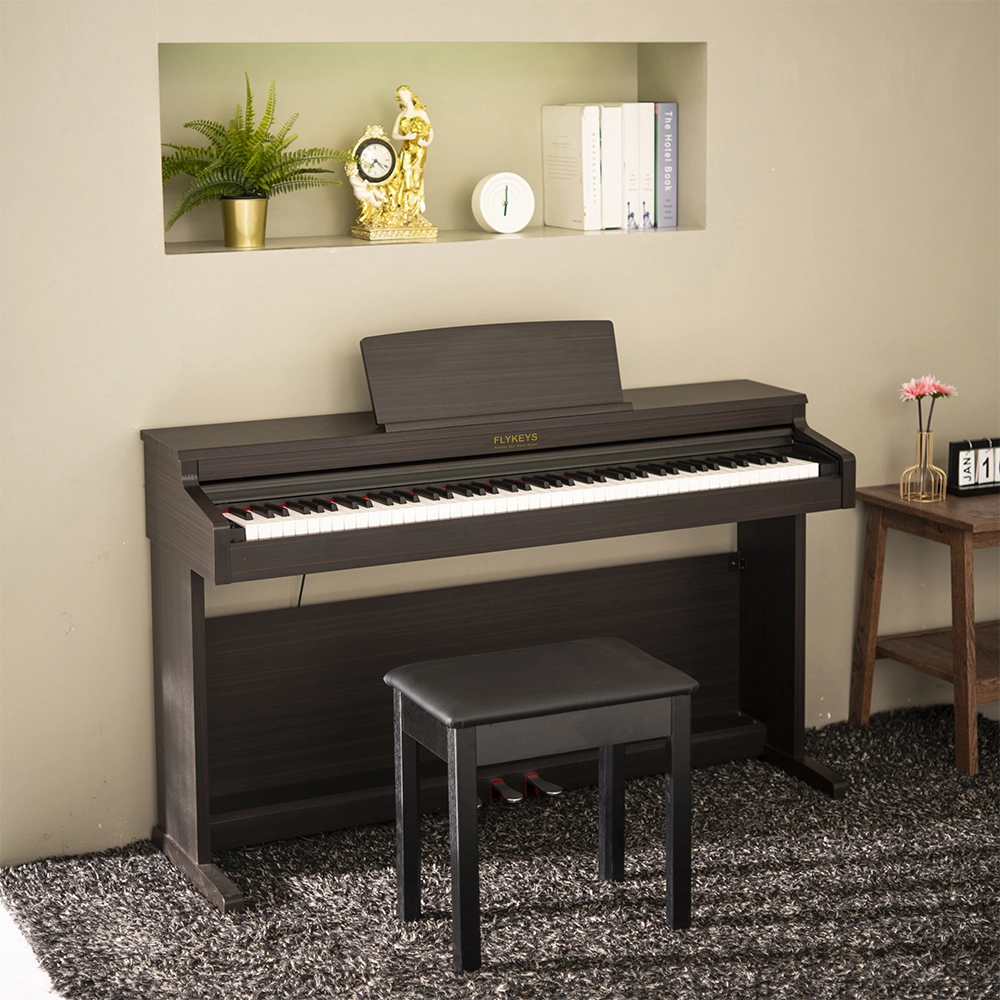
Flykeys 88 Keys Hammer Action keyboard Upright Piano LK03S Digital Piano
— Independent patented technology 88 key Grand-Response hammer action & dynamic curve keyboard;
— European top DSP chip, famous grand piano sound sample;
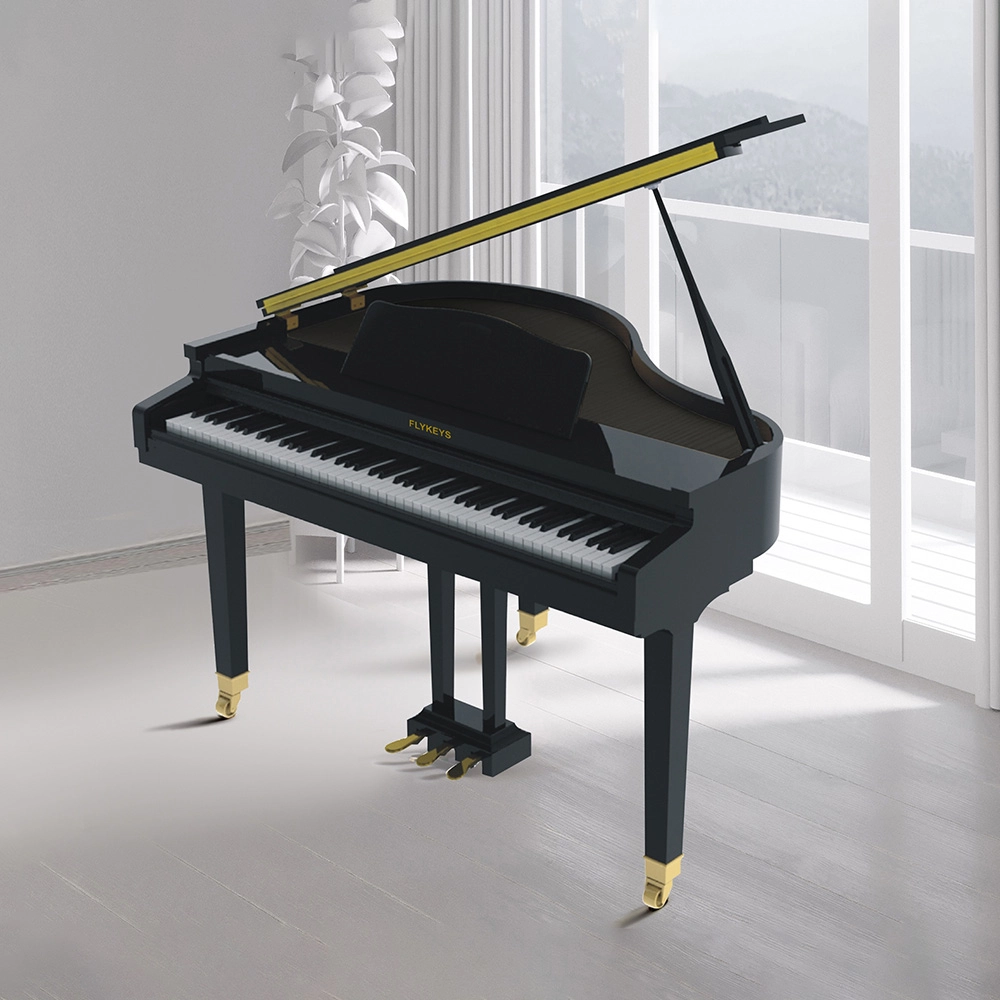
Flykeys 88 Keys Professional Digital Grand Piano Hammer Action Keyboard FGP110 Digital Piano
— Italian Fatar 88 Grand-ResponseTM Key trends with hammer action & dynamic curve
— Independent developed DSP chip, German famous grand piano sound sample
Address: No. 38 Xiangshan Avenue, Zengcheng Economic And Technological Development Zone, Guangzhou, China.
FOLLOW US:


© 2026 FLYKEYS All Rights Reserved. 粤 ICP备2020102774号. Designed by gooeyun. Sitemap | Privacy | Terms