

What Is a Digital Piano? Key Features & Benefits | FLYKEYS
# What Is a Digital Piano? A Complete Guide
Digital pianos have become a popular choice for musicians, from beginners to professionals. But what exactly is a digital piano, and how does it differ from traditional acoustic pianos? Below, we answer the most common questions to help you understand its features, benefits, and why it might be the right instrument for you.
How Does a Digital Piano Work?
A digital piano uses electronic sensors and sampled sounds to replicate the tones of an acoustic piano. When you press a key:
- Sensors detect keystrokes and trigger high-quality recordings (samples) of real piano notes.
- Sound engines process dynamics, adjusting volume and tone based on how hard you play.
- Speakers or headphones project the sound, often with adjustable reverb or other effects.
Unlike acoustic pianos, digital models require no tuning and offer volume control—ideal for home practice.
Digital Piano vs. Keyboard: What’s the Difference?
Many confuse digital pianos with keyboards, but key distinctions include:
| Feature | Digital Piano | Keyboard |
||||
| Keys | Weighted, full 88 keys | Often lighter/smaller |
| Sound Quality| High-fidelity samples | Basic synth tones |
| Purpose | Realistic piano experience | Versatile for genres |
Digital pianos prioritize authentic piano feel, while keyboards focus on portability and sound variety.
Can a Digital Piano Replace an Acoustic Piano?
For most players, yes—especially with advancements like:
- Hammer-action keys mimicking acoustic piano resistance.
- Multi-layer sampling for rich, dynamic tones.
- Silent practice via headphones.
However, acoustic pianos offer unmatched resonance for advanced classical performers. Digital pianos excel in affordability, space-saving, and features like recording or app integration.
What to Look for When Buying a Digital Piano?
Key factors include:
1. Key Action: Weighted/graded keys for realism (e.g., FLYKEYS’ graded hammer action).
2. Polyphony: 128+ notes ensure complex pieces don’t cut off sounds.
3. Connectivity: USB/MIDI for lessons or recording.
4. Sound Library: Additional instrument voices (strings, organs) add versatility.
Are Digital Pianos Good for Beginners?
Absolutely. Benefits include:
- Affordability: Lower cost than acoustic pianos.
- Built-in metronomes/lessons: Helpful learning tools.
- Compact size: Fits small spaces.
Models like FLYKEYS’ entry-level pianos offer beginner-friendly features without sacrificing quality.
Conclusion
A digital piano combines the elegance of acoustic sound with modern convenience, making it a versatile choice for all skill levels. Whether you’re practicing at home or performing on stage, understanding these details ensures you pick the right instrument. Explore FLYKEYS’ range to find a piano tailored to your needs.
What Is a Digital Piano? Key Features & Benefits
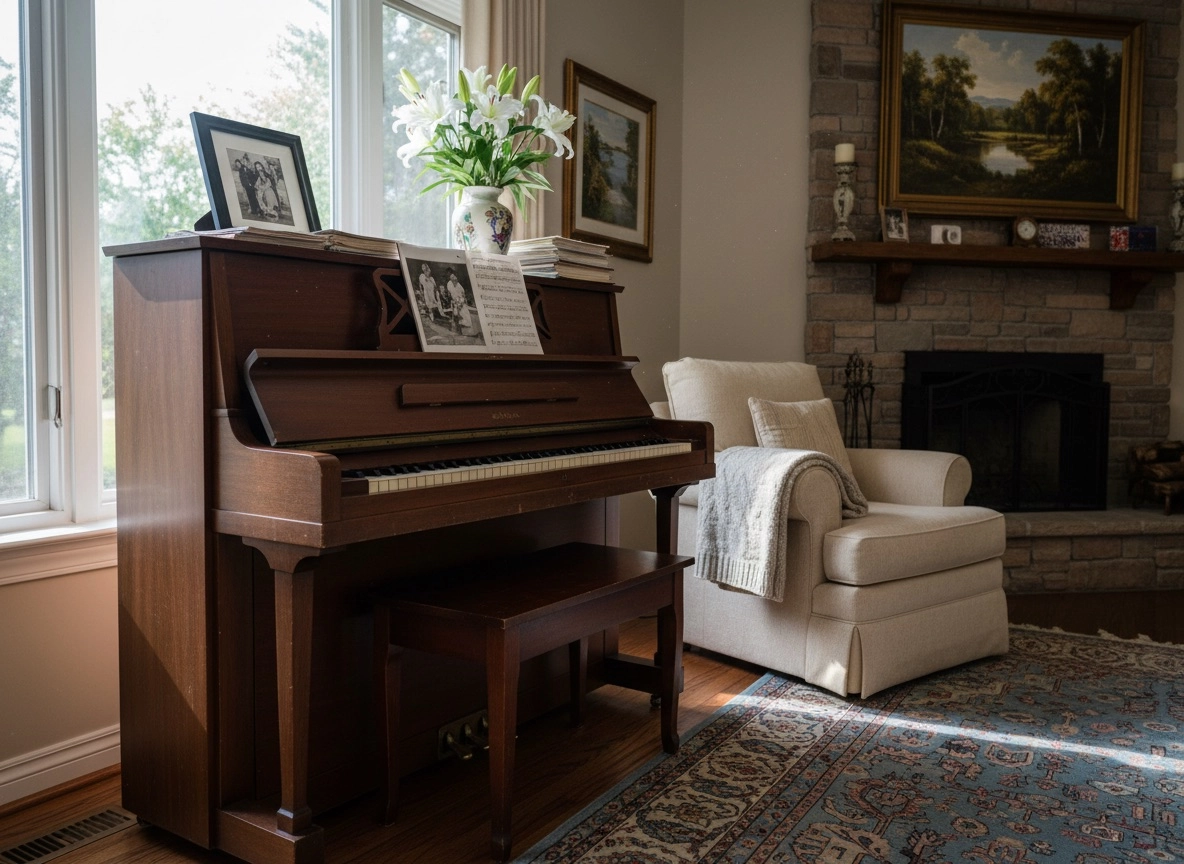
The Only Digital Piano Brands Tier List You Need for 2026: From Entry-Level to Professional Grade
How to Choose Right best piano keyboard stand manufacturer and supplier ?
How to Choose Right best professional digital piano manufacturer and supplier ?
Company
What is your company's mission?
Our mission is capture the zeitgeist, enjoy the quality lifestyle.
Our vision is to be the TOP 1 Chinese digital musical instrument brand and enter International top list.
Products
Can I connect your electronic pianos to external devices?
Yes, our electronic pianos are equipped with connectivity options such as MIDI, USB, and Bluetooth for seamless integration with external devices.
What products do you have?
We offer a diverse range of products, including digital portable piano, digital upright piano, digital grand piano, electronic drum set, piano silent system, audio equipment, interactive whiteboard, advertising machines, Smart TV, Touch Screen,etc.
Customization
Can I request additional features to be added to a standard model?
Yes, we offer customization services to accommodate specific feature requests, subject to feasibility and additional charges.
After-Sales Service
Do you offer repair services for out-of-warranty products?
Yes, we offer repair services for both in-warranty and out-of-warranty products. Please contact our support team for assistance.
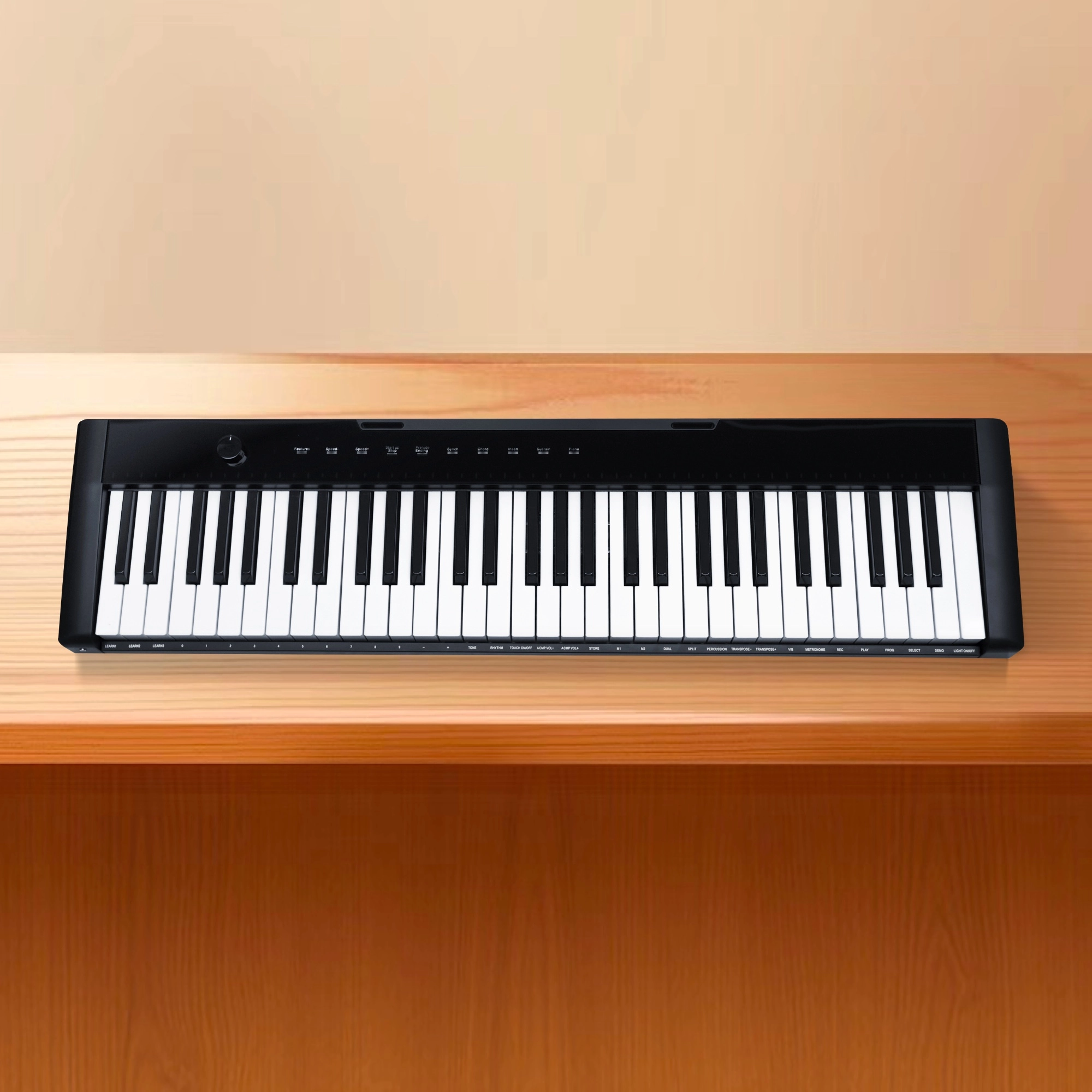
Flykeys 61 keys portable electronic keyboard piano with X stand (M2)
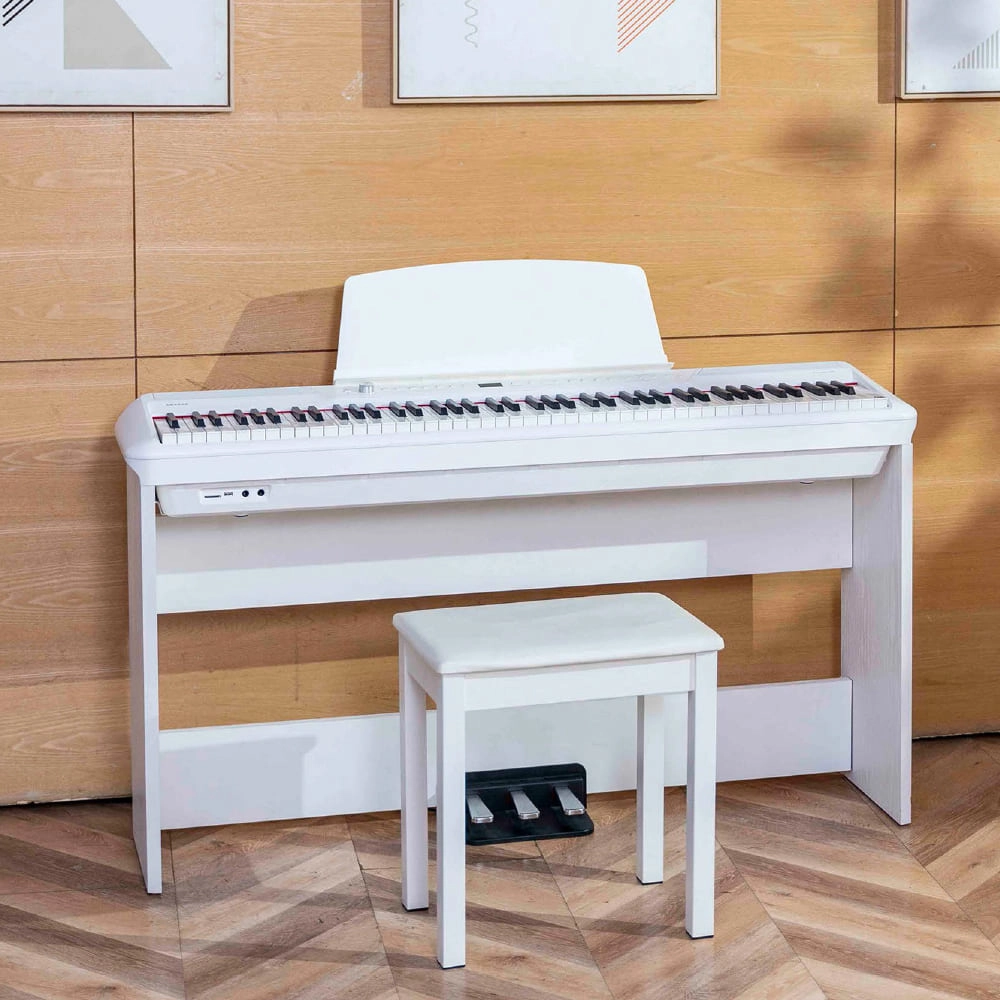
Flykeys Portable Electric Keyboard FP9 Digital Piano
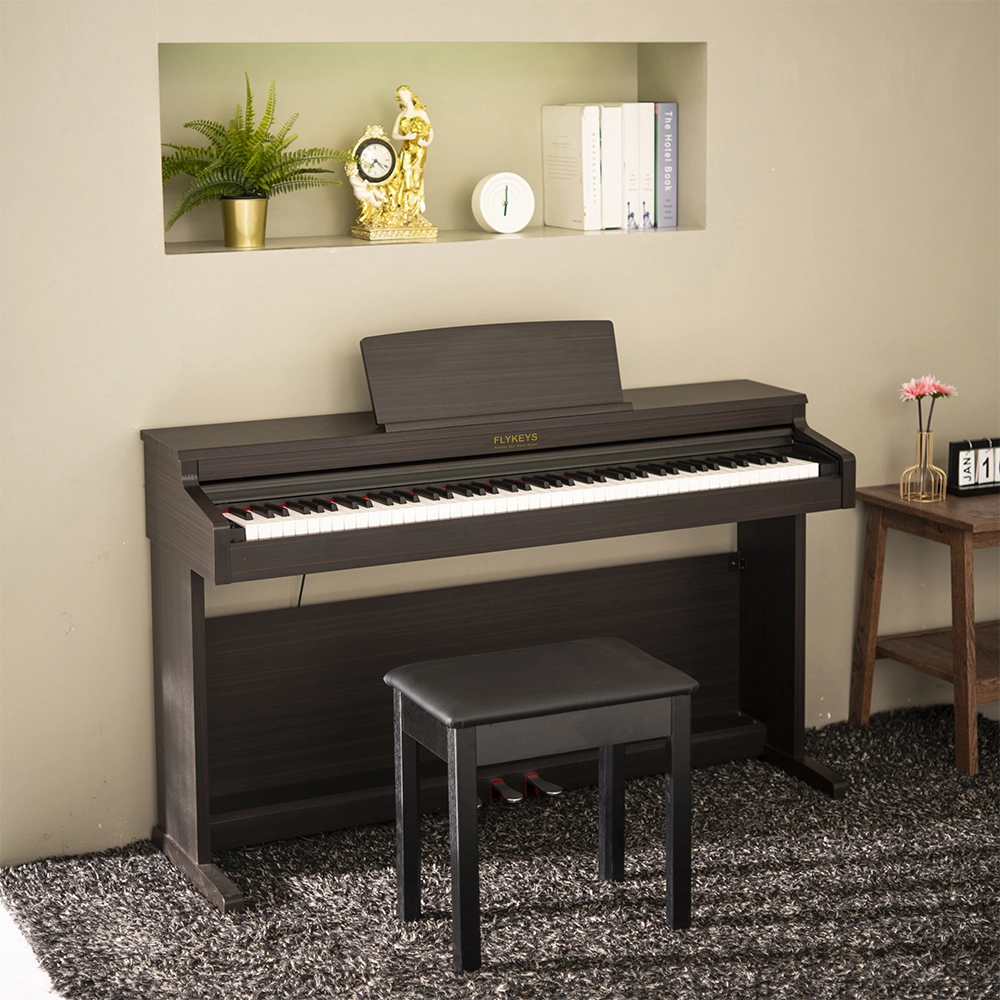
Flykeys 88 Keys Hammer Action keyboard Upright Piano LK03S Digital Piano
— Independent patented technology 88 key Grand-Response hammer action & dynamic curve keyboard;
— European top DSP chip, famous grand piano sound sample;
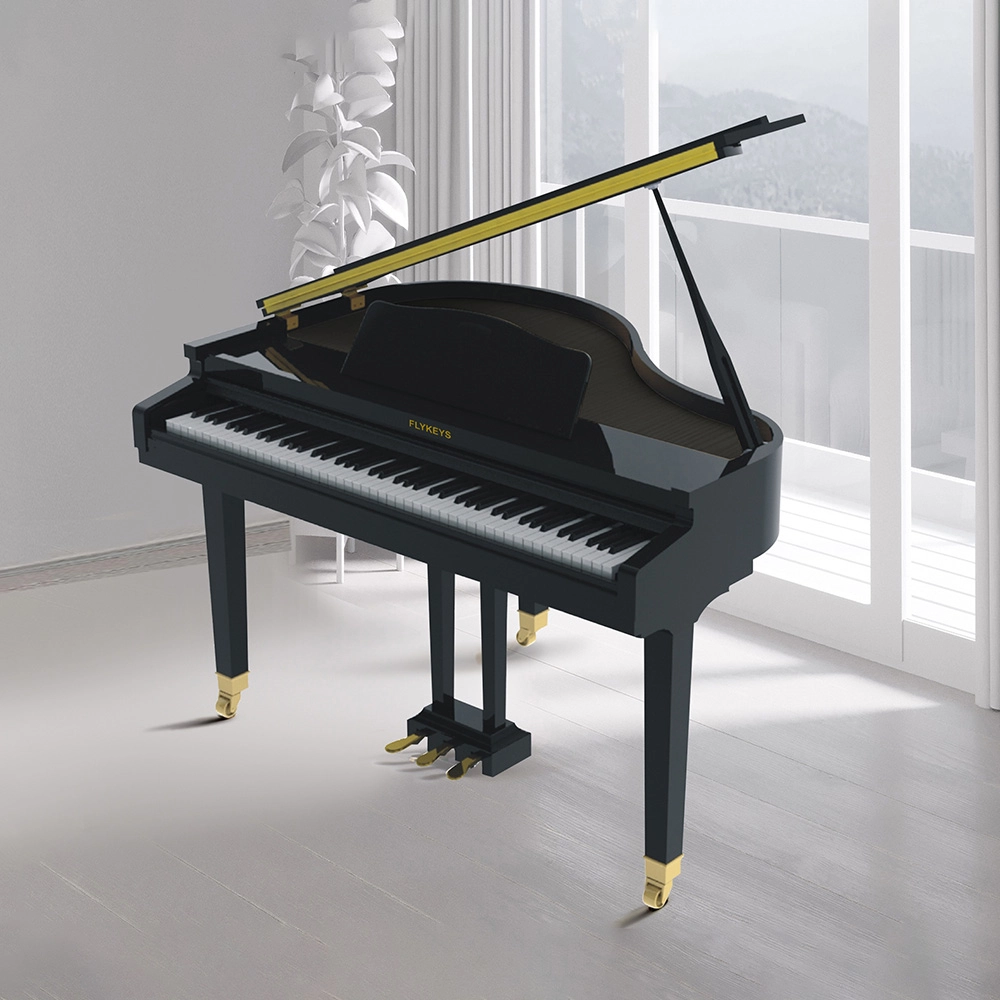
Flykeys 88 Keys Professional Digital Grand Piano Hammer Action Keyboard FGP110 Digital Piano
— Italian Fatar 88 Grand-ResponseTM Key trends with hammer action & dynamic curve
— Independent developed DSP chip, German famous grand piano sound sample
Address: No. 38 Xiangshan Avenue, Zengcheng Economic And Technological Development Zone, Guangzhou, China.
FOLLOW US:


© 2026 FLYKEYS All Rights Reserved. 粤 ICP备2020102774号. Designed by gooeyun. Sitemap | Privacy | Terms