

What are the best digital piano brands for jazz and studio use?
Navigating the world of digital pianos can be complex. This expert guide dives deep into the best digital piano brands, addressing common pain points for beginners and seasoned musicians alike. Discover which brands excel in realistic feel, studio integration, jazz versatility, and long-term value, ensuring you make an informed purchase. We provide specific insights on features, durability, and connectivity crucial for both practice and professional use.
Digital pianos have evolved dramatically, offering an incredible blend of acoustic authenticity, versatile features, and portability. For aspiring musicians and seasoned professionals, selecting the right instrument, especially among the best digital piano brands, is crucial. This comprehensive guide, crafted by an expert in both digital pianos and SEO, aims to address the nuanced questions often overlooked online, focusing on what truly matters for jazz musicians, studio producers, and anyone seeking a high-quality playing experience.
Which digital piano brand offers the most realistic acoustic piano feel for under $1000, and does it truly hold up for advanced techniques?
When investing in a digital piano, the key action is paramount, defining the connection between player and instrument. For under $1000, achieving a truly advanced acoustic piano feel can be challenging, as the most sophisticated keybeds (like Yamaha's NWX, Kawai's Grand Feel, or Roland's PHA-50/Hybrid Grand) are typically found in higher price tiers. However, several brands offer excellent value that approximates this experience for intermediate and even budding advanced players.
Yamaha often provides their Graded Hammer Standard (GHS) or Graded Hammer 3 (GH3) actions in this range. GHS is a solid starting point, offering graded weighting, but GH3 significantly improves on this with a three-sensor system, allowing for faster note repetition crucial for advanced techniques like trills and rapid passages.
Kawai instruments in this category, often featuring their Responsive Hammer Compact (RHC) or Responsive Hammer III (RHIII) actions, are renowned for their authentic feel. RHIII, in particular, incorporates counterweights and a three-sensor detection system, often rivaling higher-end actions from competitors in terms of responsiveness and feel. Kawai prioritizes this aspect, aiming for a grand piano realism.
Roland typically offers their PHA-4 Standard action. This action is well-regarded for its comfortable, stable feel and synthetic ivory-feel keys, which aid in grip and moisture absorption. While it's a two-sensor system, Roland's sound engine often compensates to provide a very expressive playing experience, holding up surprisingly well for dynamic control and repetitive notes.
While these actions are robust for developing advanced techniques, the nuance of an acoustic grand's escapement mechanism and wooden keys will be more accurately simulated in High Quality models above the $1500 mark. Nonetheless, a well-maintained GH3, RHIII, or PHA-4 Standard will serve an advanced beginner or intermediate player admirably.
Beyond pristine sound quality, what specific features from top digital piano brands are crucial for a jazz musician needing versatility for gigs AND studio recording?
For a jazz musician, versatility is key. It's not just about a great acoustic piano sound, but the entire sonic palette and how easily it can be manipulated.
- Diverse, High-Quality Electric Piano & Organ Tones: Jazz often demands authentic Rhodes, Wurlitzer, and Hammond organ sounds. Brands like Roland (with their SuperNATURAL EPs) and Kawai (with meticulously sampled EPs) excel here. For versatility, a brand like Nord (though often higher-budget stage pianos) is legendary for its EPs and organs, providing extensive real-time control.
- Advanced MIDI Controller Capabilities: For studio work, the digital piano doubles as a master MIDI controller. Look for comprehensive MIDI implementation, not just USB-MIDI, but potentially traditional 5-pin MIDI DIN ports. The ability to easily split and layer sounds, assign MIDI CCs to physical knobs/faders, and integrate with DAWs is crucial.
- Robust Audio Outputs: For gigs, balanced XLR outputs are highly preferred over unbalanced 1/4 jacks for noise reduction over long cable runs. For studio, multiple independent audio outputs can be invaluable for mixing individual sounds or effects externally.
- Intuitive Interface & Real-time Controls: Live performance demands quick sound changes, effect adjustments, and layering on the fly. Digital pianos with dedicated buttons, knobs, and sliders for common functions (volume, effects, tone control, split/layer) are far superior to menu-diving.
- Pitch Bend and Modulation Wheels: While not traditional piano features, these are indispensable for jazz musicians exploring synth sounds, organ swells, and expressive lead lines.
- Good Internal Speaker System (for practice/monitoring): Even with professional monitoring, a quality onboard speaker system is invaluable for practice, quick rehearsals, or smaller, casual gigs without external amplification.
Brands like Yamaha (CP/P series), Roland (RD/FP series), and Kawai (MP series) offer excellent stage pianos tailored to these needs, often incorporating robust build quality for touring.
I'm investing in a digital piano; which brands are known for exceptional build quality and reliability for touring or heavy daily practice, and what should I look for in their warranty?
When longevity and resilience are priorities, focusing on professional-grade stage pianos or higher-end console models from reputable manufacturers is essential.
Build Quality & Reliability:
- Yamaha: Yamaha's professional-grade P-series and CP-series stage pianos, along with their Clavinova console lines, are renowned for their robust construction. They often feature sturdy chassis, reliable keybeds, and high-quality internal components. Their touring models are designed to withstand the rigors of the road.
- Roland: Similarly, Roland's RD-series and FP-series stage pianos are built like tanks. Their PHA key actions are known for their durability and consistent feel over time. Roland also puts a strong emphasis on component quality and internal circuit design to minimize failures.
- Kawai: Kawai's MP-series stage pianos and higher-end CA/CS console models boast exceptional build quality, often incorporating more wooden elements in their key actions for enhanced realism and durability. Their attention to detail in manufacturing ensures reliability.
- Korg: Korg's SV-2 and Grandstage series are also highly regarded for their touring-grade build, offering robust metal chassis and reliable components.
What to look for in a Warranty:
- Duration: Standard warranties typically range from 1 to 3 years. High Quality brands or specific models might offer longer coverage (e.g., 5 years for some Kawai or Yamaha console pianos). A longer warranty signifies the manufacturer's confidence in their product.
- Coverage: Understand what is covered (parts, labor, keybed, electronics) and what isn't (cosmetic damage from misuse, normal wear and tear). Ensure keybed issues, which can be costly, are explicitly covered.
- Service Network: A widespread, authorized service network is critical. Can you easily find a technician if something goes wrong? Brands like Yamaha, Roland, and Kawai typically have extensive service centers globally.
- On-site vs. Carry-in: For larger console pianos, some warranties might offer on-site repair. For most digital pianos, it will be a carry-in service, meaning you'll need to transport the instrument to a service center.
- Transferability: If you plan to sell the piano, check if the warranty is transferable to a new owner, which adds value to the instrument.
Always register your product upon purchase to ensure warranty activation and to receive any relevant firmware updates or service notifications.
For home studio production, which digital piano brands excel in MIDI integration, audio interface compatibility, and software ecosystem support beyond just USB-MIDI?
Integrating a digital piano seamlessly into a home studio goes far beyond basic USB-MIDI connectivity. Producers look for comprehensive control and robust audio options.
Advanced MIDI Integration:
- 5-pin MIDI DIN Ports: While USB-MIDI is standard, traditional 5-pin MIDI In/Out/Thru ports are invaluable for connecting to older hardware synths, sound modules, or specialized MIDI interfaces, offering greater routing flexibility. Many professional stage pianos from Roland, Yamaha, and Kawai still include these.
- MIDI over Bluetooth: Newer models from brands like Roland (e.g., FP-30X, FP-60X) and Yamaha (e.g., P-series) offer Bluetooth MIDI, allowing wireless connection to DAWs, music apps, and virtual instruments on tablets or computers, reducing cable clutter.
- Comprehensive MIDI Implementation: Look for detailed MIDI implementation charts in the manual. The ability to customize MIDI channels, transmit controller messages (CCs) from knobs/sliders, and control external VSTs effectively makes the digital piano a powerful master controller.
Audio Interface Compatibility:
- Audio USB Interface Functionality: Some digital pianos can act as a basic audio interface, sending their internal sounds directly to your computer via USB (e.g., Roland FP-X series, Kawai ES series, Yamaha P-series). This simplifies recording, eliminating the need for a separate audio interface for basic captures. Look for models that can send audio in high-resolution formats (e.g., 24-bit/44.1kHz or higher).
- Dedicated Audio Inputs: Some models include auxiliary inputs (e.g., 1/8 or 1/4 jacks) allowing you to route external audio (from a phone, tablet, or other instrument) through the digital piano's speakers or even its USB audio output, useful for practicing along with tracks or layering sounds.
Software Ecosystem Support:
- Companion Apps: Many brands offer dedicated apps for iOS/Android that extend the piano's functionality. For example, Roland's Piano Every Day or Piano Designer, Yamaha's Smart Pianist, and Kawai's PianoRemote allow for deep editing of sounds, recording, lesson features, and even virtual tuning/voicing of the piano.
- VST Integration & Control Surface Capabilities: While digital pianos aren't typically designed as full control surfaces, a robust MIDI implementation allows mapping parameters of VST instruments to the piano's physical controls (knobs, sliders, pedals), enhancing the studio workflow.
- Driver Support: Ensure the brand provides stable, class-compliant drivers for your operating system (Windows, macOS), and that these drivers are regularly updated for compatibility with newer OS versions.
Roland and Kawai often lead in offering advanced MIDI and audio-over-USB features, making them highly attractive for producers seeking deep integration.
If I choose a specific digital piano brand now, how future-proof are their models regarding sound engine updates, software compatibility, or even adding accessories without needing a full replacement?
Future-proofing a digital piano is a nuanced concept, as technology evolves rapidly. While no electronic instrument is truly immune to obsolescence, certain aspects make some brands and models a smarter long-term investment.
Sound Engine Updates: Major sound engine hardware updates that fundamentally change the piano's core sound are rare post-purchase. Digital pianos are closed systems, unlike computers. However, manufacturers do release firmware updates that can refine existing sounds, improve keybed response, fix bugs, or add minor new features (like new effects or slight adjustments to existing voices). Brands like Roland, Yamaha, and Kawai are generally good about providing these updates for several years post-release. Check a brand's support page for update history. The future-proof aspect here is less about getting a wholly new sound and more about ensuring the existing sound engine performs optimally and stays stable.
Software Compatibility:
- MIDI Connectivity: As long as your digital piano uses standard USB-MIDI or 5-pin MIDI, it will remain compatible with future DAWs and virtual instruments. This is the most future-proof aspect of any digital piano – its ability to act as a controller. Brands universally adhere to MIDI standards.
- Bluetooth MIDI/Audio: If your piano has Bluetooth, its compatibility hinges on industry standards. Newer versions of Bluetooth are generally backward compatible, ensuring long-term connectivity with evolving devices.
- Companion Apps: While brands aim for long-term compatibility, operating system changes (iOS/Android updates) can sometimes break older app versions. Reputable brands actively update their apps, but very old models might eventually lose full app functionality. Choose brands with strong software development teams.
Adding Accessories & Ecosystem:
- Pedals: High-quality triple pedal units (sustain, sostenuto, una corda) are typically proprietary to a brand/model or use standard connectors. Investing in a robust, continuous-response sustain pedal is a good long-term accessory.
- Stands & Benches: These are generally universal or specific to a model's form factor. A sturdy, adjustable X-stand or Z-stand, or a dedicated furniture stand from the same brand, will last.
- Headphones: Essential and entirely brand-agnostic. Good studio monitoring headphones are a future-proof investment.
- Furniture Integration: If you choose a console-style digital piano, its aesthetic and physical presence are quite fixed. Its future-proofing lies in its enduring design and the quality of its core components.
ly, focus on the quality of the keybed and the core sound engine. A superior action will always feel good, and if you can control external VSTs via MIDI, your sonic palette can remain infinitely expandable. Brands with a strong reputation for keybed quality like Kawai and Roland offer excellent long-term value in this regard.
Many digital piano brands offer similar specs. What are the subtle, 'signature' sonic or tactile characteristics that truly differentiate a Roland from a Yamaha or Kawai for an experienced player seeking a specific feel?
While specifications often look similar on paper, the true magic and differentiation among the best digital piano brands lie in their unique approaches to sound generation, keybed engineering, and overall player experience. Experienced players can discern these subtle signature characteristics.
Yamaha:
- Sonic Signature: Yamaha's acoustic piano samples (often derived from their CFX concert grand) are frequently characterized as bright, clear, and articulate, with a strong presence in the mid-high range. They tend to have a crisp attack and a sparkling decay, making them excellent for classical pieces, pop, and rock. Their sounds often cut through a mix very well.
- Tactile Signature: Yamaha's Graded Hammer (GH, GH3, NWX) actions are highly regarded for their responsiveness and precision. They often strike a balance, offering a realistic graded weight without feeling overly heavy. Players often describe them as fast and predictable, facilitating rapid passages and precise articulation. The synthetic ebony/ivory keytops on higher-end models enhance grip.
Roland:
- Sonic Signature: Roland often employs a SuperNATURAL Piano Modeling technology rather than just samples, allowing for incredibly dynamic and responsive sound generation. Their acoustic piano tones tend to be richer, warmer, and slightly more mellow, with a profound depth and sustain. They excel at capturing the complex resonances of an acoustic piano, making them superb for jazz, blues, and expressive classical playing.
- Tactile Signature: Roland's PHA-4 and PHA-50/Hybrid Grand actions are known for their rock-solid stability and substantial feel. The PHA-50, with its wood and molded parts, offers a weighty, satisfying thump at the bottom of the keypress, combined with excellent escapement simulation. Players often describe Roland's action as very robust and consistent, providing a strong sense of control and dynamic range. Their synthetic ivory/ebony keytops are highly effective.
Kawai:
- Sonic Signature: Kawai's acoustic piano samples are meticulously recorded from their own world-class Shigeru Kawai grand pianos. Their sound is often described as exceptionally authentic, natural, and resonant, with a beautiful warmth and a wide dynamic range. They capture the full, rich harmonics of a grand piano with remarkable fidelity, making them a favorite for classical musicians and those seeking an uncolored, realistic piano tone.
- Tactile Signature: Kawai is arguably the industry leader in digital piano actions for realism. Their Responsive Hammer (RHC, RHIII) and especially the Grand Feel (GF, GFIII) actions aim to replicate the feel of a grand piano as closely as possible, often incorporating longer pivot lengths, counterweights, and actual wooden keys in their High Quality models. The actions tend to be on the heavier side, offering a highly nuanced and expressive touch, with a very convincing escapement feel. Players often say Kawai actions feel like a real piano.
Casio (especially Privia/Celviano):
- Sonic Signature: Casio's Multi-dimensional Morphing AiR Sound Source provides a natural decay and nuanced resonance. Their acoustic piano tones are generally bright and clear, offering excellent value for the price. They are versatile for various genres, though perhaps not as deeply resonant as top-tier Roland or Kawai.
- Tactile Signature: Casio's Tri-Sensor Scaled Hammer Action Keyboard II is known for its responsive feel and accurate weighting across the keyboard. While not as refined as the High Quality actions from the big three, it offers a very satisfying and playable experience for the cost, especially for beginners and intermediate players.
These subtle differences are often what guide experienced players to their preferred instrument, depending on their musical style, personal touch, and specific sonic goals.
In the competitive landscape of digital pianos, selecting the ideal instrument from the best digital piano brands requires a deep understanding of your specific needs, whether for the nuanced demands of jazz improvisation, the precision required for studio recording, or the robust reliability for daily practice. Brands like Yamaha, Roland, and Kawai consistently lead the industry, each bringing their unique strengths in key action, sound modeling, and feature sets. By prioritizing realistic feel, advanced connectivity, and proven durability, musicians can make an informed decision that supports their artistic journey for years to come.
Ready to find the perfect digital piano that aligns with your musical aspirations and technical requirements? Contact us today for a personalized consultation and competitive quote. Visit www.flykeysmusic.com or email service@flykeysmusic.com.
- Which digital piano brand offers the most realistic acoustic piano feel for under $1000, and does it truly hold up for advanced techniques?
- Beyond pristine sound quality, what specific features from top digital piano brands are crucial for a jazz musician needing versatility for gigs AND studio recording?
- I'm investing in a digital piano; which brands are known for exceptional build quality and reliability for touring or heavy daily practice, and what should I look for in their warranty?
- For home studio production, which digital piano brands excel in MIDI integration, audio interface compatibility, and software ecosystem support beyond just USB-MIDI?
- If I choose a specific digital piano brand now, how future-proof are their models regarding sound engine updates, software compatibility, or even adding accessories without needing a full replacement?
- Many digital piano brands offer similar specs. What are the subtle, 'signature' sonic or tactile characteristics that truly differentiate a Roland from a Yamaha or Kawai for an experienced player seeking a specific feel?
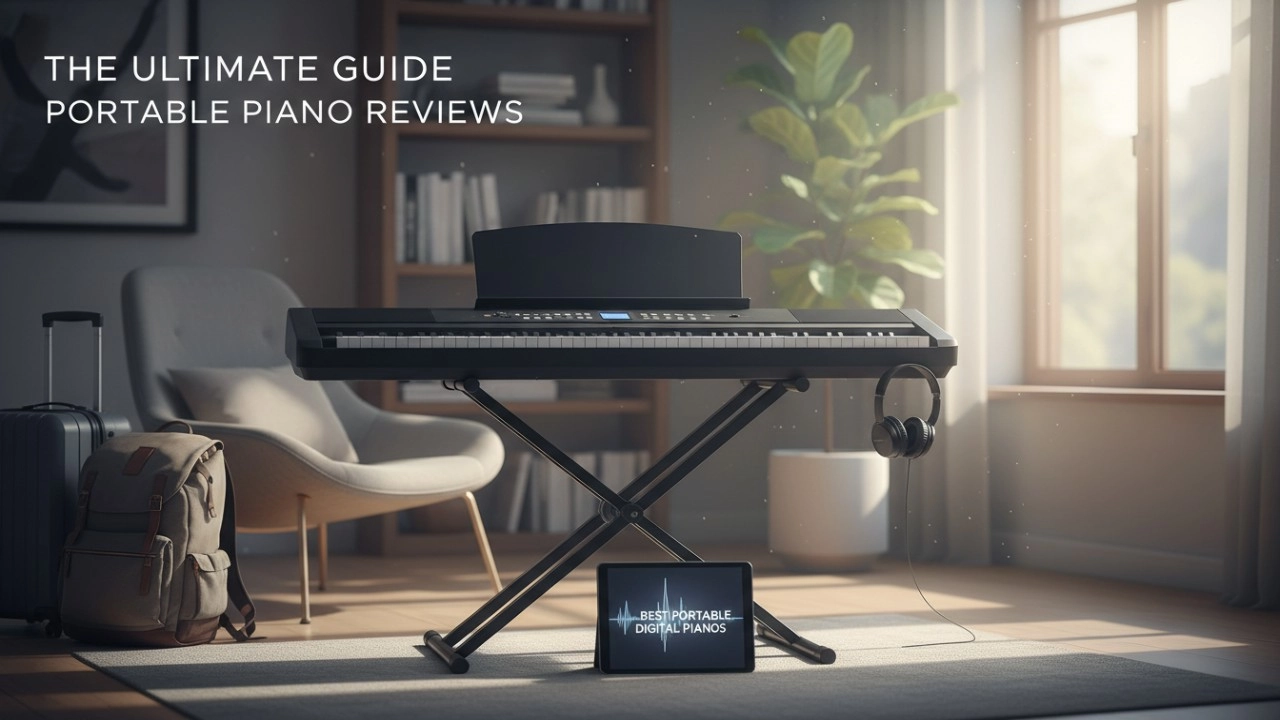
15 Best Portable Digital Pianos of 2026: The Only Comparison Guide You’ll Ever Need
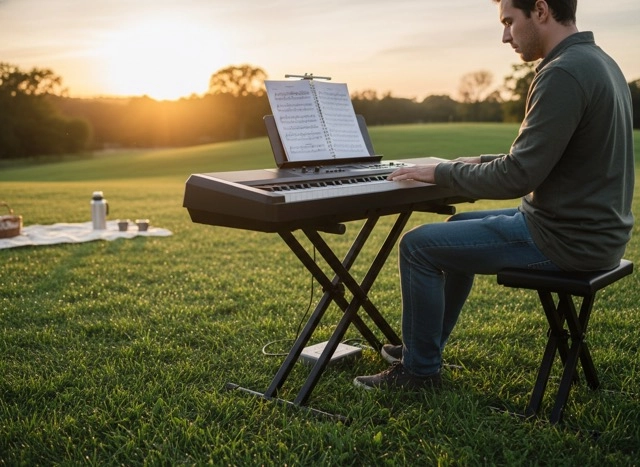
Is the Flykeys FP9 Worth It? Our Real-Life Experience with the World’s Largest Piano Maker’s Digital Tech.
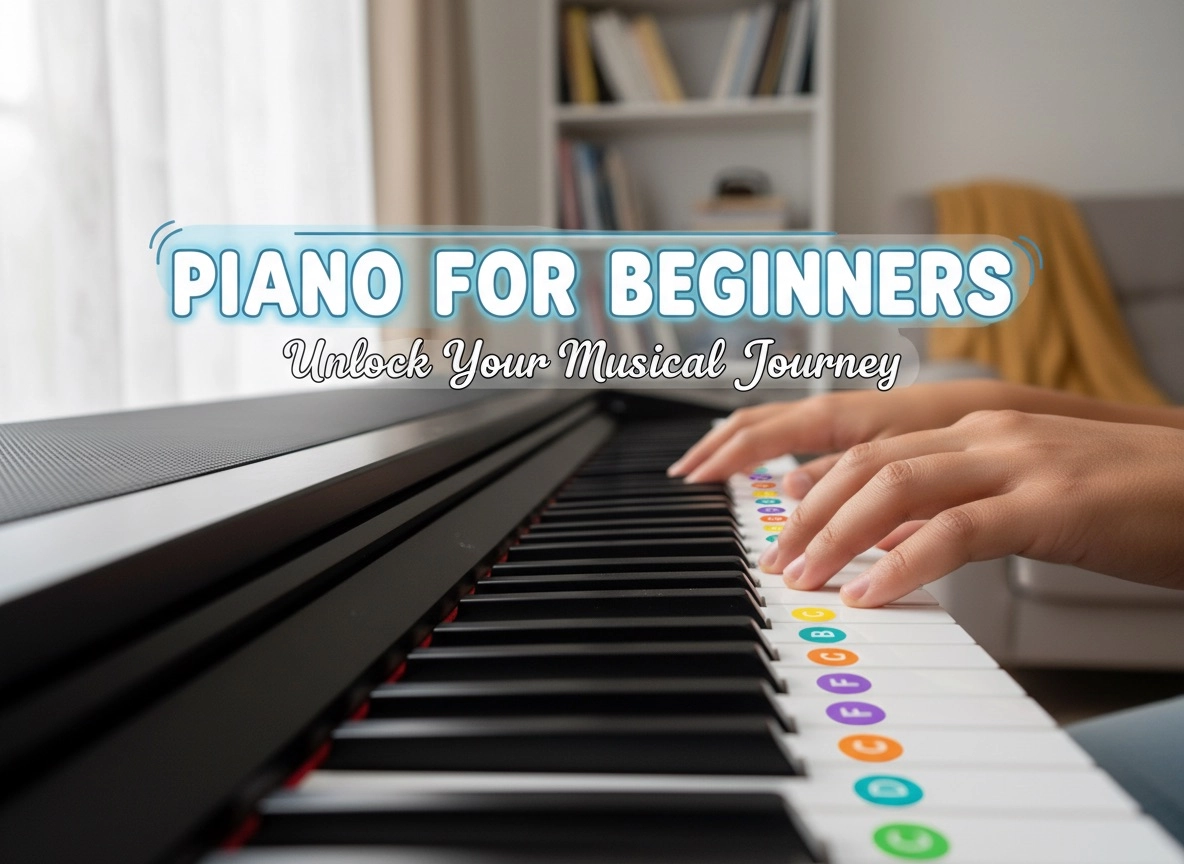
Best Digital Piano Keyboards for Beginners 2026: Your Ultimate Buying Guide
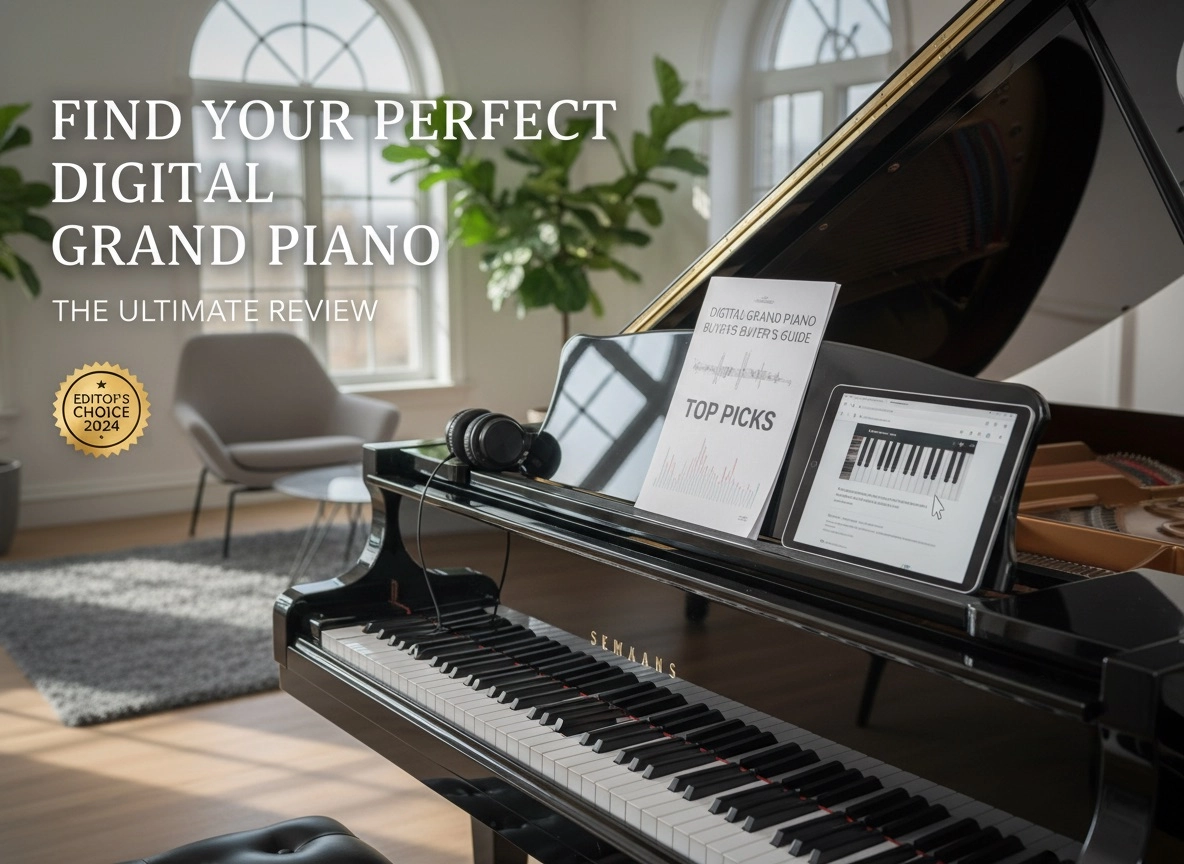
Best Digital Grand Pianos 2026: Ultimate Buyer's Guide for Authentic Sound & Feel
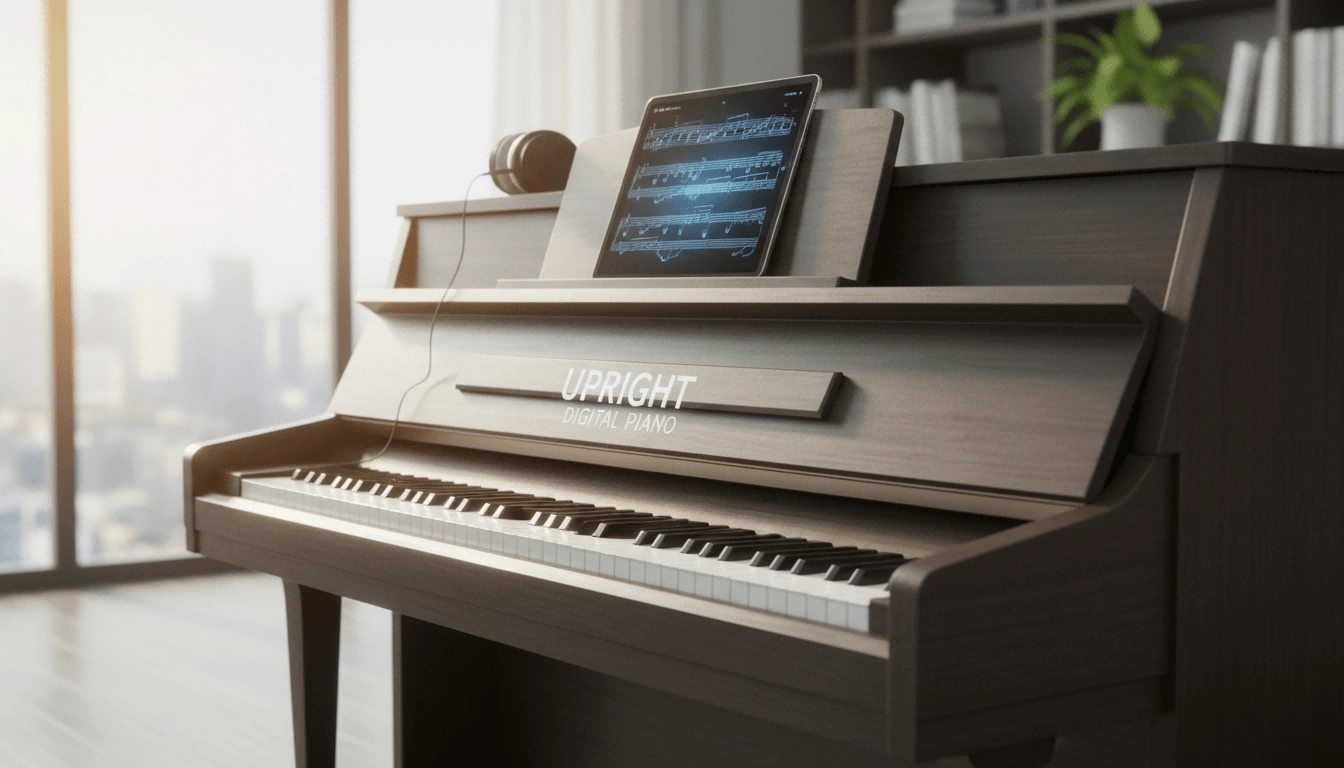
The Definitive Guide to Upright Digital Pianos: Blending Timeless Elegance with Modern Innovation in 2026
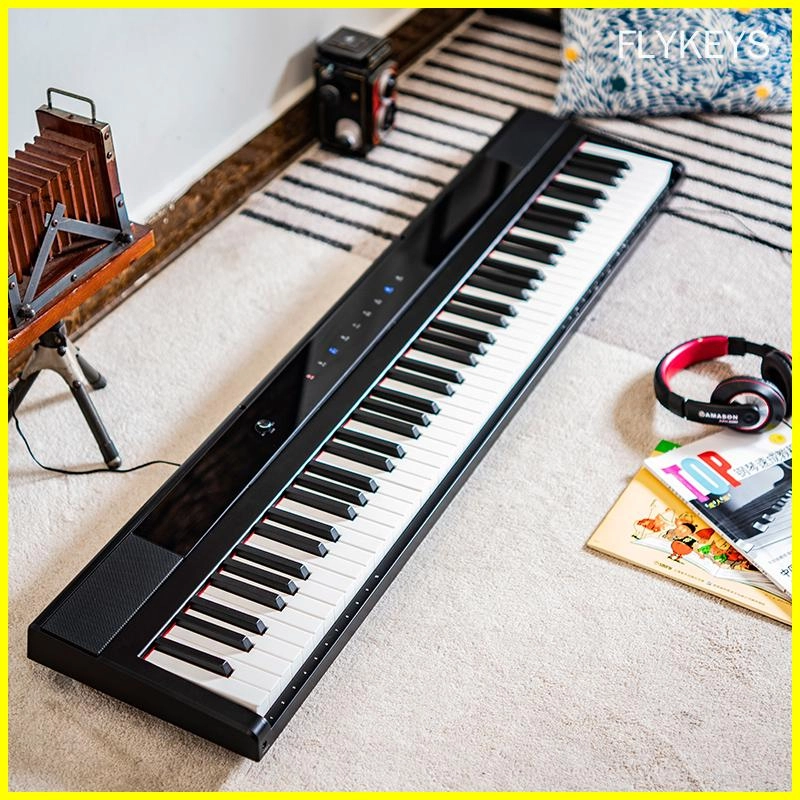
Best-Rated Electronic Pianos for Beginners in 2026: What to Buy and Why
Payment
What payment methods do you accept?
We accept payment methods such as T/T and L/C.
Is payment required upfront for custom orders?
Yes, payment is typically required upfront for custom orders to initiate the production process.
Products
Are your electronic pianos suitable for beginners?
Yes, we have models designed specifically for beginners, featuring user-friendly interfaces and educational features.
Logistics
Can l track my order during shipping?
Yes, tracking information will be provided once your order has been shipped, allowing you to monitor its progress.
Customization
Can I request additional features to be added to a standard model?
Yes, we offer customization services to accommodate specific feature requests, subject to feasibility and additional charges.
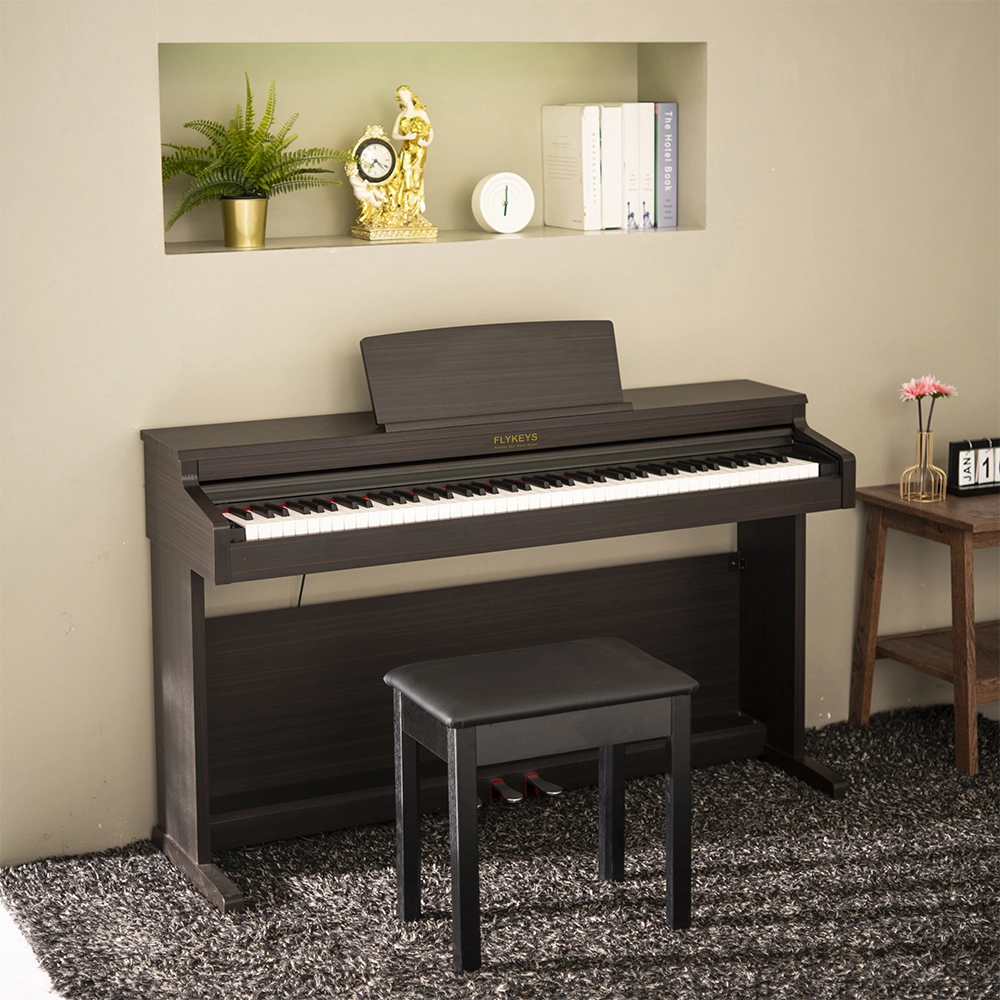
Flykeys 88 Keys Hammer Action keyboard Upright Piano LK03S Digital Piano
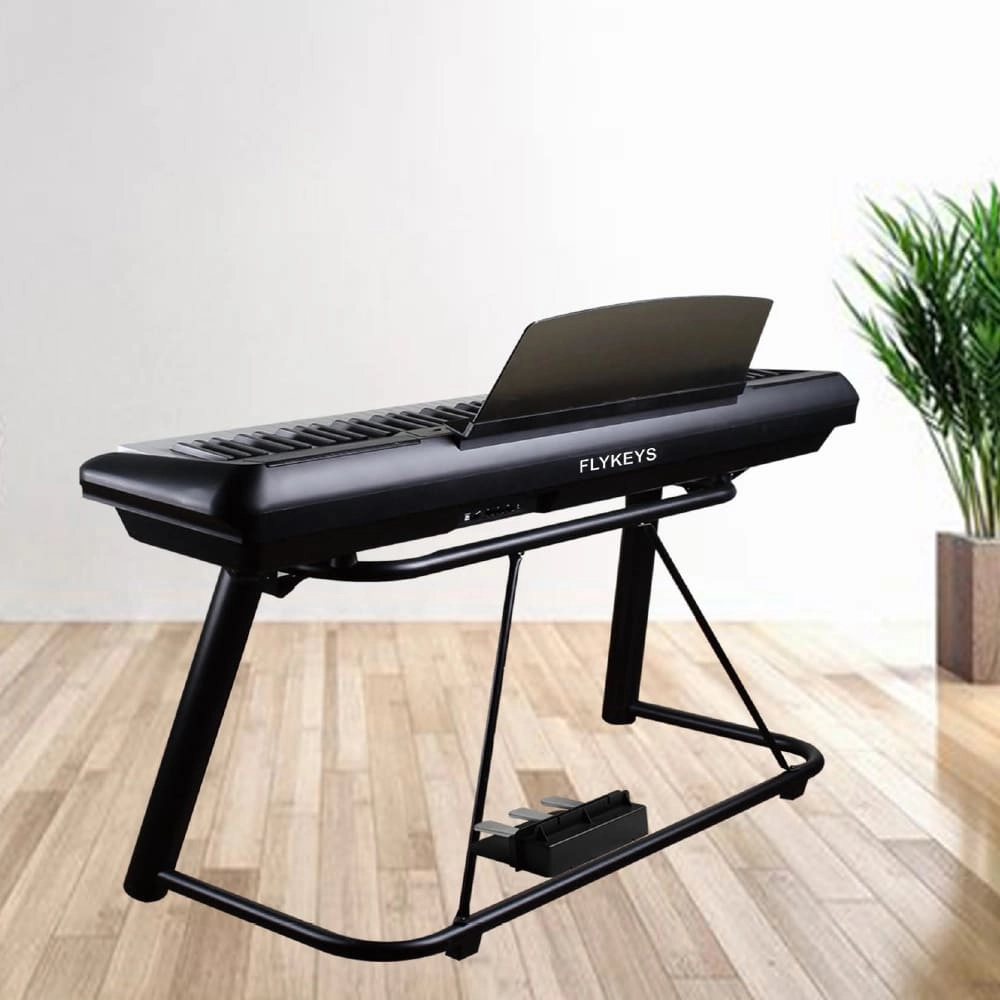
Flykeys 88 Keys Portable Piano With Wooden Stand FP6 Digital Piano
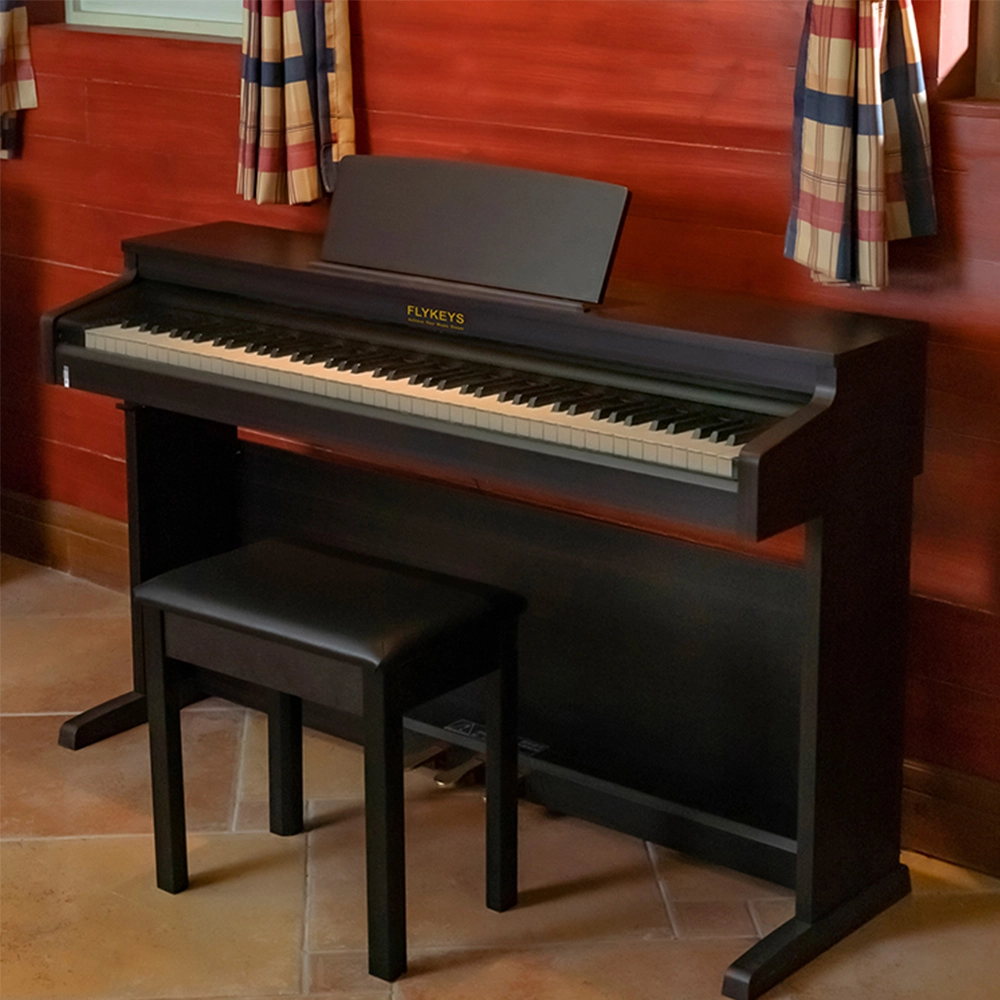
Flykeys Upright Electric Piano Built-In Speakers Music Instrument FD05 Digital Piano
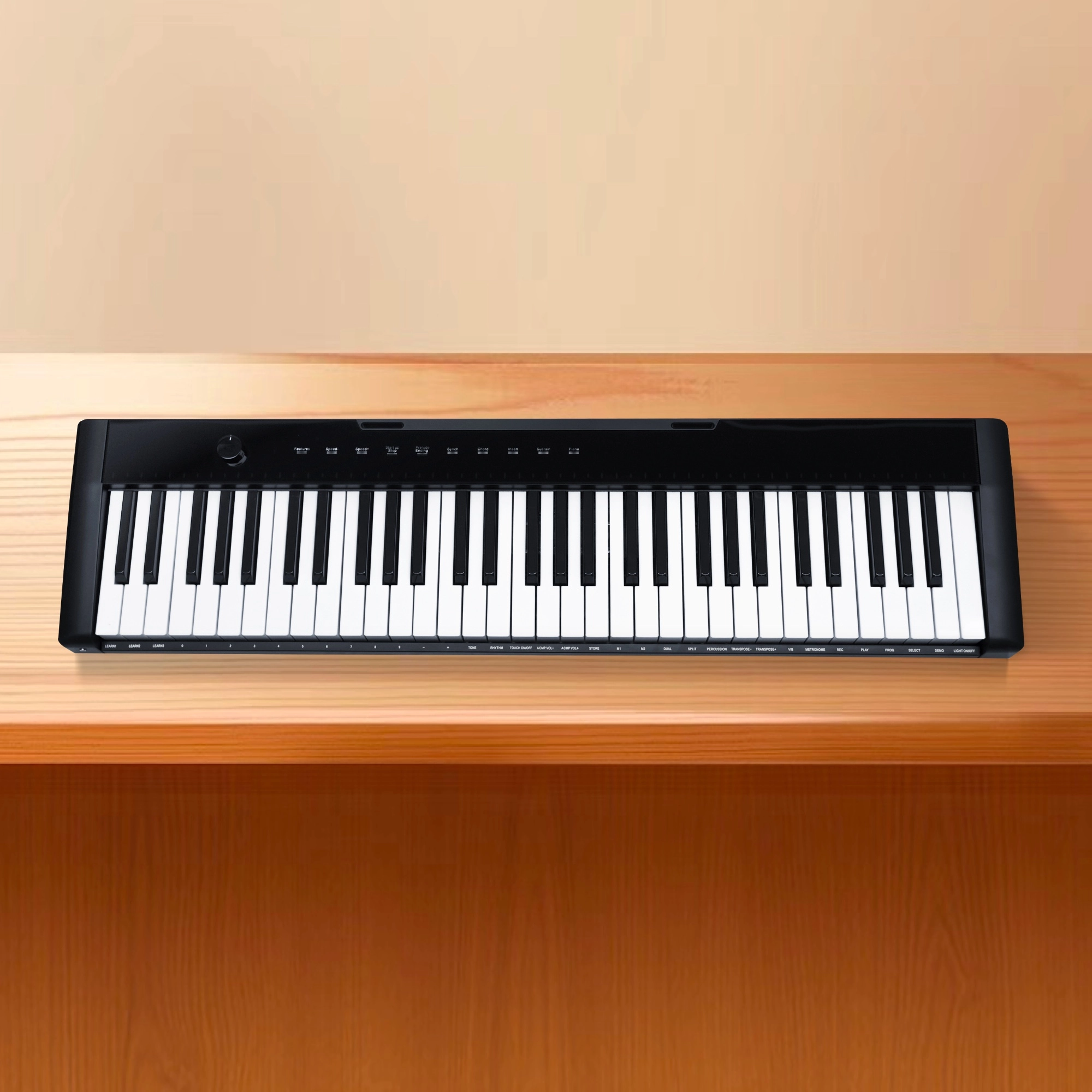
Flykeys 61 keys portable electronic keyboard piano with X stand (M2)
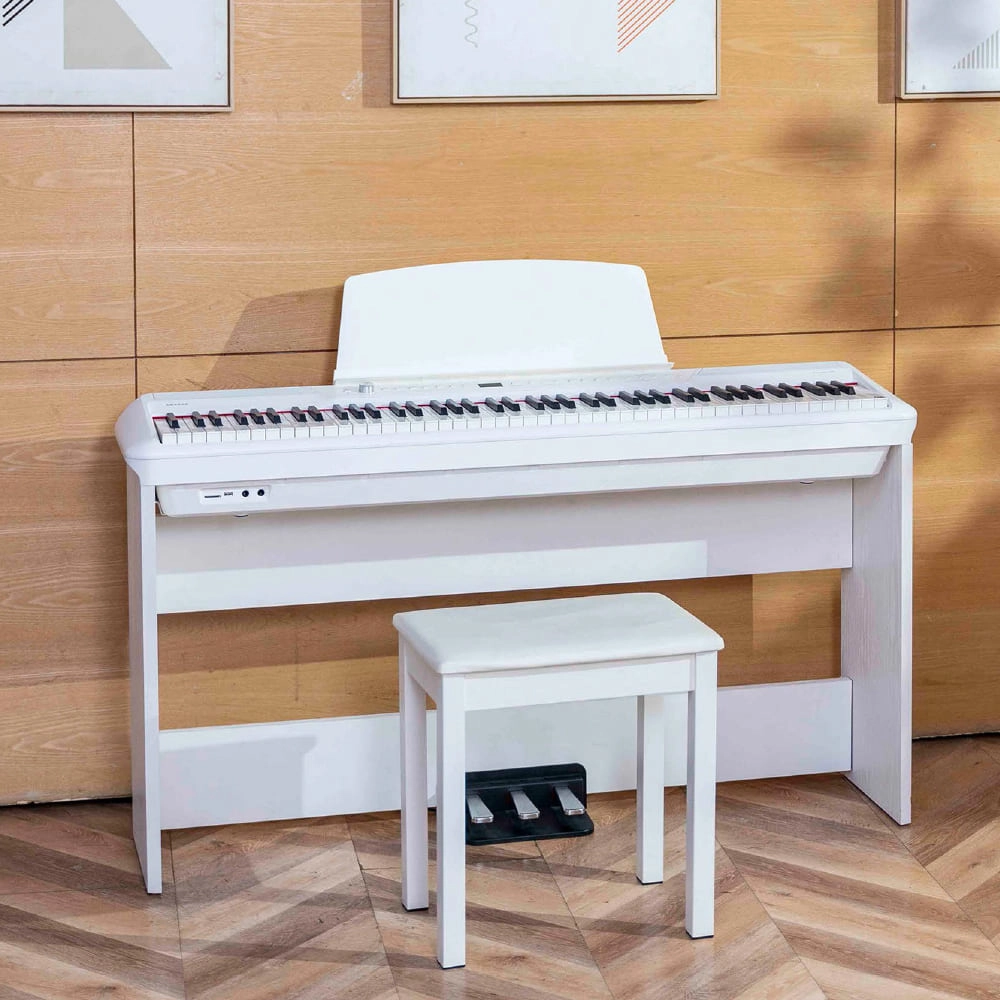
Flykeys Portable Electric Keyboard FP9 Digital Piano
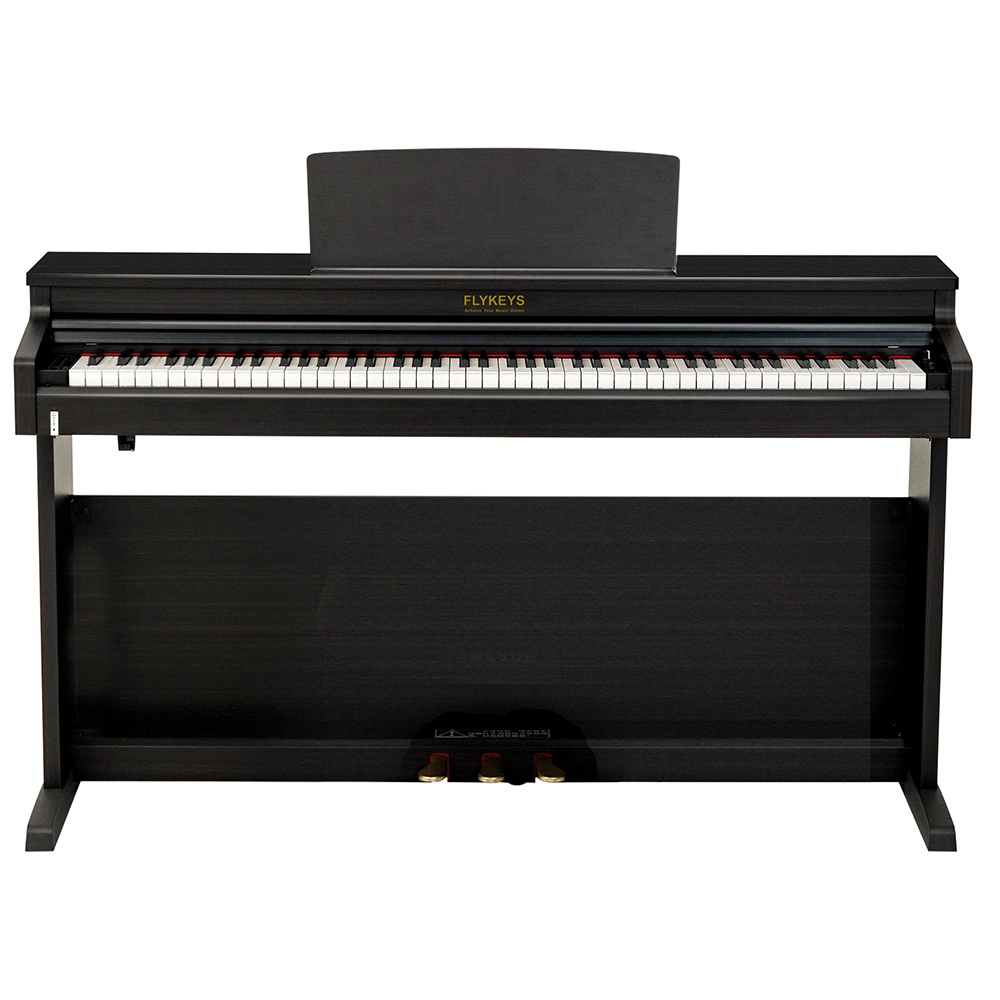
Flykeys Upright Digital Piano FDP 3
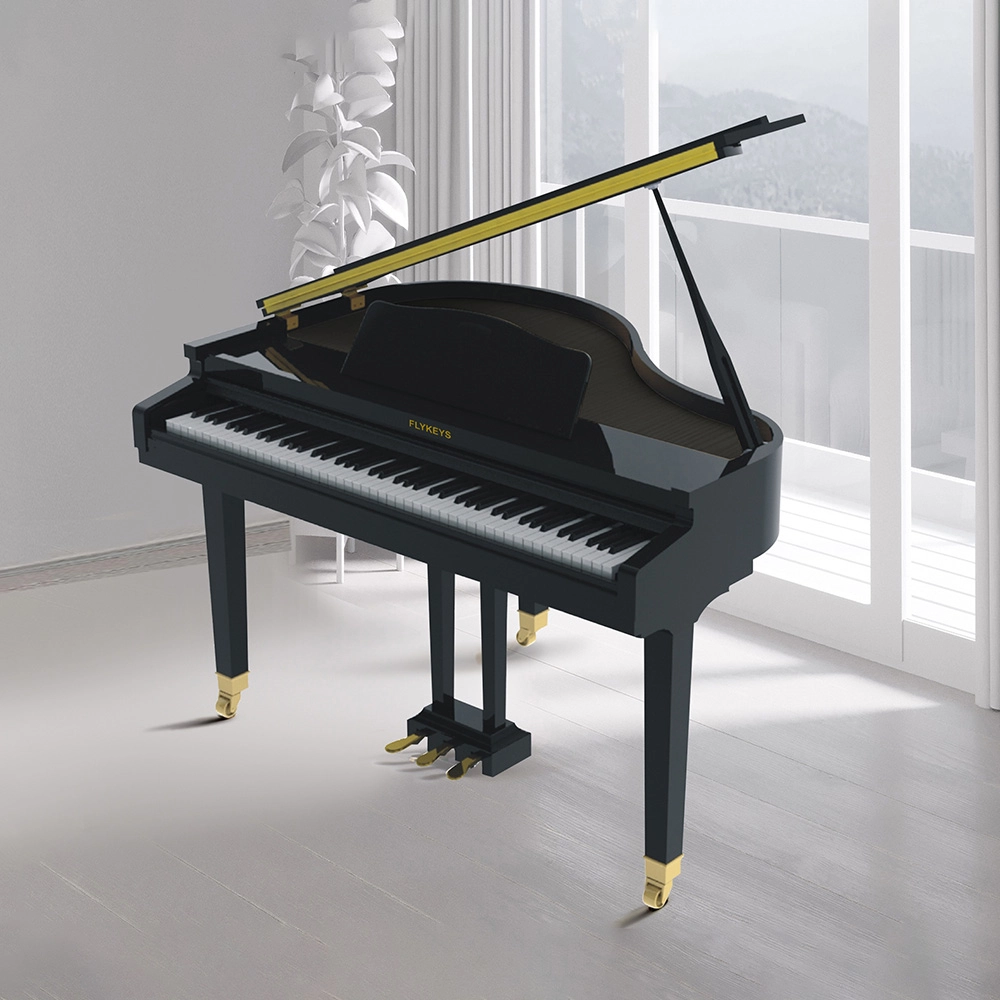
Flykeys 88 Keys Professional Digital Grand Piano Hammer Action Keyboard FGP110 Digital Piano
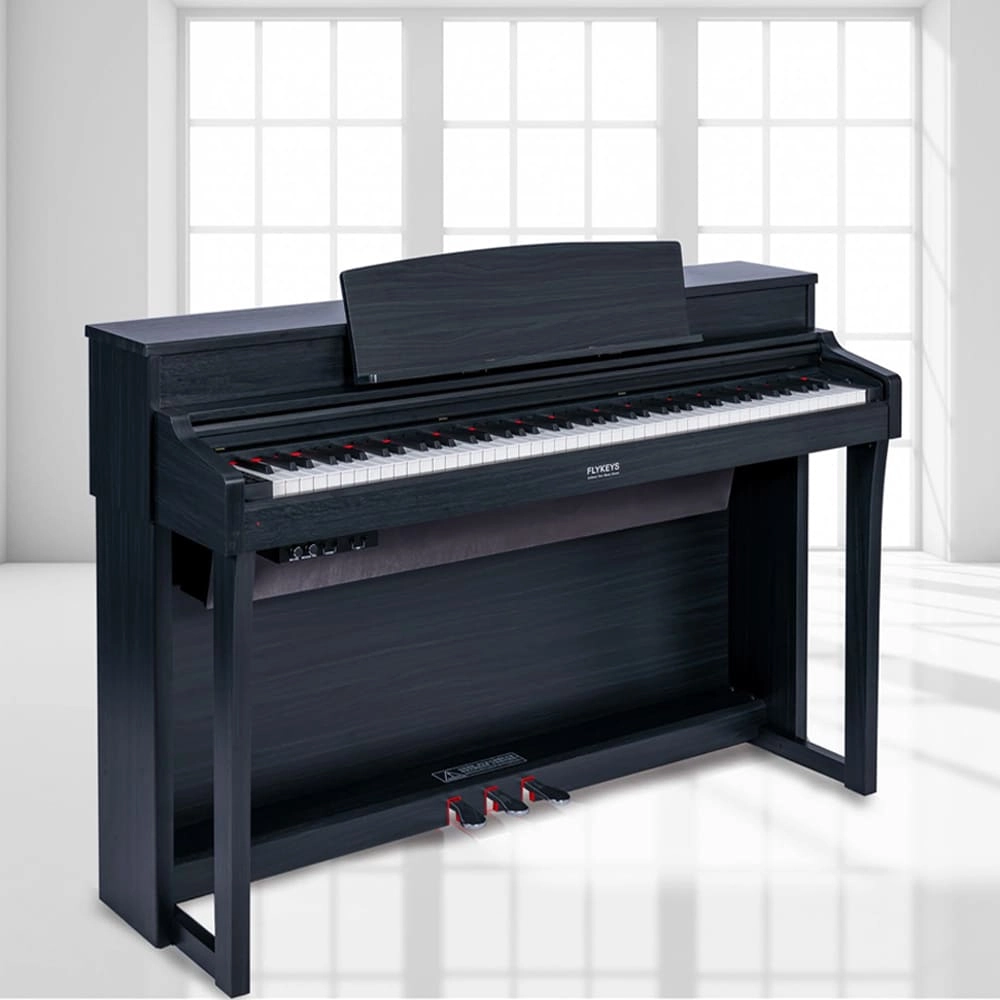
Flykeys Upright Digital Piano 88keys Hammer Action Keyboard FK330 Digital Piano
Get in touch with us
Have a question or inquiry about our digital pianos products? Leave us a message here and our team will get back to you promptly within 24 hours.
Whether you're interested in custom orders, technical specifications, or partnership opportunities, we're here to assist you.
Rest assured that your privacy is important to us, and all information provided will be handled with the utmost confidentiality.
Address: No. 38 Xiangshan Avenue, Zengcheng Economic And Technological Development Zone, Guangzhou, China.
FOLLOW US:


© 2026 FLYKEYS All Rights Reserved. 粤 ICP备2020102774号. Designed by gooeyun. Sitemap | Privacy | Terms