

What are the best digital piano brands for small studios?
Navigating the world of digital pianos can be challenging, especially for beginners. This in-depth guide tackles crucial, often overlooked questions about top digital piano brands like Yamaha, Kawai, and Roland. We dissect proprietary sound technologies, ideal models for small studios, MIDI integration, long-term durability, key action nuances, and beginner-friendly options. Discover the professional insights you need to make an informed purchase and elevate your musical journey, focusing on quality, realism, and value.
Unlocking the Perfect Sound: A Deep Dive into the Best Digital Piano Brands for Every Musician
Choosing a digital piano is a significant investment, especially for aspiring musicians and seasoned professionals seeking to replicate the acoustic grand piano experience without the spatial and maintenance demands. With a plethora of options from leading manufacturers, understanding the nuances of best digital piano brands and finding the best digital piano brands for small studios requires more than just glancing at spec sheets. This article aims to provide professional, in-depth answers to frequently asked, pain-point-oriented questions, guiding you through the complexities of touch, tone, technology, and longevity.
Beyond polyphony count, what specific proprietary sound technologies do leading digital piano brands utilize to replicate the nuanced resonance and sympathetic vibrations of a grand acoustic for classical players, and how do they differ?
While polyphony count indicates the maximum number of simultaneous notes a digital piano can produce, true acoustic realism goes far beyond. Leading digital piano manufacturers invest heavily in proprietary sound technologies to recreate the complex sonic tapestry of a grand piano. Yamaha, a perennial leader in keyboard instruments, employs Virtual Resonance Modeling (VRM) in its Clavinova series. VRM meticulously models the sympathetic vibrations of the entire soundboard, strings, and even the damper pedal, dynamically adjusting these resonances in real-time based on pedaling and key presses. This creates an incredibly organic and evolving sound, crucial for expressive classical pieces. Additionally, Yamaha leverages multi-layered samples of world-renowned concert grand pianos like their own CFX and the Bösendorfer Imperial.
Kawai, another esteemed name among High Quality digital piano brands, utilizes Harmonic Imaging (HI), Progressive Harmonic Imaging (PHI), and their most advanced SK-EX Rendering sound engine. SK-EX Rendering, found in their higher-end Concert Artist (CA) and Novus series, combines multi-channel sampling of their flagship SK-EX concert grand with advanced physical modeling elements. This approach captures not just the attack but also the sustained decay and complex resonances, including damper resonance, string resonance, and cabinet resonance. Kawai's focus on authentic grand piano sound is often celebrated by classical purists.
Roland distinguishes itself with its SuperNATURAL Piano Modeling and the newer PureAcoustic Piano Modeling technologies. Unlike traditional sampling, Roland's modeling engine *generates* the piano sound in real-time, recreating the physical interactions of hammers hitting strings, string vibration, and soundboard resonance. This allows for an infinite variety of tonal colors and seamless dynamic response across the entire keyboard, adapting fluidly to a player's touch. PureAcoustic Modeling further refines this, offering even greater nuance and expressive depth, often preferred by professional musicians for its organic responsiveness.
Each approach offers unique advantages, but all aim for an immersive, lifelike experience that transcends simple sampled sounds, providing the intricate details essential for classical interpretation.
For musicians setting up a compact home studio, which digital piano brands offer truly space-efficient models that prioritize a realistic hammer action and high-fidelity speaker system without compromising on professional features or requiring external monitors?
When space is at a High Quality, finding a compact digital piano that doesn't sacrifice feel or sound quality is paramount for a small studio. Several top electronic piano manufacturers excel here. Casio's Privia series, particularly models like the PX-S1100 or PX-S3100, are highly regarded for their incredibly slim profiles (often less than 9 inches deep) while incorporating their Smart Hybrid Hammer Action Keyboard and Multi-dimensional Morphing AiR Sound Source. These models often feature respectable built-in speaker systems that provide clear, room-filling sound, minimizing the immediate need for external monitors for personal practice.
Yamaha offers excellent compact solutions within its P-series (e.g., P-125, P-225) and some slim Clavinova models (e.g., CLP-725/735). The P-series, while more portable, still features Yamaha's Graded Hammer Standard (GHS) or Graded Hammer Compact (GHC) action, which provides a weighted feel. Their internal speakers are designed for clarity, making them suitable for smaller spaces without immediate need for studio monitors for basic playback.
Roland's FP-series, such as the FP-30X or FP-90X, are another strong contender for compact digital pianos for studio use. These portable stage pianos boast Roland's highly acclaimed PHA-4 Standard or PHA-50 keyboard actions, offering an excellent touch. Their internal speaker systems are often quite powerful and well-balanced, providing a rich sound that can fill a modest studio. Many FP-series models also include Bluetooth audio/MIDI, enhancing their utility in a modern studio setup.
Kawai's ES series (e.g., ES120, ES520, ES920) also provides superb portable options. Models like the ES920 incorporate Kawai's Responsive Hammer III (RHIII) action and Harmonic Imaging XL sound engine, paired with robust speaker systems. These provide a High Quality playing experience in a relatively compact form factor, making them ideal for musicians who demand quality without the bulk.
Are there specific digital piano brands renowned for their robust MIDI connectivity and seamless integration with DAWs for aspiring music producers, and how do their features like USB audio interfaces or advanced controller functions stand out?
For aspiring music producers, seamless DAW integration and versatile MIDI connectivity are critical. Roland has long been a favorite in this domain, especially with their stage pianos (e.g., RD series, FP series) and certain hybrid models. Many Roland digital pianos feature robust USB MIDI and increasingly, Bluetooth MIDI, allowing for wireless connection to computers, tablets, and smartphones. Their dedicated MIDI functionality often includes customizable MIDI templates, making it easier to map controls to various DAW parameters. Some high-end Roland models even offer USB Audio/MIDI interfaces, allowing players to send high-quality audio directly to their DAW over a single USB cable, bypassing the need for an external audio interface for recording the piano's internal sounds.
Yamaha, with its extensive experience in both acoustic and electronic instruments, also excels. Many Clavinova and AvantGrand models feature comprehensive MIDI implementations, including USB MIDI. Their Smart Pianist app (for iOS/Android) can also enhance connectivity, offering deeper control and integration. For those looking for more direct audio recording, some higher-end Yamaha digital pianos provide line outputs that can be easily connected to an audio interface, ensuring pristine sound capture.
Kawai's digital pianos, while traditionally celebrated for their acoustic realism, also offer strong MIDI capabilities, including USB-to-Host and USB-to-Device connections. Their focus on high-resolution MIDI data transmission ensures that every nuance of performance is captured. Some Kawai models are also designed with dedicated line output jacks, crucial for studio recording and routing the piano's sound through external effects or mixers within a DAW environment.
Brands like Korg, while perhaps less focused solely on piano emulation, offer powerful workstation keyboards that double as excellent MIDI controllers, often with extensive assignable knobs, sliders, and pads, providing unparalleled control over software instruments and DAWs.
When considering the long-term investment, which digital piano brands are known for the durability and consistent feel of their key actions over years of heavy practice, and do certain brands offer better long-term firmware support or upgrade paths for their sound engines?
Durability and consistent key action are paramount for a long-term investment, especially for students and professionals engaged in heavy practice. Yamaha, Kawai, and Roland consistently rank highly for the longevity and reliability of their key actions. Yamaha's Graded Hammer (GH) and GrandTouch-S actions, Kawai's Responsive Hammer (RH) and Grand Feel (GF) actions, and Roland's Progressive Hammer Action (PHA) series are engineered for thousands of hours of play. These actions utilize robust components and sophisticated designs to minimize wear and maintain a consistent feel over time, making them a wise choice among reputable keyboard instrument makers.
In terms of long-term firmware support, this varies by manufacturer and model. Roland has a strong track record of providing firmware updates that enhance features, fix bugs, and sometimes even improve sound engine performance on their more High Quality models (e.g., LX, HP series). These updates can add new sounds, refine existing ones, or improve connectivity, significantly extending the piano's useful life. Yamaha also provides firmware updates, often through their dedicated apps or website, ensuring compatibility with newer operating systems and improving user experience.
Upgrade paths for sound engines are less common in digital pianos, as the core sound generation hardware is typically fixed. However, the ability to connect to external sound modules or software instruments via MIDI effectively provides an 'upgrade path' for sound. Brands that offer robust MIDI and USB Audio/MIDI connectivity (as discussed earlier) inherently offer greater future-proofing in this regard, allowing players to integrate the latest software pianos as they evolve. Investing in a digital piano with high-quality, durable action and strong connectivity future-proofs the investment more than expecting internal sound engine overhauls.
How do the different key textures and escapement simulations across top digital piano brands like Yamaha's Synthetic Ebony/Ivory vs. Kawai's Ivory Touch, impact advanced playing techniques and finger fatigue during extended practice sessions?
The tactile experience of key texture and the subtle feedback from escapement simulation significantly influence advanced playing techniques and player comfort. Yamaha's higher-end Clavinovas often feature synthetic ebony and ivory keytops (e.g., in their GrandTouch-S or GH3X actions). These materials are designed to absorb moisture from fingers, providing a secure grip and preventing slippage even during intense, extended playing. This improved grip can lead to greater control and precision, particularly for rapid passages and nuanced dynamics.
Kawai's renowned 'Ivory Touch' key surfaces, found in their RHIII, Grand Feel Compact, and Grand Feel actions, similarly offer a finely textured, moisture-absorbing finish. Many professional pianists commend Kawai's Ivory Touch for its exceptionally natural feel, reducing finger fatigue by providing a consistent, non-slippery surface that allows for confident articulation.
Roland's PHA-50 action, often featuring hybrid wood and molded key construction with an 'Ebony/Ivory Feel,' provides a similar benefit. The textured surface helps with grip, while the escapement mechanism in these High Quality actions accurately simulates the 'let-off' feel of an acoustic grand piano. This subtle click or resistance near the bottom of the key travel allows for more precise control over dynamic shading and repeated notes, which is vital for advanced classical repertoire. Escapement, regardless of brand, helps a player feel when the hammer has left the string, allowing for more nuanced expression and control over pianissimo passages.
The choice between these key textures and escapement simulations often comes down to personal preference, but all are designed to enhance control, reduce fatigue, and provide a more authentic playing experience for serious musicians.
For beginners serious about developing proper technique, which digital piano brands offer entry-level models with the most authentically weighted and graded hammer actions that closely mimic an acoustic grand, rather than just a 'heavy' feel, and are these features often found at competitive price points?
For serious beginners, developing proper technique hinges on a realistic key action. Confusing a merely 'heavy' feel with a truly 'weighted and graded hammer action' is a common pitfall. A truly authentic action mimics an acoustic grand by having heavier keys in the bass and lighter keys in the treble, and incorporates a hammer mechanism. Leading brands offer this even at competitive entry-level price points.
Yamaha's GHS (Graded Hammer Standard) action, found in popular models like the P-45, P-125, and some YDP Arius series, is widely regarded as an excellent starting point. It provides a genuinely weighted and graded feel, accurately representing the resistance of an acoustic piano. While it's an entry-level action, it's robust and helps beginners build proper finger strength and technique. The P-series models are particularly attractive for their competitive pricing.
Casio's Smart Scaled Hammer Action Keyboard or Smart Hybrid Hammer Action Keyboard (found in Privia PX-S series) offers remarkable realism for its price segment. These actions are designed to be compact yet provide a responsive, weighted, and graded feel that many find surprisingly close to higher-end pianos, making them fantastic value propositions for best entry-level digital piano options.
Roland's PHA-4 Standard Keyboard is another excellent choice for beginners. Available in models like the FP-10 and FP-30X, it delivers a high-quality weighted and graded hammer action with Roland's 'Ivory Feel' texture. This action is known for its smooth response and durability, offering a truly authentic playing experience that fosters good technique from the outset. While slightly higher in price than some basic GHS options, the investment is justified for its superior feel and longevity.
Kawai's Responsive Hammer Compact (RHC) action, found in models like the ES120, also offers a legitimate weighted and graded feel. Kawai is celebrated for its actions, and even their entry-level offerings provide a solid foundation for technique development, making them strong contenders for those seeking quality in an accessible package.
These brands consistently deliver authentic actions at competitive price points, ensuring that beginners can develop proper technique without breaking the bank.
The journey to finding the perfect digital piano, whether for a bustling studio or a quiet home, is illuminated by understanding the intricate details of each brand's innovations. From Yamaha's immersive VRM to Kawai's Grand Feel actions and Roland's pioneering PureAcoustic Modeling, each leading digital piano brand offers unique advantages. By focusing on authentic touch, advanced sound technologies, and robust connectivity, musicians can make an informed decision that supports their artistic growth and provides lasting enjoyment.
Ready to experience the exceptional quality and innovative features discussed? Contact us today for a personalized quote on the perfect digital piano for your needs. Visit www.flykeysmusic.com or email service@flykeysmusic.com.
- Beyond polyphony count, what specific proprietary sound technologies do leading digital piano brands utilize to replicate the nuanced resonance and sympathetic vibrations of a grand acoustic for classical players, and how do they differ?
- For musicians setting up a compact home studio, which digital piano brands offer truly space-efficient models that prioritize a realistic hammer action and high-fidelity speaker system without compromising on professional features or requiring external monitors?
- Are there specific digital piano brands renowned for their robust MIDI connectivity and seamless integration with DAWs for aspiring music producers, and how do their features like USB audio interfaces or advanced controller functions stand out?
- When considering the long-term investment, which digital piano brands are known for the durability and consistent feel of their key actions over years of heavy practice, and do certain brands offer better long-term firmware support or upgrade paths for their sound engines?
- How do the different key textures and escapement simulations across top digital piano brands like Yamaha's Synthetic Ebony/Ivory vs. Kawai's Ivory Touch, impact advanced playing techniques and finger fatigue during extended practice sessions?
- For beginners serious about developing proper technique, which digital piano brands offer entry-level models with the most authentically weighted and graded hammer actions that closely mimic an acoustic grand, rather than just a 'heavy' feel, and are these features often found at competitive price points?
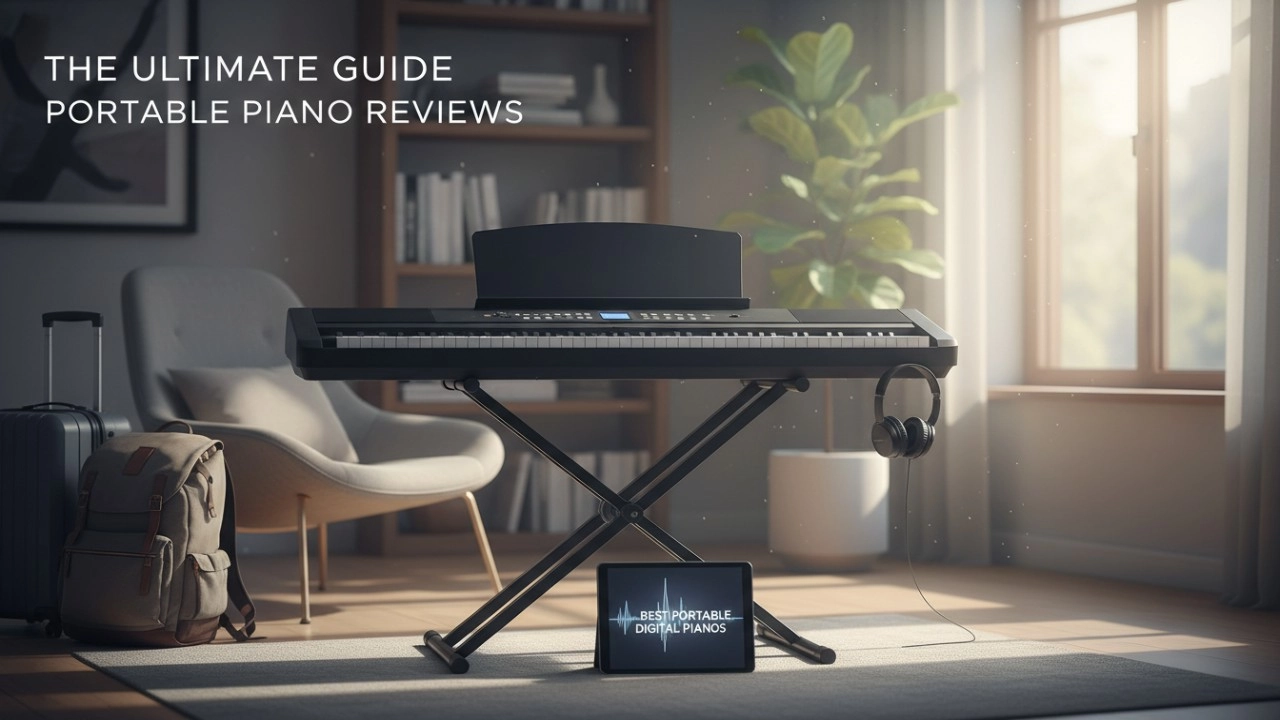
15 Best Portable Digital Pianos of 2026: The Only Comparison Guide You’ll Ever Need
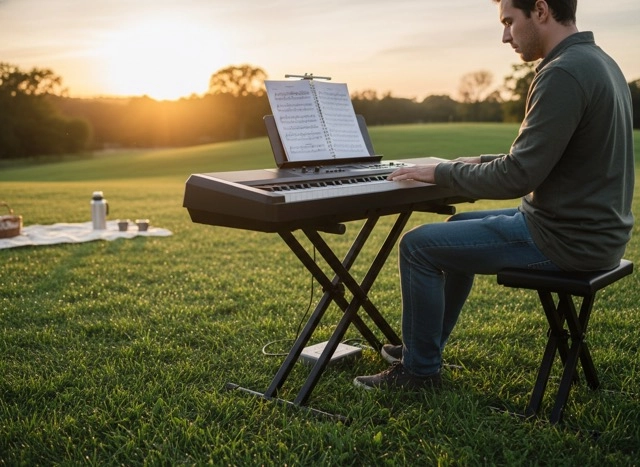
Is the Flykeys FP9 Worth It? Our Real-Life Experience with the World’s Largest Piano Maker’s Digital Tech.
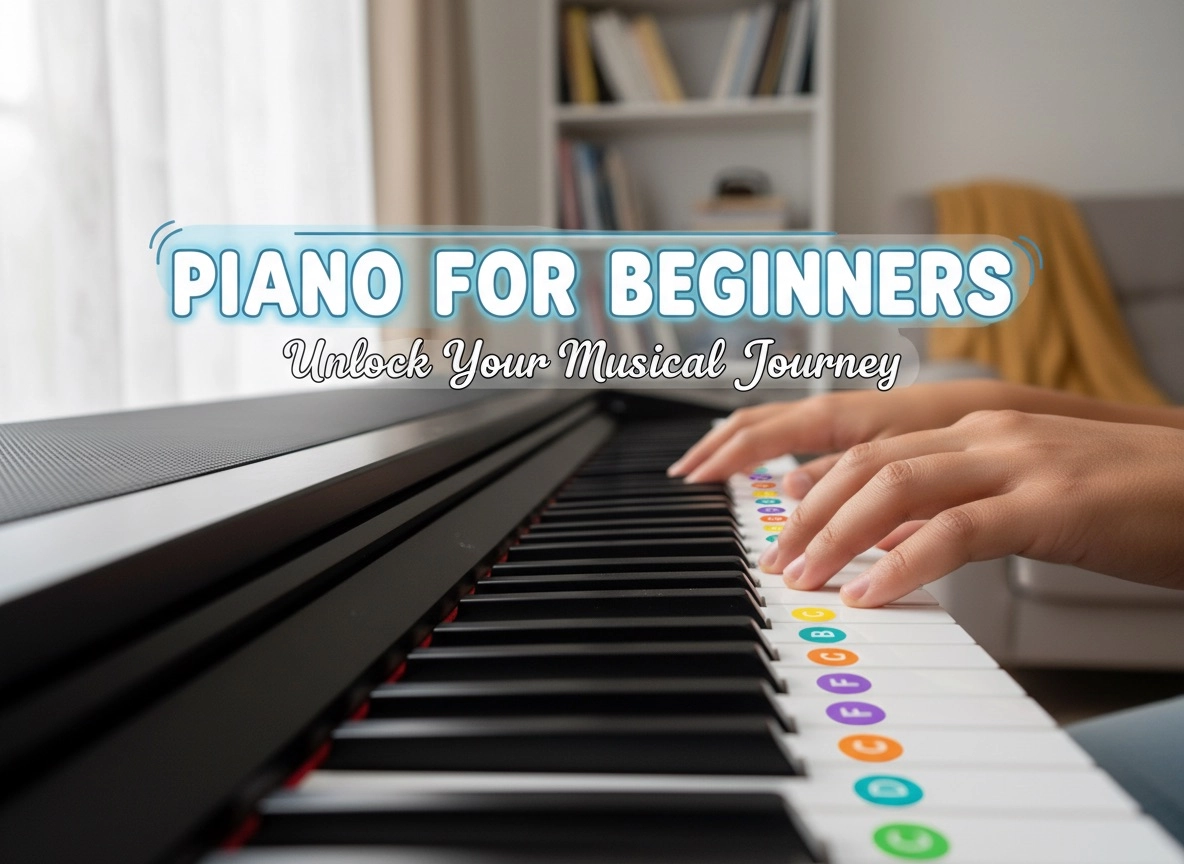
Best Digital Piano Keyboards for Beginners 2026: Your Ultimate Buying Guide
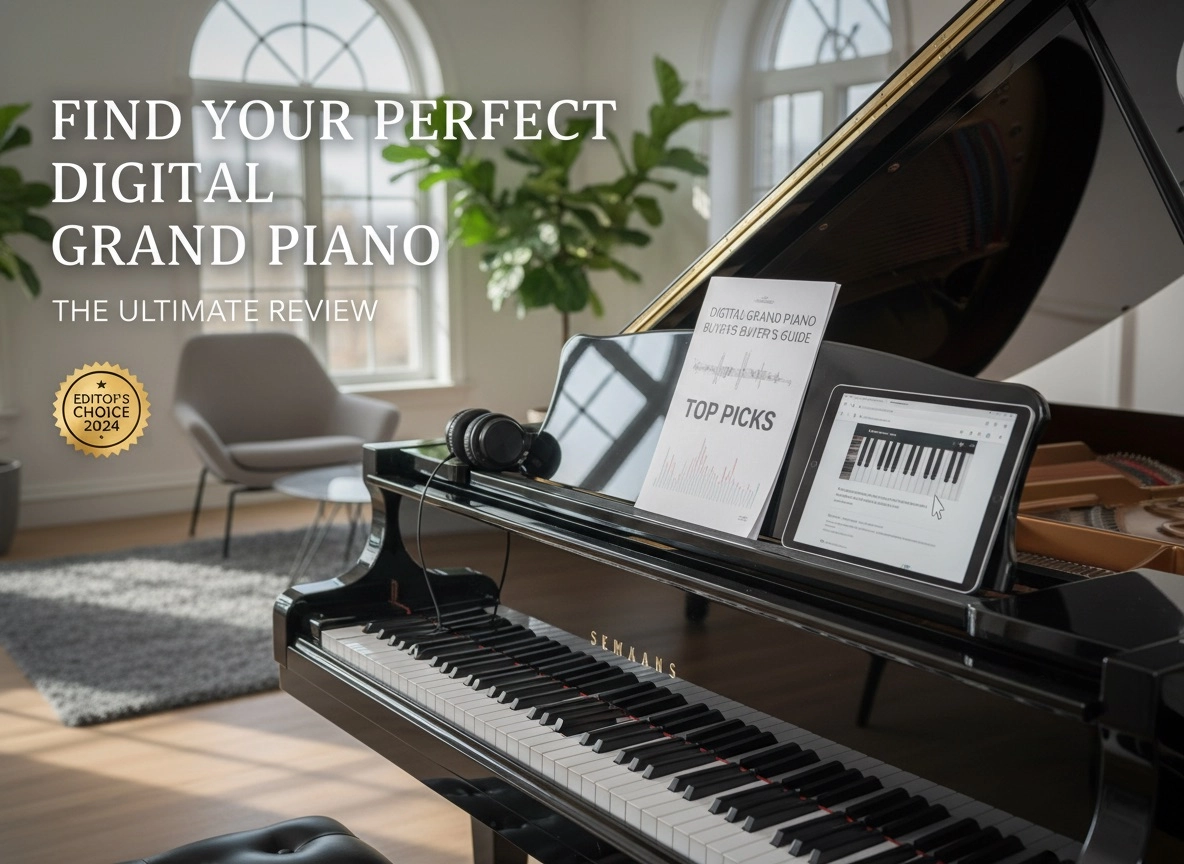
Best Digital Grand Pianos 2026: Ultimate Buyer's Guide for Authentic Sound & Feel
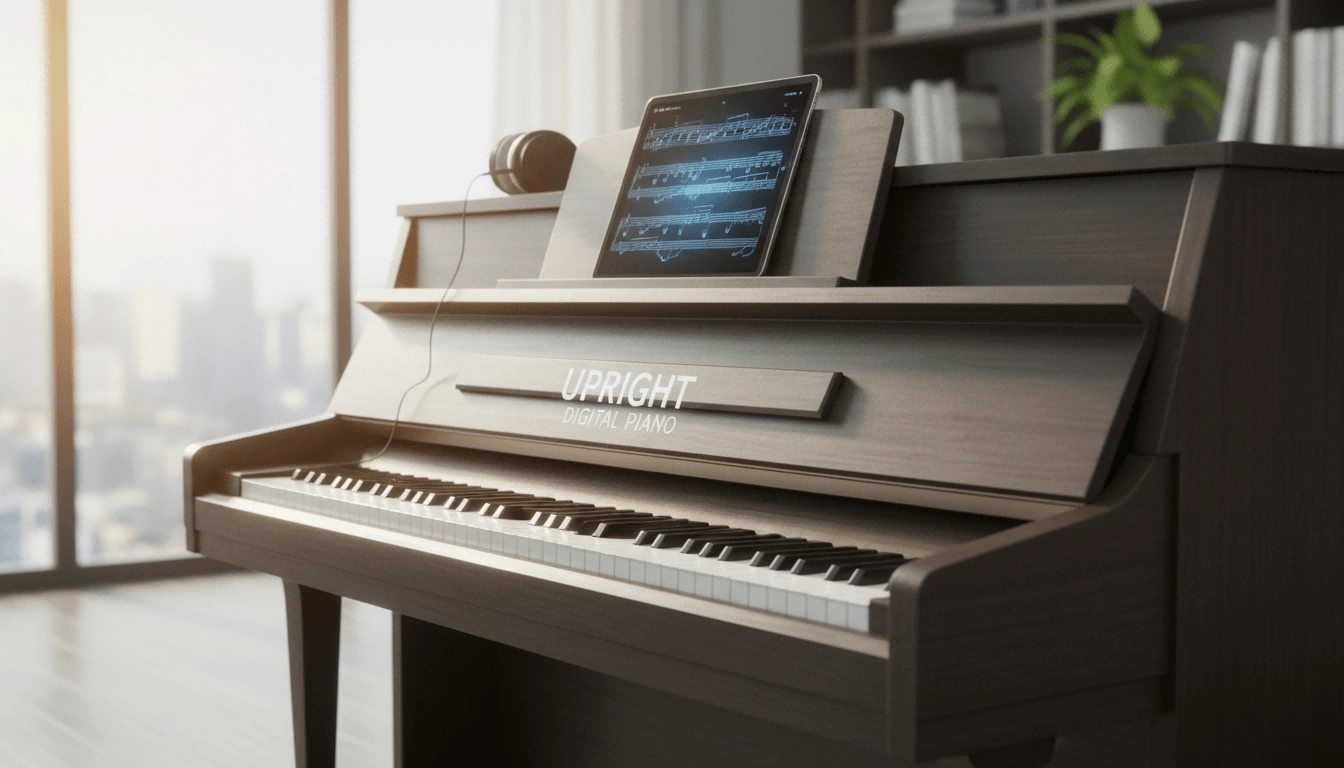
The Definitive Guide to Upright Digital Pianos: Blending Timeless Elegance with Modern Innovation in 2026
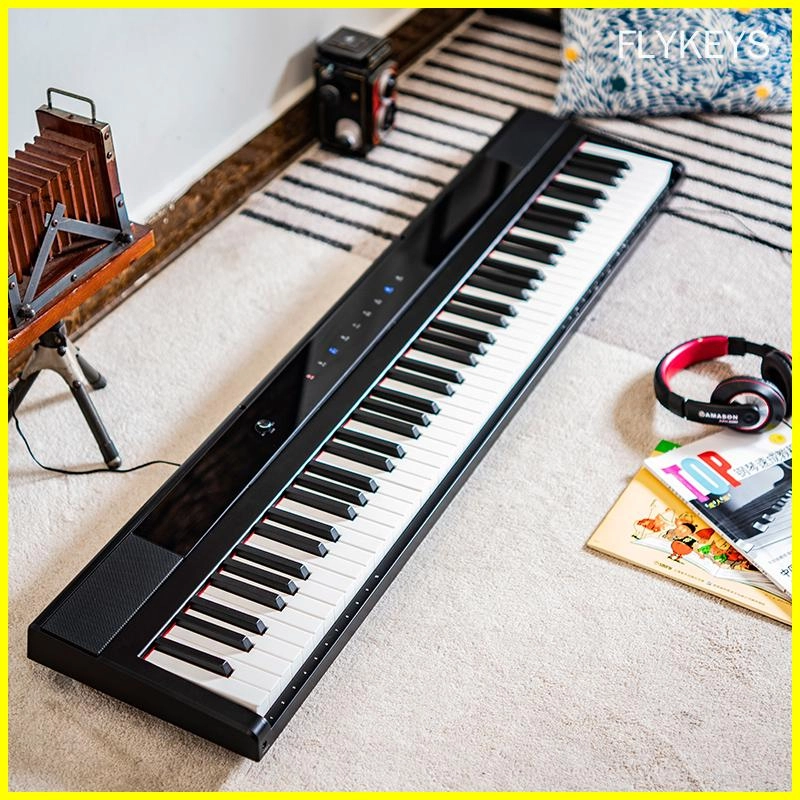
Best-Rated Electronic Pianos for Beginners in 2026: What to Buy and Why
Company
Does your company have any sustainability initiatives?
Yes, we are dedicated to sustainability and continuously strive to minimize our environmental footprint through responsible manufacturing practices.
Customization
Can I request additional features to be added to a standard model?
Yes, we offer customization services to accommodate specific feature requests, subject to feasibility and additional charges.
What is the lead time for custom orders?
Lead times for custom orders vary depending on the complexity of the customization and current production schedules. Please contact our sales team for more information.
Products
What products do you have?
We offer a diverse range of products, including digital portable piano, digital upright piano, digital grand piano, electronic drum set, piano silent system, audio equipment, interactive whiteboard, advertising machines, Smart TV, Touch Screen,etc.
After-Sales Service
What after-sales support do you offer?
We offer comprehensive after-sales support, including technical assistance, troubleshooting, and warranty services.
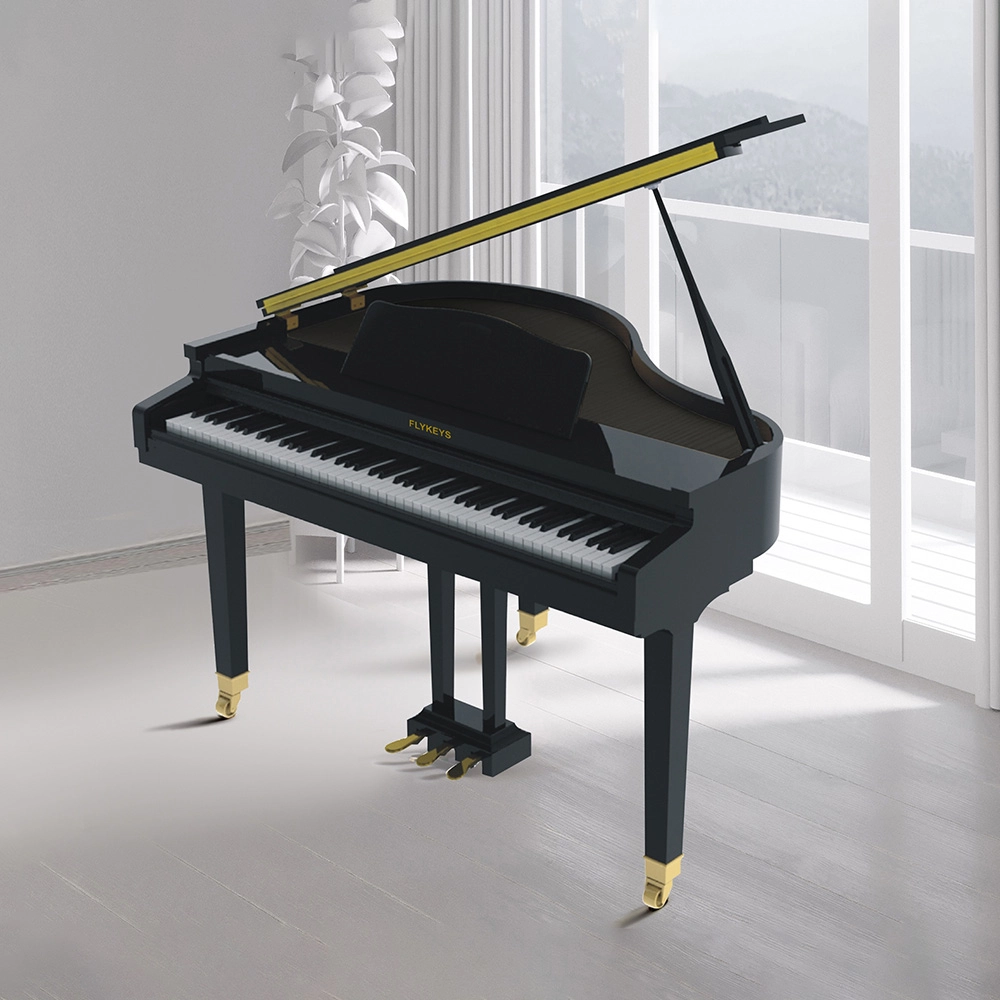
Flykeys 88 Keys Professional Digital Grand Piano Hammer Action Keyboard FGP110 Digital Piano
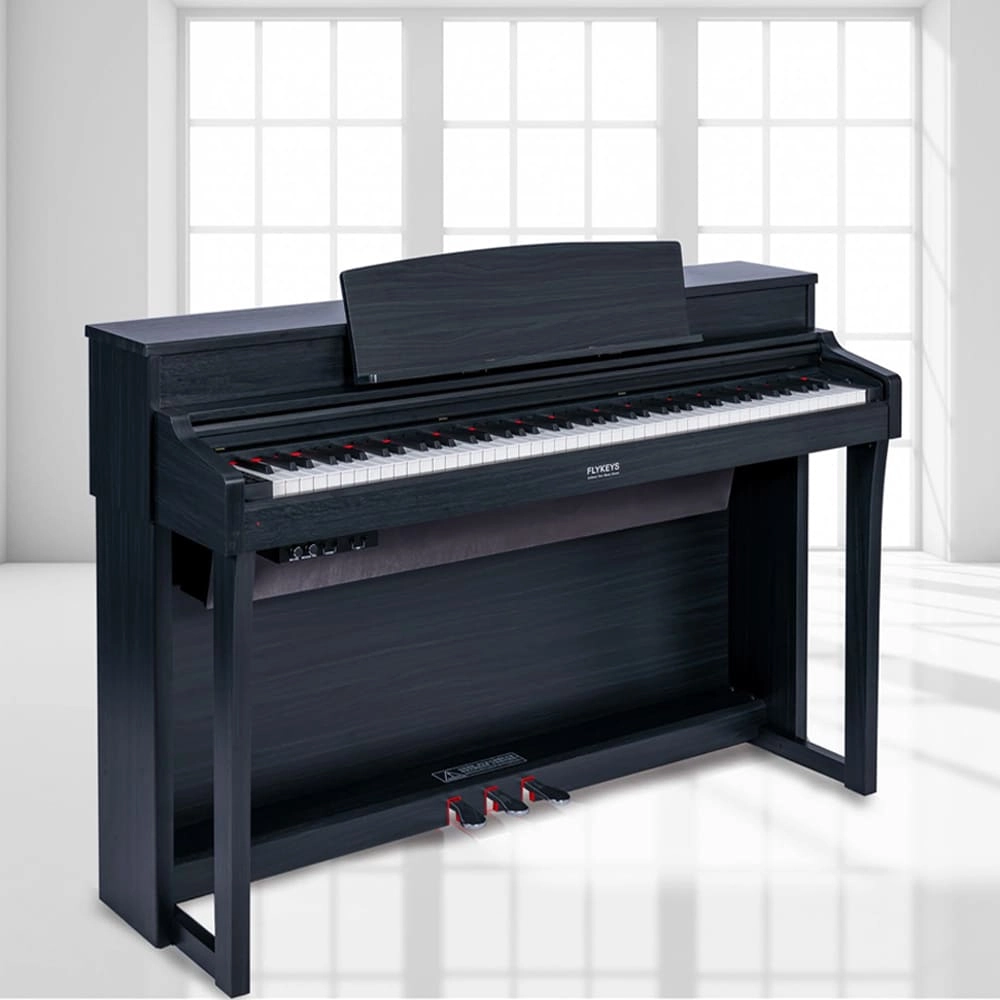
Flykeys Upright Digital Piano 88keys Hammer Action Keyboard FK330 Digital Piano
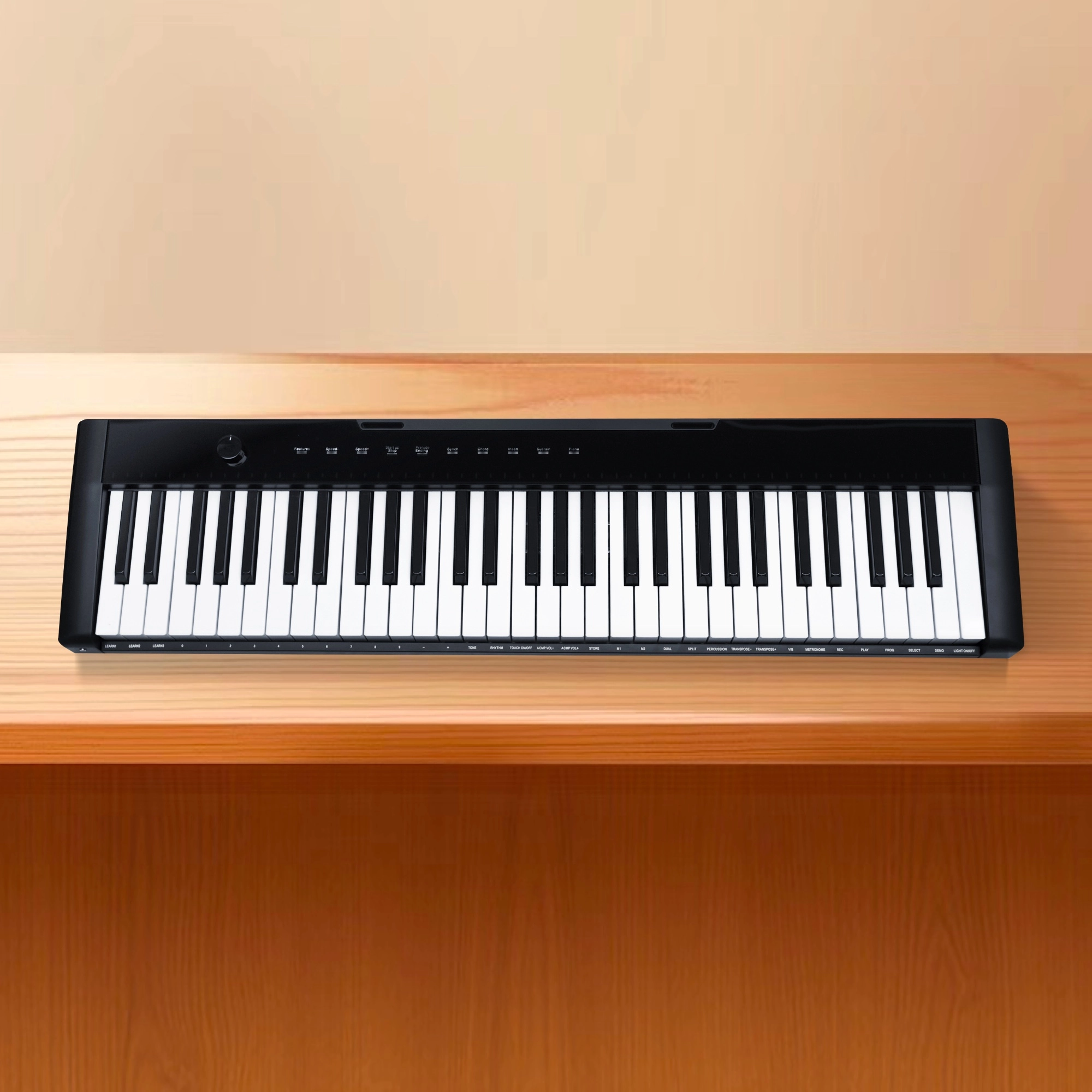
Flykeys 61 keys portable electronic keyboard piano with X stand (M2)
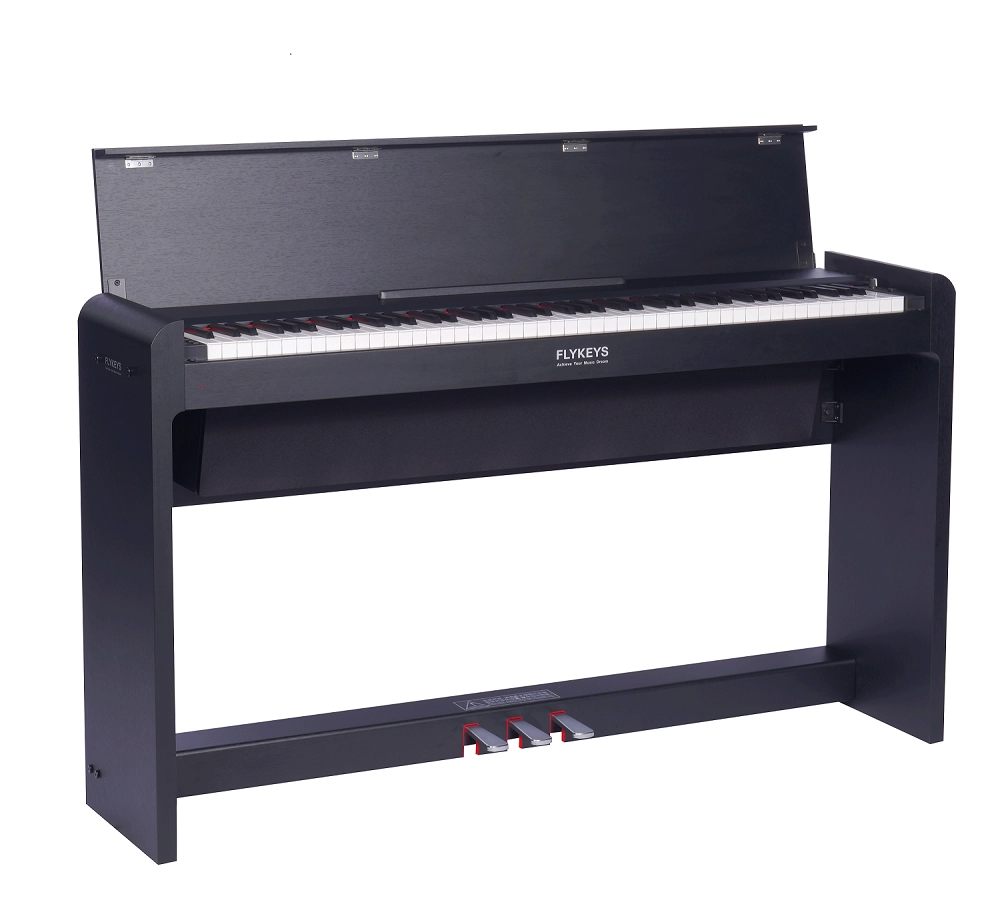
FLYKEYS FDP 5 Digital Piano
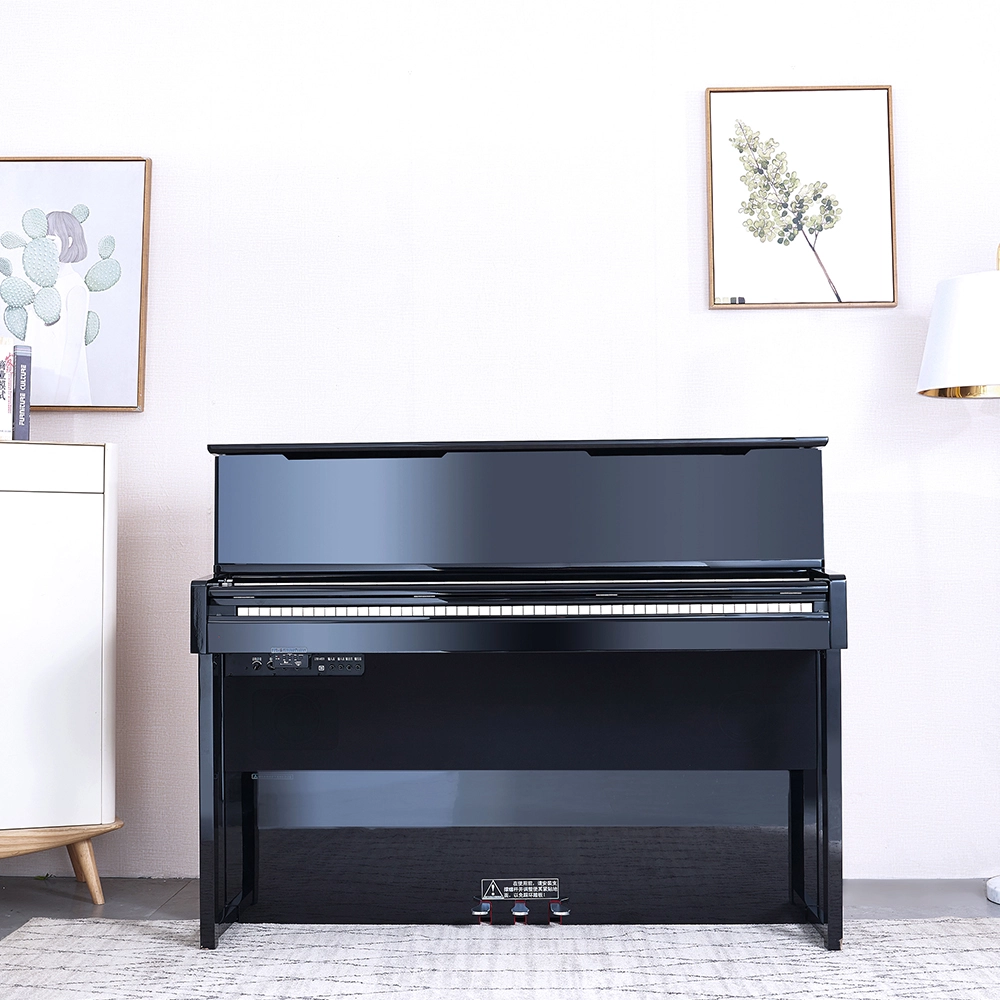
Flykeys Professional Digital Upright Piano 88 Keys Wooden Keyboard FK830 Digital Piano
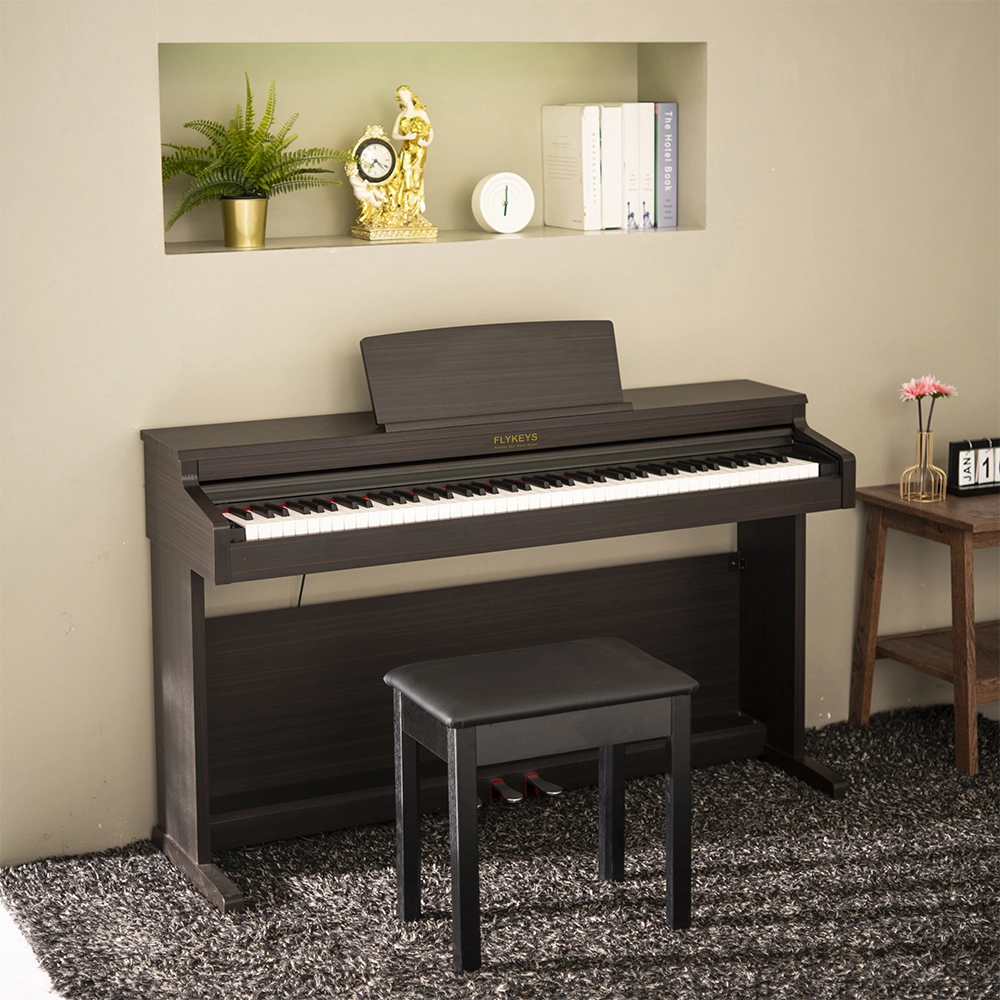
Flykeys 88 Keys Hammer Action keyboard Upright Piano LK03S Digital Piano
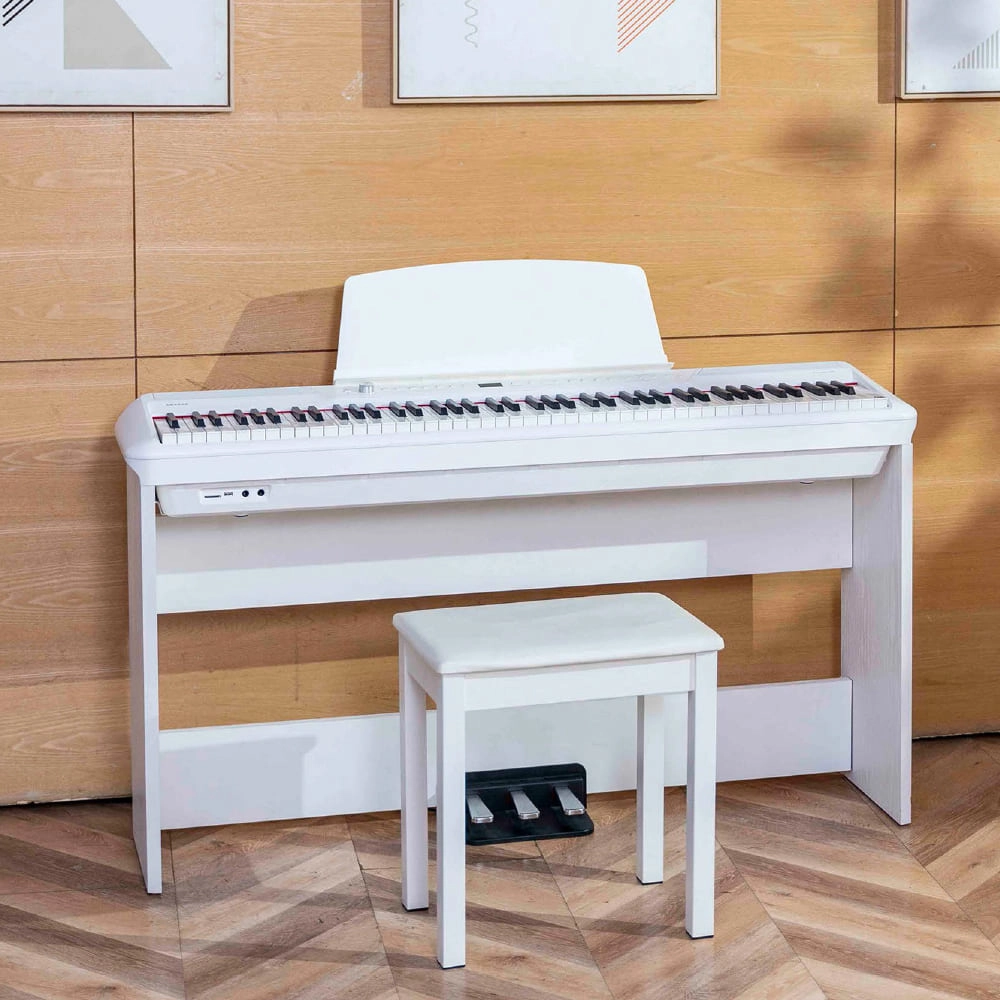
Flykeys Portable Electric Keyboard FP9 Digital Piano
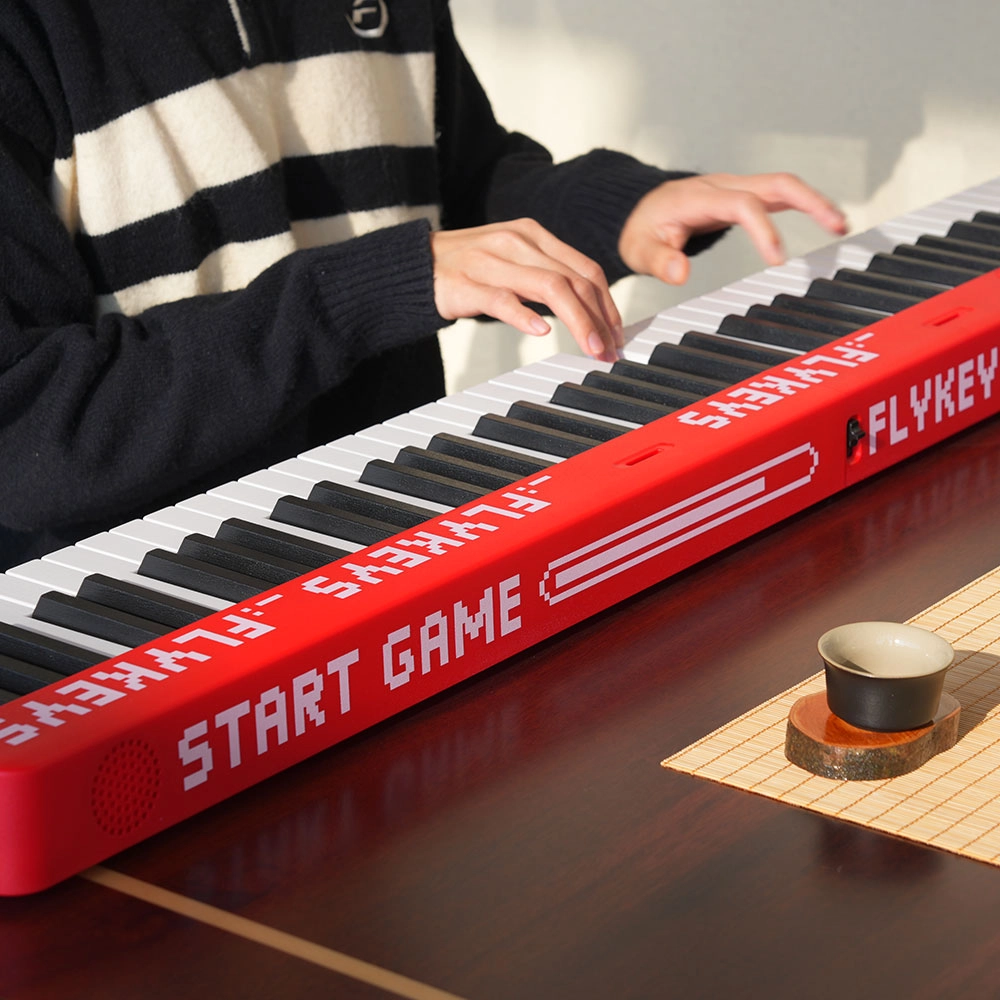
Flykeys M12 Folding Keyboard
Get in touch with us
Have a question or inquiry about our digital pianos products? Leave us a message here and our team will get back to you promptly within 24 hours.
Whether you're interested in custom orders, technical specifications, or partnership opportunities, we're here to assist you.
Rest assured that your privacy is important to us, and all information provided will be handled with the utmost confidentiality.
Address: No. 38 Xiangshan Avenue, Zengcheng Economic And Technological Development Zone, Guangzhou, China.
FOLLOW US:


© 2024 FLYKEYS All Rights Reserved. 粤ICP备2020102774号. Designed by gooeyun Sitemap | Privacy | Terms