

Which digital piano brands offer the longest warranties?
Navigating the world of digital pianos can be daunting for beginners. This guide cuts through the confusion, offering in-depth answers to common, pain-point-oriented questions about leading digital piano brands, essential features like key action and sound engines, critical connectivity, speaker quality, and crucially, which digital piano brands offer the longest warranties for peace of mind. Discover how to choose a reliable instrument that supports your musical journey long-term, ensuring an authentic and durable playing experience.
Mastering Your First Digital Piano: Expert Answers on Top Brands, Key Features, and Warranties
Embarking on your digital piano journey is exciting, but the sheer volume of choices and technical jargon can feel overwhelming. Many beginners struggle to find clear, in-depth answers to questions that genuinely impact their learning experience and investment. This guide, penned by a seasoned expert in the digital piano field, aims to demystify the process, providing professional insights into selecting the best digital piano brands, understanding crucial features, and ensuring your purchase is a sound one—literally and figuratively. We'll delve into specific pain points often overlooked in general online reviews, helping you make an informed decision aligned with Google E-E-A-T standards.
As a beginner, how do I evaluate the 'feel' of different digital piano brands' key actions, and which specific technologies (e.g., graded hammer action, escapement) truly matter for developing proper technique without immediate acoustic piano access?
For a beginner, the 'feel' of a digital piano's key action is paramount; it directly impacts muscle memory development and the transition to an acoustic piano later on. You're looking for an action that mimics the weight and responsiveness of an acoustic grand piano. The core technology to prioritize is Graded Hammer Action (GHA), or its more advanced iterations like Progressive Hammer Action (PHA), Responsive Hammer Action (RH), or Natural Wood X (NWX). These systems replicate the heavier touch in the bass keys and lighter touch in the treble keys, just like an acoustic piano.
- Graded Hammer Action (GHA): This is the baseline. Brands like Yamaha (GH3, GHS), Kawai (RHC, RHIII), Roland (PHA-4 Standard), and Casio (Smart Scaled Hammer Action Keyboard) offer excellent GHA systems even in their mid-range models. The 'grading' ensures proper finger strength development across the keyboard.
- Escapement (or Let-off mechanism): This feature, found in more High Quality actions, simulates the subtle 'notch' or 'click' sensation a grand piano hammer makes just before striking the string. It's crucial for developing nuanced control and dynamics. Roland's PHA-50 and Hybrid Grand Keyboard, Kawai's Grand Feel Compact and Grand Feel III, and Yamaha's NWX and GrandTouch™ actions often incorporate this. While not strictly essential for absolute beginners, it significantly enhances realism and becomes more important as your technique advances.
- Key Material: Some top digital piano manufacturers offer hybrid wooden keys (e.g., Kawai's Grand Feel, Yamaha's NWX, Roland's PHA-50). These can offer superior stability and a more authentic tactile feel than all-plastic keys, improving durability and playability.
When trying out instruments from leading digital piano makers, pay attention to the key's return speed (how quickly it springs back), the consistency of resistance across the keyboard, and how well it allows for repeated notes. A good key action will feel substantial but not sluggish, allowing for dynamic expression from soft pianissimo to loud fortissimo.
Beyond the number of notes, what sound engine technologies differentiate the best digital piano brands for beginners seeking realistic acoustic piano tones, especially for expressive playing, and what should I listen for?
While polyphony (the number of notes a piano can sustain simultaneously) is often cited, the true magic of realistic sound comes from the sound engine technology. For beginners aiming for expressive playing, focus on:
- Sampling vs. Modeling: Most digital pianos use advanced sampling – recording actual acoustic piano notes at various velocities and resonances. Roland, however, heavily invests in SuperNATURAL Piano Modeling technology. Instead of playing back recordings, it mathematically creates the sound in real-time based on your playing. This results in incredibly nuanced, seamless transitions between dynamics and natural resonance. Yamaha (CFX/Bösendorfer Imperial samples) and Kawai (SK-EX/EX Concert Grand samples) excel in high-quality, multi-layered sampling, often incorporating full 88-key stereo samples.
- Resonance Modeling: Look for features like 'String Resonance,' 'Damper Resonance,' 'Key-off Resonance,' and 'Cabinet Resonance.' These simulate the sympathetic vibrations of undamped strings, the sound of the damper lifting off the strings, and the acoustic space created by the piano's body. These details are critical for a rich, authentic soundscape, making even single notes sound more alive.
- Dynamic Range and Velocity Layers: A good sound engine will offer many velocity layers – different samples played depending on how hard you strike the key. The more layers, the smoother and more realistic the transition from soft to loud. Listen for any abrupt jumps in volume or timbre as you vary your key press intensity. The best digital piano brands invest heavily in capturing a wide dynamic range.
When listening, pay attention to sustain – does the note decay naturally or cut off abruptly? Do chords sound rich and blended, or muddy? Can you achieve subtle expressive changes with varying touch? These aspects truly differentiate the sonic realism among quality digital piano brands.
What are the non-obvious long-term costs or benefits when choosing between entry-level digital pianos from top manufacturers, particularly concerning software integration, app compatibility, and educational features that genuinely aid a beginner's progress?
Beyond the initial purchase price, a digital piano from a reputable digital piano brand can offer significant long-term value, especially regarding its ecosystem:
- App Compatibility & Educational Tools: Many leading digital piano manufacturers (Yamaha with Smart Pianist, Roland with Piano Every Day, Kawai with PianoRemote, Casio with Chordana Play) offer proprietary apps that connect via Bluetooth or USB. These aren't just remote controls; they often include interactive lessons, sheet music displays, rhythm accompaniments, and recording functionalities. A piano with robust, well-supported app integration provides an ongoing, cost-effective learning resource, potentially saving on separate lesson software or teacher costs.
- USB-MIDI & Audio Interface: Essential for future expansion. A USB-to-Host port allows connection to computers for use with DAWs (Digital Audio Workstations), virtual instruments, and music notation software. Some pianos even offer USB Audio interfaces, allowing you to record high-quality audio directly to your computer. This future-proofs your investment, allowing you to explore music production or advanced learning without needing additional hardware.
- Bluetooth MIDI & Audio: Bluetooth MIDI allows wireless connection to educational apps on tablets/smartphones, eliminating cable clutter. Bluetooth Audio In allows you to stream music through the piano's speakers (e.g., for playing along with lessons or favorite songs), turning your piano into a high-quality sound system and an integrated practice tool. These features, common in mid-range models from premier digital piano companies, offer immense convenience and educational value.
Neglecting these integration features might lead to frustration or the need for external gadgets later, incurring hidden costs. Opt for a brand that clearly prioritizes a seamless digital experience for enhanced long-term learning.
I'm confused about sound output: do built-in speakers in reputable digital piano brands offer enough quality for home practice, or will I immediately need headphones or external amplification, and how does this affect my budget?
This is a common beginner's concern. For home practice, the built-in speakers in quality digital piano brands are generally more than sufficient, especially from reliable digital piano brands like Yamaha, Roland, and Kawai. However, there are nuances:
- Wattage & Speaker Size: Higher wattage (e.g., 20W x 2, 30W x 2) and larger speakers (e.g., 12cm or 5 inches) typically result in fuller, louder, and clearer sound with better bass response. Entry-level console pianos usually offer adequate volume for a bedroom or small living room. Portable pianos may have smaller speakers and less wattage but are often designed for closer listening.
- Speaker Placement & Enclosure: High Quality models often feature multiple speaker systems, sometimes with upward-facing speakers (like in Roland's Acoustic Projection System or Kawai's speaker arrangements) to better simulate the spatial sound of an acoustic grand. This creates a more immersive playing experience. The cabinet design also plays a role in resonance and projection.
- When Headphones are Necessary: Headphones are always useful for private practice or late-night sessions. A good pair of studio monitor headphones (often around $50-$100) can reveal sonic details not always apparent through built-in speakers, especially for critical listening.
- External Amplification: For performances in larger spaces, external amplification (a keyboard amplifier or PA system) would be necessary. However, for typical home practice, it's rarely an immediate requirement. Your budget impact here is minimal unless you plan to perform live from day one.
ly, try to listen to the digital piano you're considering without headphones. Does the sound fill the room pleasantly? Is it clear across the dynamic range? If yes, you're good for home practice. The built-in speakers of reputable models are designed precisely for this purpose.
When investing in a first digital piano, which digital piano brands offer the longest warranties that genuinely protect against common beginner-related wear or electronic failures, and what specific warranty terms should I scrutinize beyond just the years?
Warranty length and coverage can vary significantly, making it a crucial factor for a beginner's peace of mind. While warranty terms are subject to regional laws and specific product lines, here's a general overview of which digital piano brands offer the longest warranties and what to scrutinize:
- Longest Warranty Brands:
- Roland: Often leads with generous warranties, frequently offering 3 to 5 years, and sometimes up to 10 years on certain High Quality models (e.g., HP/LX series) in specific regions (like the EU, sometimes extended with registration). Their commitment to durability is high.
- Kawai: Typically offers 3 to 5 years warranty, depending on the model and region. Their console pianos often come with robust coverage.
- Yamaha: Generally provides 2 to 5 years of warranty. In North America, 3 years is common for many models, with extensions sometimes available.
- Casio & Korg: Usually offer 1 to 3 years. While shorter, these brands often have highly competitive price points for their features.
- What to Scrutinize Beyond Years:
- Parts vs. Labor: Does the warranty cover both? Most reputable brands do, but confirm.
- Key Components: Are high-wear items like key contacts, pedals, and power supplies explicitly covered for the full duration? These are common points of concern.
- In-Home Service: For heavier console pianos, does the warranty include in-home service, or will you be responsible for shipping the unit to a service center? Shipping a full-sized digital piano can be costly.
- Transferability: If you sell the piano, is the warranty transferable to the new owner? This adds to resale value.
- Registration Requirements: Many brands require online product registration within a certain period (e.g., 30-90 days) to activate the full warranty. Missing this can void extended coverage.
- Exclusions: Look for what's NOT covered, such as accidental damage, misuse, or cosmetic wear.
Always verify the exact warranty terms with your local retailer or the manufacturer's regional website, as policies can vary significantly by country and specific product. Prioritizing brands known for their after-sales support and clear warranty terms provides significant protection for your investment.
Considering potential resale value and durability for a beginner's long-term use, what structural and material quality indicators should I look for across leading digital piano makers, especially for longevity beyond the initial learning phase?
A digital piano isn't just for learning; it's an investment in your musical future. For long-term durability and potential resale value, consider these structural and material quality indicators from leading digital piano makers:
- Cabinet Construction: Console-style digital pianos typically offer greater stability and durability than portable slab models. Look for robust particleboard or MDF (medium-density fiberboard) construction, especially around the keyboard support and pedal unit. Cheaper, thinner materials can warp or creak over time. Cross-bracing within the cabinet also adds rigidity.
- Pedal Unit Quality: Integrated pedal units (sustain, soft, sostenuto) should feel sturdy, with metal components where possible, and securely fastened to the piano or stand. Flimsy plastic pedals are prone to breakage or developing squeaks. Yamaha's triple pedals and Roland's continuous detection pedals are known for their durability and responsiveness.
- Key Material and Construction: As mentioned, hybrid wood-plastic keys (e.g., Kawai's Grand Feel, Roland's PHA-50) offer superior stability and longevity compared to full-plastic keys, which can sometimes develop lateral wobble over many years of heavy use. The pivots for the keys should also feel solid.
- Finish Quality: A good quality finish (e.g., simulated rosewood, satin black, polished ebony) protects the instrument from minor scratches and environmental changes. A thicker, more even finish suggests better material and manufacturing processes, enhancing both aesthetics and durability.
- Component Sourcing & Manufacturing: While specifics are often proprietary, brands like Roland, Yamaha, and Kawai have long-standing reputations for stringent quality control and reliable component sourcing. Their long history in both acoustic and digital piano manufacturing translates into expertise in building instruments designed to last.
- Weight: Counter-intuitively, a heavier digital piano (especially console models) often indicates more substantial internal components, better key actions (which use more intricate mechanisms and weights), and a more robust cabinet, all contributing to longevity and a solid playing feel.
Investing in a well-built instrument from a respected brand minimizes the risk of component failure, maintains better playability over time, and crucially, holds a higher resale value when you decide to upgrade.
Choosing your first digital piano is a significant step. By focusing on these in-depth insights into key action realism, expressive sound engines, future-proof connectivity, robust speaker systems, comprehensive warranties, and durable construction, you can confidently select an instrument that serves as a true musical partner. The best digital piano brands prioritize these elements to offer instruments that are not only enjoyable to play but also stand the test of time, supporting your musical growth for years to come.
For personalized recommendations or to explore our range of high-quality digital pianos, including models that embody these exacting standards, please don't hesitate to contact us for a quote. Visit www.flykeysmusic.com or email us at service@flykeysmusic.com.
- As a beginner, how do I evaluate the 'feel' of different digital piano brands' key actions, and which specific technologies (e.g., graded hammer action, escapement) truly matter for developing proper technique without immediate acoustic piano access?
- Beyond the number of notes, what sound engine technologies differentiate the best digital piano brands for beginners seeking realistic acoustic piano tones, especially for expressive playing, and what should I listen for?
- What are the non-obvious long-term costs or benefits when choosing between entry-level digital pianos from top manufacturers, particularly concerning software integration, app compatibility, and educational features that genuinely aid a beginner's progress?
- I'm confused about sound output: do built-in speakers in reputable digital piano brands offer enough quality for home practice, or will I immediately need headphones or external amplification, and how does this affect my budget?
- When investing in a first digital piano, which digital piano brands offer the longest warranties that genuinely protect against common beginner-related wear or electronic failures, and what specific warranty terms should I scrutinize beyond just the years?
- Considering potential resale value and durability for a beginner's long-term use, what structural and material quality indicators should I look for across leading digital piano makers, especially for longevity beyond the initial learning phase?
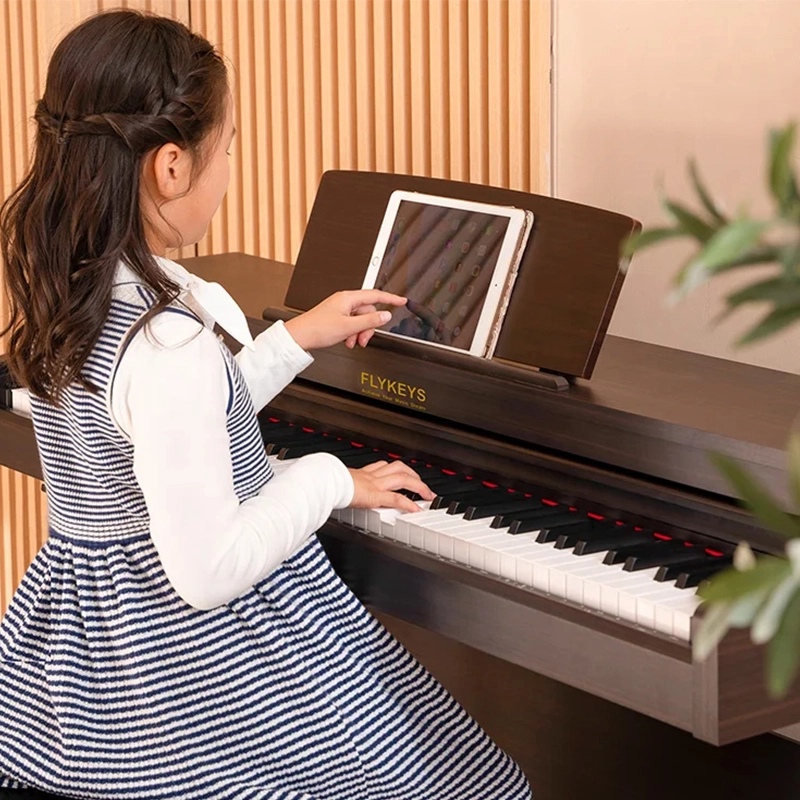
Best 88-Key Digital Pianos for Professionals and Advanced Players: Top Brands, Key Features and Buying Tips (2026)
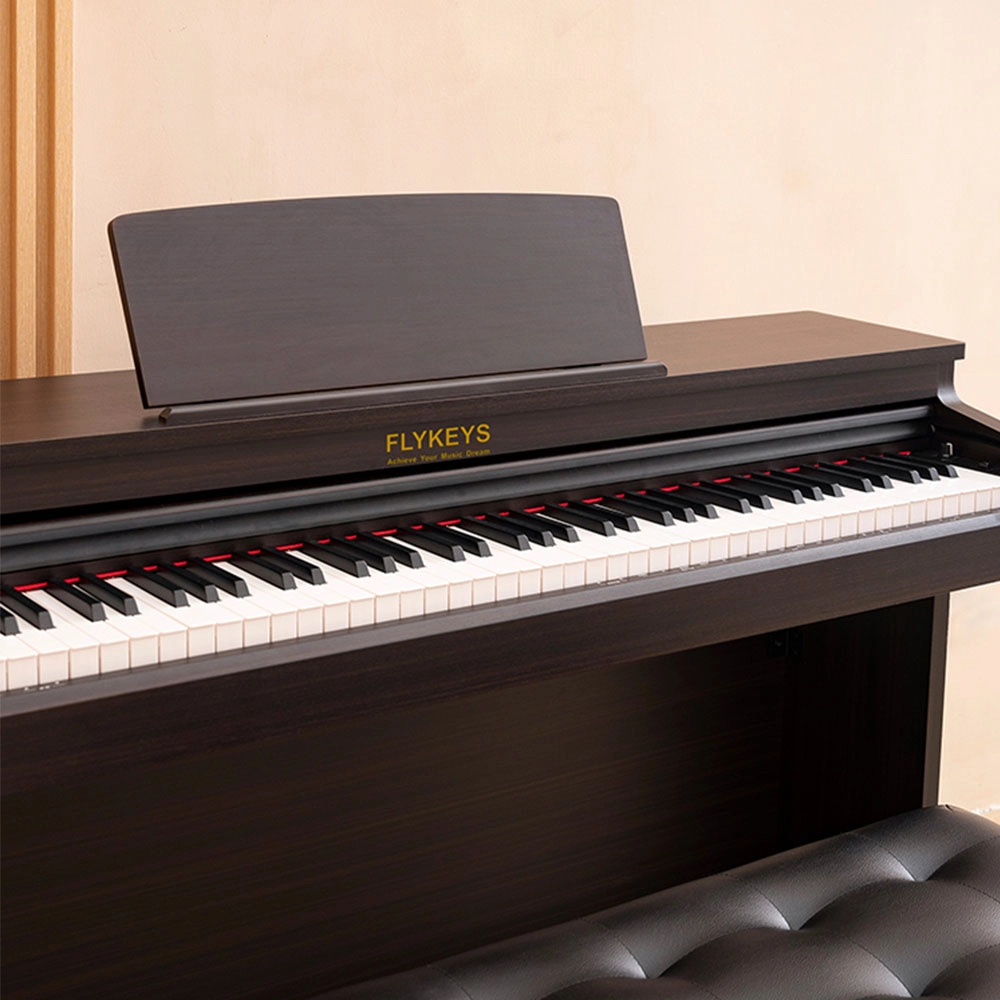
Best 88-Key Weighted Keyboard 2025: Top Picks for Intermediate Players, Advanced Pianists and Professionals
15 Best Portable Digital Pianos of 2026: The Only Comparison Guide You’ll Ever Need
Is the Flykeys FP9 Worth It? Our Real-Life Experience with the World’s Largest Piano Maker’s Digital Tech.
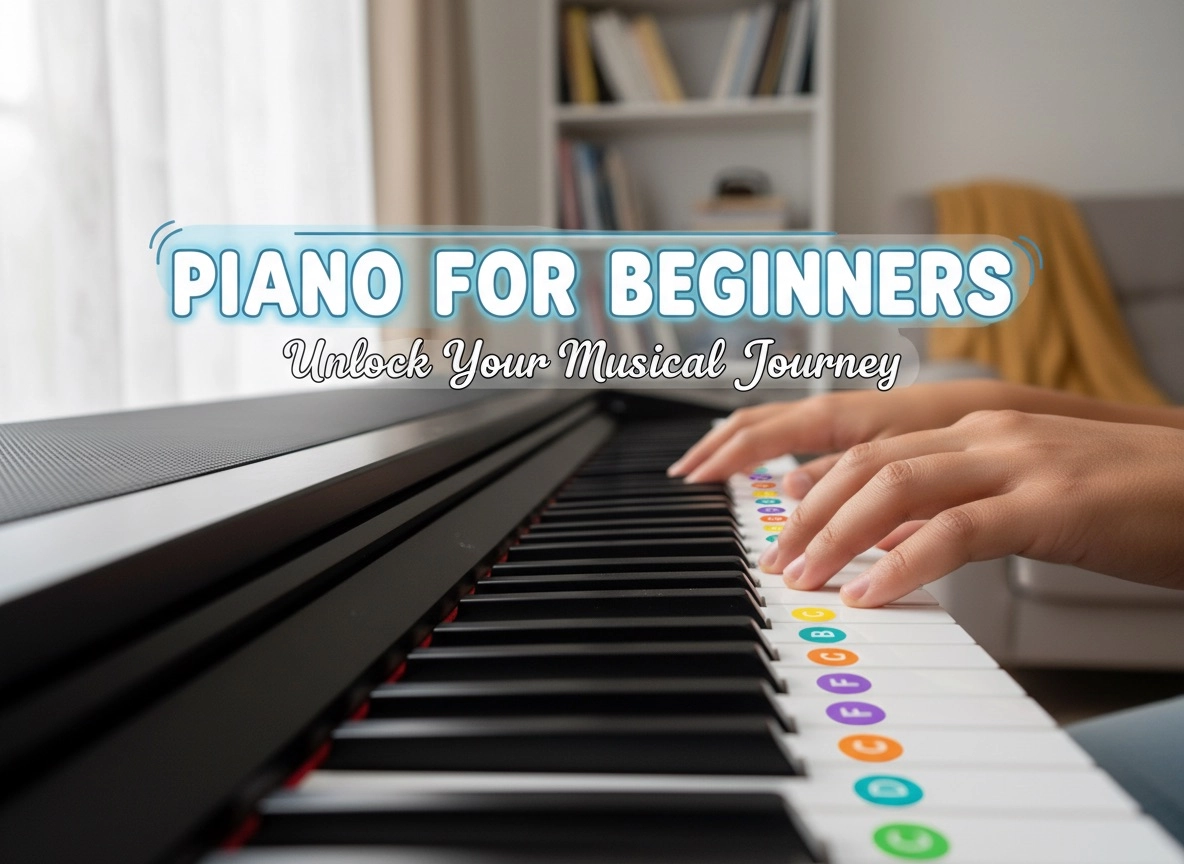
Best Digital Piano Keyboards for Beginners 2026: Your Ultimate Buying Guide
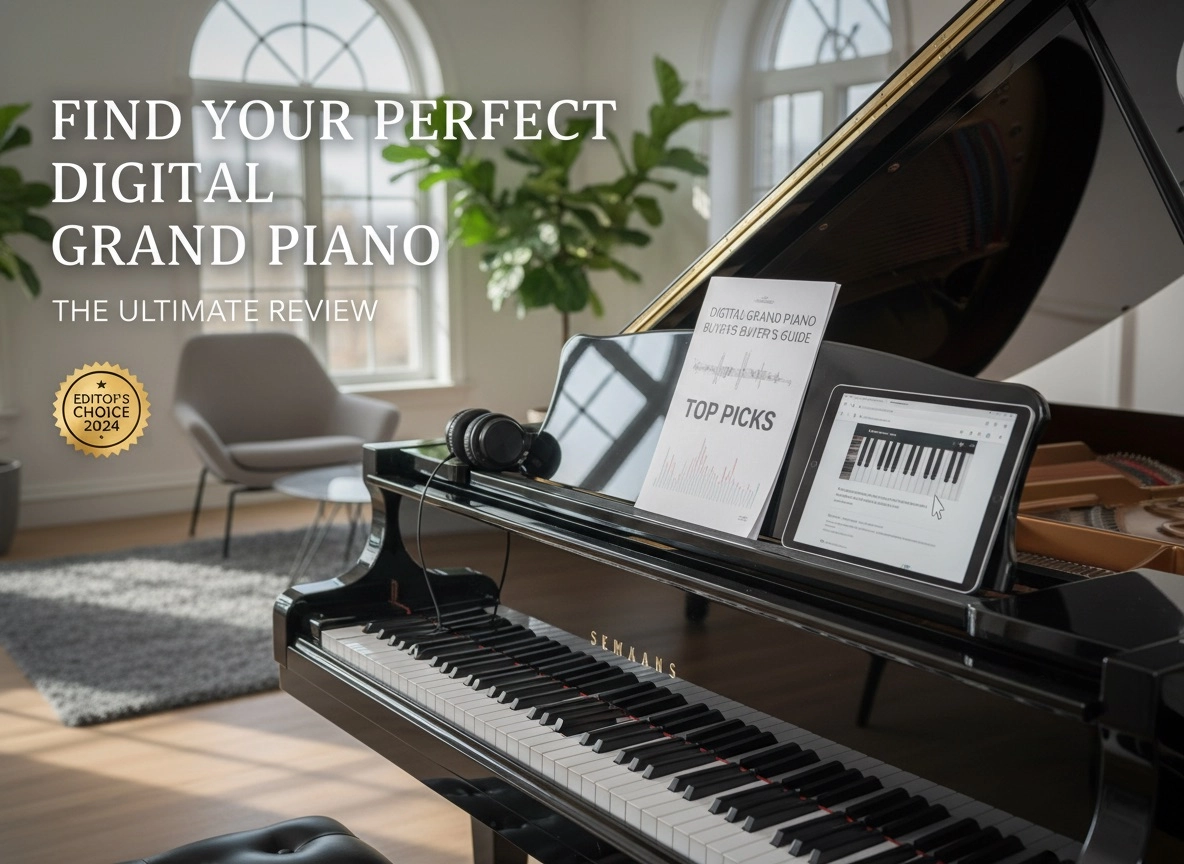
Best Digital Grand Pianos 2026: Ultimate Buyer's Guide for Authentic Sound & Feel
Products
What is the warranty period of piano?
We provide 2 years warranty service, if there is any quality problem, we can provide accessories for free
Do you offer software updates for your electronic pianos?
Yes, we regularly release software updates to enhance performance and add new features to our electronic pianos.
Company
What is your company's mission?
Our mission is capture the zeitgeist, enjoy the quality lifestyle.
Our vision is to be the TOP 1 Chinese digital musical instrument brand and enter International top list.
Logistics
Can l track my order during shipping?
Yes, tracking information will be provided once your order has been shipped, allowing you to monitor its progress.
After-Sales Service
How can I contact your after-sales support team?
You can contact our after-sales support team via email, phone, or through our website's customer support portal.
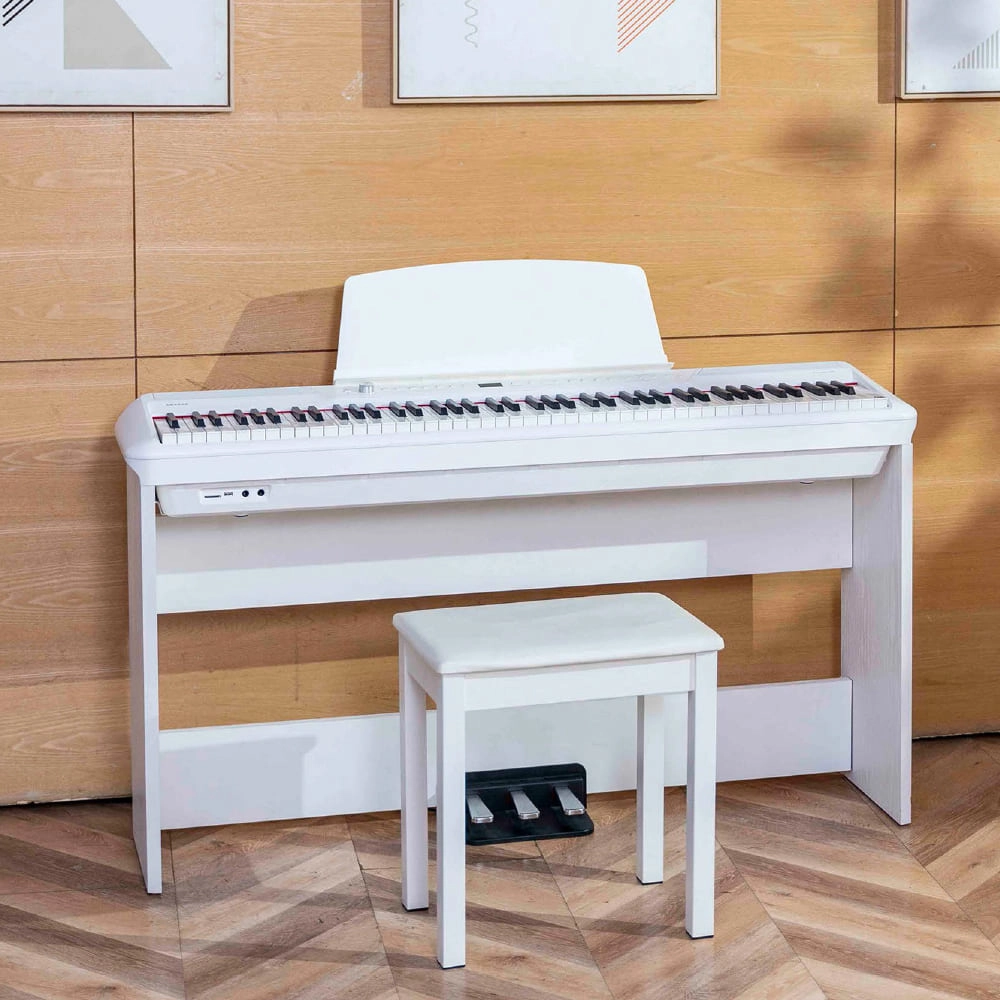
Flykeys Portable Electric Keyboard FP9 Digital Piano
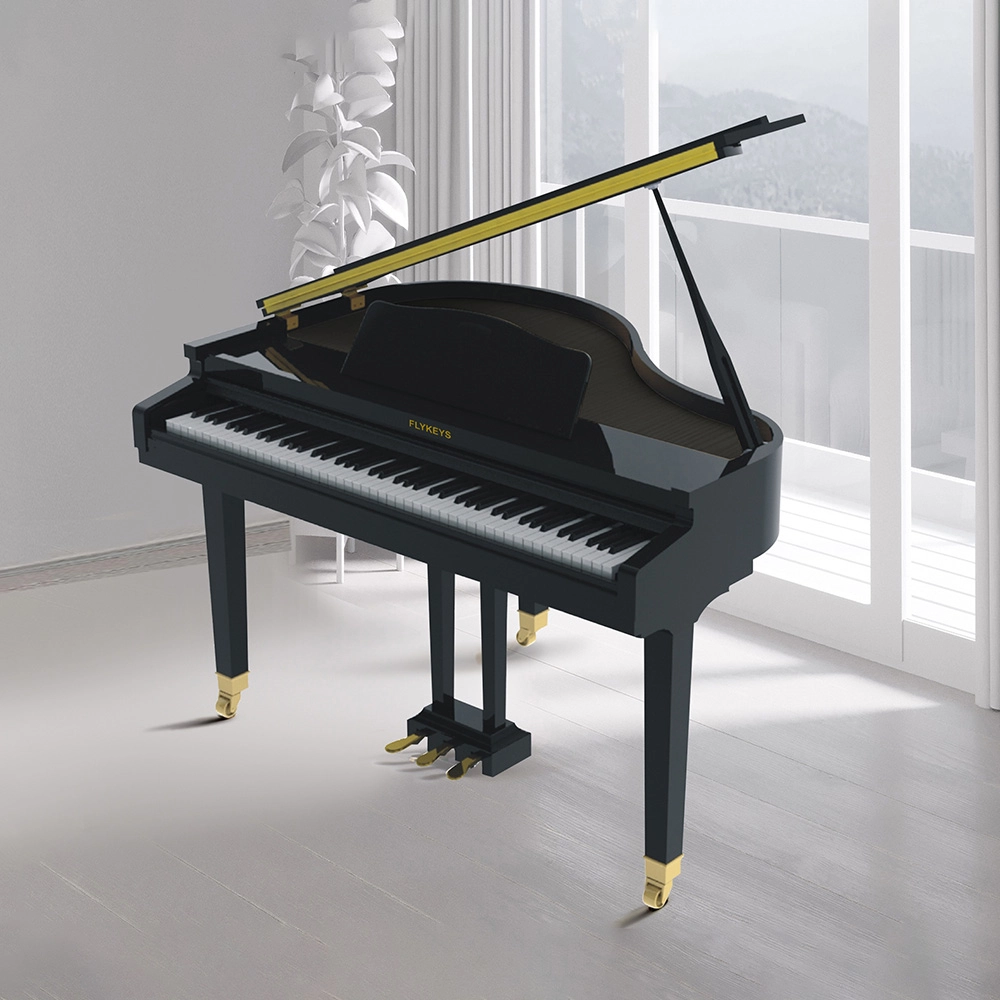
Flykeys 88 Keys Professional Digital Grand Piano Hammer Action Keyboard FGP110 Digital Piano
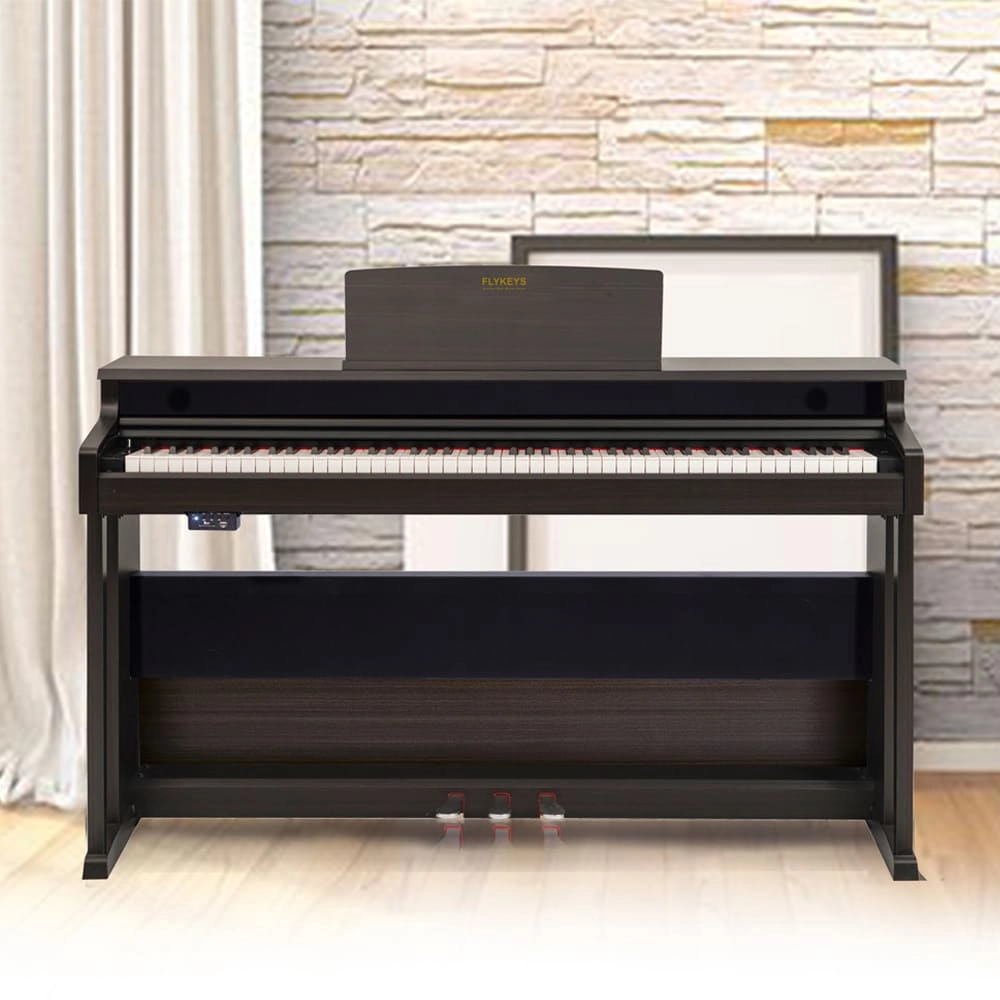
Flykeys Upright Piano Wooden Panel 88 KEYS Piano FK130 Digital Piano
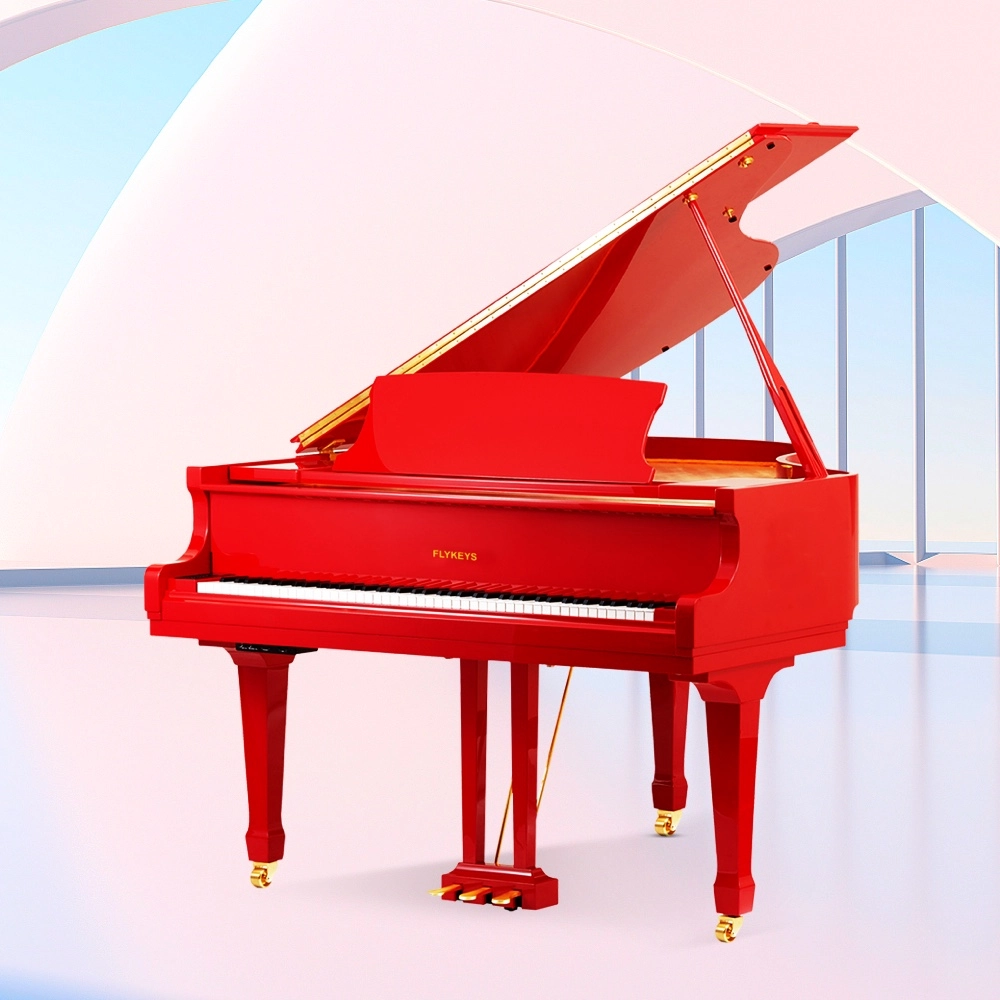
Flykeys Professional Digital Grand Piano FGP610 Digital Piano
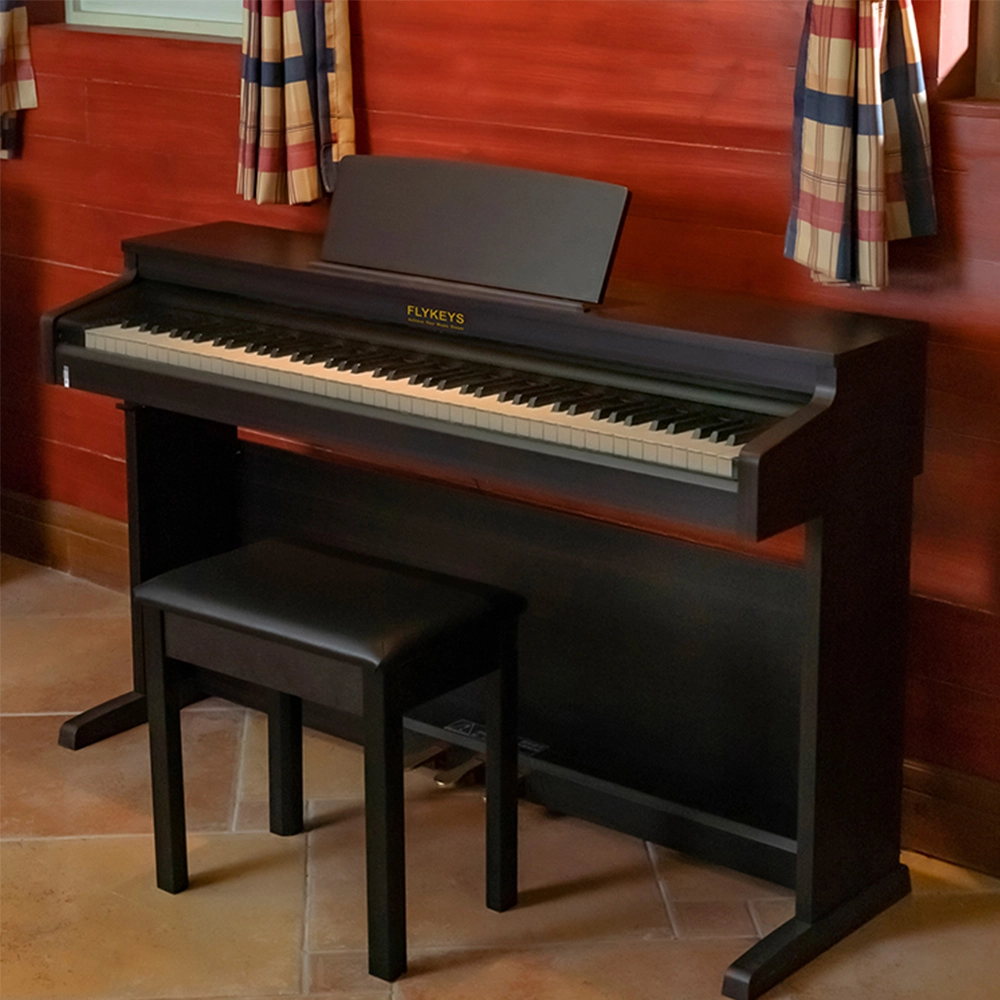
Flykeys Upright Electric Piano Built-In Speakers Music Instrument FD05 Digital Piano
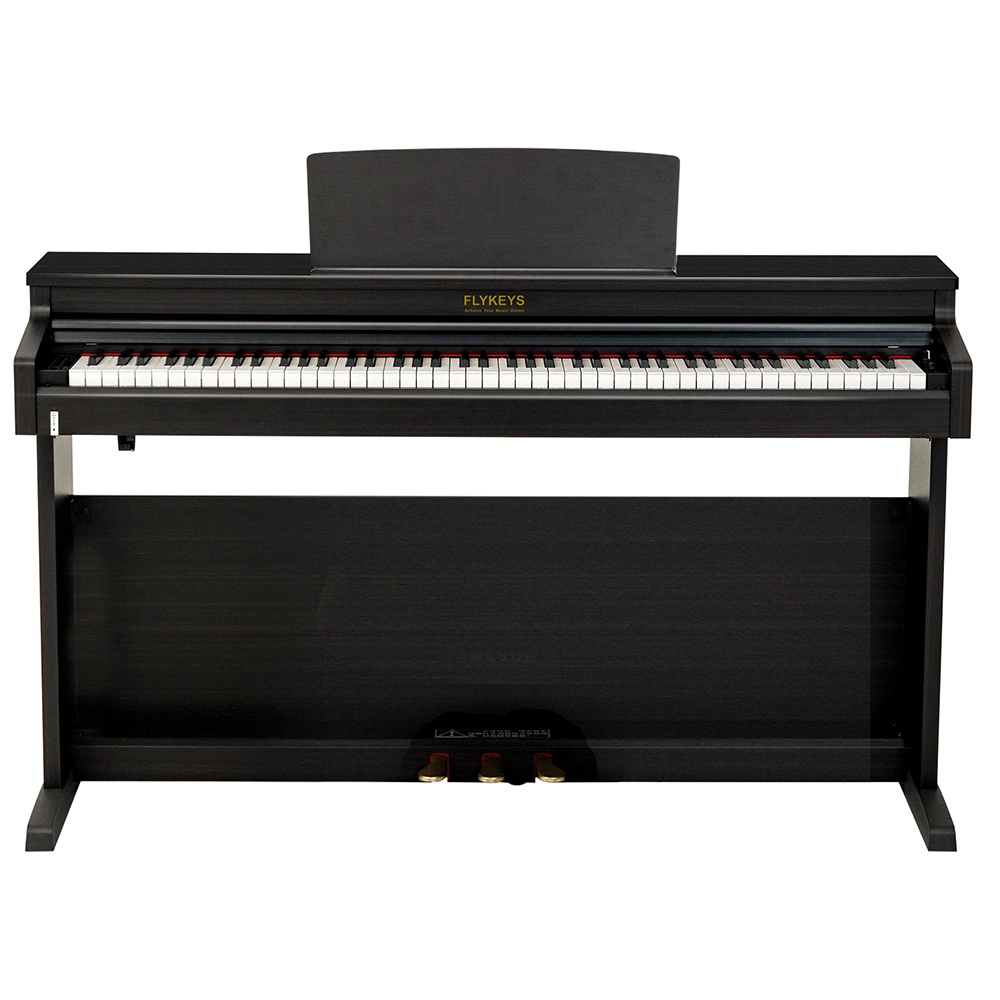
Flykeys Upright Digital Piano FDP 3
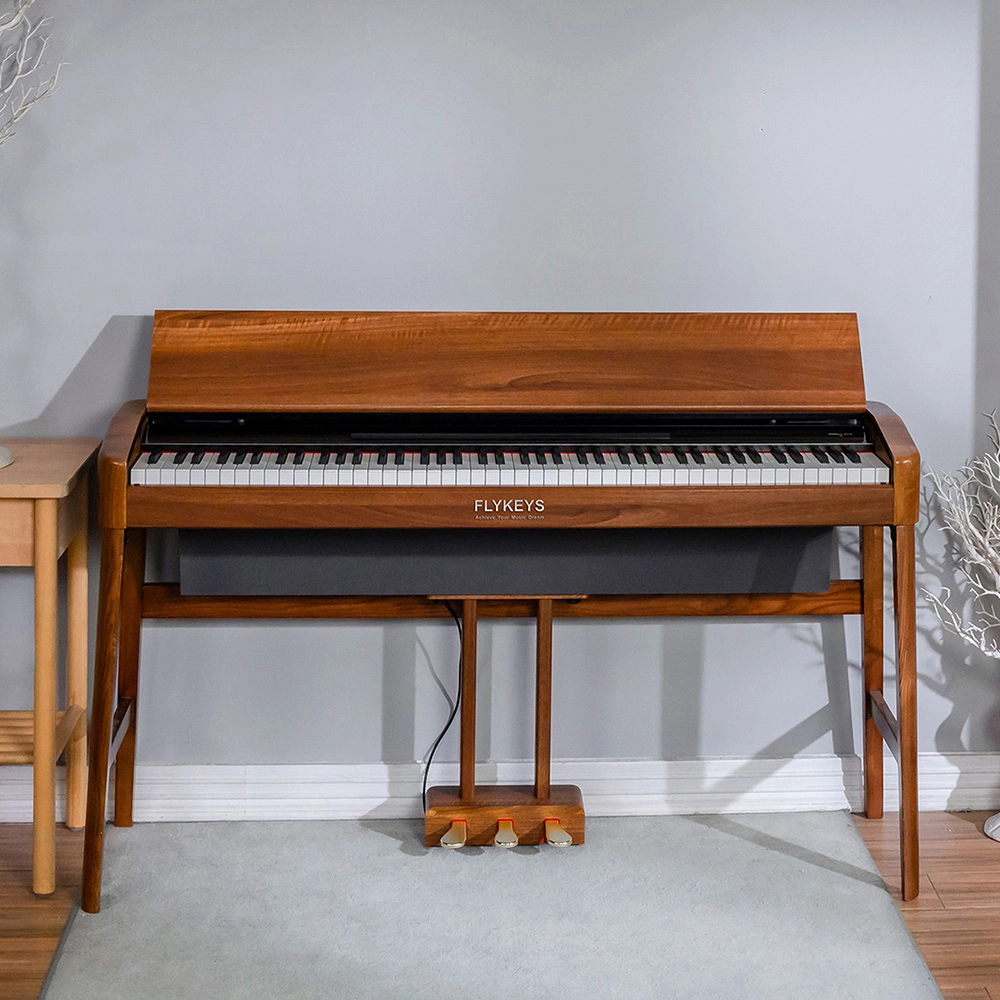
Flykeys Wooden Panel Piano Original Italian Imported Hammer Action Keyboard SK3 Digital Piano
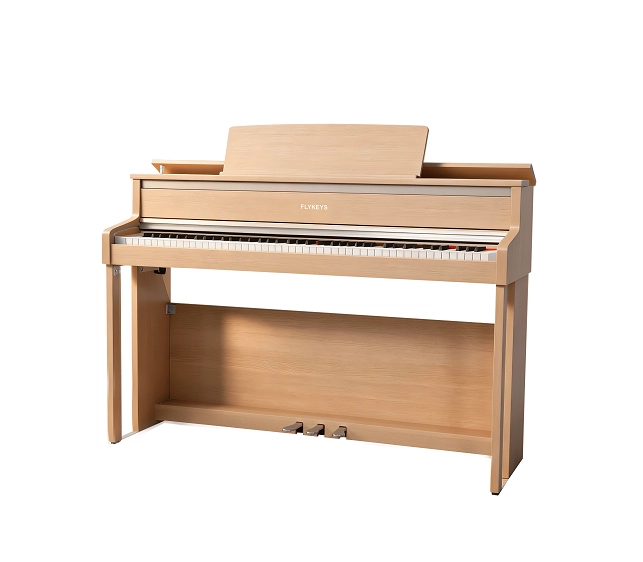
FLYKEYS FDP 7 Professional Upright Digital Piano | 88-Key Hammer Action | Concert Grade Performance
Get in touch with us
Have a question or inquiry about our digital pianos products? Leave us a message here and our team will get back to you promptly within 24 hours.
Whether you're interested in custom orders, technical specifications, or partnership opportunities, we're here to assist you.
Rest assured that your privacy is important to us, and all information provided will be handled with the utmost confidentiality.
Address: No. 38 Xiangshan Avenue, Zengcheng Economic And Technological Development Zone, Guangzhou, China.
FOLLOW US:


© 2026 FLYKEYS All Rights Reserved. 粤 ICP备2020102774号. Designed by gooeyun. Sitemap | Privacy | Terms