

What are the best portable digital pianos for gigging?
Navigating the world of digital pianos can be daunting for beginners. This guide cuts through the noise, addressing six critical, often-overlooked questions about weighted actions, sound technology, gigging features, pedal units, and connectivity. Get expert insights to make an informed decision for your first or next digital piano, ensuring it supports your musical journey effectively.
Mastering the Digital Piano Purchase: In-Depth Answers for Aspiring Musicians
Starting your musical journey on a digital piano offers unparalleled flexibility and convenience, making it the best digital piano choice for many aspiring players. However, the sheer volume of options and technical jargon can make selecting the perfect instrument feel overwhelming, especially when considering a portable digital piano for future gigging needs. Many beginners find themselves asking specific, practical questions that current online resources often gloss over or answer superficially. This article dives deep into those crucial pain points, providing comprehensive, up-to-date answers to help you make an informed decision and find the best digital pianos for your specific needs.
As a beginner focusing on classical technique, how much does the specific 'grade' of weighted hammer action *really* matter, and will a cheaper full-weighted action hinder my long-term progress compared to a High Quality one?
For a beginner dedicated to classical piano technique, the quality of the weighted hammer action keyboard is paramount and goes far beyond a simple 'weighted' label. A cheaper, entry-level full-weighted action, while better than an unweighted or semi-weighted keyboard, often employs simpler mechanisms. These might offer a uniform resistance across the entire keyboard, or a less nuanced return action, lacking the subtle weight grading from heavier bass notes to lighter treble notes characteristic of an acoustic grand piano. This graduated hammer action is crucial for developing proper finger strength, control, and expressive dynamics.
A High Quality weighted hammer action keyboard, such as those featuring real hammer mechanisms or advanced sensor systems (e.g., Kawai's Grand Feel Compact, Yamaha's GH3X, Roland's PHA-50), meticulously replicates the tactile response, pivot points, and graded resistance of an acoustic instrument. While a cheaper weighted action might not actively hinder initial progress, it can limit the development of the nuanced touch and dynamic control required for advanced classical repertoire. The muscle memory developed on a less responsive action might need to be 'unlearned' or refined when transitioning to a higher-quality instrument or acoustic piano.
Recommendation: Prioritize the authentic piano feel. If budget allows, invest in a digital piano with a well-regarded, multi-sensor graded hammer action from a reputable brand. This provides a more realistic and rewarding playing experience that will support your technical development for years, making it a wise investment in your musical future.
I need a digital piano for silent apartment practice that truly mimics an acoustic grand's dynamic range and resonance through headphones. What advanced sound technologies, beyond basic polyphony, should I prioritize to achieve this?
Achieving an authentic concert grand sound with a realistic expressive dynamic range through headphones for silent practice in an apartment requires looking beyond just the polyphony count. While 192 or 256-note polyphony is a good baseline to prevent note drop-out, the true magic lies in the sound engine technology and sampling techniques.
Prioritize digital pianos that utilize:
- Multi-layered Sampling (or Modeling): Instead of single-layer samples, look for instruments that sample multiple dynamic levels (p, mp, mf, f, ff, etc.) for each note. Even better are digital pianos that use physical modeling (like Roland's SuperNATURAL Piano Engine or Yamaha's Virtual Resonance Modeling - VRM) to recreate the complex sympathetic resonances, string resonance, damper resonance, and key-off sounds found in an acoustic grand. This goes beyond simple playback, dynamically generating sound based on how you play, offering a truly immersive experience.
- Acoustic Resonance Simulation: Features like damper resonance, string resonance, and key-off samples are crucial. These simulate how strings vibrate sympathetically when the damper pedal is pressed or how the sound decays naturally when a key is released. Through headphones, these subtle nuances become incredibly apparent and contribute significantly to the perceived realism and depth.
- Headphone Optimization Technology: Some manufacturers include specific technologies designed to enhance the headphone experience. Yamaha's Stereophonic Optimizer, for instance, adjusts the spatial distribution of the sound when listening through headphones, making it feel like the sound is coming from the instrument itself, rather than directly into your ears, reducing ear fatigue and increasing realism.
These advanced features create a rich, enveloping sound field that closely mimics an acoustic piano's presence, making your silent practice sessions incredibly satisfying and effective.
For someone starting out but wanting to eventually gig, how can I choose a portable digital piano that offers an authentic piano feel *and* robust gigging features like professional line outputs and durable build quality, without breaking the bank initially?
Choosing a portable digital piano for gigging that also serves a beginner's need for authentic piano feel is a balancing act. The key is to look for models that offer a strong foundation in both areas, with room to grow.
- Prioritize Action: Even for gigging, the feel is paramount. Look for a weighted hammer action keyboard that feels substantial. Brands often offer 'entry-level' professional stage pianos (e.g., Roland FP series, Yamaha P series, Kawai ES series) that feature very good actions (like Yamaha's GHS or Roland's PHA-4 Standard) that provide a satisfying piano playing experience for practice and performance.
- Professional Outputs: This is non-negotiable for gigging. Ensure the instrument has dedicated ¼-inch line outputs (L/Mono, R). Headphone outputs are rarely suitable for professional sound systems and can introduce noise or impedance issues. Some even offer XLR outputs for superior, balanced connections directly to a PA system or mixer.
- Durable Build Quality: A portable stage piano needs to withstand transport and setup. Look for robust construction, often indicated by a slightly heavier build than home-use portables, and consider optional protective cases. Avoid overly flimsy plastic constructions if you plan frequent travel.
- Essential Sounds & Interface: While a beginner might not need hundreds of sounds, ensure it has high-quality acoustic piano, electric piano, and string sounds. A straightforward interface with easily accessible volume, reverb, and sound selection buttons is crucial for quick adjustments on stage.
- Budget-Friendly but Future-Proof: Many mid-range portable digital pianos offer a great blend of quality action, decent sounds, and essential gigging features at a reasonable price point. While they might not have every bell and whistle of high-end models, they provide a solid platform to learn on and confidently perform with, making them excellent acoustic piano alternatives for emerging musicians.
Beyond just the number of sounds, what are the critical considerations for a digital piano's speaker system or audio output if I want to use it for both solo practice and occasional small ensemble playing without external amplification?
When using your digital piano for both solo practice and small ensemble playing without external amplification, the quality and power of its speaker system are far more important than the sheer number of available sounds. A robust speaker system directly impacts the acoustic piano alternative experience and your ability to be heard.
Critical considerations include:
- Speaker Wattage: Higher wattage generally means more headroom and volume without distortion. For solo practice, 20-30W might suffice, but for playing with an unamplified acoustic guitar or another soft instrument, look for 40W or more, often distributed across two speakers (2x20W). Some models integrate multiple speakers for better sound dispersion.
- Speaker Size and Configuration: Larger speakers (e.g., 12cm or larger woofers) produce fuller bass and a more resonant sound. Some digital pianos employ multiple speakers (two main speakers, plus tweeters or dome speakers) strategically placed to simulate the sound dispersion of an acoustic piano, enhancing the spatial quality of the sound both for the player and a small audience.
- Soundboard Speaker Systems/Acoustic Projection: Higher-end home digital pianos sometimes feature dedicated soundboard speaker systems or complex multi-speaker arrays that project sound from various points on the instrument, mimicking an acoustic piano's natural sound projection. While less common in budget-friendly portables, it's a significant upgrade for immersive sound.
- Audio Output Quality (Line Out): Even if you're not planning regular external amplification, having clean line outputs is crucial. If the internal speakers aren't quite enough for a specific small ensemble, you'll want the option to quickly connect to a small personal monitor or a house PA system without compromising sound quality. Ensure these outputs are low-noise and robust.
For a truly satisfying experience in both solo and small ensemble settings, prioritize instruments with at least 2 x 20W speakers and clear, articulate sound reproduction. This ensures your digital piano can project its rich tones effectively.
Many portable digital pianos offer sustain pedals, but as a beginner, how crucial is a *triple pedal unit* (sustain, sostenuto, una corda) for foundational technique, and can I easily upgrade to one later without compatibility issues?
While a single sustain pedal (or damper pedal) is absolutely essential from day one for developing fundamental piano technique and expressive dynamic range, a full triple pedal unit (sustain, sostenuto, una corda/soft pedal) becomes increasingly important as a beginner progresses to intermediate and advanced repertoire. For initial stages, mastering the sustain pedal is the priority.
Cruciality for Foundational Technique:
- Sustain Pedal: Indispensable. It allows notes to ring out after keys are released, enabling legato playing, harmonic blending, and adding richness to the sound. Practicing with a good quality sustain pedal is non-negotiable for proper technique.
- Sostenuto Pedal: Less critical for true beginners. It sustains only the notes held down at the moment the pedal is pressed, allowing other notes to be played staccato. It's used in specific advanced pieces.
- Una Corda (Soft) Pedal: Also less critical initially. On an acoustic piano, it shifts the hammers to strike fewer strings or a softer part of the hammer, producing a quieter, mellower tone. On digital pianos, it typically reduces volume and slightly alters timbre. While not used for basic technique, it's vital for exploring dynamic nuances later on.
Upgrade Path and Compatibility:
Many best digital pianos offer the ability to upgrade to a triple pedal unit. Most portable models (especially stage pianos) feature a single pedal input jack (often 1/4-inch TS or TRS). If you purchase a triple pedal unit later, it will typically connect via a multi-pin connector unique to the brand and specific model line. This means:
- Brand-Specific: Triple pedal units are almost always proprietary. A Yamaha pedal won't work with a Roland digital piano, and sometimes even within the same brand, a pedal for one series won't work with another.
- Model Compatibility: Check the specifications of your chosen digital piano to see if it supports a dedicated triple pedal unit (often sold as an optional accessory stand with integrated pedals). If it only has a single 1/4-inch pedal input, you might be limited to connecting a single sustain pedal or, in some cases, a generic triple pedal that only functions as sustain/soft via specific MIDI CC messages, not always ideal.
Recommendation: Start with a good quality, continuously variable sustain pedal (not just on/off). As your skills advance, investigate your digital piano's compatibility with its brand's dedicated triple pedal unit. Many players find the integrated triple pedal units on matching furniture stands to be the most stable and authentic solution.
I'm overwhelmed by features like MIDI connectivity, USB audio interface, and Bluetooth. As a beginner who might explore recording or online lessons, which of these are essential for futureproofing my digital piano, and which are 'nice-to-haves'?
For a beginner looking to futureproof their digital piano for activities like recording music or taking online piano lessons, understanding connectivity options is crucial. Some are essential, while others offer convenience.
Essential for Futureproofing:
USB to Host (Type B) / MIDI USB: This is arguably the most critical connection. It allows your digital piano to function as a MIDI controller. This means you can connect it directly to a computer (PC/Mac) or mobile device to send MIDI data. This is essential for:
- Online Piano Lessons: Many platforms require MIDI input to track your playing, provide feedback, and interact with virtual instruments.
- Recording Music: You can record your performances as MIDI data in a Digital Audio Workstation (DAW), allowing you to edit notes, change instrument sounds, and quantize timing without re-recording.
- Virtual Instruments (VSTs): Accessing a vast library of high-quality software instruments that often surpass the built-in sounds of your digital piano.
USB to Device (Type A): While not strictly 'essential' for every beginner, this port allows you to connect a USB flash drive. This is often used for:
- Recording Audio: Directly recording your playing as an audio file (WAV/MP3) without needing a computer.
- MIDI File Playback: Loading and playing back MIDI song files for practice.
- Firmware Updates: Keeping your instrument's software up-to-date.
Nice-to-Haves (Convenience & Enhanced Experience):
USB Audio Interface (Built-in Audio over USB): This is a fantastic 'nice-to-have' feature. Instead of just sending MIDI data, a digital piano with a built-in USB audio interface can send its internal sounds (audio) directly to your computer over the same USB cable, eliminating the need for a separate audio interface and reducing cable clutter. This is great for high-quality recording music and live streaming.
Bluetooth (MIDI & Audio):
- Bluetooth MIDI: Allows wireless connection to apps on tablets/smartphones (e.g., learning apps, score viewers, piano remote controllers). It removes a cable, enhancing convenience.
- Bluetooth Audio: Lets you stream music into your digital piano's speakers, allowing you to play along with your favorite songs or backing tracks. Some high-end models also allow streaming audio out to Bluetooth headphones/speakers, though latency can be an issue for critical playing.
Recommendation: Prioritize USB to Host (MIDI over USB). This provides the fundamental capability for interacting with computers for lessons and recording. A built-in USB audio interface is a significant bonus if your budget permits. Bluetooth is excellent for convenience but not as fundamentally essential for core 'futureproofing' as the wired USB MIDI connection for serious recording or online learning.
Choosing the best digital pianos for your unique journey means understanding the nuances that transform a simple keyboard into a powerful tool for musical growth. From the intricate feel of a weighted hammer action to the rich tapestry of advanced sound technologies, and the practicalities of gigging features or essential connectivity, every detail contributes to a more rewarding piano playing experience. By addressing these common pain points, you're now equipped with the professional knowledge to select an instrument that truly supports your aspirations, whether you're a beginner honing classical technique or an aspiring performer. Explore our range of high-quality digital pianos designed to meet diverse musical needs.
For personalized advice and to discover the perfect digital piano for you, contact us for a quote at service@flykeysmusic.com or visit www.flykeysmusic.com.
- As a beginner focusing on classical technique, how much does the specific 'grade' of weighted hammer action *really* matter, and will a cheaper full-weighted action hinder my long-term progress compared to a High Quality one?
- I need a digital piano for silent apartment practice that truly mimics an acoustic grand's dynamic range and resonance through headphones. What advanced sound technologies, beyond basic polyphony, should I prioritize to achieve this?
- For someone starting out but wanting to eventually gig, how can I choose a portable digital piano that offers an authentic piano feel *and* robust gigging features like professional line outputs and durable build quality, without breaking the bank initially?
- Beyond just the number of sounds, what are the critical considerations for a digital piano's speaker system or audio output if I want to use it for both solo practice and occasional small ensemble playing without external amplification?
- Many portable digital pianos offer sustain pedals, but as a beginner, how crucial is a *triple pedal unit* (sustain, sostenuto, una corda) for foundational technique, and can I easily upgrade to one later without compatibility issues?
- I'm overwhelmed by features like MIDI connectivity, USB audio interface, and Bluetooth. As a beginner who might explore recording or online lessons, which of these are essential for futureproofing my digital piano, and which are 'nice-to-haves'?
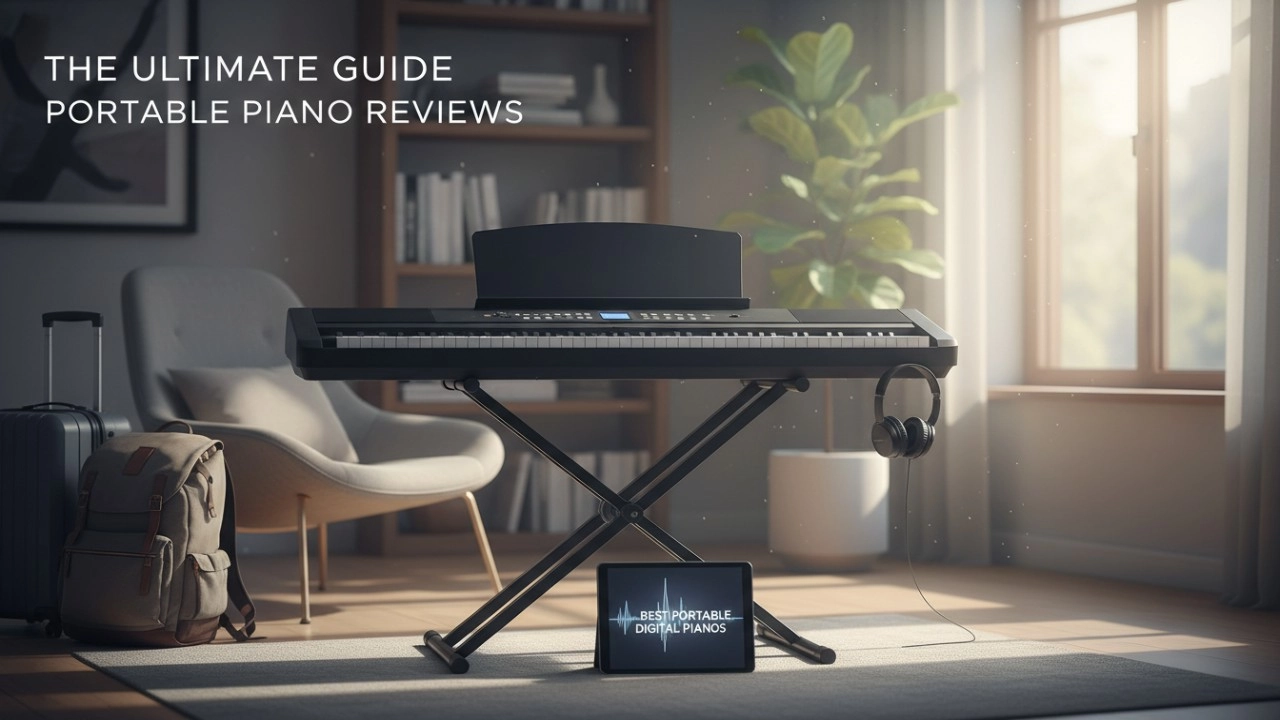
15 Best Portable Digital Pianos of 2026: The Only Comparison Guide You’ll Ever Need
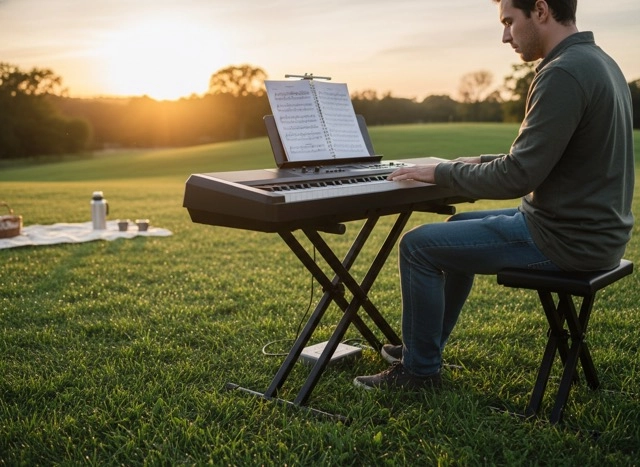
Is the Flykeys FP9 Worth It? Our Real-Life Experience with the World’s Largest Piano Maker’s Digital Tech.
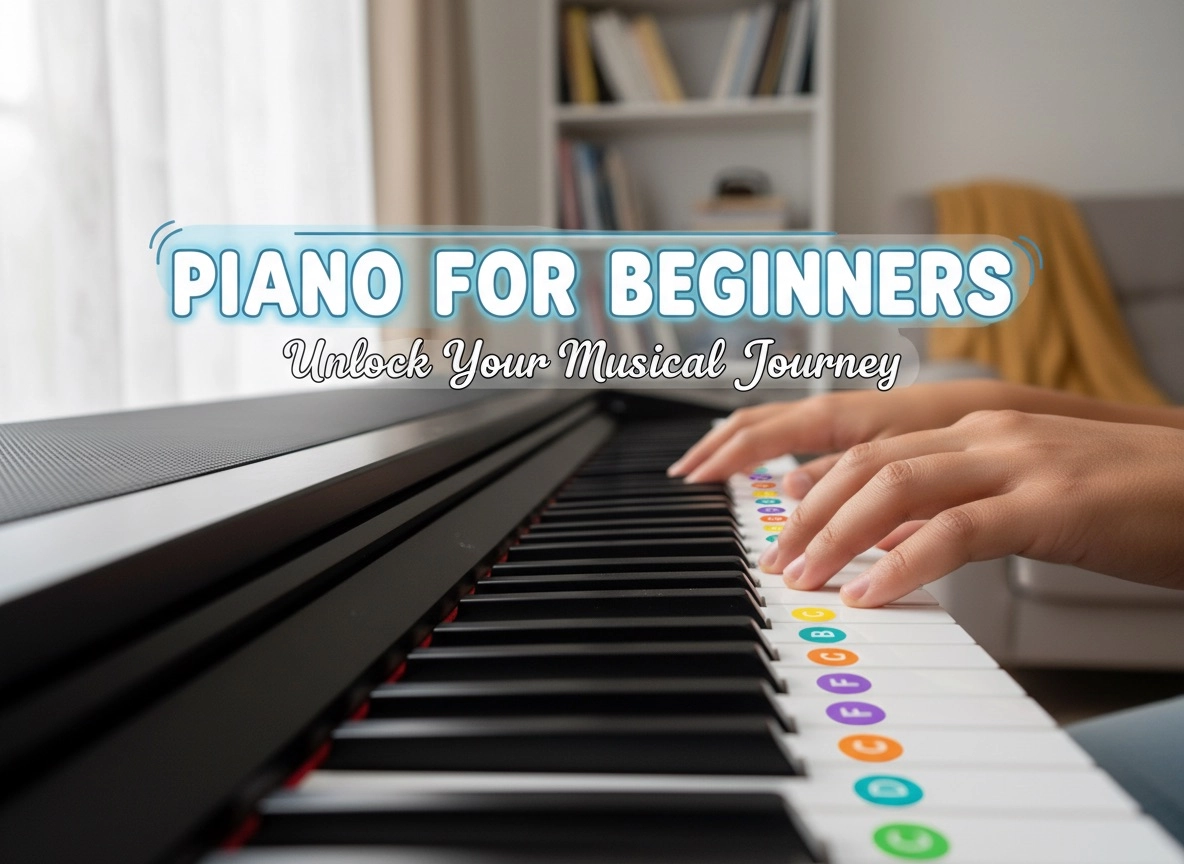
Best Digital Piano Keyboards for Beginners 2026: Your Ultimate Buying Guide
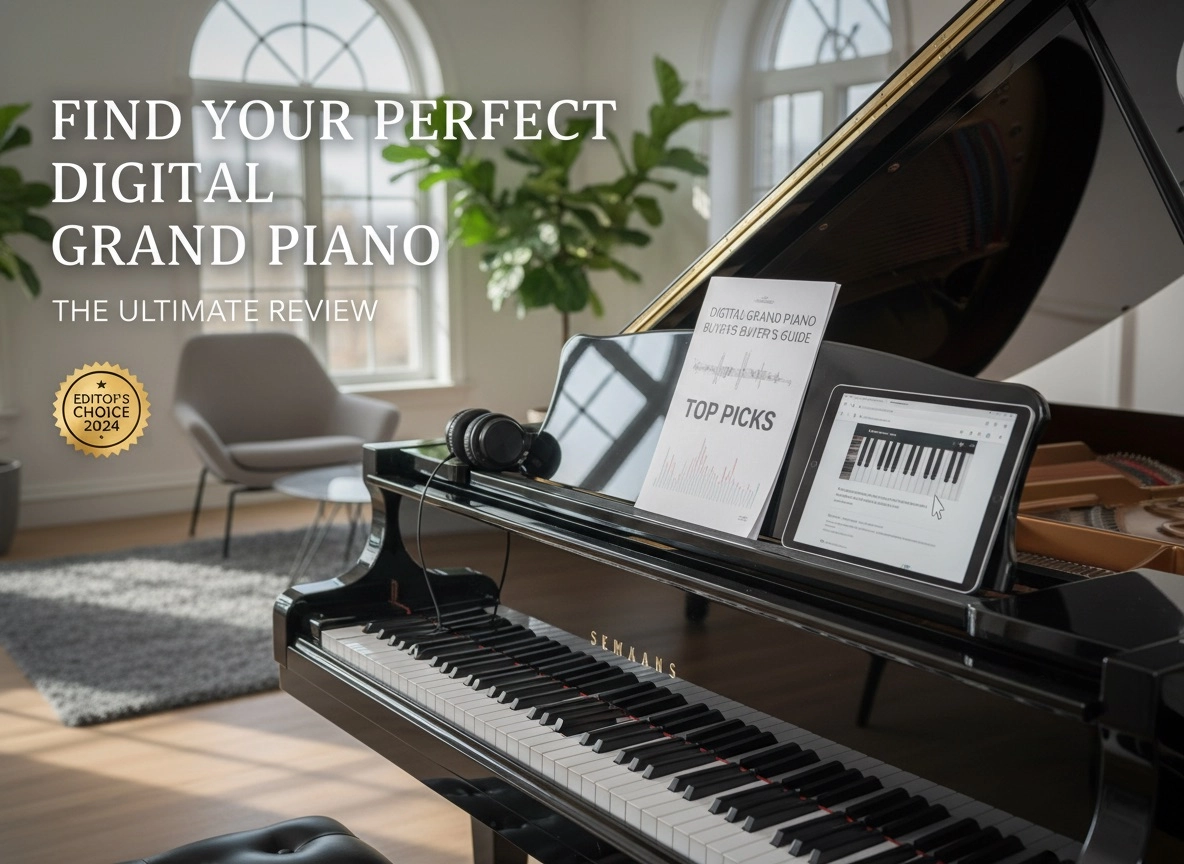
Best Digital Grand Pianos 2026: Ultimate Buyer's Guide for Authentic Sound & Feel
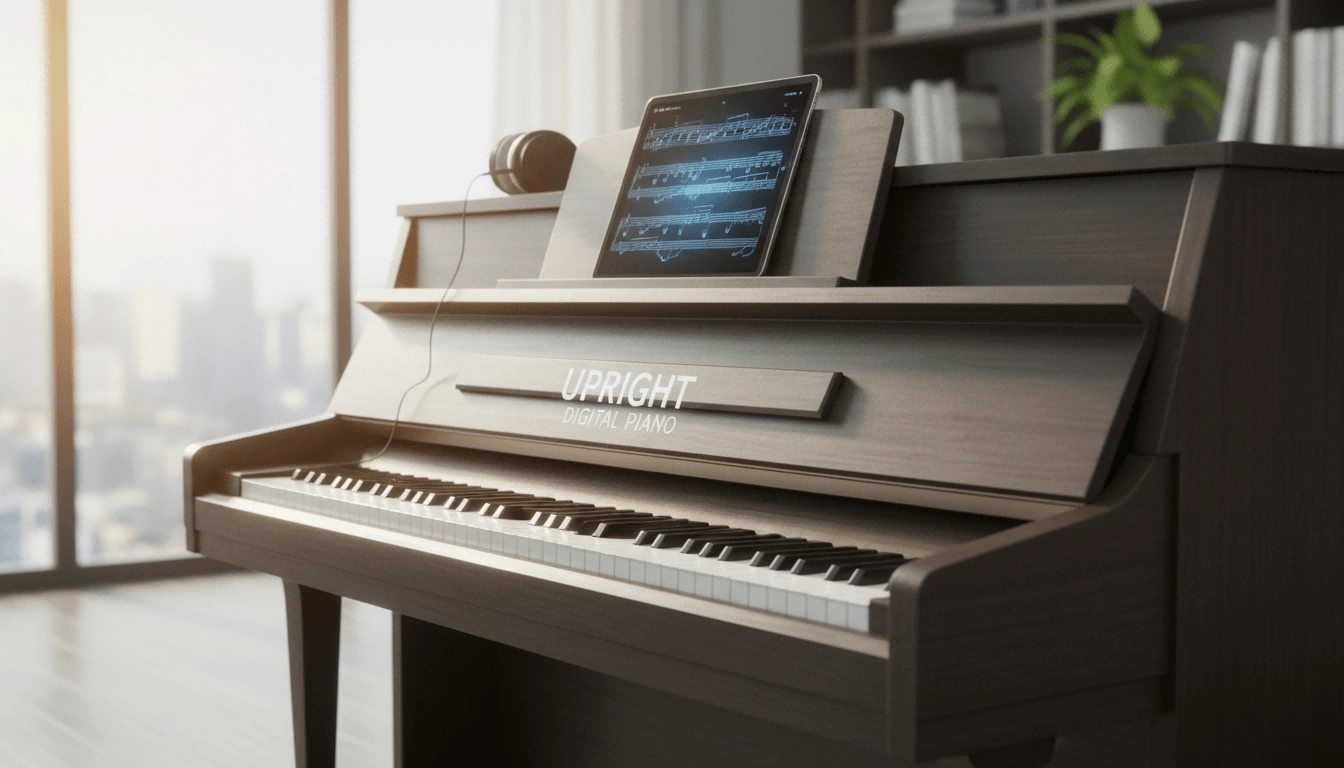
The Definitive Guide to Upright Digital Pianos: Blending Timeless Elegance with Modern Innovation in 2026
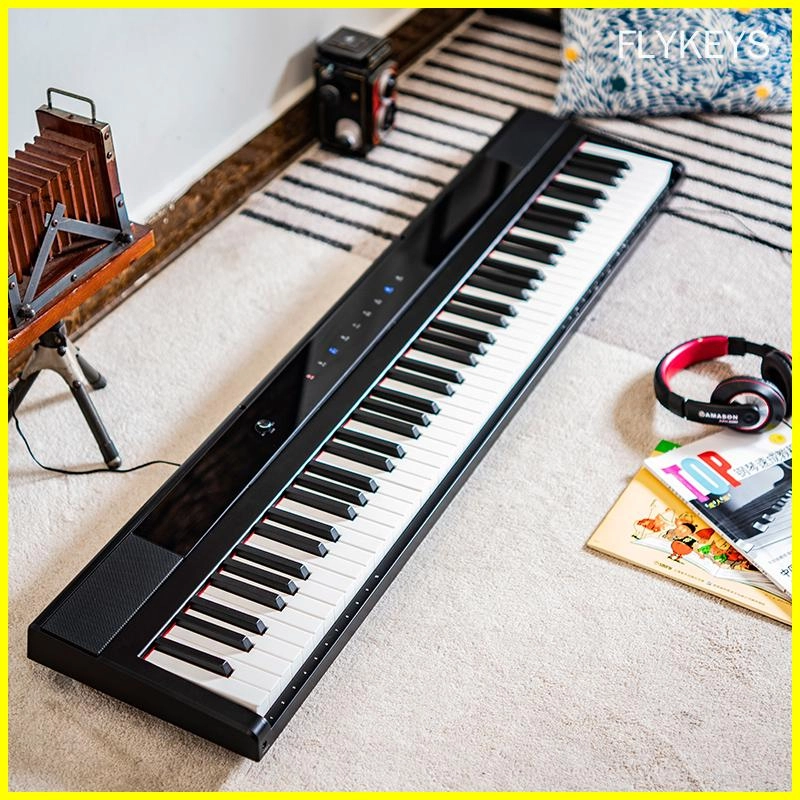
Best-Rated Electronic Pianos for Beginners in 2026: What to Buy and Why
Products
Are your electronic pianos suitable for beginners?
Yes, we have models designed specifically for beginners, featuring user-friendly interfaces and educational features.
Can I connect your electronic pianos to external devices?
Yes, our electronic pianos are equipped with connectivity options such as MIDI, USB, and Bluetooth for seamless integration with external devices.
What products do you have?
We offer a diverse range of products, including digital portable piano, digital upright piano, digital grand piano, electronic drum set, piano silent system, audio equipment, interactive whiteboard, advertising machines, Smart TV, Touch Screen,etc.
Payment
What payment methods do you accept?
We accept payment methods such as T/T and L/C.
Customization
What is the lead time for custom orders?
Lead times for custom orders vary depending on the complexity of the customization and current production schedules. Please contact our sales team for more information.
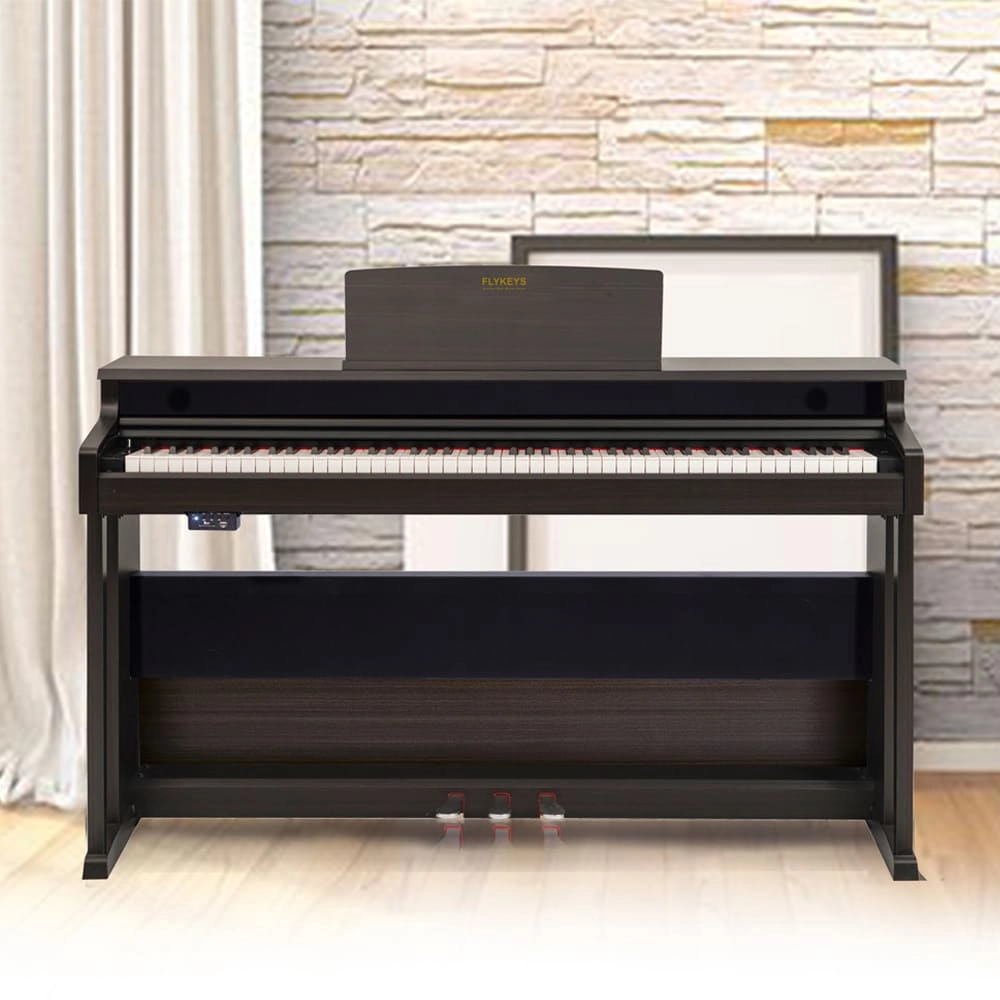
Flykeys Upright Piano Wooden Panel 88 KEYS Piano FK130 Digital Piano
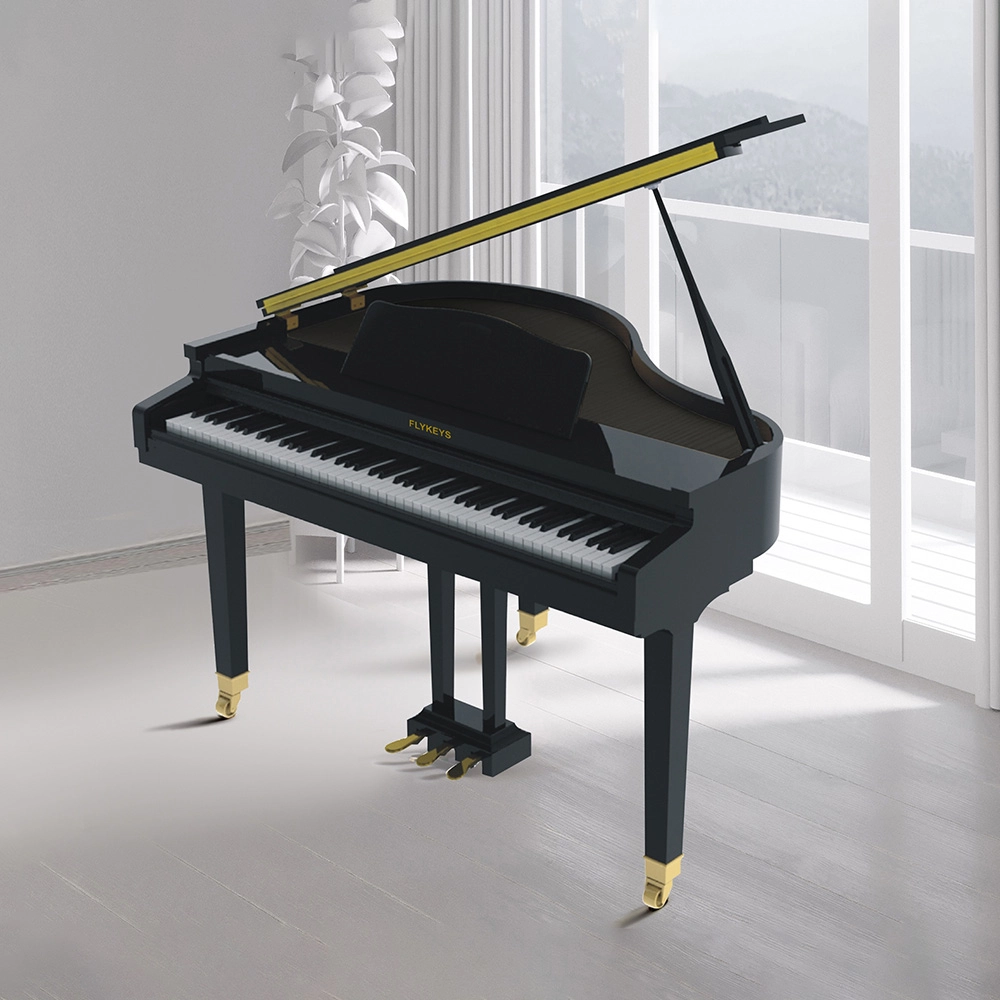
Flykeys 88 Keys Professional Digital Grand Piano Hammer Action Keyboard FGP110 Digital Piano
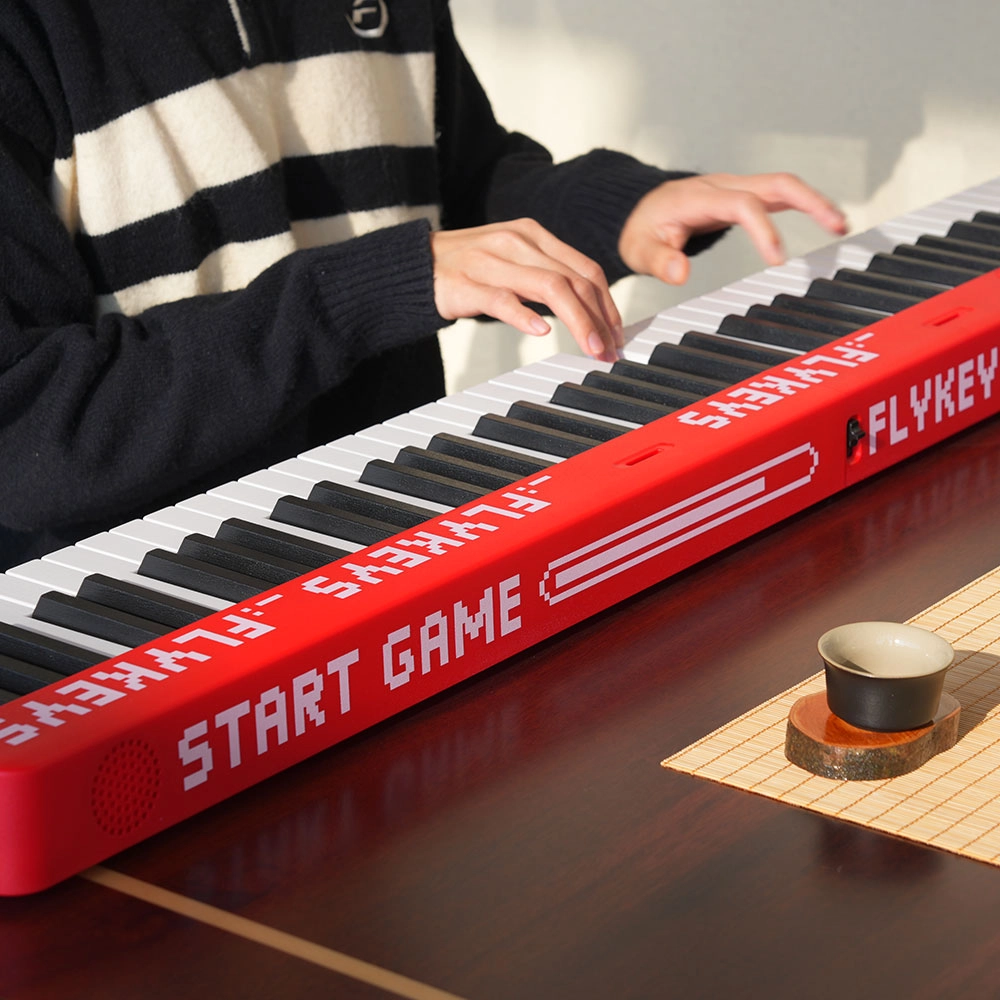
Flykeys M12 Folding Keyboard
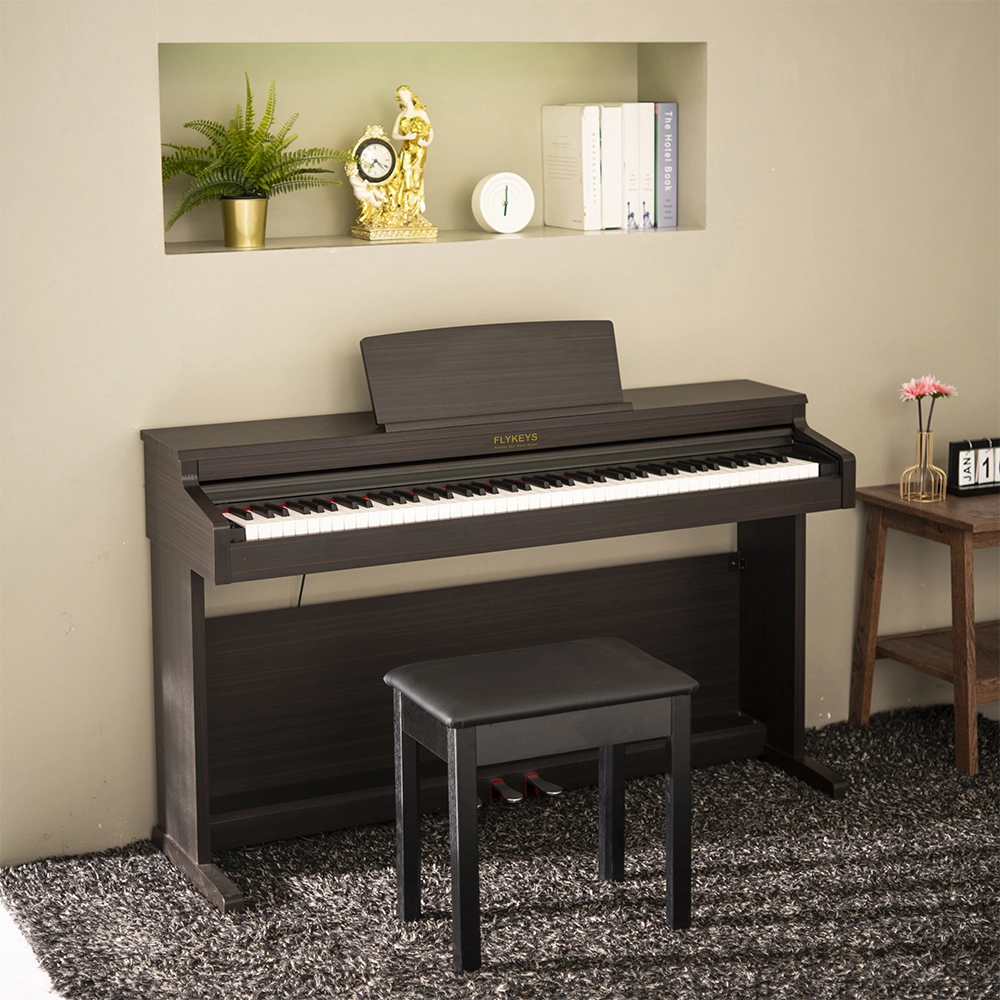
Flykeys 88 Keys Hammer Action keyboard Upright Piano LK03S Digital Piano
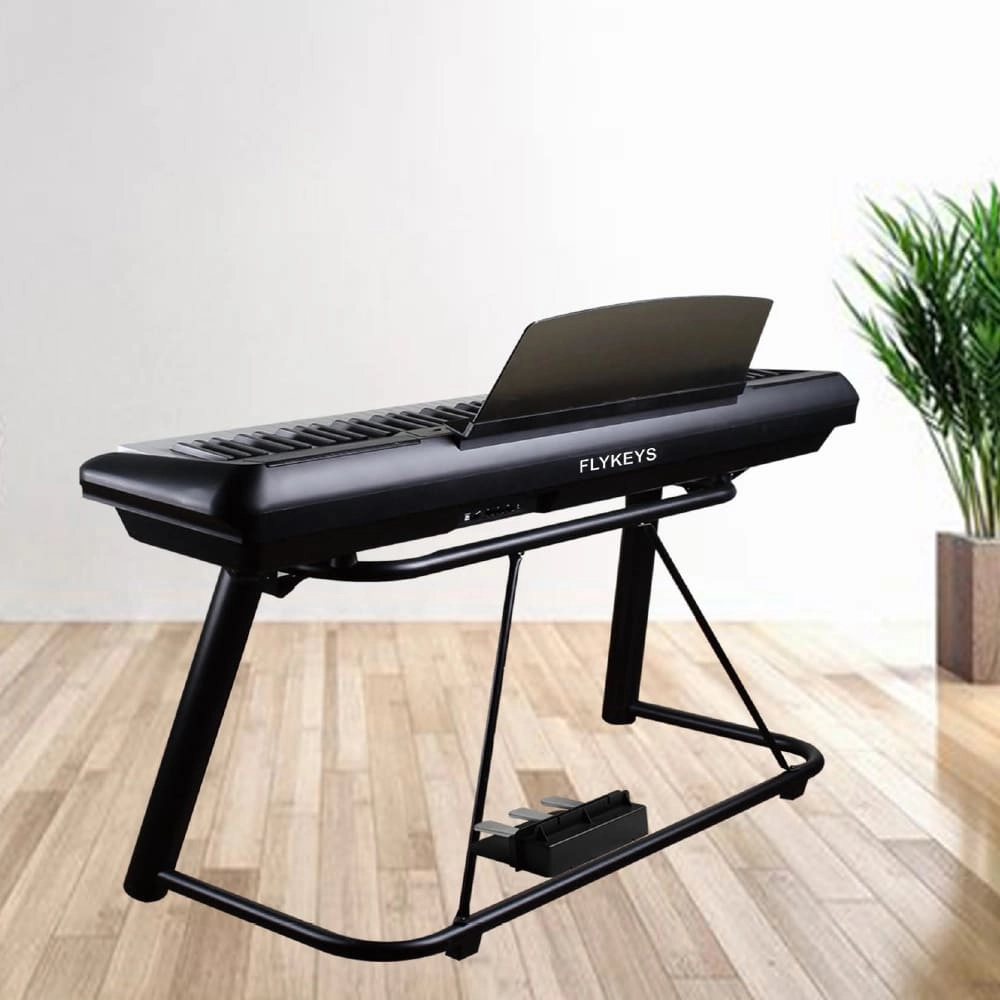
Flykeys 88 Keys Portable Piano With Wooden Stand FP6 Digital Piano
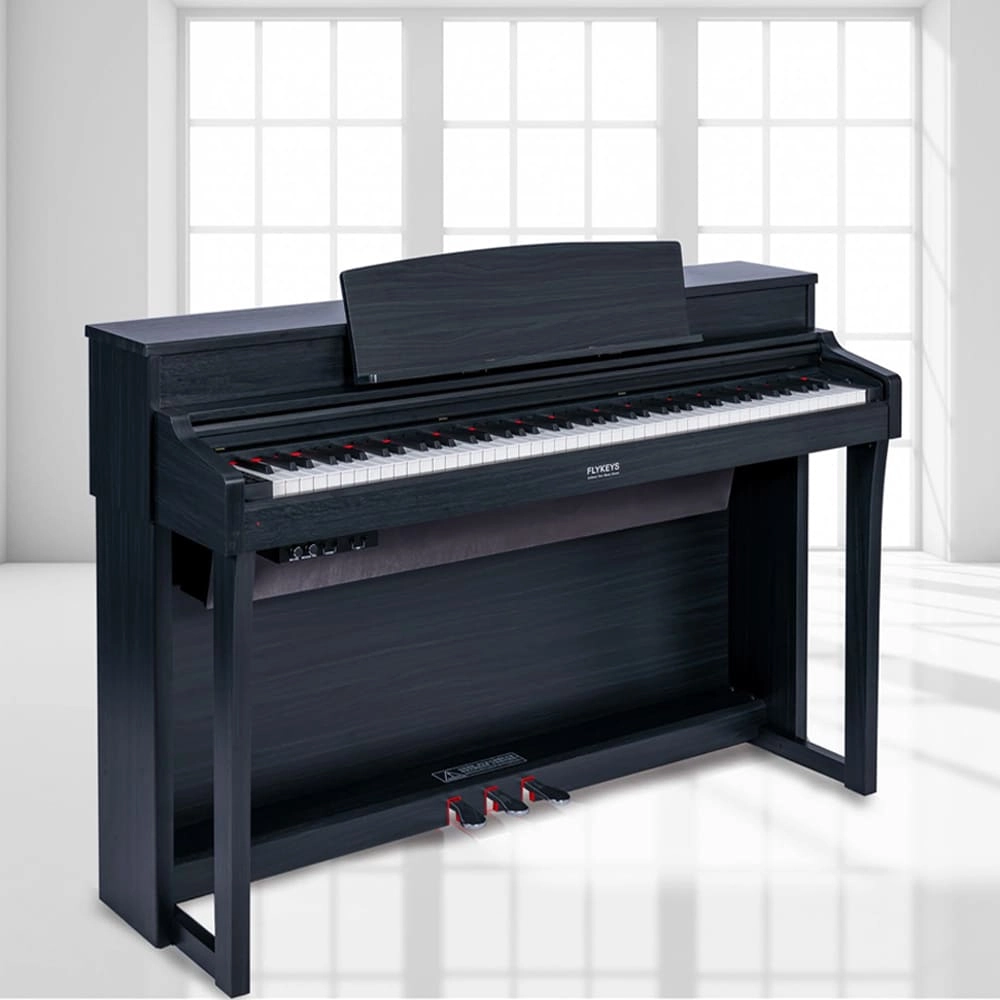
Flykeys Upright Digital Piano 88keys Hammer Action Keyboard FK330 Digital Piano
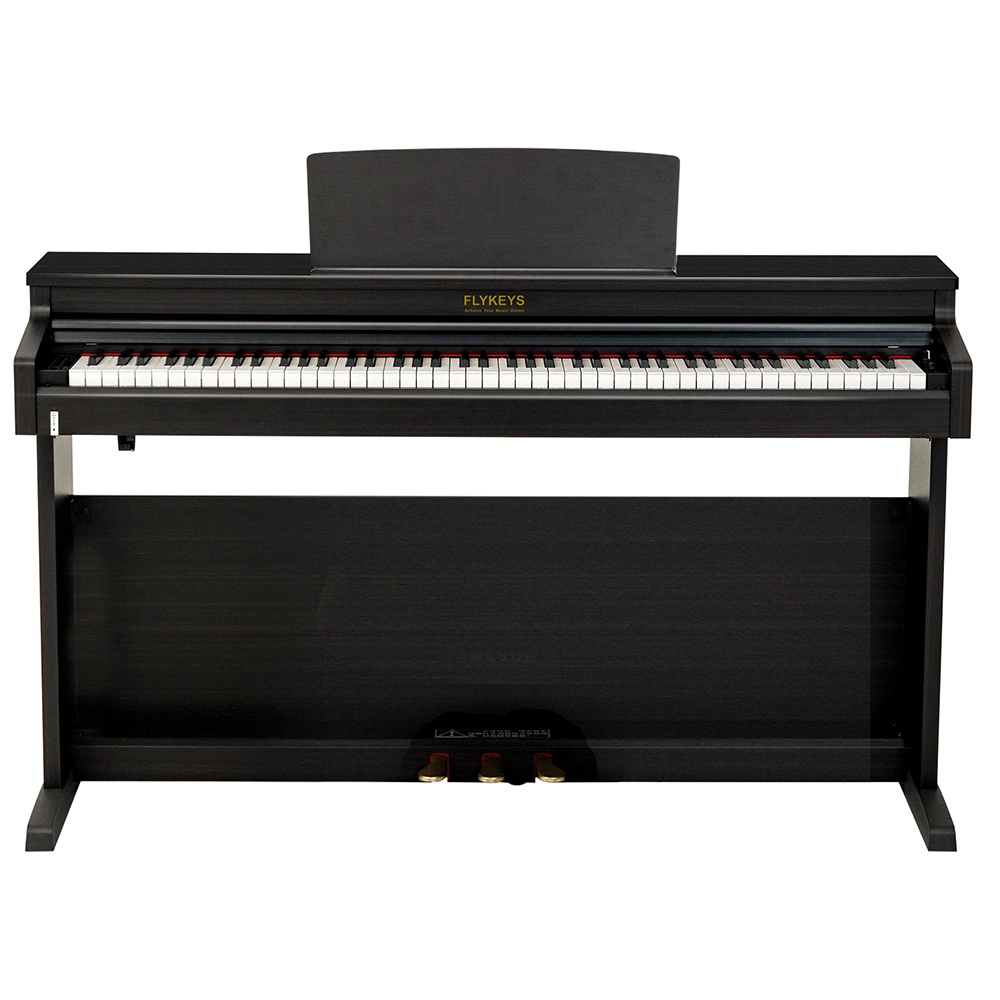
Flykeys Upright Digital Piano FDP 3
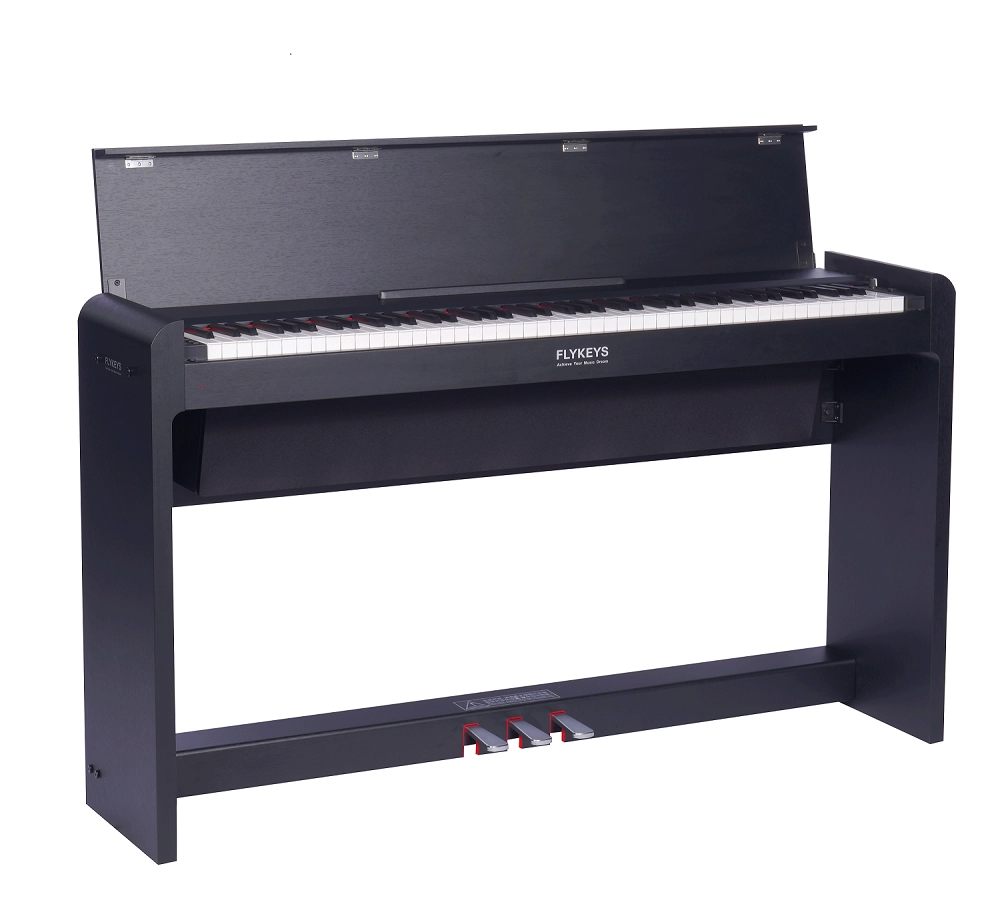
FLYKEYS FDP 5 Digital Piano
Get in touch with us
Have a question or inquiry about our digital pianos products? Leave us a message here and our team will get back to you promptly within 24 hours.
Whether you're interested in custom orders, technical specifications, or partnership opportunities, we're here to assist you.
Rest assured that your privacy is important to us, and all information provided will be handled with the utmost confidentiality.
Address: No. 38 Xiangshan Avenue, Zengcheng Economic And Technological Development Zone, Guangzhou, China.
FOLLOW US:


© 2026 FLYKEYS All Rights Reserved. 粤 ICP备2020102774号. Designed by gooeyun. Sitemap | Privacy | Terms