

Which digital pianos offer the most realistic touch?
Navigating the world of digital pianos can be daunting for beginners, especially when seeking an authentic playing experience. This expert guide addresses common, in-depth questions about weighted keys, realistic sound, advanced features, and connectivity often overlooked in basic online reviews. Discover how graded hammer action, advanced sampling, and nuanced pedal functions contribute to a truly immersive and educational experience, setting you up for success whether you're learning classical pieces or exploring modern compositions. We help you cut through marketing jargon to find the best digital pianos that offer the most realistic touch and sound for your musical journey.
Mastering the Keys: Unlocking Realistic Touch and Sound in Digital Pianos for Beginners
Choosing your first digital piano is a pivotal step in your musical journey. As a beginner, you're likely searching for the best digital pianos that can provide an authentic playing experience without breaking the bank. The internet is awash with general advice, but specific, in-depth answers to crucial questions about touch, sound, and features remain scarce or outdated. This guide aims to bridge that gap, providing professional insights into the nuances of digital piano technology, helping you understand which digital pianos offer the most realistic touch, and empowering you to make an informed purchase decision that supports your long-term musical growth.
How does 'graded hammer action' truly simulate an acoustic piano's touch, and is it essential for beginners planning to transition to acoustic?
Graded hammer action (GHA) is arguably the most critical feature differentiating a serious digital piano from a basic keyboard. It's designed to replicate the mechanical feel of an acoustic grand piano, where the keys in the lower register (bass notes) are heavier and require more force to press, while the keys in the higher register (treble notes) are lighter and respond with less effort. This 'grading' across the 88-key range is achieved through a sophisticated system of weights and hammers within the digital piano's keybed.
For beginners, GHA is not just beneficial; it's often considered essential, especially if you aspire to eventually play an acoustic piano. Developing proper finger strength, technique, and muscle memory is paramount, and a uniform or semi-weighted action simply cannot provide the same tactile feedback. Playing on a lighter action can lead to bad habits, such as over-exerting on an acoustic piano later, or struggling with dynamic control. Top manufacturers like Yamaha (e.g., GH3X, NWX), Roland (e.g., PHA-4, PHA-50), Kawai (e.g., Responsive Hammer III, Grand Feel), and Casio (e.g., Tri-Sensor Scaled Hammer Action II) offer various iterations of GHA, each with unique nuances in feel. Investing in a digital piano with a high-quality GHA ensures a smoother, more natural transition to an acoustic instrument, providing the most realistic touch from day one.
Beyond polyphony count, what specific audio technologies (like sampling methods or resonance modeling) are crucial for a realistic piano *sound* that won't sound 'digital' over time?
While polyphony (the number of notes a digital piano can sound simultaneously) is important, it's just one piece of the puzzle for an authentic sound. The true realism of a digital piano's sound lies in its underlying audio technologies:
- High-Resolution Multi-Sampled Grand Pianos: Instead of simply recording each note once, advanced digital pianos use multi-sampling. This involves recording individual notes at multiple velocity levels (how hard the key is struck), from pianissimo to fortissimo, and often for different durations. Some High Quality models even sample sympathetic string resonance, key-off sounds, and damper lift noises. The more layers and variations sampled, the more dynamic and expressive the sound engine becomes, making the best digital pianos truly sing.
- Physical/Virtual Resonance Modeling: Acoustic pianos produce complex sympathetic resonances – when one string vibrates, others resonate in harmony. Digital pianos simulate this through advanced algorithms. Technologies like Roland's SuperNATURAL Piano Modeling, Kawai's Harmonic Imaging XL, or Yamaha's Virtual Resonance Modeling (VRM) don't just playback samples; they *create* the sound in real-time based on the player's input. This includes string resonance, damper resonance, aliquot resonance, and cabinet resonance, making the sound richer, more three-dimensional, and far less 'digital' or static.
- Soundboard Speaker Systems: Some higher-end digital pianos, particularly those designed to emulate grand pianos, incorporate specialized speaker systems that project sound in a way that mimics an acoustic soundboard, further enhancing immersion.
These technologies are what give a digital piano its depth, warmth, and expressive power, ensuring that your instrument continues to inspire as your skills develop, providing an authentic piano feel.
When focusing on silent practice, are there significant differences in headphone output quality or latency among digital pianos that beginners should be aware of?
Silent practice is a major advantage of digital pianos, but not all headphone experiences are created equal. Beginners should be aware of two key factors:
- Headphone Output Quality (DACs and Amplifiers): The quality of the Digital-to-Analog Converter (DAC) and headphone amplifier built into the digital piano significantly impacts the sound experience. Budget models might use simpler components, leading to a flatter, less dynamic sound, or even noticeable hiss. Higher-end models incorporate better DACs and dedicated headphone amplifiers, providing a clearer, more spacious, and immersive sound, often with spatial audio enhancements (e.g., Yamaha's Stereophonic Optimizer or Roland's Headphone 3D Ambience). This makes long practice sessions more enjoyable and less fatiguing.
- Latency: Latency is the slight delay between pressing a key and hearing the sound through headphones. While often imperceptible on most modern digital pianos (typically under 10-20ms), excessive latency can be frustrating, affecting timing and feel, especially for beginners trying to develop precise rhythm. Generally, direct headphone outputs from the piano itself have minimal latency. Problems can arise more with complex setups involving external audio interfaces or computers, but for direct headphone use, most reputable brands ensure low latency. It’s always a good idea to test with headphones if possible, or consult reviews that specifically mention the headphone experience, especially when looking for an expressive digital piano.
Many digital pianos offer a vast array of instrument voices. For a beginner primarily interested in classical or contemporary piano, which 'extra' sounds are genuinely useful for musical development versus just being 'fluff'?
While hundreds of sounds can seem appealing, for a beginner focused on piano playing, most are 'fluff.' The truly useful extra voices are those that offer sonic variety without distracting from core piano skills:
- Electric Pianos (Rhodes, Wurlitzer): These are classics in jazz, funk, R&B, and pop. Learning to play different styles on these voices can broaden your musical horizons and develop your touch control for distinct timbres. They are fundamental in many popular genres.
- Organs (Pipe, Jazz, Rock): Organ voices, particularly pipe organ for classical repertoire or jazz/rock organs for gospel and blues, offer a different dynamic challenge, requiring sustained legato and understanding of different attack envelopes.
- Strings (Orchestral, Synth Pad): Lush string pads can be excellent for layering underneath piano parts, enriching harmonies, or exploring accompaniment techniques. They help beginners understand texture and arrangement.
- Harpsichord: For those interested in Baroque and early classical music, a good harpsichord voice is invaluable for historical context and developing a lighter, articulate touch suitable for that era.
- Bass and Drums (Rhythm Section): While not primary instrument voices, built-in bass and drum rhythms (often found in digital pianos with auto-accompaniment features) are incredibly useful for developing timing, practicing with a steady beat, and exploring song structures.
Focus on models that offer high-quality versions of these core secondary sounds rather than just a high quantity of mediocre ones. The emphasis should always be on quality and musical utility for a learning pianist, especially when seeking the best beginner digital piano.
How critical is pedal realism (half-pedaling, sostenuto) for a beginner, and at what price point do these advanced pedal functions typically become reliable and expressive?
For a complete beginner, the most critical pedal is the sustain (damper) pedal. However, as soon as you progress beyond elementary pieces, the realism of the pedals becomes surprisingly important for expressive playing and developing proper technique. Half-pedaling and sostenuto are not just advanced features; they are integral to classical and contemporary piano repertoire:
- Half-Pedaling: This allows for partial engagement of the damper pedal, creating varying degrees of sustain – from a subtle warmth to a full, ringing resonance. It's crucial for nuanced expression, particularly in romantic and impressionistic music. Without it, you're limited to an 'on' or 'off' sustain, which can make pieces sound choppy or overly muddy.
- Sostenuto Pedal: This middle pedal, usually found on grand pianos and some uprights, sustains only the notes held down *at the moment the pedal is pressed*, allowing subsequent notes to remain unstained. It's used in specific advanced repertoire to create unique harmonic effects and clarity.
Reliable and expressive half-pedaling typically starts appearing in digital pianos in the mid-range (around $700-$1500 USD), often bundled with three-pedal units (sustain, sostenuto, soft). At this price point, the pedals are usually robust, offer continuous detection, and integrate well with the sound engine's resonance modeling. Sostenuto might be less common on the lower end of this range but becomes standard in higher-tier home digital pianos (e.g., $1500+). For developing a truly realistic piano touch and expressive control, investing in a model with these pedal capabilities is highly recommended.
What specific connectivity options (USB MIDI, Bluetooth Audio/MIDI) are truly indispensable for a beginner wanting to use learning apps or record their progress, and are some more reliable than others?
Modern digital pianos are hubs of connectivity, and certain options are indeed indispensable for beginners looking to leverage technology for learning and creativity:
- USB to Host (MIDI over USB): This is the most crucial connection. It allows your digital piano to communicate MIDI data (note on/off, velocity, pedal information) directly with a computer, tablet, or smartphone. This is essential for using popular learning apps (e.g., Flowkey, Simply Piano, Synthesia), digital audio workstations (DAWs) for recording your playing, or virtual instrument software. Most modern digital pianos have this, and it's generally very reliable, offering low latency.
- USB to Device (USB A port): Less common, but useful for connecting a USB flash drive directly to the piano to record your performance as MIDI or audio files, or to load MIDI files for playback.
- Bluetooth MIDI: Offers wireless MIDI connectivity to apps and software. While convenient, it can sometimes introduce slightly more latency than a wired USB connection, and compatibility varies between devices. It's great for casual use and reducing cable clutter but USB MIDI remains the gold standard for critical timing.
- Bluetooth Audio (Input/Output): Bluetooth Audio *input* allows you to stream music from your phone/tablet through the piano's speakers or headphones, making it easy to play along with songs or backing tracks. Bluetooth Audio *output* (less common) allows the piano's sound to be wirelessly sent to Bluetooth speakers or headphones. For beginners, Bluetooth audio input is a significant convenience feature, enabling seamless practice with external media.
- Audio Output (Line Out): For connecting to external speakers, amplifiers, or recording interfaces if you want to perform or record high-quality audio beyond what internal speakers offer.
Prioritize USB to Host for MIDI and ideally Bluetooth Audio Input for play-along practice. These connections will unlock a world of learning and recording possibilities, making your beginner digital piano a versatile tool.
In conclusion, selecting the right digital piano, especially for beginners, goes far beyond superficial features. Focusing on genuine graded hammer action, advanced sound modeling, quality headphone output, musically useful extra voices, expressive pedal realism, and robust connectivity options will ensure you choose an instrument that provides the most realistic touch and sound, fostering your growth as a musician. These elements collectively contribute to an immersive and educational experience that truly mirrors the depth and expressiveness of an acoustic piano, making your practice sessions productive and enjoyable. Whether you're seeking the best digital pianos for classical studies or contemporary exploration, prioritizing these professional insights will guide your investment wisely.
For a personalized consultation or to explore our range of high-quality digital pianos, please contact us for a quote at service@flykeysmusic.com or visit our website at www.flykeysmusic.com.
- How does 'graded hammer action' truly simulate an acoustic piano's touch, and is it essential for beginners planning to transition to acoustic?
- Beyond polyphony count, what specific audio technologies (like sampling methods or resonance modeling) are crucial for a realistic piano *sound* that won't sound 'digital' over time?
- When focusing on silent practice, are there significant differences in headphone output quality or latency among digital pianos that beginners should be aware of?
- Many digital pianos offer a vast array of instrument voices. For a beginner primarily interested in classical or contemporary piano, which 'extra' sounds are genuinely useful for musical development versus just being 'fluff'?
- How critical is pedal realism (half-pedaling, sostenuto) for a beginner, and at what price point do these advanced pedal functions typically become reliable and expressive?
- What specific connectivity options (USB MIDI, Bluetooth Audio/MIDI) are truly indispensable for a beginner wanting to use learning apps or record their progress, and are some more reliable than others?
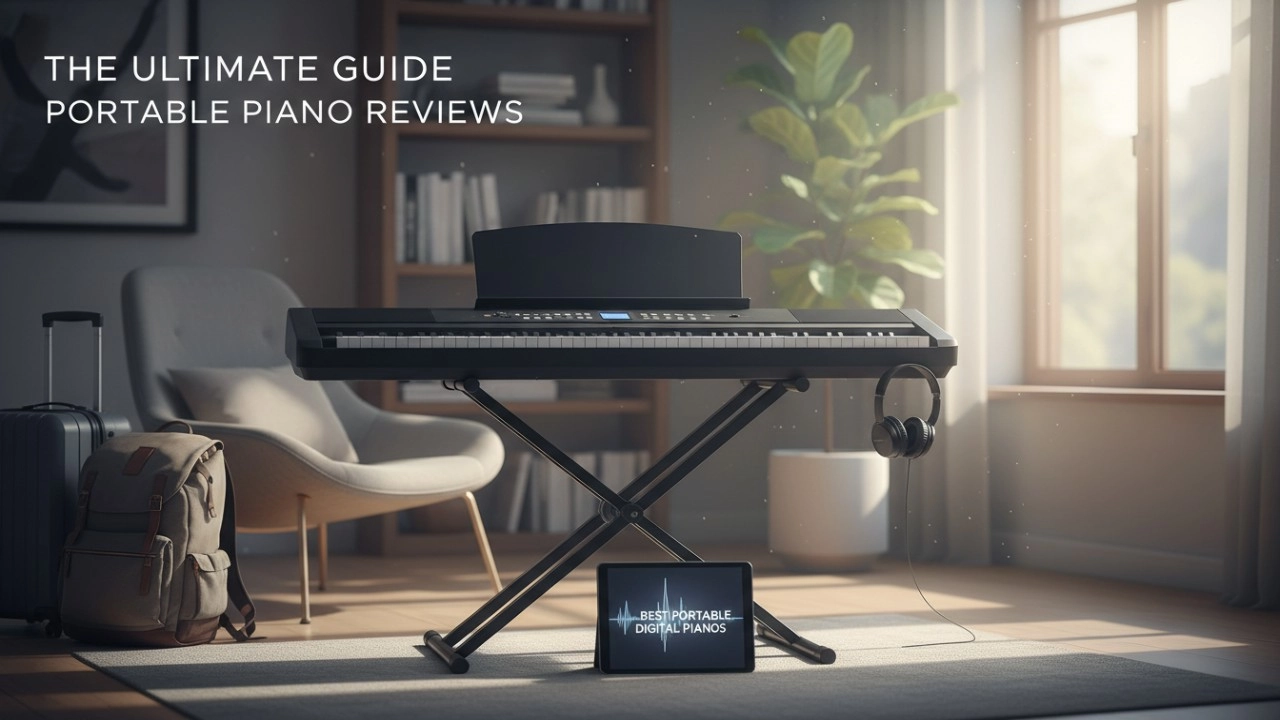
15 Best Portable Digital Pianos of 2026: The Only Comparison Guide You’ll Ever Need
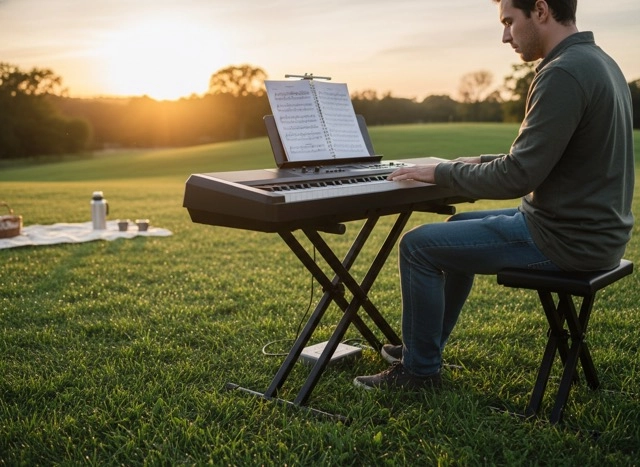
Is the Flykeys FP9 Worth It? Our Real-Life Experience with the World’s Largest Piano Maker’s Digital Tech.
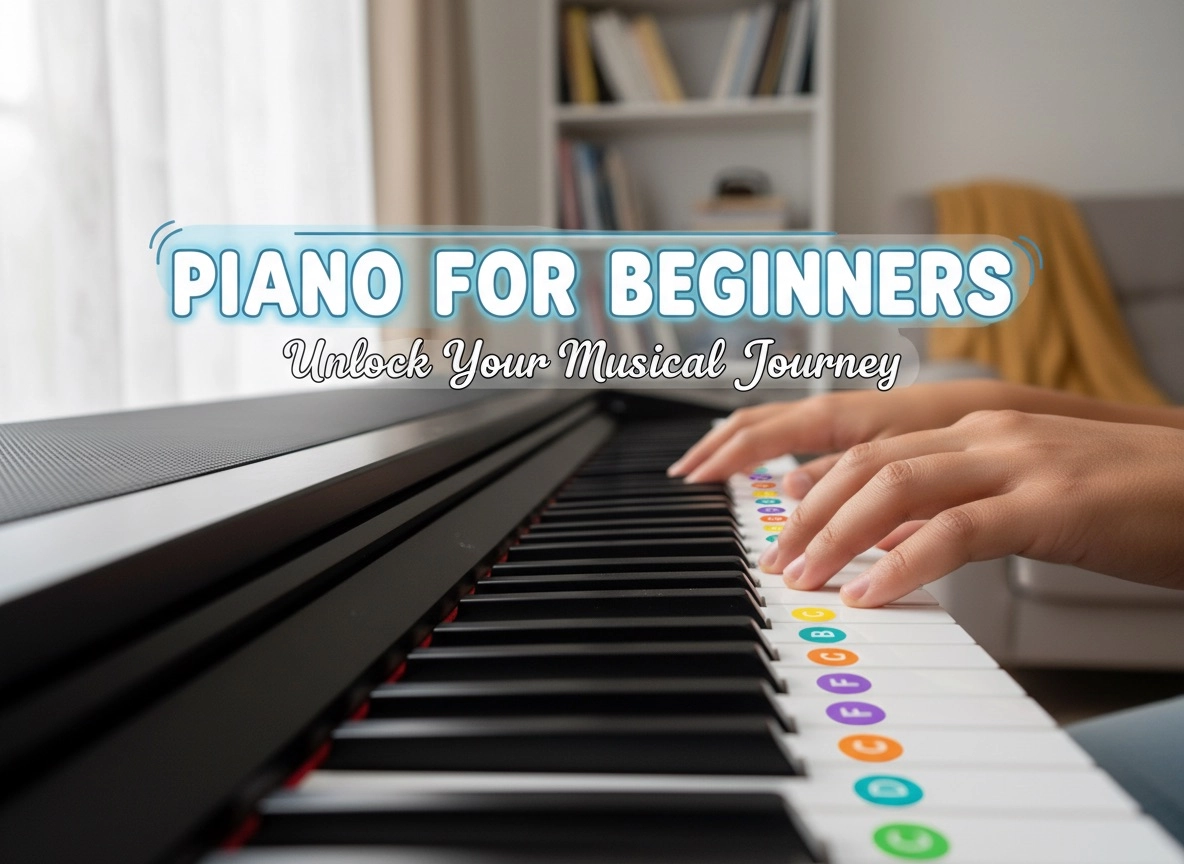
Best Digital Piano Keyboards for Beginners 2026: Your Ultimate Buying Guide
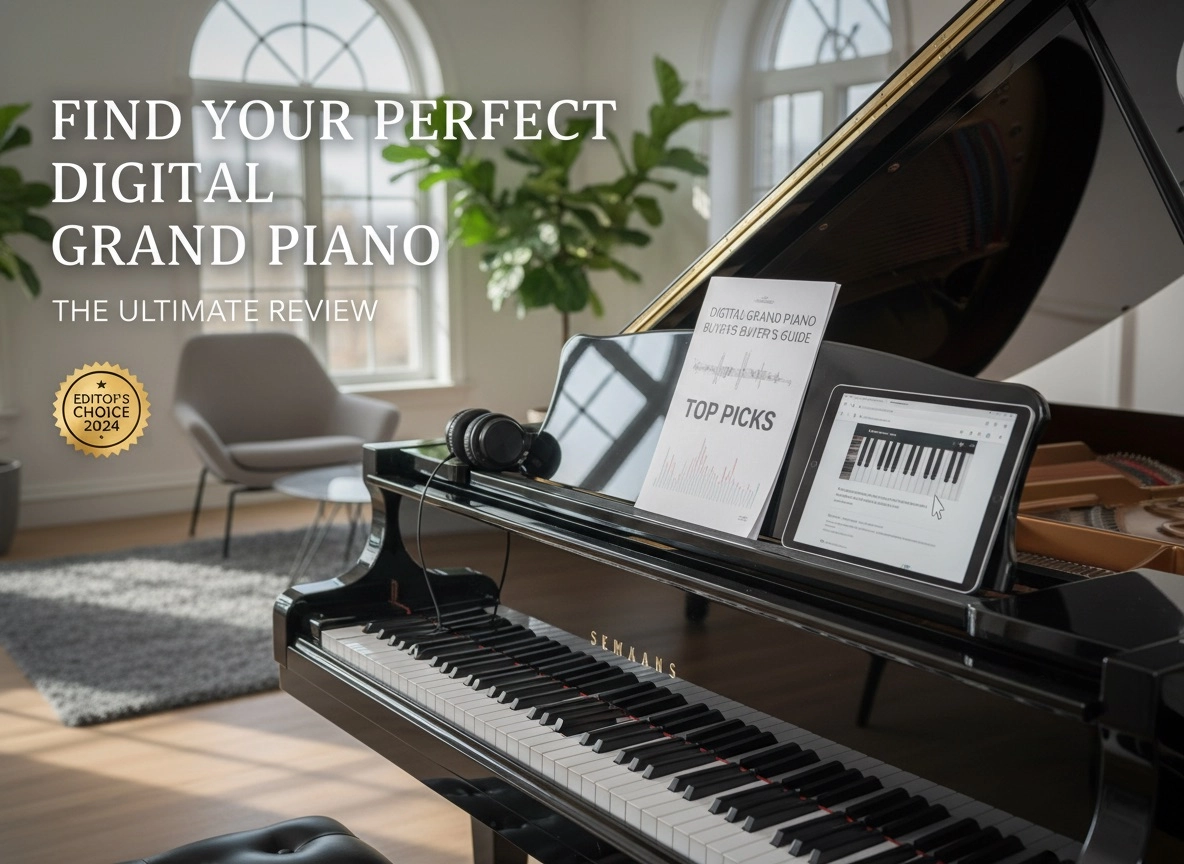
Best Digital Grand Pianos 2026: Ultimate Buyer's Guide for Authentic Sound & Feel
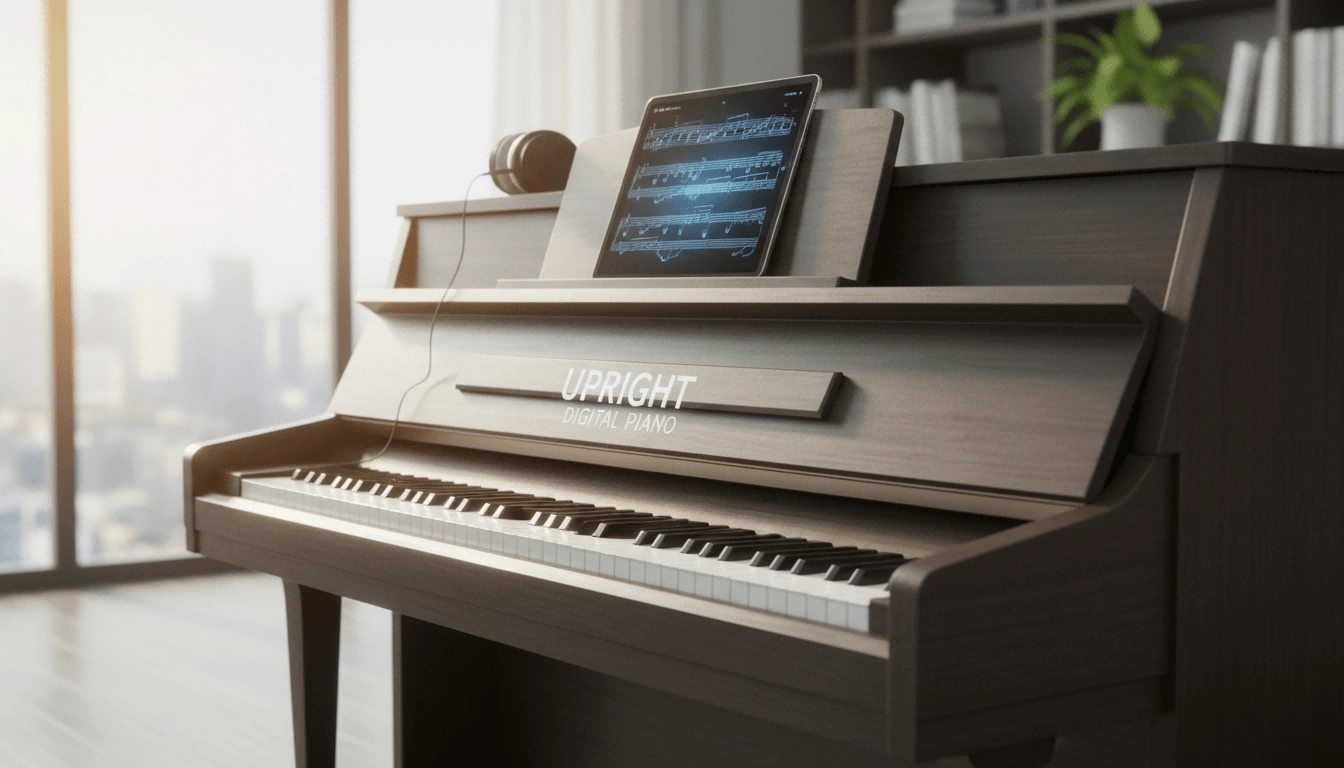
The Definitive Guide to Upright Digital Pianos: Blending Timeless Elegance with Modern Innovation in 2026
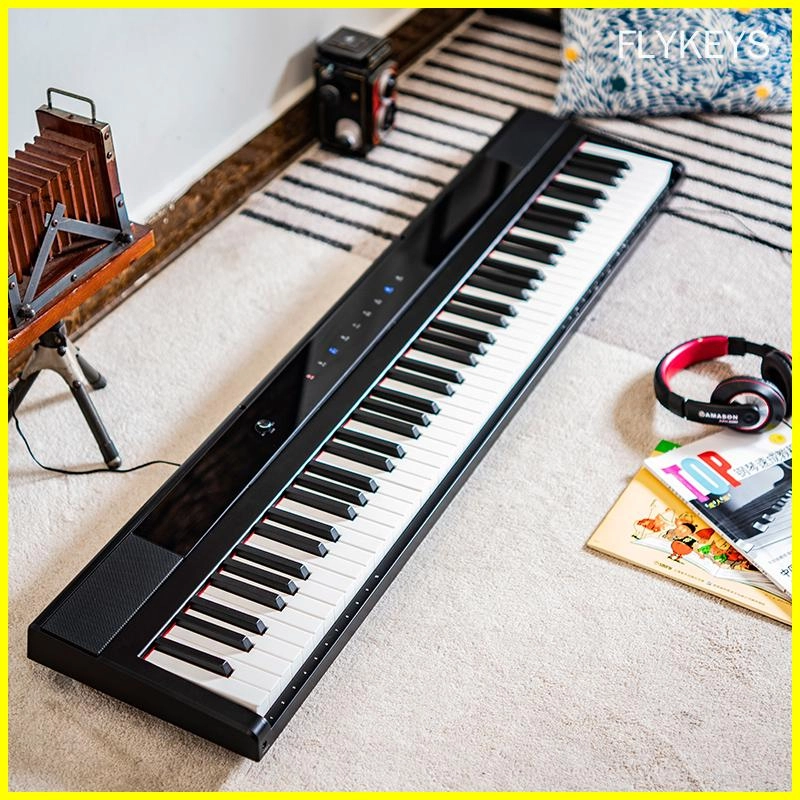
Best-Rated Electronic Pianos for Beginners in 2026: What to Buy and Why
Payment
What payment methods do you accept?
We accept payment methods such as T/T and L/C.
Products
Are your electronic pianos suitable for beginners?
Yes, we have models designed specifically for beginners, featuring user-friendly interfaces and educational features.
What is the warranty period of piano?
We provide 2 years warranty service, if there is any quality problem, we can provide accessories for free
Company
What sets your company apart from competitors?
We pride ourselves on our commitment to quality craftsmanship, cutting-edge technology, and exceptional customer service.
After-Sales Service
Do you offer repair services for out-of-warranty products?
Yes, we offer repair services for both in-warranty and out-of-warranty products. Please contact our support team for assistance.
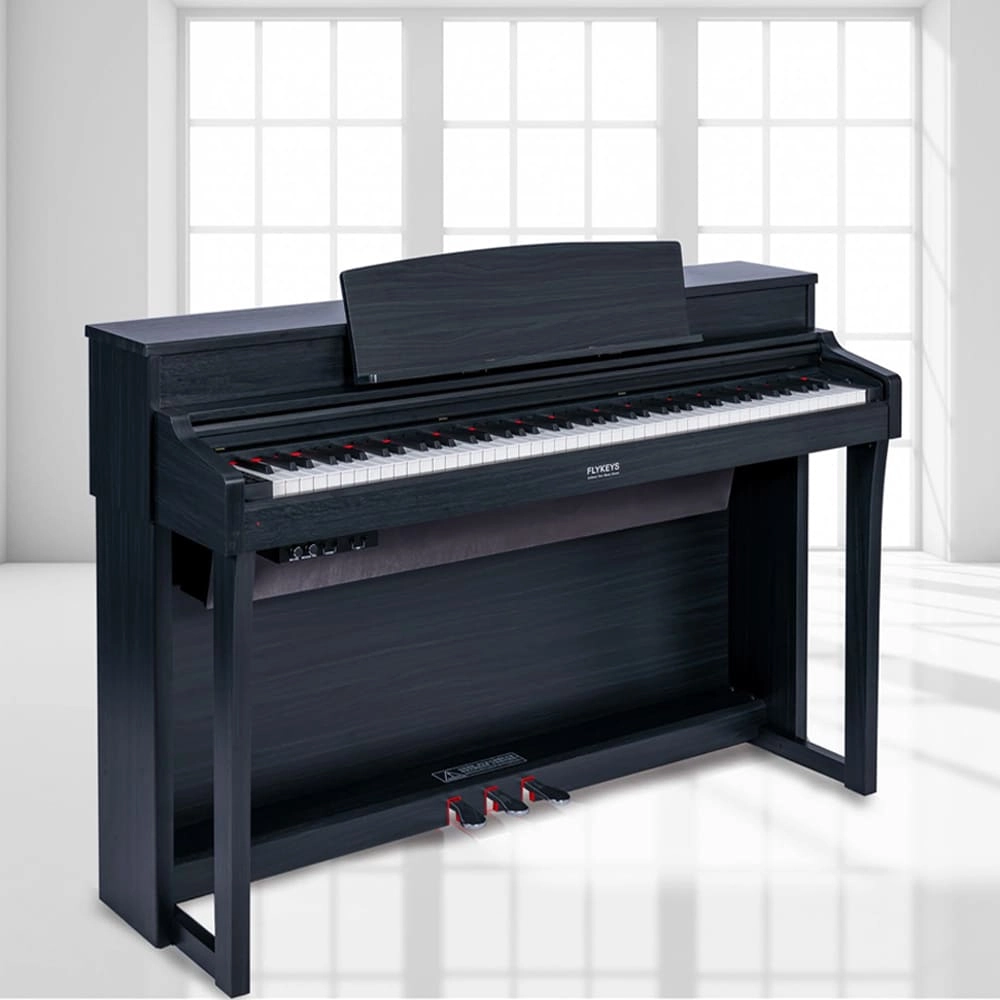
Flykeys Upright Digital Piano 88keys Hammer Action Keyboard FK330 Digital Piano
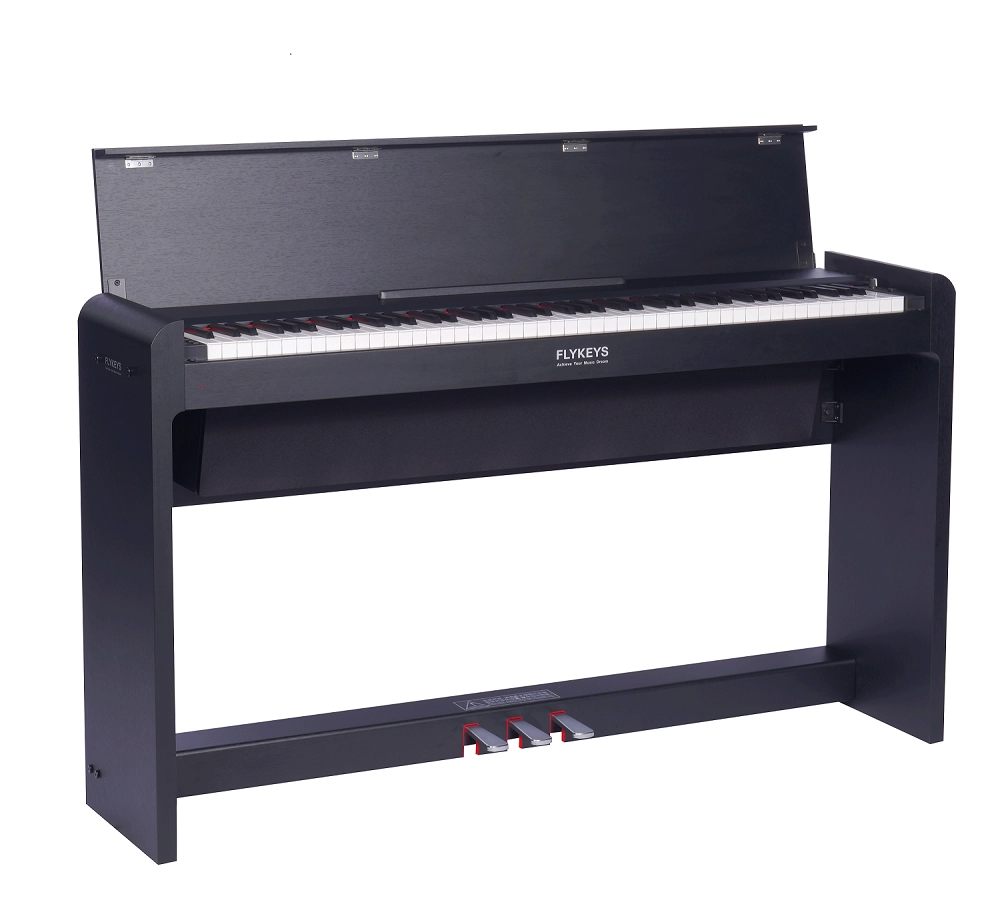
FLYKEYS FDP 5 Digital Piano
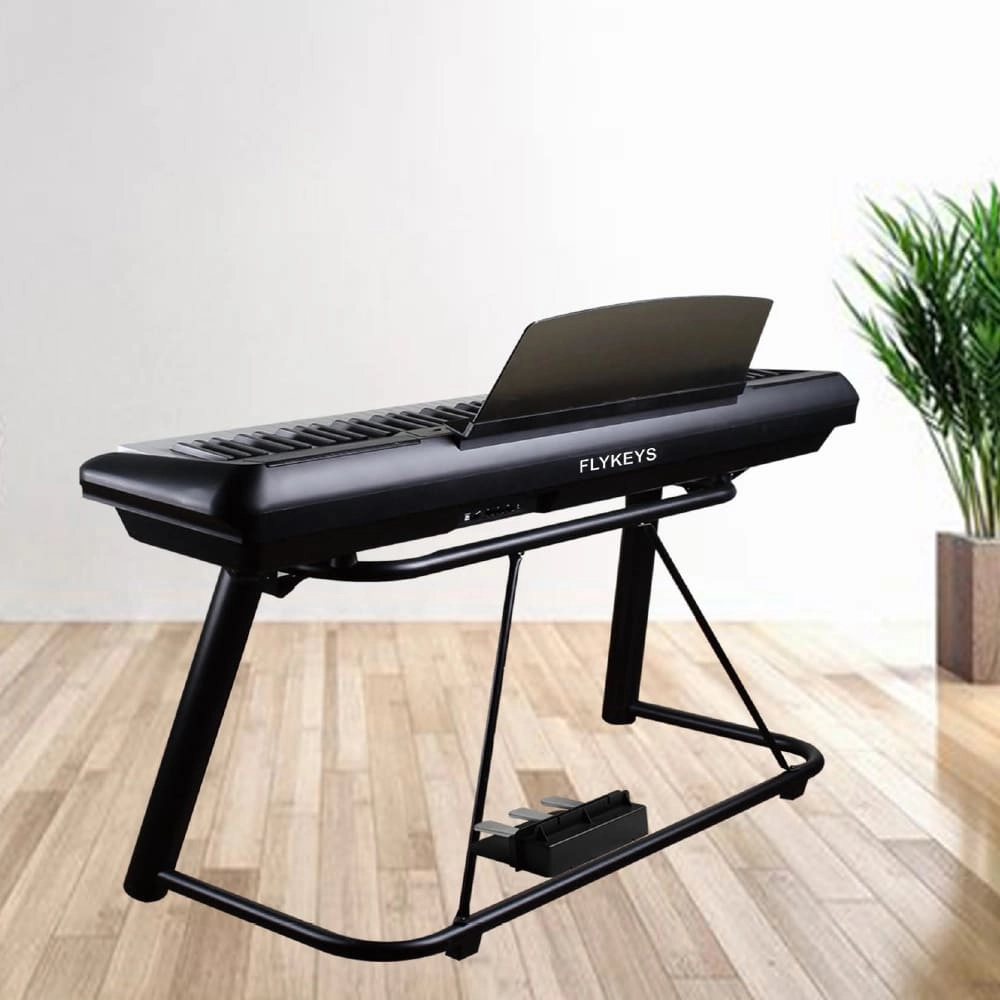
Flykeys 88 Keys Portable Piano With Wooden Stand FP6 Digital Piano
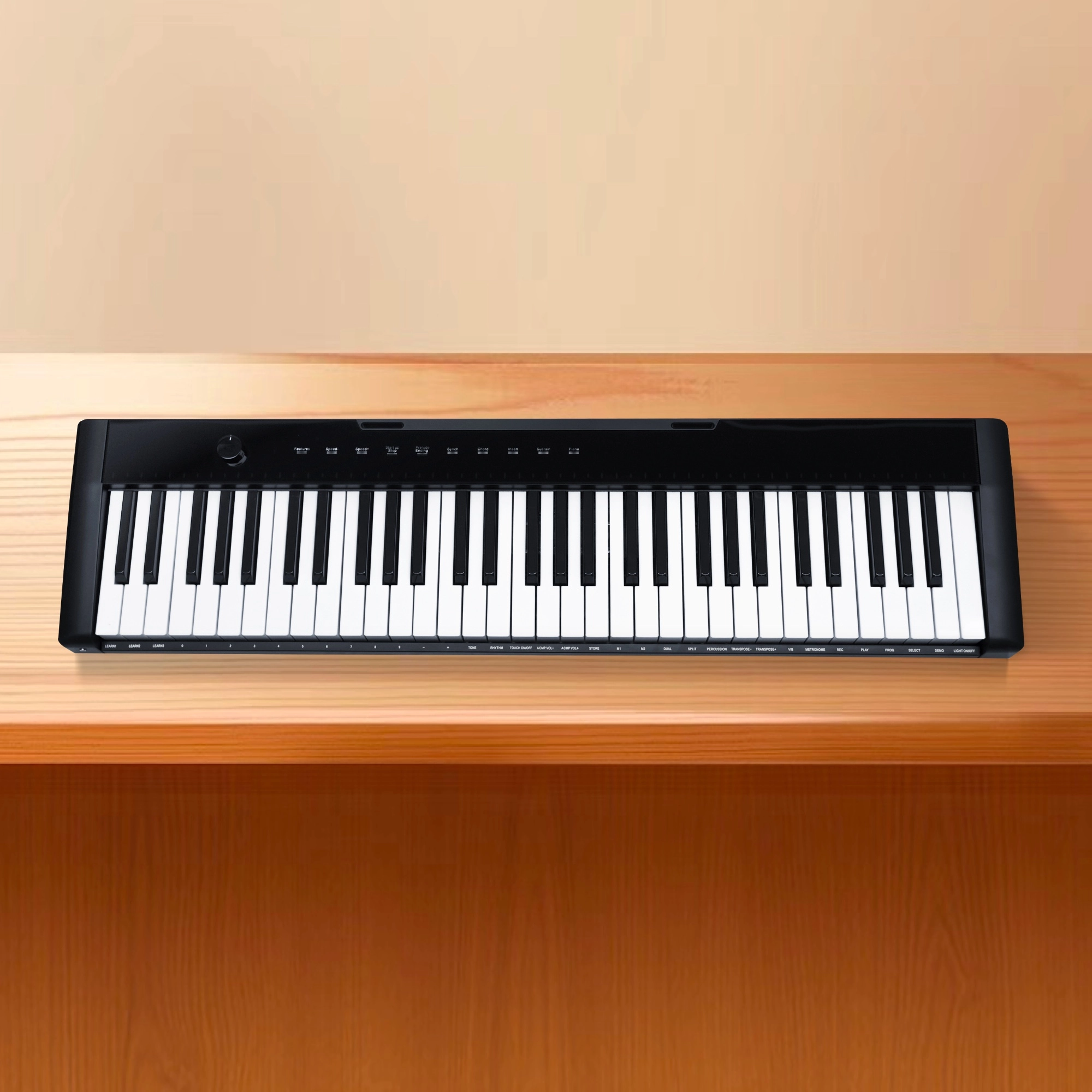
Flykeys 61 keys portable electronic keyboard piano with X stand (M2)
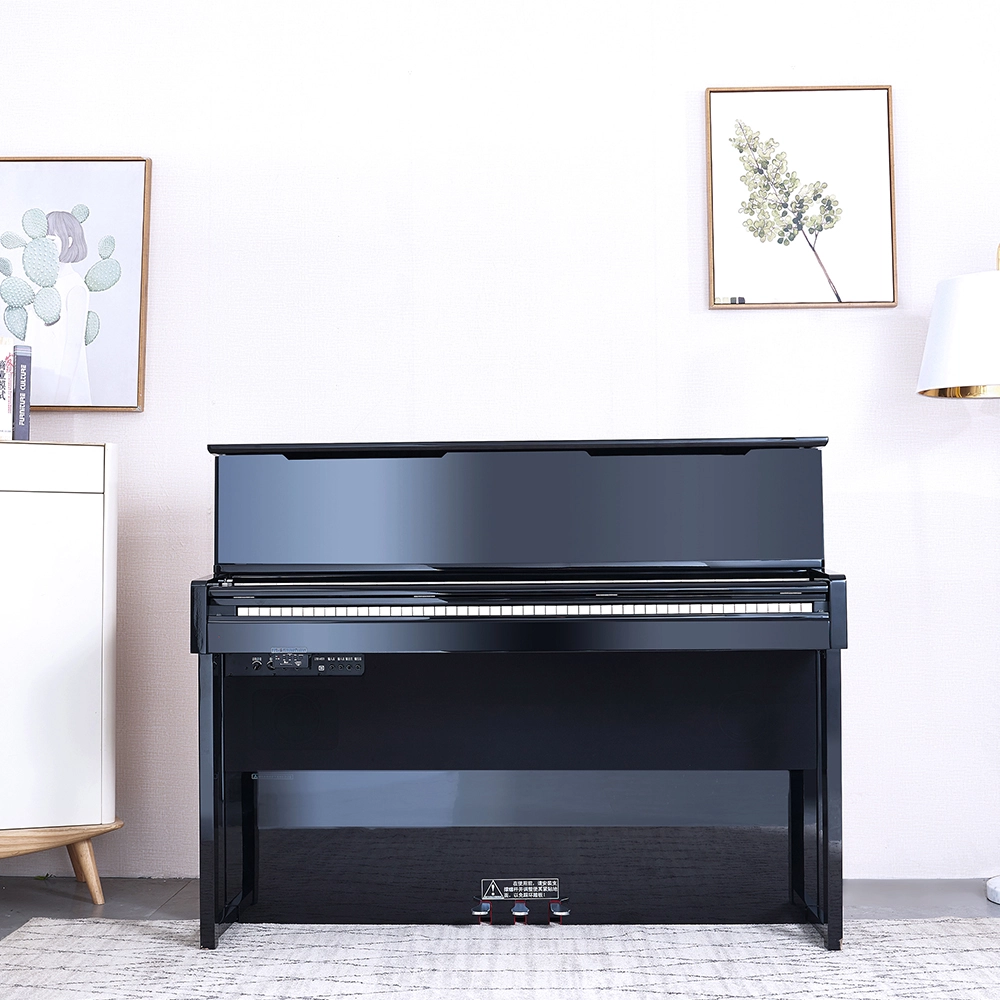
Flykeys Professional Digital Upright Piano 88 Keys Wooden Keyboard FK830 Digital Piano
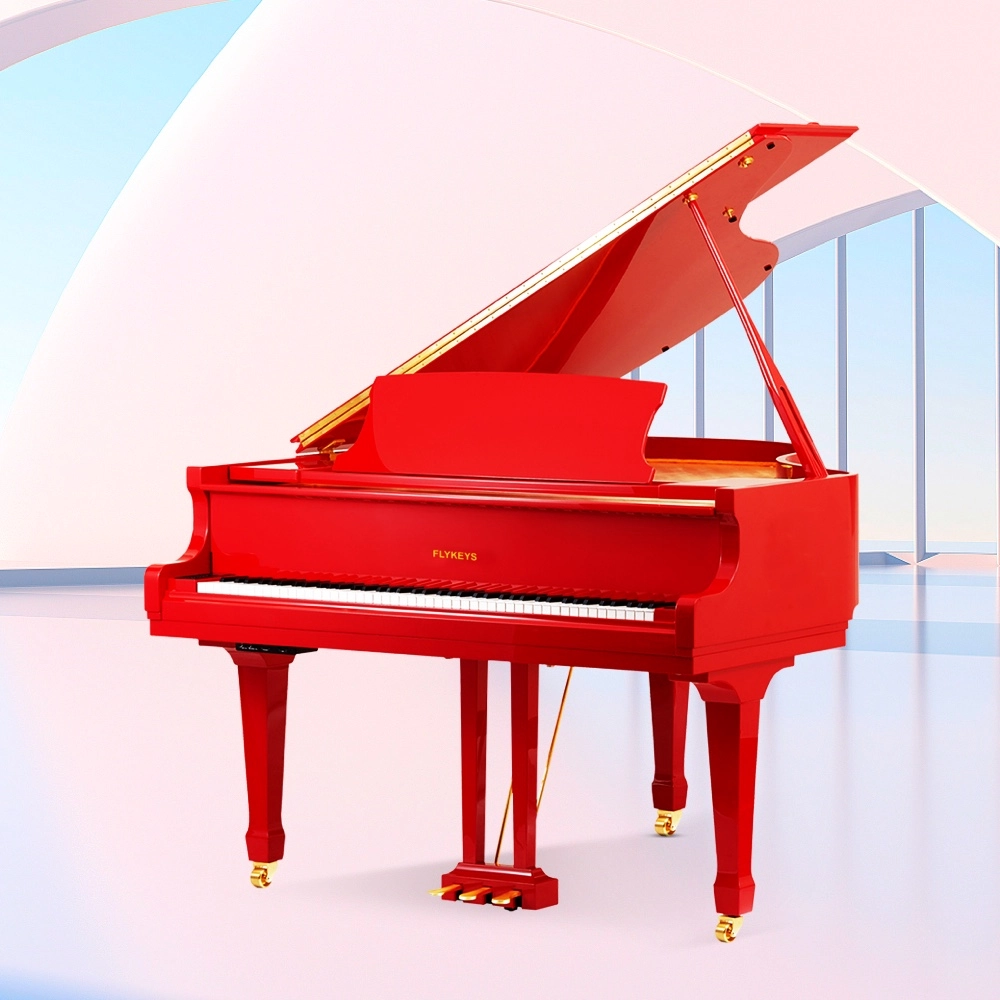
Flykeys Professional Digital Grand Piano FGP610 Digital Piano
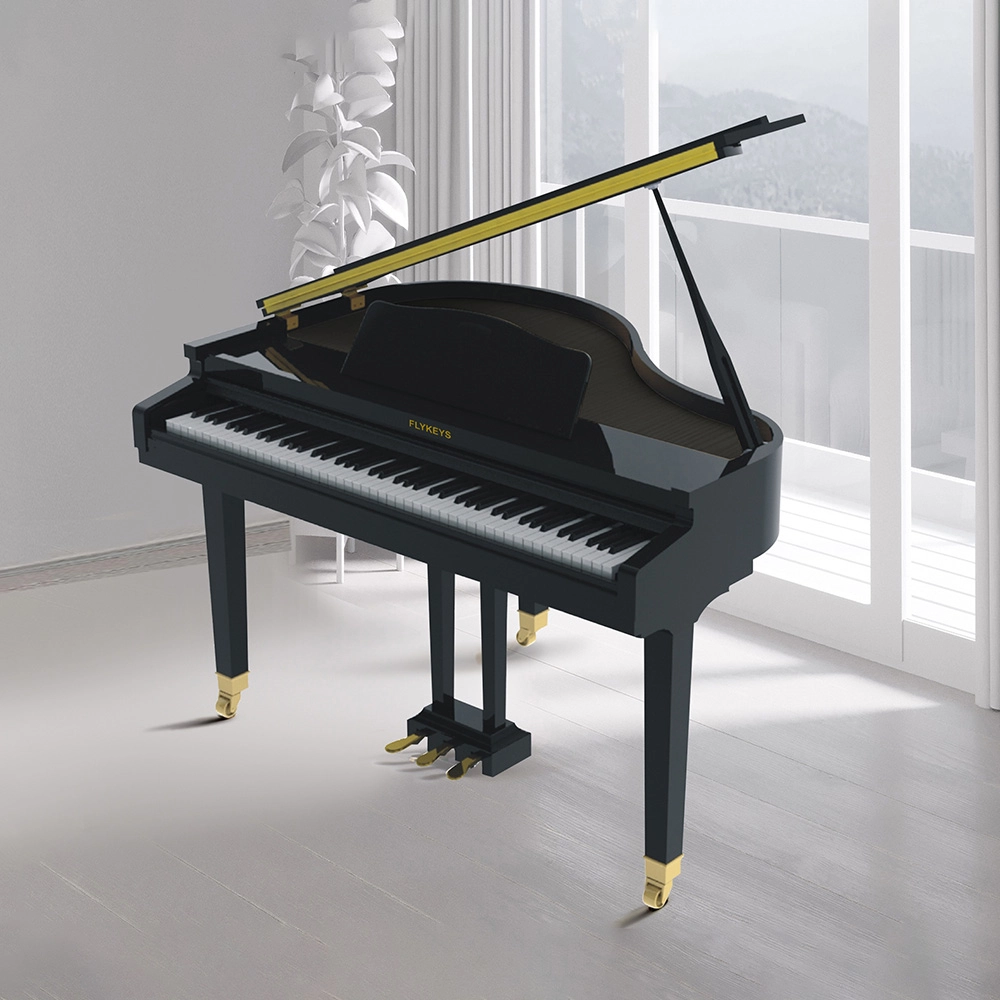
Flykeys 88 Keys Professional Digital Grand Piano Hammer Action Keyboard FGP110 Digital Piano
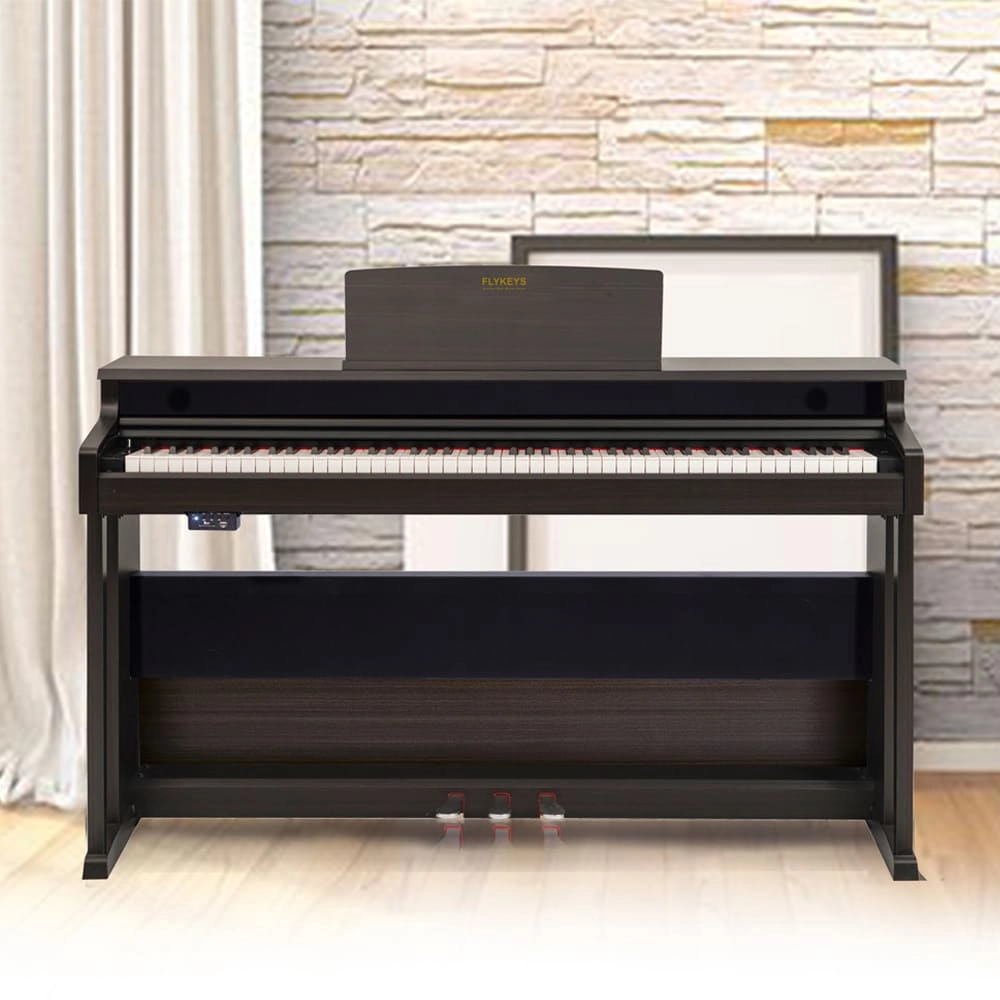
Flykeys Upright Piano Wooden Panel 88 KEYS Piano FK130 Digital Piano
Get in touch with us
Have a question or inquiry about our digital pianos products? Leave us a message here and our team will get back to you promptly within 24 hours.
Whether you're interested in custom orders, technical specifications, or partnership opportunities, we're here to assist you.
Rest assured that your privacy is important to us, and all information provided will be handled with the utmost confidentiality.
Address: No. 38 Xiangshan Avenue, Zengcheng Economic And Technological Development Zone, Guangzhou, China.
FOLLOW US:


© 2026 FLYKEYS All Rights Reserved. 粤 ICP备2020102774号. Designed by gooeyun. Sitemap | Privacy | Terms