

Which digital pianos are ideal for classroom use?
Navigating the world of digital pianos can be overwhelming for beginners and educators. This guide cuts through the noise, answering your deepest questions about key action, sound engines, modern connectivity, durability, and silent practice. Discover how to choose a digital piano that fosters musical growth, endures heavy use, and offers genuine value, whether for individual learning or dynamic classroom environments. Learn what truly makes a digital piano ideal for classroom use and personal development.
As a beginner pianist or an educator setting up a music classroom, selecting the right digital piano is paramount. The market is saturated with options, making it challenging to discern what truly matters for musical development and longevity. This guide addresses critical, often-overlooked questions, ensuring you make an informed decision for the best digital pianos, whether for personal growth or robust classroom environments.
Beyond 'Weighted Keys,' What Specific Types of Hammer Actions or Key Mechanisms Truly Replicate an Acoustic Piano's Touch, and How Do They Impact a Beginner's Technique Development?
Weighted keys is a common term, but it's a spectrum, not a single standard. For beginners, developing proper finger strength, dynamic control, and articulation hinges on a truly realistic key action. While basic spring-loaded weighted keys offer some resistance, they fall short of replicating an acoustic grand piano feel.
Advanced Key Actions to Look For:
- Graded Hammer Action (GHA) / Progressive Hammer Action (PHA): These systems use actual hammers, similar to an acoustic piano, to create resistance. Graded means the keys feel heavier in the bass register and lighter in the treble, mirroring an acoustic piano's string mechanism. This is crucial for developing natural finger independence and expression.
- Triple-Sensor Key Detection: Many high-end digital pianos now incorporate three sensors per key (instead of two). This allows for faster repetition of notes without keying out and offers more nuanced dynamic control, capturing subtle variations in touch. For a beginner, this translates to greater expressive potential and a more forgiving learning curve for advanced techniques.
- Counterweights and Escapement Simulation: Some High Quality actions include small counterweights in the keys to balance the hammer weight, enhancing the natural feel. Escapement simulation (often called let-off or click mechanism) replicates the subtle notch feel of an acoustic grand piano as the hammer disengages from the key, providing tactile feedback vital for control at softer dynamics.
Impact on Beginner Technique: A superior weighted key digital piano action directly translates to better technique. It builds necessary finger strength, muscle memory for dynamic control, and an understanding of how touch affects sound. Cheap actions can lead to bad habits that are difficult to unlearn, hindering progression. Investing in a robust, best weighted digital piano action from the start is an investment in proper foundational technique.
How Crucial Is an Advanced Sound Engine (e.g., Physical Modeling vs. Basic Sampling) for a Beginner's Ear Training and Musicality Development, and at What Point Does It Become a Worthwhile Investment?
The sound engine is the heart of a digital piano, dictating its tonal realism and responsiveness. While basic multi-sampled sounds are adequate for initial learning, an advanced sound engine becomes increasingly crucial as a beginner progresses, significantly impacting ear training and musicality development.
Basic Sampling vs. Advanced Engines:
- Basic Sampling: Records individual notes at a few dynamic levels. The sound quality is static, and transitions between notes can feel artificial. While good enough to learn notes, it lacks the complex resonances and nuances of a real piano.
- Advanced Sampling (e.g., Multi-Layered with Resonance Modeling): Utilizes many samples across various dynamic levels and incorporates technologies like String Resonance, Damper Resonance, and Key-Off Samples. This creates a much richer, more natural piano sound quality that reacts dynamically to touch.
- Physical Modeling (e.g., Roland's SuperNATURAL Piano Modeling, Yamaha's VRM): This cutting-edge technology doesn't use samples in the traditional sense. Instead, it mathematically recreates the physics of an acoustic piano: how hammers strike strings, how strings vibrate, how the soundboard resonates. The result is an incredibly organic, infinitely variable sound that responds realistically to every nuance of a player's touch. It allows for seamless dynamics, complex sympathetic resonances, and true decay.
Worthwhile Investment: For a beginner, an advanced sound engine becomes invaluable once they move beyond simple melodies. It allows them to hear and understand the subtle expressive possibilities of an acoustic piano, fostering a sophisticated ear for tone, timbre, and dynamics. This is critical for developing musicality and understanding how their playing shapes the sound. While physical modeling might be a stretch for an absolute entry-level budget, look for digital piano reviews highlighting advanced multi-layered sampling with comprehensive resonance modeling. This provides a significant leap in realism for practice and will support learning digital piano for years.
What Modern Connectivity Features, Beyond Standard MIDI, Are Genuinely Beneficial for a Beginner's Learning Journey and Practice Workflow, and Which Ones Are Often Overlooked But Highly Useful?
Modern digital pianos offer a plethora of connectivity options that go far beyond basic MIDI for computer recording. For a beginner, these features can significantly enhance the learning experience and streamline practice sessions.
Genuinely Beneficial Connectivity for Learning:
- USB Audio Interface: Often overlooked, this allows you to send high-quality audio directly from your digital piano to a computer or mobile device via a single USB cable. This is fantastic for recording your practice sessions, composing, or creating covers without needing an external audio interface. It makes sharing progress or collaborating much easier.
- Bluetooth MIDI: This is a game-changer for interacting with learning apps (e.g., Flowkey, Simply Piano, GarageBand) on tablets or smartphones without tangled cables. It opens up a vast world of interactive lessons, digital sheet music with playback, and gamified practice tools. Many top digital pianos offer this seamless integration.
- Bluetooth Audio Input: This allows you to stream music from your smartphone or tablet through the piano's speakers or headphones. You can play along with your favorite songs, backing tracks, or online tutorials directly, making practice more engaging and interactive.
- Dedicated App Ecosystems: Many brands, including Flykeys Music, offer their own companion apps (e.g., digital piano controller apps, lesson apps). These can unlock additional sounds, allow for easy setup changes, or provide structured learning content, creating a more cohesive digital piano connectivity experience.
These features transform a digital piano from just an instrument into a powerful learning hub, making the beginner's journey more dynamic and connected. When evaluating digital piano features, consider how these connections integrate with your current tech setup.
For a Digital Piano That Will See Daily Practice or Potential Classroom Multi-User Activity, What Specific Construction Materials and Design Elements Indicate Superior Long-Term Durability and Minimal Maintenance Needs?
Durability is paramount, especially when considering digital pianos for classroom use or intense daily practice. The longevity of your investment hinges on robust construction and smart design choices.
Indicators of Superior Durability:
- Keybed Frame and Materials: Look beyond the plastic keys themselves. A sturdy metal or high-density composite keybed frame provides far greater stability and resistance to warping or breakage than purely plastic assemblies. This is critical for preventing wobbly keys over time, particularly under heavy use. Flykeys, for example, prioritizes robust keybed construction.
- Pedal Unit Quality: Cheap digital pianos often have plastic pedal units that are prone to breakage. Opt for instruments with metal-constructed pedals and a robust, integrated pedal board that connects securely to the main unit or stand. This ensures consistent sustain, sostenuto, and soft pedal functionality.
- Cabinet Construction: While many home digital pianos use MDF (Medium Density Fiberboard), the quality and thickness vary. For classroom digital pianos, consider models with thicker panels, reinforced joints, and a durable, scratch-resistant finish. Some portable digital pianos designed for gigging or travel feature metal chassis, offering maximum durability for frequent movement.
- Connector Jacks: Plastic-only input/output jacks can wear out or break with repeated plugging and unplugging. Instruments with reinforced, metal-collar jacks (for headphones, USB, power) offer significantly greater longevity, which is essential in a multi-user environment like a school.
- Integrated vs. Portable Design: While portable digital pianos offer flexibility, console-style instruments with integrated stands often provide better overall stability and protection against accidental knocks, making them ideal for a fixed classroom setting or a dedicated home practice area.
Prioritizing these structural elements ensures your digital piano can withstand the rigors of consistent use, leading to minimal maintenance needs and a reliable educational digital piano for years to come.
As a Beginner, What 'Future-Proof' Features Should I Prioritize in a Digital Piano to Ensure It Supports My Progression Beyond the Introductory Stages Without Needing an Immediate Upgrade?
Choosing a digital piano for beginners doesn't mean settling for an instrument you'll outgrow in a year. Future-proof features allow your piano to grow with you, supporting advanced techniques and musical exploration without the immediate need for an upgrade. This offers the best value for your investment.
Key 'Future-Proof' Features to Prioritize:
- Full 88-Key Graded Hammer Action Keyboard: This is non-negotiable. Learning on a full 88 keys with a realistic, graded hammer action (as discussed in Q1) ensures you develop proper technique and are prepared for any acoustic piano. Anything less will limit your repertoire and skill development.
- High-Quality Sound Engine with Polyphony: As you advance, you'll demand more nuanced and expressive sound. A digital piano with an advanced sound engine (Q2) and high polyphony (192-256 notes) prevents notes from cutting out during complex passages or when using layering effects.
- Half-Pedaling Capability: Acoustic pianos allow for nuanced sustain pedal control. Half-pedaling on a digital piano replicates this, enabling partial sustain. This is a crucial skill for intermediate and advanced repertoire, and a feature often missing on entry-level models.
- Robust Connectivity (Q3): USB Audio/MIDI, Bluetooth MIDI/Audio, and app integration provide a versatile platform for learning, recording, and connecting with external software, keeping your instrument relevant in an evolving digital music landscape.
- Layer and Split Functions: These allow you to play two sounds simultaneously (layer) or assign different sounds to different sections of the keyboard (split). These features are not just for fun; they're essential for exploring different musical styles, accompaniment, and creativity as you progress.
- Built-in Recorder: A simple MIDI or audio recorder helps you track progress, identify mistakes, and refine your playing – an invaluable tool for dedicated practice sessions.
By prioritizing these digital piano features, you ensure your instrument remains a capable partner through many stages of your musical journey, providing excellent value among the best digital pianos for your budget.
When Practicing Silently With Headphones, How Important Is the Quality of the Headphone Output and What Advanced Acoustic Simulation Features (Like 'Piano Room' or 'Ambience') Significantly Enhance the Private Learning Experience for a Beginner?
Silent practice via headphones is a primary advantage of digital pianos, but the quality of this experience varies wildly. For a beginner, a poor headphone experience can lead to fatigue, misinterpretations of sound, and hinder practice effectiveness. The quality of the headphone output and advanced acoustic simulation features are highly important.
Importance of Headphone Output Quality:
- Clean, Low-Noise Audio: A good digital-to-analog converter (DAC) and amplifier in the headphone circuit are essential. Cheap outputs can introduce hiss, hum, or distortion, especially at higher volumes, which is distracting and fatiguing. A clean signal ensures you hear the piano's true sound quality.
- Accurate Sound Reproduction: High-quality headphone outputs accurately reproduce the piano's full dynamic range and frequency spectrum. This is vital for developing a good ear for tone and ensuring that what you hear translates well when playing through speakers or an acoustic piano.
Advanced Acoustic Simulation Features for Private Learning:
- Headphone 3D Ambience / Spatial Audio: Many advanced digital pianos, including some Flykeys models, incorporate technology that processes the headphone output to create a spatial, natural sound field. Instead of feeling like the sound is directly in your head, it simulates the experience of hearing a piano in a room. This reduces ear fatigue, makes practice more immersive, and allows for better spatial perception of the sound.
- 'Piano Room' or 'Virtual Venue' Features: These allow you to adjust the acoustic environment, simulating different rooms (e.g., concert hall, studio, lounge) through your headphones. This not only adds variety but also helps a beginner understand how different acoustics affect the piano's sound, enhancing their critical listening skills.
- Volume Limiter/Adjustable Output: For classroom settings, a volume limiter on headphone outputs can protect students' hearing. For individual practice, having easily accessible and fine-tuned volume control for both the piano sound and accompanying audio (via Bluetooth Audio) enhances the silent practice digital pianos experience.
Investing in a digital piano with a high-quality headphone output and these advanced features turns silent practice from a compromise into a genuinely rich and effective learning environment, crucial for the dedicated digital piano for practice user.
Choosing the ideal digital piano, whether for a burgeoning beginner or a bustling classroom, demands attention to detail beyond mere price tags. By prioritizing instruments with truly realistic key actions, expressive sound engines, modern connectivity, robust durability, and thoughtful silent practice features, you ensure a long-lasting, enriching musical journey. These considerations lead to a powerful learning tool that inspires growth, withstands rigorous use, and delivers exceptional value, solidifying its place as the best digital piano choice for your needs. For personalized recommendations and a competitive quote tailored to your specific needs, please don't hesitate to reach out to us at service@flykeysmusic.com or visit www.flykeysmusic.com.
- Beyond 'Weighted Keys,' What Specific Types of Hammer Actions or Key Mechanisms Truly Replicate an Acoustic Piano's Touch, and How Do They Impact a Beginner's Technique Development?
- How Crucial Is an Advanced Sound Engine (e.g., Physical Modeling vs. Basic Sampling) for a Beginner's Ear Training and Musicality Development, and at What Point Does It Become a Worthwhile Investment?
- What Modern Connectivity Features, Beyond Standard MIDI, Are Genuinely Beneficial for a Beginner's Learning Journey and Practice Workflow, and Which Ones Are Often Overlooked But Highly Useful?
- For a Digital Piano That Will See Daily Practice or Potential Classroom Multi-User Activity, What Specific Construction Materials and Design Elements Indicate Superior Long-Term Durability and Minimal Maintenance Needs?
- As a Beginner, What 'Future-Proof' Features Should I Prioritize in a Digital Piano to Ensure It Supports My Progression Beyond the Introductory Stages Without Needing an Immediate Upgrade?
- When Practicing Silently With Headphones, How Important Is the Quality of the Headphone Output and What Advanced Acoustic Simulation Features (Like 'Piano Room' or 'Ambience') Significantly Enhance the Private Learning Experience for a Beginner?
15 Best Portable Digital Pianos of 2026: The Only Comparison Guide You’ll Ever Need
Is the Flykeys FP9 Worth It? Our Real-Life Experience with the World’s Largest Piano Maker’s Digital Tech.
Best Digital Piano Keyboards for Beginners 2026: Your Ultimate Buying Guide
Best Digital Grand Pianos 2026: Ultimate Buyer's Guide for Authentic Sound & Feel
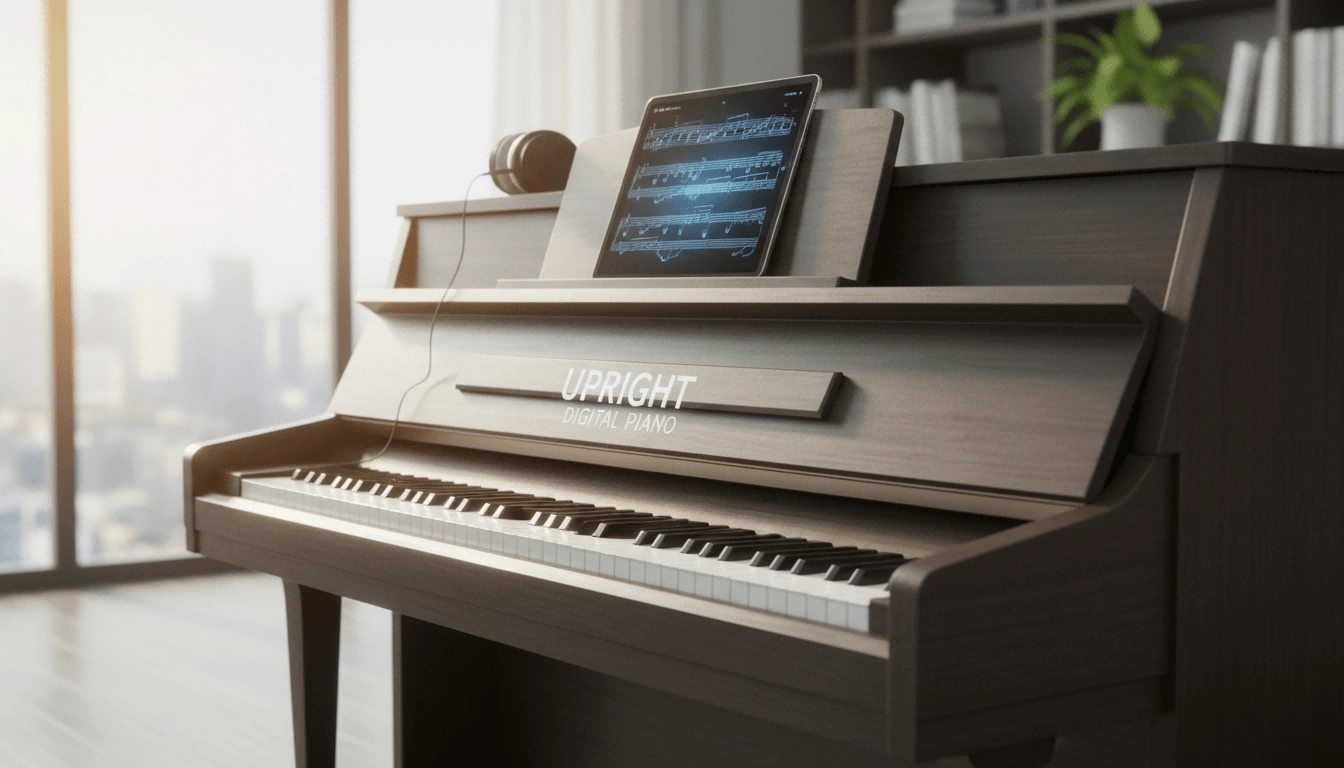
The Definitive Guide to Upright Digital Pianos: Blending Timeless Elegance with Modern Innovation in 2026
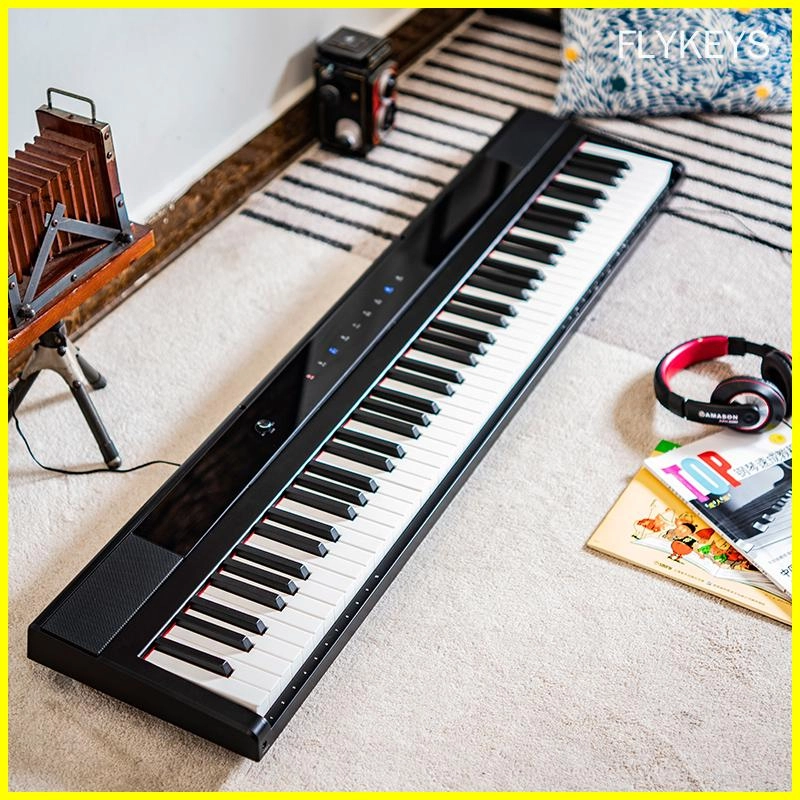
Best-Rated Electronic Pianos for Beginners in 2026: What to Buy and Why
Products
What is the warranty period of piano?
We provide 2 years warranty service, if there is any quality problem, we can provide accessories for free
What products do you have?
We offer a diverse range of products, including digital portable piano, digital upright piano, digital grand piano, electronic drum set, piano silent system, audio equipment, interactive whiteboard, advertising machines, Smart TV, Touch Screen,etc.
Logistics
Do you ship internationally?
Yes, we offer international shipping to most countries worldwide.
After-Sales Service
How can I contact your after-sales support team?
You can contact our after-sales support team via email, phone, or through our website's customer support portal.
Customization
Can I customize the finish of my electronic piano?
Yes, we offer customization options for finishes, allowing you to choose from a variety of colors and textures.
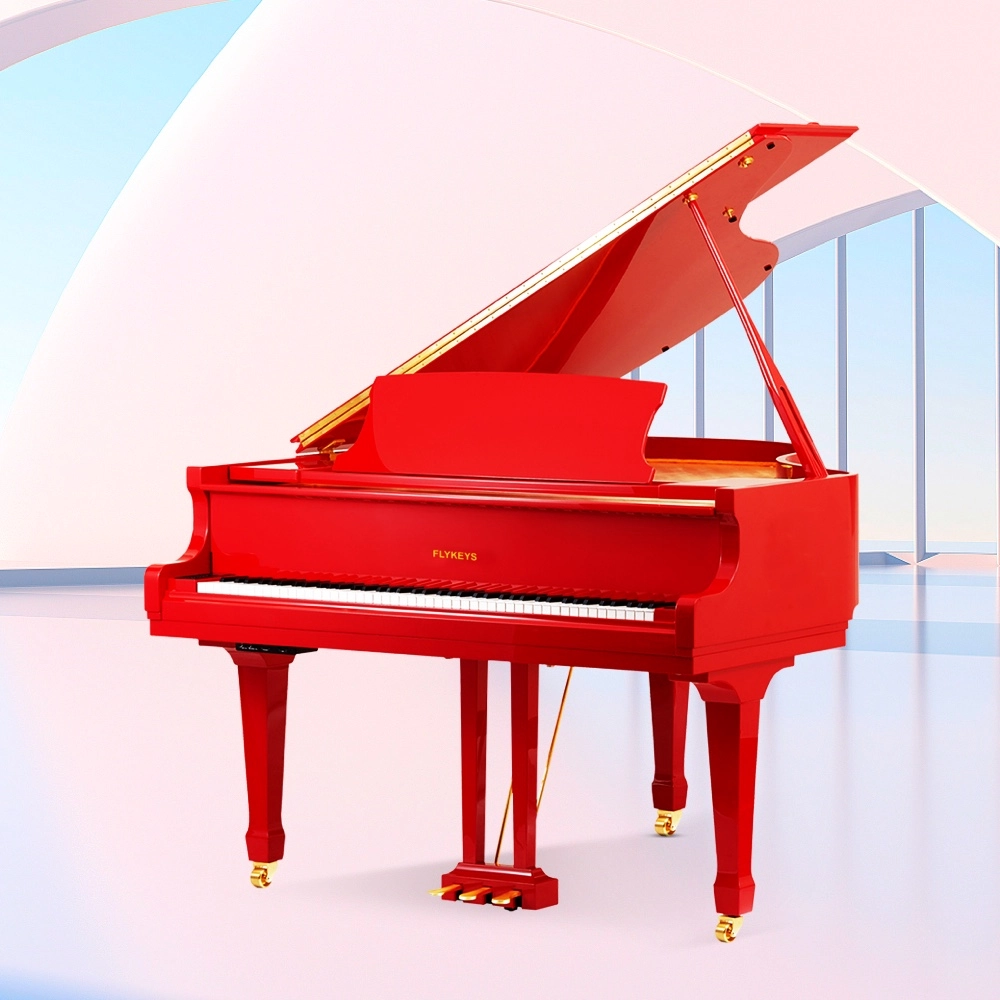
Flykeys Professional Digital Grand Piano FGP610 Digital Piano
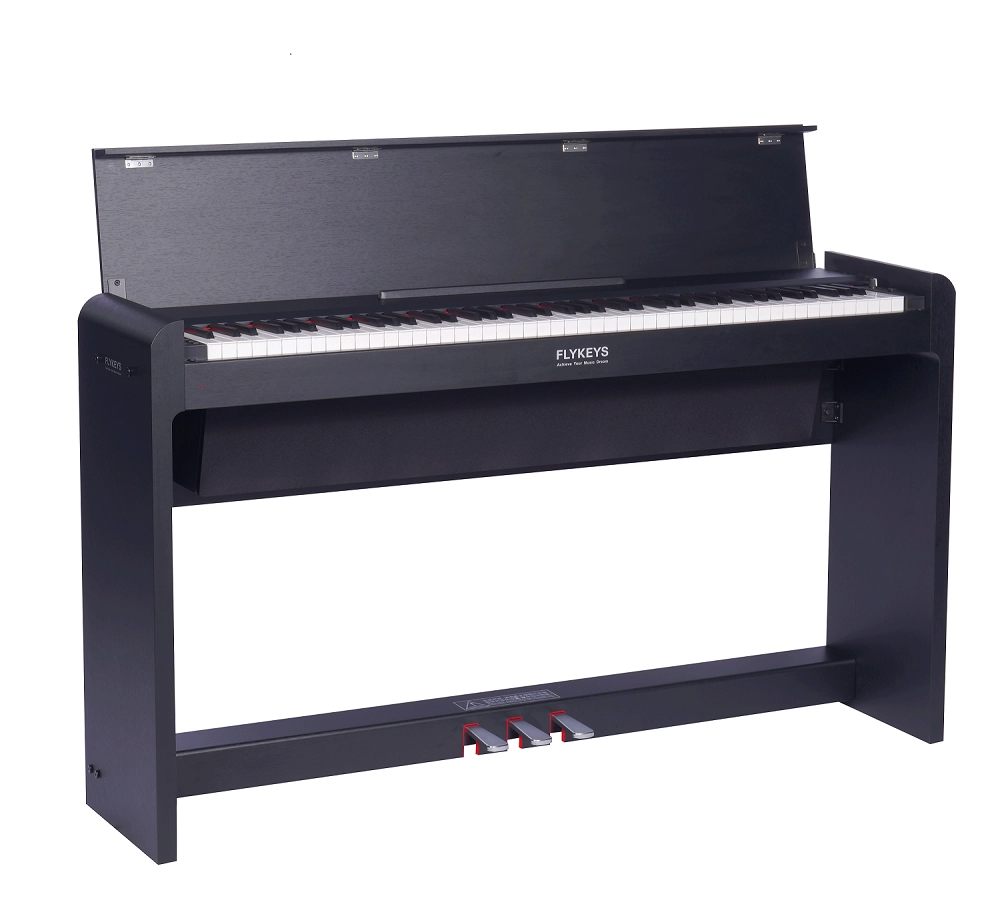
FLYKEYS FDP 5 Digital Piano
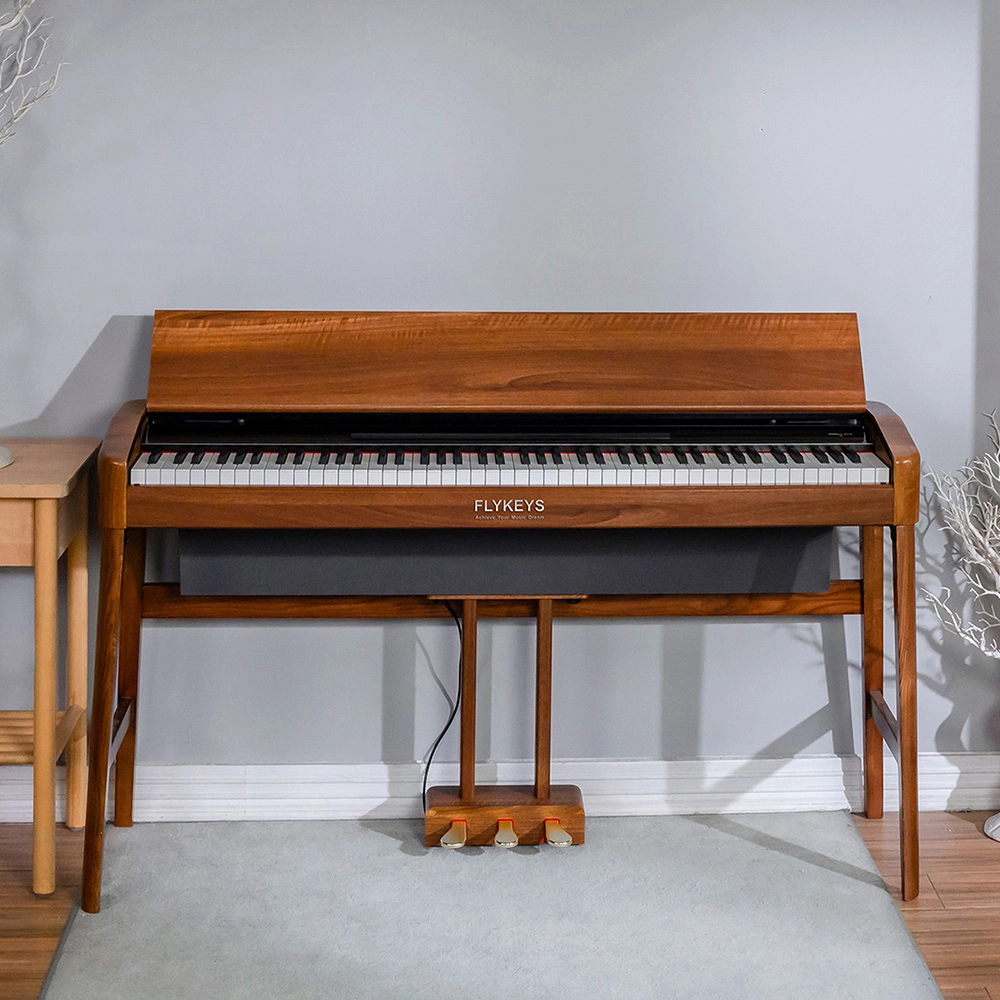
Flykeys Wooden Panel Piano Original Italian Imported Hammer Action Keyboard SK3 Digital Piano
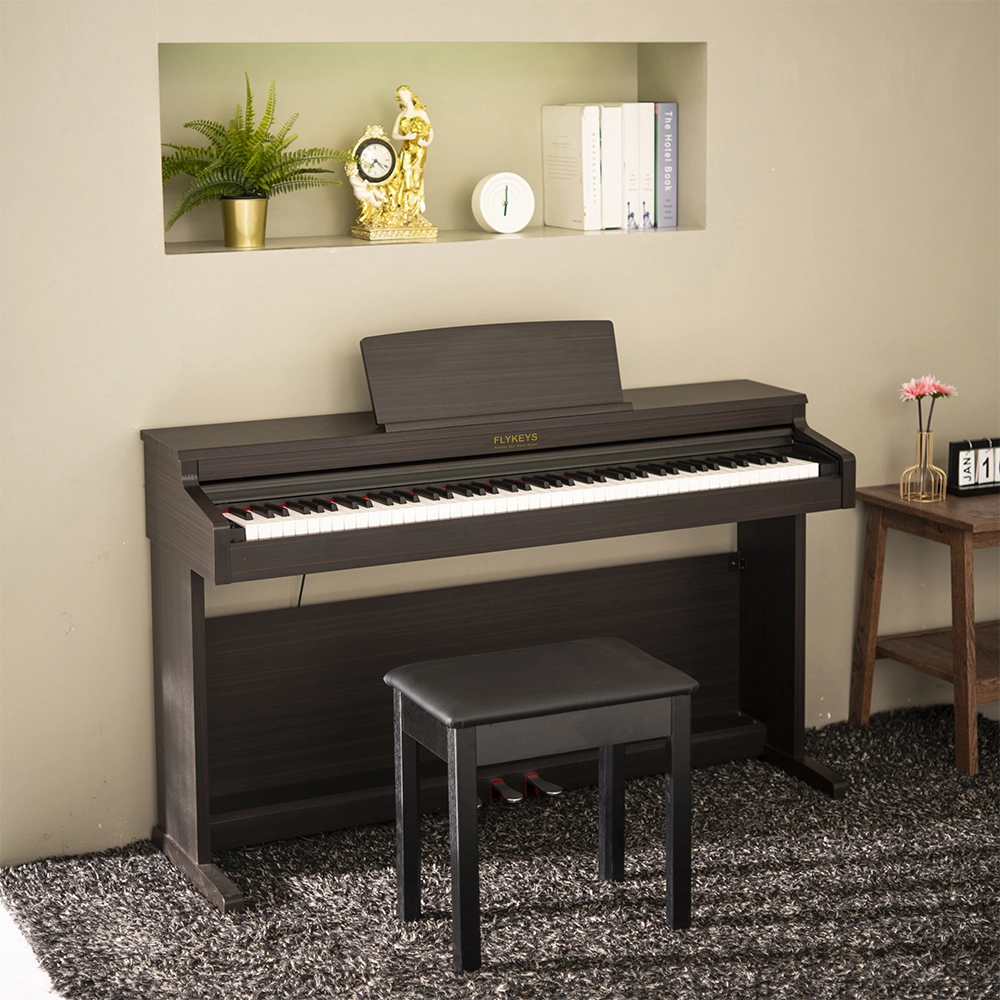
Flykeys 88 Keys Hammer Action keyboard Upright Piano LK03S Digital Piano
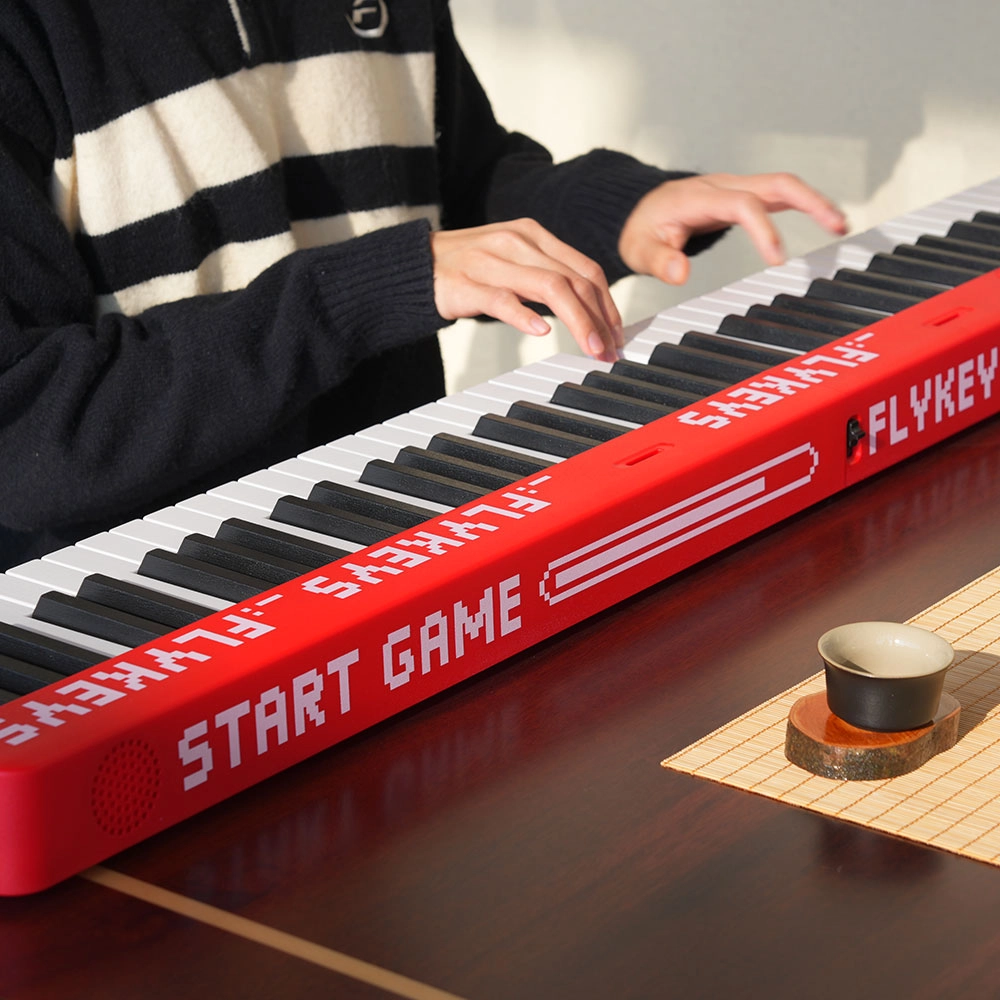
Flykeys M12 Folding Keyboard
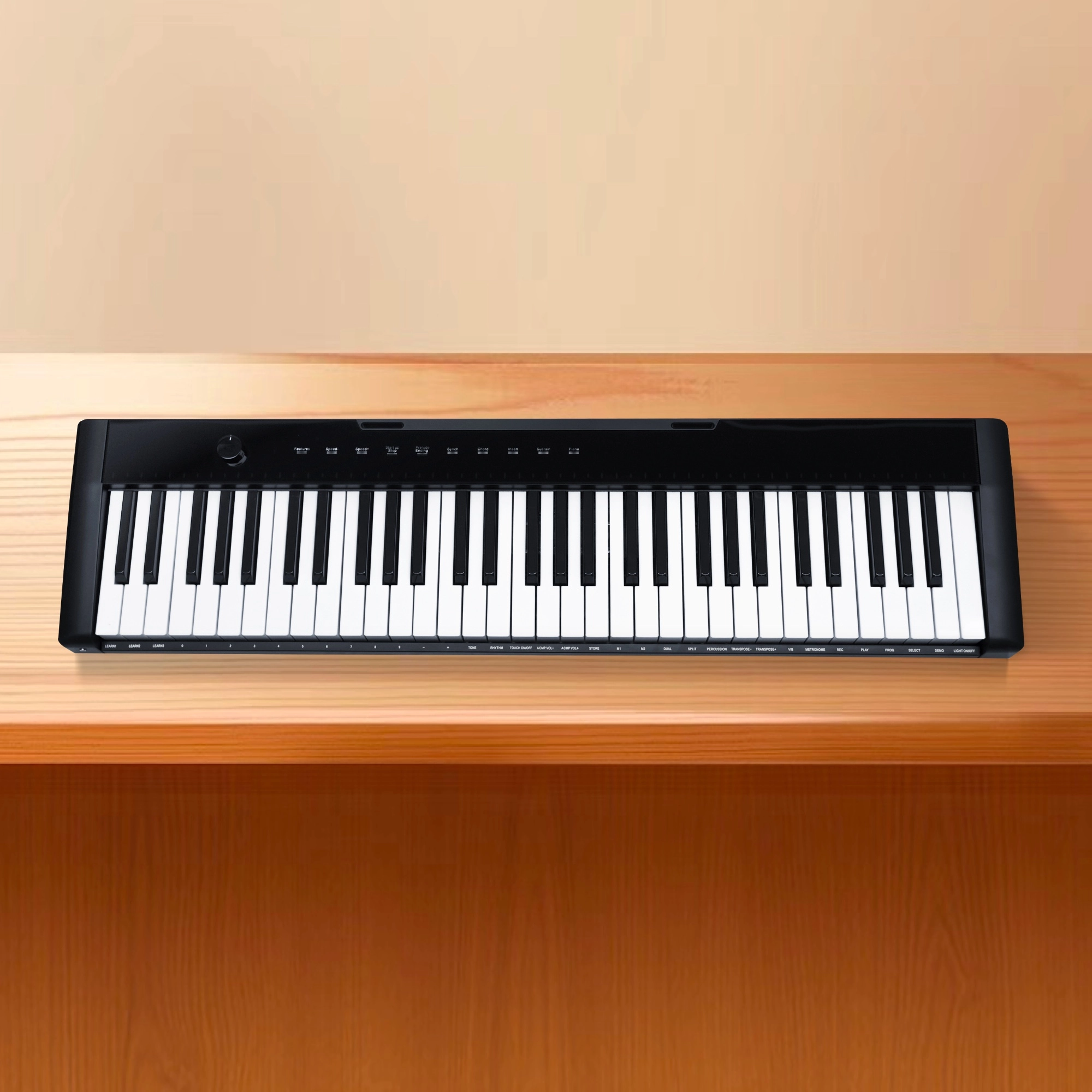
Flykeys 61 keys portable electronic keyboard piano with X stand (M2)
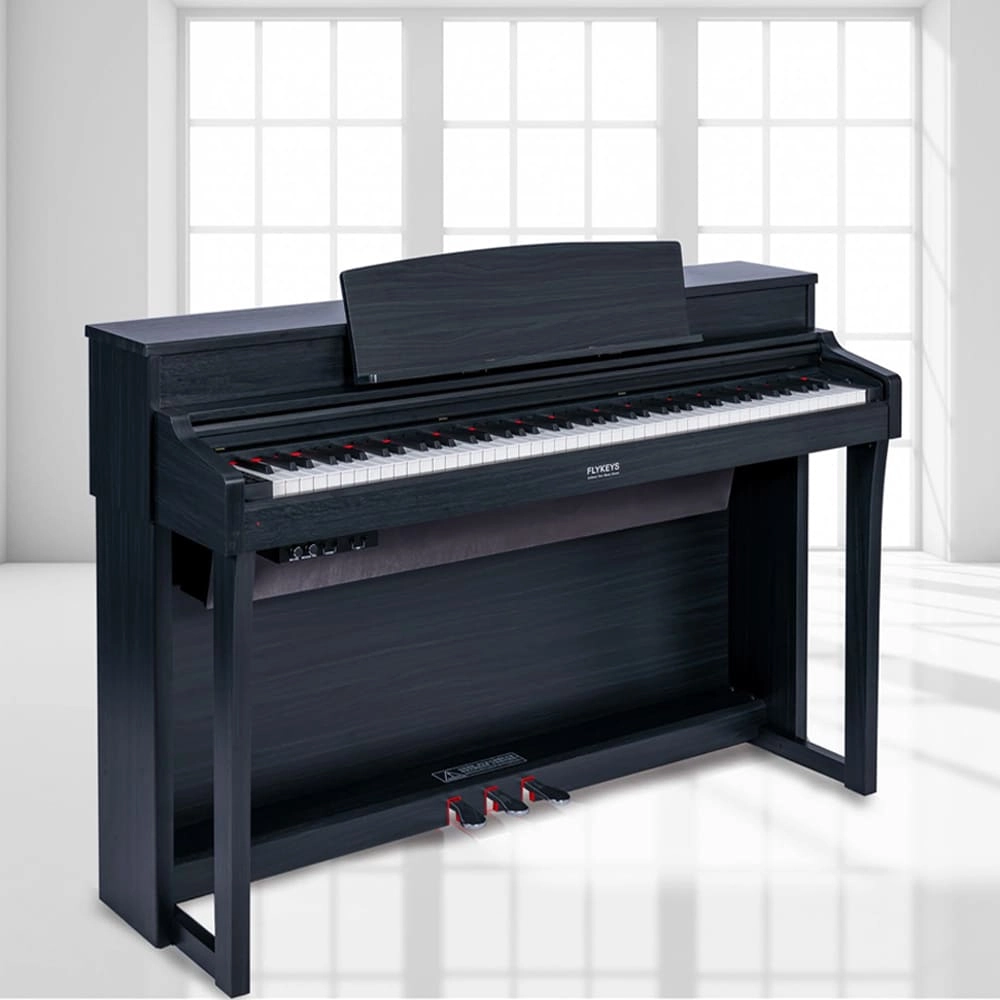
Flykeys Upright Digital Piano 88keys Hammer Action Keyboard FK330 Digital Piano
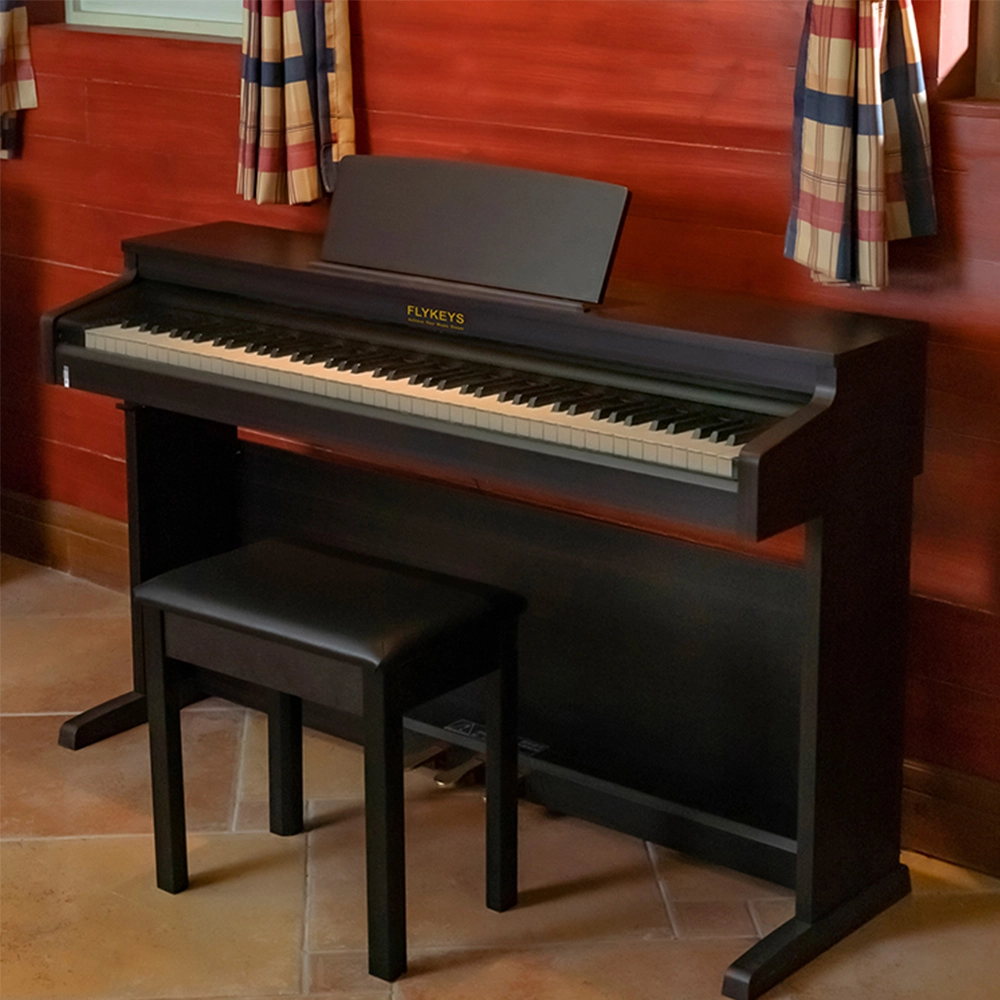
Flykeys Upright Electric Piano Built-In Speakers Music Instrument FD05 Digital Piano
Get in touch with us
Have a question or inquiry about our digital pianos products? Leave us a message here and our team will get back to you promptly within 24 hours.
Whether you're interested in custom orders, technical specifications, or partnership opportunities, we're here to assist you.
Rest assured that your privacy is important to us, and all information provided will be handled with the utmost confidentiality.
Address: No. 38 Xiangshan Avenue, Zengcheng Economic And Technological Development Zone, Guangzhou, China.
FOLLOW US:


© 2026 FLYKEYS All Rights Reserved. 粤 ICP备2020102774号. Designed by gooeyun. Sitemap | Privacy | Terms