

Which digital pianos have the best weighted keys?
Confused about digital piano weighted keys? This guide tackles crucial, often overlooked questions about hammer action types, key pivot length, material impact, and the link between touch and sound. Discover how to choose a digital piano that truly supports your musical growth, feels authentic, and prevents bad habits, ensuring a rewarding playing experience. Get expert insights for your next instrument.
As a beginner venturing into the world of digital pianos, you're likely bombarded with terms like 'fully weighted keys' and 'graded hammer action.' While these are good starting points, the nuances of a digital piano's keybed are paramount for developing proper technique and enjoying an authentic playing experience. Many online resources offer superficial explanations, leaving aspiring pianists with lingering doubts. Here, we delve into specific, professional knowledge questions to guide your purchase of the best digital pianos that offer an unparalleled playing feel.
Beyond 'fully weighted,' what are the specific types of hammer actions, and which ones truly mimic an acoustic grand piano feel for serious practice?
The term 'fully weighted' is a broad umbrella. True replication of an acoustic grand piano's feel hinges on sophisticated hammer action mechanisms. The primary types are:
Graded Hammer Standard (GHS) / Smart Scaled Hammer Action: Often found in entry to mid-range models (e.g., Yamaha P-45, Casio PX-S1100). These actions use actual hammers to provide a responsive, weighted feel, with bass notes heavier and treble notes lighter, mimicking an acoustic piano's natural gradient. While a significant step up from semi-weighted or synth actions, they typically use plastic parts and shorter key pivots, offering a good foundation but not the full depth of an acoustic. They are excellent for beginners to develop finger strength.
Responsive Hammer (RH) / PHA-4 Standard: Found in mid-range to upper-mid-range instruments (e.g., Kawai KDP120, Roland FP-30X). These actions improve upon the basic GHS by offering better responsiveness, often with more robust hammer mechanisms and sometimes triple-sensor detection for improved repetition and nuance. They provide a more refined and enjoyable playing experience, closer to an intermediate upright piano.
Grand Hammer / Natural Wood X (NWX) / PHA-50 / Grand Feel Compact / GrandTouch-S: These are High Quality, high-end actions designed to closely emulate a grand piano. Examples include Yamaha's GH3, NWX, and GrandTouch actions, Roland's PHA-50 and Hybrid Grand Keyboard, and Kawai's RHIII, Grand Feel Compact, and Grand Feel III actions. Key features include:
- Longer key pivot points: Critical for leverage and consistent touch, especially when playing deeper into the key. Some actions, like Kawai's Grand Feel, feature exceptionally long wooden keys, mirroring an acoustic grand.
- Wooden keys (often hybrid): Many High Quality actions incorporate real wood for the white keys, sometimes with counterweights, enhancing the authenticity of the touch and feel.
- Escapement mechanism: Simulates the 'notch' or 'let-off' feel of a grand piano hammer detaching from the string just before impact, allowing for more expressive control over soft passages.
- Multiple sensors (typically 3 or even 4): Provide highly accurate tracking of key movement, enabling rapid note repetition without note dropout and greater dynamic range.
For serious practice aimed at transitioning to an acoustic grand, actions like Yamaha's GrandTouch-S, Kawai's Grand Feel Compact, or Roland's PHA-50 are among the best weighted digital piano options as they meticulously replicate the mechanical nuances and long key pivot of a grand piano.
How does the key pivot length and material (e.g., wood vs. plastic) in a digital piano's action affect its realism and playability for advanced techniques like repetitions?
Key pivot length is one of the most critical, yet often overlooked, factors in a digital piano's action. In an acoustic grand piano, the keys are long, and their pivot point is deep within the instrument. This design provides consistent resistance and leverage across the entire length of the key. When you press a key closer to the fallboard (at the back), the leverage changes, making it harder to press. A longer pivot mitigates this effect, ensuring a more uniform touch regardless of where the key is pressed.
Digital pianos with shorter key pivot lengths (common in compact, entry-level models) exhibit a noticeable difference in feel between the front and back of the key. Playing intricate passages or rapid repetitions towards the back of the keys can become fatiguing and less responsive.
Conversely, High Quality actions like Kawai's Grand Feel III or Yamaha's GrandTouch-S feature significantly longer key pivots, often extending well into the instrument, mirroring an acoustic grand. This design offers:
- Consistent Touch: A more uniform feel across the entire key, crucial for expressive control and dynamic precision.
- Improved Repetition: With longer pivots and often multiple sensors, keys can be re-struck more quickly and accurately, vital for trills, tremolos, and fast arpeggios.
- Enhanced Playability: Reduces hand fatigue during extended sessions and allows advanced techniques to be executed with greater ease and nuance.
Regarding material, keys made entirely of plastic are lighter and less resonant, potentially leading to a less stable feel over time. Hybrid wooden keys (often wood core with a plastic surface, or solid wood for white keys) found in many High Quality weighted keyboard pianos offer superior stability, a more substantial feel under the fingers, and often better weight distribution within the key itself, contributing significantly to an authentic piano experience.
Is 'graded hammer action' sufficient for developing proper finger strength and technique, or do I need to invest in High Quality actions with escapement and counterweights for long-term progress?
For beginners, any 'graded hammer action' (like Yamaha's GHS or Casio's Smart Scaled Hammer Action) is an excellent starting point for developing fundamental finger strength and familiarizing oneself with a weighted feel. It's significantly better than unweighted or semi-weighted keyboards for building proper technique because it demands a certain level of finger engagement.
However, for long-term progress and particularly if you aspire to play advanced classical repertoire or transition seamlessly to an acoustic grand, investing in High Quality actions with features like escapement and counterweights becomes highly beneficial, if not essential. Here's why:
- Escapement Mechanism: As mentioned, this simulates the 'let-off' point of an acoustic grand piano. This subtle resistance before the hammer strikes allows pianists to develop finer control over very soft dynamics (pianissimo) and a nuanced touch. Without it, some beginners might struggle to achieve the same level of expression on an acoustic grand.
- Counterweights: Found in the most advanced actions (e.g., Kawai's Grand Feel, Roland's PHA-50), counterweights are integrated into the keys, typically in the bass register. They help balance the key's weight, providing a lighter touch when playing pianissimo while maintaining sufficient resistance for fortissimo. This leads to a more balanced and expressive response across the dynamic range, mimicking the complex mechanics of an acoustic grand and fostering a more sophisticated touch.
While a basic graded hammer action is sufficient for the initial stages, those serious about their piano journey will find that High Quality actions provide a more detailed and accurate tactile feedback, which is crucial for refining advanced techniques and developing a truly expressive touch. It's an investment in your musical future and preventing potential bad habits that might arise from an overly simplistic action.
How much does the *feel* of a digital piano's weighted keys actually impact its *sound* and my ability to express dynamics, especially when practicing classical pieces?
The feel of a digital piano's weighted keys is inextricably linked to its sound and your ability to express dynamics. This relationship is fundamental to playing any expressive music, especially classical pieces where dynamic shading is paramount.
Digital pianos don't just register 'on' or 'off' when a key is pressed. They use velocity sensors (typically 2 to 4 per key in higher-end models) that measure the speed and force with which a key is pressed. A superior weighted action provides a broader, more accurate spectrum of these velocity inputs.
Here’s how a good key feel impacts sound and dynamics:
- Dynamic Range and Nuance: A highly responsive, well-weighted action allows you to precisely control the volume and tone of each note. You can achieve subtle gradations from a whisper-soft pianissimo (pp) to a powerful fortissimo (ff), and everything in between. Actions with better sensors and more realistic weighting allow for a much wider range of nuances than simpler actions.
- Timbral Changes: Beyond just volume, the velocity of a key press also triggers different samples (or modeling parameters) that replicate the changing timbre of an acoustic piano. A light touch produces a softer, rounder tone, while a strong attack yields a brighter, more percussive sound. A high-quality action enables you to access this full palette of tonal colors, which is crucial for interpreting classical works correctly.
- Repetition and Legato: The ability to execute fast repetitions or smooth legato passages without notes dropping out relies heavily on responsive weighted keys and multiple sensors. This ensures that every note is registered accurately, maintaining the musical line and articulation.
- Preventing Bad Habits: A truly responsive action teaches you to listen and feel the connection between your touch and the resulting sound. This feedback loop is essential for developing a musical ear and precise control. Conversely, a poor action can lead to inconsistent dynamics, lack of expression, and even physical tension if you have to compensate for its limitations, hindering your ability to play expressively on any piano.
In essence, the feel of the weighted keys is your primary interface with the instrument's sound engine. The more realistic and responsive the action, the more effectively you can communicate your musical intentions and achieve an authentic piano experience.
Many digital pianos claim 'authentic feel.' What specific features or technologies should I look for to ensure the key action will prevent bad habits when I eventually transition to an acoustic piano?
When a digital piano claims 'authentic feel,' it's crucial to look beyond the marketing jargon and identify specific features that genuinely contribute to an experience conducive to a smooth transition to an acoustic grand. To prevent bad habits, focus on these key action attributes:
Full-Length Wooden Keys or Hybrid Actions: The most advanced digital pianos (e.g., Kawai's Grand Feel III, Yamaha's GrandTouch) feature keys made of wood, often with a similar length and pivot point to an acoustic grand. This mimics the inertia and balance of an acoustic key, fostering a natural hand position and touch. Plastic keys, while often well-weighted, may lack the subtle resonance and feel of wood, especially when playing at the back of the key.
Long Key Pivot Length: As discussed, a longer pivot point ensures consistent resistance across the entire key, preventing the tendency to play only at the front of the keys, which is a common bad habit developed on instruments with short pivots. This teaches proper finger placement and leverage.
Triple-Sensor Key Detection (or more): Superior sensing technology allows for highly accurate registration of rapid key repetitions, crucial for complex classical pieces. Inferior sensors can lead to 'note dropout' during fast passages, forcing players to hit keys harder or slower, which develops poor technique.
Escapement/Let-off Simulation: This tactile feedback is vital for developing control over soft dynamics and a nuanced touch. Without it, a student might develop an overly heavy or uneven touch, making it difficult to play delicately on an acoustic instrument.
Key Surface Material (Ivory/Ebony Feel): While seemingly aesthetic, textured key surfaces (like synthetic ivory and ebony) provide a slight grip, absorbing moisture from fingers. This helps prevent slipping during long practice sessions and can feel more consistent than smooth plastic, reducing the need for compensatory movements.
Progressive/Graded Hammer Action with Counterweights: The graded weighting from bass to treble, coupled with counterweights in High Quality models, accurately simulates the resistance gradient of an acoustic grand. This ensures that the student develops appropriate finger strength and control across the entire keyboard, preventing an imbalanced touch.
By focusing on these specific technical features rather than vague claims of 'authenticity,' you can select a digital piano that serves as an excellent training ground, preparing you effectively for an acoustic piano without instilling undesirable playing habits. Look for reputable brands known for their High Quality actions, often detailed in comprehensive digital piano reviews.
I've seen digital pianos with simulated ivory/ebony keys. Is this purely aesthetic, or does the key surface material provide a tangible benefit to playing comfort and technique, especially during extended sessions?
While the aesthetic appeal of simulated ivory and ebony keys is undeniable, their inclusion in many of the best digital pianos goes beyond mere cosmetics, offering tangible benefits for playing comfort and technique, particularly during extended practice sessions.
Benefits of Simulated Ivory/Ebony Key Surfaces:
Moisture Absorption and Grip: Real ivory has a porous texture that subtly absorbs moisture (perspiration) from a player's fingertips. Simulated ivory and ebony keytops are designed to replicate this property, often with a finely textured, slightly porous surface. This helps prevent fingers from slipping, especially during long, intense practice sessions or in humid conditions. A secure grip allows for more precise control and reduces the mental and physical effort required to maintain contact with the keys.
Tactile Feedback and 'Feel': The slight texture provides a different tactile sensation compared to smooth, glossy plastic keys. Many pianists find this texture more pleasant and 'natural' under their fingertips, contributing to a more immersive and comfortable playing experience. This enhanced tactile feedback can subtly improve a player's connection to the instrument.
Reduced Finger Fatigue: When fingers are constantly slipping, even minimally, it can lead to unconscious tension and compensatory movements in the hands and arms. By providing better grip, simulated ivory/ebony keys can reduce this subconscious effort, contributing to less finger fatigue over extended periods and promoting a more relaxed, natural technique.
Acoustic Piano Authenticity: Many acoustic grand pianos, especially older, high-quality instruments, feature real ivory keys. Modern High Quality acoustic pianos often use composite materials with similar textures. Digital pianos that replicate this key surface contribute to the overall authenticity of the experience, making the transition to or from an acoustic instrument feel more seamless.
While not as critical as the underlying hammer action itself, the key surface material is a significant detail that contributes to the holistic playing experience. For serious students and professional musicians who spend hours at the keyboard, these benefits translate into greater comfort, improved control, and a more enjoyable practice environment, making them a worthwhile feature to consider in a digital piano keyboard with weighted keys.
In conclusion, understanding the intricacies of digital piano actions – from sophisticated hammer types and key pivot lengths to escapement mechanisms, counterweights, and even key surface materials – is crucial for making an informed purchase. Choosing a digital piano with a high-quality, authentic action isn't just about initial comfort; it's an investment in your long-term musical development, ensuring proper technique and an expressive connection to your music. For personalized guidance and to explore our range of High Quality digital pianos that excel in authentic touch and sound, don't hesitate to reach out to us. We at Flykeysmusic.com are committed to helping you find the perfect instrument for your musical journey.
Contact us today for a personalized quote!Website: www.flykeysmusic.comEmail: service@flykeysmusic.com
- Beyond 'fully weighted,' what are the specific types of hammer actions, and which ones truly mimic an acoustic grand piano feel for serious practice?
- How does the key pivot length and material (e.g., wood vs. plastic) in a digital piano's action affect its realism and playability for advanced techniques like repetitions?
- Is 'graded hammer action' sufficient for developing proper finger strength and technique, or do I need to invest in High Quality actions with escapement and counterweights for long-term progress?
- How much does the *feel* of a digital piano's weighted keys actually impact its *sound* and my ability to express dynamics, especially when practicing classical pieces?
- Many digital pianos claim 'authentic feel.' What specific features or technologies should I look for to ensure the key action will prevent bad habits when I eventually transition to an acoustic piano?
- I've seen digital pianos with simulated ivory/ebony keys. Is this purely aesthetic, or does the key surface material provide a tangible benefit to playing comfort and technique, especially during extended sessions?
15 Best Portable Digital Pianos of 2026: The Only Comparison Guide You’ll Ever Need
Is the Flykeys FP9 Worth It? Our Real-Life Experience with the World’s Largest Piano Maker’s Digital Tech.
Best Digital Piano Keyboards for Beginners 2026: Your Ultimate Buying Guide
Best Digital Grand Pianos 2026: Ultimate Buyer's Guide for Authentic Sound & Feel
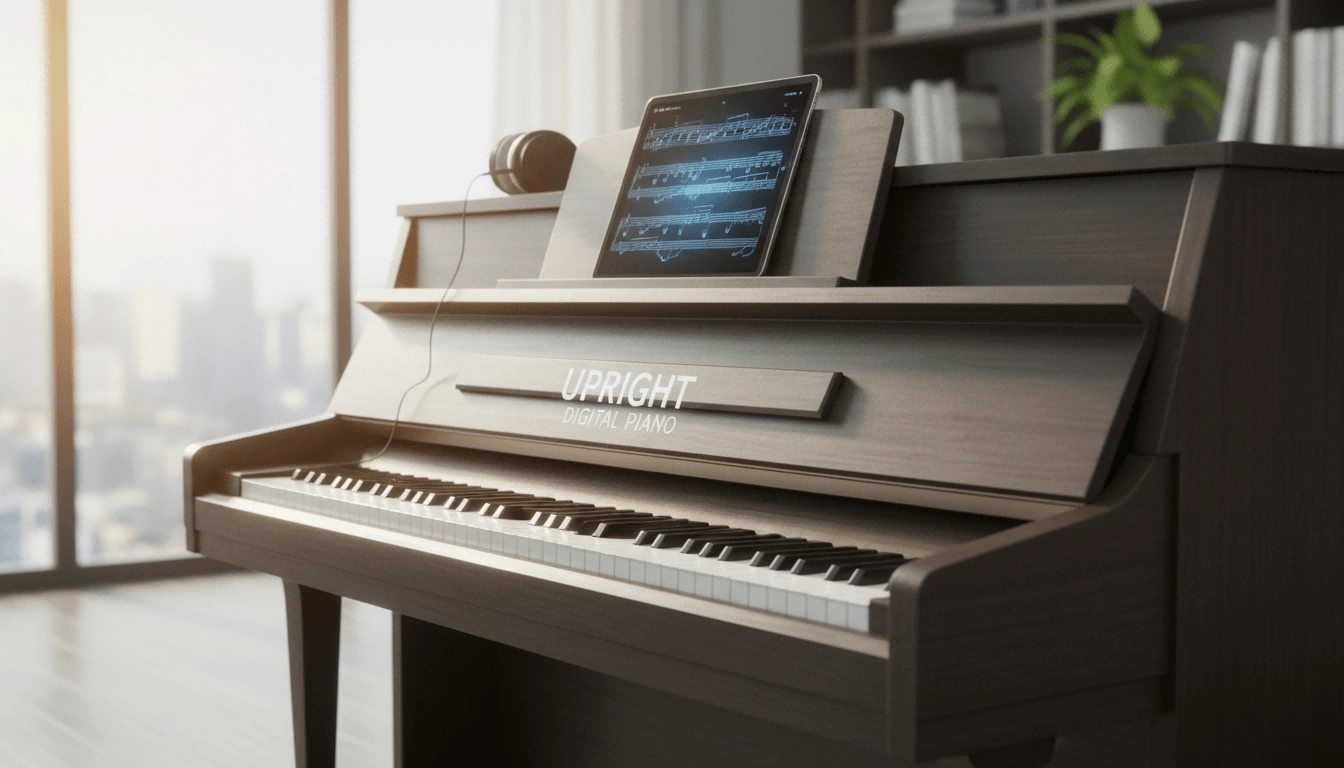
The Definitive Guide to Upright Digital Pianos: Blending Timeless Elegance with Modern Innovation in 2026
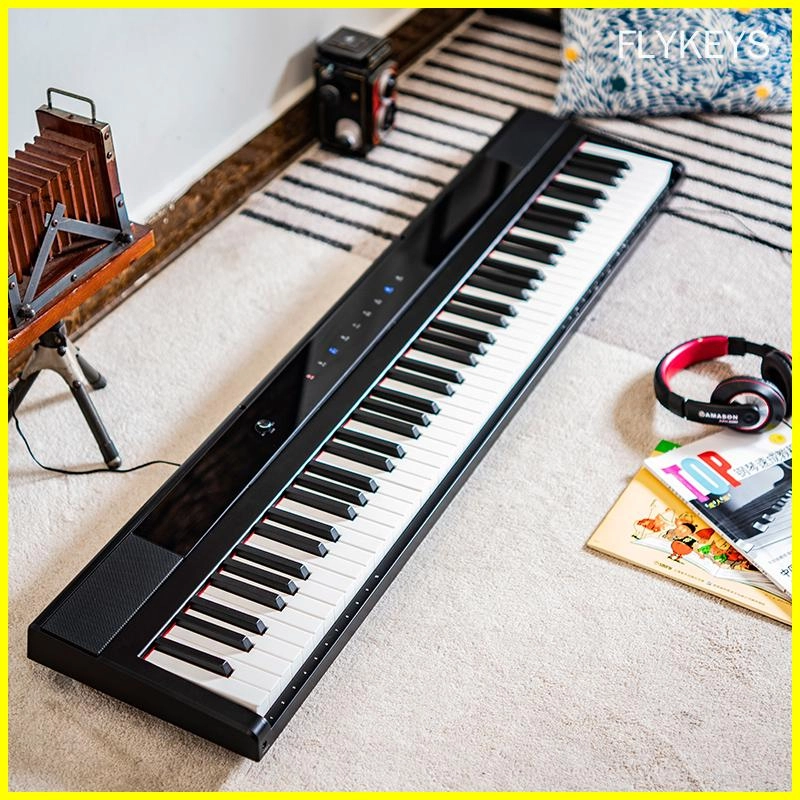
Best-Rated Electronic Pianos for Beginners in 2026: What to Buy and Why
Products
What products do you have?
We offer a diverse range of products, including digital portable piano, digital upright piano, digital grand piano, electronic drum set, piano silent system, audio equipment, interactive whiteboard, advertising machines, Smart TV, Touch Screen,etc.
Can I connect your electronic pianos to external devices?
Yes, our electronic pianos are equipped with connectivity options such as MIDI, USB, and Bluetooth for seamless integration with external devices.
Company
Does your company have any sustainability initiatives?
Yes, we are dedicated to sustainability and continuously strive to minimize our environmental footprint through responsible manufacturing practices.
Customization
Can I request additional features to be added to a standard model?
Yes, we offer customization services to accommodate specific feature requests, subject to feasibility and additional charges.
Payment
What payment methods do you accept?
We accept payment methods such as T/T and L/C.
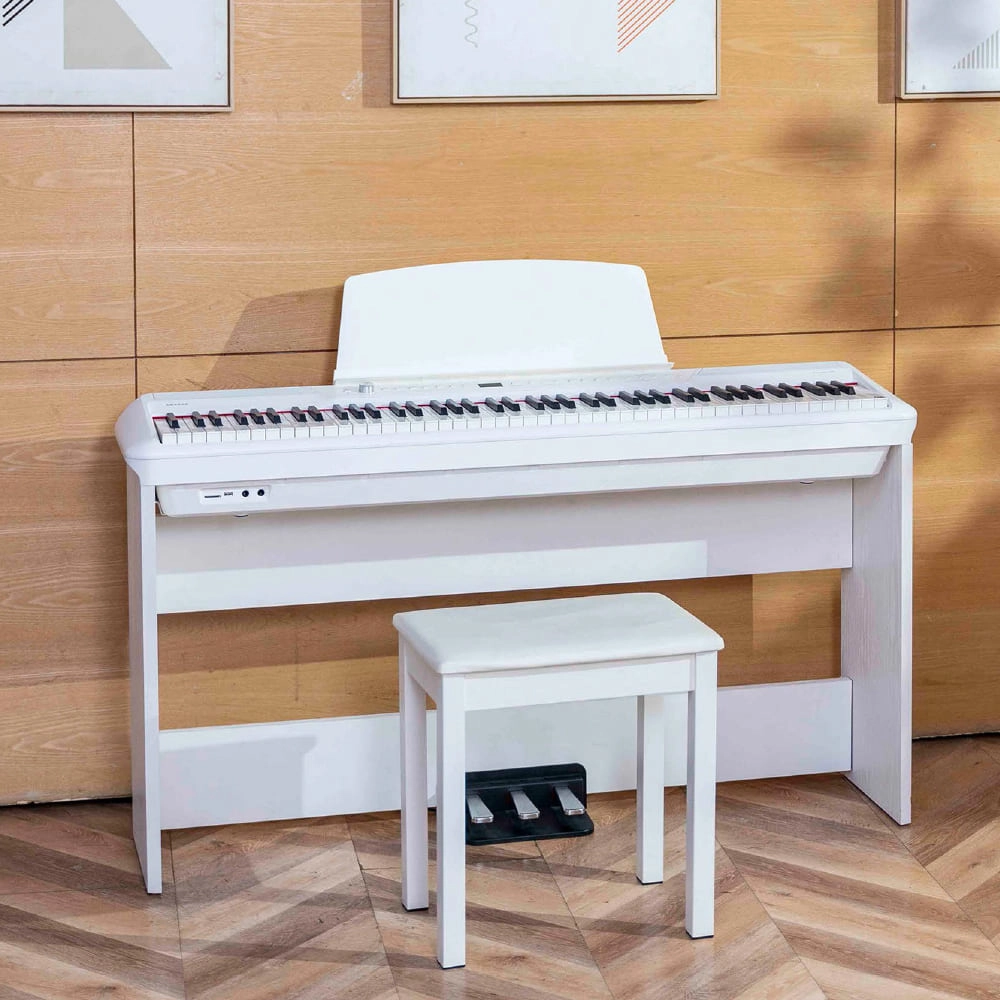
Flykeys Portable Electric Keyboard FP9 Digital Piano
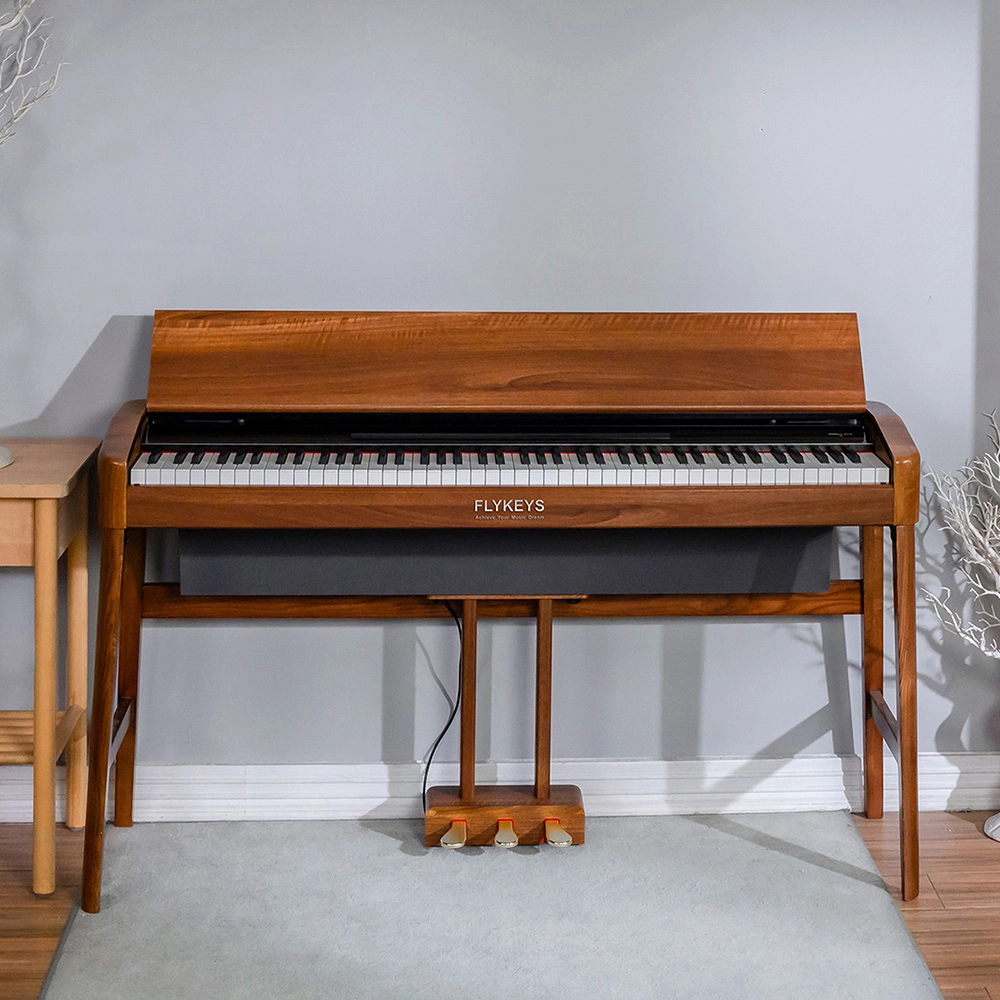
Flykeys Wooden Panel Piano Original Italian Imported Hammer Action Keyboard SK3 Digital Piano
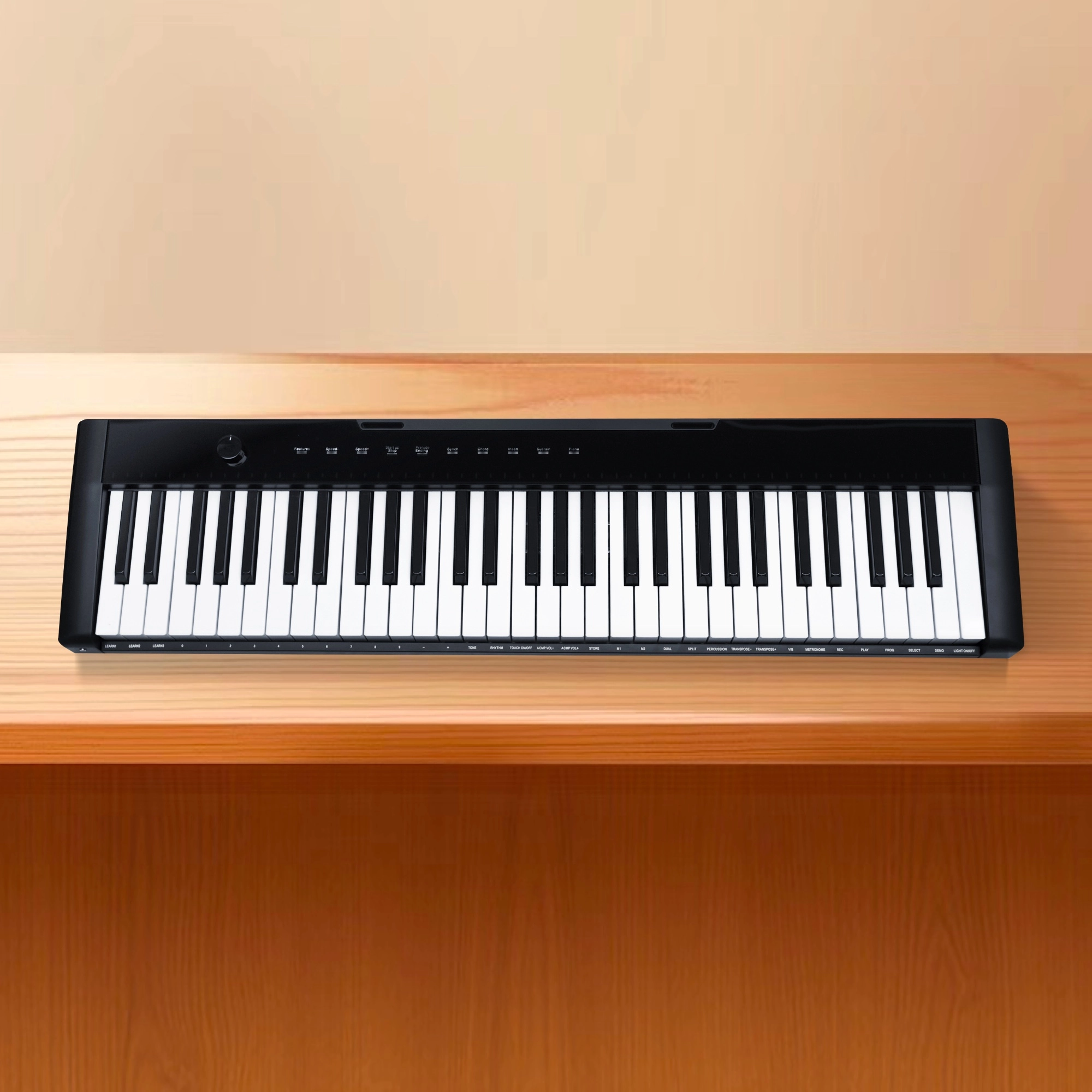
Flykeys 61 keys portable electronic keyboard piano with X stand (M2)
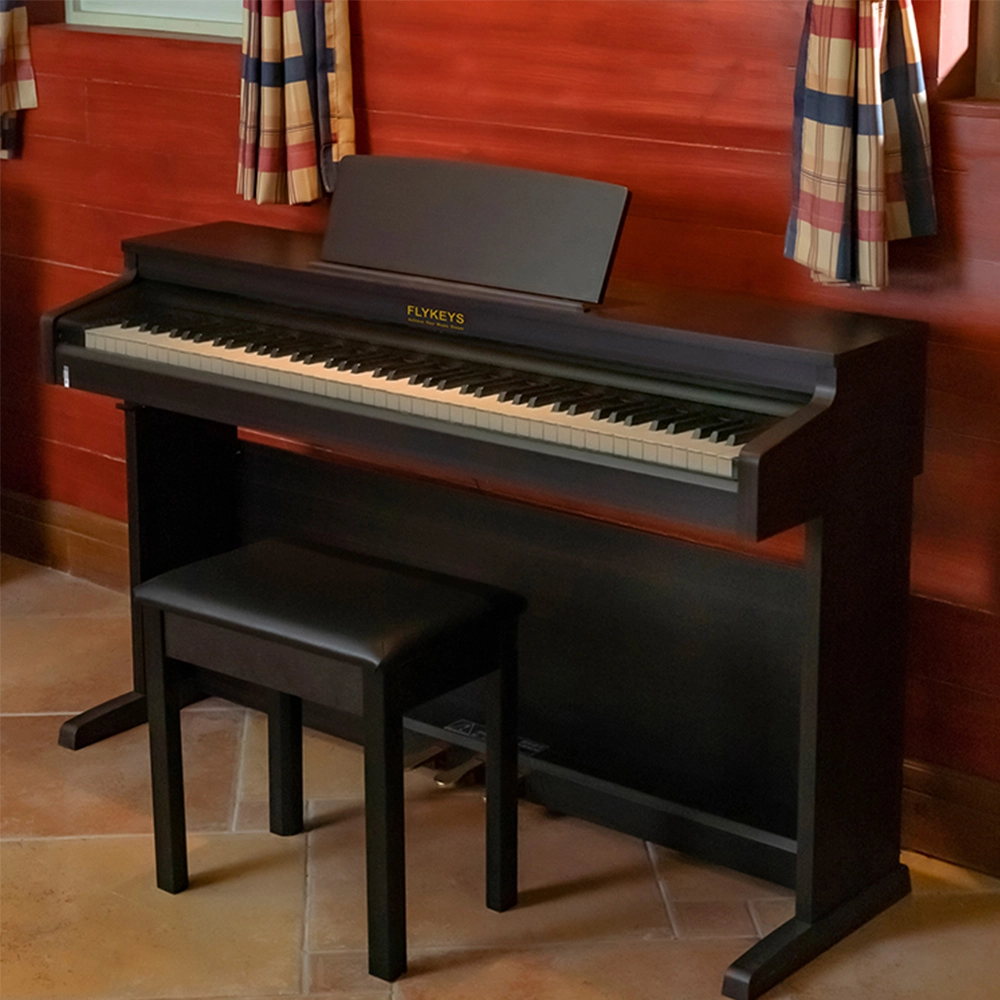
Flykeys Upright Electric Piano Built-In Speakers Music Instrument FD05 Digital Piano
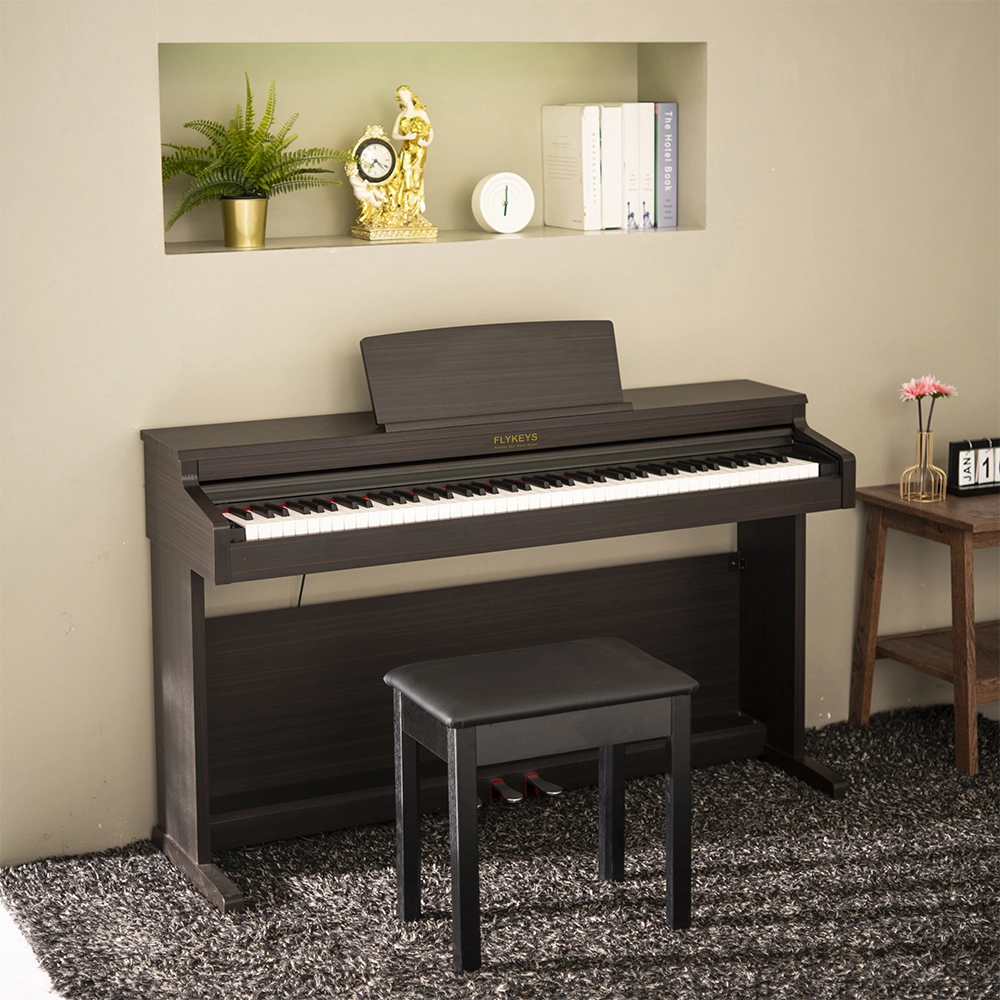
Flykeys 88 Keys Hammer Action keyboard Upright Piano LK03S Digital Piano
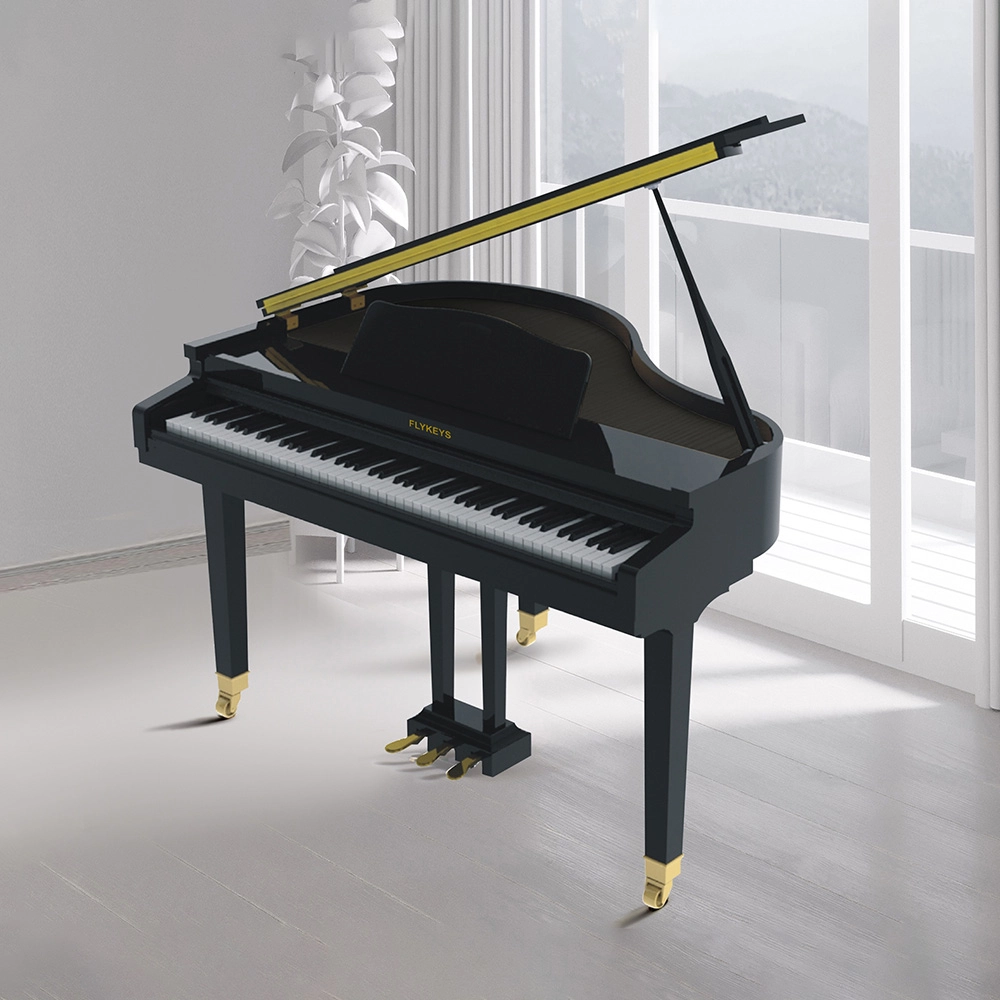
Flykeys 88 Keys Professional Digital Grand Piano Hammer Action Keyboard FGP110 Digital Piano
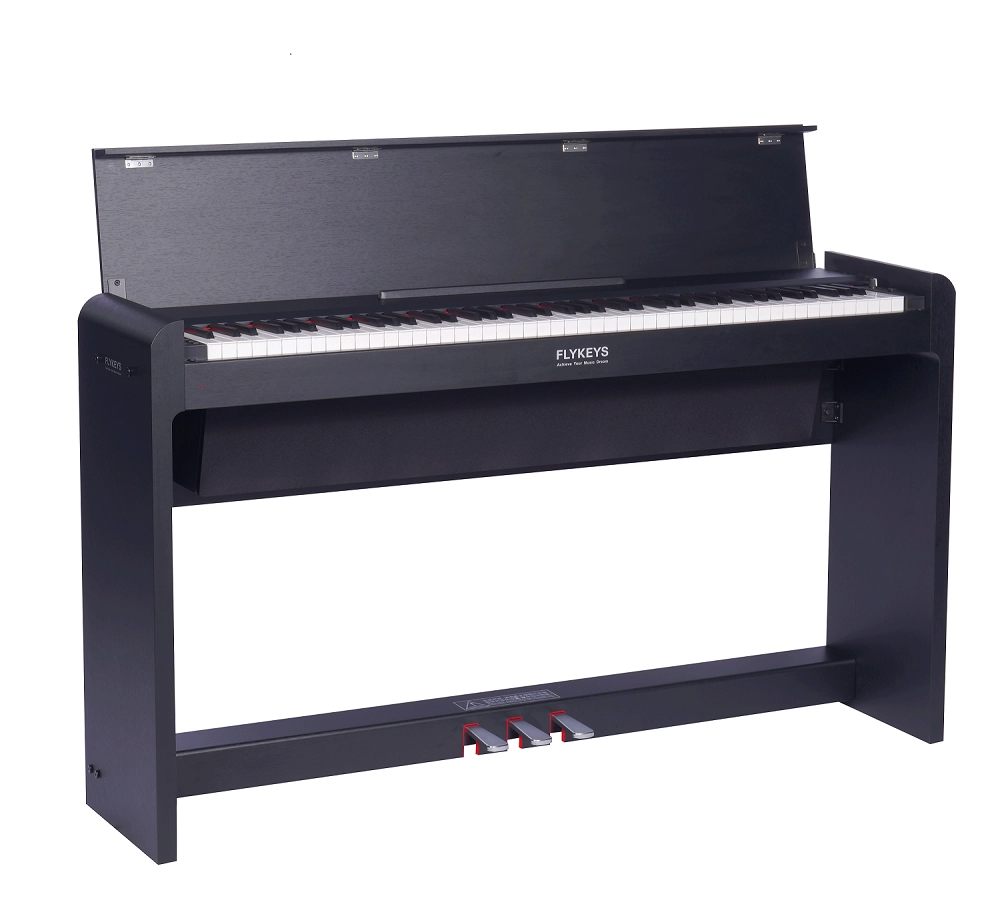
FLYKEYS FDP 5 Digital Piano
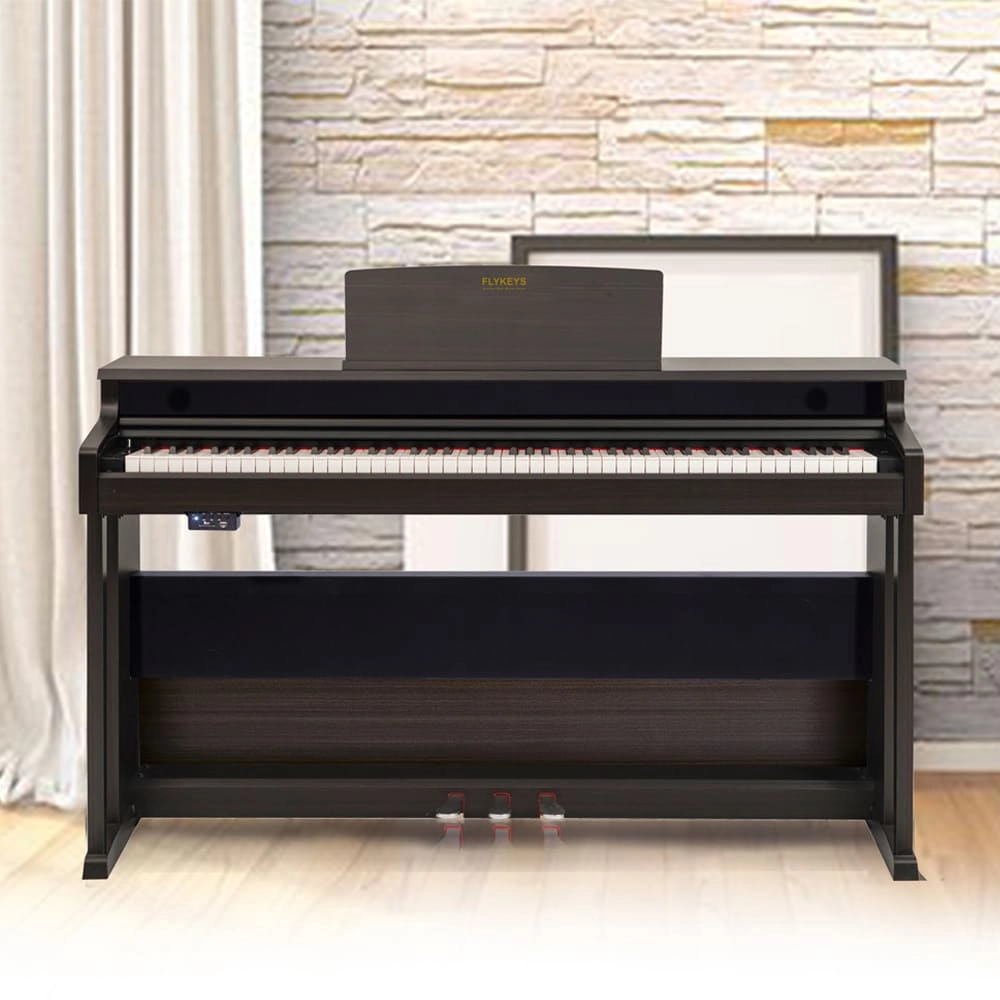
Flykeys Upright Piano Wooden Panel 88 KEYS Piano FK130 Digital Piano
Get in touch with us
Have a question or inquiry about our digital pianos products? Leave us a message here and our team will get back to you promptly within 24 hours.
Whether you're interested in custom orders, technical specifications, or partnership opportunities, we're here to assist you.
Rest assured that your privacy is important to us, and all information provided will be handled with the utmost confidentiality.
Address: No. 38 Xiangshan Avenue, Zengcheng Economic And Technological Development Zone, Guangzhou, China.
FOLLOW US:


© 2026 FLYKEYS All Rights Reserved. 粤 ICP备2020102774号. Designed by gooeyun. Sitemap | Privacy | Terms