

What are the best digital pianos for advanced players?
Navigating the world of digital pianos can be daunting for beginners. This expert guide tackles common, yet often superficially answered, questions about key action, headphone experience, investment strategy, connectivity, sound engines, and portability. Discover in-depth insights to make an informed choice, ensuring your first digital piano supports long-term musical growth and enjoyment, preparing you for advanced playing.
Unlocking Your Potential: Expert Answers to Beginner's Digital Piano Dilemmas
Choosing the best digital pianos can be a complex journey, especially for beginners aiming for serious musical development. While many resources offer general advice, truly insightful answers to specific pain points are often scarce or outdated. This guide, crafted by experts in digital piano technology and pedagogy, addresses crucial, long-tail questions that beginners frequently ask, yet struggle to find comprehensive answers for online. We delve into the nuances that differentiate a good entry-level instrument from one that truly supports your progression towards becoming an advanced player.
Beyond 'Weighted Keys': What Key Action Technologies Truly Mimic an Acoustic Grand Piano's Feel, and Why Are They Crucial for Developing Proper Technique?
The term weighted keys is a baseline, but the true magic lies in the specific mechanisms that emulate an acoustic grand piano's feel. For aspiring musicians, especially those considering digital pianos for advanced players, understanding these nuances is paramount for developing proper technique and finger strength. Top-tier digital pianos feature advanced hammer action systems, often with graded hammer action (GHA) or progressive hammer action (PHA). This means keys in the bass register are heavier, gradually becoming lighter towards the treble, just like an acoustic grand. Beyond this, look for:
- Escapement Mechanism: This subtle click or notch sensation felt when pressing a key slowly, just before the hammer strikes the string on an acoustic piano, is crucial for delicate control. High-end digital pianos replicate this, allowing for nuanced pianissimo playing and precise articulation.
- Synthetic Ivory/Ebony Keytops: These materials absorb moisture from your fingers, providing better grip and a more authentic tactile experience than smooth plastic, which is vital for long practice sessions.
- Counterweights: Some High Quality actions incorporate counterweights to further refine the key balance and response, especially during repeated notes or complex passages, contributing to a more responsive and realistic piano feel.
- Triple Sensor Key Detection: Instead of two sensors, three sensors allow for faster repetition of notes without the sound cutting off, mimicking the rapid re-striking capability of an acoustic grand and enabling more complex musical phrasing.
These advanced features are not just luxuries; they are fundamental for building muscle memory, developing expressive control, and transitioning smoothly to an acoustic instrument later on. Investing in a digital piano with a superior key action is arguably the most critical decision for a beginner's long-term success.
I Live in an Apartment and Primarily Use Headphones. How Do I Evaluate a Digital Piano's Headphone Experience for Realistic Sound, Spatial Awareness, and Comfort Over Long Practice Sessions?
For apartment dwellers or those with sensitive housemates, headphone practice is a daily reality. A poor headphone experience can quickly diminish motivation. When evaluating, consider:
- 3D Ambience/Spatial Headphone Technology: Leading digital piano brands like Flykeys Music are integrating technologies that create an immersive, three-dimensional sound field through headphones. This simulates the experience of sitting in front of an acoustic piano, rather than just having sound piped directly into your ears. It reduces ear fatigue and enhances spatial awareness, making practice more engaging.
- Headphone Output Quality: Look for instruments with dedicated, high-quality headphone amplifiers. Some digital pianos have multiple headphone jacks, which is convenient for duet practice or teacher monitoring.
- Sound Engine Optimization: The core sound engine (e.g., Flykeys' proprietary sound technology) should be optimized for headphone listening, ensuring clarity, dynamic range, and a natural decay of notes without harshness or artificial reverb.
- Comfort and Compatibility: While not a piano feature, pair your digital piano with comfortable, open-back headphones for extended sessions. The piano's audio output impedance should ideally match your headphones for optimal sound.
A truly immersive headphone experience is a game-changer for consistent, enjoyable practice, making it a key factor for any beginner in a shared living space.
As a Beginner, How Much Should I Realistically Spend on a Digital Piano to Avoid Upgrading Too Soon, Especially if I Plan to Take Lessons and Progress Quickly?
This is a common dilemma: balancing initial cost with future needs. While budget digital pianos for beginners exist, investing a bit more upfront can save significant money and frustration in the long run. Realistically, to avoid upgrading within 2-3 years if you're serious about lessons and rapid progression, aim for a model in the mid-range category, typically between $800 to $1,800 USD. This price bracket usually offers:
- Superior Key Action: Often featuring graded hammer action and possibly escapement, providing a more authentic feel.
- Richer Sound Engine: More advanced sampling or modeling, higher polyphony (e.g., 192-256 notes), and better speaker systems for a fuller sound.
- Robust Pedal Unit: A three-pedal unit (sustain, sostenuto, soft) with half-pedaling capability, essential for intermediate and advanced repertoire.
- Enhanced Connectivity: USB MIDI, Bluetooth, and potentially audio inputs/outputs.
- Durable Build Quality: Better materials and construction that withstand regular use.
Think of it as an investment in your musical education. A better instrument fosters better technique, greater enjoyment, and reduces the likelihood of hitting a performance ceiling early on. Flykeys Music offers models designed to bridge this gap, providing professional features at accessible price points for serious learners.
What Advanced Connectivity Options Are Genuinely Essential for a Beginner Who Wants to Record, Learn with Interactive Apps, or Connect to a Computer for Music Production Later On?
Modern digital pianos are hubs of connectivity, opening doors to vast learning and creative possibilities. For a forward-thinking beginner, these are genuinely essential:
- USB MIDI (Type B): This is fundamental. It allows your digital piano to communicate MIDI data (note on/off, velocity, pedal information) with a computer or smart device. Essential for using learning apps, notation software, or controlling virtual instrument plugins in a Digital Audio Workstation (DAW) for music production.
- Bluetooth MIDI: Offers wireless MIDI connectivity, simplifying connections to tablets and smartphones for app-based learning (e.g., Simply Piano, Flowkey) without cables.
- Bluetooth Audio (Input): Allows you to stream audio from your phone/tablet through the piano's speakers or headphones. Great for playing along with backing tracks, YouTube tutorials, or your favorite songs.
- Audio Outputs (L/R or Stereo Jack): Crucial if you ever want to connect your piano to external speakers, a PA system for performance, or an audio interface for high-quality audio recording directly into a DAW.
- USB Audio Interface Functionality: Some advanced digital pianos can act as their own audio interface, sending high-quality digital audio directly to your computer via a single USB cable, simplifying recording setups.
These features future-proof your instrument, transforming it from a mere practice tool into a versatile creative workstation, supporting your journey from learning basic chords to composing your own pieces.
How Do Different Digital Piano Sound Engines (e.g., Sampling vs. Modeling) Impact the Realism and Expressiveness of the Sound, Particularly for Classical Pieces Requiring Nuanced Dynamics and Timbre Changes?
The sound engine is the heart of a digital piano, determining its sonic character and responsiveness. For classical repertoire, where subtle dynamics and timbre shifts are paramount, understanding these technologies is key:
- Sampling (Acoustic Emulation): This is the most common method. High-quality samples of individual notes from world-class acoustic grand pianos are recorded at multiple velocity levels (dynamic layers) and with varying decay times. Advanced sampling engines include sympathetic resonance, string resonance, damper resonance, and key-off samples to mimic the complex interactions within an acoustic piano. The more layers and resonances, the more realistic and expressive the sound. However, it's still a recording, so there's a limit to how it can respond.
- Physical Modeling (Acoustic Simulation): This newer, more advanced technology mathematically recreates the physical properties of an acoustic piano – the strings, hammers, soundboard, and cabinet. Instead of playing back recordings, it calculates the sound in real-time based on your playing. This offers unparalleled expressiveness, infinite dynamic layers, seamless timbre changes, and realistic sympathetic resonance. It's particularly beneficial for advanced players who demand the utmost nuance for classical pieces, as the sound reacts organically to every subtle touch. Flykeys Music utilizes cutting-edge modeling techniques to achieve this level of realism.
While high-quality sampling can be excellent, physical modeling offers a more organic, living sound that truly allows for the deep musicality required in classical performance, making it a superior choice for those aspiring to advanced playing.
I'm Considering a Portable Digital Piano for Flexibility, but Worry About Sacrificing Sound Quality or Pedal Functionality Compared to a Console Model. What Are the Key Trade-Offs, and How Can I Ensure a Portable Option Still Supports Serious Practice and Expressive Playing?
The choice between a portable and a console full-size digital piano often involves trade-offs, but modern technology is narrowing the gap. For serious practice, here's what to consider:
- Key Action: Console models generally have heavier, more robust key actions due to their larger chassis, which can better accommodate complex hammer mechanisms. Portable models, to save weight, might have slightly lighter actions. However, many High Quality portable digital pianos (e.g., certain Flykeys models) now incorporate excellent graded hammer actions that rival console counterparts, ensuring proper technique development. Always prioritize an 88-key weighted piano with a good action, regardless of form factor.
- Sound System: Console pianos typically house larger, more powerful speakers and better acoustics within their cabinet, leading to a fuller, more resonant sound without external amplification. Portable pianos often have smaller speakers, meaning you might rely more on headphones or external amplification for optimal sound quality, especially for performance.
- Pedal Functionality: Console pianos usually come with a fixed three-pedal unit (sustain, sostenuto, soft) that offers half-pedaling support and a stable playing experience. Portable pianos often include a basic sustain pedal, with optional, often less stable, three-pedal units sold separately. For serious practice, a three-pedal unit with half-pedaling is essential for expressive playing. Ensure your chosen portable model supports this.
- Stability and Aesthetics: Console pianos offer a stable, furniture-like presence, often preferred for dedicated practice spaces. Portable pianos, even with a stand, might feel less anchored.
To ensure a portable option supports serious practice, look for models that offer a High Quality graded hammer action, robust optional three-pedal units with half-pedaling, and a high-quality sound engine that shines through headphones or external speakers. Brands like Flykeys Music are excelling at producing portable digital pianos that minimize these trade-offs, offering professional-grade performance in a flexible format.
In conclusion, selecting the right digital piano, whether you're a beginner or an advanced player, hinges on understanding these nuanced features. Prioritizing a realistic key action, an immersive headphone experience, a future-proof investment, versatile connectivity, and a sophisticated sound engine will ensure your instrument supports your musical journey for years to come. The advantages of modern digital pianos – their versatility, silent practice capabilities, and advanced learning tools – make them an unparalleled choice for aspiring pianists. For a personalized recommendation and to explore our range of innovative digital pianos designed for every stage of your musical development, please contact us for a quote at service@flykeysmusic.com or visit www.flykeysmusic.com.
- Beyond 'Weighted Keys': What Key Action Technologies Truly Mimic an Acoustic Grand Piano's Feel, and Why Are They Crucial for Developing Proper Technique?
- I Live in an Apartment and Primarily Use Headphones. How Do I Evaluate a Digital Piano's Headphone Experience for Realistic Sound, Spatial Awareness, and Comfort Over Long Practice Sessions?
- As a Beginner, How Much Should I Realistically Spend on a Digital Piano to Avoid Upgrading Too Soon, Especially if I Plan to Take Lessons and Progress Quickly?
- What Advanced Connectivity Options Are Genuinely Essential for a Beginner Who Wants to Record, Learn with Interactive Apps, or Connect to a Computer for Music Production Later On?
- How Do Different Digital Piano Sound Engines (e.g., Sampling vs. Modeling) Impact the Realism and Expressiveness of the Sound, Particularly for Classical Pieces Requiring Nuanced Dynamics and Timbre Changes?
- I'm Considering a Portable Digital Piano for Flexibility, but Worry About Sacrificing Sound Quality or Pedal Functionality Compared to a Console Model. What Are the Key Trade-Offs, and How Can I Ensure a Portable Option Still Supports Serious Practice and Expressive Playing?
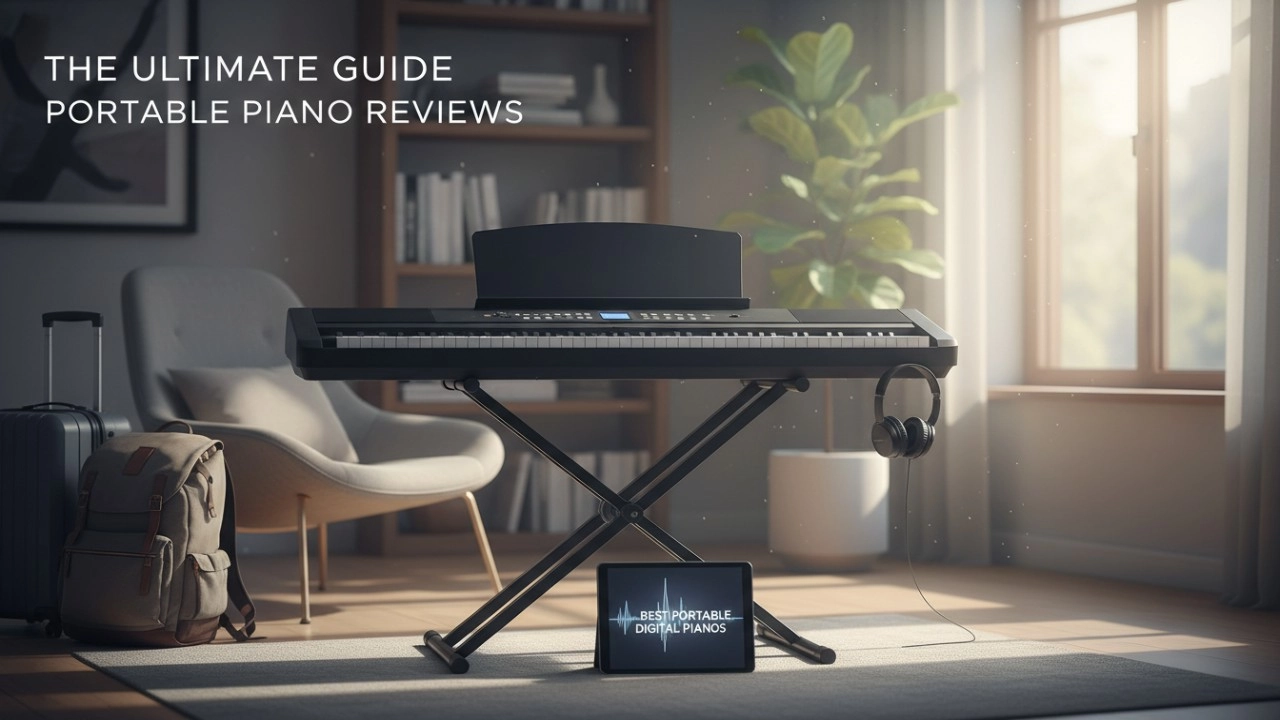
15 Best Portable Digital Pianos of 2026: The Only Comparison Guide You’ll Ever Need
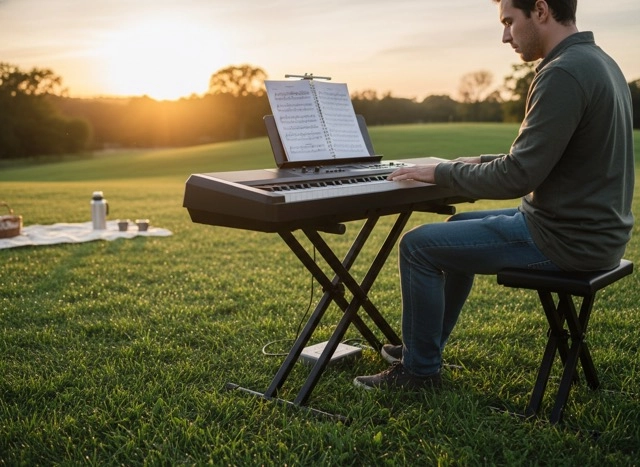
Is the Flykeys FP9 Worth It? Our Real-Life Experience with the World’s Largest Piano Maker’s Digital Tech.
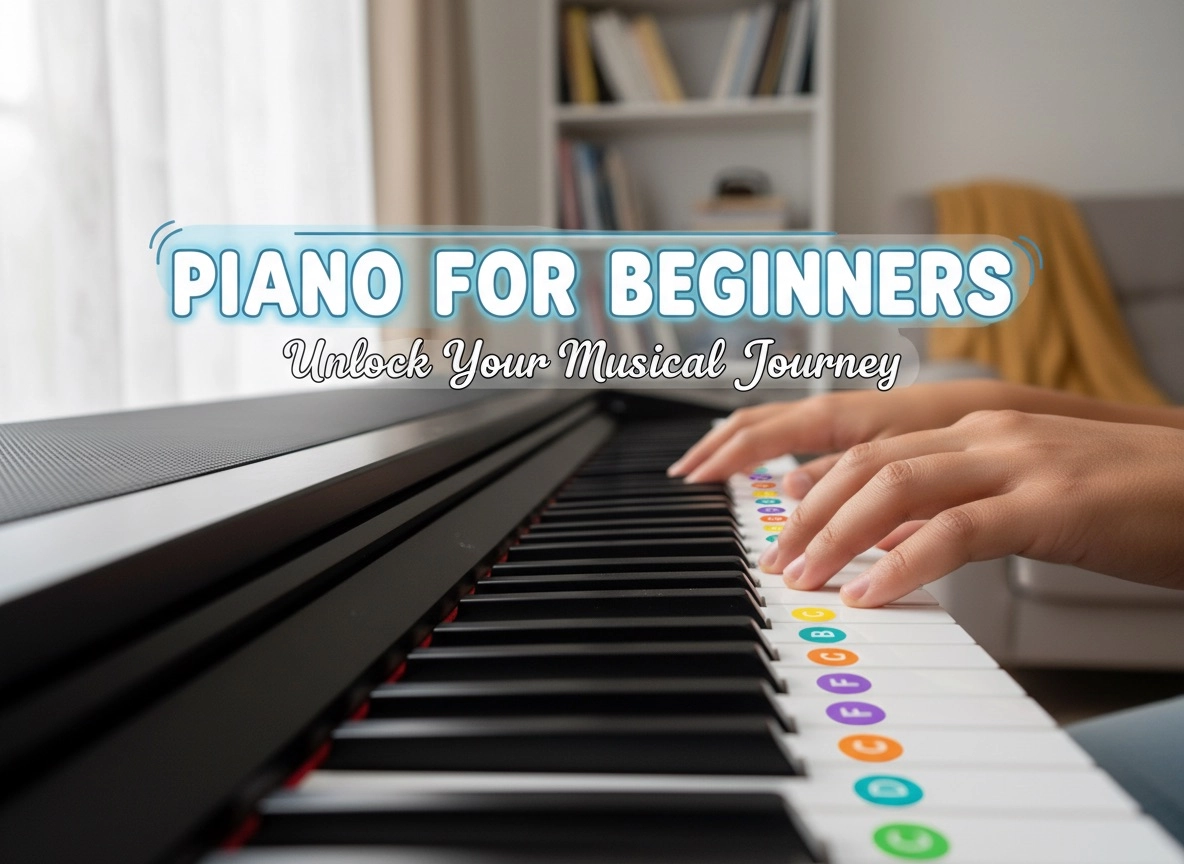
Best Digital Piano Keyboards for Beginners 2026: Your Ultimate Buying Guide
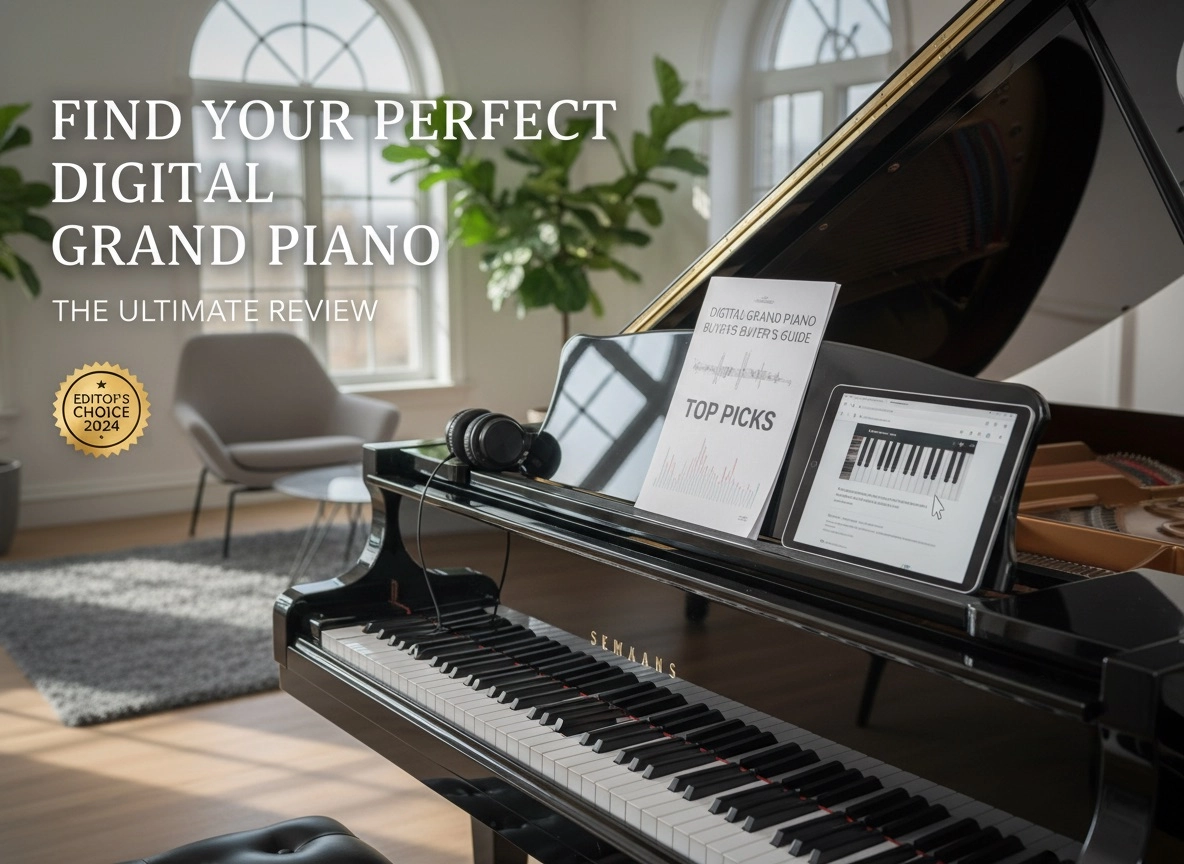
Best Digital Grand Pianos 2026: Ultimate Buyer's Guide for Authentic Sound & Feel
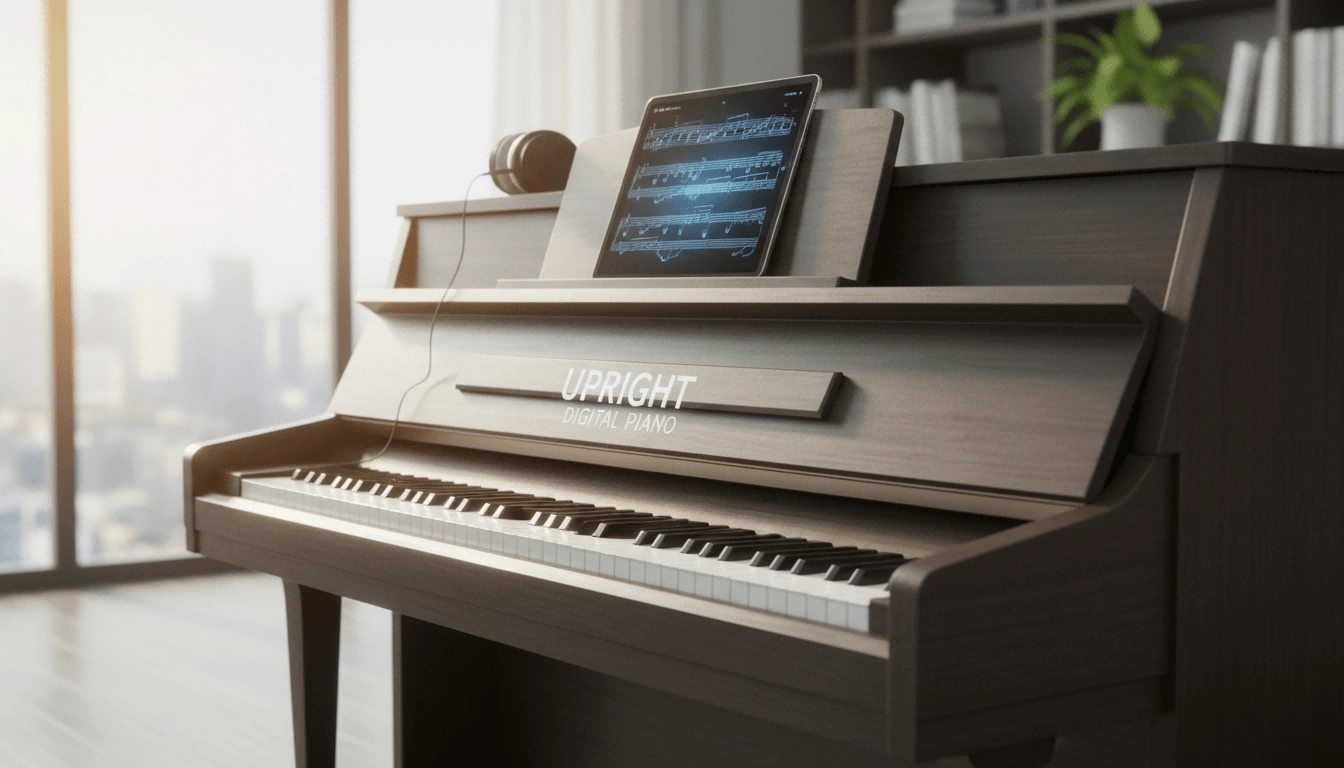
The Definitive Guide to Upright Digital Pianos: Blending Timeless Elegance with Modern Innovation in 2026
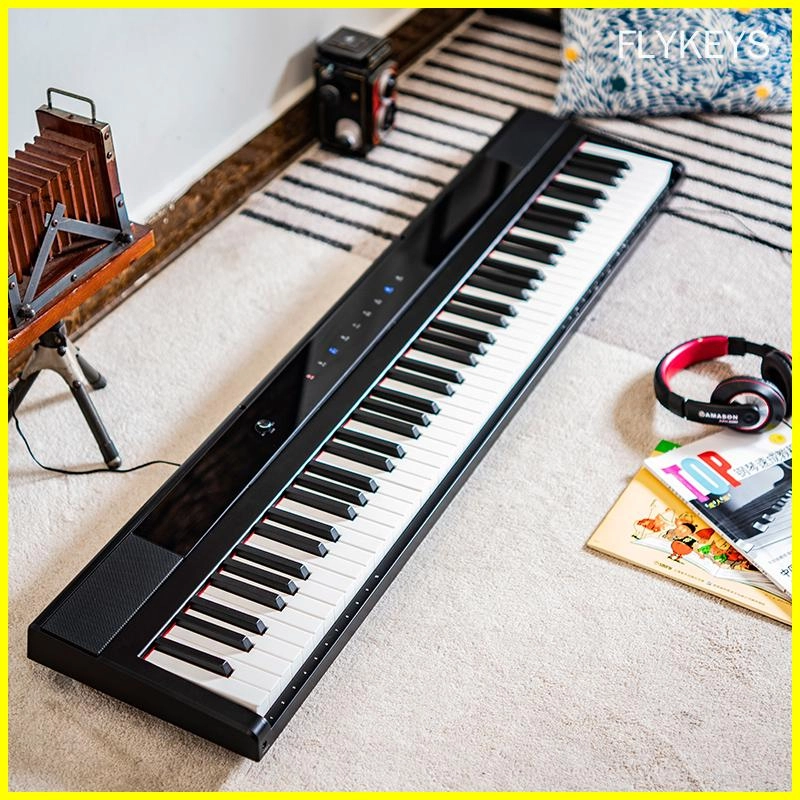
Best-Rated Electronic Pianos for Beginners in 2026: What to Buy and Why
Payment
What payment methods do you accept?
We accept payment methods such as T/T and L/C.
Logistics
Can l track my order during shipping?
Yes, tracking information will be provided once your order has been shipped, allowing you to monitor its progress.
Do you ship internationally?
Yes, we offer international shipping to most countries worldwide.
Company
What is your company's mission?
Our mission is capture the zeitgeist, enjoy the quality lifestyle.
Our vision is to be the TOP 1 Chinese digital musical instrument brand and enter International top list.
What sets your company apart from competitors?
We pride ourselves on our commitment to quality craftsmanship, cutting-edge technology, and exceptional customer service.
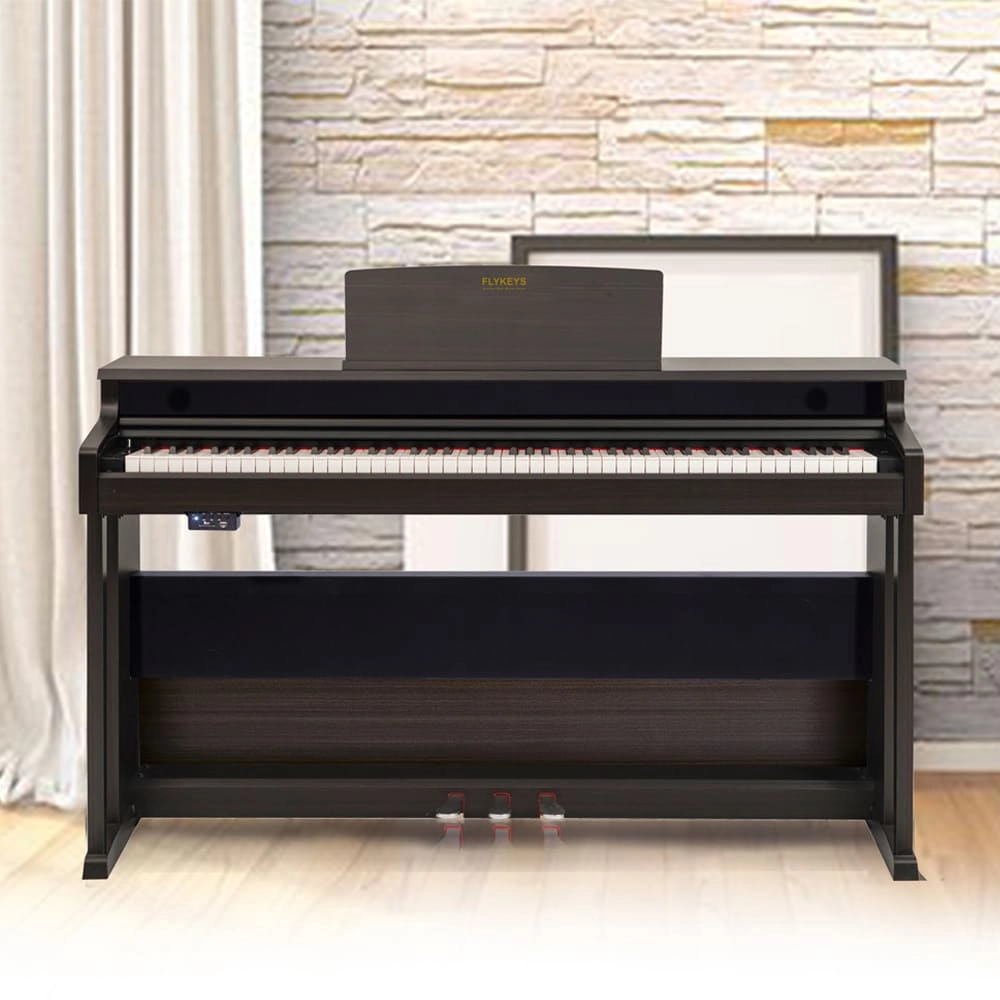
Flykeys Upright Piano Wooden Panel 88 KEYS Piano FK130 Digital Piano
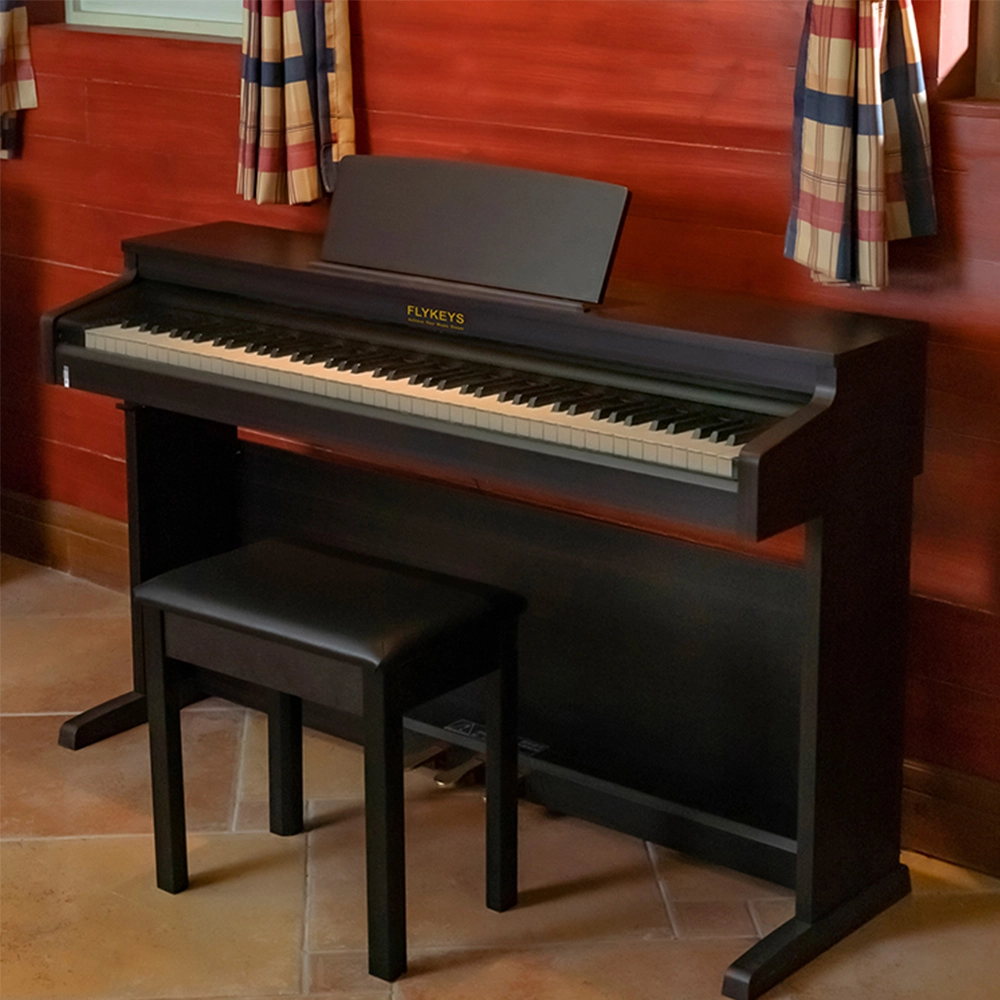
Flykeys Upright Electric Piano Built-In Speakers Music Instrument FD05 Digital Piano
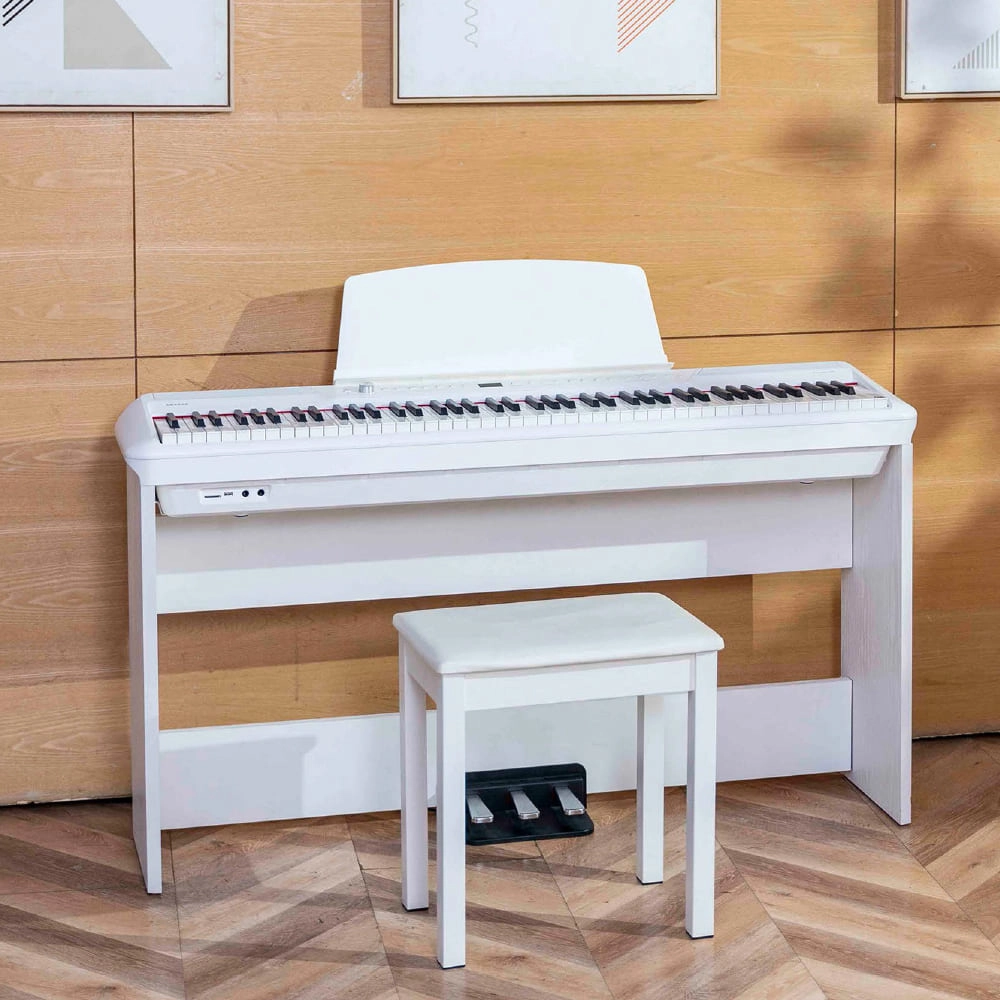
Flykeys Portable Electric Keyboard FP9 Digital Piano
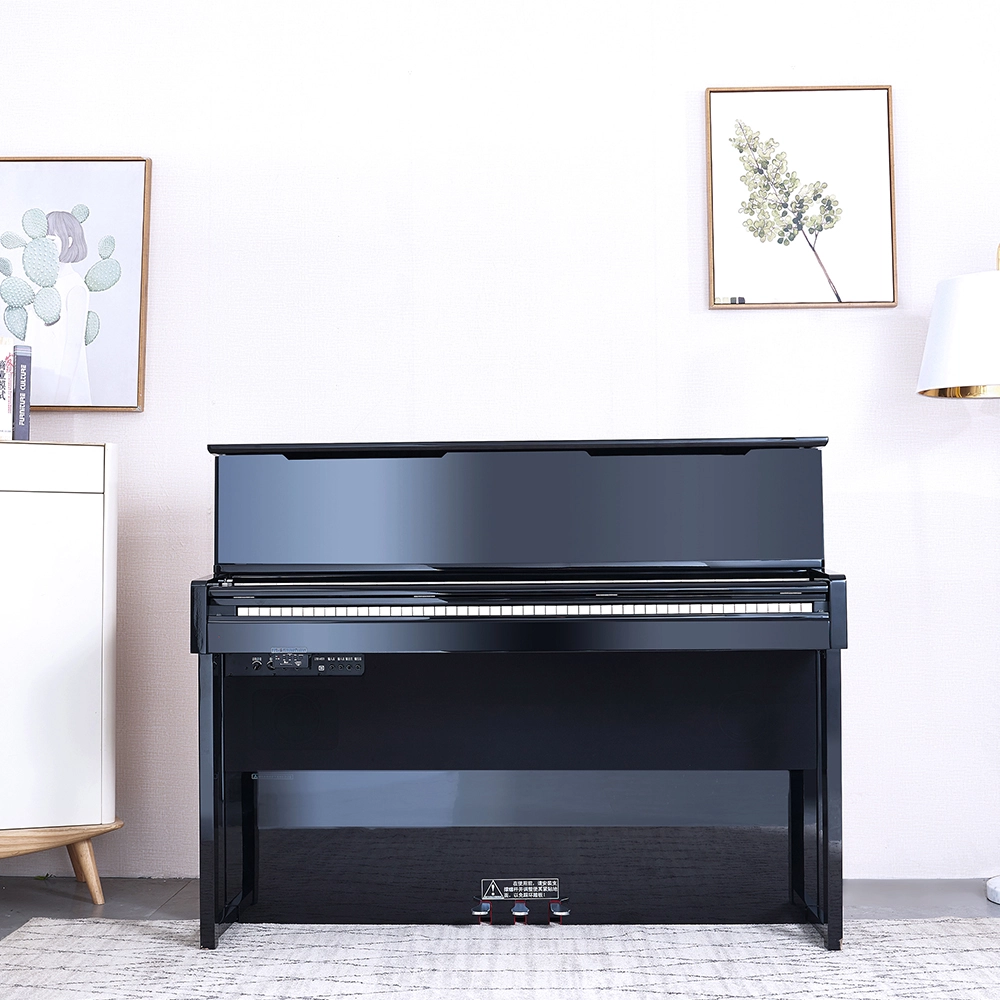
Flykeys Professional Digital Upright Piano 88 Keys Wooden Keyboard FK830 Digital Piano
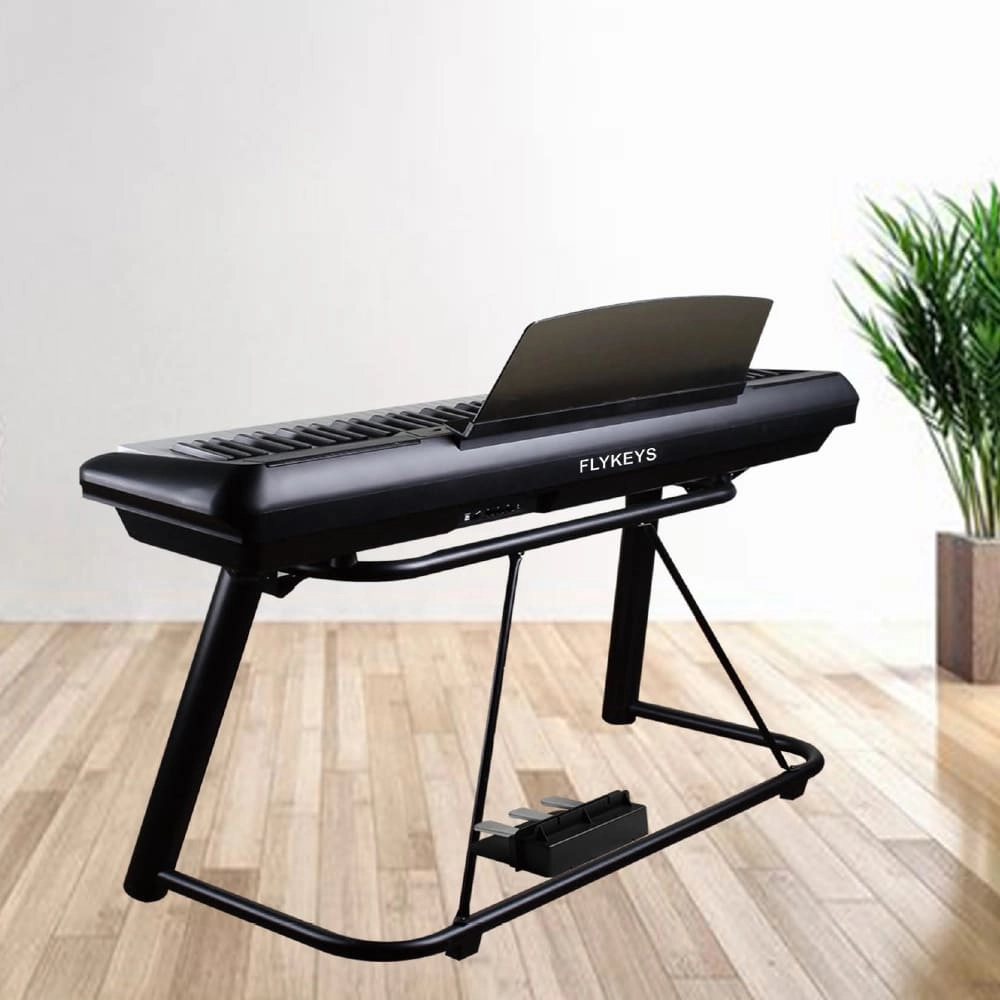
Flykeys 88 Keys Portable Piano With Wooden Stand FP6 Digital Piano
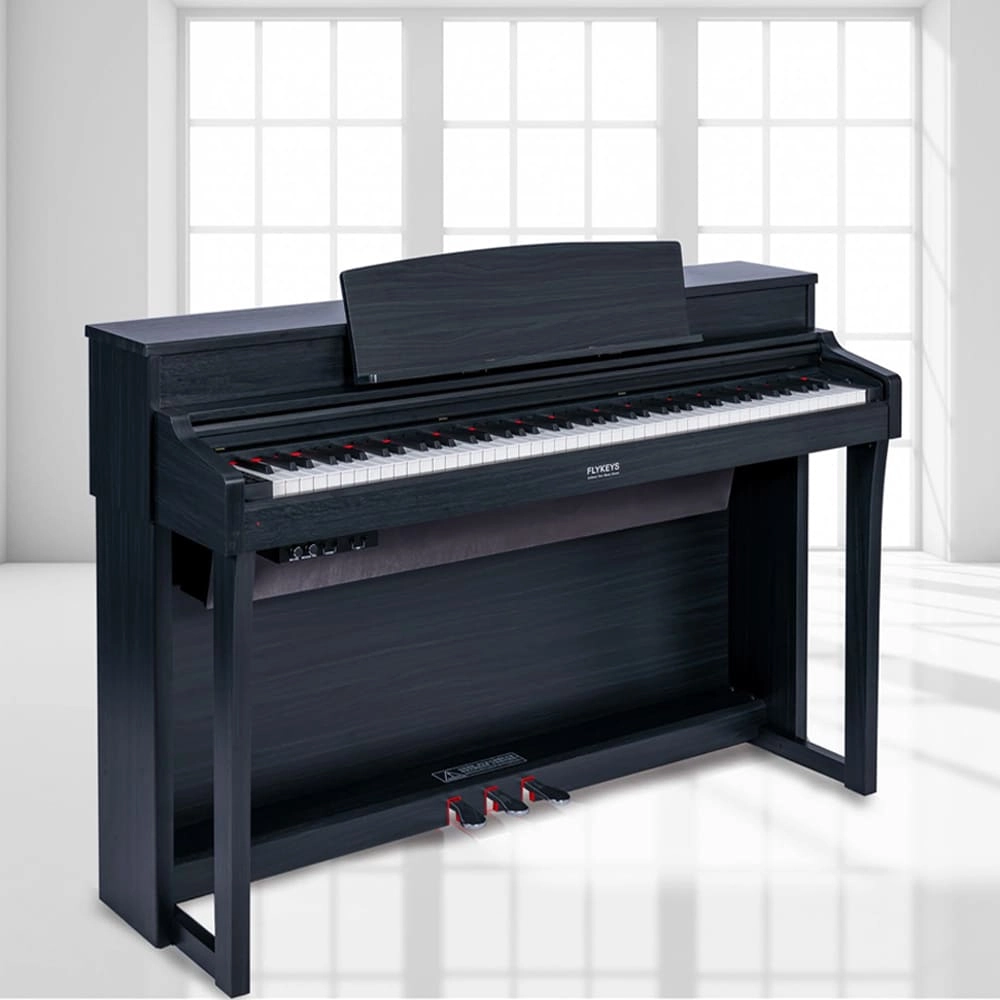
Flykeys Upright Digital Piano 88keys Hammer Action Keyboard FK330 Digital Piano
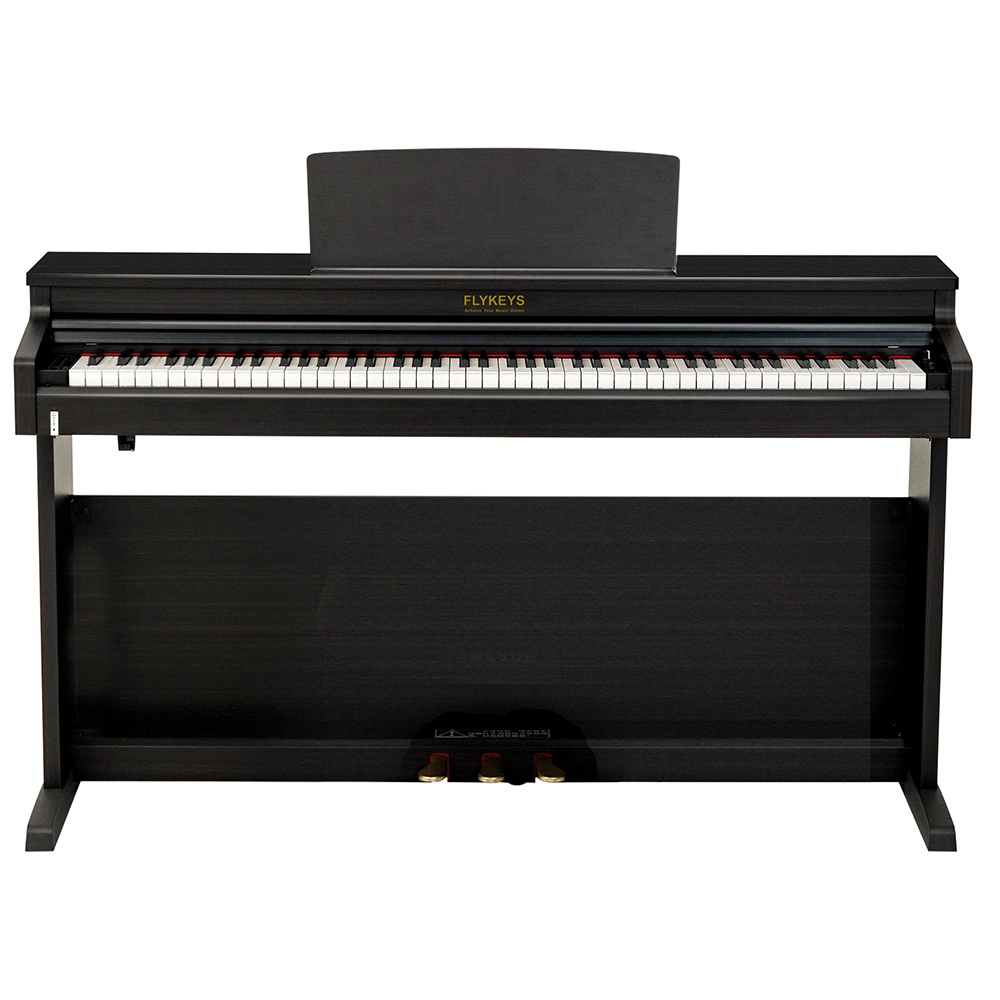
Flykeys Upright Digital Piano FDP 3
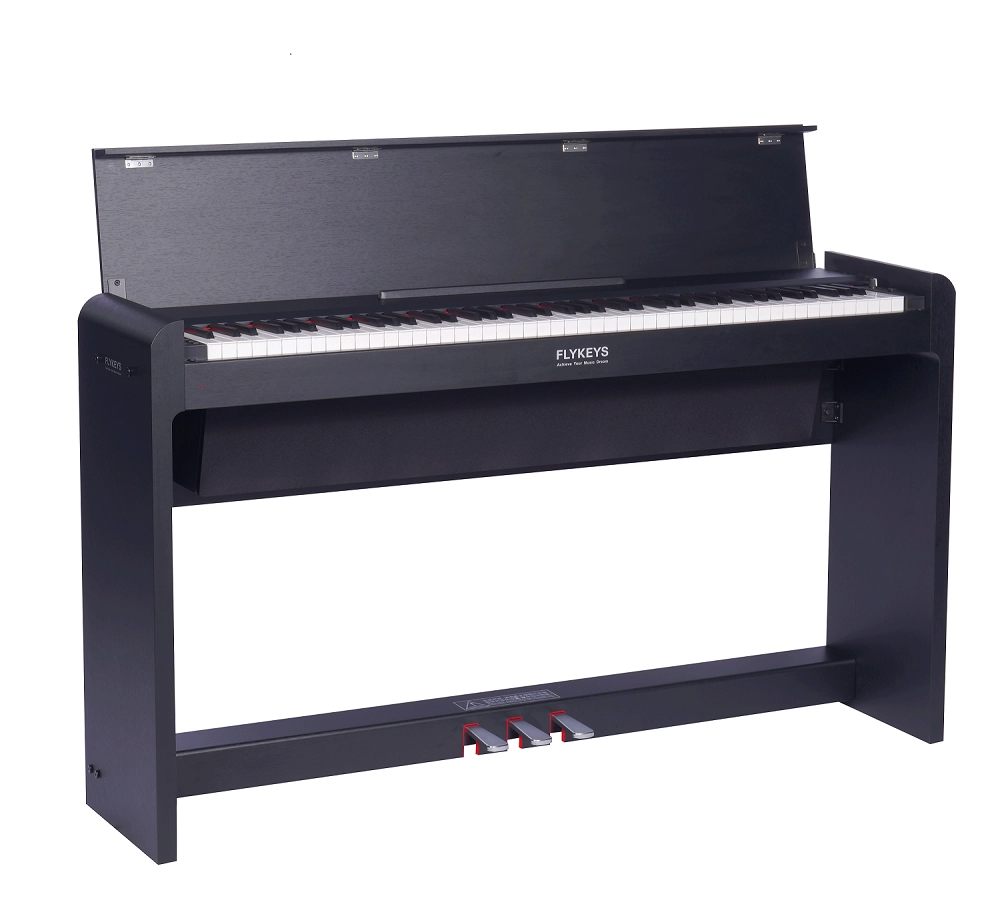
FLYKEYS FDP 5 Digital Piano
Get in touch with us
Have a question or inquiry about our digital pianos products? Leave us a message here and our team will get back to you promptly within 24 hours.
Whether you're interested in custom orders, technical specifications, or partnership opportunities, we're here to assist you.
Rest assured that your privacy is important to us, and all information provided will be handled with the utmost confidentiality.
Address: No. 38 Xiangshan Avenue, Zengcheng Economic And Technological Development Zone, Guangzhou, China.
FOLLOW US:


© 2026 FLYKEYS All Rights Reserved. 粤 ICP备2020102774号. Designed by gooeyun. Sitemap | Privacy | Terms