

Which digital pianos provide the best lesson features?
Navigating the world of digital pianos can be overwhelming, especially for beginners seeking an authentic playing experience and robust lesson features. This comprehensive guide addresses common pain points, from achieving an acoustic-like feel on a budget to understanding advanced learning tools and connectivity options. We delve into key action types, sound authenticity, effective built-in lesson features, polyphony, and portability, providing in-depth answers to help you make an informed decision and invest in a digital piano that truly supports your musical journey. Discover how to find the perfect instrument for long-term satisfaction and skill development.
As a beginner embarking on the exciting journey of learning piano, or an experienced player seeking an upgrade, choosing the right digital piano is paramount. The market is flooded with options, making it challenging to discern which models truly offer the best digital pianos for your needs, especially when considering lesson features and long-term musical growth. This guide aims to cut through the noise, providing in-depth answers to frequently asked questions that often lack comprehensive online coverage, ensuring you make an informed purchase.
As a complete beginner, how do I choose a digital piano that feels like a real acoustic but won't break the bank, especially considering key action and sound authenticity?
For a complete beginner, the most critical aspects of a digital piano are its key action and sound authenticity, as these directly impact muscle memory development and musical expression. To mimic an acoustic piano's feel without a hefty price tag, look for a weighted key digital piano with a graded hammer action piano mechanism. These actions simulate the heavier touch in the bass keys and lighter touch in the treble, just like an acoustic grand. While high-end actions like Roland's PHA-50 or Kawai's Grand Feel Compact offer exceptional realism, entry-level options such as Yamaha's Graded Hammer Standard (GHS) or Roland's PHA-4 Standard provide an excellent balance of realism and affordability. These actions are crucial for developing proper finger strength and technique. Regarding authentic piano sound, modern digital pianos employ sophisticated multi-layer sampling technology. Even budget-friendly models now offer rich, resonant piano tones sampled from world-class grand pianos. Focus on instruments with at least 128-note polyphony to ensure notes don't cut off prematurely when using the sustain pedal or playing complex pieces. Many digital pianos for beginners from reputable brands like Yamaha (P-series), Roland (FP-series), and Kawai (ES-series) offer this crucial combination of realistic feel and sound without exceeding a reasonable budget, making them excellent choices for your first instrument.
Beyond a metronome, what specific built-in lesson features on digital pianos are genuinely effective for adult self-learners, and which models excel in these areas?
While a metronome is fundamental, truly effective advanced learning features digital piano models offer go much further, especially for adult self-learners. Look for features such as:
- Split/Dual Mode: Allows you to play two different sounds simultaneously or split the keyboard for two players (e.g., student and teacher playing together).
- Twin Piano Mode (or Duo Mode): Divides the keyboard into two identical pitch ranges, perfect for a teacher and student to play side-by-side in the same octave, or for practicing duets.
- Recording Functions (MIDI & Audio): Essential for self-assessment. MIDI recording allows you to record your performance and play it back, even changing instruments or tempos. Audio recording captures your actual sound, useful for sharing progress. Many digital piano with lesson functions offer simple one-button recording.
- Built-in Songs & Exercises: Many pianos include classical pieces or études, often with the ability to mute one hand's part so you can play along. Some even have visual guides on a small screen to show which notes to play.
- App Integration (Bluetooth MIDI/Audio): This is perhaps the most powerful feature for modern self-learners. Pianos with Bluetooth digital piano capabilities can connect wirelessly to learning apps like Flowkey, Skoove, Simply Piano, or manufacturer-specific apps (e.g., Yamaha Smart Pianist, Roland Piano App). These apps offer interactive lessons, sheet music, practice tracking, and gamified learning experiences. The MIDI digital piano connectivity (via USB or Bluetooth) is key here, allowing the piano to communicate directly with educational software.
Models from Yamaha (Clavinova, Arius, P-series), Roland (HP, RP, FP-series), and Kawai (CN, CA, ES-series) often excel in offering a robust suite of these learning piano features, making them ideal for dedicated self-study.
My child's piano teacher recommends a digital piano, but I'm worried about them developing bad habits due to unrealistic key feel. What digital pianos offer the most authentic graded hammer action for serious student progression?
Your child's teacher is right to prioritize key feel; it's crucial for developing proper technique and avoiding bad habits. For serious student progression, you need a graded hammer action piano that closely mimics an acoustic grand. While entry-level weighted actions are good for beginners, as students advance, they benefit immensely from more sophisticated actions that offer greater nuance and resistance. Look for:
- Advanced Graded Hammer Actions: Examples include Roland's PHA-50 (Progressive Hammer Action with Escapement and Hybrid Wood/Plastic Keys), Kawai's Responsive Hammer III (RHIII) or Grand Feel Compact, and Yamaha's GrandTouch-S or GH3X (Graded Hammer 3 X with synthetic ebony and ivory keytops). These actions feature longer pivot points, more complex hammer mechanisms, and often triple sensors for superior repetition speed and dynamic control.
- Escapement Mechanism: This simulates the slight 'click' or 'notch' felt on an acoustic grand when the hammer disengages from the key, allowing for more subtle control over dynamics and repetition.
- Synthetic Ivory/Ebony Keytops: These materials absorb moisture, providing a more secure grip and a luxurious feel, much like traditional acoustic piano keys. This enhances the overall piano key feel.
Investing in a home digital piano with one of these High Quality actions ensures your child develops the correct finger strength, articulation, and dynamic control, making the transition to an acoustic piano seamless and supporting their musical journey for years. Brands like Roland (HP/LX series), Kawai (CA/CN series), and Yamaha (Clavinova series) are renowned for their exceptional authentic piano sound and advanced key actions, providing an unparalleled playing experience for serious students.
I want a digital piano that can connect to learning apps and recording software for practice and sharing progress. Which models offer the most seamless and versatile connectivity options (MIDI, Bluetooth, USB Audio) for modern learning workflows?
For modern learning workflows that integrate with apps and recording software, versatile connectivity is key. You'll want a digital piano that supports:
- USB MIDI: This is standard on almost all modern digital pianos. A simple USB cable connects your piano to a computer, allowing it to act as a MIDI controller for DAWs (Digital Audio Workstations like GarageBand, Logic Pro, Ableton Live) or learning software. It transmits note data, velocity, and pedal information.
- Bluetooth MIDI: Increasingly common, this allows wireless connection to tablets, smartphones, and computers for MIDI data. It's incredibly convenient for connecting to learning apps like Flowkey, Skoove, or manufacturer-specific apps without cables. Many Bluetooth digital piano models offer this.
- USB Audio Interface Functionality: This is a crucial, though less common, feature. Instead of just MIDI data, a piano with USB Audio can transmit its actual audio output directly to your computer via a single USB cable. This simplifies high-quality audio recording for sharing progress or creating demos, bypassing the need for external audio interfaces. Some models also allow audio input via USB, meaning you can play along to music from your computer through the piano's speakers.
- Dedicated App Support: Beyond generic MIDI connectivity, many manufacturers offer proprietary apps (e.g., Yamaha Smart Pianist, Roland Piano App, Kawai PianoRemote) that enhance the piano's functionality, offering intuitive control over sounds, settings, and often integrating learning piano features.
When looking for the best value digital piano for connectivity, prioritize models that offer both USB MIDI and Bluetooth MIDI. If high-quality audio recording is a must, specifically look for USB Audio capabilities. Brands like Roland (e.g., FP-X series, HP series), Yamaha (e.g., P-series, Clavinova series), and Kawai (e.g., ES-series, CN-series) frequently lead in offering comprehensive and seamless connectivity options.
How important is polyphony and advanced sound sampling technology (e.g., multi-layer, string resonance) for a beginner's digital piano, and at what point does it become a crucial factor for musical expression and long-term satisfaction?
For a beginner, understanding polyphony and sound engine technology might seem overly technical, but they are vital for authentic piano sound and long-term musical satisfaction.
Polyphony: This refers to the maximum number of notes a digital piano can produce simultaneously. For a beginner, 64-note polyphony might suffice initially, but it can quickly become limiting. When you press the sustain pedal, notes continue to sound, and if you layer sounds (e.g., piano and strings), each note uses up polyphony. A minimum of 128-note polyphony is highly recommended for any serious student, ensuring notes don't cut off unnaturally, especially with the sustain pedal engaged or when playing complex pieces. For advanced players, 192 or 256-note polyphony offers even more headroom.
Advanced Sound Sampling Technology: This includes features like multi-layer sampling, string resonance, damper resonance, and key-off samples. These technologies are crucial for creating a truly expressive and authentic piano sound:
- Multi-layer sampling means the piano records the same note at different velocities (how hard you hit the key), allowing for a much more dynamic and nuanced response than single-layer samples.
- String resonance simulates the sympathetic vibrations of unplayed strings when other strings are struck, adding richness and realism.
- Damper resonance reproduces the subtle reverberation that occurs when the damper pedal is pressed on an acoustic piano.
- Key-off samples capture the sound of the damper falling back onto the strings when you release a key.
While a beginner might not immediately notice every nuance, these features contribute significantly to the overall realism and responsiveness of the instrument. They become a crucial factor for musical expression and long-term satisfaction as the student progresses, allowing them to develop a more sophisticated touch and appreciation for the instrument's capabilities. A digital piano with these advanced features will feel more inspiring to play and will grow with the student, preventing the need for an early upgrade. When considering the best digital pianos, these sound technologies are often what differentiate a good instrument from a truly great one.
I live in a small apartment and need a digital piano that's easy to move or store, but still provides a rich playing experience. Are there portable digital pianos with truly excellent weighted keys and robust sound systems suitable for daily practice?
Living in a small apartment often means compromising on space, but you absolutely don't have to compromise on a rich playing experience or excellent weighted keys. The market for portable digital piano models has evolved significantly, offering remarkable quality in compact forms. The key is to look for stage piano-style digital pianos rather than console models.
Excellent Weighted Keys: Many portable models feature the same high-quality weighted key digital piano actions found in their console counterparts. For instance, the Yamaha P-series (e.g., P-125, P-225) utilizes the Graded Hammer Standard (GHS) action, while the Roland FP-series (e.g., FP-30X, FP-60X) uses the PHA-4 Standard action. Kawai's ES-series (e.g., ES120, ES520) offers their Responsive Hammer Compact (RHC) or RHIII actions. These actions provide a satisfyingly realistic piano key feel that is perfectly suitable for daily practice and serious skill development.
Robust Sound Systems: While portable pianos often have smaller built-in speakers than large console models, many are designed with surprisingly powerful and clear speaker systems. They are more than adequate for personal practice in a small room. For a truly immersive experience, especially in an apartment where noise might be a concern, connecting high-quality headphones is always an option, and most portable models offer excellent headphone outputs. Additionally, many home digital piano portable models can be connected to external amplification if needed for larger spaces.
These portable options are not only easy to move and store but also often come with essential learning piano features and connectivity options. They offer an excellent balance of portability, authentic feel, and robust sound, making them ideal for apartment dwellers who refuse to compromise on their musical passion. When searching for the best digital pianos for small spaces, these portable powerhouses stand out.
In conclusion, choosing the right digital piano, whether for a beginner or an advanced student, involves a careful consideration of key action, sound authenticity, dedicated learning features, and modern connectivity. The advancements in digital piano for beginners technology mean that you no longer have to sacrifice an authentic piano sound or realistic weighted key digital piano action, even on a budget or in a compact form factor. By focusing on graded hammer action piano mechanisms, robust sound engine technology, comprehensive advanced learning features digital piano models offer, and versatile MIDI digital piano and Bluetooth digital piano connectivity, you can select an instrument that truly supports your musical journey and provides long-term satisfaction. The best digital pianos are those that inspire you to play and grow.
Ready to find the perfect digital piano that meets your unique needs and budget? Contact us today for a personalized quote. Visit www.flykeysmusic.com or email service@flykeysmusic.com.
- As a complete beginner, how do I choose a digital piano that feels like a real acoustic but won't break the bank, especially considering key action and sound authenticity?
- Beyond a metronome, what specific built-in lesson features on digital pianos are genuinely effective for adult self-learners, and which models excel in these areas?
- My child's piano teacher recommends a digital piano, but I'm worried about them developing bad habits due to unrealistic key feel. What digital pianos offer the most authentic graded hammer action for serious student progression?
- I want a digital piano that can connect to learning apps and recording software for practice and sharing progress. Which models offer the most seamless and versatile connectivity options (MIDI, Bluetooth, USB Audio) for modern learning workflows?
- How important is polyphony and advanced sound sampling technology (e.g., multi-layer, string resonance) for a beginner's digital piano, and at what point does it become a crucial factor for musical expression and long-term satisfaction?
- I live in a small apartment and need a digital piano that's easy to move or store, but still provides a rich playing experience. Are there portable digital pianos with truly excellent weighted keys and robust sound systems suitable for daily practice?
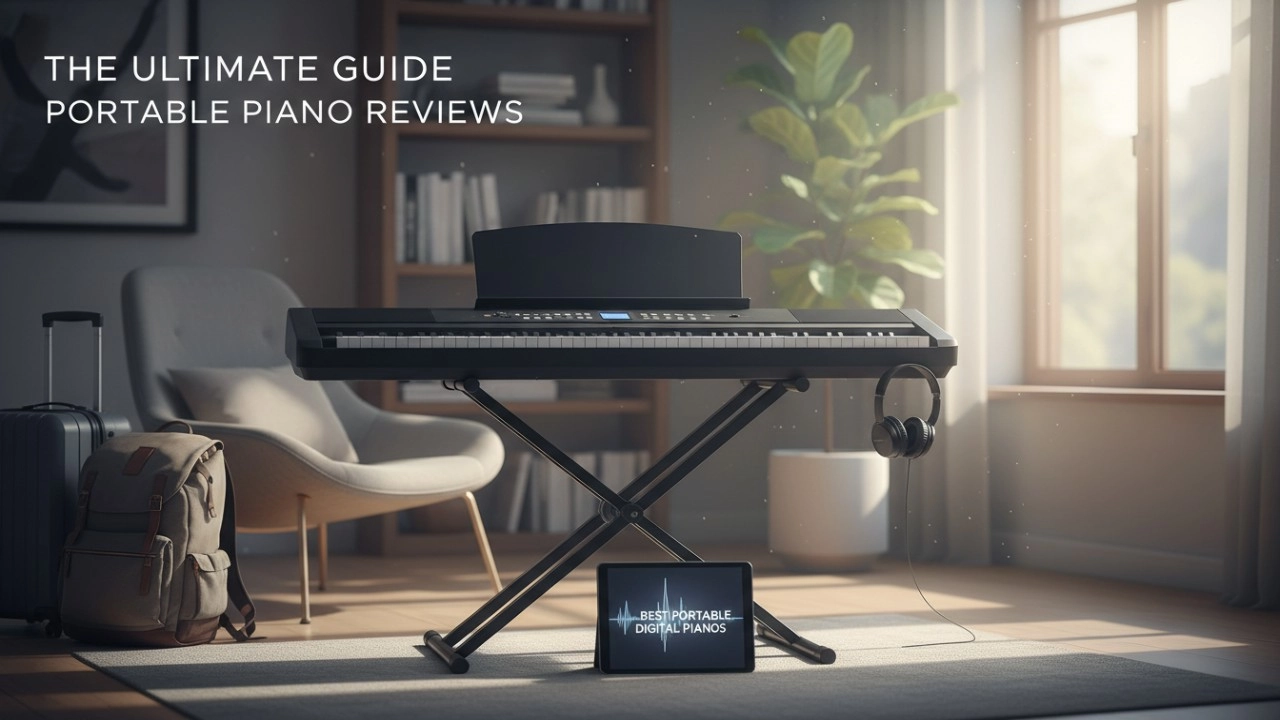
15 Best Portable Digital Pianos of 2026: The Only Comparison Guide You’ll Ever Need
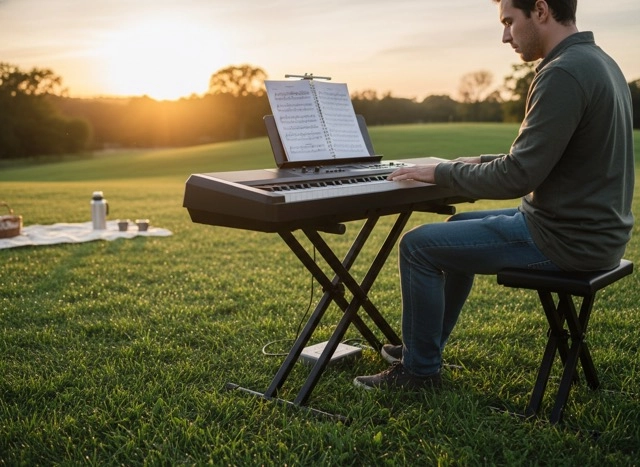
Is the Flykeys FP9 Worth It? Our Real-Life Experience with the World’s Largest Piano Maker’s Digital Tech.
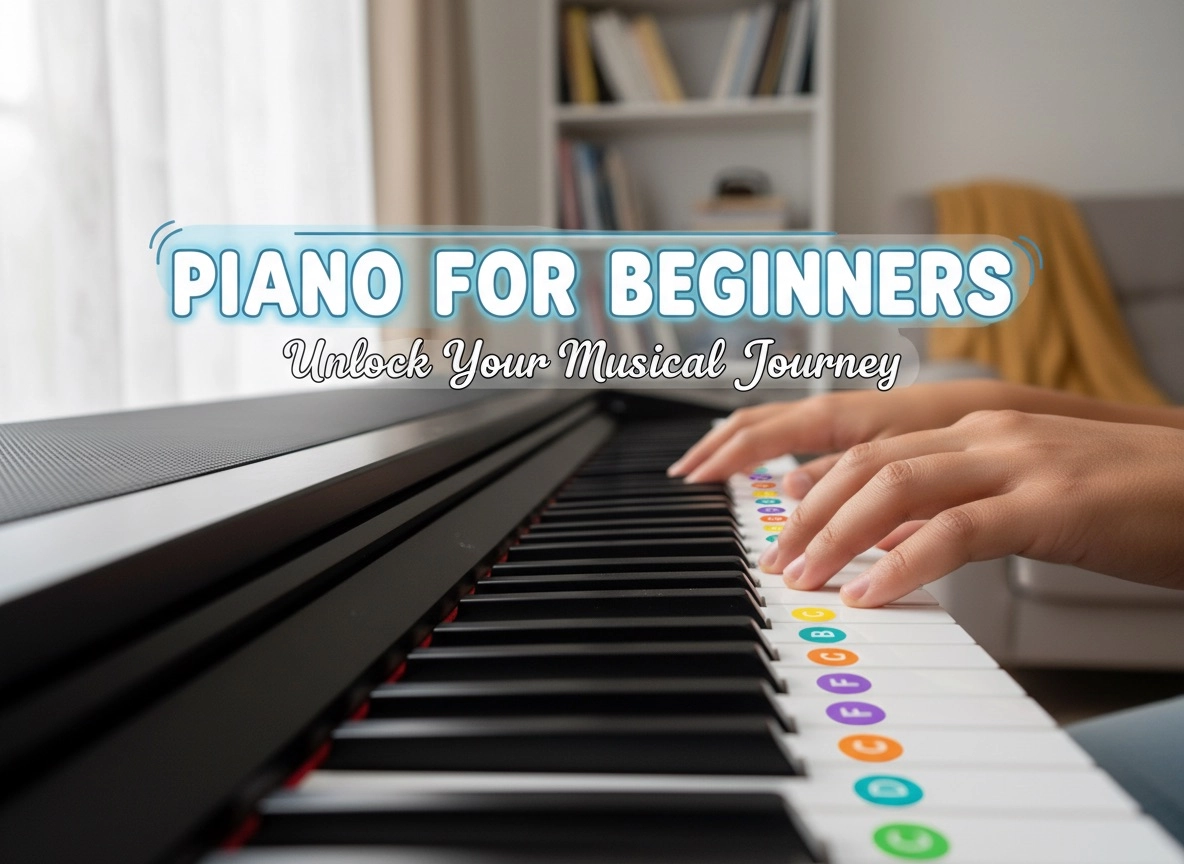
Best Digital Piano Keyboards for Beginners 2026: Your Ultimate Buying Guide
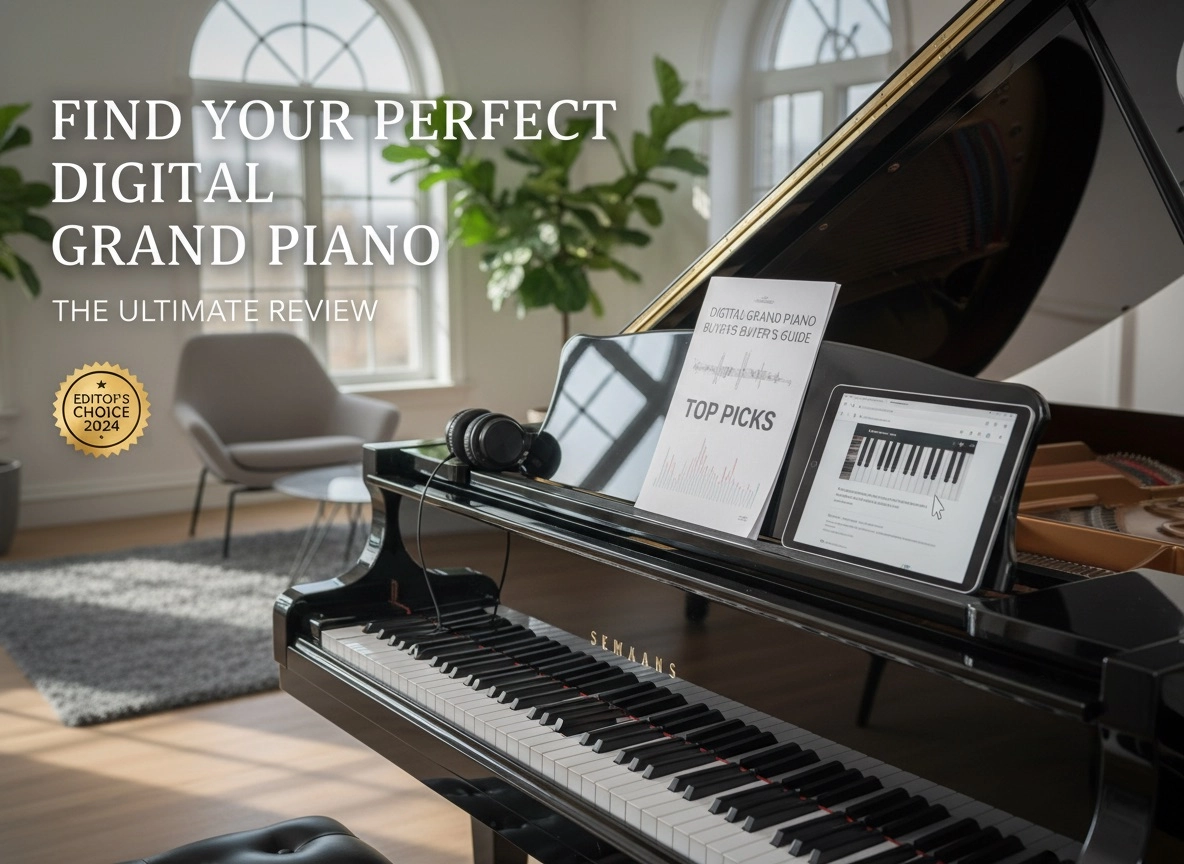
Best Digital Grand Pianos 2026: Ultimate Buyer's Guide for Authentic Sound & Feel
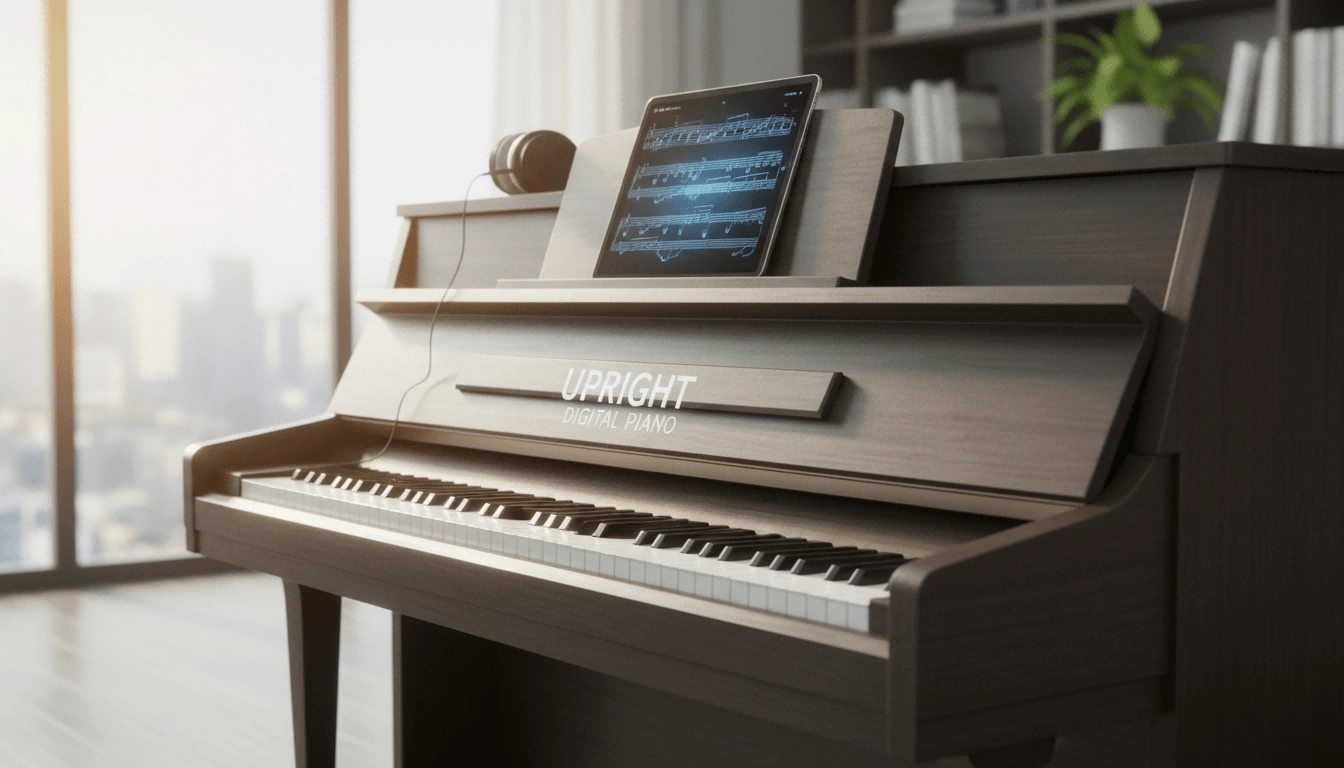
The Definitive Guide to Upright Digital Pianos: Blending Timeless Elegance with Modern Innovation in 2026
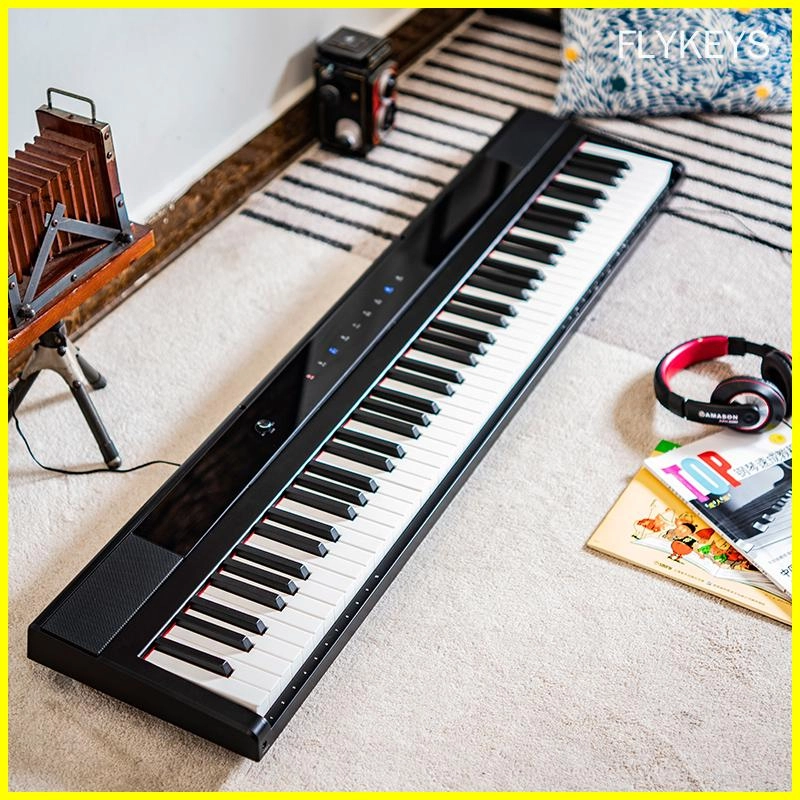
Best-Rated Electronic Pianos for Beginners in 2026: What to Buy and Why
Products
Can I connect your electronic pianos to external devices?
Yes, our electronic pianos are equipped with connectivity options such as MIDI, USB, and Bluetooth for seamless integration with external devices.
What products do you have?
We offer a diverse range of products, including digital portable piano, digital upright piano, digital grand piano, electronic drum set, piano silent system, audio equipment, interactive whiteboard, advertising machines, Smart TV, Touch Screen,etc.
Customization
What is the lead time for custom orders?
Lead times for custom orders vary depending on the complexity of the customization and current production schedules. Please contact our sales team for more information.
Can I request additional features to be added to a standard model?
Yes, we offer customization services to accommodate specific feature requests, subject to feasibility and additional charges.
Payment
Is payment required upfront for custom orders?
Yes, payment is typically required upfront for custom orders to initiate the production process.
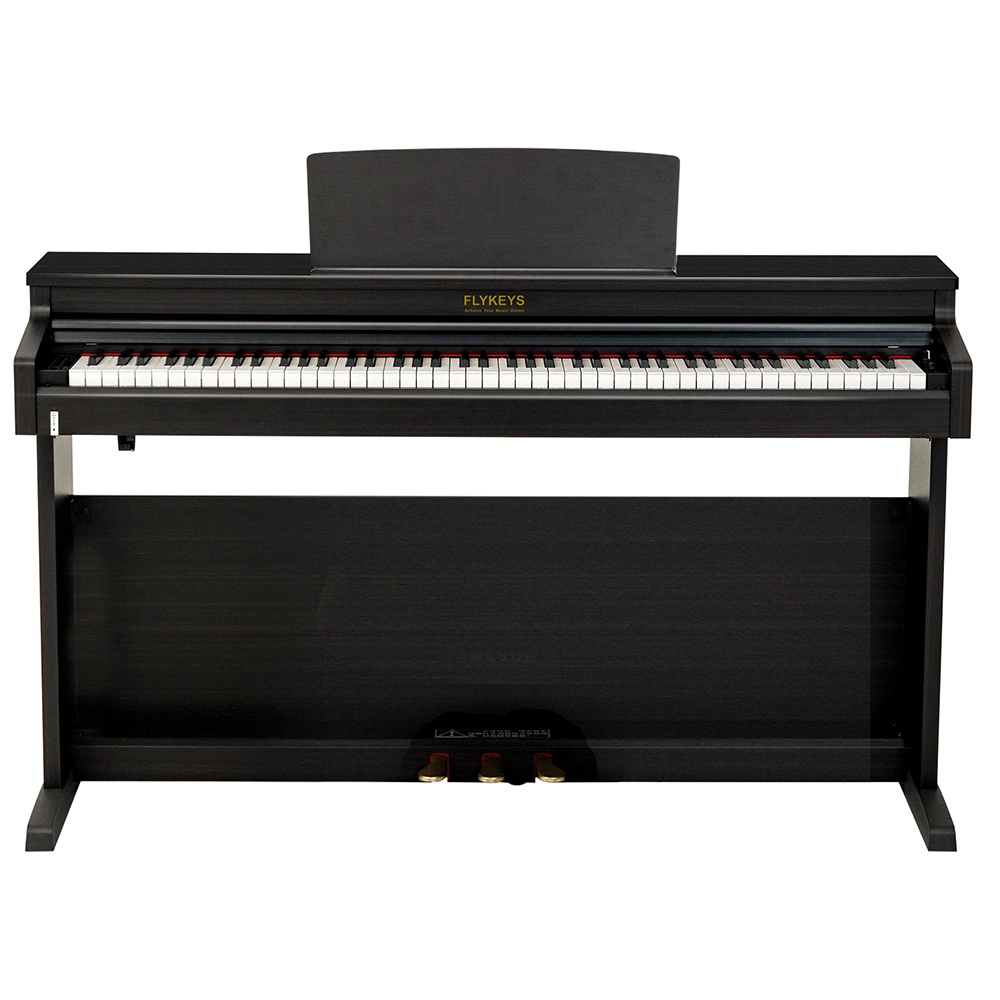
Flykeys Upright Digital Piano FDP 3
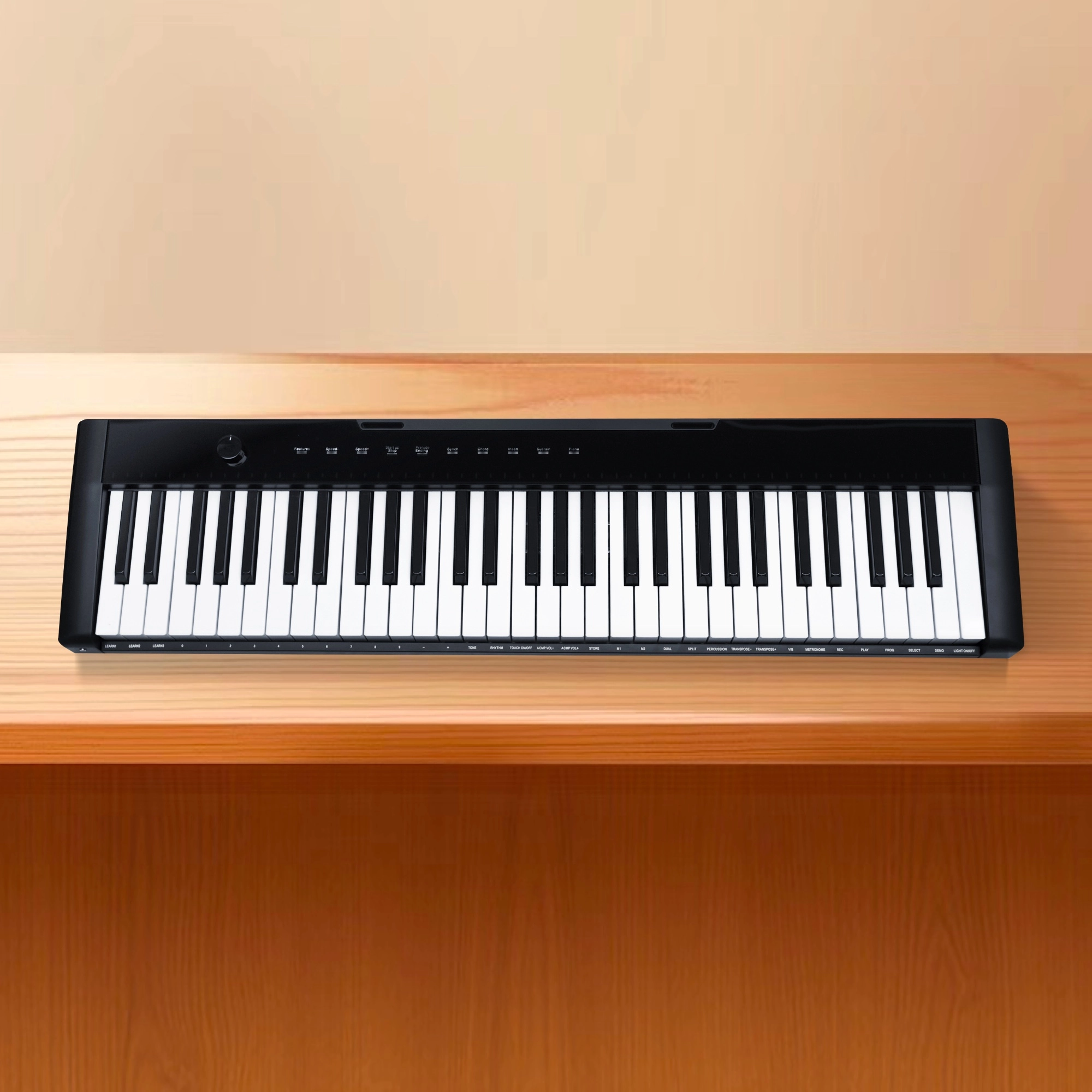
Flykeys 61 keys portable electronic keyboard piano with X stand (M2)
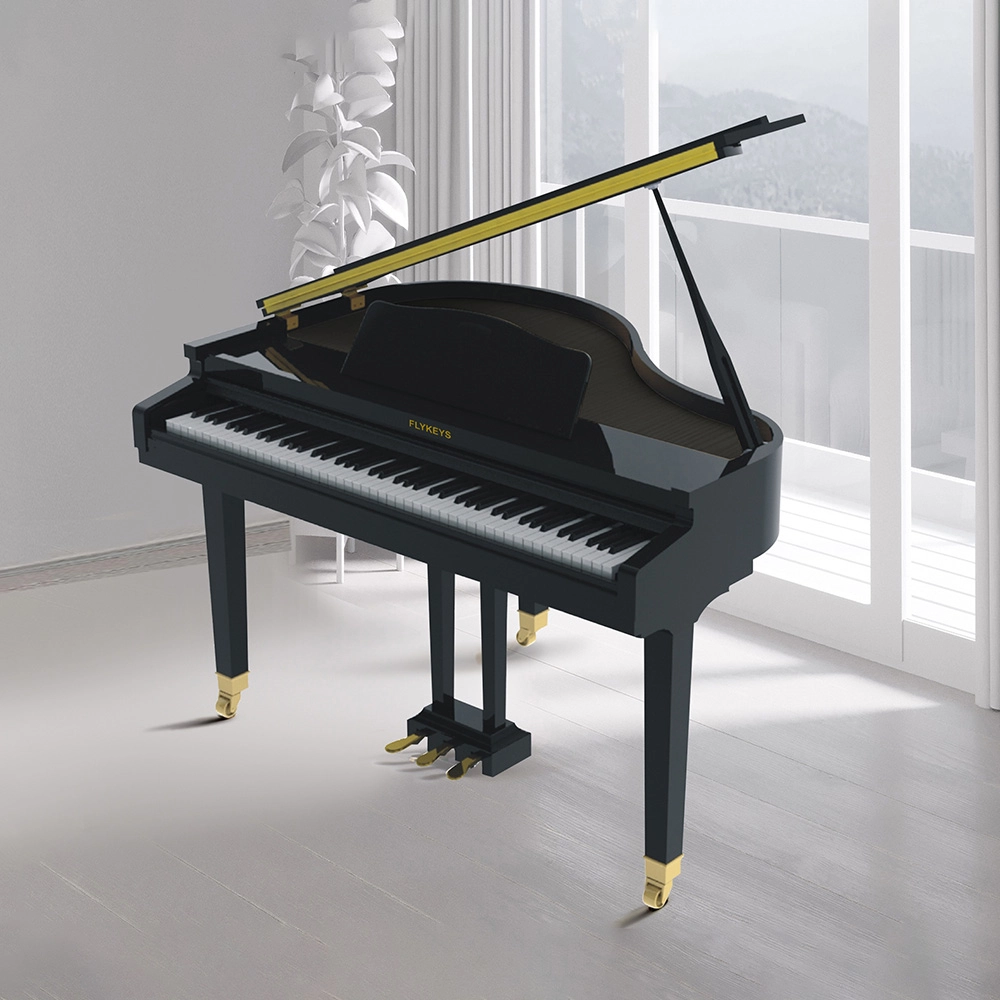
Flykeys 88 Keys Professional Digital Grand Piano Hammer Action Keyboard FGP110 Digital Piano
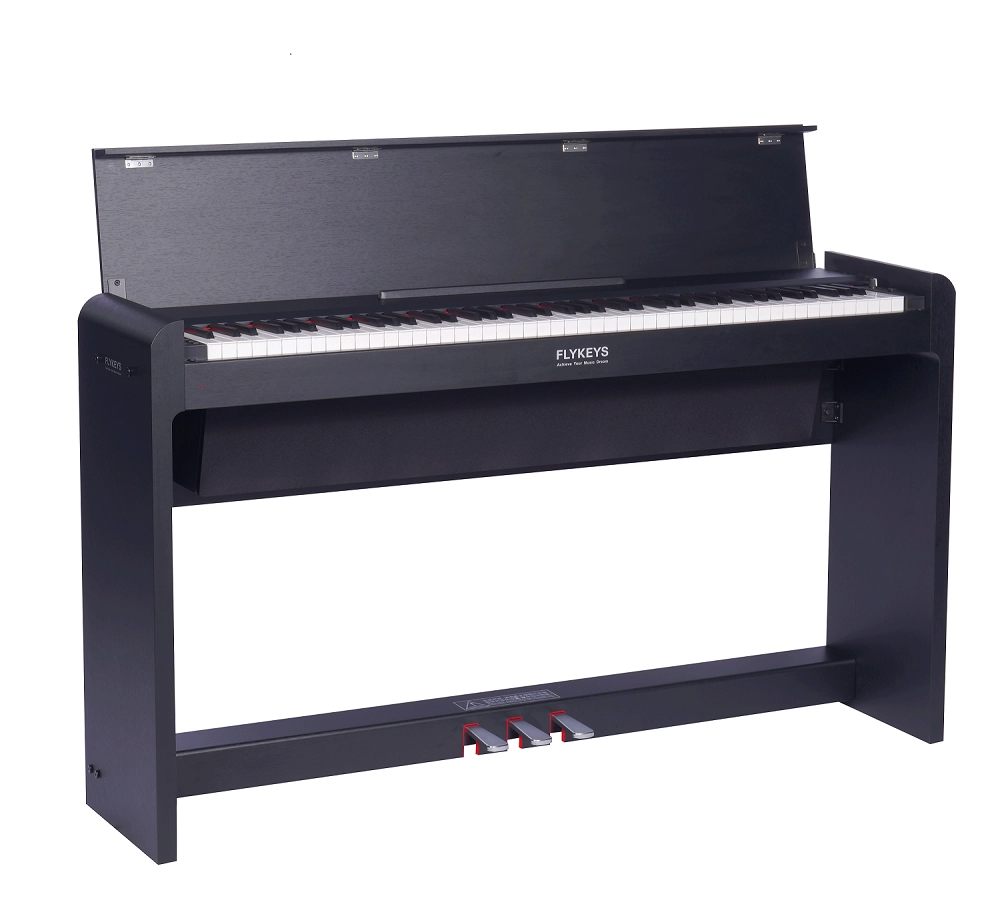
FLYKEYS FDP 5 Digital Piano
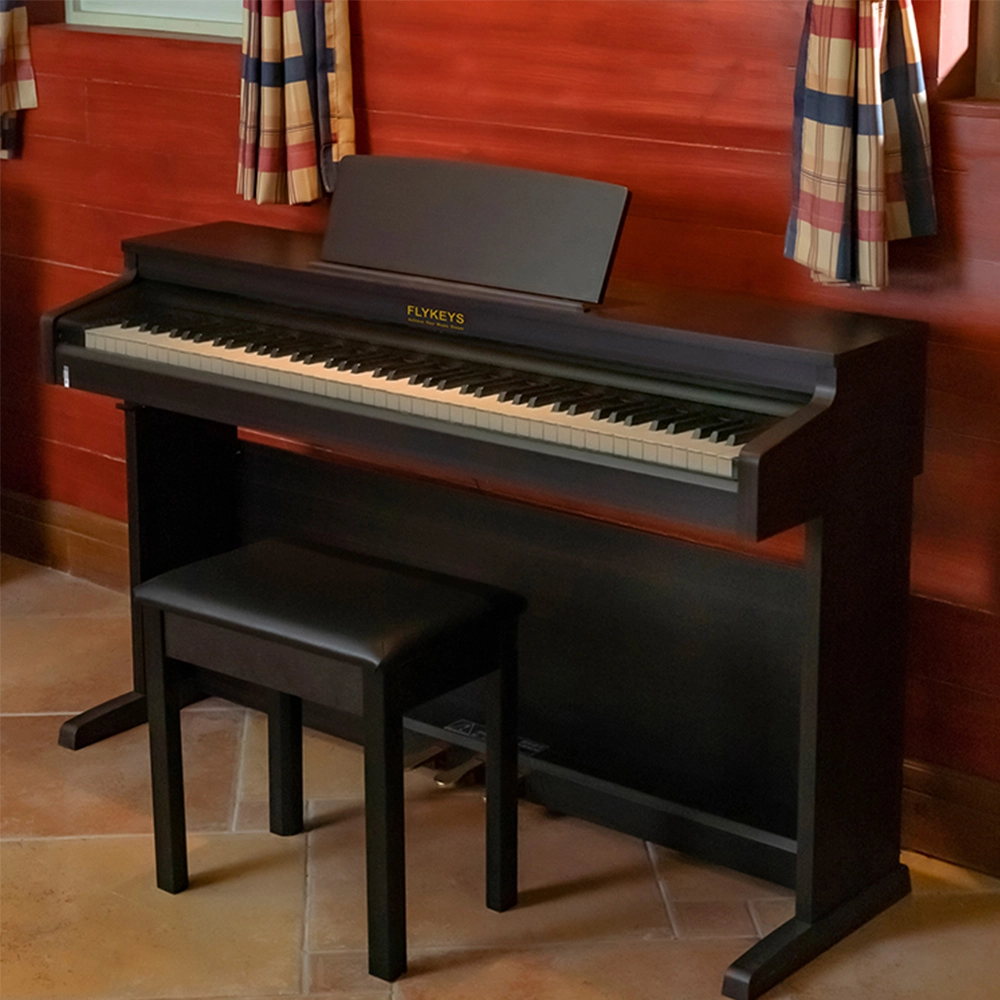
Flykeys Upright Electric Piano Built-In Speakers Music Instrument FD05 Digital Piano
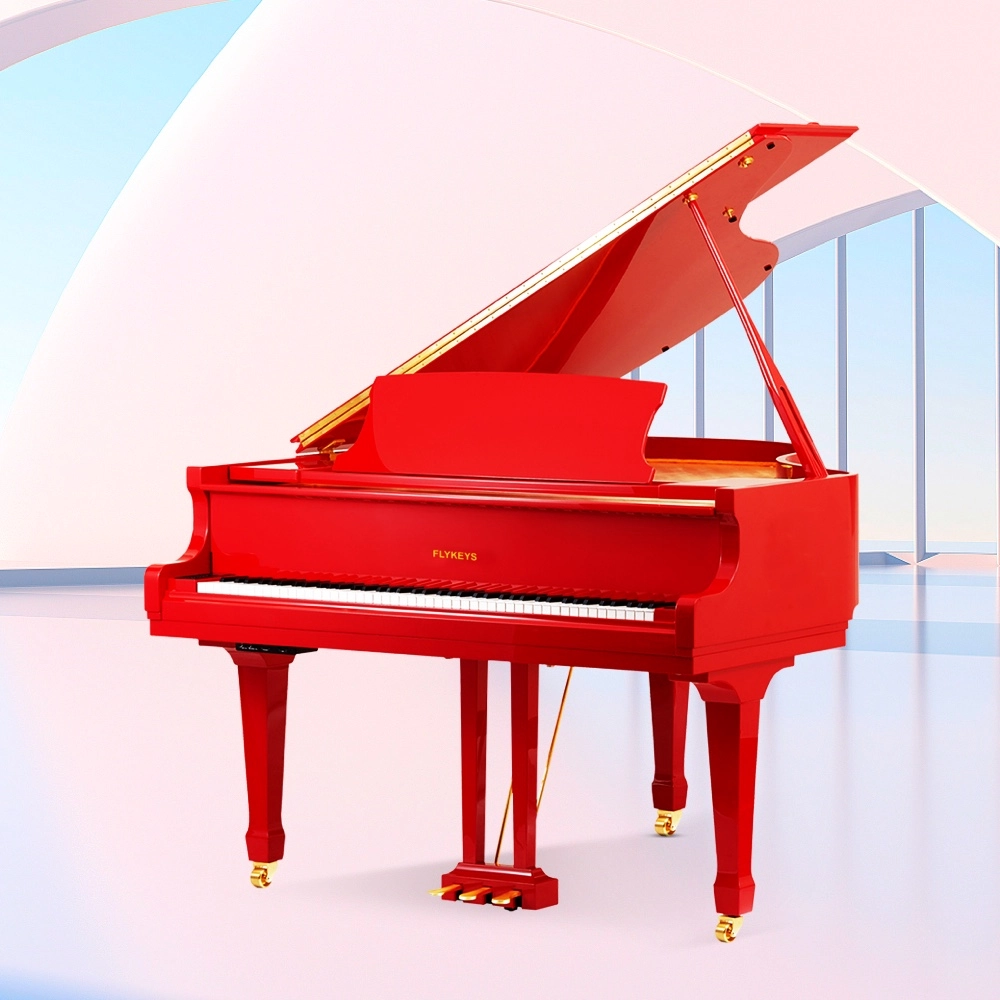
Flykeys Professional Digital Grand Piano FGP610 Digital Piano
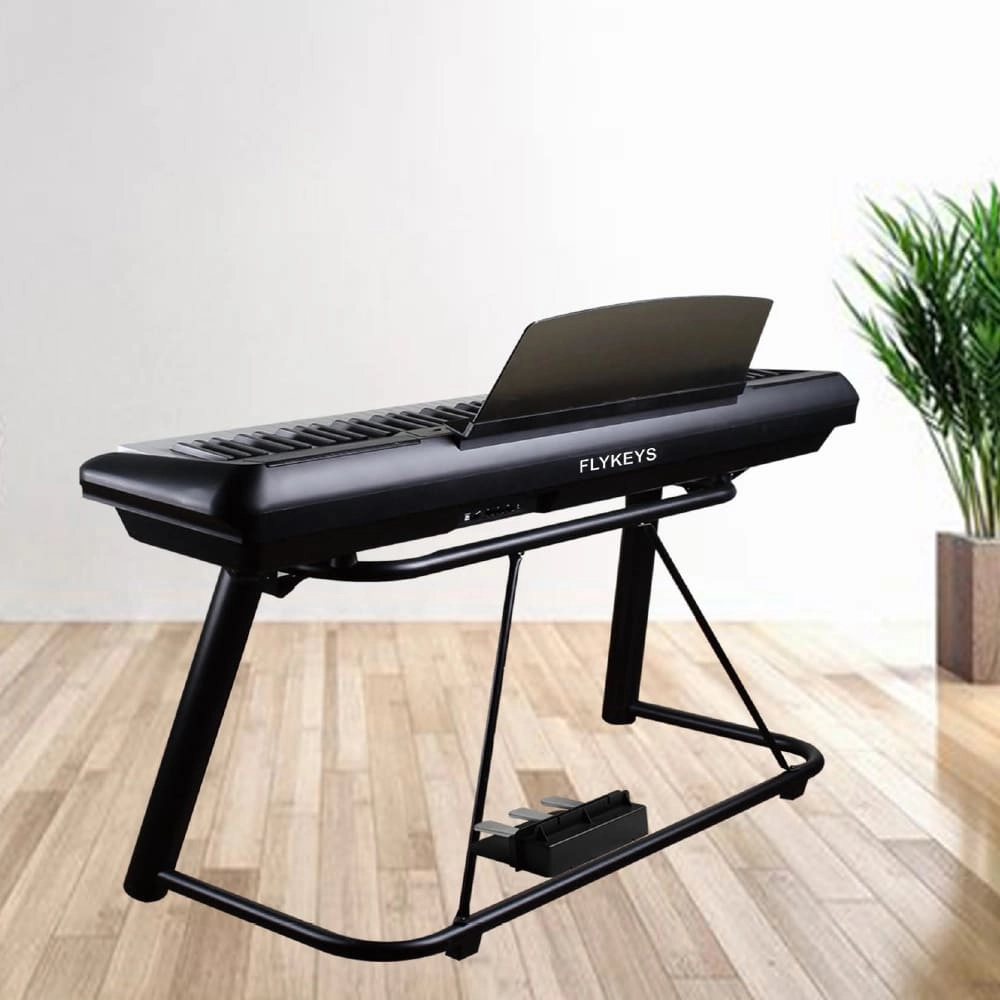
Flykeys Portable Electric Keyboard FP9 Digital Piano
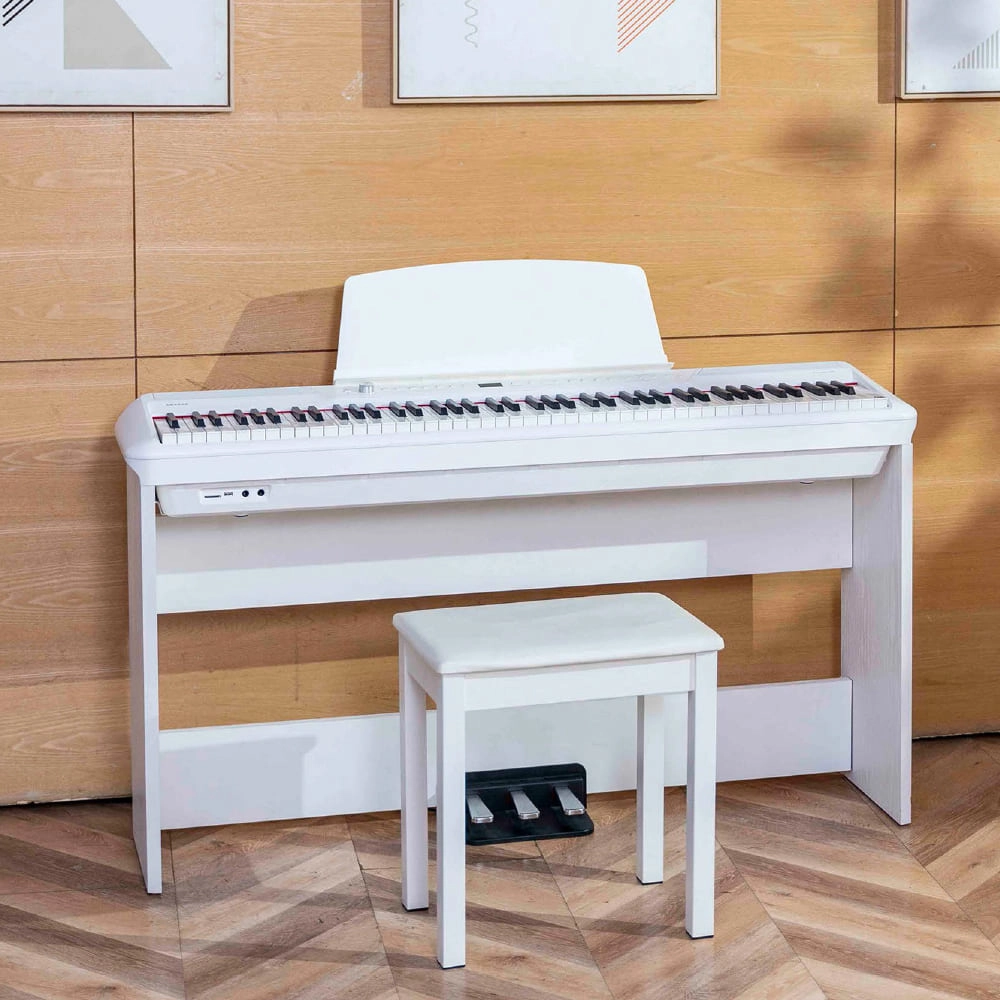
Flykeys 88 Keys Portable Piano With Wooden Stand FP6 Digital Piano
Get in touch with us
Have a question or inquiry about our digital pianos products? Leave us a message here and our team will get back to you promptly within 24 hours.
Whether you're interested in custom orders, technical specifications, or partnership opportunities, we're here to assist you.
Rest assured that your privacy is important to us, and all information provided will be handled with the utmost confidentiality.
Address: No. 38 Xiangshan Avenue, Zengcheng Economic And Technological Development Zone, Guangzhou, China.
FOLLOW US:


© 2026 FLYKEYS All Rights Reserved. 粤 ICP备2020102774号. Designed by gooeyun. Sitemap | Privacy | Terms