

What are the best digital pianos for home studios?
Choosing the best digital piano can be daunting for beginners and home studio enthusiasts. This in-depth guide tackles common pain points, offering expert insights into key actions, sound engines, connectivity, and longevity. Discover how to select a digital piano that authentically replicates an acoustic feel, integrates seamlessly with your setup, and evolves with your musical journey, all while adhering to Google E-E-A-T standards and providing actionable, up-to-date information for an informed purchase.
Unlocking Your Potential: The Best Digital Pianos for Home Studios & Beginners
Starting your musical journey or setting up a home studio often begins with the crucial decision of selecting the right instrument. For many, the best digital pianos offer an ideal blend of authentic feel, versatile features, and practical benefits over traditional acoustics. If you're wondering, What are the best digital pianos for home studios? or are a beginner grappling with technical jargon, you're in the right place. We've compiled answers to the most pressing, often-overlooked questions to guide your purchase decision.
Beyond 'Weighted Keys': What Specific Key Actions Genuinely Replicate an Acoustic Grand Piano Feel for Beginners, and How Do I Discern Their Quality Without Playing Every Model?
For a beginner, the feel of the keys is paramount for developing proper technique. While weighted keys is a common term, it's often too vague. A truly authentic experience comes from a graded hammer action keyboard, which meticulously mimics an acoustic grand piano's feel. This means keys in the lower register feel heavier, gradually becoming lighter as you move up the keyboard. Key features to look for include:
- Graded Hammer Standard (GHS) / Graded Hammer (GH) / Responsive Hammer (RH): These are common terms from brands like Yamaha and Kawai, indicating a basic graded action. GHS is often found in entry-level to mid-range models and offers a decent simulation.
- Progressive Hammer Action (PHA): Roland's PHA-4 Standard, PHA-50, and Hybrid Grand Keyboards are renowned for their intricate realism. PHA-4 Standard offers good feedback, while PHA-50 incorporates wood and molded materials for enhanced durability and feel. The Hybrid Grand series, like those found in High Quality Roland pianos, goes further with extended pivot lengths for superior control and expression.
- Grand Feel / GrandTouch Action: Kawai's Grand Feel Compact, Grand Feel III, and Yamaha's GrandTouch-S actions are at the pinnacle, designed to replicate the pivot length, counterweights, and nuanced escapement of a grand piano. These often feature triple sensors for rapid note repetition and synthetic ivory/ebony key surfaces for improved grip and moisture absorption.
To discern quality without playing every model: Research specific action names. Look for reviews that mention escapement mechanism (the slight click felt when a hammer releases from the string), triple sensor technology (for better repetition and sensitivity), and key material (synthetic ivory/ebony). Brands like Yamaha (Clavinova series), Roland (HP/LX series), and Kawai (CA/CN series) are recognized for their superior key actions. Focus on mid-range models (e.g., Yamaha YDP-165, Roland F701, Kawai KDP120) for a significant upgrade in key feel over entry-level options without breaking the bank. The difference in a high-quality digital piano often starts with its key action.
My Primary Concern is Silent Practice Without Headphones, But I Also Want Rich Sound. Can a Digital Piano Truly Offer Both High-Quality Built-in Speakers for Natural Room Sound and Effective Silent Play, or Are External Solutions Always Necessary for Home Studios?
This is a common dilemma for home studio digital piano users. The good news is that modern digital pianos can absolutely deliver both. Many studio-grade digital pianos come equipped with surprisingly robust multi-speaker systems designed for natural sound projection.
- Built-in Speaker Quality: Look for models with higher wattage (e.g., 20W+ per speaker, or multi-amp systems) and multiple speaker drivers (2-way or 4-way systems, sometimes with specialized tweeters and woofers) positioned for optimal sound dispersion. High Quality console models often have larger speaker enclosures that contribute to a fuller, more resonant sound that fills a room effectively. Some high-end models even feature sound projection systems that mimic the opening and closing of an acoustic piano lid, enhancing realism.
- Silent Practice: All digital pianos offer silent practice via headphone jacks. The experience varies. Look for models that employ Headphone 3D Ambience or similar technologies (e.g., Roland's Headphones 3D Ambience, Yamaha's Stereophonic Optimizer). These features create a more natural, spacious soundstage in your headphones, reducing listener fatigue and making it feel less like the sound is directly in your ears. This makes long silent practice sessions much more enjoyable. You don't necessarily need external solutions for either; the key is choosing a model designed with these features in mind.
With So Many Features, Which Digital Piano Connectivity Options (USB MIDI, Bluetooth Audio/MIDI, Dedicated App Integration) Are *Essential* for a Beginner Looking to Use Learning Apps and Record Simple Tracks in a Home Studio, and Which Are Just 'Nice-to-Haves'?
For a beginner in a home studio, specific connectivity options transform a digital piano from a standalone instrument into a versatile learning and creation tool. Here’s what's essential vs. nice-to-have:
- Essential Connectivity:
- USB-to-Host (USB MIDI): This is absolutely critical. It allows your digital piano to communicate MIDI data (note on/off, velocity, pedal information) directly with your computer (PC/Mac) or tablet/smartphone. This is how you connect to popular learning apps (e.g., Flowkey, Simply Piano, Skoove) and Digital Audio Workstations (DAWs) for recording MIDI tracks. Most advanced digital pianos will feature this.
- Headphone Jacks (x2): Having two headphone jacks is incredibly useful for teacher-student lessons or for playing duets silently.
- Highly Recommended (Almost Essential for Modern Learning):
- Bluetooth MIDI: This offers wireless MIDI communication, eliminating cable clutter. While USB MIDI is a fallback, Bluetooth MIDI is incredibly convenient for connecting to apps on a tablet or smartphone. Many modern High Quality digital pianos offer this.
- Dedicated App Integration: Brands often have companion apps (e.g., Yamaha Smart Pianist, Roland Piano App, Kawai PianoRemote). These apps allow you to control piano settings, access learning features, record, and explore sounds directly from your device, significantly enhancing the user experience and making it easier to utilize the piano's full potential.
- Nice-to-Haves (Convenience & Added Versatility):
- Bluetooth Audio Input: This allows you to stream audio (e.g., backing tracks, YouTube lessons) from your smartphone/tablet directly through your piano's speakers. It's fantastic for playing along to songs.
- USB-to-Device: Allows you to connect a USB flash drive to record audio directly to it or play back WAV/MP3 files.
- Audio Outputs (Line Out): Essential if you plan to connect your piano to external speakers, a PA system, or an audio interface for higher-quality recording into a DAW.
I'm Worried About Future-Proofing. How Much Should a Beginner Invest in a Digital Piano Today to Avoid Quickly Outgrowing Its Features or Sound Quality, Especially If I Plan to Progress to Intermediate Levels Within a Few Years?
Investing wisely at the outset can save you money and frustration in the long run. While a very basic, cheap digital piano might get you started, you'll quickly feel its limitations in expressive touch and authentic piano sound as your skills develop. A good rule of thumb for future-proofing is to aim for a model in the mid-range to upper mid-range price bracket.
- Key Action & Sound Engine: These are the most critical factors for longevity. A high-quality weighted key action (like Kawai's RHIII, Roland's PHA-4 Concert, or Yamaha's GH3) and an advanced sound engine (e.g., Roland's SuperNATURAL, Yamaha's Virtual Resonance Modeling - VRM, Kawai's Harmonic Imaging XL) will provide the nuance and dynamic range you need to grow into. These technologies accurately simulate the complex sympathetic resonances, string vibrations, and hammer noises of an acoustic, offering a rich tone.
- Polyphony: Aim for at least 192 notes, with 256 or unlimited being ideal. This ensures that complex pieces with sustain pedal use don't result in dropped notes.
- Features: Beyond sound and feel, look for a decent variety of instrument voices, split/layer functions, metronome, recording capabilities, and robust connectivity options (as discussed above). These features support creativity and varied practice routines.
- Brand Reputation & Build Quality: Stick to reputable brands like Yamaha, Roland, Kawai, and Casio (Celviano/Privia series). Their build quality, reliability, and ongoing firmware support are generally excellent. While entry-level models are around $500-800, aiming for something in the $1,000 - $2,500 range (for a console model) or $800 - $1,500 (for a high-quality slab piano) will provide a far more satisfying and enduring experience. This investment ensures your learning digital piano won't hinder your progression.
Acoustic Pianos Require Tuning and Maintenance. What is the Actual Long-Term Maintenance Commitment for a Digital Piano, Especially Concerning Software Updates, Component Longevity, and Potential Repairs, Beyond Just Dusting?
One of the significant advantages of a digital piano for musicians is its minimal maintenance compared to an acoustic instrument. However, it's not entirely maintenance-free.
- No Tuning Required: This is the biggest win. Digital pianos stay perfectly in tune, always. This saves hundreds of dollars annually compared to acoustic pianos.
- Software/Firmware Updates: Occasionally, manufacturers release firmware updates to improve sound quality, add features, fix bugs, or enhance compatibility. These are usually free and can be easily downloaded from the manufacturer's website and installed via USB. It's a simple process, typically done once every few years, not a constant commitment.
- Component Longevity: Digital pianos are electronic devices. Their lifespan is generally excellent, often lasting 10-20 years or more with proper care. The most common components that might show wear over time are key contacts (leading to unresponsive keys) or pedal sensors. However, these issues are relatively rare in reputable brands and often occur after many years of heavy use. Key mechanisms are designed for millions of repetitions.
- Cleaning: Beyond dusting, occasionally wiping down key surfaces with a damp cloth (and mild soap if needed for stubborn grime) is sufficient. Avoid harsh chemicals.
- Repairs: While less frequent than acoustic maintenance, electronic components can fail. If a repair is needed, it typically involves replacing a circuit board or a specific part. The cost can vary. It's wise to register your product for warranty and keep proof of purchase. However, the overall cost and frequency of repairs are significantly lower than for an acoustic piano. In essence, the long-term commitment is very low, making it a highly practical choice for a versatile digital piano.
Given Limited Space in a Home Studio, Are Compact Slab Digital Pianos Truly Comparable in Performance and Sound to Console Models, or Do Console Designs Offer Inherent Advantages Beyond Just Aesthetics for Serious Practice?
This is a critical question for those with space constraints, particularly in a compact digital piano for studios context. Both slab and console digital pianos can offer excellent performance, but there are nuanced differences beyond aesthetics.
- Performance (Key Action & Sound Engine): Modern slab digital pianos (like the Yamaha P-525, Roland FP-90X, Kawai ES920) can house the exact same high-quality key actions (e.g., GrandTouch-S, PHA-4 Standard, RHIII) and advanced sound engines (VRM, SuperNATURAL, Harmonic Imaging XL) as their console counterparts. So, in terms of core playability and authentic piano sound, a High Quality slab model is absolutely comparable to a console model in the same price range.
- Sound (Speaker System): This is where console models often have an inherent advantage. Console pianos typically feature larger cabinets that allow for bigger, more numerous, and better-positioned speakers. This often translates to a fuller, richer, and more resonant sound that fills a room more naturally without external amplification. Many console models also integrate soundboards or specialized resonance chambers to enhance the acoustic projection. While High Quality slab pianos have excellent speakers, their smaller chassis can limit the physical space for speaker size and placement.
- Practice & Studio Advantages:
- Slab Pianos: Offer unparalleled portability. They are ideal if you need to move your piano between locations (e.g., for gigs, lessons, or reconfiguring your studio). They are also excellent for minimalist setups, easily fitting on a stand. Their compactness makes them perfect for smaller apartments or dedicated recording desks.
- Console Pianos: Provide a more traditional, stable, and furniture-like experience. They often come with integrated pedal units (soft, sostenuto, sustain) that are fixed and feel more robust than portable pedal units. The larger surface area can also be convenient for sheet music or accessories. If space is tight but you prioritize a fixed, acoustic-like experience and superior internal sound projection, a compact console (like a Roland RP or Kawai KDP series) might be preferred.
In conclusion, for serious practice, a High Quality slab digital piano offers comparable key action and sound engine quality. However, console models often provide a superior internal speaker experience and a more robust, integrated feel, which can be advantageous if you have the space and desire a permanent, furniture-style setup. Both are viable options for a digital piano for home recording.
Modern digital pianos, whether slab or console, represent an incredible fusion of traditional piano artistry and cutting-edge technology. They offer a no-compromise solution for beginners to develop proper technique, for home studio users to integrate seamlessly into their production workflow, and for all musicians to enjoy expressive touch and a rich tone without the maintenance burden of an acoustic. With careful consideration of key action, sound technology, and connectivity, you can find a top-rated digital piano that perfectly suits your needs and budget.
Explore our range of high-quality digital pianos and find the perfect instrument for your musical journey. Contact us today for a personalized quote! Website: (www.flykeysmusic.com), Email: (mailto:service@flykeysmusic.com)
- Beyond 'Weighted Keys': What Specific Key Actions Genuinely Replicate an Acoustic Grand Piano Feel for Beginners, and How Do I Discern Their Quality Without Playing Every Model?
- My Primary Concern is Silent Practice Without Headphones, But I Also Want Rich Sound. Can a Digital Piano Truly Offer Both High-Quality Built-in Speakers for Natural Room Sound and Effective Silent Play, or Are External Solutions Always Necessary for Home Studios?
- With So Many Features, Which Digital Piano Connectivity Options (USB MIDI, Bluetooth Audio/MIDI, Dedicated App Integration) Are *Essential* for a Beginner Looking to Use Learning Apps and Record Simple Tracks in a Home Studio, and Which Are Just 'Nice-to-Haves'?
- I'm Worried About Future-Proofing. How Much Should a Beginner Invest in a Digital Piano Today to Avoid Quickly Outgrowing Its Features or Sound Quality, Especially If I Plan to Progress to Intermediate Levels Within a Few Years?
- Acoustic Pianos Require Tuning and Maintenance. What is the Actual Long-Term Maintenance Commitment for a Digital Piano, Especially Concerning Software Updates, Component Longevity, and Potential Repairs, Beyond Just Dusting?
- Given Limited Space in a Home Studio, Are Compact Slab Digital Pianos Truly Comparable in Performance and Sound to Console Models, or Do Console Designs Offer Inherent Advantages Beyond Just Aesthetics for Serious Practice?
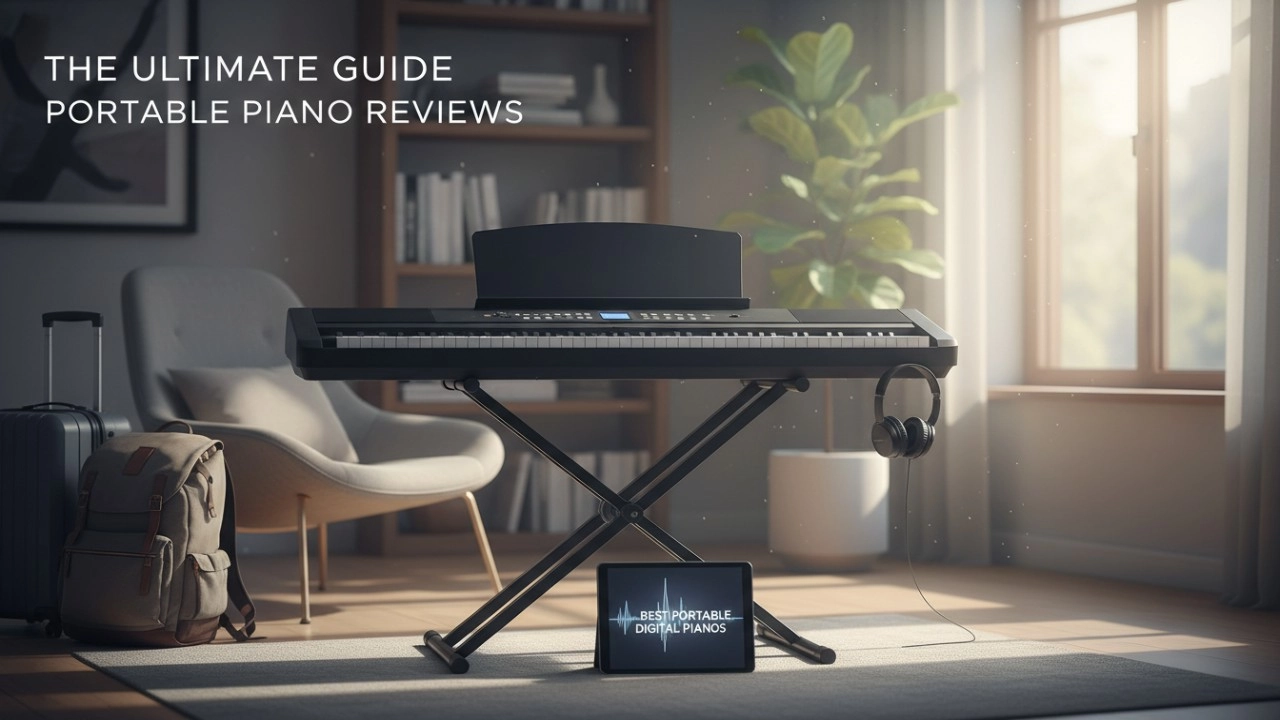
15 Best Portable Digital Pianos of 2026: The Only Comparison Guide You’ll Ever Need
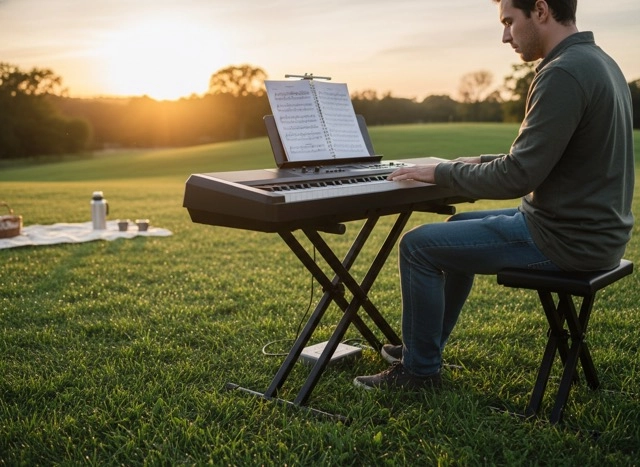
Is the Flykeys FP9 Worth It? Our Real-Life Experience with the World’s Largest Piano Maker’s Digital Tech.
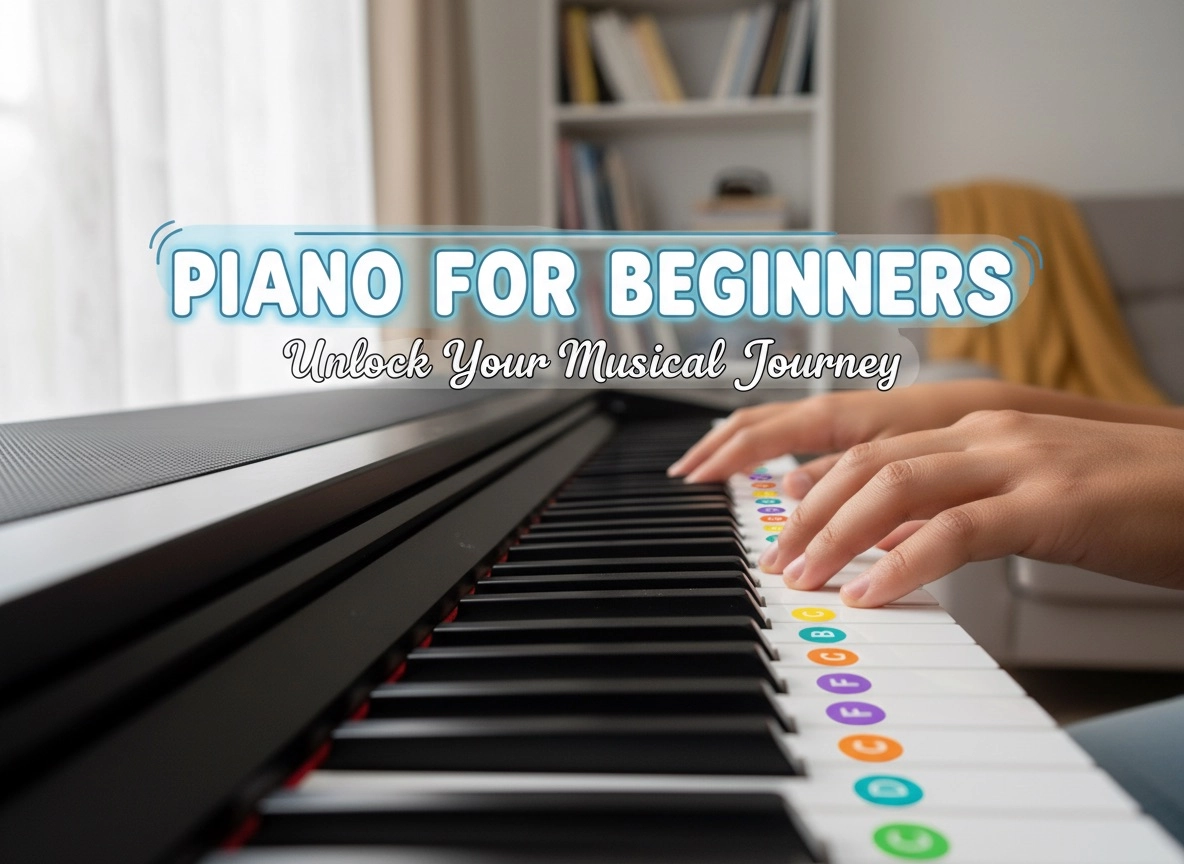
Best Digital Piano Keyboards for Beginners 2026: Your Ultimate Buying Guide
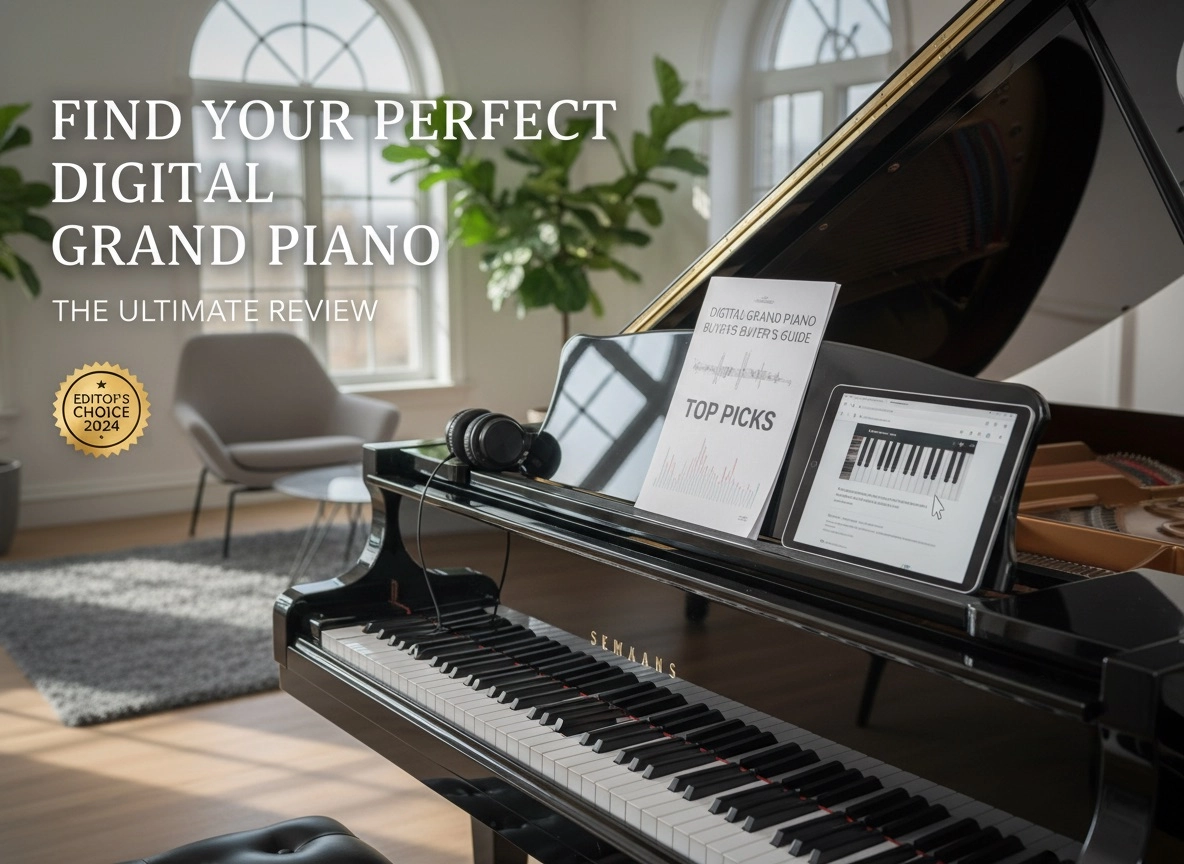
Best Digital Grand Pianos 2026: Ultimate Buyer's Guide for Authentic Sound & Feel
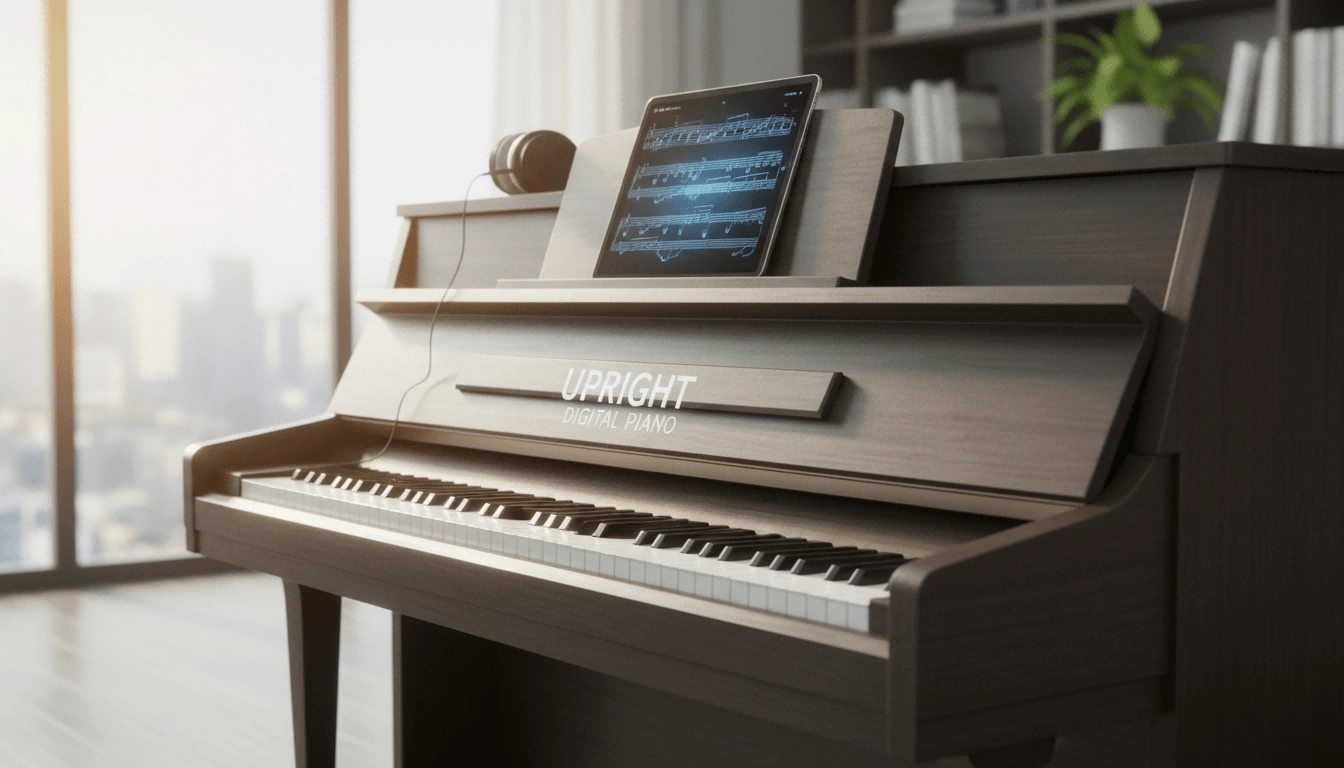
The Definitive Guide to Upright Digital Pianos: Blending Timeless Elegance with Modern Innovation in 2026
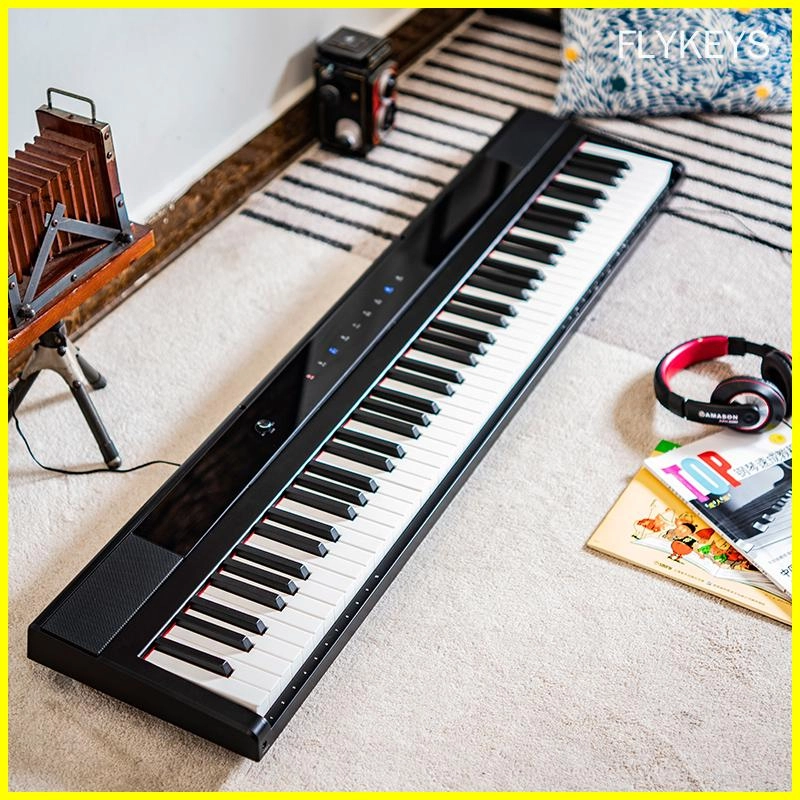
Best-Rated Electronic Pianos for Beginners in 2026: What to Buy and Why
Logistics
Do you ship internationally?
Yes, we offer international shipping to most countries worldwide.
Customization
What is the lead time for custom orders?
Lead times for custom orders vary depending on the complexity of the customization and current production schedules. Please contact our sales team for more information.
Can I request additional features to be added to a standard model?
Yes, we offer customization services to accommodate specific feature requests, subject to feasibility and additional charges.
Payment
What payment methods do you accept?
We accept payment methods such as T/T and L/C.
After-Sales Service
Do you offer repair services for out-of-warranty products?
Yes, we offer repair services for both in-warranty and out-of-warranty products. Please contact our support team for assistance.
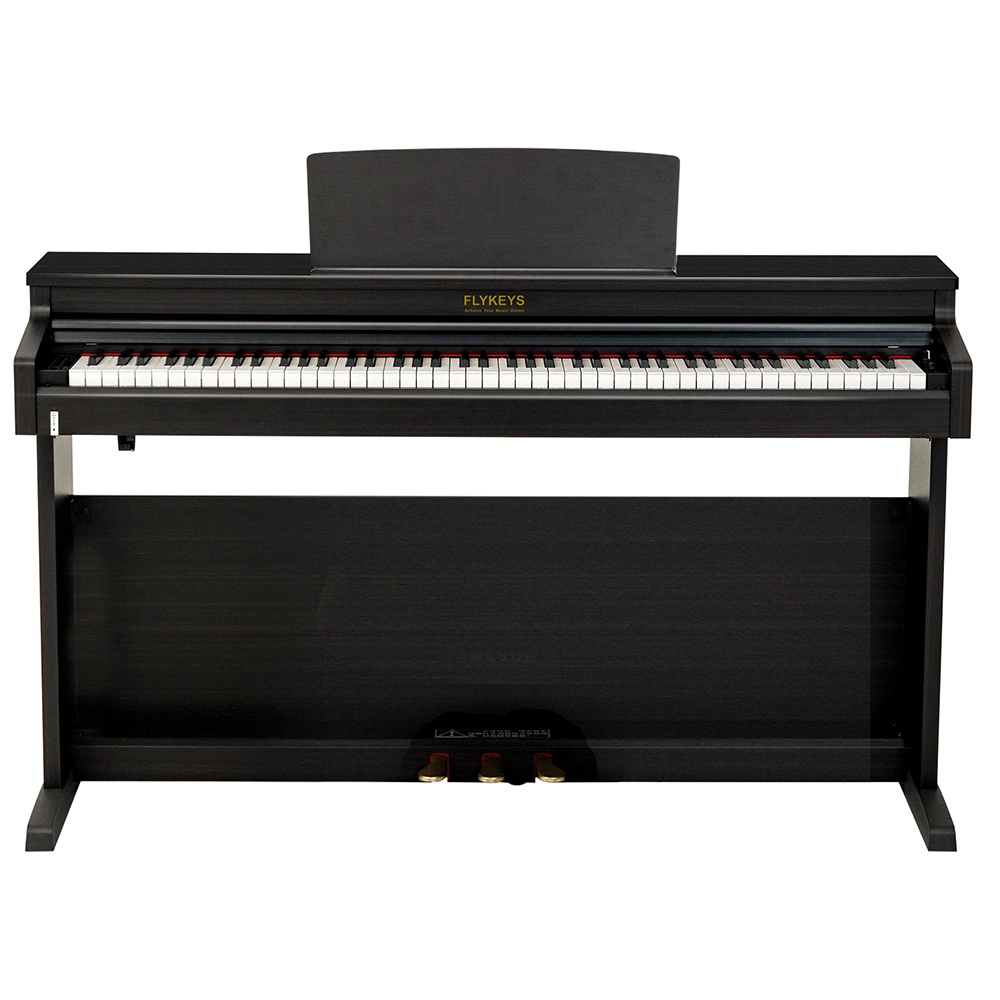
Flykeys Upright Digital Piano FDP 3
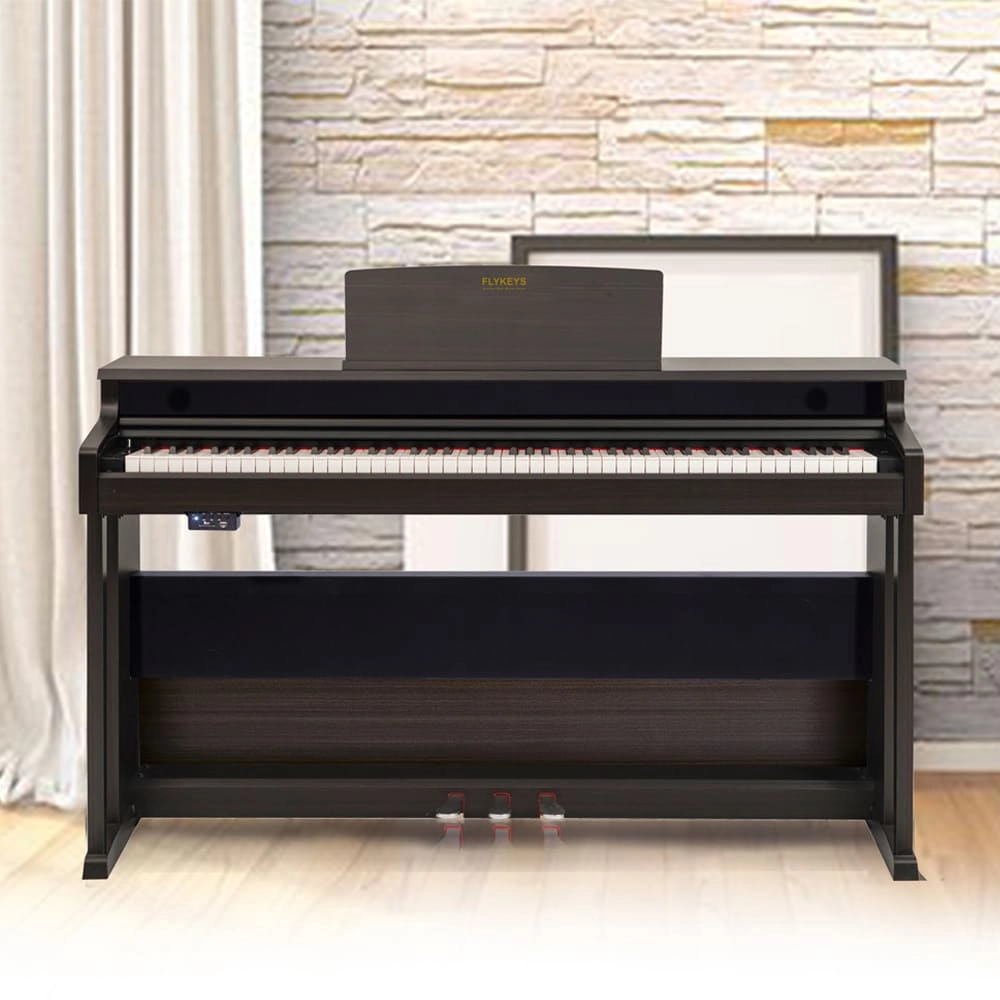
Flykeys Upright Piano Wooden Panel 88 KEYS Piano FK130 Digital Piano
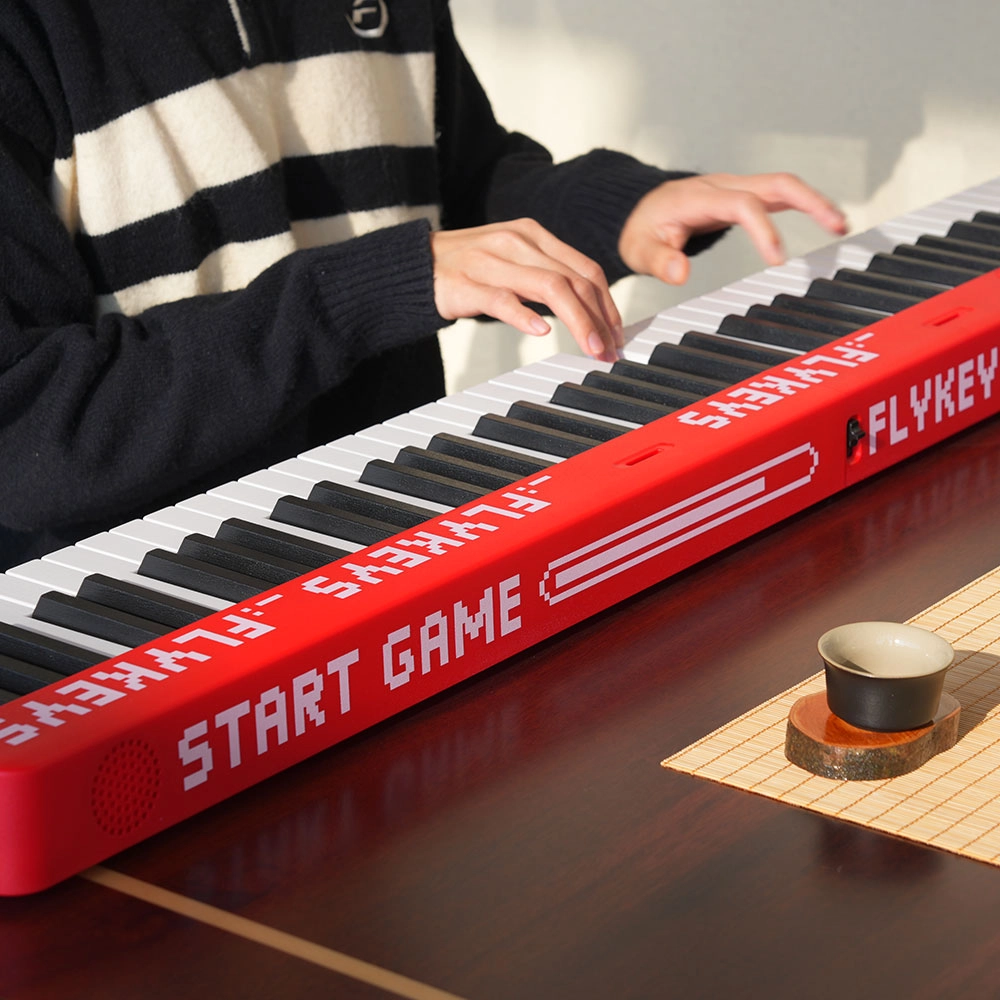
Flykeys M12 Folding Keyboard
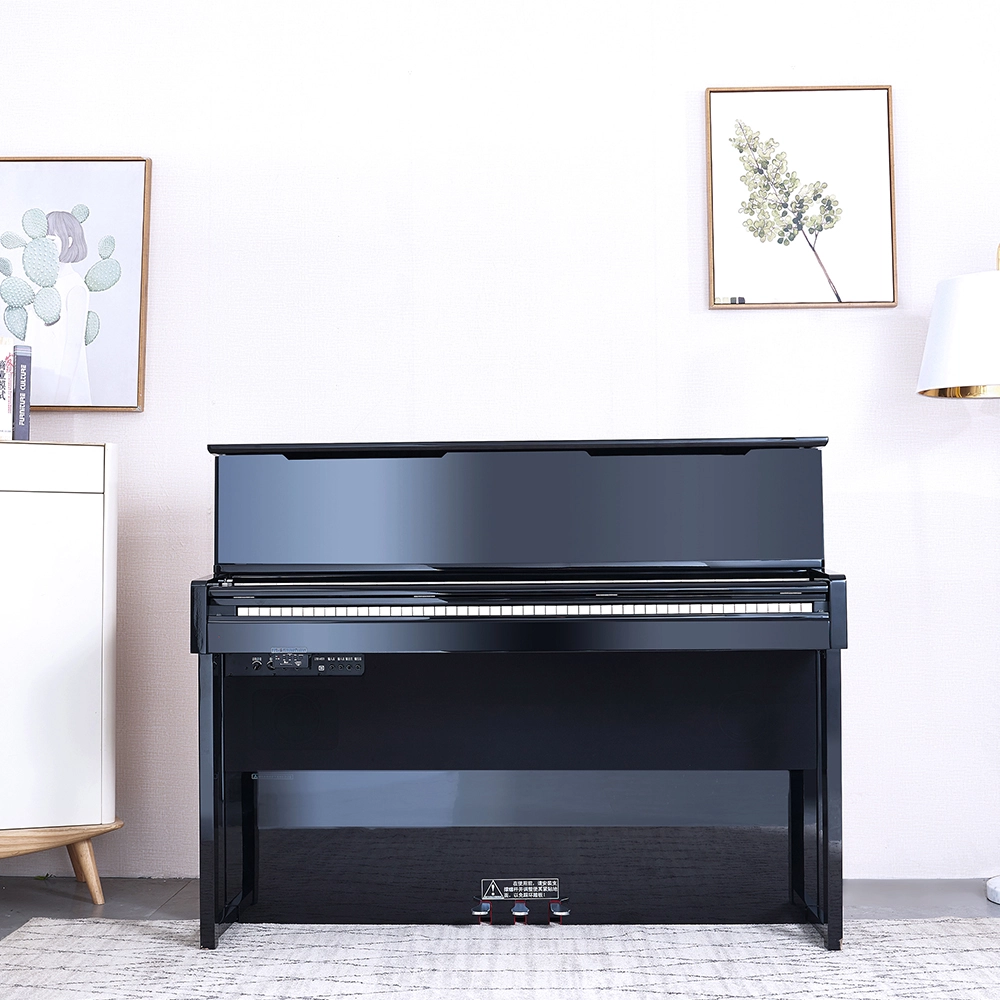
Flykeys Professional Digital Upright Piano 88 Keys Wooden Keyboard FK830 Digital Piano
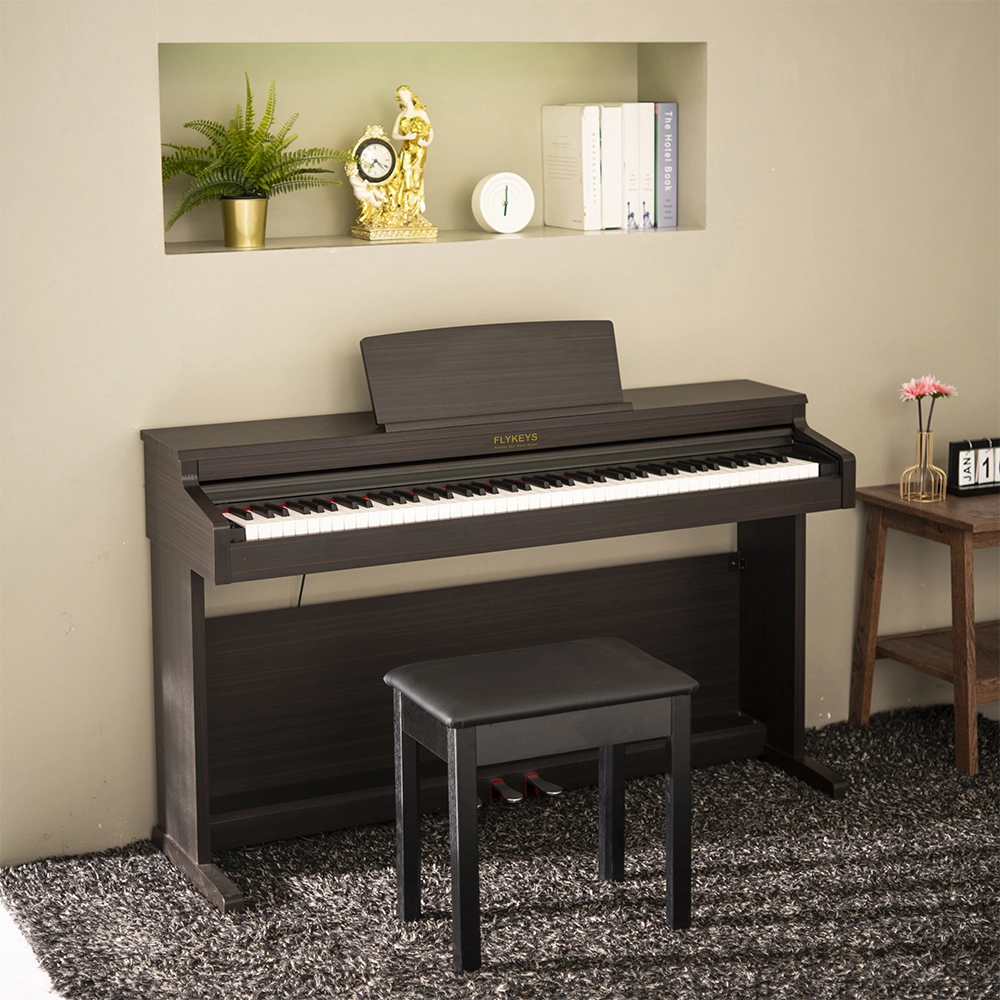
Flykeys 88 Keys Hammer Action keyboard Upright Piano LK03S Digital Piano
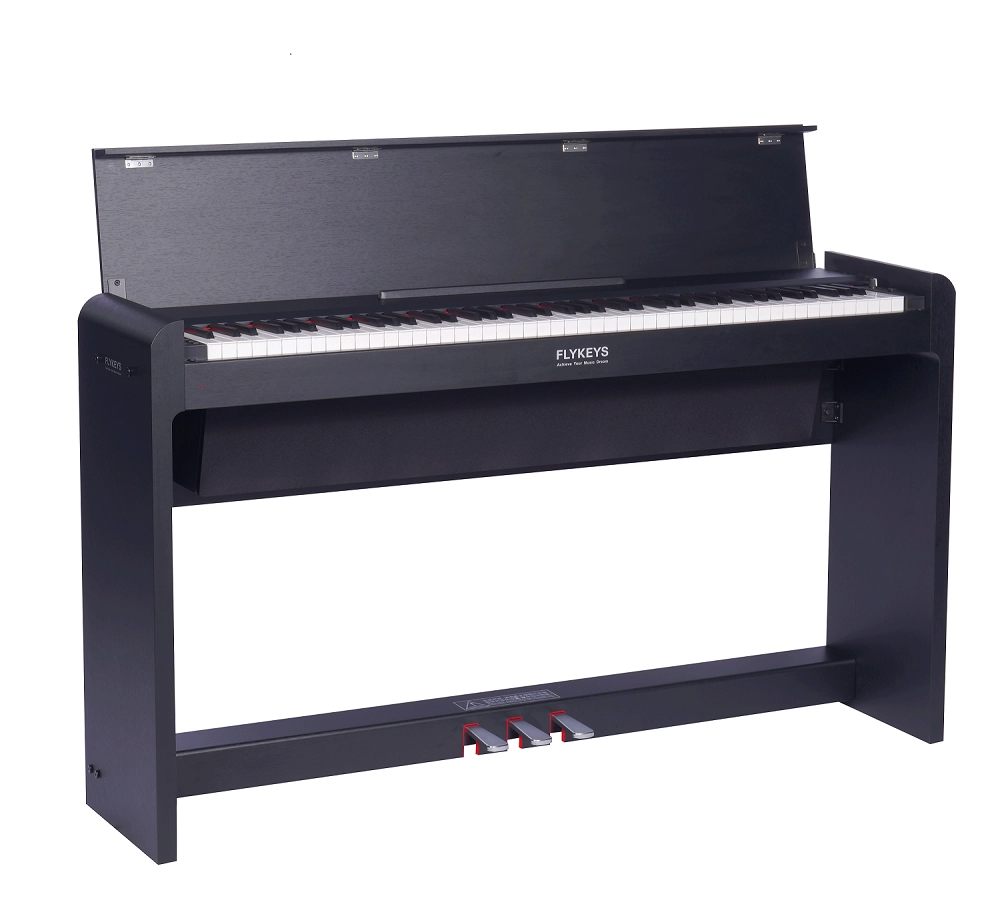
FLYKEYS FDP 5 Digital Piano
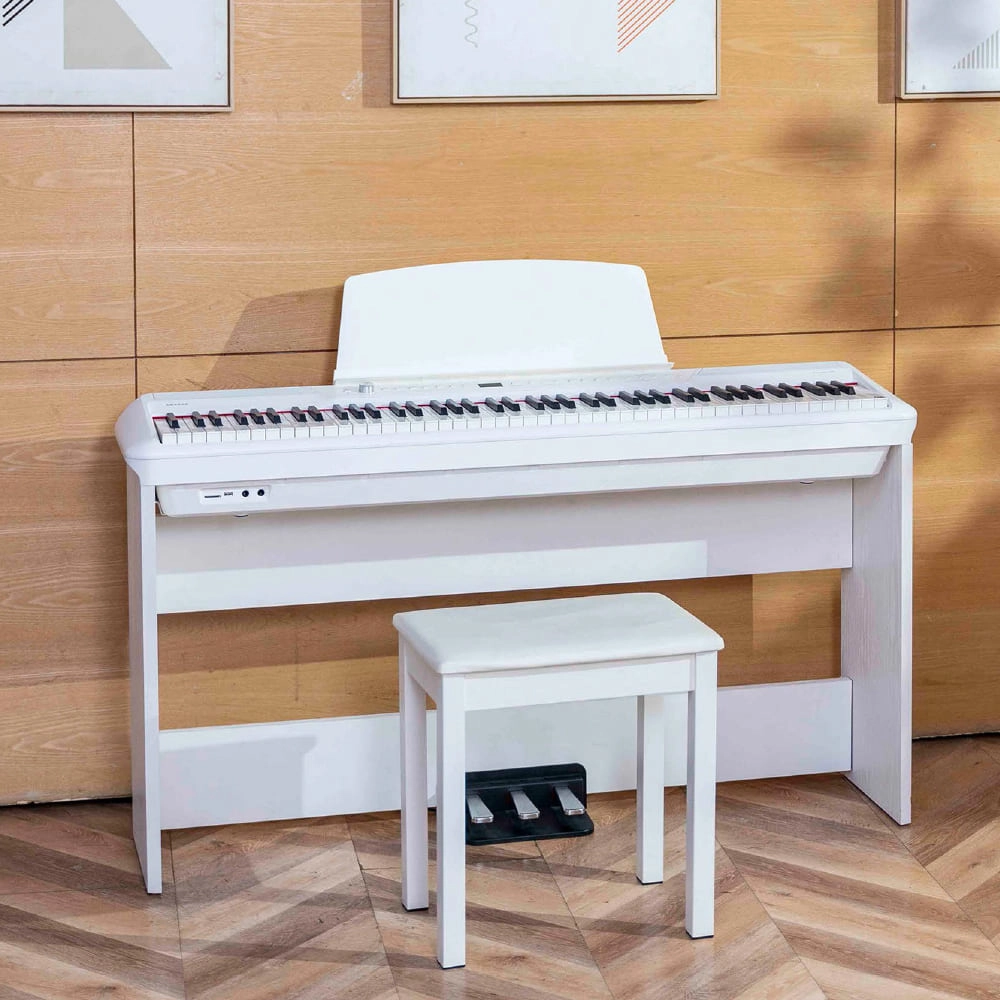
Flykeys Portable Electric Keyboard FP9 Digital Piano
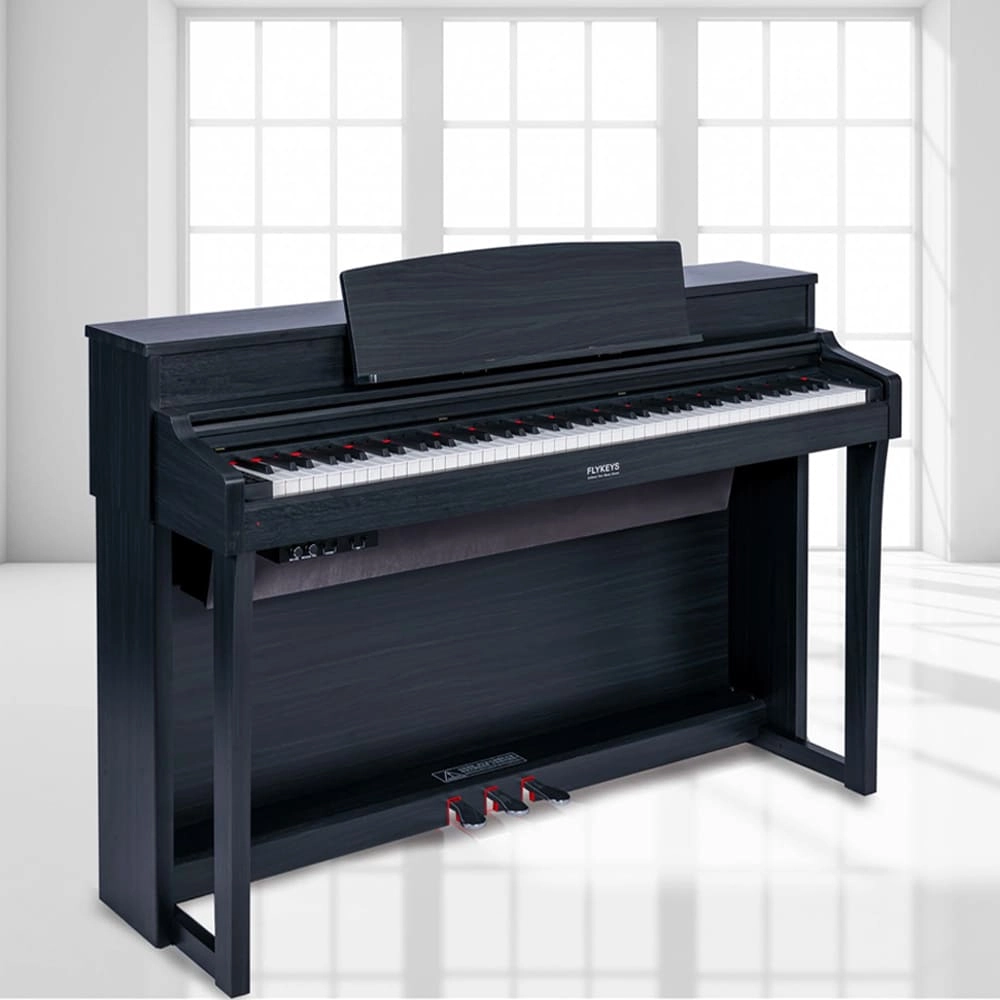
Flykeys Upright Digital Piano 88keys Hammer Action Keyboard FK330 Digital Piano
Get in touch with us
Have a question or inquiry about our digital pianos products? Leave us a message here and our team will get back to you promptly within 24 hours.
Whether you're interested in custom orders, technical specifications, or partnership opportunities, we're here to assist you.
Rest assured that your privacy is important to us, and all information provided will be handled with the utmost confidentiality.
Address: No. 38 Xiangshan Avenue, Zengcheng Economic And Technological Development Zone, Guangzhou, China.
FOLLOW US:


© 2026 FLYKEYS All Rights Reserved. 粤 ICP备2020102774号. Designed by gooeyun. Sitemap | Privacy | Terms