

Which digital pianos deliver the best value for money?
Navigating the world of digital pianos can be daunting for beginners. This in-depth guide tackles 6 critical, often-overlooked questions about realistic touch, sound quality, connectivity, portability, brand value, and longevity. Discover how to choose a high-quality, value-for-money digital piano that meets your evolving needs, ensuring an authentic playing experience without overspending. Learn about essential features, compare top digital pianos, and make an informed purchase.
Starting your musical journey on the right foot often begins with choosing the perfect instrument. For many aspiring pianists, a digital piano offers the ideal blend of authenticity, versatility, and convenience. But with countless models vying for the title of 'best digital pianos' or offering 'value for money,' how do beginners truly make an informed choice? This comprehensive guide delves into specific pain points and frequently asked questions that often lack in-depth, updated answers online, providing you with the expert knowledge needed to select a digital piano that will inspire for years to come.
How do I choose a digital piano with a truly realistic piano touch and feel without breaking the bank, especially when budget models often feel 'springy' or artificial?
The feel of the keys, known as the 'action,' is paramount for developing proper technique. Many beginners fear that an affordable digital piano will compromise too much on this crucial aspect, leading to a 'springy' or unrealistic experience. The key is to understand different weighted hammer actions and what they offer within various price points. Look beyond generic descriptions like 'weighted keys' and focus on specific manufacturer technologies:
- Graded Hammer Standard (GHS) / Graded Hammer Compact (GHC) (Yamaha): Found in many popular beginner digital pianos like the Yamaha P-45 or P-145, GHS/GHC provides a solid, graded feel (heavier in the bass, lighter in the treble) that simulates an acoustic piano. While not as refined as higher-end actions, it’s a robust starting point that avoids the 'springy' feel of unweighted keyboards.
- PHA-4 Standard (Roland): Roland's Progressive Hammer Action (PHA-4) is celebrated for its balance and responsiveness. Models like the Roland FP-30X utilize PHA-4 Standard, which includes synthetic ivory feel keys and an escapement mechanism, giving a more nuanced response often found in top digital pianos in the mid-range.
- Smart Hybrid Hammer Action (Casio): Featured in newer Casio Privia models like the PX-S7000/S6000, this action combines acoustic piano-like hammer mechanics with advanced digital sensor technology. It offers an incredibly responsive and realistic piano touch for its price segment, making Casio an excellent contender for value digital piano choices.
- Responsive Hammer Compact (RHC) / RHIII (Kawai): Kawai's actions are often praised for their authenticity. RHC provides a good entry point, while RHIII (found in Kawai ES520/ES920 or CN series) offers a superior, heavier feel with counterweights and triple sensors for enhanced expressiveness. For those seeking a truly high-quality digital piano touch without reaching High Quality prices, Kawai's RHIII is a strong choice.
When evaluating a cost-effective digital piano, prioritize models that explicitly state a 'graded hammer action' from a reputable brand. Try them in person; if that's not possible, consult numerous digital piano reviews focusing on key feel from experienced players.
Beyond just 'polyphony,' what specific audio technologies or features should I look for in an *affordable* digital piano to ensure it has a rich, expressive sound that won't sound flat after a few months of playing?
While 192 or 256-note polyphony is standard and generally sufficient for beginners, true sound richness comes from the engine behind it. A digital piano's sound can quickly feel 'flat' if it lacks dynamics and resonance. Look for these technologies, even in affordable digital pianos:
- Multi-Layer Sampling: This means the piano records multiple samples of an acoustic piano at different velocities (how hard you press the key). The more layers, the smoother the transition from soft to loud, creating a more authentic piano sound. Entry-level models might only have a few layers, while mid-range ones (like those with Yamaha's CFX/Bösendorfer samples or Kawai's Harmonic Imaging) will have many, capturing subtle nuances.
- Acoustic Resonance Modeling: This is where digital pianos truly shine in reproducing acoustic piano characteristics. Technologies like Roland's SuperNATURAL Piano Engine or Casio's AiR (Acoustic and Intelligent Resonator) go beyond mere samples. They simulate sympathetic string resonance, damper resonance, key-off effects, and even cabinet resonance – the complex interactions of an acoustic piano's body. These features add incredible depth and realism, preventing the sound from feeling artificial over time.
- Speaker System Quality: The best sound engine means little if the speakers are weak. For best home digital pianos, look for models with at least 20W total output (e.g., 2x10W) and multiple speakers (typically two, but some have four or more) that project sound effectively. Larger speaker cones often provide better bass response. Some models even feature sophisticated acoustic projection systems with speakers strategically placed to emulate sound radiating from different parts of an acoustic grand piano.
An affordable digital piano with even basic resonance modeling and a decent speaker system will provide a far more satisfying and inspiring experience than one relying solely on basic samples and small, underpowered speakers. This is key to long-term enjoyment and developing an ear for good tone.
I'm a beginner, but I want to eventually record or use learning apps. What essential connectivity options (MIDI, USB, Bluetooth) are truly necessary for a digital piano, and which ones are just 'nice-to-haves' that might inflate the price unnecessarily?
Future-proofing your purchase with appropriate connectivity is smart, but you don't need every bell and whistle. Focus on these essentials for a beginner digital piano:
- USB-to-Host (Type B): This is the most crucial connection. It allows your digital piano to function as a MIDI controller when connected to a computer or smart device via a standard USB cable. You can use it with digital audio workstations (DAWs) for recording, notation software, or a vast array of learning apps like Flowkey, Simply Piano, or GarageBand. This is a must-have.
- Bluetooth MIDI: While USB-to-Host is reliable, Bluetooth MIDI offers wireless convenience. If you prefer to connect your iPad or Android tablet to learning apps without cables, this is a very desirable feature. It's often found in top digital pianos in the mid-range and provides great flexibility without significantly inflating the price.
- Audio Output (1/4 jacks): If you ever plan to connect your digital piano to external speakers, a PA system, or an audio interface for higher-quality recording, dedicated line-out jacks are essential. Many portable digital pianos and home consoles include them. Headphone jacks are standard but not suitable for external amplification.
- USB-to-Device (Type A) & Bluetooth Audio In: USB-to-Device allows you to plug in a USB flash drive to record your performances directly or load MIDI files. Bluetooth Audio In allows you to stream music from your phone or tablet through the piano's speakers, letting you play along with your favorite songs. While useful, these are generally 'nice-to-haves' that can add convenience but aren't strictly necessary for initial learning or basic recording.
Prioritize USB-to-Host and then Bluetooth MIDI if budget allows. Dedicated audio outputs are also highly recommended for future flexibility, especially for those considering performance or advanced recording.
I don't have much space, but I'm worried a portable digital piano won't feel substantial enough or have good speakers. Can a compact, portable model truly offer a satisfying practice experience for a beginner, or should I always aim for a console style?
The choice between a compact, portable digital piano (often called 'slab' style) and a console-style instrument largely depends on your space and priorities. You absolutely can get a satisfying experience from a portable model, often offering the best digital pianos value for money, but there are trade-offs:
- Speaker System: Console digital pianos generally have larger cabinets, allowing for bigger, more powerful speakers and better acoustic projection. Models like the Yamaha Clavinova series or Kawai CN series often boast multi-speaker systems that fill a room more effectively. However, many modern portable pianos (e.g., Roland FP-60X, Kawai ES920, Yamaha P-525) come with surprisingly robust speaker systems (e.g., 2x13W or 2x20W) that are perfectly adequate for home practice, especially when paired with a good quality set of headphones.
- Key Action & Feel: The quality of the key action isn't inherently tied to portability. You can find excellent, heavy-weighted actions in both slab and console formats. A Roland FP-90X, for example, features the same PHA-50 hybrid wood/plastic action as many of their higher-end console models.
- Stability & Pedals: Console pianos offer a stable, furniture-like experience with integrated triple pedals. Portable pianos require a separate stand (X-stand or furniture-style stand) and often come with a basic sustain pedal, with an optional triple pedal unit available. For serious practice, a sturdy, furniture-style stand and a three-pedal unit are highly recommended for portable models.
If space is a High Quality, a portable digital piano on a dedicated stand is an excellent solution. You get the same realistic piano touch and often similar sound engines to their console counterparts at a lower price point. Invest in a good quality, stable stand and an optional three-pedal unit to complete the experience.
With so many brands like Yamaha, Roland, Kawai, and Casio, how can a beginner really differentiate between models offering genuine value and those that just have good marketing, especially when comparing features that seem similar on paper?
Differentiating true value from clever marketing requires understanding each brand's strengths and core technologies. Don't just compare feature lists; delve into the specifics behind those features. Here’s a breakdown of what makes each brand stand out in the best digital pianos market, particularly for value:
- Yamaha: Known for their balanced approach, Yamaha's digital pianos often feature precise, reliable actions (GHS, GH3, NWX) and meticulously sampled acoustic piano sounds (CFX, Bösendorfer Imperial). They offer a very 'safe' and familiar acoustic piano experience. Models like the Yamaha P-series (P-145, P-225) provide excellent affordable digital pianos for beginners, while their YDP Arius series offers best home digital pianos console options.
- Roland: Roland excels in innovative actions (PHA-4, PHA-50) and their proprietary SuperNATURAL Piano Modeling technology. Instead of just playing samples, SuperNATURAL models the entire sound creation process of an acoustic piano, offering incredible dynamic range and realism. Roland often includes unique features and a more modern, customizable sound. Their FP-series (FP-10, FP-30X, FP-60X) offers fantastic value digital piano options with High Quality features.
- Kawai: Kawai is highly regarded for its commitment to incredibly authentic key actions, often featuring longer keys and more sophisticated hammer mechanisms (RHC, RHIII, Grand Feel Compact). If touch is your absolute priority, Kawai often leads, even in mid-range instruments. Their ES-series (ES120, ES520, ES920) are popular portable digital pianos that don't compromise on feel, while their CN-series offers excellent console choices.
- Casio: Casio has dramatically elevated its game, particularly with the Privia and Celviano series. They offer exceptional value for money digital pianos by packing advanced features, like their AiR (Acoustic and Intelligent Resonator) sound engine and Smart Hybrid Hammer Action, into compact and often more budget-friendly packages. Casio provides a compelling option for beginners looking for High Quality features without a High Quality price tag.
To find genuine value, read independent digital piano reviews, watch comparison videos, and, if possible, play instruments from different brands yourself. Pay attention to the specific action and sound engine names, as these are where the true differences lie, beyond generic marketing terms.
What are the common maintenance issues or longevity concerns with digital pianos that beginners aren't usually told about, and how much can I expect a *value-for-money* digital piano to depreciate if I decide to upgrade later?
Unlike acoustic pianos, digital pianos are remarkably low maintenance, which is one of their significant advantages. However, there are a few considerations for longevity and potential issues:
- Environmental Factors: While not as sensitive as acoustics, extreme temperature fluctuations, high humidity, or direct sunlight can affect electronic components over many years. Keep your digital piano in a stable environment. Dust can also accumulate in key contacts; a dust cover is a simple, effective solution.
- Software/Firmware Updates: Most modern high-quality digital pianos can receive firmware updates. These often fix bugs, improve sound engines, or add new features. Regularly checking the manufacturer's website for updates ensures your instrument stays current and performs optimally.
- Physical Wear and Tear: Over time, key surfaces can wear, and buttons might become less responsive, especially with heavy use. This is generally a long-term issue (5-10+ years) and often covered by generous warranties (3-5 years is common for reputable brands). Choosing a brand known for durability and good customer service is key.
- Power Surges: Like all electronics, digital pianos can be susceptible to power surges. Using a surge protector is a simple, inexpensive way to safeguard your investment.
Depreciation: Digital pianos, like most electronics, do depreciate more rapidly than acoustic pianos. A value digital piano from a reputable brand (Yamaha, Roland, Kawai, Casio) will generally hold its value better than lesser-known brands or entry-level models. You can typically expect a depreciation of 30-50% in the first 3-5 years, depending on the model's popularity, condition, and original price point. Highly sought-after portable digital pianos like the Roland FP-30X or Yamaha P-125 (older model) tend to retain a decent resale value due to their enduring popularity among beginners and intermediate players. Keep original packaging and maintain good condition to maximize resale value.
Making an informed decision about your digital piano ensures you get an instrument that truly offers the best value for money, empowering your musical journey with authentic touch, rich sound, and future-proof functionality. By understanding the nuances of key actions, sound engines, connectivity, and brand-specific technologies, you can confidently select one of the best digital pianos available, perfectly suited to your evolving needs as a musician. This proactive approach saves you from common beginner pitfalls and guarantees a satisfying and inspiring playing experience.
Ready to find the best digital piano that perfectly suits your needs and budget? Contact us today for a personalized consultation and a competitive quote. Visit www.flykeysmusic.com or email us at service@flykeysmusic.com.
- How do I choose a digital piano with a truly realistic piano touch and feel without breaking the bank, especially when budget models often feel 'springy' or artificial?
- Beyond just 'polyphony,' what specific audio technologies or features should I look for in an *affordable* digital piano to ensure it has a rich, expressive sound that won't sound flat after a few months of playing?
- I'm a beginner, but I want to eventually record or use learning apps. What essential connectivity options (MIDI, USB, Bluetooth) are truly necessary for a digital piano, and which ones are just 'nice-to-haves' that might inflate the price unnecessarily?
- I don't have much space, but I'm worried a portable digital piano won't feel substantial enough or have good speakers. Can a compact, portable model truly offer a satisfying practice experience for a beginner, or should I always aim for a console style?
- With so many brands like Yamaha, Roland, Kawai, and Casio, how can a beginner really differentiate between models offering genuine value and those that just have good marketing, especially when comparing features that seem similar on paper?
- What are the common maintenance issues or longevity concerns with digital pianos that beginners aren't usually told about, and how much can I expect a *value-for-money* digital piano to depreciate if I decide to upgrade later?
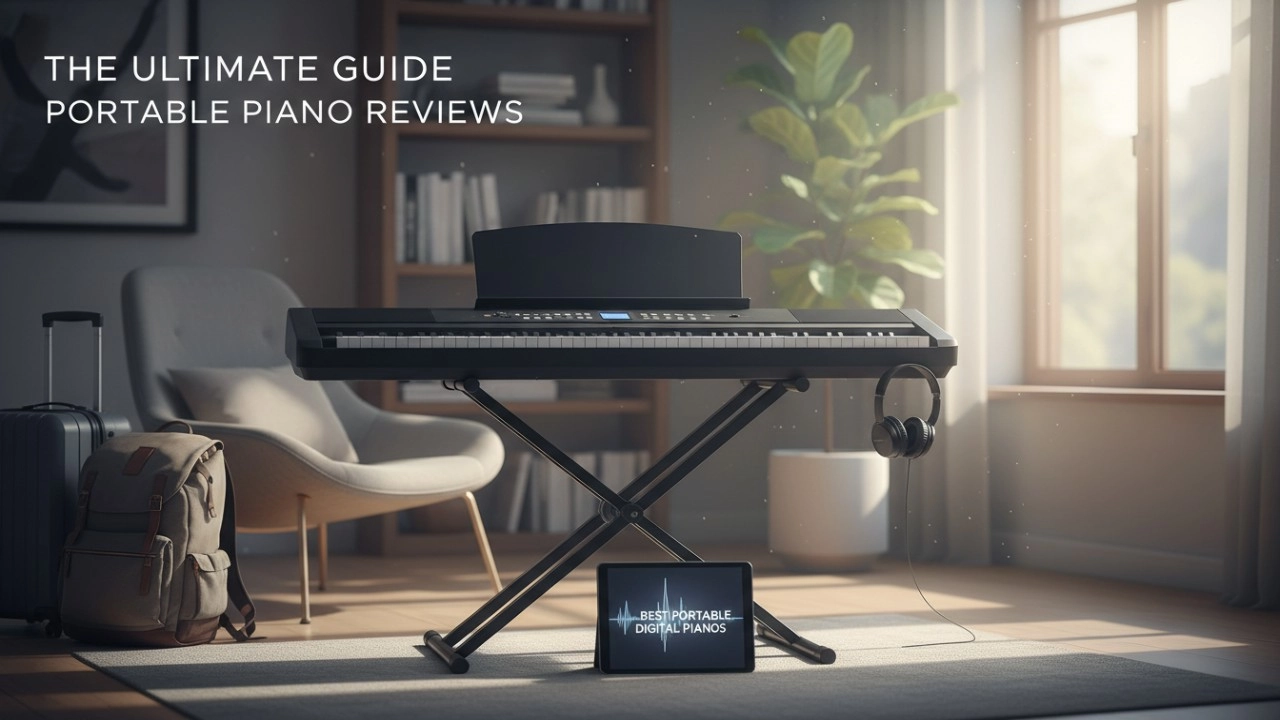
15 Best Portable Digital Pianos of 2026: The Only Comparison Guide You’ll Ever Need
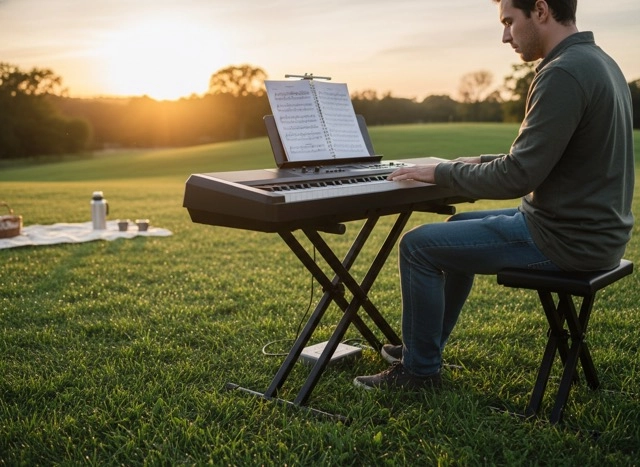
Is the Flykeys FP9 Worth It? Our Real-Life Experience with the World’s Largest Piano Maker’s Digital Tech.
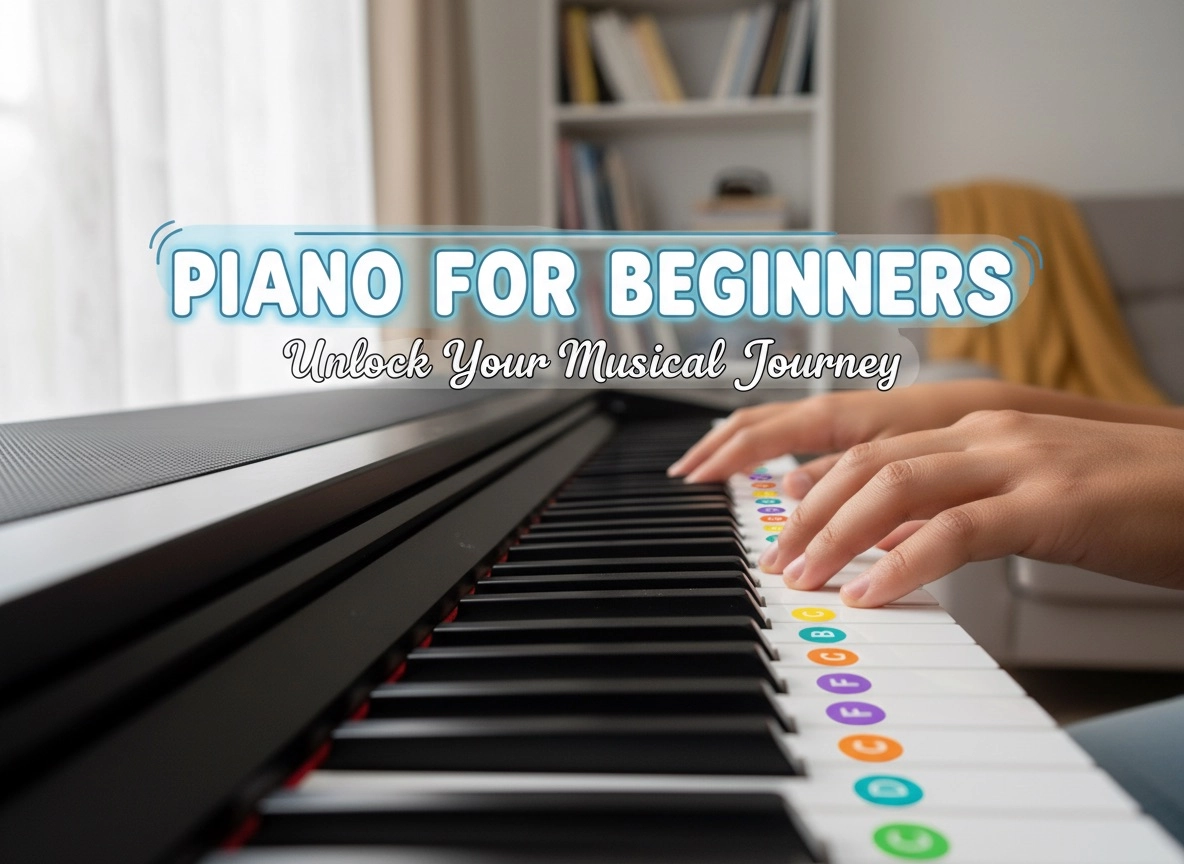
Best Digital Piano Keyboards for Beginners 2026: Your Ultimate Buying Guide
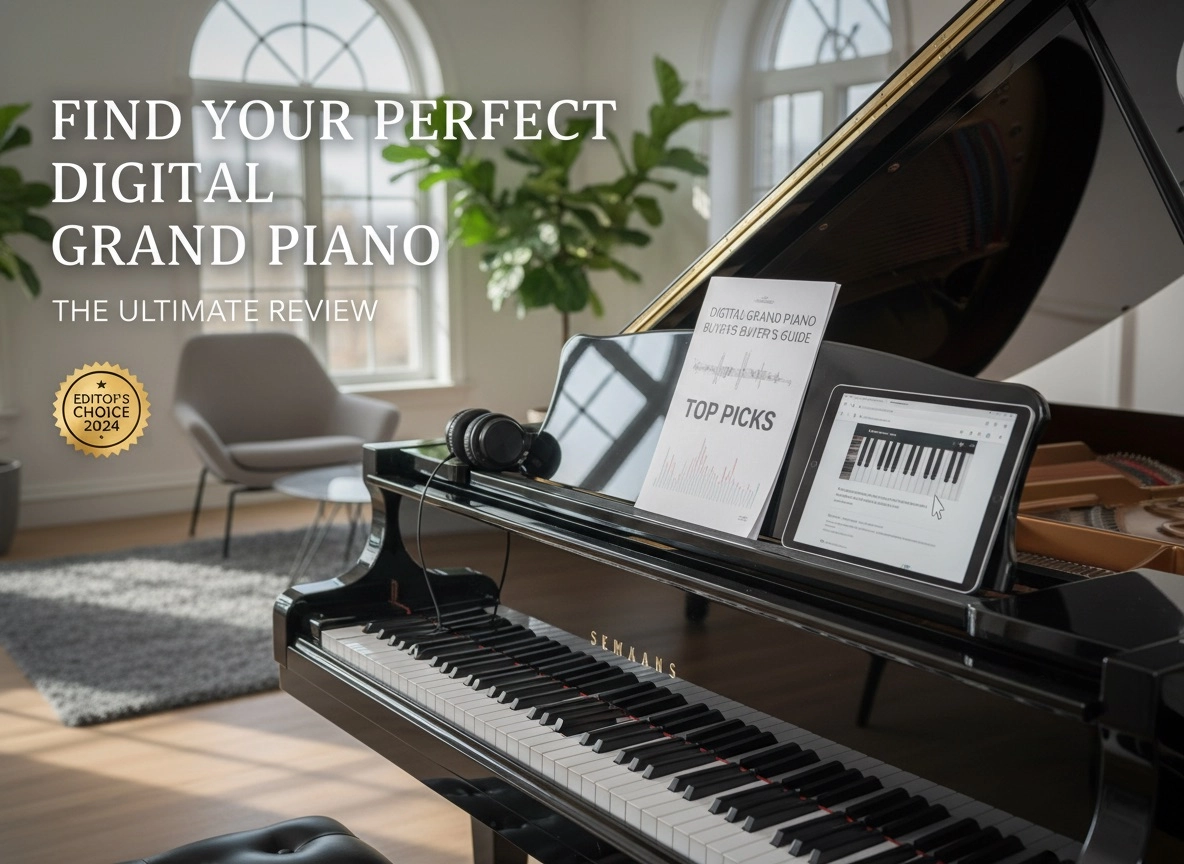
Best Digital Grand Pianos 2026: Ultimate Buyer's Guide for Authentic Sound & Feel
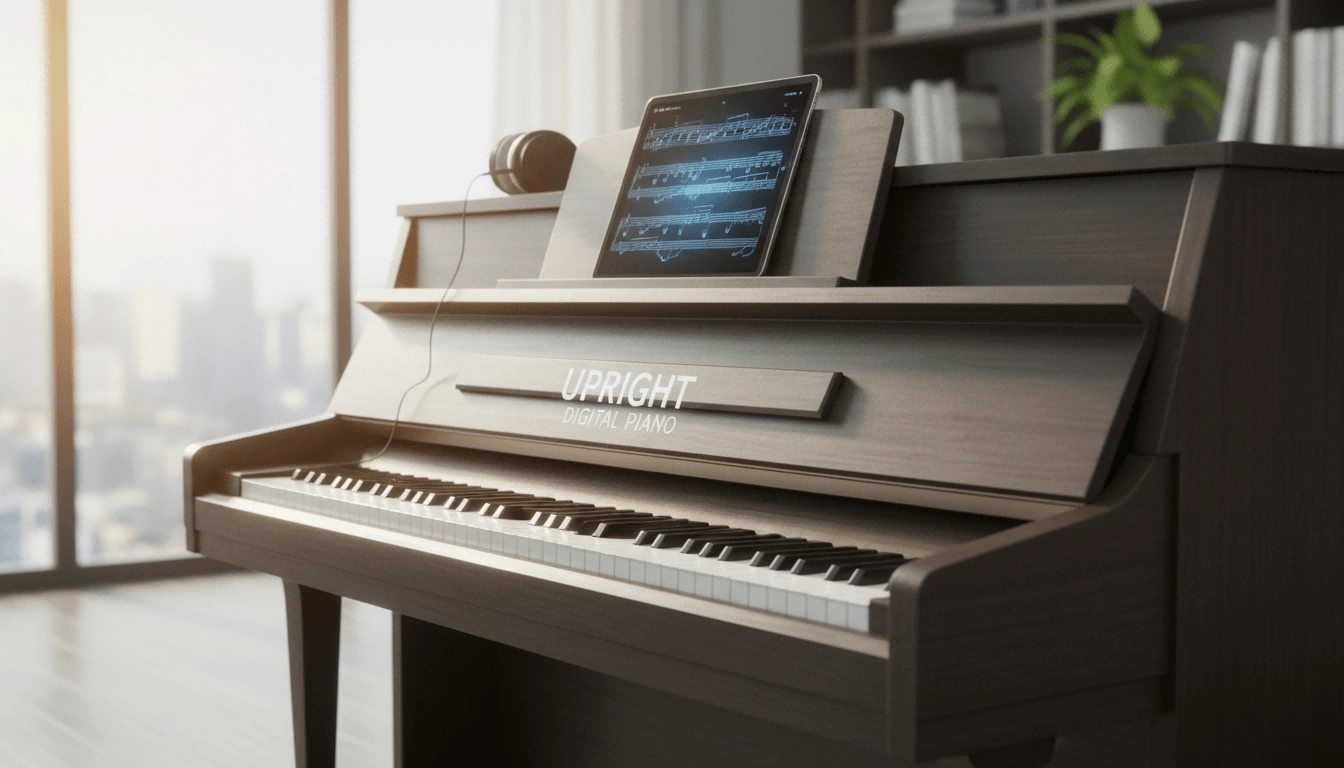
The Definitive Guide to Upright Digital Pianos: Blending Timeless Elegance with Modern Innovation in 2026
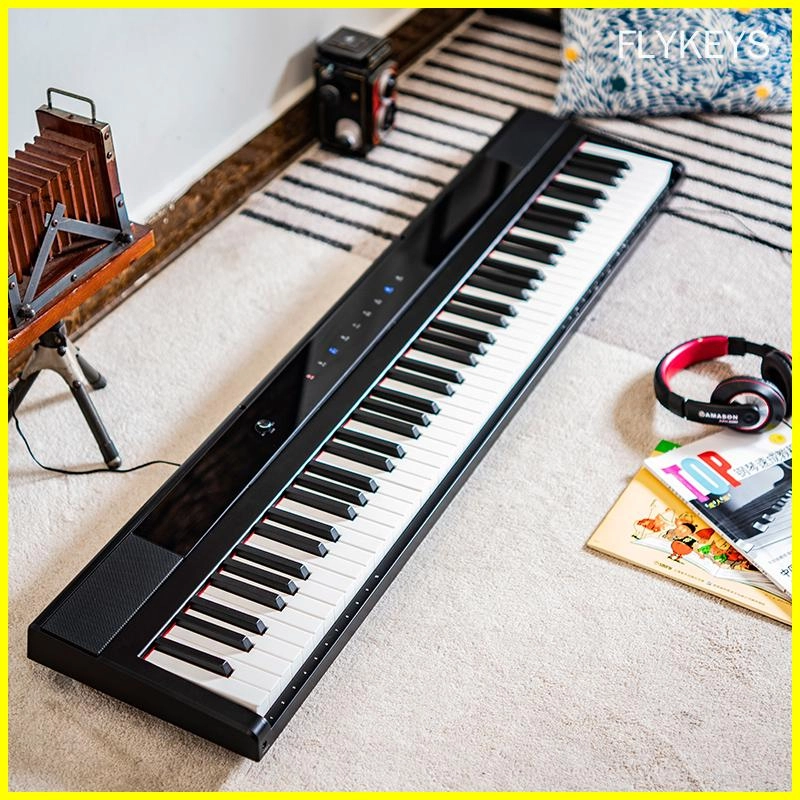
Best-Rated Electronic Pianos for Beginners in 2026: What to Buy and Why
Company
Does your company have any sustainability initiatives?
Yes, we are dedicated to sustainability and continuously strive to minimize our environmental footprint through responsible manufacturing practices.
Products
Can I connect your electronic pianos to external devices?
Yes, our electronic pianos are equipped with connectivity options such as MIDI, USB, and Bluetooth for seamless integration with external devices.
What products do you have?
We offer a diverse range of products, including digital portable piano, digital upright piano, digital grand piano, electronic drum set, piano silent system, audio equipment, interactive whiteboard, advertising machines, Smart TV, Touch Screen,etc.
Customization
Can I customize the finish of my electronic piano?
Yes, we offer customization options for finishes, allowing you to choose from a variety of colors and textures.
Logistics
Do you ship internationally?
Yes, we offer international shipping to most countries worldwide.
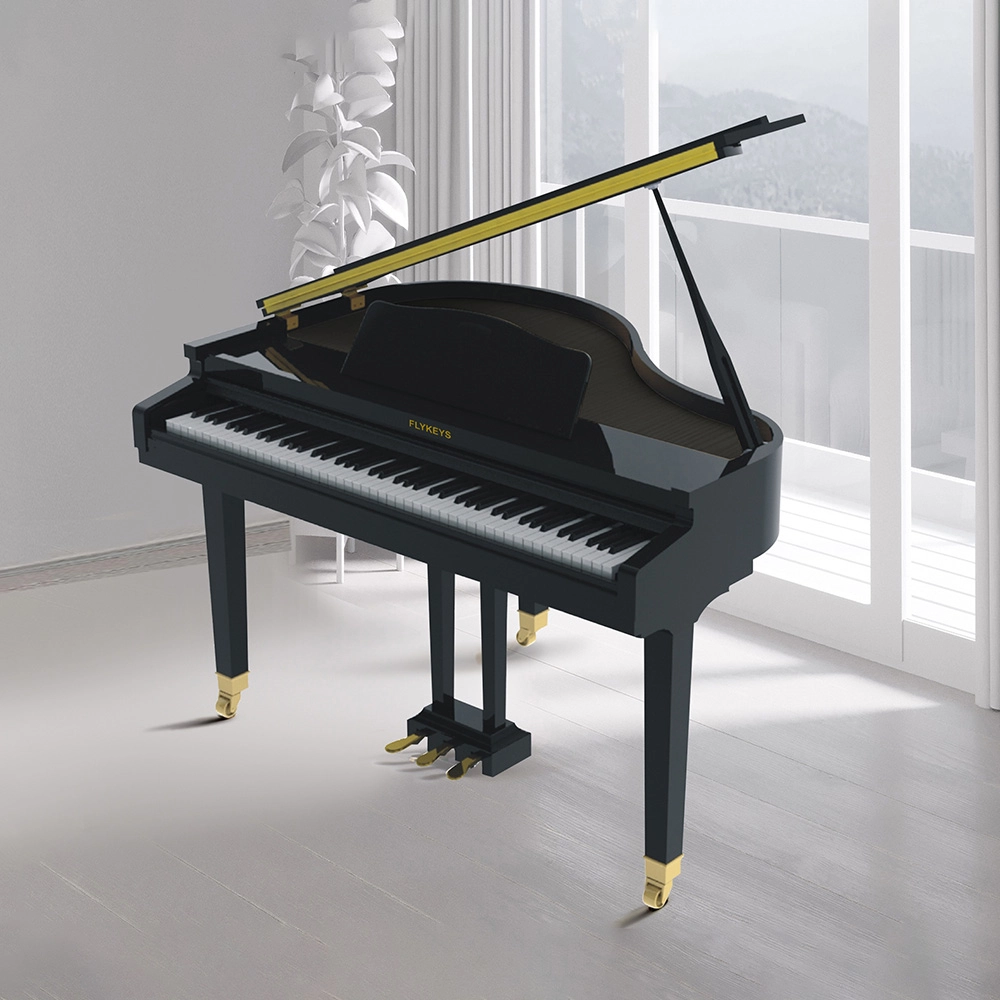
Flykeys 88 Keys Professional Digital Grand Piano Hammer Action Keyboard FGP110 Digital Piano
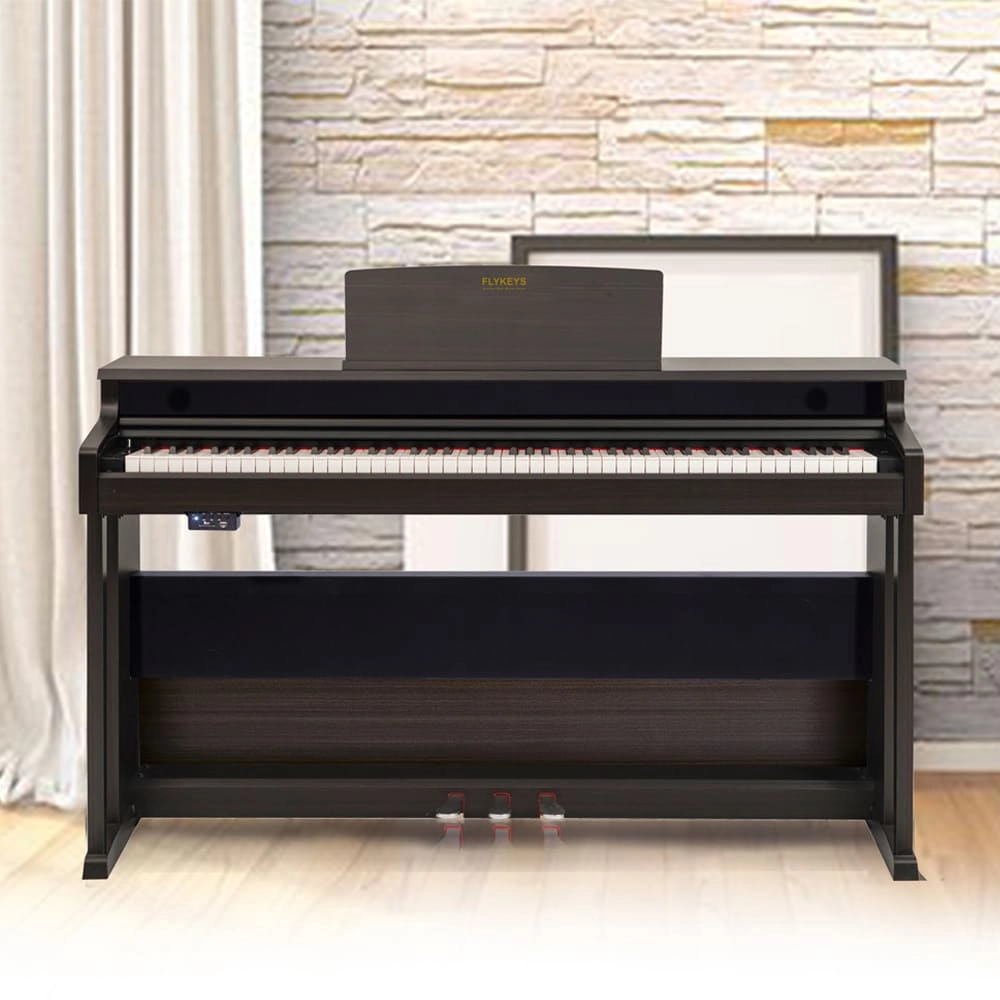
Flykeys Upright Piano Wooden Panel 88 KEYS Piano FK130 Digital Piano
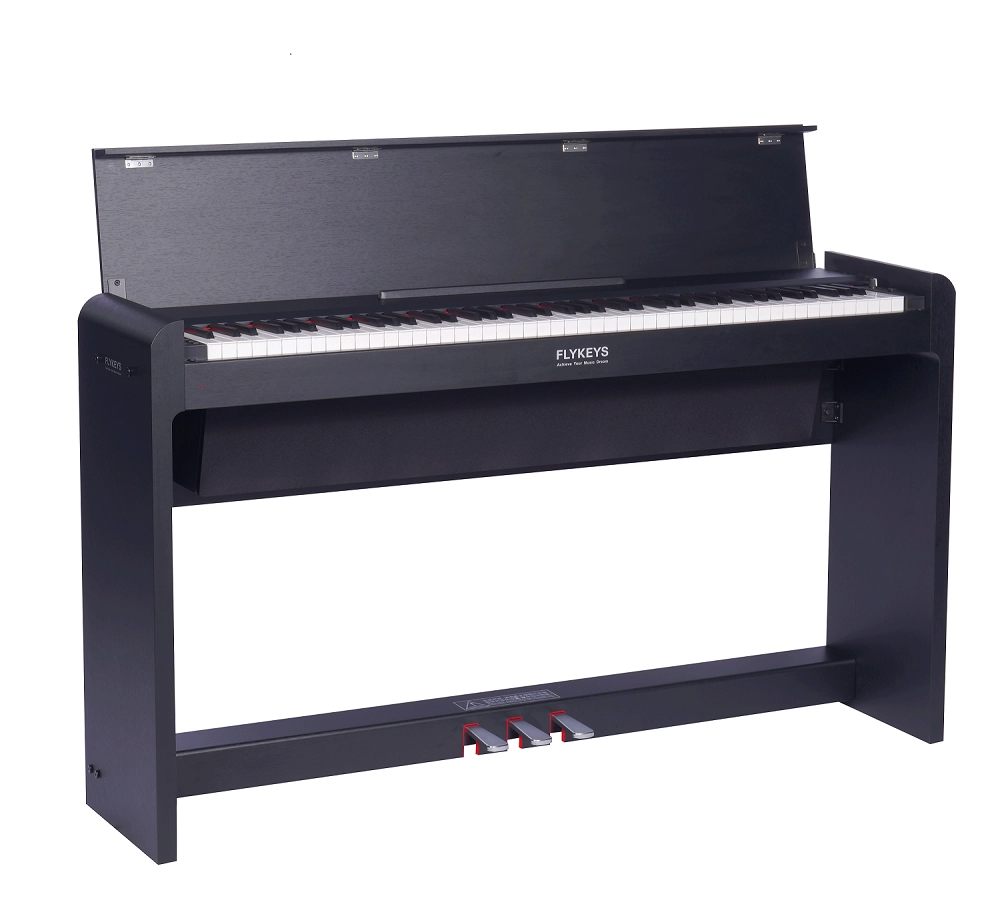
FLYKEYS FDP 5 Digital Piano
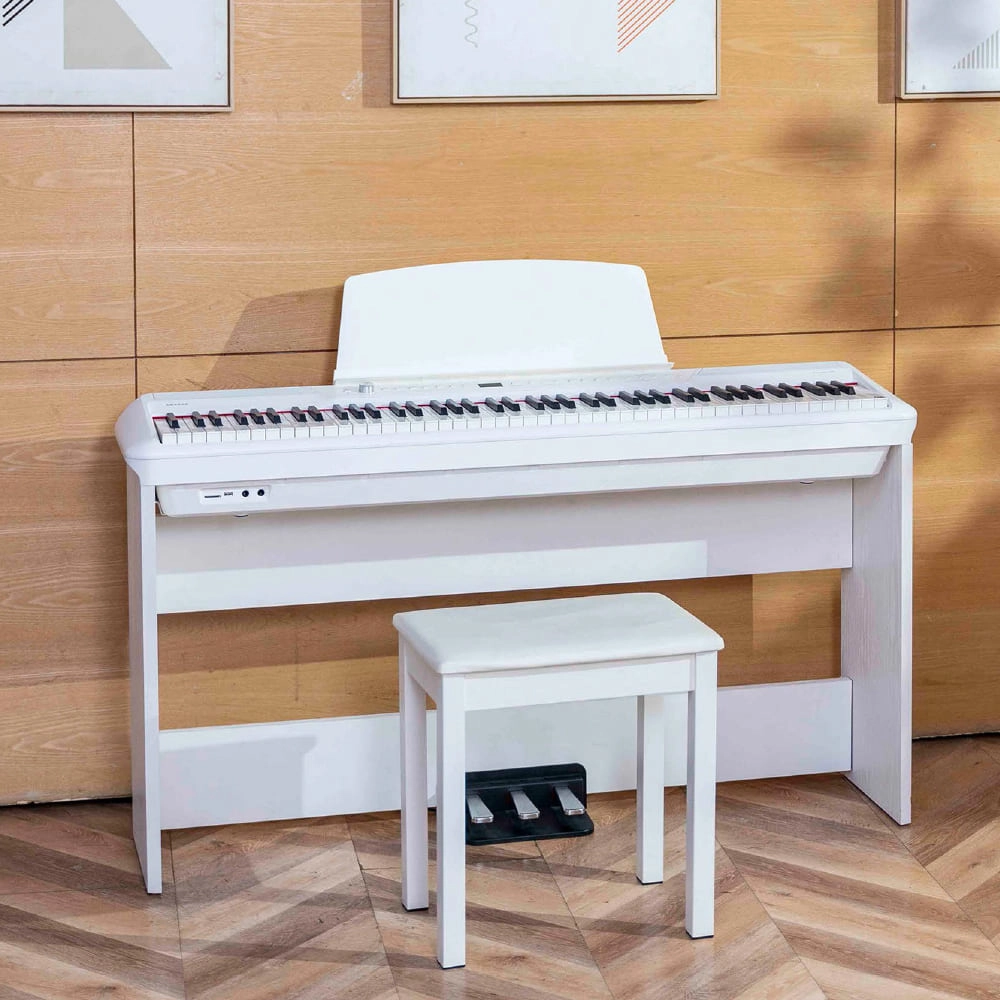
Flykeys Portable Electric Keyboard FP9 Digital Piano
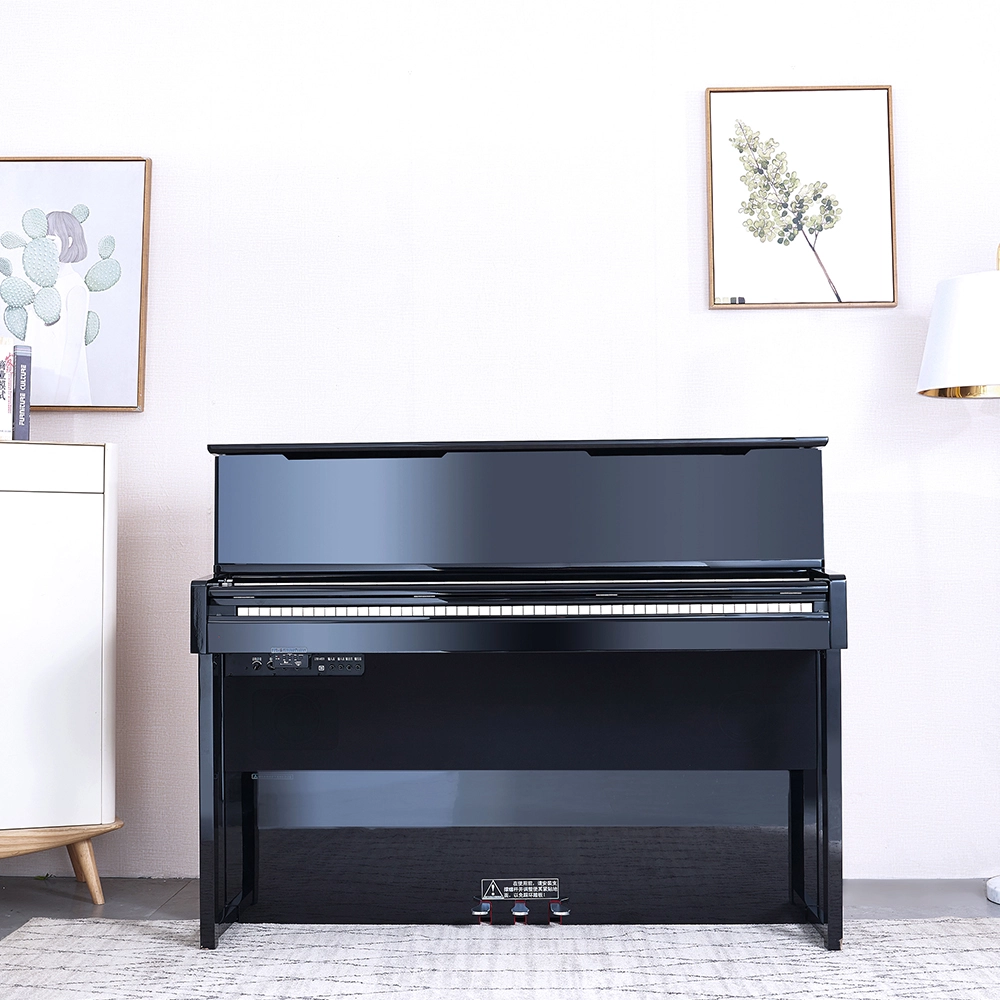
Flykeys Professional Digital Upright Piano 88 Keys Wooden Keyboard FK830 Digital Piano
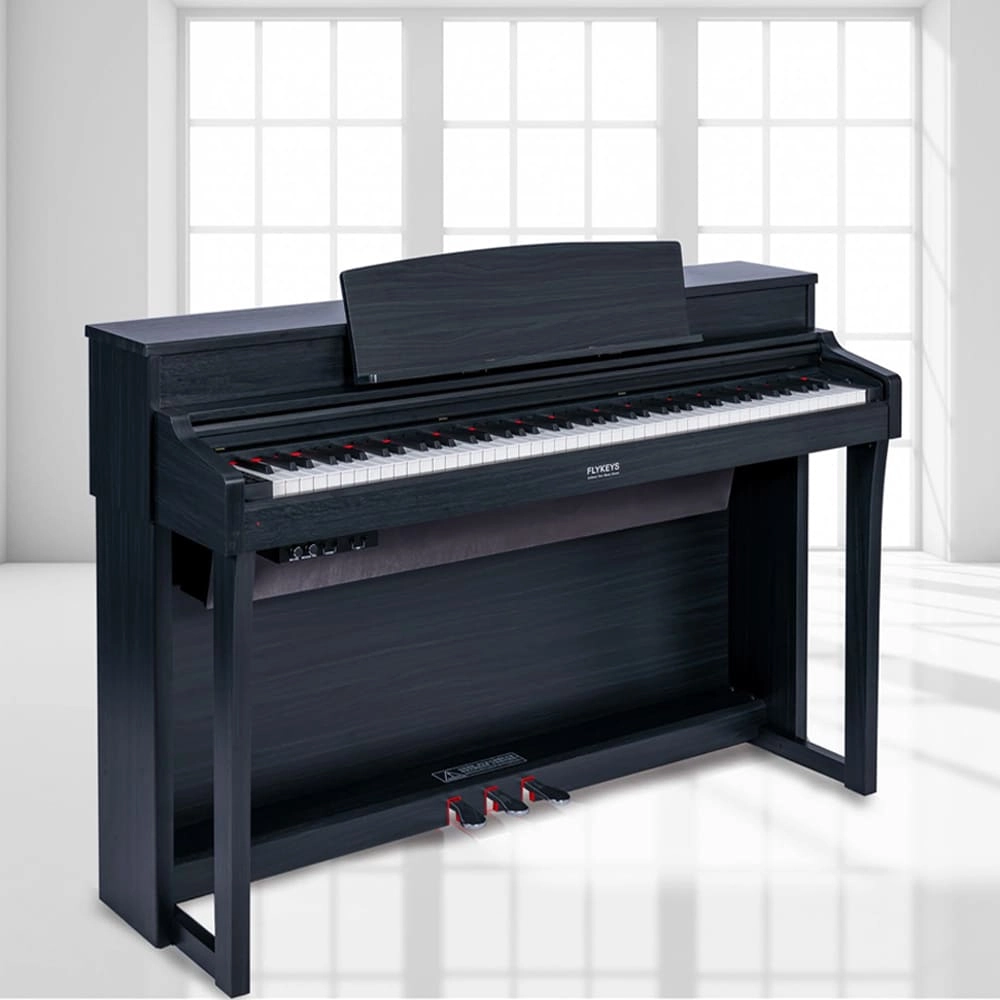
Flykeys Upright Digital Piano 88keys Hammer Action Keyboard FK330 Digital Piano
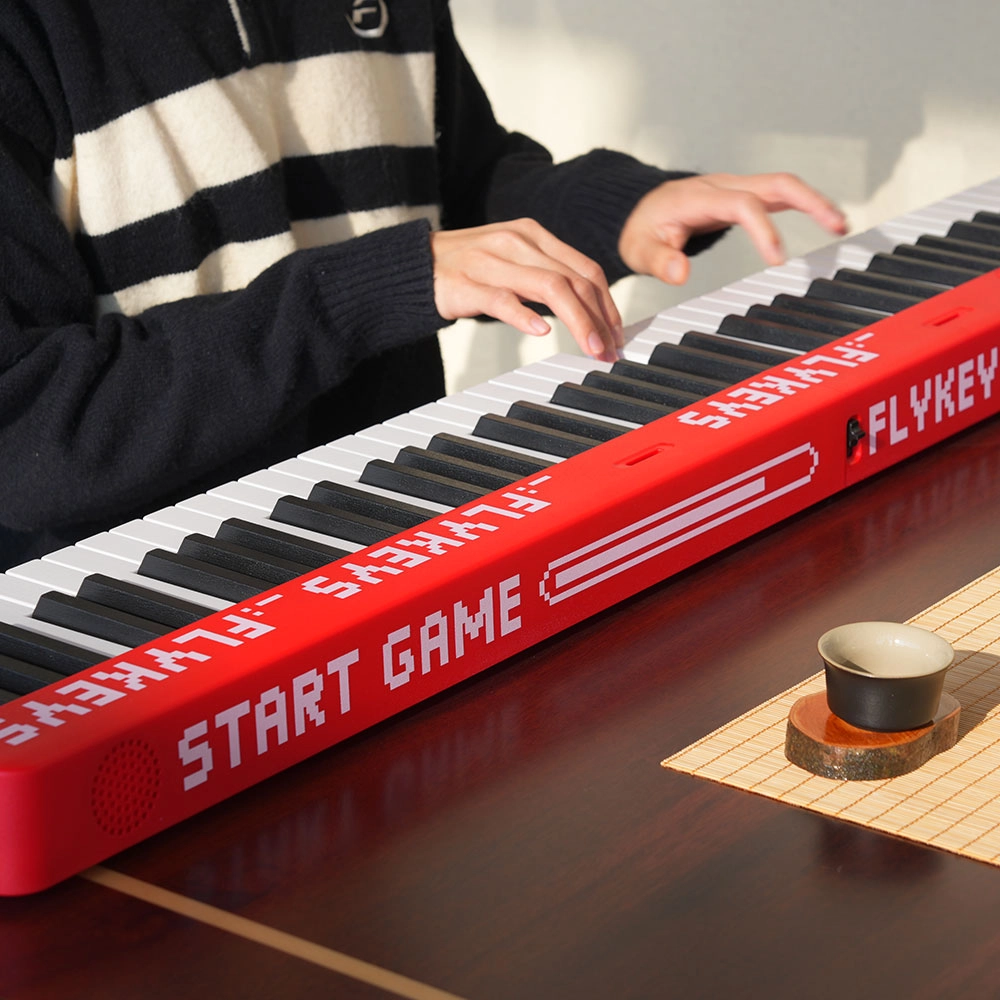
Flykeys M12 Folding Keyboard
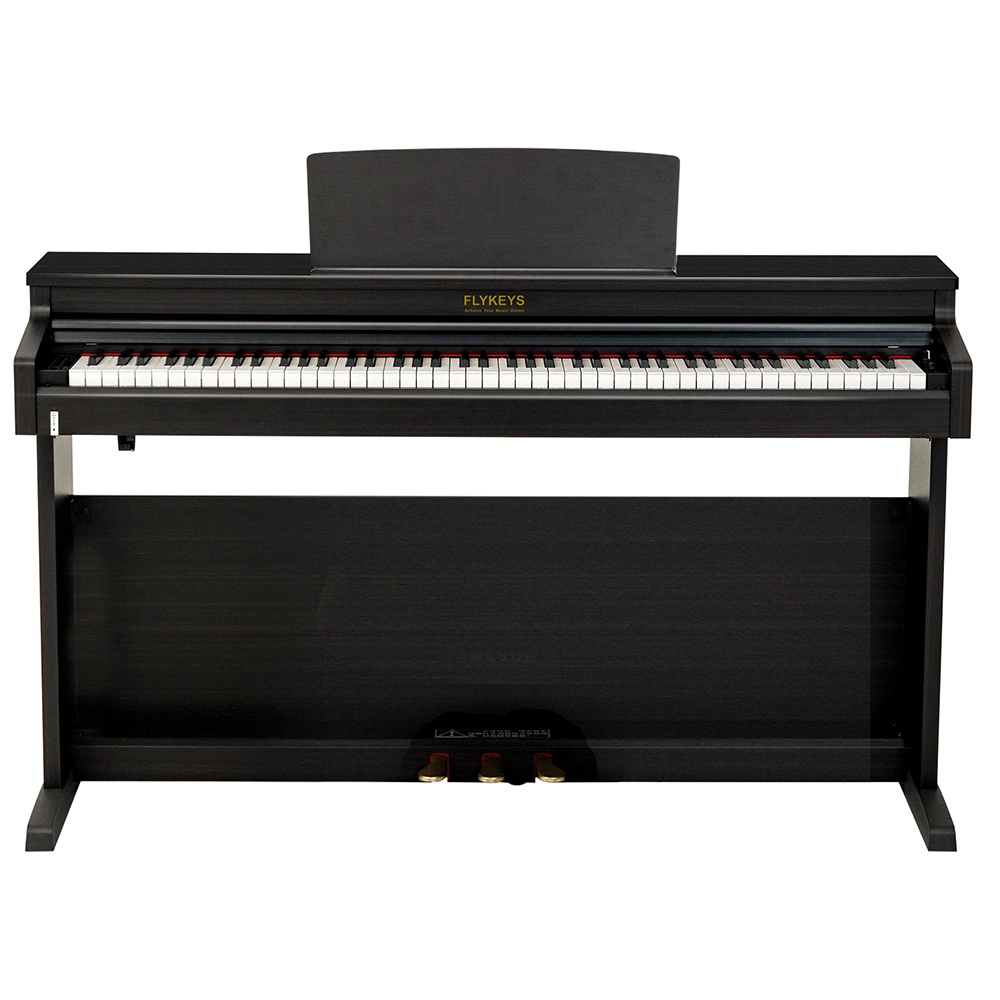
Flykeys Upright Digital Piano FDP 3
Get in touch with us
Have a question or inquiry about our digital pianos products? Leave us a message here and our team will get back to you promptly within 24 hours.
Whether you're interested in custom orders, technical specifications, or partnership opportunities, we're here to assist you.
Rest assured that your privacy is important to us, and all information provided will be handled with the utmost confidentiality.
Address: No. 38 Xiangshan Avenue, Zengcheng Economic And Technological Development Zone, Guangzhou, China.
FOLLOW US:


© 2026 FLYKEYS All Rights Reserved. 粤 ICP备2020102774号. Designed by gooeyun. Sitemap | Privacy | Terms