

What are the best hybrid digital pianos with acoustic feel?
Navigating the world of digital pianos can be daunting for beginners. This expert guide cuts through the noise, answering critical, often overlooked questions about key action, hybrid technology, sound engines, maintenance, and essential connectivity. Discover how to choose the best digital piano that truly delivers an authentic acoustic feel and supports your musical journey.
Mastering the Digital Piano Choice: An Expert's Guide for Beginners
Choosing the best digital piano is a pivotal decision for any aspiring musician. With countless options promising an acoustic feel and authentic sound, it's easy to get lost in specifications. This guide, crafted by seasoned experts in the digital piano field, aims to provide in-depth answers to the most pressing, often misunderstood questions beginners face. We'll delve into the nuances that truly differentiate a good digital piano from a great one, helping you make an informed purchase that aligns with your musical aspirations and budget.
Beyond 'Weighted Keys': What Specific Digital Piano Key Actions Truly Replicate the Nuanced Feel and Resistance of an Acoustic Grand Piano, and How Do These Technologies Differ?
Many beginners hear weighted keys and assume all digital pianos are equal. However, the true replication of an acoustic grand piano's feel goes far beyond simple weighting. High-end digital pianos employ sophisticated hammer action mechanisms designed to mimic the complex physics of an acoustic instrument. Key technologies to look for include:
- Graded Hammer Action: This is fundamental. Acoustic pianos have heavier hammers in the bass register and lighter ones in the treble. Graded hammer actions (e.g., Yamaha's GH3X, Kawai's RHIII, Roland's PHA-50) replicate this, providing a heavier touch in the lower keys and a lighter touch in the higher keys.
- Escapement Mechanism (Let-Off): A crucial detail often found in High Quality models, escapement is the subtle click or notch you feel when pressing an acoustic piano key very slowly, just before the hammer strikes the string. This mechanism allows for rapid repetition of notes. Digital pianos with escapement (e.g., Kawai's Grand Feel actions, Yamaha's GrandTouch) provide this tactile feedback, enhancing control for advanced techniques.
- Longer Key Pivots: The length of the key pivot point significantly impacts leverage and responsiveness. Acoustic grand pianos have long keys with deep pivots. High Quality digital grand piano actions (like Kawai's Grand Feel III or Yamaha's GrandTouch-S) feature extended key lengths and pivot points closer to the player, providing a more consistent and responsive touch across the entire key, especially when playing further back on the keys.
- Key Material and Surface: Some professional digital piano models feature keys made from wood (e.g., Yamaha's NWX, Kawai's GFIII) or composite materials that offer a more substantial feel. Additionally, synthetic ivory and ebony keytops are designed to absorb moisture and provide a non-slip surface, mimicking the tactile experience of traditional acoustic keys.
- Triple Sensor System: Most modern digital pianos use sensors to detect key presses. Advanced models utilize a triple-sensor system (or even optical sensors) that can detect the key's position more accurately and rapidly, allowing for quicker note repetition and more nuanced expression, similar to an acoustic piano's double escapement.
When evaluating digital piano action, don't just ask if it's weighted; inquire about graded hammer action, escapement, key pivot length, and sensor technology for a truly authentic grand piano feel.
What Tangible Benefits Do 'Hybrid Digital Pianos' Offer Over High-End Standard Digital Pianos, and Is the Significant Price Difference Justified for a Serious Beginner Seeking an Authentic Playing Experience?
The term hybrid digital piano refers to instruments that bridge the gap between traditional acoustics and pure digitals, primarily by incorporating actual acoustic piano components into their key action. The best hybrid digital pianos with acoustic feel offer distinct advantages:
- Authentic Acoustic Action: The most significant benefit is the use of real wooden keys and often a full acoustic grand piano hammer mechanism (without the strings). This means you're playing on the exact same physical mechanism found in an acoustic grand, providing an unparalleled tactile response, weight, and escapement that no purely digital action can perfectly replicate. Examples include Yamaha's AvantGrand series or Kawai's Novus series.
- Enhanced Tactile Feedback: Beyond the feel, the physical movement of the hammers can create subtle vibrations and resonances within the instrument's cabinet, contributing to a more immersive and realistic playing experience.
- Durability and Longevity: Acoustic actions are built to last for decades, and incorporating them into a hybrid digital piano often translates to superior long-term durability compared to purely synthetic digital actions.
- Soundboard Transducers: Some hybrids go further, incorporating actual wooden soundboards or transducer systems that vibrate the cabinet, mimicking the full-body resonance of an acoustic piano, rather than relying solely on speakers.
Is the price justified for a serious beginner? For a beginner committed to serious classical study or those who will eventually transition to an acoustic grand, the investment in a hybrid can be highly justified. It provides an uncompromised playing experience that builds proper technique and muscle memory from day one, minimizing the adjustment period when moving to an acoustic. However, for casual players or those on a tighter budget, a high-end standard digital piano with advanced hammer action and sound engine can still offer an excellent, highly satisfying experience without the High Quality hybrid price tag. It's a balance between absolute authenticity and practical considerations.
How Do Advanced Sound Engine Technologies, Like Physical Modeling Versus Multi-Layered Sampling, Genuinely Impact the Expressive Range and Authentic Resonance of a Digital Piano's Tone Beyond Basic Polyphony?
Beyond the number of notes a digital piano can play simultaneously (polyphony), the underlying sound engine technology profoundly impacts the instrument's expressiveness and realism. The two primary approaches are:
-
Multi-Layered Sampling: This is the most common approach. It involves recording actual acoustic grand pianos (often top-tier concert grands like Yamaha CFX or Bösendorfer Imperial) at multiple velocity levels (from pianissimo to fortissimo) and with various articulations (e.g., key-off samples, damper resonance, string resonance). When you play, the digital piano triggers the appropriate sample based on your touch. Advanced sampling engines feature:
- Deep Sample Layers: More layers mean smoother transitions between soft and loud playing, avoiding noticeable jumps in tone.
- Key-Off Samples: Captures the sound of the damper falling back onto the strings when a key is released, adding realism.
- Sympathetic String Resonance: Simulates how un-damped strings vibrate in sympathy with played notes.
- Damper Resonance: Replicates the rich, reverberant sound created when the damper pedal is pressed, lifting all dampers.
- Aliquot Resonance: Found in some grand pianos, it's the sympathetic vibration of the highest, un-damped strings.
While highly realistic, sampling is limited by the original recordings. It's a snapshot of a specific piano.
-
Physical Modeling: This newer, more complex technology (e.g., Roland's SuperNATURAL Piano Modeling, Kawai's SK-EX Rendering) doesn't use samples in the traditional sense. Instead, it mathematically recreates the physical properties of an acoustic piano – the hammers, strings, soundboard, and cabinet – in real-time. When you play, the sound is generated dynamically based on your input and the modeled physics. Benefits include:
- Infinite Expressiveness: Since the sound is generated on the fly, there are no discrete sample layers. This allows for seamless, continuous tonal changes based on touch, mimicking the infinite nuances of an acoustic piano.
- Dynamic Resonance: All resonances (string, damper, cabinet) are dynamically calculated and interact in real-time, creating a richer, more complex, and organic sound that responds precisely to pedaling and playing style.
- Customization: Modeled pianos often allow for deep customization of various acoustic parameters, such as hammer hardness, string resonance, lid position, and cabinet resonance, letting you tailor the sound to your preference.
For authentic piano sound and maximum expressivity, physical modeling often offers a more dynamic and responsive experience, especially for advanced players. However, top-tier multi-layered sampling engines are incredibly convincing and often preferred for their direct reproduction of specific famous grand pianos.
Do Digital Pianos Require Any Specific Maintenance or Tuning, Unlike Acoustic Pianos, and What's the Realistic Lifespan One Can Expect from a Quality Instrument Before Performance Degradation?
One of the significant advantages of digital pianos for beginners and advanced players alike is their low maintenance requirements compared to acoustic pianos.
-
No Tuning Required: Unlike acoustic pianos, which need professional tuning 1-2 times a year due to changes in humidity and temperature affecting string tension, digital pianos never go out of tune. Their sound is digitally generated, ensuring perfect pitch consistency.
-
Minimal Cleaning: Basic maintenance involves keeping the instrument clean. Dusting the keys and cabinet with a soft, dry cloth is usually sufficient. For stubborn marks, a slightly damp cloth can be used, but avoid harsh chemicals. Keep liquids away from the keyboard and control panel.
-
Environmental Stability: Digital pianos are far less sensitive to environmental changes than acoustics. Extreme temperature fluctuations or high humidity can potentially affect electronic components over many years, but generally, they are robust. Keeping them in a stable environment is good practice but not as critical as for an acoustic.
-
Key Action Longevity: While the electronic components are generally durable, the mechanical key action is the part that experiences the most wear. Quality weighted keys and hammer actions are designed for millions of keystrokes. Over many years of heavy use, some keys might develop minor squeaks or become slightly uneven, but this is rare in well-built instruments and often easily remedied by a technician.
Realistic Lifespan: A quality digital piano from a reputable manufacturer (like Flykeys) can realistically last 15-25 years, or even longer, with proper care. The primary reasons for eventual replacement are often not due to complete failure, but rather:
- Technological Obsolescence: Newer models offer improved sound engines, more realistic key actions, and advanced features (e.g., better connectivity, app integration).
- Component Wear: While durable, key contacts or certain electronic components might eventually wear out. However, many parts are replaceable.
- Desire for Upgrade: As a player progresses, they might seek an instrument with an even more authentic feel or advanced features.
In summary, digital pianos are remarkably low-maintenance, offering consistent performance for a very long time, making them an excellent acoustic piano alternative.
For a Beginner, What Essential Connectivity Features (MIDI, USB Audio/MIDI, Bluetooth) Are Truly Beneficial for Learning, Recording, and Future Expansion, and How Do They Enhance the Educational Experience?
Modern digital pianos are more than just instruments; they are hubs for learning, creativity, and connectivity. For a beginner, understanding essential connectivity features is crucial for maximizing their learning potential and future musical endeavors.
-
Headphone Jacks: While seemingly obvious, multiple headphone jacks are incredibly useful. They allow for silent practice (essential for apartment living) and enable a teacher and student to listen simultaneously without disturbing others. This is a non-negotiable feature for any digital piano for beginners.
-
USB to Host (USB MIDI): This is perhaps the most important digital connectivity for beginners. It allows you to connect your digital piano directly to a computer, tablet, or smartphone. Benefits include:
- Learning Apps: Access to a vast array of piano learning apps (e.g., Flowkey, Simply Piano) that provide interactive lessons, feedback, and sheet music.
- DAW Integration: Use your digital piano as a MIDI controller for Digital Audio Workstations (DAWs) like GarageBand, Logic Pro, Ableton Live, or FL Studio. This opens up possibilities for composing, arranging, and recording your music using virtual instruments.
- Software Synthesizers: Control software-based synthesizers and sound libraries, expanding your tonal palette far beyond the piano's built-in sounds.
-
USB to Device (USB Audio/MIDI): Some advanced models offer this, allowing you to record your performance directly to a USB flash drive as MIDI data or even as an audio file (WAV/MP3). This is excellent for self-assessment, sharing recordings, or creating backing tracks.
-
Bluetooth MIDI: Increasingly common, Bluetooth MIDI allows for wireless connection to learning apps and DAWs on mobile devices. This eliminates cable clutter and offers greater flexibility. It's a convenient feature for a modern setup.
-
Bluetooth Audio: Some models allow you to stream audio wirelessly from your phone or tablet through the piano's speakers. This is fantastic for playing along with your favorite songs, backing tracks, or online lessons.
-
Audio In/Aux In: An input jack (usually 3.5mm or RCA) allows you to connect external audio sources (e.g., an MP3 player, another instrument) and hear them through the piano's speakers, making it easy to practice along.
-
Audio Out/Line Out: Output jacks (usually 1/4 or XLR) are crucial for connecting your digital piano to external amplification systems (e.g., PA systems, studio monitors) for live performance or higher-quality recording. While not immediately essential for a beginner, it's a valuable feature for future expansion.
Prioritizing USB MIDI and headphone jacks is key for beginners, with Bluetooth and audio I/O offering excellent enhancements for a comprehensive educational features and recording setup.
Can a Portable Digital Piano Truly Deliver the 'Acoustic Grand Feel' and Rich Sound Quality Comparable to a Stationary Console Model, or Are There Significant Compromises When Prioritizing Space and Mobility?
The quest for a truly authentic acoustic feel and rich sound in a portable format is a common dilemma, especially for those with limited space or who need to transport their instrument. While portable digital pianos have made incredible strides, there are inherent compromises compared to high-end console models.
-
Key Action Compromises:
- Weight and Size: To achieve portability, manufacturers often use lighter, less complex key actions. While still weighted and often graded, these actions typically won't feature the extended key pivots, full wooden keys, or sophisticated escapement mechanisms found in High Quality console or hybrid digital piano models. The depth of the keybed is also usually shallower.
- Feel: While good portable actions (e.g., Yamaha's GHS, Roland's PHA-4 Standard) offer a satisfying playing experience, they generally cannot perfectly replicate the nuanced resistance and responsiveness of a top-tier console's action (like Kawai's Grand Feel III or Yamaha's GrandTouch-S), which are designed without portability constraints.
-
Sound Quality and Speaker System:
- Smaller Speakers: Portable digital pianos, by necessity, have smaller, less powerful built-in speakers compared to console models. Console pianos often feature multi-speaker systems strategically placed to emulate the sound projection of an acoustic piano, sometimes even incorporating soundboard transducers.
- Cabinet Resonance: The larger, heavier cabinet of a console piano contributes significantly to the instrument's overall resonance and depth of sound. Portable models lack this natural acoustic amplification.
- Headphone Experience: While the internal speakers may be less robust, the sound quality through headphones on a portable digital piano can be excellent, as it bypasses the speaker limitations. This is often where the full potential of the sound engine is heard.
-
Pedal System: Portable pianos typically come with a basic sustain pedal, while console models often include a three-pedal unit (sustain, sostenuto, soft) that feels more like an acoustic piano's pedal board.
Conclusion on Portability vs. Performance: A portable digital piano can offer a very good, highly playable experience with excellent sound quality, especially when using headphones or external amplification. For many beginners, the convenience of space-saving and mobility outweighs the subtle differences in key action and internal speaker performance. However, if an uncompromised grand piano feel and rich, room-filling sound from internal speakers are your absolute top priorities, a stationary console model or a digital upright piano will generally deliver a superior experience. It's a trade-off, and the best choice depends on your individual needs and priorities.
Making an informed decision about your digital piano is crucial for a rewarding musical journey. By understanding the nuances of key action, the value of hybrid technology, the depth of sound engines, the practicalities of maintenance, and the power of connectivity, you can confidently select an instrument that truly supports your growth. The advantages of digital pianos – from silent practice and diverse sounds to integrated learning tools – make them an ideal choice for modern musicians. Focus on what truly matters for your playing style and environment, and you'll find the perfect match.
For personalized recommendations and to explore our range of high-quality digital pianos, please contact us for a quote at service@flykeysmusic.com or visit our website at www.flykeysmusic.com.
- Beyond 'Weighted Keys': What Specific Digital Piano Key Actions Truly Replicate the Nuanced Feel and Resistance of an Acoustic Grand Piano, and How Do These Technologies Differ?
- What Tangible Benefits Do 'Hybrid Digital Pianos' Offer Over High-End Standard Digital Pianos, and Is the Significant Price Difference Justified for a Serious Beginner Seeking an Authentic Playing Experience?
- How Do Advanced Sound Engine Technologies, Like Physical Modeling Versus Multi-Layered Sampling, Genuinely Impact the Expressive Range and Authentic Resonance of a Digital Piano's Tone Beyond Basic Polyphony?
- Do Digital Pianos Require Any Specific Maintenance or Tuning, Unlike Acoustic Pianos, and What's the Realistic Lifespan One Can Expect from a Quality Instrument Before Performance Degradation?
- For a Beginner, What Essential Connectivity Features (MIDI, USB Audio/MIDI, Bluetooth) Are Truly Beneficial for Learning, Recording, and Future Expansion, and How Do They Enhance the Educational Experience?
- Can a Portable Digital Piano Truly Deliver the 'Acoustic Grand Feel' and Rich Sound Quality Comparable to a Stationary Console Model, or Are There Significant Compromises When Prioritizing Space and Mobility?
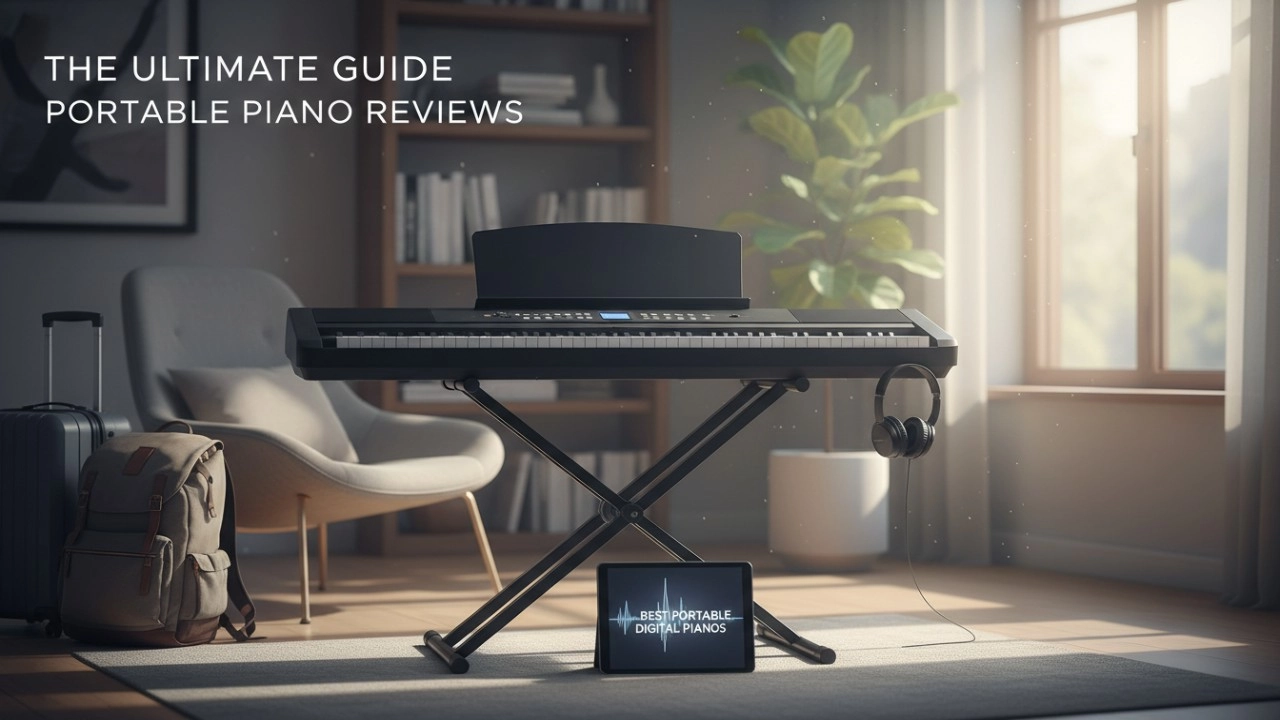
15 Best Portable Digital Pianos of 2026: The Only Comparison Guide You’ll Ever Need
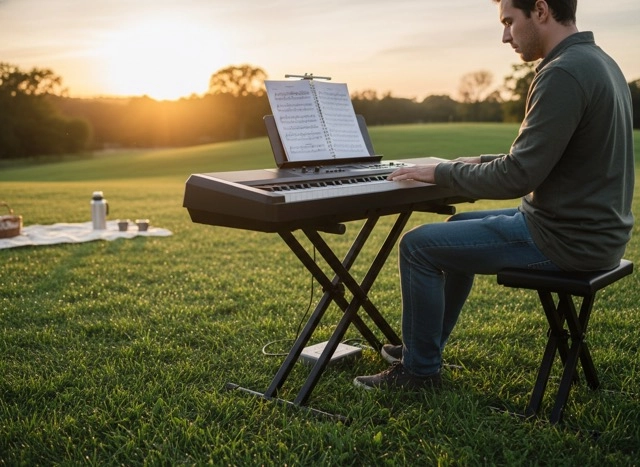
Is the Flykeys FP9 Worth It? Our Real-Life Experience with the World’s Largest Piano Maker’s Digital Tech.
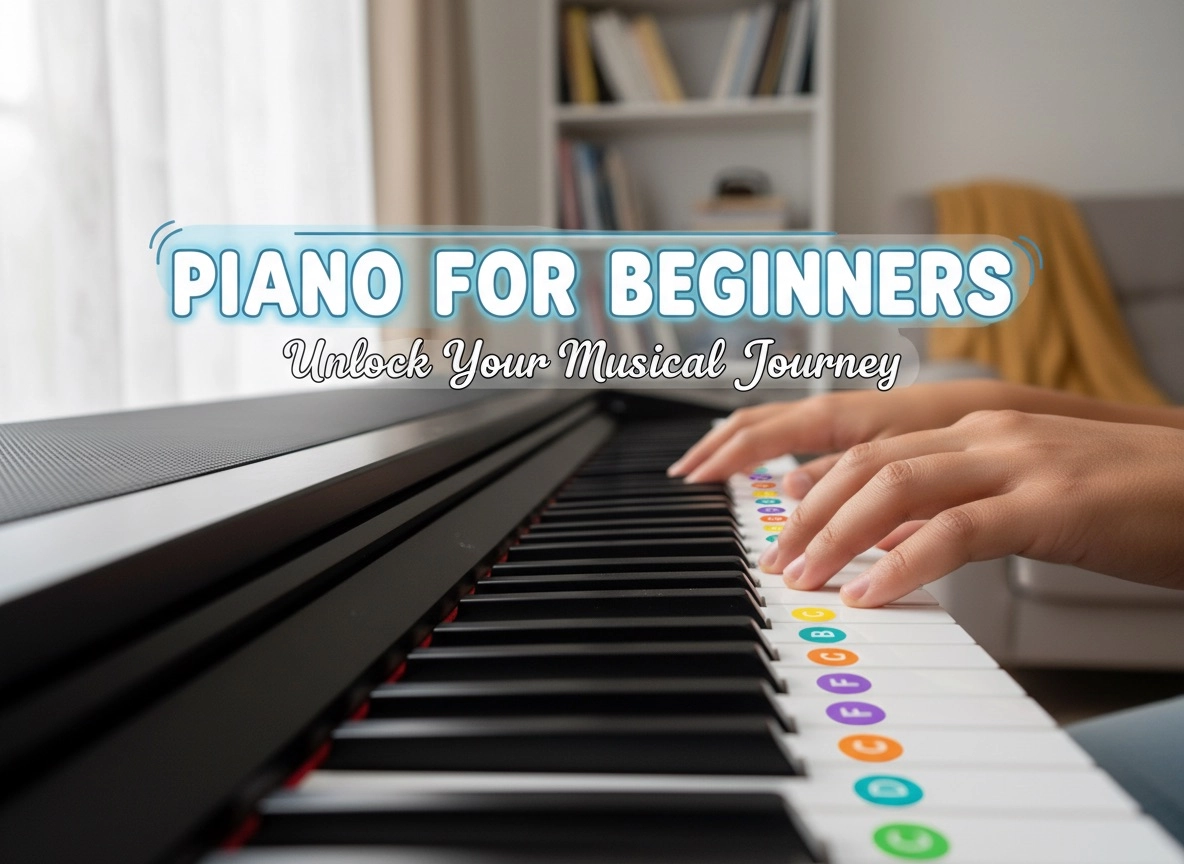
Best Digital Piano Keyboards for Beginners 2026: Your Ultimate Buying Guide
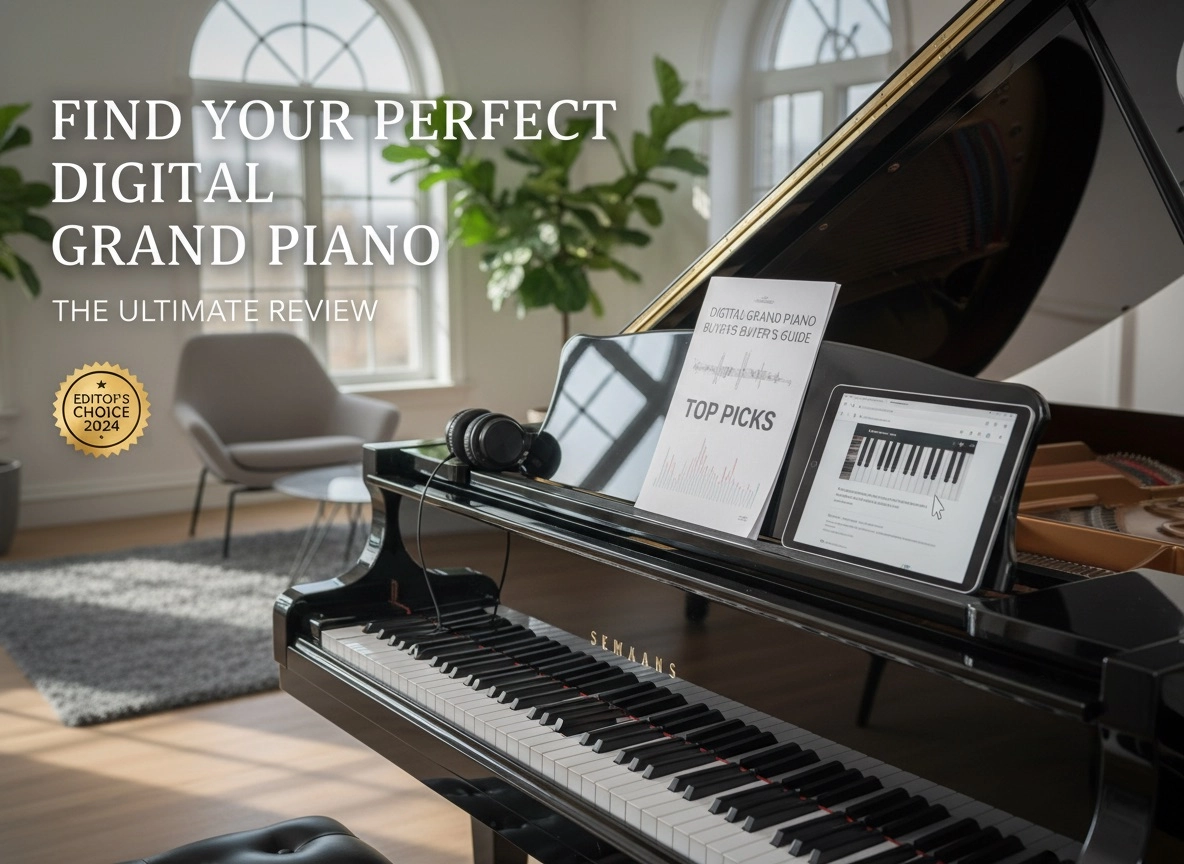
Best Digital Grand Pianos 2026: Ultimate Buyer's Guide for Authentic Sound & Feel
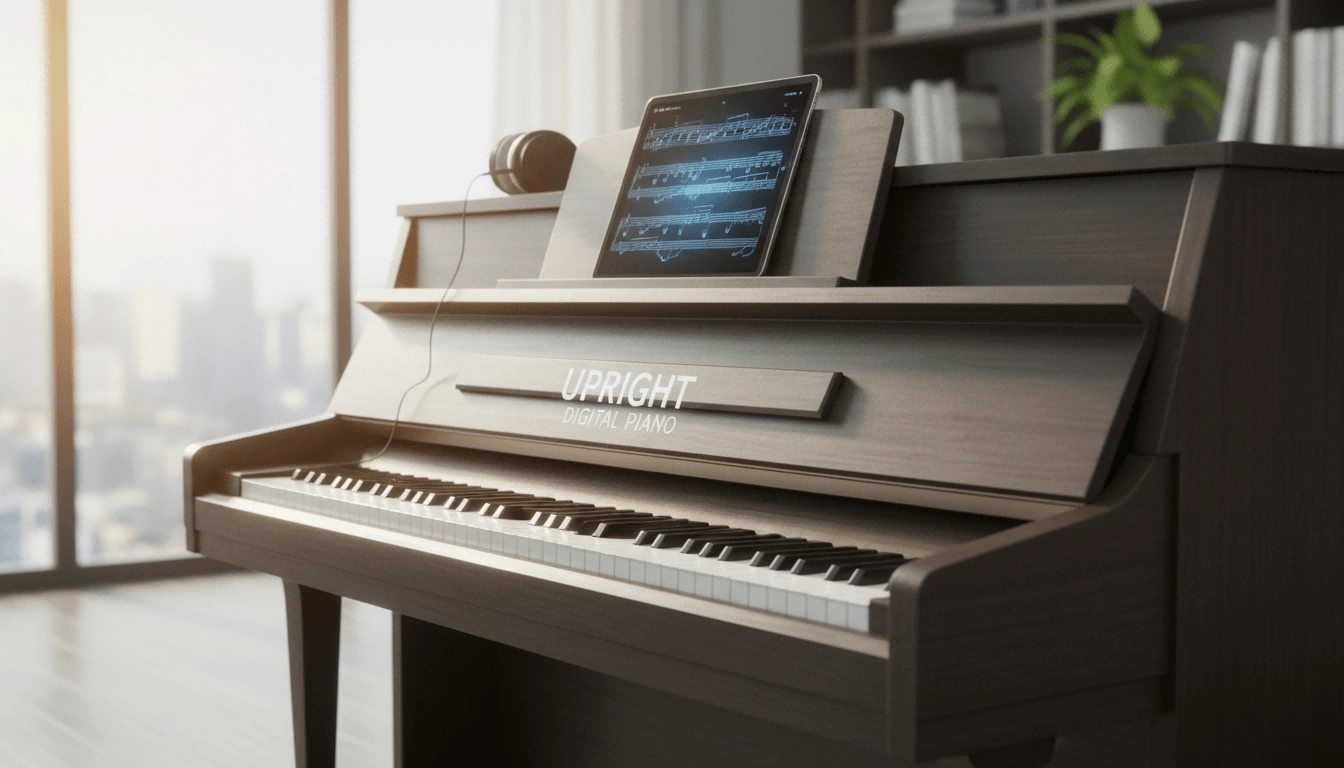
The Definitive Guide to Upright Digital Pianos: Blending Timeless Elegance with Modern Innovation in 2026
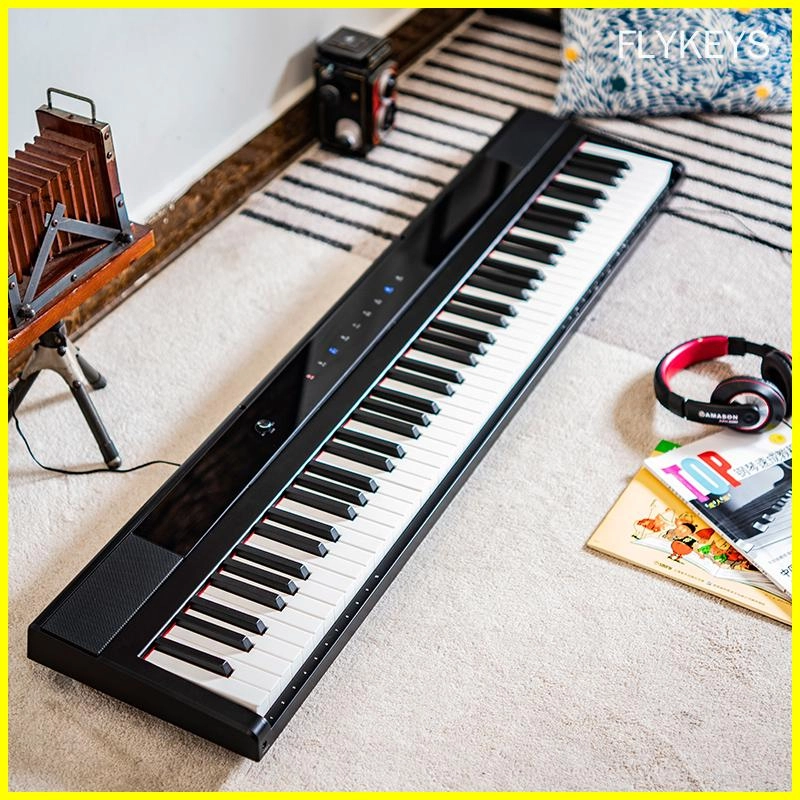
Best-Rated Electronic Pianos for Beginners in 2026: What to Buy and Why
Products
What products do you have?
We offer a diverse range of products, including digital portable piano, digital upright piano, digital grand piano, electronic drum set, piano silent system, audio equipment, interactive whiteboard, advertising machines, Smart TV, Touch Screen,etc.
Company
Does your company have any sustainability initiatives?
Yes, we are dedicated to sustainability and continuously strive to minimize our environmental footprint through responsible manufacturing practices.
What sets your company apart from competitors?
We pride ourselves on our commitment to quality craftsmanship, cutting-edge technology, and exceptional customer service.
Customization
What is the lead time for custom orders?
Lead times for custom orders vary depending on the complexity of the customization and current production schedules. Please contact our sales team for more information.
Payment
What payment methods do you accept?
We accept payment methods such as T/T and L/C.
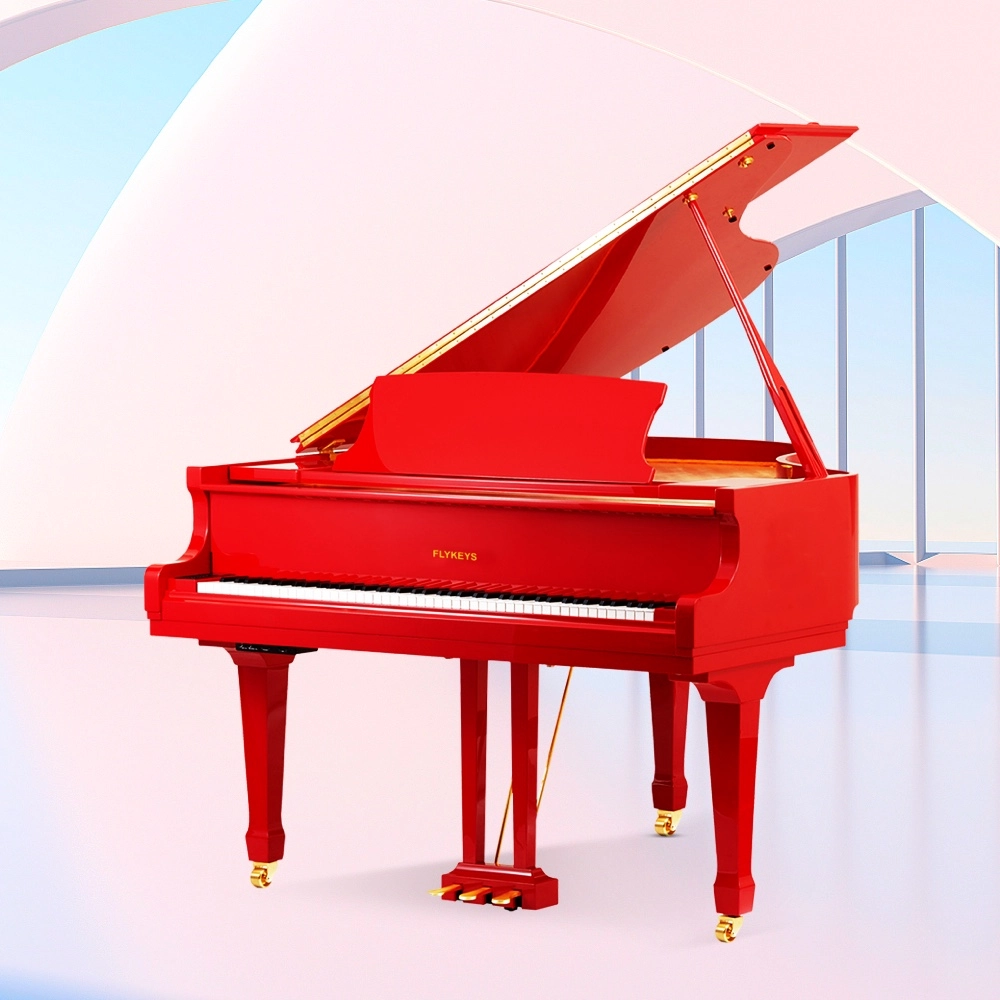
Flykeys Professional Digital Grand Piano FGP610 Digital Piano
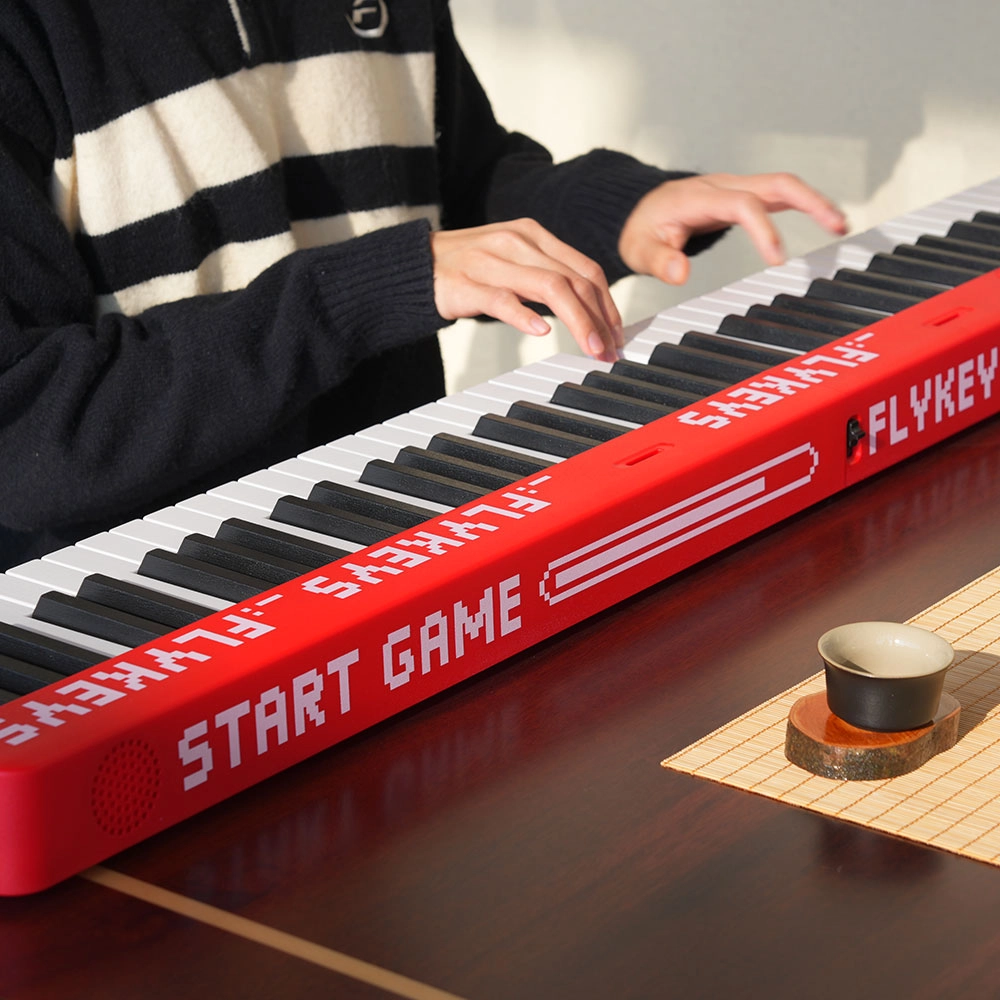
Flykeys M12 Folding Keyboard
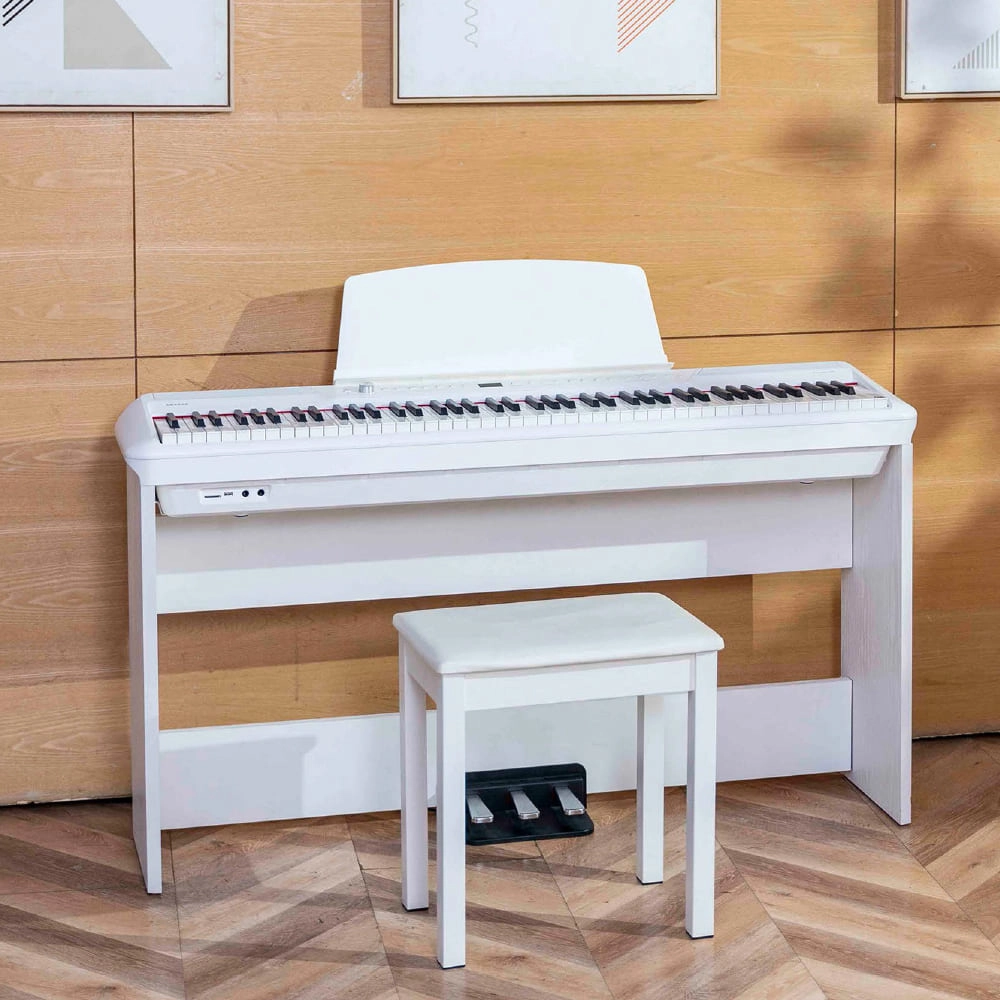
Flykeys Portable Electric Keyboard FP9 Digital Piano
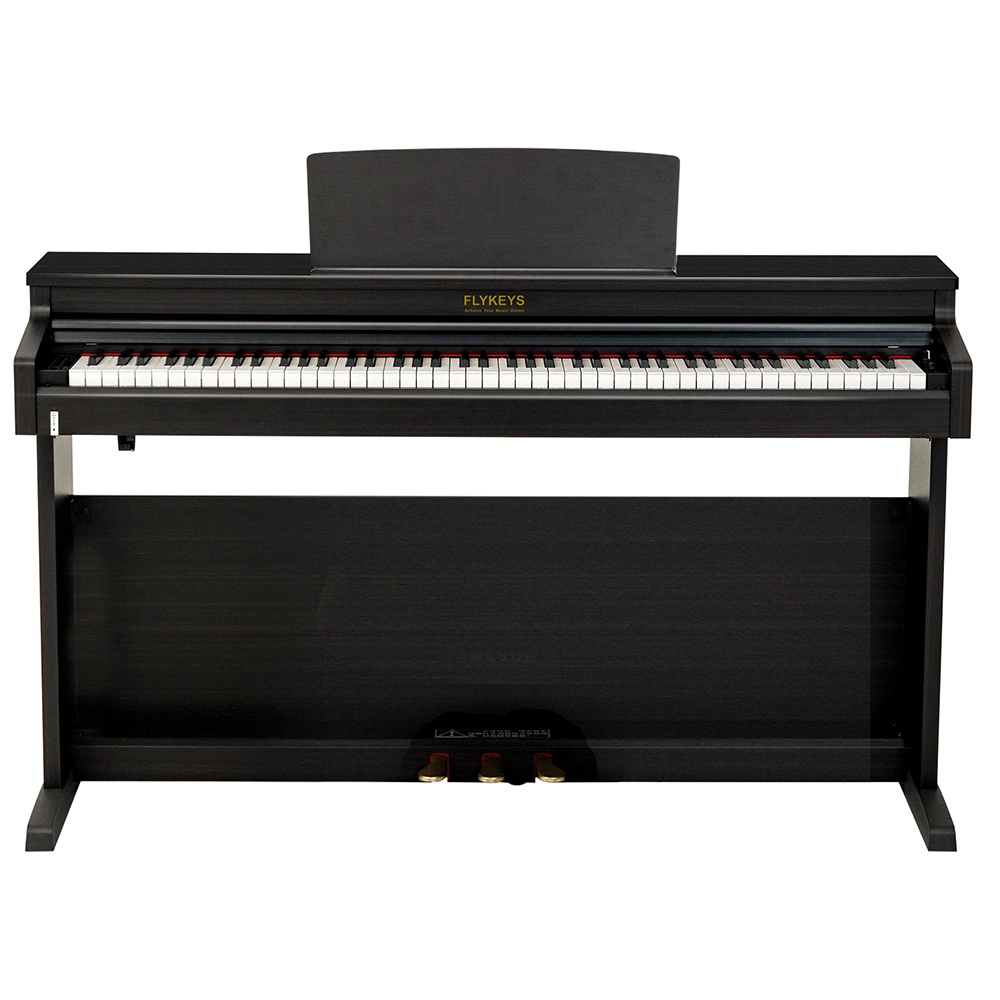
Flykeys Upright Digital Piano FDP 3
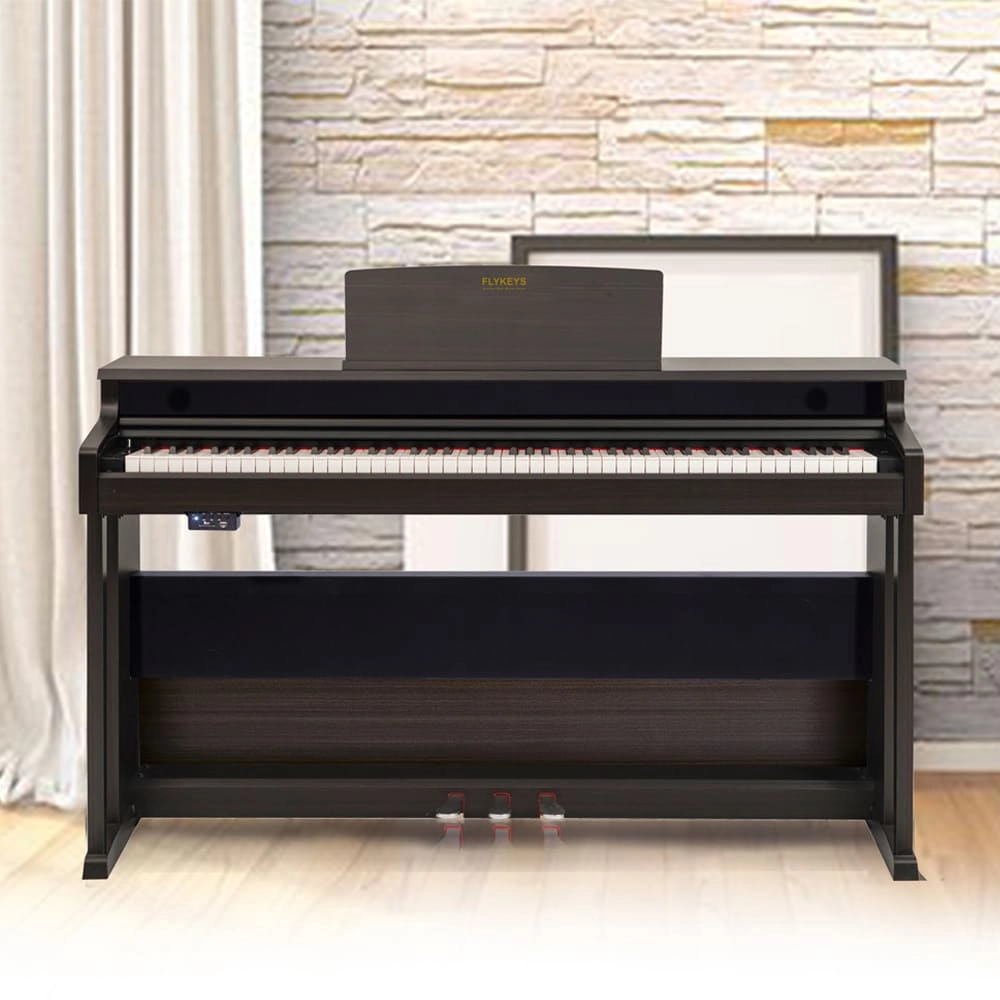
Flykeys Upright Piano Wooden Panel 88 KEYS Piano FK130 Digital Piano
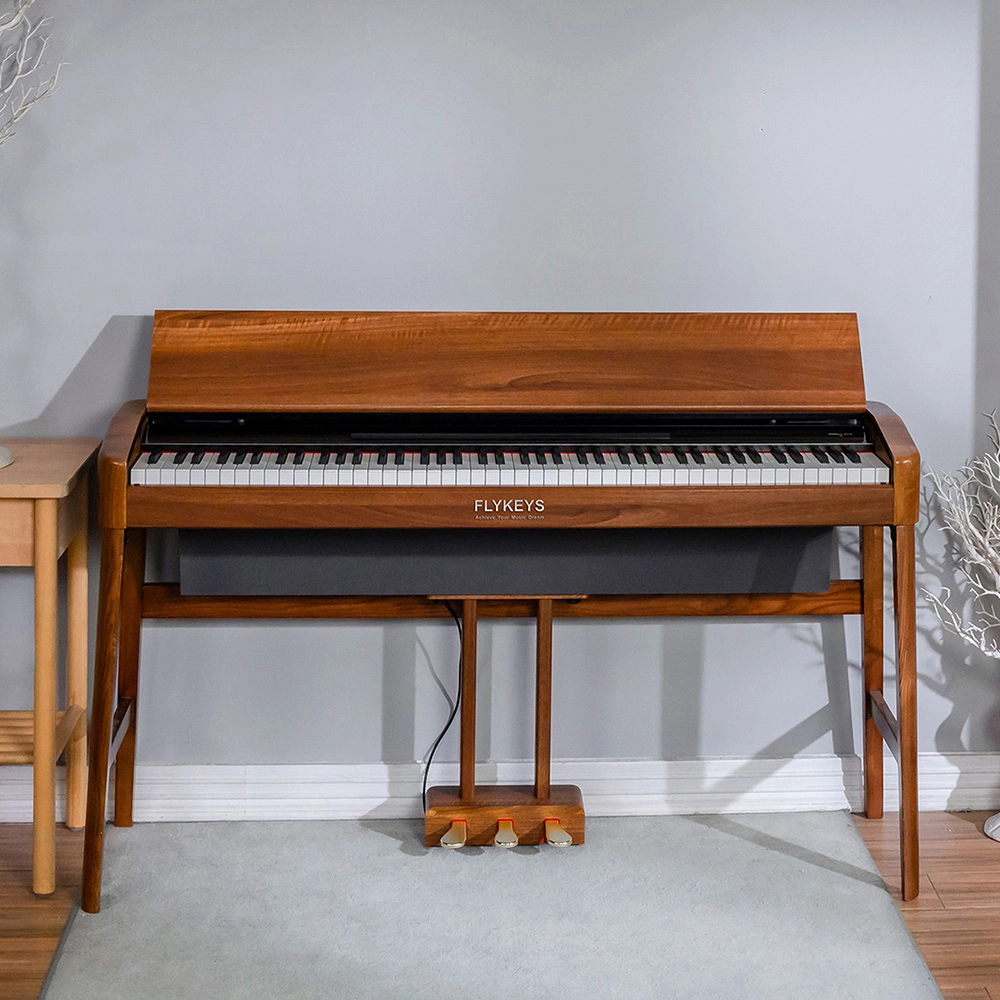
Flykeys Wooden Panel Piano Original Italian Imported Hammer Action Keyboard SK3 Digital Piano
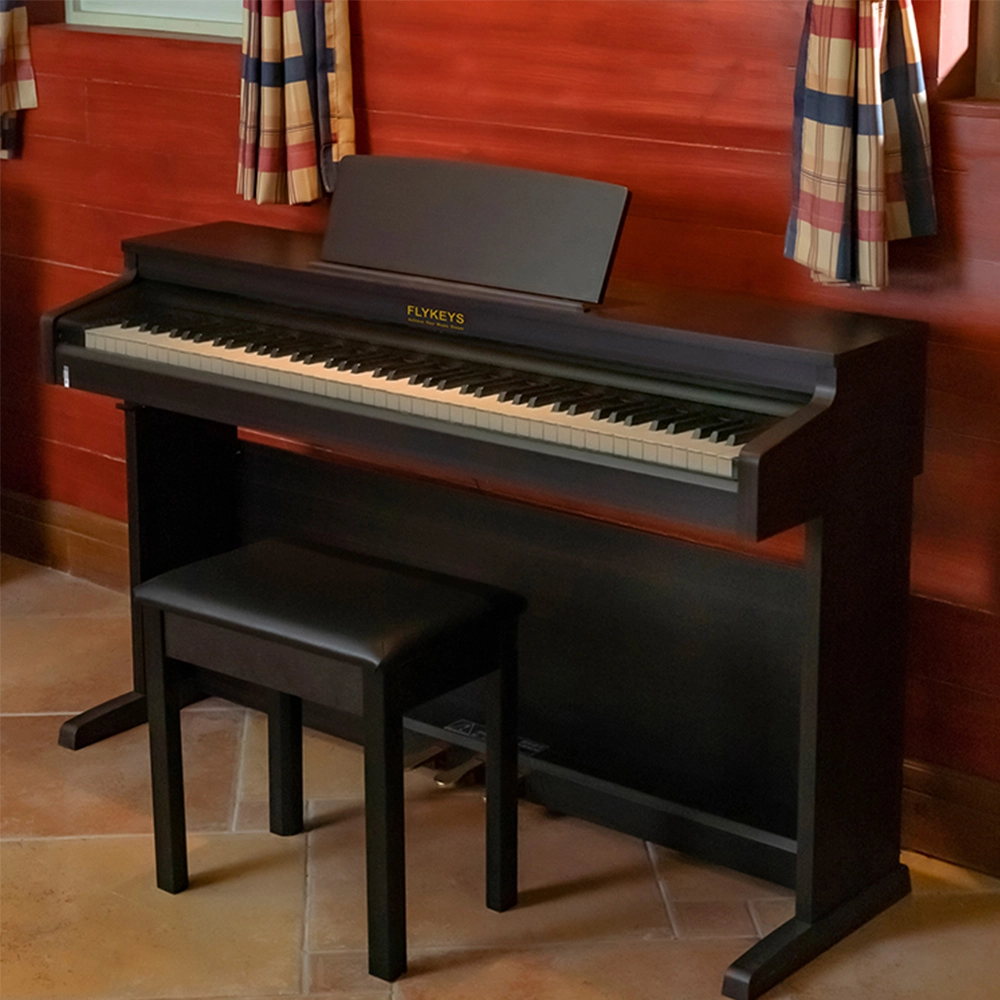
Flykeys Upright Electric Piano Built-In Speakers Music Instrument FD05 Digital Piano
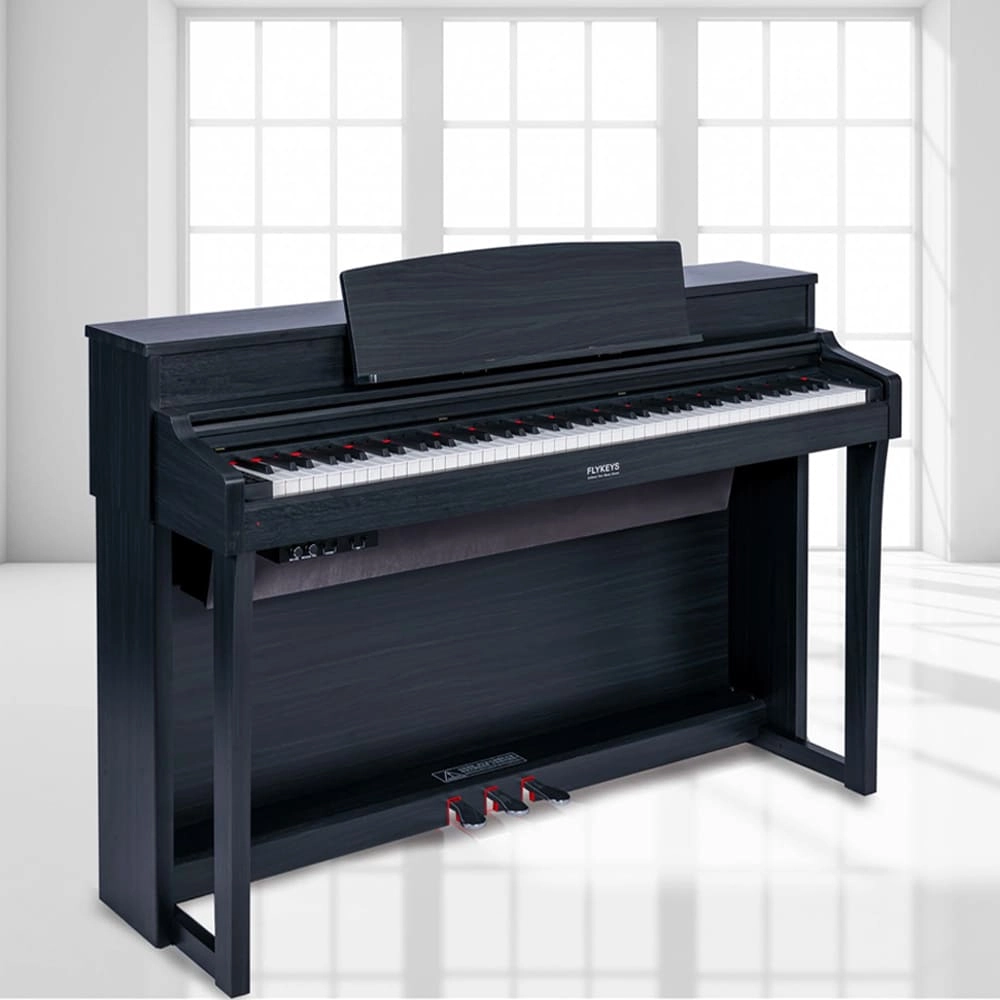
Flykeys Upright Digital Piano 88keys Hammer Action Keyboard FK330 Digital Piano
Get in touch with us
Have a question or inquiry about our digital pianos products? Leave us a message here and our team will get back to you promptly within 24 hours.
Whether you're interested in custom orders, technical specifications, or partnership opportunities, we're here to assist you.
Rest assured that your privacy is important to us, and all information provided will be handled with the utmost confidentiality.
Address: No. 38 Xiangshan Avenue, Zengcheng Economic And Technological Development Zone, Guangzhou, China.
FOLLOW US:


© 2026 FLYKEYS All Rights Reserved. 粤 ICP备2020102774号. Designed by gooeyun. Sitemap | Privacy | Terms