

Which digital pianos are most reliable for venues?
Navigating the world of digital pianos can be daunting for beginners and gigging musicians alike. This expert guide tackles six crucial, often-unanswered questions, from achieving an authentic piano feel and essential connectivity for learning, to understanding the durability and audio requirements for reliable live venue performance. Discover the key features that truly matter for your musical journey and performance needs.
As professional content writers with extensive experience in SEO, , and the digital piano field, we understand the unique challenges faced by both aspiring pianists and seasoned gigging musicians. The market for digital pianos is vast, and finding the 'best digital pianos' or determining 'which digital pianos are most reliable for venues' requires a deeper dive than most online resources offer. We've compiled answers to six specific, pain-point-oriented questions that beginners frequently ask but often find lacking in-depth or updated information.
How do I choose a digital piano that can withstand frequent transport and setup for gigs without breaking down?
For gigging musicians, durability is paramount. A reliable stage piano or portable digital piano needs to be built like a tank. Look beyond aesthetics and scrutinize the build materials. High-grade plastics, reinforced metal chassis, and robust control knobs and buttons are indicators of longevity. Brands known for their professional-grade stage pianos often employ thicker gauge steel for their frames and use high-quality, impact-resistant components.
Key features for road-worthiness:
- Robust Casing: Avoid flimsy plastic. Look for models with metal or high-density composite bodies.
- Secure Connections: Ensure all jacks (audio outputs, power, pedal inputs) are firmly mounted and don't wiggle. Neutrik or similar locking connectors are a bonus for professional use.
- Integrated Handle/Carry Options: While not directly about durability, well-designed handles indicate a product intended for transport.
- Minimal Protrusions: Fewer delicate parts sticking out means less chance of damage during transit.
- Dedicated Gig Bags/Cases: Invest in a custom-fit, padded soft case or a hard flight case. Some manufacturers offer these as accessories, signaling their product's suitability for travel.
- Reputation for Reliability: Research user reviews and professional forums for long-term reliability reports from other gigging musicians. Brands like Roland, Yamaha (especially their CP/P series), Kawai, and Nord are often cited for their robust build quality in their stage piano lines.
What are the key audio outputs and sound engine considerations for reliable, plug-and-play live performance through a PA system?
When performing live, the quality and type of audio outputs, along with the sound engine, are critical for a great sound through a PA system. You need a digital piano that delivers a clean, strong signal without complex tweaking.
Audio Outputs:
- Balanced XLR Outputs: These are the gold standard for professional live sound. XLR cables provide a balanced signal, which significantly reduces noise and interference over long cable runs, crucial in venues with varying electrical conditions. Many top digital pianos for venues offer these.
- 1/4-inch TRS (Balanced) Outputs: While not as robust as XLR, balanced 1/4-inch outputs are superior to unbalanced TS jacks. They also help minimize noise.
- Dedicated L/R Stereo Outputs: Ensure you have separate left and right outputs for a true stereo image, especially important for rich piano samples and effects.
- Output Level Control: A master volume knob is standard, but some professional stage pianos offer individual output level controls or a dedicated 'line out' volume, giving sound engineers more flexibility.
Sound Engine Considerations:
- High-Quality Piano Samples: Prioritize models with large, multi-layered grand piano samples. The more layers and longer the samples, the more dynamic and realistic the sound will be. Look for terms like 'Acoustic Resonance Modeling' or 'Virtual Modeling Technology' for even greater realism.
- Polyphony: A minimum of 128-note polyphony is essential, with 192 or 256 notes being ideal for complex pieces with sustain pedal use, ensuring notes don't drop out.
- Effects Quality: High-quality reverb, chorus, and delay effects can enhance the sound, but they should be subtle and musical, not overpowering. Ensure you can easily adjust or bypass them.
- EQ Controls: Basic EQ (bass, treble) on the instrument can be very helpful for quickly adapting your sound to different venue acoustics or PA systems.
What specific key action types should I prioritize for authentic piano practice, and how do they differ in feel and long-term benefit?
For beginners focused on developing proper technique, the key action is arguably the most critical feature of a digital piano. It directly impacts your finger strength, dexterity, and muscle memory. Prioritizing a realistic piano feel will significantly benefit your long-term progress.
Key Action Types to Prioritize:
- Graded Hammer Action (GHA) / Graded Hammer Standard (GHS) / Responsive Hammer Action (RHA): This is the most common and recommended type. These actions simulate the feel of an acoustic grand piano where the keys in the bass register are heavier and gradually become lighter towards the treble. This 'graded' weighting is crucial for developing proper finger strength and control across the keyboard. Manufacturers like Yamaha (GHS, GH3, NWX) and Kawai (RHA, Grand Feel Compact) excel here.
- Hammer Action: A step above semi-weighted, hammer action keyboards use actual hammers or mechanisms that simulate their feel, providing more resistance and a more authentic piano-like touch. While not always 'graded,' they offer a substantial improvement over lighter actions.
- Escapement/Let-off Mechanism: Found in higher-end digital pianos, this feature simulates the subtle 'click' or 'notch' felt when an acoustic piano hammer is released from the key, just before striking the string. It's a nuanced detail that adds to the realism and control, particularly for advanced techniques and softer playing. Brands like Roland (PHA-50, Hybrid Grand Keyboard) and Kawai (Grand Feel) often incorporate this.
Differences and Long-Term Benefit:
- Feel: GHA/RHA actions provide a heavier, more substantial feel compared to lighter, spring-loaded actions. This resistance is vital for building finger strength.
- Dynamic Control: A good hammer action allows for a wider range of dynamic expression (from very soft to very loud) because the velocity sensors are more sensitive to the nuances of your touch.
- Technique Development: Practicing on a realistic action prevents you from developing bad habits that might arise from playing on a 'toy-like' keyboard. When you eventually play an acoustic piano, the transition will be much smoother.
What are the absolute minimum sound engine and polyphony specs I should look for to ensure a satisfying and expressive playing experience as I improve?
While hundreds of sounds can be tempting, for a beginner, focusing on the quality of the core piano sound and sufficient polyphony is far more important for a satisfying and expressive playing experience that grows with you. These are key aspects of the 'best digital pianos' for learning.
Minimum Sound Engine Specs:
- High-Quality Stereo Grand Piano Sample: The primary focus should be on how good the main acoustic piano sound is. Look for instruments that boast multi-layered samples, meaning the sound changes realistically based on how hard or soft you press the key. This allows for greater dynamic expression. Brands like Yamaha (Pure CF Sound Engine), Roland (SuperNATURAL Piano Modeling), and Kawai (Harmonic Imaging) are renowned for their realistic piano sounds.
- Acoustic Resonance Simulation: While not strictly a 'minimum,' even entry-level models are starting to include basic simulations of string resonance, damper resonance, and key-off samples. These add significant realism and depth to the piano sound.
Minimum Polyphony:
- 128-Note Polyphony: This is the absolute minimum recommended. Polyphony refers to the number of notes a digital piano can sound simultaneously. For a beginner, 64 notes might seem sufficient, but once you start using the sustain pedal, layering sounds, or playing more complex pieces, notes can 'drop out' with lower polyphony. 128 notes provide ample headroom for sustained chords, overlapping notes, and even basic layering without issues. For more advanced players or those using complex sounds, 192 or 256 notes are even better, ensuring no notes are cut short.
Prioritizing these specs ensures that your digital piano won't feel like a limitation as your skills develop, providing a rich and expressive foundation for your musical journey.
What are the essential connectivity features that beginners often overlook but are crucial for modern learning and quiet practice in an apartment?
Modern digital pianos offer a wealth of connectivity options that significantly enhance the learning experience and make apartment living with a piano much more harmonious. These features are often overlooked by beginners but are crucial for maximizing the utility of your instrument.
Essential Connectivity Features:
- Headphone Jacks (2 preferred): Absolutely essential for quiet practice. Two jacks allow for a teacher or another student to listen in simultaneously without disturbing others. Ensure they are standard 1/4-inch jacks, though some compact models might use 1/8-inch.
- USB to Host (MIDI & Audio): This is a game-changer.
- USB MIDI: Allows you to connect your digital piano to a computer, tablet, or smartphone to use music learning apps (like Flowkey, Simply Piano, Synthesia), digital audio workstations (DAWs), and virtual instrument software. This opens up a vast world of interactive lessons and creative possibilities.
- USB Audio: Increasingly, digital pianos offer USB audio capabilities, meaning you can send the instrument's sound directly to your computer for recording or use it as an audio interface, simplifying your setup significantly.
- Bluetooth MIDI: For wireless connectivity to learning apps and other devices, Bluetooth MIDI is incredibly convenient. It eliminates cable clutter and makes it easier to integrate your piano with tablets or smartphones for interactive lessons or controlling virtual instruments.
- Aux In (3.5mm or 1/4-inch): This input allows you to connect an external audio source (like an MP3 player, phone, or tablet) and play along with your favorite songs or lesson audio through the piano's speakers or headphones. It's fantastic for practice and learning by ear.
These features transform your digital piano from a standalone instrument into a versatile learning hub, making practice more engaging and accessible, especially in shared living spaces.
As a beginner, how important are extra voices, and should I prioritize sound quality of the core piano tones over a vast library of 'fun' but potentially lower-quality sounds?
For a beginner, the quality of the core piano tones should overwhelmingly take precedence over the sheer quantity of extra voices. While a vast library of sounds might seem appealing, it often comes at the expense of the primary instrument's realism and playability, which is detrimental to foundational learning.
Prioritizing Core Piano Tone Quality:
- Authentic Learning: Your primary goal as a beginner is to learn to play the piano. This means developing touch, dynamics, and musicality with a sound that responds like an acoustic instrument. A high-quality grand piano sound sample (as discussed in polyphony/sound engine) is crucial for this.
- Expressive Range: A High Quality digital piano will have a more detailed, multi-layered piano sample that responds nuancedly to your touch, allowing for a wider range of expression. This is far more beneficial than having 50 mediocre piano sounds.
- Focus: Too many sounds can be a distraction. As a beginner, you need to focus on technique, theory, and interpreting music. Constantly cycling through sounds can detract from this core learning.
The Role of Extra Voices:
- Utility, Not Quantity: A few high-quality, useful extra voices are beneficial. These typically include electric pianos (Rhodes, Wurlitzer), organs, strings, and perhaps a harpsichord. These are standard in many musical genres and can expand your repertoire.
- Quality Over Quantity: A digital piano with 10-20 excellent, well-sampled additional sounds is far more valuable than one with 300 generic, low-quality sounds that you'll rarely use. Focus on instruments where these additional voices are also well-regarded.
In essence, for the 'best digital pianos' for beginners, invest in an instrument that excels at being a piano first. Once your foundational skills are strong, you can explore instruments with broader sound libraries if your musical interests expand beyond traditional piano repertoire.
Choosing the right digital piano, whether for home practice or professional gigs, is a significant decision. By focusing on essential features like robust build quality, professional audio outputs, realistic key action, ample polyphony, high-quality core piano sounds, and crucial connectivity, you can ensure your investment supports your musical journey for years to come. These considerations are what truly define the 'best digital pianos' and 'most reliable digital pianos for venues' in today's market.
Ready to find your perfect digital piano? Contact us today for a personalized quote and expert advice. Visit www.flykeysmusic.com or email service@flykeysmusic.com.
- How do I choose a digital piano that can withstand frequent transport and setup for gigs without breaking down?
- What are the key audio outputs and sound engine considerations for reliable, plug-and-play live performance through a PA system?
- What specific key action types should I prioritize for authentic piano practice, and how do they differ in feel and long-term benefit?
- What are the absolute minimum sound engine and polyphony specs I should look for to ensure a satisfying and expressive playing experience as I improve?
- What are the essential connectivity features that beginners often overlook but are crucial for modern learning and quiet practice in an apartment?
- As a beginner, how important are extra voices, and should I prioritize sound quality of the core piano tones over a vast library of 'fun' but potentially lower-quality sounds?
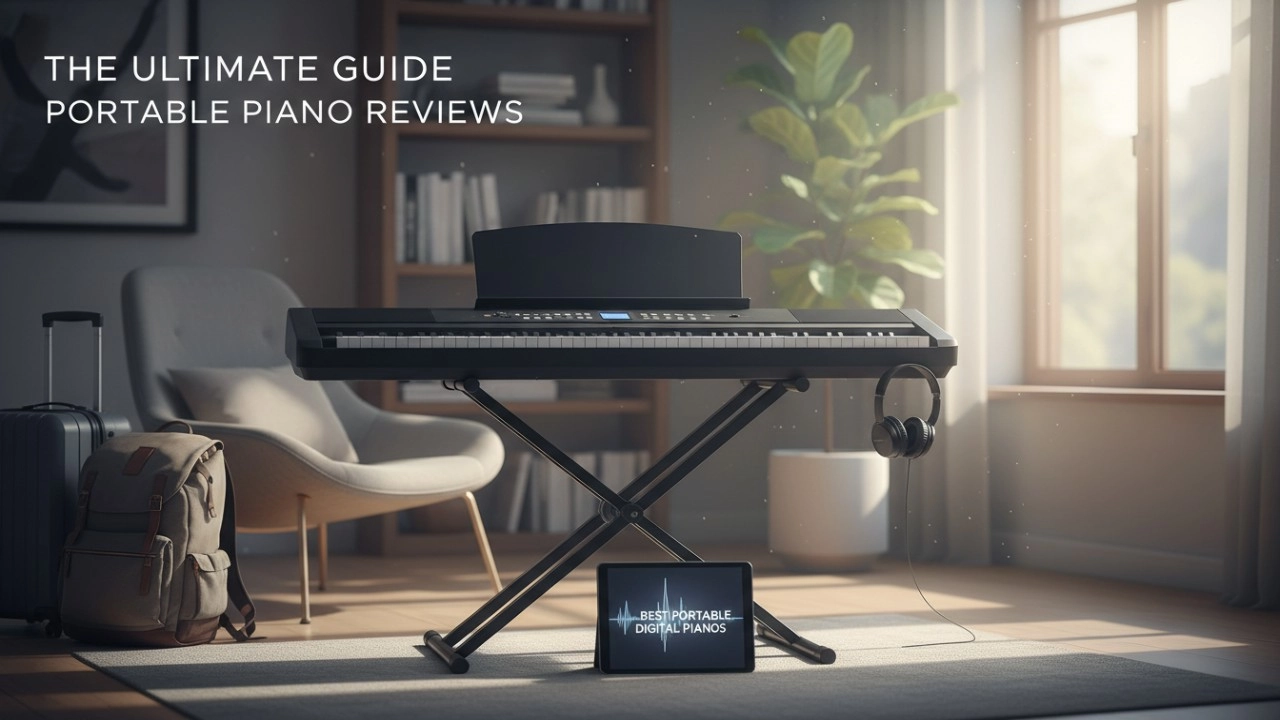
15 Best Portable Digital Pianos of 2026: The Only Comparison Guide You’ll Ever Need
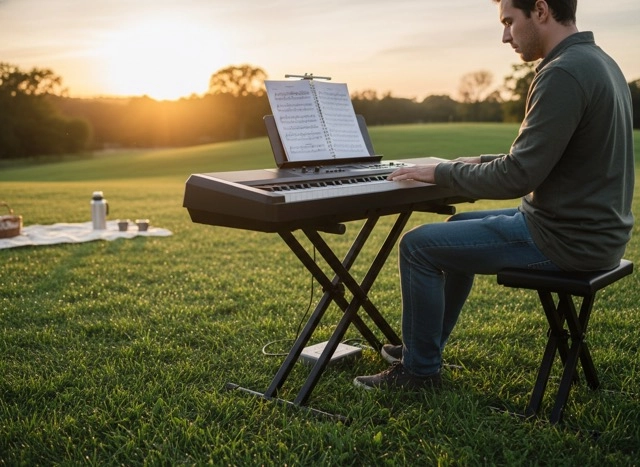
Is the Flykeys FP9 Worth It? Our Real-Life Experience with the World’s Largest Piano Maker’s Digital Tech.
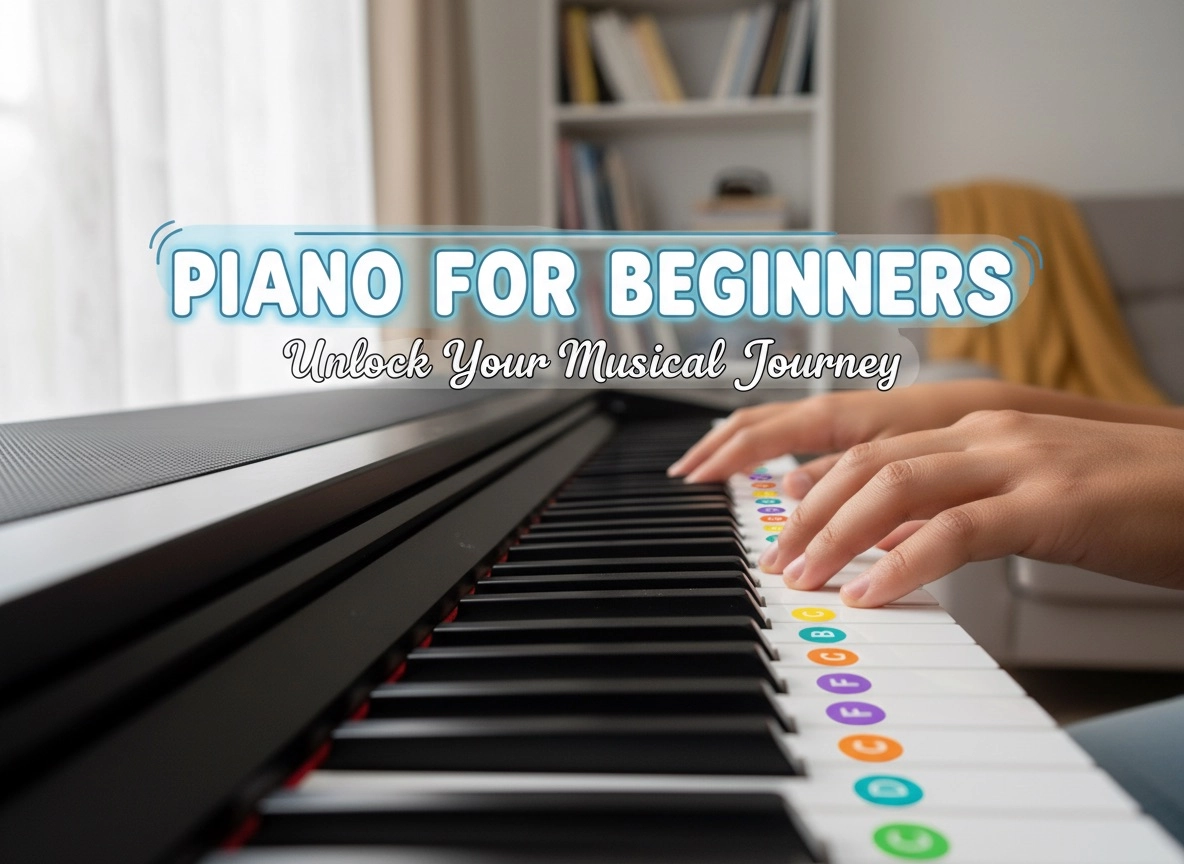
Best Digital Piano Keyboards for Beginners 2026: Your Ultimate Buying Guide
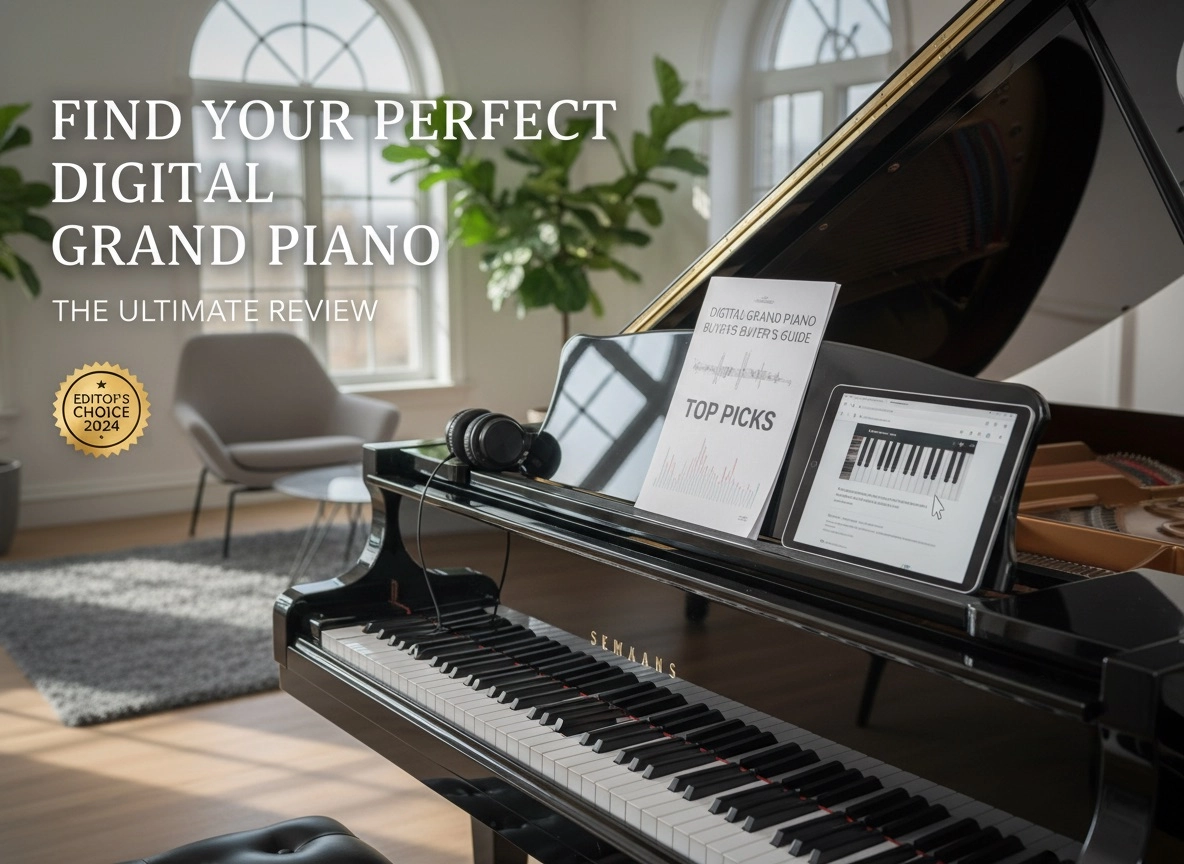
Best Digital Grand Pianos 2026: Ultimate Buyer's Guide for Authentic Sound & Feel
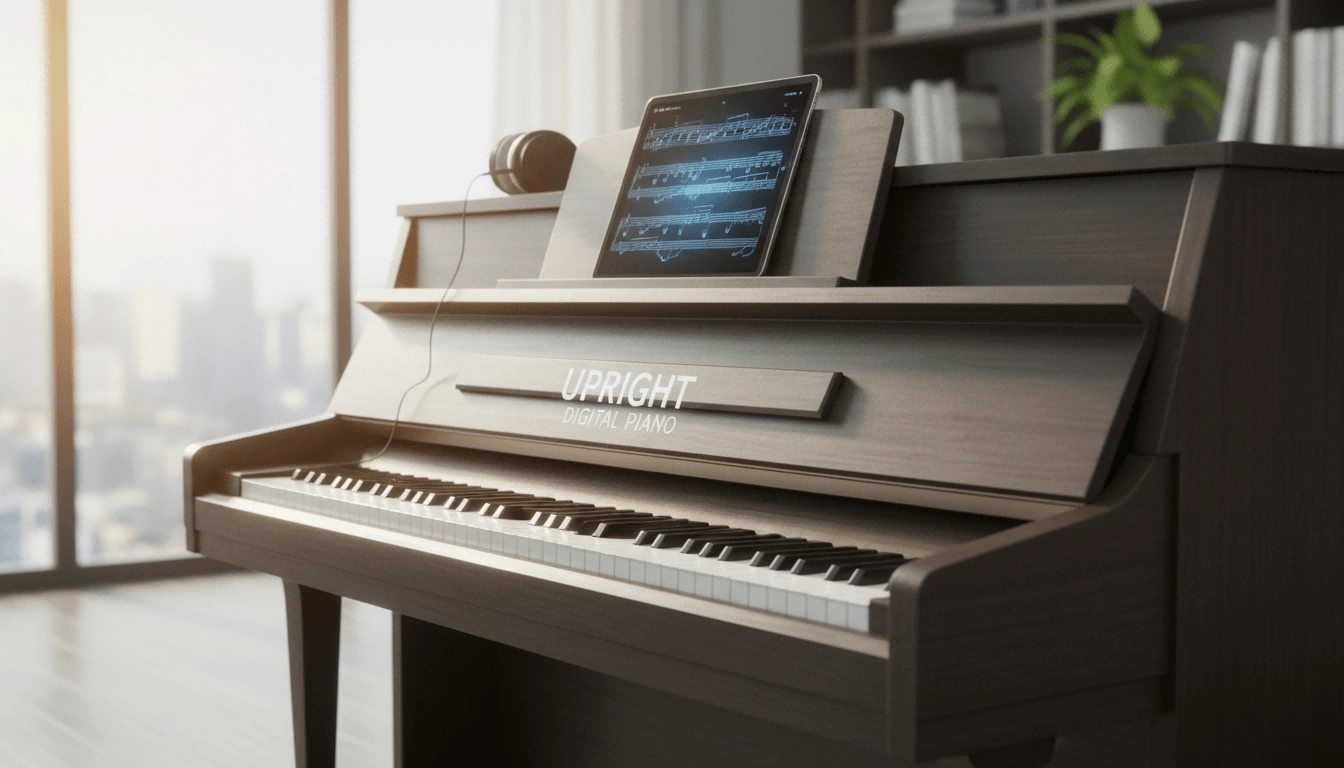
The Definitive Guide to Upright Digital Pianos: Blending Timeless Elegance with Modern Innovation in 2026
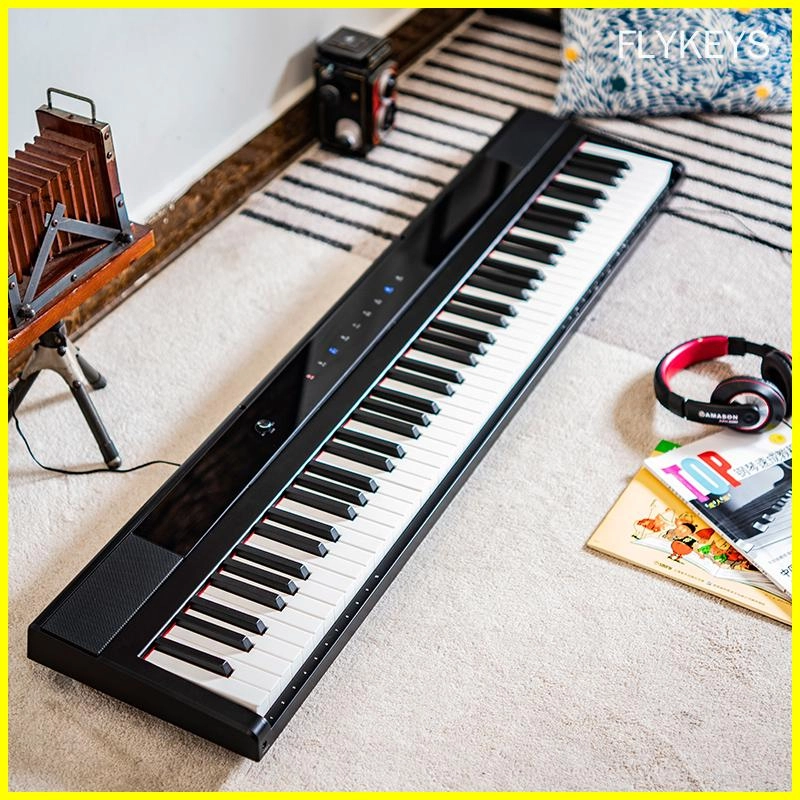
Best-Rated Electronic Pianos for Beginners in 2026: What to Buy and Why
Payment
Is payment required upfront for custom orders?
Yes, payment is typically required upfront for custom orders to initiate the production process.
Products
What products do you have?
We offer a diverse range of products, including digital portable piano, digital upright piano, digital grand piano, electronic drum set, piano silent system, audio equipment, interactive whiteboard, advertising machines, Smart TV, Touch Screen,etc.
After-Sales Service
How can I contact your after-sales support team?
You can contact our after-sales support team via email, phone, or through our website's customer support portal.
Company
What is your company's mission?
Our mission is capture the zeitgeist, enjoy the quality lifestyle.
Our vision is to be the TOP 1 Chinese digital musical instrument brand and enter International top list.
Logistics
Can l track my order during shipping?
Yes, tracking information will be provided once your order has been shipped, allowing you to monitor its progress.
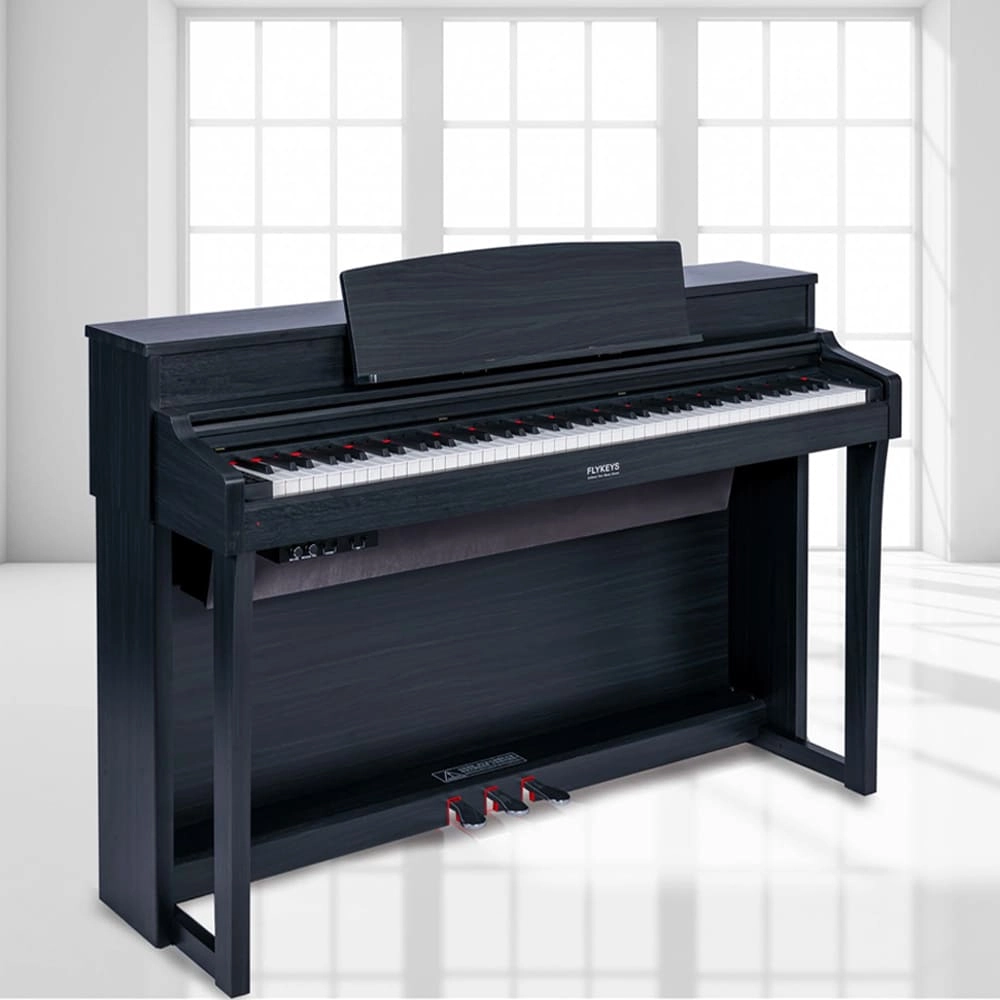
Flykeys Upright Digital Piano 88keys Hammer Action Keyboard FK330 Digital Piano
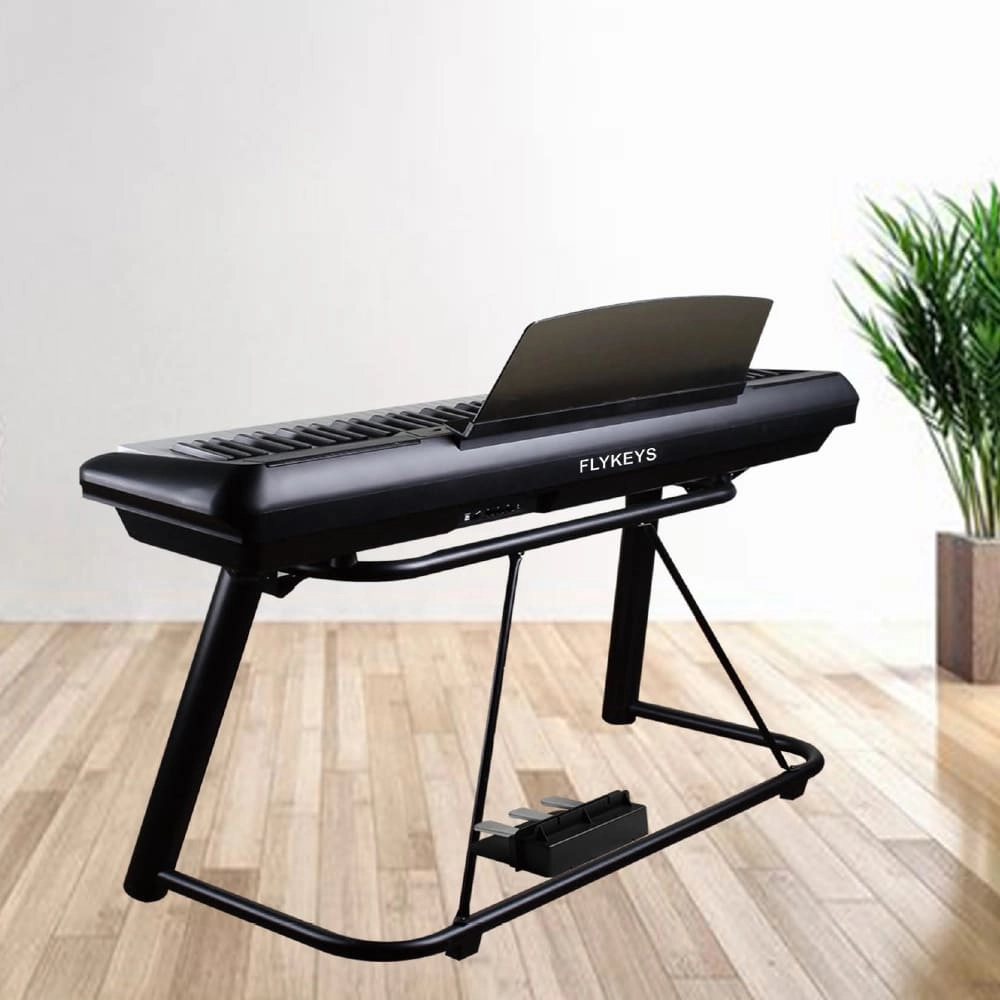
Flykeys 88 Keys Portable Piano With Wooden Stand FP6 Digital Piano
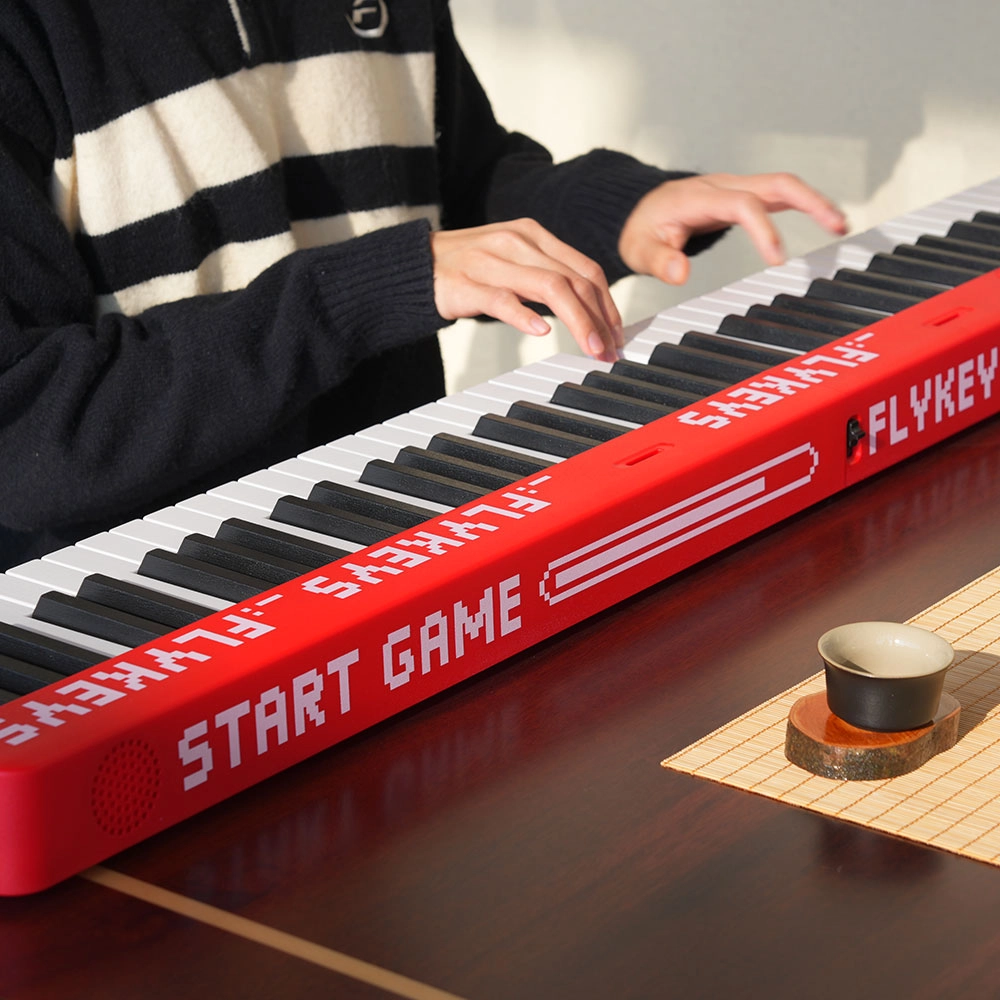
Flykeys M12 Folding Keyboard
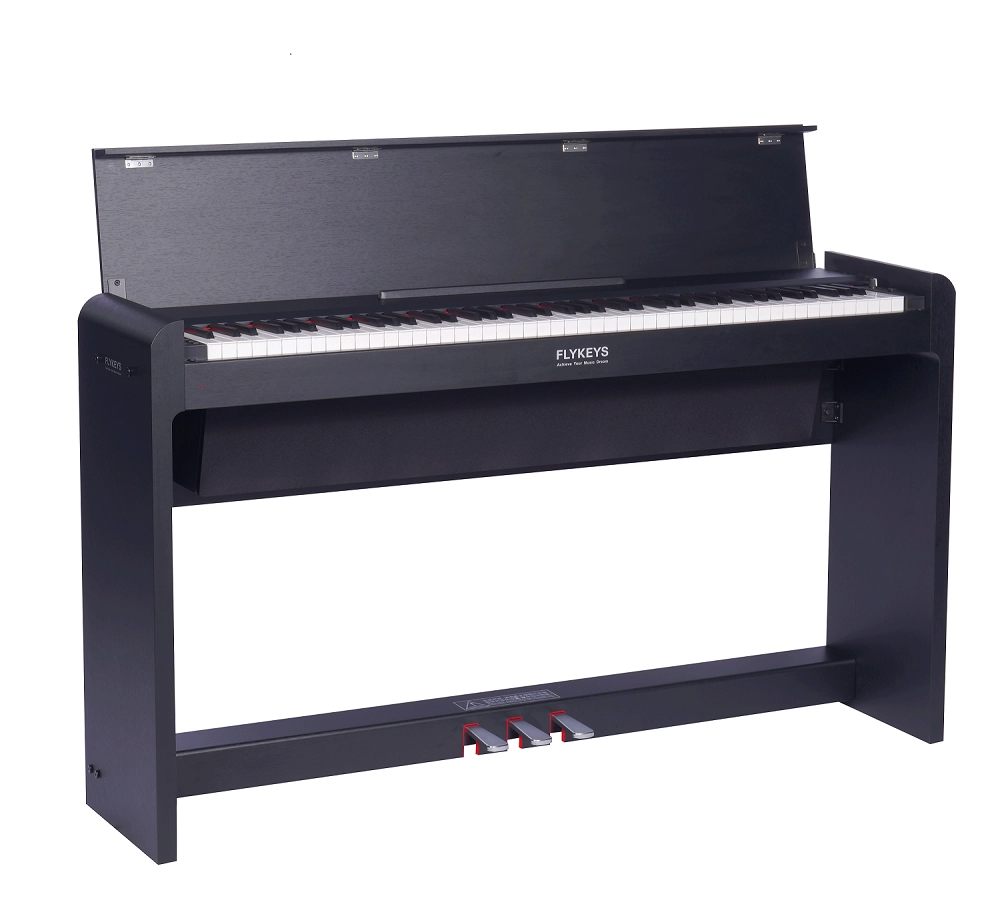
FLYKEYS FDP 5 Digital Piano
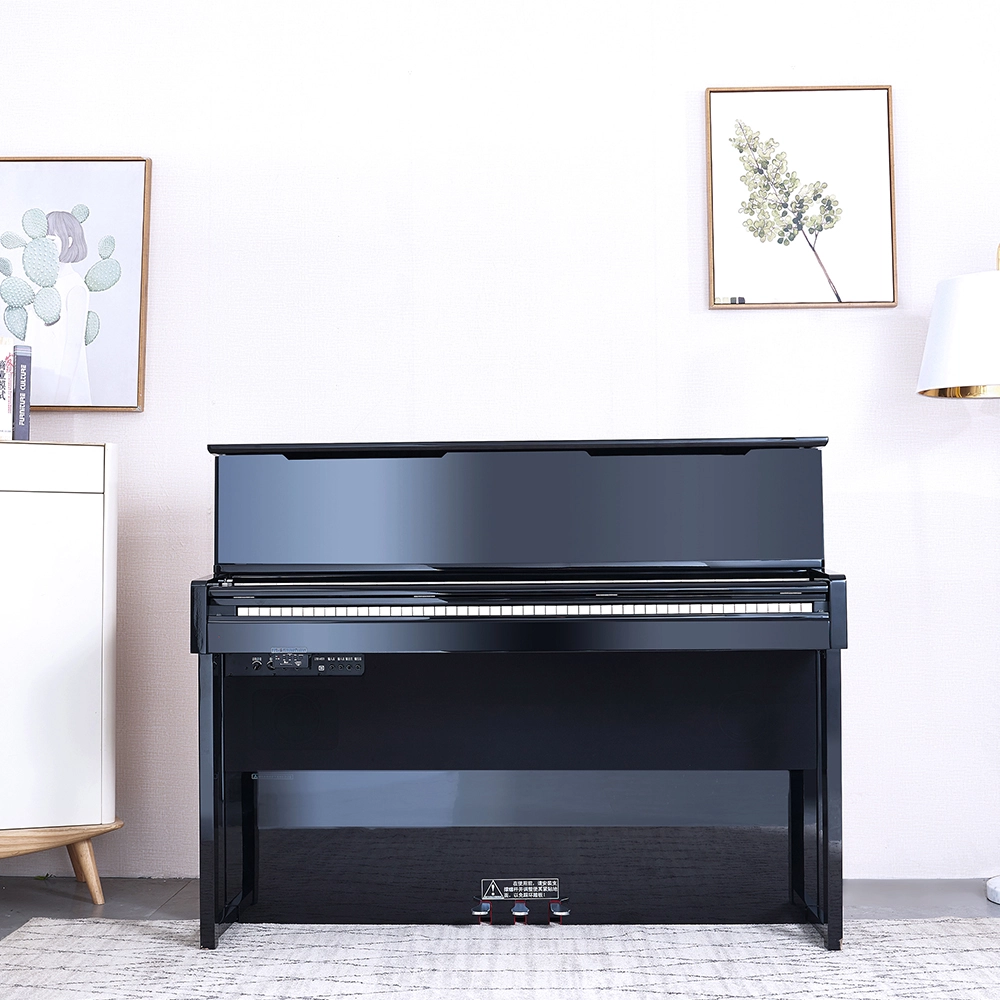
Flykeys Professional Digital Upright Piano 88 Keys Wooden Keyboard FK830 Digital Piano
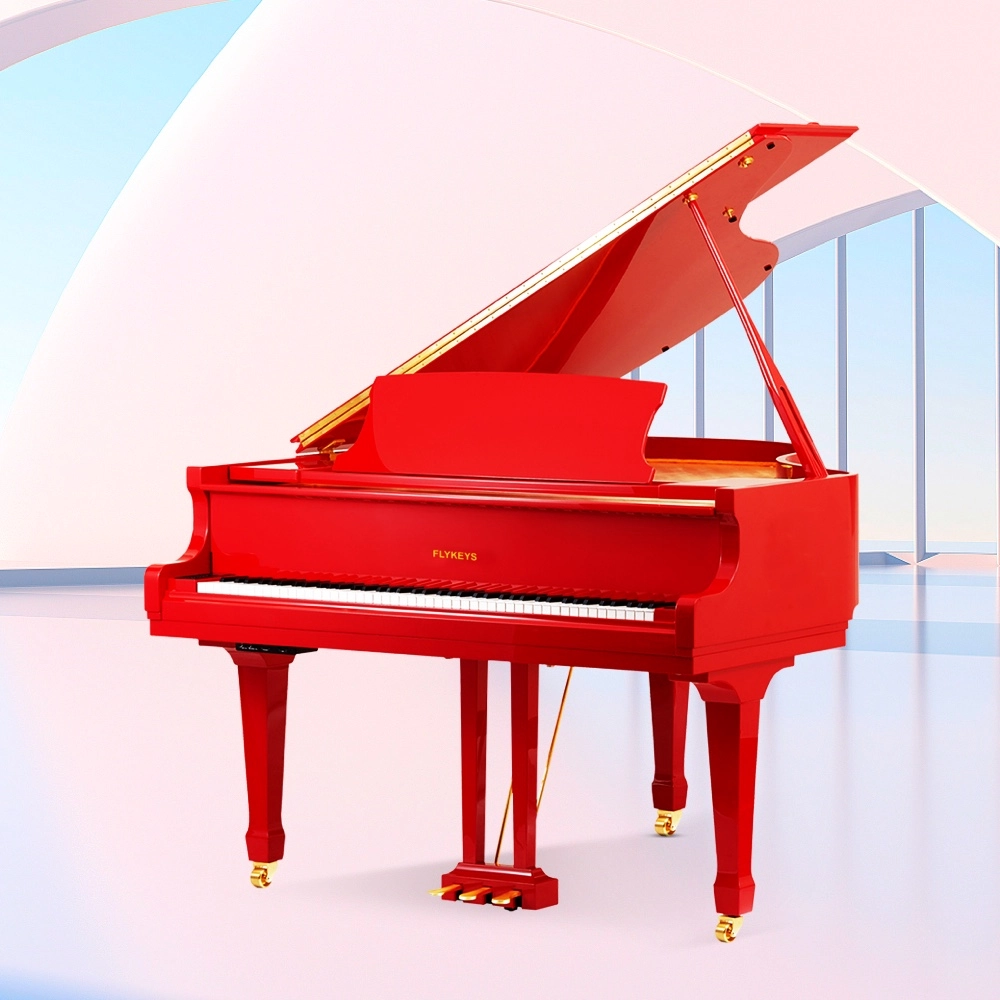
Flykeys Professional Digital Grand Piano FGP610 Digital Piano
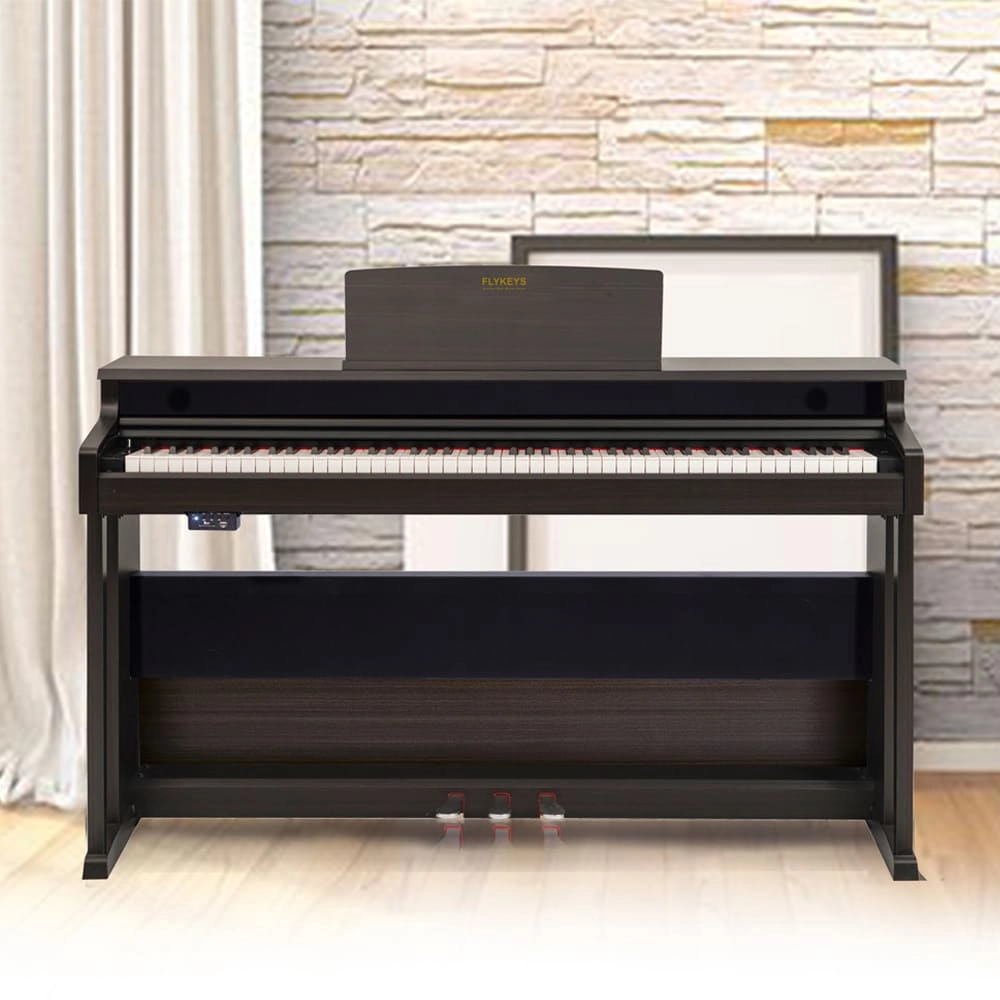
Flykeys Upright Piano Wooden Panel 88 KEYS Piano FK130 Digital Piano
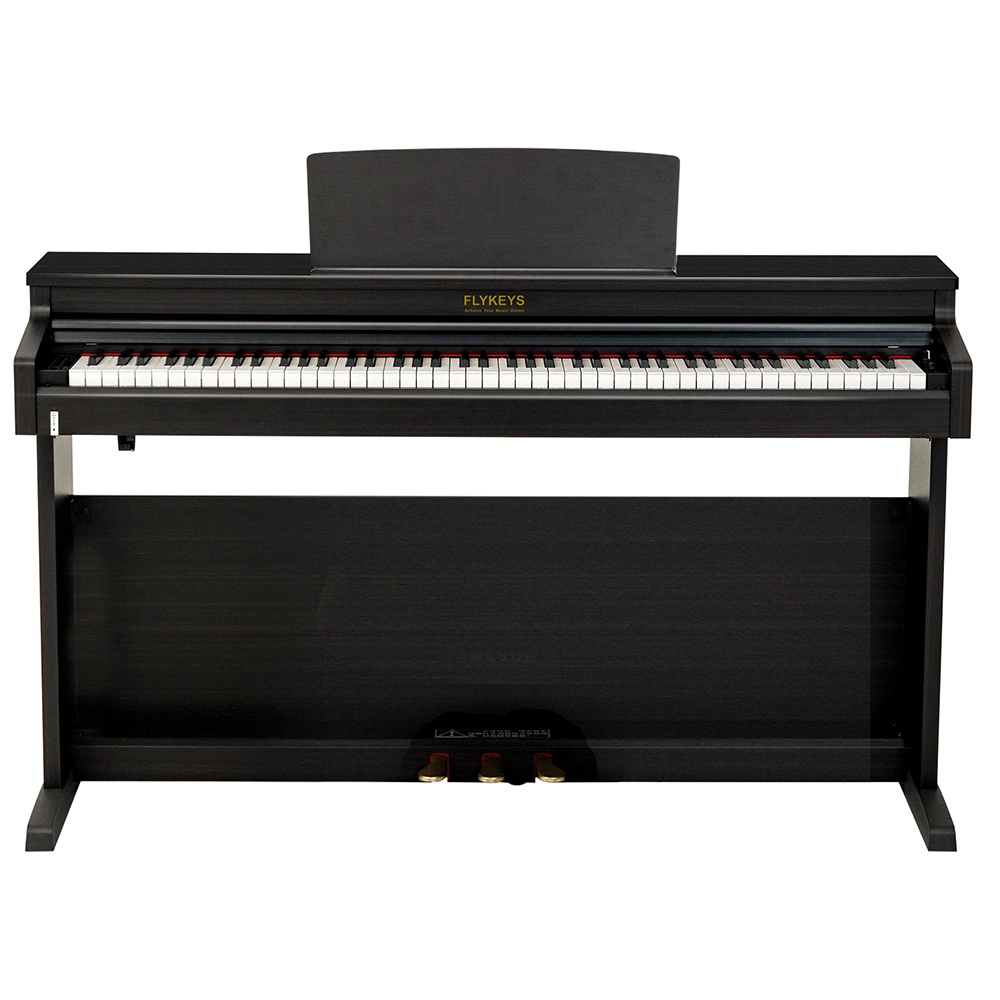
Flykeys Upright Digital Piano FDP 3
Get in touch with us
Have a question or inquiry about our digital pianos products? Leave us a message here and our team will get back to you promptly within 24 hours.
Whether you're interested in custom orders, technical specifications, or partnership opportunities, we're here to assist you.
Rest assured that your privacy is important to us, and all information provided will be handled with the utmost confidentiality.
Address: No. 38 Xiangshan Avenue, Zengcheng Economic And Technological Development Zone, Guangzhou, China.
FOLLOW US:


© 2026 FLYKEYS All Rights Reserved. 粤 ICP备2020102774号. Designed by gooeyun. Sitemap | Privacy | Terms