

Which digital pianos have the best maintenance and support?
Navigating the world of digital pianos can be complex, especially for beginners. This expert guide dives deep into common pain points, addressing hidden costs, brand support, crucial maintenance tips, upgrade paths, and future connectivity. Discover in-depth answers to help you choose the best digital piano, understand its long-term value, and ensure optimal performance and longevity for your musical journey.
Investing in a digital piano is a significant decision for any aspiring musician or seasoned player. While the initial purchase of a high-quality digital piano might seem straightforward, many beginners and even intermediate users face a maze of questions regarding long-term ownership, maintenance, and future-proofing their investment. This comprehensive guide, crafted by experts in the digital piano field, aims to provide in-depth, up-to-date answers to critical questions that often lack sufficient detail online, helping you make an informed choice among the best digital pianos available.
Beyond the Initial Price: What Are the Hidden Long-Term Costs of Owning a Digital Piano?
Many prospective buyers focus solely on the sticker price of an affordable digital piano or even a High Quality digital piano, overlooking potential long-term expenses. While digital pianos generally require less maintenance than acoustic pianos, hidden costs can emerge. These primarily include:
- Proprietary Accessories: Many console digital pianos or even portable digital pianos require specific, often proprietary, pedals, stands, or benches for optimal integration and aesthetics. While third-party options exist, they might not offer the same functionality or build quality, leading to higher costs for official accessories.
- Software and App Subscriptions: To unlock advanced features, learning tools, or integration with specific educational apps, some brands or third-party developers offer subscription-based services. While not always mandatory, these can enhance the learning or playing experience and represent an ongoing cost.
- Firmware Updates (Rarely Paid, but Consider Time/Complexity): While most firmware updates are free and user-installable, complex updates or those requiring specific tools might necessitate professional assistance, incurring service fees. Staying updated ensures optimal performance and compatibility.
- Out-of-Warranty Repairs: The most significant potential hidden cost. After the warranty expires, repairs for components like key sensors, main circuit boards, or display screens can be substantial. Understanding typical failure points and preventative measures is key to mitigating these.
- Shipping for Service: If an authorized service center isn't local, the cost of shipping a heavy digital piano for repairs can be considerable.
How Do High Quality Digital Piano Brands Compare in Maintenance and Support?
When considering which digital pianos have the best maintenance and support, brand reputation and infrastructure are paramount. Leading manufacturers like Yamaha (Clavinova, Arius series), Roland (HP, LX series), and Kawai (CA, CS series) generally offer robust support, but there are nuances:
- Warranty Coverage: Most High Quality digital pianos come with a 1-5 year warranty, varying by region and model. Yamaha and Kawai often provide longer warranties (e.g., 5 years for certain Clavinova/CA models) in specific markets, reflecting confidence in their build quality. Roland typically offers competitive warranties as well. Always check the specific warranty terms for your region.
- Authorized Service Centers: All major brands maintain networks of authorized service centers. The availability and density of these centers can vary significantly by country and even within regions. Brands with a stronger global presence, like Yamaha and Roland, might have broader coverage. It's crucial to verify the presence of a local authorized center before purchase.
- Parts Availability: Leading brands generally have good parts availability for common components (e.g., key sensors, power supplies) for a reasonable period (typically 5-10 years) after a model is discontinued. Proprietary parts for older or less common models might become harder to source over time.
- Typical Turnaround Times: Repair times can range from a few days for minor issues to several weeks or even months for complex repairs requiring parts shipment. This largely depends on the service center's workload, parts availability, and the nature of the fault. Brands with efficient logistics and strong dealer networks tend to offer quicker service.
- Technical Support: Most brands offer phone and email technical support. Quality and responsiveness can vary, but generally, High Quality brands invest in knowledgeable support staff to assist with troubleshooting, firmware updates, and basic operational questions.
What Digital Piano Components Are Most Prone to Failure, and How Can I Extend Its Lifespan?
While modern digital pianos are generally reliable, certain components are more susceptible to wear or failure over time. Understanding these can guide preventative maintenance:
- Key Sensors: These optical or rubber contact sensors detect key presses. Dust, debris, or prolonged heavy use can cause them to become erratic or fail, leading to 'dead' notes or inconsistent velocity response. This is a common issue across many brands and models.
- Power Supply Units (PSUs): External power adapters can fail due to power surges, overheating, or internal component degradation. Internal PSUs in console models are more robust but can still be affected.
- Buttons, Knobs, and Faders: Mechanical components on the control panel can wear out with frequent use, leading to intermittent functionality.
- Display Screens: LCD or OLED screens can develop dead pixels or lose backlight intensity over many years, especially if exposed to direct sunlight or extreme temperatures.
- Pedal Units: Sustain pedals, especially the continuous type, can wear out mechanically or electrically.
Preventative Maintenance Steps to Extend Lifespan:
- Dust Protection: Always use a dust cover when the piano is not in use. Dust is a primary enemy of key sensors and internal electronics.
- Stable Power: Connect your digital piano to a surge protector or an uninterruptible power supply (UPS) to guard against power fluctuations.
- Environmental Control: Avoid extreme temperatures, direct sunlight, and high humidity. These can degrade electronic components and affect keybed stability.
- Gentle Use: Avoid excessive force on keys, buttons, and pedals. While built for durability, rough handling can accelerate wear.
- Cleanliness: Regularly wipe down the keys and surface with a soft, dry cloth. Avoid harsh chemicals.
- Firmware Updates: Keep your digital piano's firmware updated. Manufacturers often release updates that improve stability, fix bugs, and enhance performance.
User-Replaceable Parts: Generally, internal components are not user-replaceable and require professional service. External power adapters and sometimes pedal units (if they connect via a standard jack) can be replaced by the user. For anything internal, consult an authorized technician.
Is It Cost-Effective to Upgrade Key Components in a Mid-Range Digital Piano?
Unlike computers, digital pianos are highly integrated systems, making internal component upgrades for the sound engine or keyboard action largely impossible and not cost-effective. The core technology, including the sound generation (sampling or physical modeling) and the weighted hammer action, is fundamental to the instrument's design.
- Sound Engine: The sound engine is embedded in the main circuit board. You cannot swap out a better sound chip. If you desire a superior sound, your options are to connect your digital piano (via MIDI) to an external sound module or a computer running Virtual Studio Technology (VST) instruments. This effectively bypasses the piano's internal sound engine but doesn't upgrade it.
- Keyboard Action: The keyboard action is a complex mechanical assembly. Upgrading it would essentially mean replacing the entire keybed, which is impractical and often more expensive than the piano itself. Different actions (e.g., grand feel action vs. standard weighted action) are distinct hardware designs.
Therefore, if you're seeking significantly improved performance in terms of feel or sound quality, the most practical and cost-effective approach is to consider a trade-in or selling your current model and investing in a new one. Digital pianos, like most electronics, depreciate over time. However, a well-maintained mid-range digital piano from a reputable brand can still fetch a decent resale value, offsetting some of the cost of an upgrade to a professional digital piano or a higher-end home digital piano.
What Are Current Industry Standards for Digital Piano Connectivity and Their Impact?
Modern digital pianos offer a range of connectivity options that are crucial for integration with other devices, educational tools, and creative workflows. Understanding these standards is vital for advanced users and educators:
- MIDI 1.0 (5-pin DIN & USB-MIDI): Still the most prevalent standard. 5-pin DIN MIDI offers reliable, low-latency communication for note data, velocity, and control changes. USB-MIDI has largely replaced DIN for direct computer connection, providing a simple plug-and-play solution for DAWs (Digital Audio Workstations) and learning apps. It's essential for using your digital piano as a MIDI controller.
- MIDI 2.0: An emerging standard offering bidirectional communication, higher resolution for expressive control, and property exchange (allowing devices to understand each other's capabilities). Adoption is slow but growing. While few digital pianos currently support MIDI 2.0 natively, it promises more seamless and expressive integration with future software and hardware.
- USB Audio: Increasingly common, USB Audio allows the digital piano to function as an audio interface, sending its internal sound directly to a computer without needing an external audio interface. This simplifies recording and streaming, offering high-quality digital audio output.
- Bluetooth MIDI (Bluetooth LE MIDI): Offers wireless MIDI connectivity, reducing cable clutter. While convenient for connecting to tablets, smartphones, and some computers for educational apps or basic DAW control, it can introduce slight latency compared to wired connections. For critical performance or recording, wired MIDI is often preferred.
- Bluetooth LE Audio (Emerging): Primarily for audio streaming to the piano (e.g., playing along with music from a phone) or from the piano to Bluetooth headphones/speakers. It's not typically used for MIDI data transmission. Its impact on smart home ecosystems is still nascent but could allow for seamless audio integration in multi-room setups.
Impact on Integration:
- DAWs: USB-MIDI and USB Audio are critical for recording performances, using VST instruments, and composing. Low latency drivers are paramount.
- Educational Apps: Bluetooth MIDI and USB-MIDI enable interaction with a vast array of learning applications on tablets and smartphones, offering interactive lessons and feedback.
- Smart Home Ecosystems: While direct integration is limited, Bluetooth LE Audio could facilitate audio routing within smart home setups. MIDI 2.0's property exchange could theoretically allow for more sophisticated control and feedback within a connected environment in the future.
How Does the Resale Value of a High-End Digital Piano Compare to an Acoustic Piano?
Understanding depreciation is crucial for any significant musical instrument purchase. When comparing a high-end digital piano to a similarly priced acoustic piano over a 5-10 year period, the depreciation curves are notably different:
- Digital Piano Depreciation: Digital pianos, being electronic devices, generally depreciate faster than acoustic pianos. A high-end digital piano (e.g., a top-tier Yamaha Clavinova, Roland LX, or Kawai CA series) might retain 40-60% of its original value after 5 years, and potentially 25-40% after 10 years, assuming good condition. This is due to rapid technological advancements (newer sound engines, better actions, improved connectivity) that make older models less desirable over time. The market for used digital pianos is also more susceptible to new product releases.
- Acoustic Piano Depreciation: A well-maintained acoustic piano, especially from a reputable brand (e.g., Yamaha, Kawai, Steinway, Baldwin), can hold its value much better, and in some cases, even appreciate. Over 5-10 years, a quality acoustic piano might retain 60-80% or more of its value, provided it has been regularly tuned, kept in a stable environment, and has no significant structural damage. Factors like brand prestige, build quality, and the timeless nature of acoustic sound contribute to this.
Factors Significantly Impacting Resale Value (Digital Pianos):
- Brand Reputation: Brands like Yamaha, Roland, and Kawai generally command higher resale values due to their reputation for quality and reliability.
- Condition: Excellent cosmetic and functional condition is paramount. Scratches, dents, non-working keys, or faulty electronics will drastically reduce value.
- Feature Set: Pianos with timeless features (e.g., excellent hammer action, realistic piano sounds) tend to hold value better than those heavily reliant on outdated tech or niche features.
- Original Price Point: High-end digital pianos tend to depreciate less percentage-wise than entry-level models, but the absolute monetary loss might be higher.
- Market Demand: Local market demand and the availability of newer models influence pricing.
In summary, while a high-end digital piano offers unparalleled convenience, features, and often a more accessible entry point than a comparable acoustic, it should be viewed more as a depreciating asset from a financial perspective. An acoustic piano, conversely, can be a better long-term investment if properly cared for.
Navigating the world of digital pianos requires a blend of technical understanding, foresight, and a clear vision for your musical journey. By addressing these often-overlooked questions, we hope to empower you with the knowledge to make a truly informed decision. From understanding the nuances of maintenance and support to evaluating long-term costs and connectivity options, choosing the best digital piano is about more than just sound and feel—it's about a lasting relationship with your instrument.
For a personalized recommendation or to explore High Quality digital pianos that align with your specific needs and budget, please contact us for a quote. Visit www.flykeysmusic.com or email service@flykeysmusic.com.
- Beyond the Initial Price: What Are the Hidden Long-Term Costs of Owning a Digital Piano?
- How Do High Quality Digital Piano Brands Compare in Maintenance and Support?
- What Digital Piano Components Are Most Prone to Failure, and How Can I Extend Its Lifespan?
- Is It Cost-Effective to Upgrade Key Components in a Mid-Range Digital Piano?
- What Are Current Industry Standards for Digital Piano Connectivity and Their Impact?
- How Does the Resale Value of a High-End Digital Piano Compare to an Acoustic Piano?
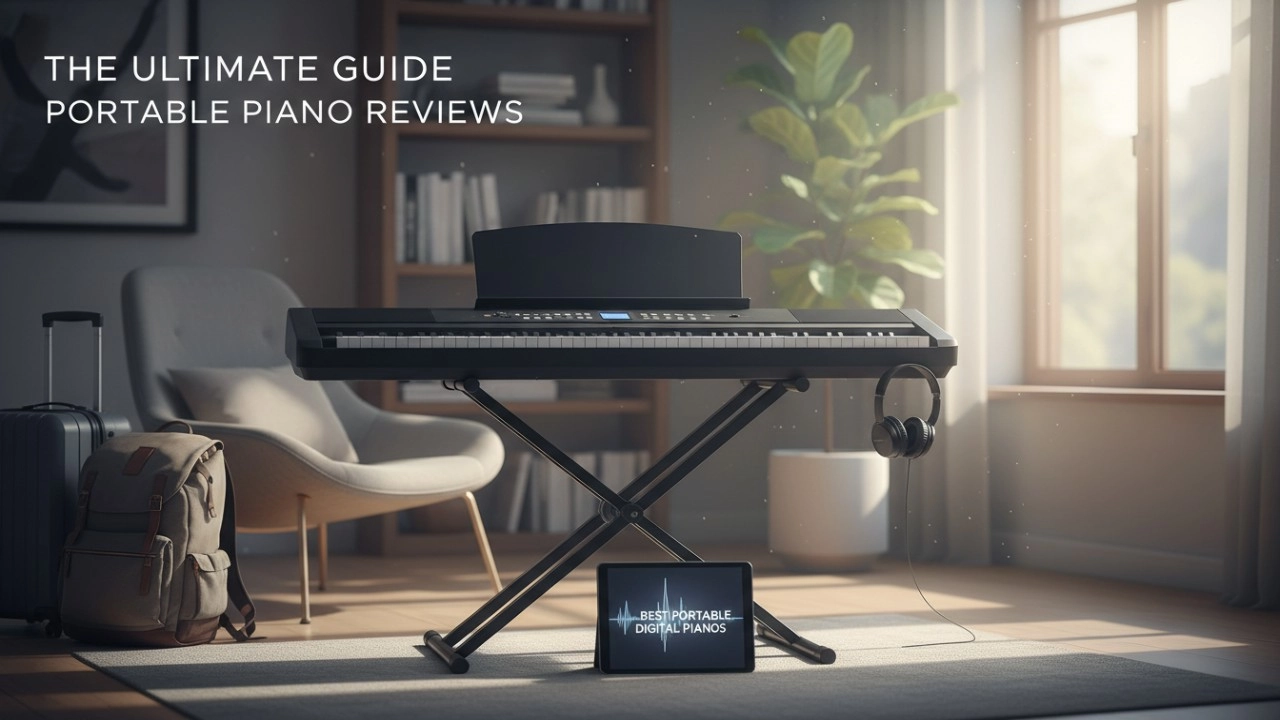
15 Best Portable Digital Pianos of 2026: The Only Comparison Guide You’ll Ever Need
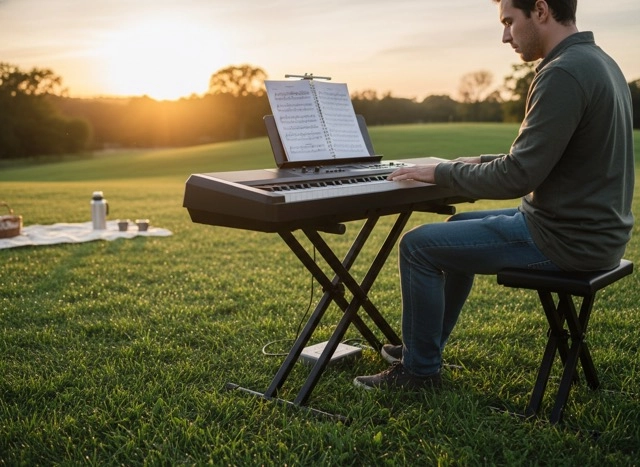
Is the Flykeys FP9 Worth It? Our Real-Life Experience with the World’s Largest Piano Maker’s Digital Tech.
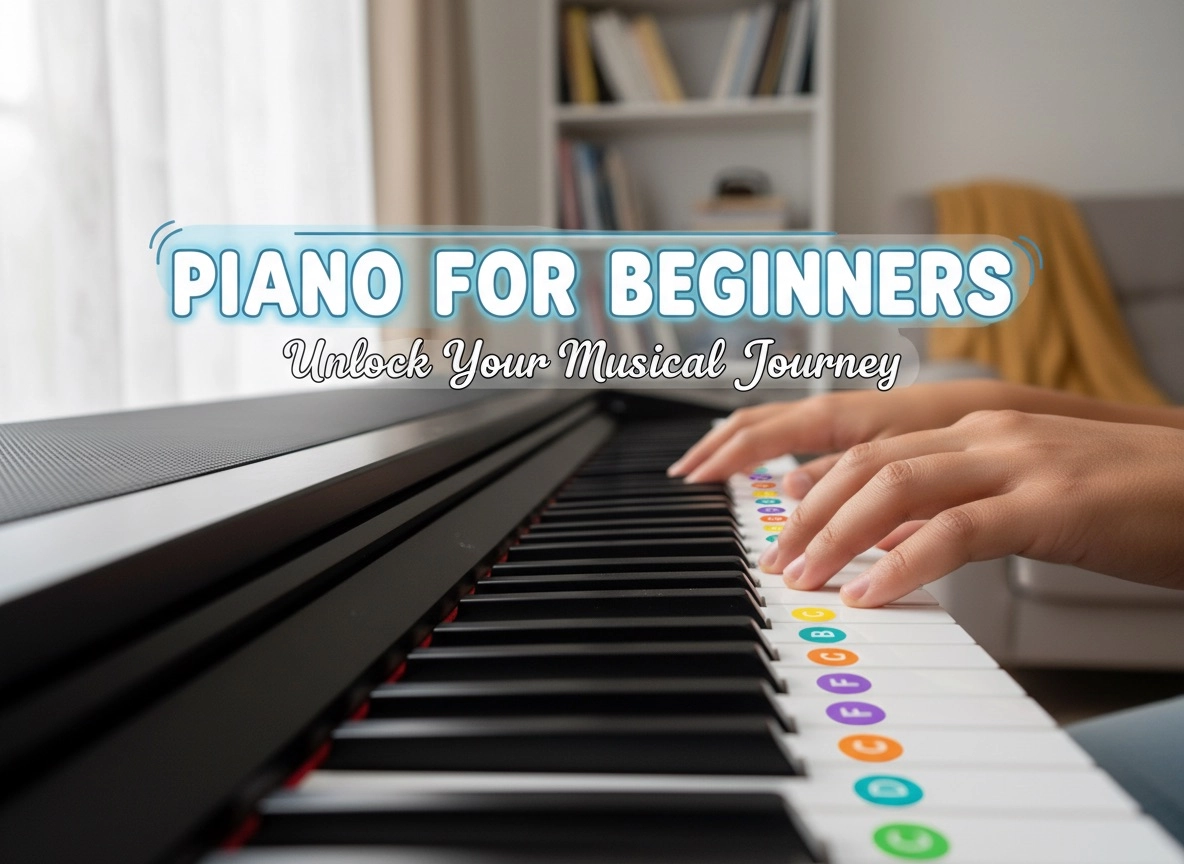
Best Digital Piano Keyboards for Beginners 2026: Your Ultimate Buying Guide

Best Digital Grand Pianos 2026: Ultimate Buyer's Guide for Authentic Sound & Feel
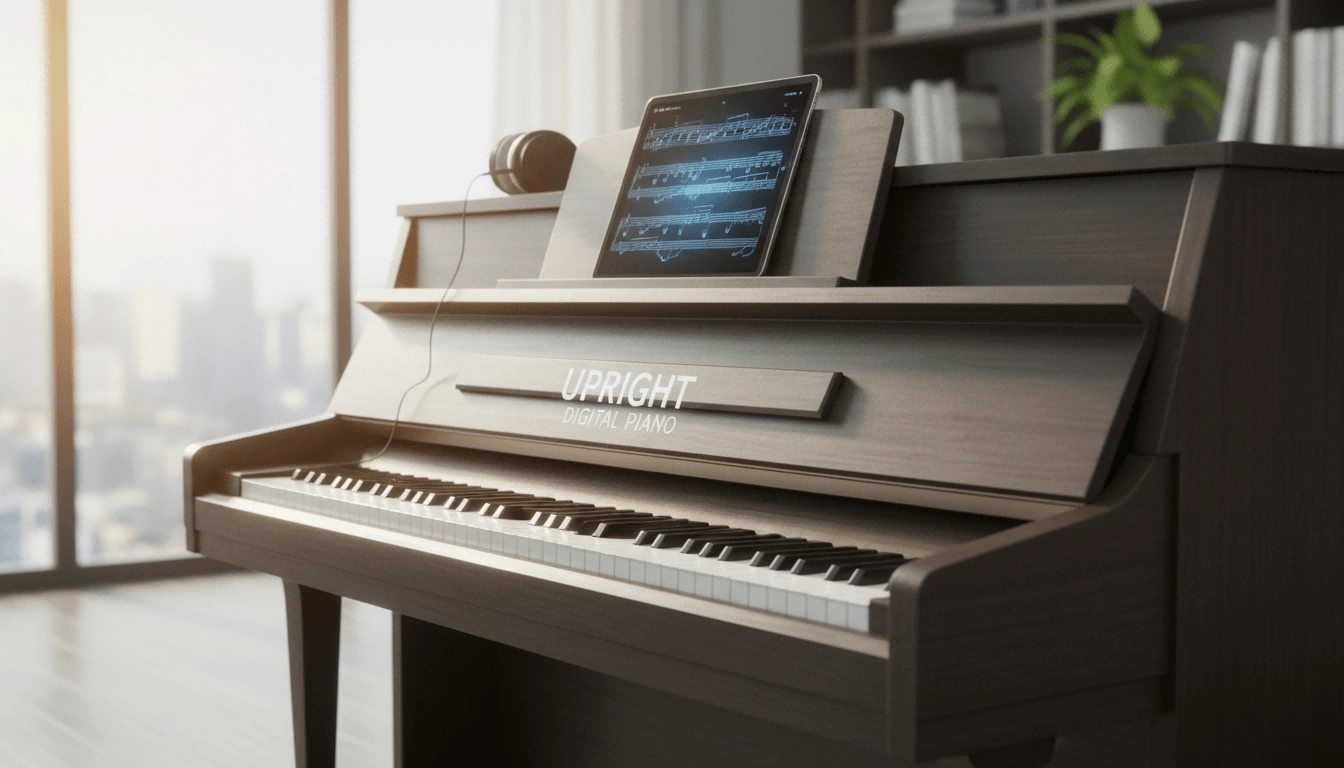
The Definitive Guide to Upright Digital Pianos: Blending Timeless Elegance with Modern Innovation in 2026
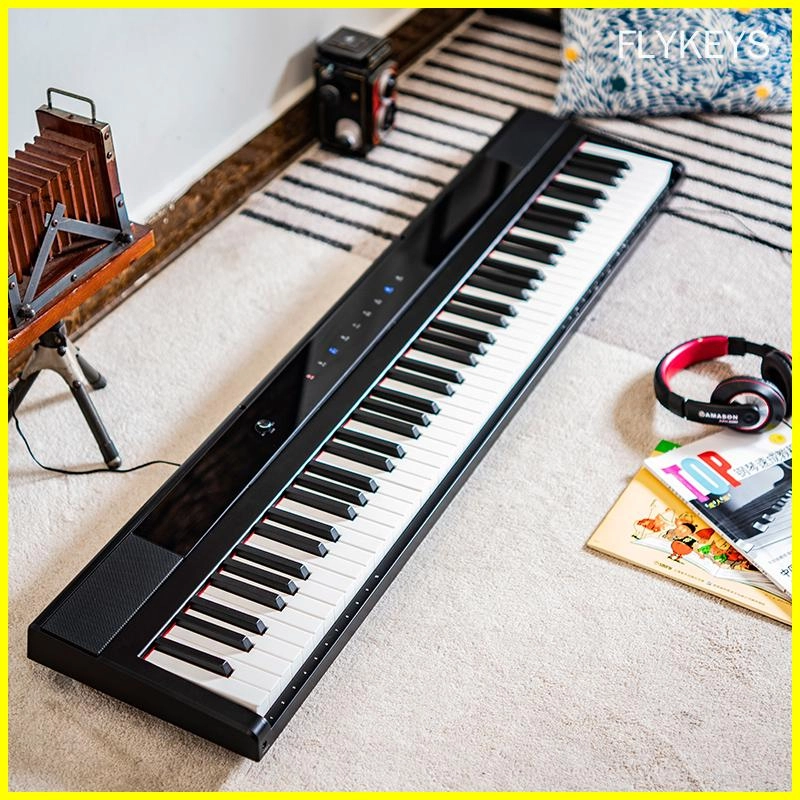
Best-Rated Electronic Pianos for Beginners in 2026: What to Buy and Why
After-Sales Service
How can I contact your after-sales support team?
You can contact our after-sales support team via email, phone, or through our website's customer support portal.
Company
Does your company have any sustainability initiatives?
Yes, we are dedicated to sustainability and continuously strive to minimize our environmental footprint through responsible manufacturing practices.
Logistics
Can l track my order during shipping?
Yes, tracking information will be provided once your order has been shipped, allowing you to monitor its progress.
How long does shipping typically take?
Shipping times vary depending on the destination and shipping method selected. Please refer to our shipping information page for estimated delivery times.
Payment
What payment methods do you accept?
We accept payment methods such as T/T and L/C.
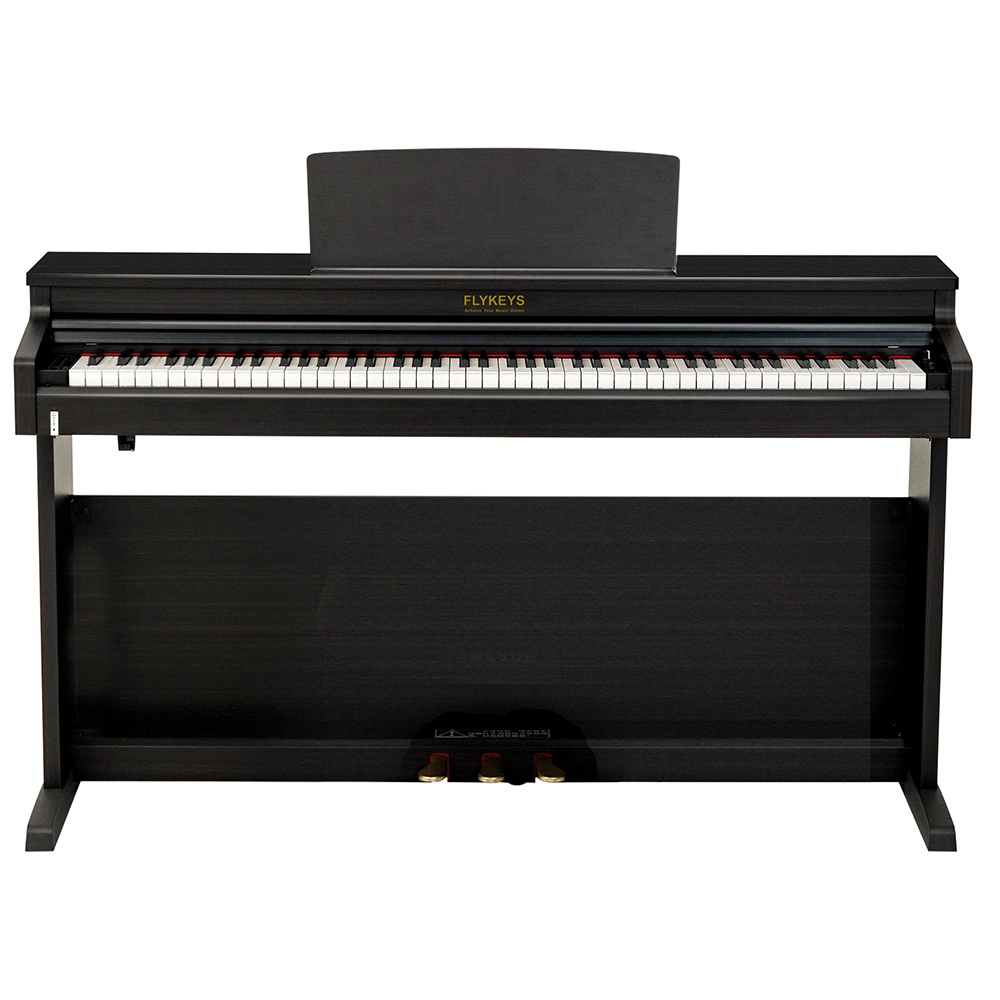
Flykeys Upright Digital Piano FDP 3
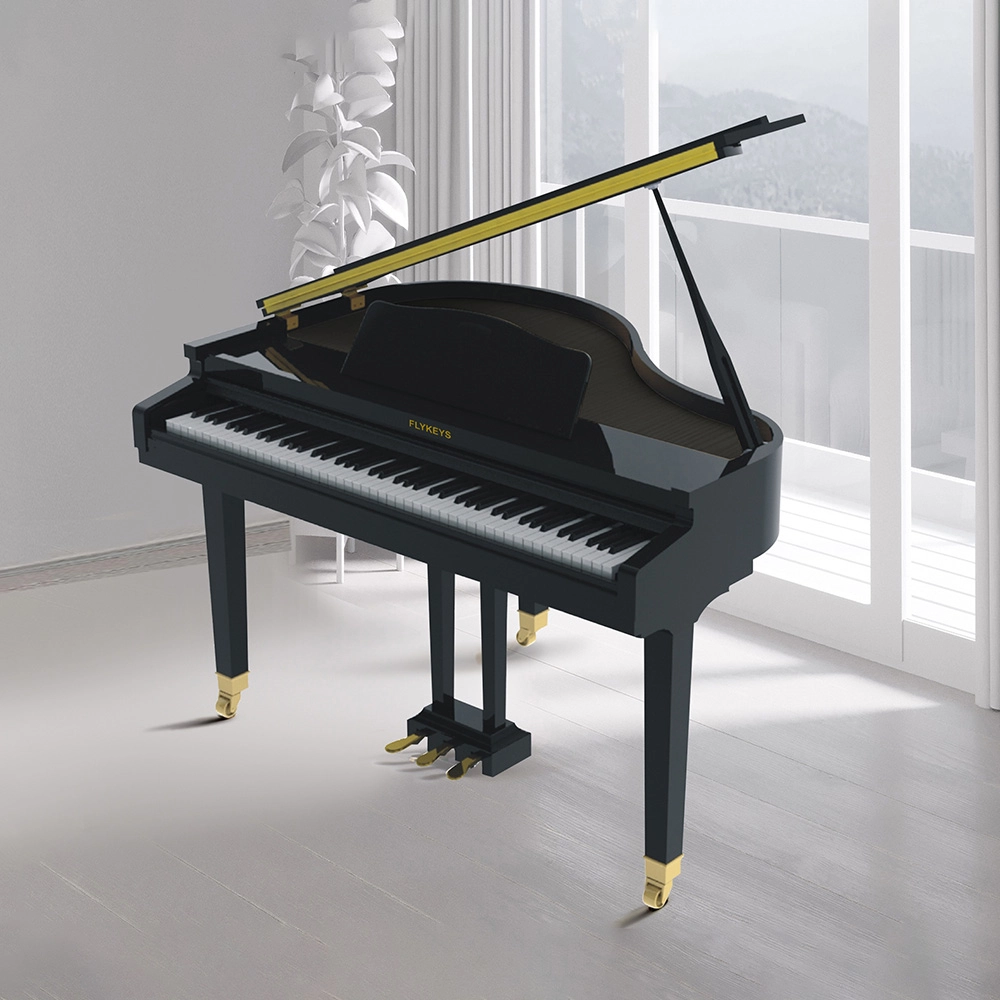
Flykeys 88 Keys Professional Digital Grand Piano Hammer Action Keyboard FGP110 Digital Piano
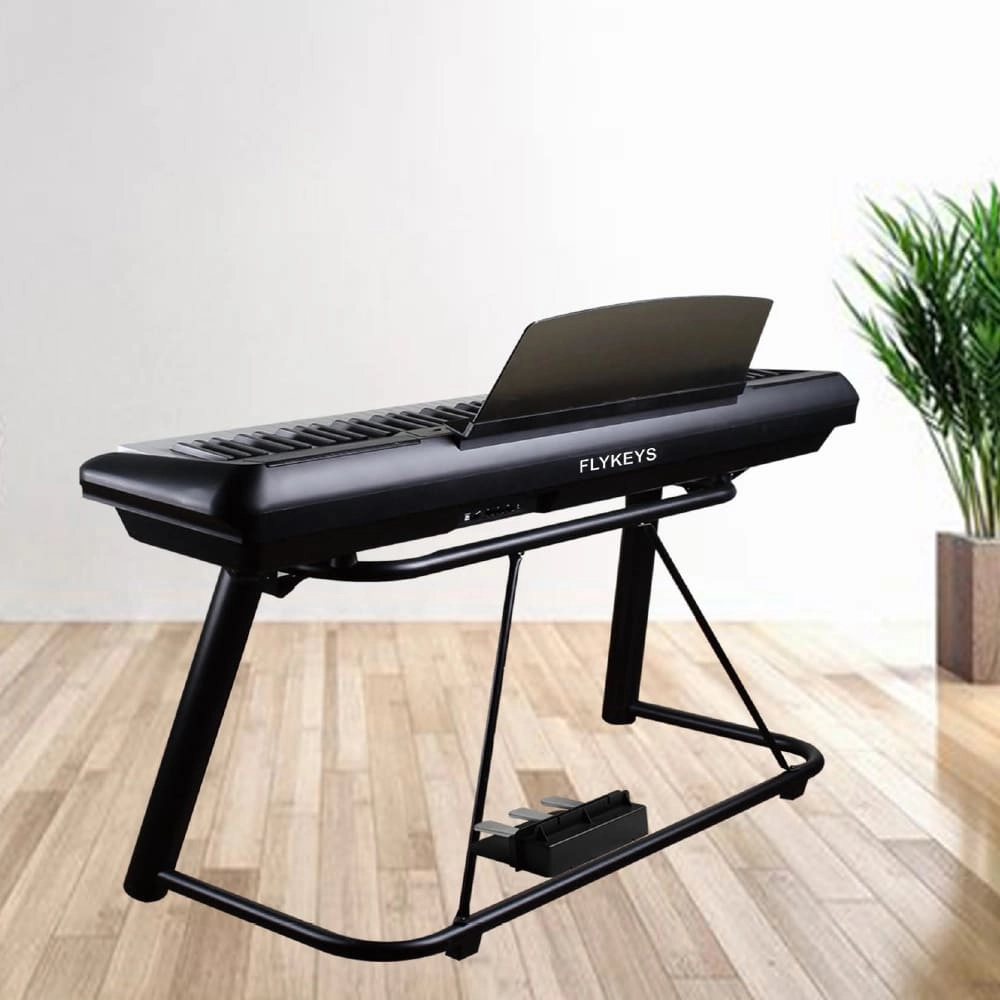
Flykeys 88 Keys Portable Piano With Wooden Stand FP6 Digital Piano
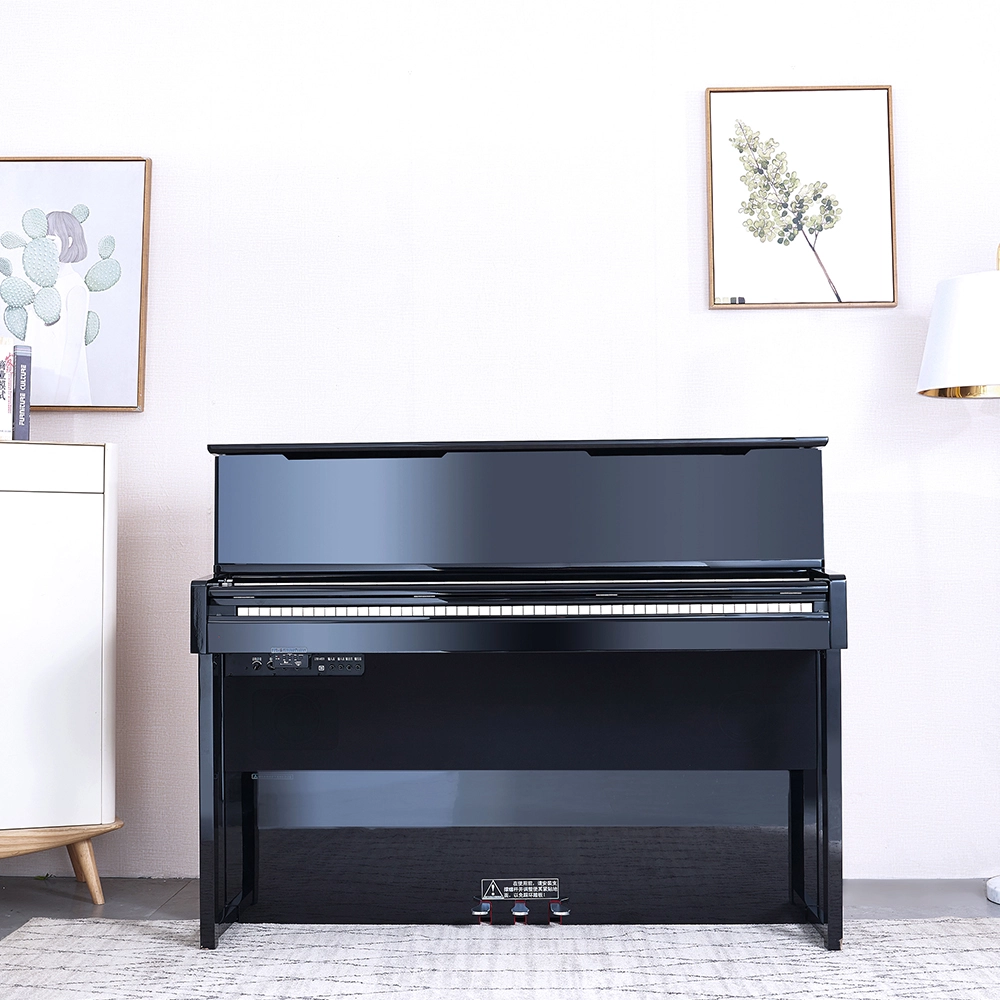
Flykeys Professional Digital Upright Piano 88 Keys Wooden Keyboard FK830 Digital Piano
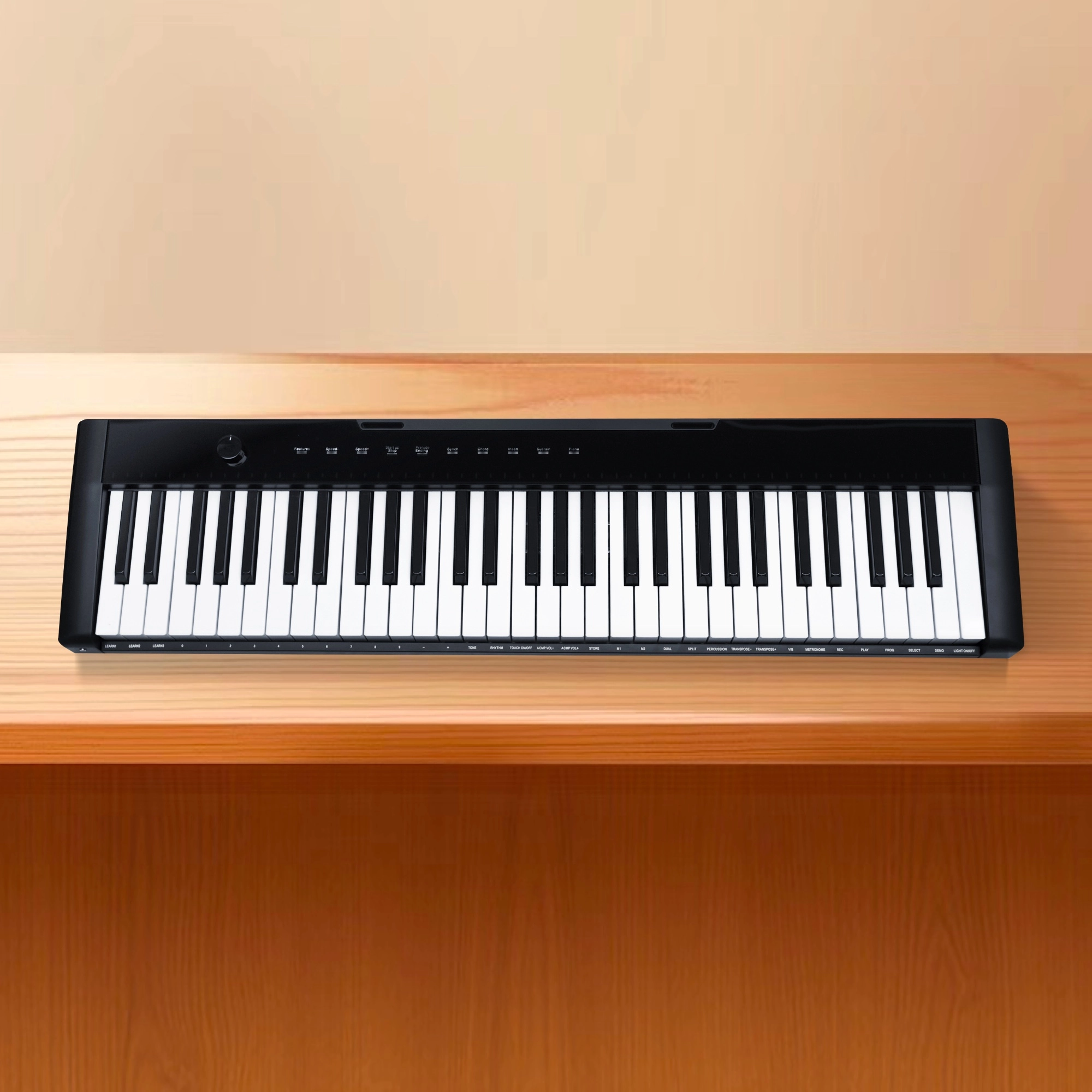
Flykeys 61 keys portable electronic keyboard piano with X stand (M2)
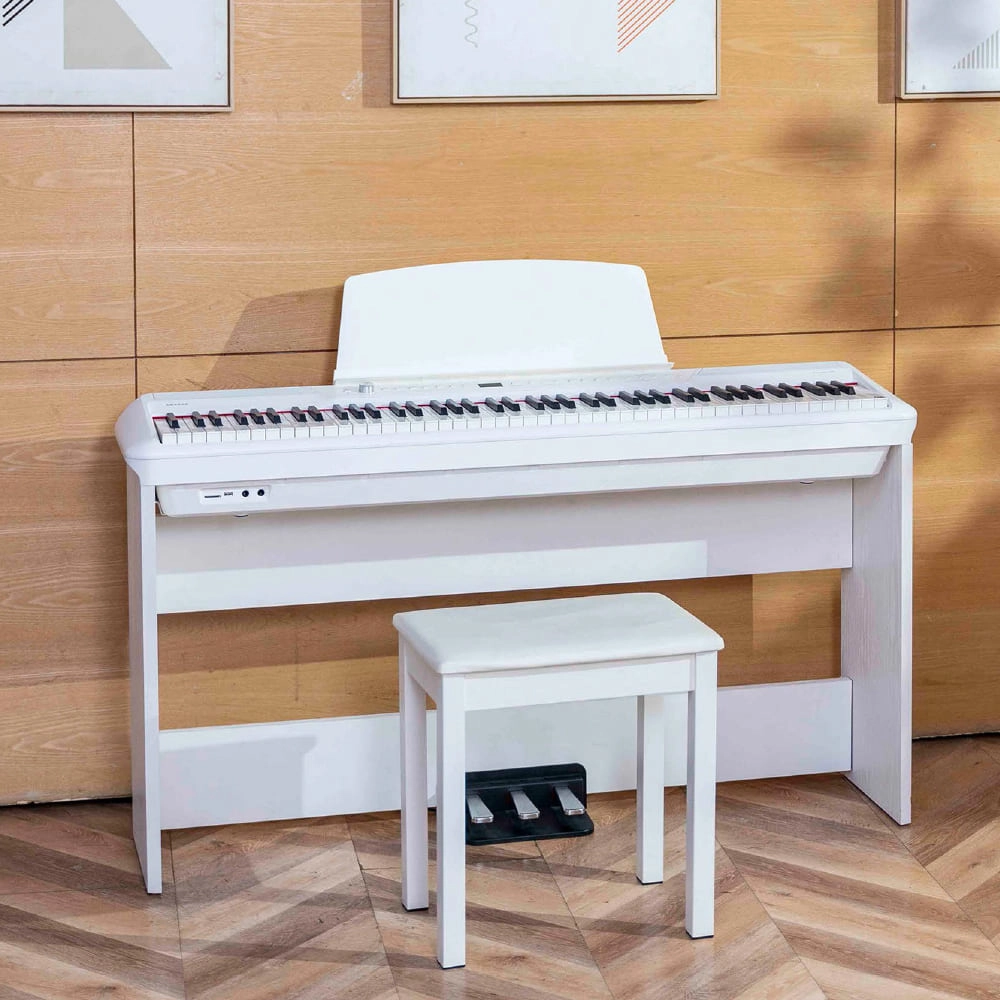
Flykeys Portable Electric Keyboard FP9 Digital Piano
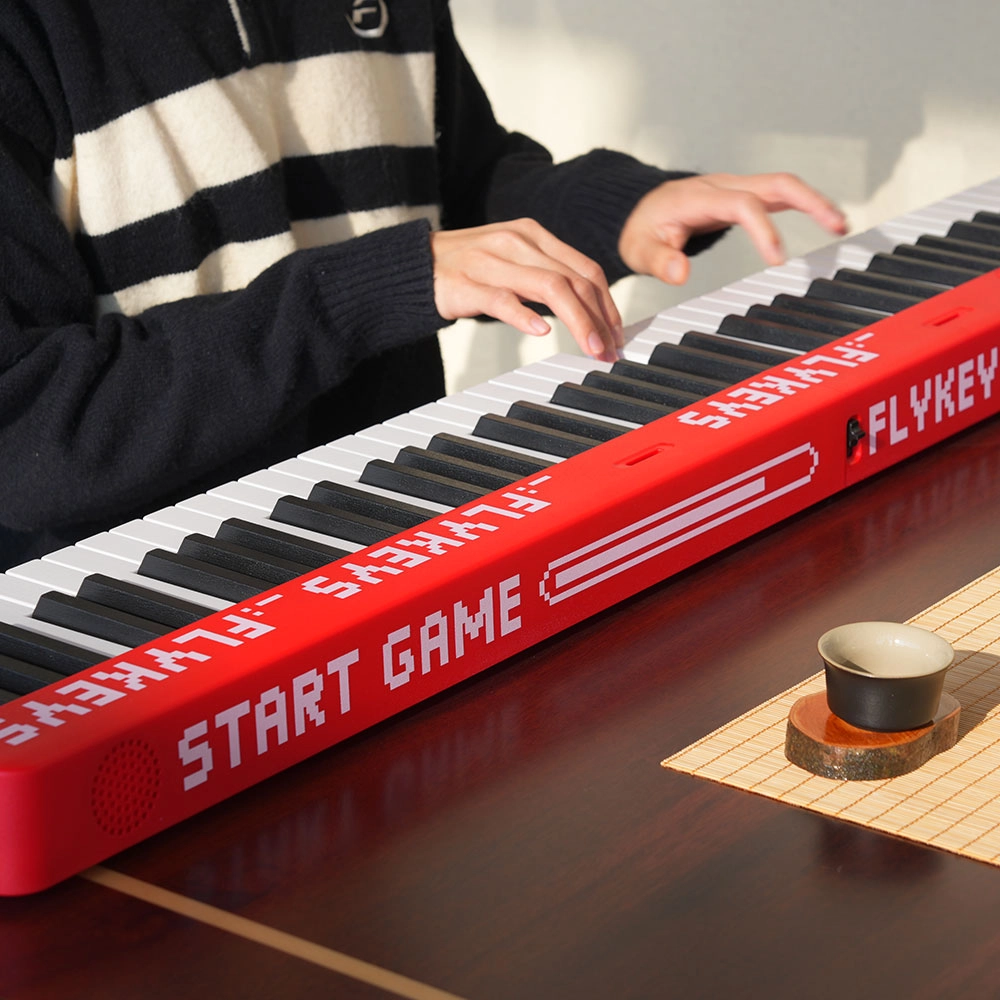
Flykeys M12 Folding Keyboard
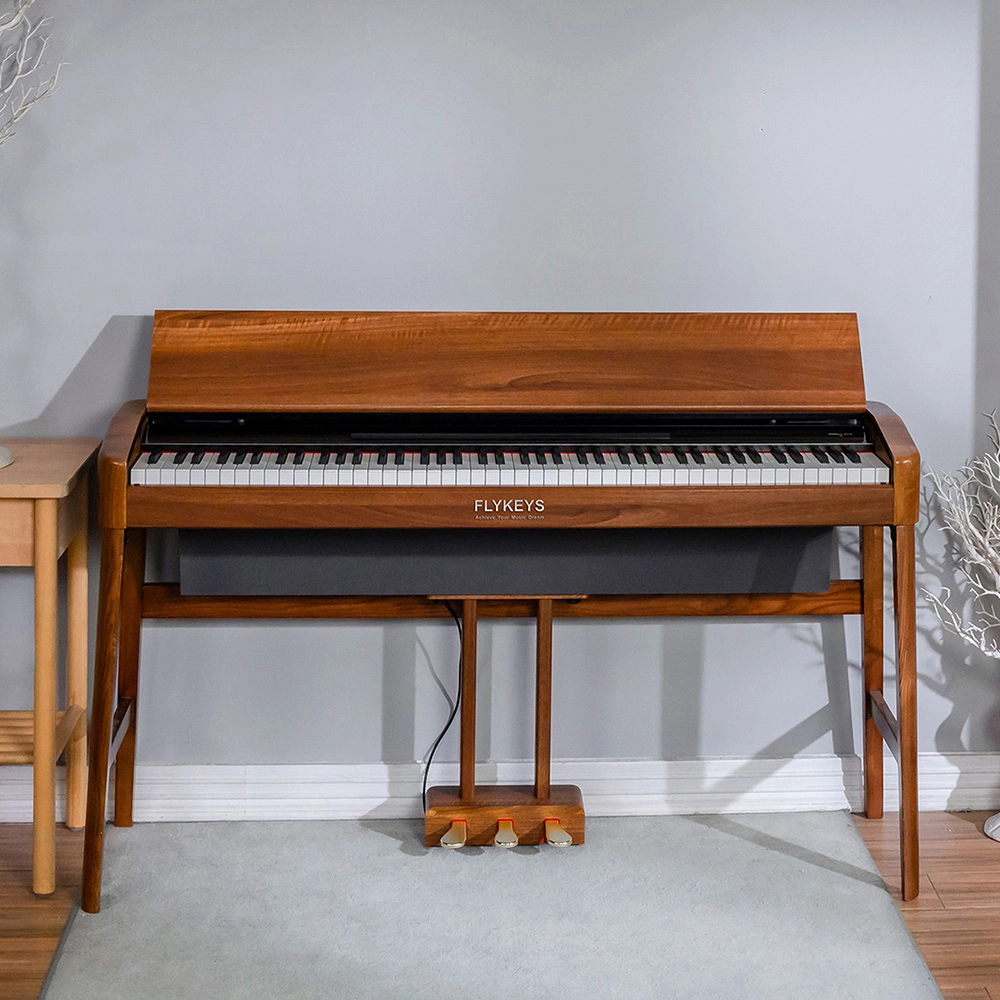
Flykeys Wooden Panel Piano Original Italian Imported Hammer Action Keyboard SK3 Digital Piano
Get in touch with us
Have a question or inquiry about our digital pianos products? Leave us a message here and our team will get back to you promptly within 24 hours.
Whether you're interested in custom orders, technical specifications, or partnership opportunities, we're here to assist you.
Rest assured that your privacy is important to us, and all information provided will be handled with the utmost confidentiality.
Address: No. 38 Xiangshan Avenue, Zengcheng Economic And Technological Development Zone, Guangzhou, China.
FOLLOW US:


© 2026 FLYKEYS All Rights Reserved. 粤 ICP备2020102774号. Designed by gooeyun. Sitemap | Privacy | Terms