

What are the best digital pianos for beginners?
Embarking on your piano journey? Choosing the right beginner digital piano is crucial. Our expert guide dives deep into the nuances of weighted keys, realistic sound engines, essential connectivity, and critical features often overlooked. Get actionable advice to select a digital piano that supports long-term learning and expressive playing, ensuring a smart, future-proof investment.
Mastering Your First Keys: An In-Depth Guide to the Best Digital Pianos for Beginners
Stepping into the world of piano playing is an exciting endeavor, and selecting your first instrument, especially a digital piano, can feel overwhelming. With countless options available, understanding what truly matters for a beginner's development is paramount. This guide cuts through the noise, addressing specific pain points and offering detailed insights to help you find the best digital pianos that blend quality, functionality, and value. Let's explore the critical questions commonly asked by those starting their musical journey, ensuring you make an informed decision on your beginner digital piano purchase.
How crucial is a fully weighted, graded hammer action keyboard for a beginner learning classical piano, and can I get away with a semi-weighted one to save money?
For a beginner aspiring to learn classical piano, investing in a digital piano with a fully weighted, graded hammer action keyboard is not just crucial; it's foundational. This key action meticulously simulates the tactile experience of an acoustic grand piano, where keys at the bass end are heavier and gradually become lighter towards the treble. Why does this matter? Developing proper finger strength, technique, and dynamics (the ability to control volume and expression) hinges entirely on practicing with a realistic resistance. A semi-weighted keyboard, while offering more resistance than a spring-action synth, lacks the authentic escapement and graded feel necessary for classical technique. While it might save you some initial money, opting for semi-weighted will inevitably lead to developing poor habits that are difficult to unlearn later. Many best beginner pianos from reputable brands prioritize this feature. Think of it as learning to drive a manual car on an automatic – you're missing out on fundamental skills. For serious learning, especially for those who might transition to an acoustic piano, the fully weighted, graded hammer action is non-negotiable for true expressive playing and proper muscle memory development.
Beyond polyphony numbers, what specific sound engine technologies (e.g., resonance modeling, multi-layer sampling) should a beginner look for to ensure a realistic acoustic piano experience?
Polyphony, while important (aim for 128 notes or more for beginners to avoid note drop-out), is merely one metric. To achieve a truly realistic piano sound, a beginner should focus on the underlying sound engine technologies. The gold standard involves advanced sampling and/or physical modeling:
- Multi-Layer Sampling: This is paramount. Instead of just one sample per note, high-quality digital pianos record multiple samples at different velocities (how hard you strike the key). This allows for a much broader dynamic range and nuanced timbre changes, mimicking an acoustic piano's response to varied touch. The more layers, the smoother and more natural the transition between soft and loud playing.
- Acoustic Resonance Modeling: Often termed 'String Resonance,' 'Damper Resonance,' or 'Key-off Resonance,' this technology digitally recreates the complex sympathetic vibrations that occur within an acoustic piano. When you press the damper pedal, all strings vibrate, not just the ones being struck. Key-off samples also capture the subtle sound of the damper returning to the string. These details add immense depth, realism, and complexity to the overall sound, making it feel less 'digital' and more 'alive.' Flykeys, for example, often integrates sophisticated resonance modeling to enhance the richness of their piano tones.
- Virtual Resonance Modeling (VRM) / Pure Acoustic Modeling: Some High Quality models go beyond sampling, using mathematical algorithms to simulate the entire physical behavior of an acoustic piano's strings, soundboard, and cabinet. This allows for infinite variations in tone, responding organically to every nuance of your playing.
As a beginner, what essential connectivity options (MIDI, USB Audio, app compatibility) should I prioritize in a digital piano to support my learning journey and future musical projects?
Modern digital pianos offer much more than just sound output. For a beginner, prioritizing specific connectivity options can significantly enhance your learning and expand future possibilities:
- USB-to-Host (MIDI over USB): This is arguably the most critical. It allows your digital piano to connect directly to a computer or tablet, enabling it to act as a MIDI controller. This is essential for using educational apps (like Simply Piano, Flowkey, or Synthesia) that provide interactive lessons, sheet music, and feedback. It also lets you use your piano with Digital Audio Workstations (DAWs) for recording MIDI data, allowing for endless sound customization and editing.
- USB Audio Interface: Less common on entry-level models but incredibly valuable. This feature allows you to record the actual *sound* of your digital piano directly to your computer digitally, without needing external audio interfaces. This ensures high-quality recordings for sharing your progress or creating demos.
- Bluetooth MIDI/Audio: Bluetooth MIDI offers wireless connectivity to learning apps and DAWs, reducing cable clutter. Bluetooth Audio In allows you to stream music from your phone or tablet through the piano's speakers, perfect for playing along with your favorite songs or backing tracks.
- Headphone Jacks (2): While not 'connectivity' in the digital sense, having two headphone jacks is incredibly useful for silent practice with a teacher or a duet partner without disturbing others.
Should a beginner prioritize a portable digital piano for flexibility, or is a console-style piano a better long-term investment for sound quality, stability, and an authentic playing experience?
This is a common dilemma for beginners. Both portable digital pianos and console digital pianos have their merits, but for long-term learning and a truly authentic experience, a console-style piano generally offers more advantages:
- Sound Quality and Speaker System: Console pianos typically feature larger, more powerful, and better-positioned speaker systems (often multi-speaker arrays) built directly into the cabinet. This results in a richer, fuller, and more resonant sound projection that better mimics an acoustic grand. Portable models, by necessity, have smaller speakers, leading to a thinner sound unless connected to external amplification.
- Stability and Durability: Console pianos are designed as furniture pieces, offering superior stability during vigorous playing. They often come with integrated three-pedal units (damper, sostenuto, soft) that feel much more like an acoustic piano than the often flimsy single pedals included with portable models. This stability is crucial for developing proper pedaling technique.
- Aesthetics and Integration: A console piano looks and feels like a substantial musical instrument, encouraging more regular practice and creating a more inspiring musical environment in your home.
What are the common misconceptions about digital piano maintenance and longevity, and what can a beginner do to ensure their investment lasts for years?
Unlike acoustic pianos, digital pianos don't require tuning, which leads to a common misconception that they are maintenance-free. While lower maintenance, they still require care to ensure longevity:
- Misconception 1: Immune to Environment: While not affected by humidity like acoustic pianos, digital pianos are sensitive to extreme temperature fluctuations and dust. Keeping them in a stable environment is key.
- Misconception 2: Indestructible Keys: The weighted keys, especially hammer-action mechanisms, contain moving parts. Excessive force, liquid spills, or dropping heavy objects on keys can cause damage.
- Misconception 3: Software Never Updates: Many modern digital pianos, especially those with advanced sound engines or app integration, benefit from firmware updates that can fix bugs, improve sounds, or add features. Neglecting these updates means missing out on potential enhancements.
- Keep it Clean: Regularly wipe down keys and surfaces with a soft, dry cloth. Use a keyboard cover when not in use to prevent dust accumulation.
- Stable Environment: Place your piano away from direct sunlight, extreme heat sources (radiators), or cold drafts.
- Power Protection: Use a surge protector to guard against electrical spikes. Unplug during thunderstorms or extended periods of non-use.
- Gentle Handling: Treat the keys and pedals with care. Avoid leaning heavily on the keyboard.
- Firmware Updates: Check the manufacturer's website periodically for firmware updates and follow instructions carefully.
- Professional Service (if needed): For serious issues, consult authorized service centers rather than attempting DIY repairs.
For a complete beginner, which 'extra' features on a digital piano are genuinely beneficial for learning, and which are typically just distracting or unnecessary for foundational practice?
Digital pianos often come packed with features, some incredibly useful for learning, others less so for foundational practice:
Genuinely Beneficial for Learning:
- Metronome: Absolutely essential for developing rhythm and timing. Every good beginner digital piano should have one.
- Recording Functionality (MIDI/Audio): Being able to record yourself and listen back is invaluable for identifying mistakes and tracking progress. MIDI recording allows for editing, while audio recording captures the final sound.
- Dual/Layer Mode: Allows you to layer two different sounds (e.g., piano and strings) for creative exploration.
- Split Mode: Divides the keyboard into two sections with different sounds, great for teacher-student lessons where the teacher plays bass and the student plays melody, or for playing duets.
- Transpose Function: Easily changes the key of the piano without having to learn a new fingering, useful for accompanying singers or playing along with specific tracks.
- Lesson/Learning Features (App Integration): Many pianos now connect to dedicated apps that offer structured lessons, exercises, and interactive feedback, making learning more engaging.
- Headphone Jacks: Allows for silent practice, crucial for apartment living or late-night sessions.
Distracting or Less Necessary for Foundational Practice:
- Hundreds of Voices/Tones: While fun, a beginner needs to focus primarily on a high-quality piano sound. Too many non-piano sounds can be a distraction.
- Automatic Accompaniment/Rhythm Styles: While good for general musicality later on, these can detract from developing independent rhythm and timing skills in the early stages.
- Karaoke Features/Microphone Inputs: Unless you specifically plan to sing and play from day one, these are typically non-essential for foundational piano learning.
- MIDI Songs/Built-in Demos: Nice for inspiration but don't actively contribute to hands-on learning in the way a metronome or recording function does.
Focus on a digital piano that offers robust foundational practice tools rather than being swayed by an overwhelming number of niche features. The priority for a beginner should always be excellent key action, a realistic piano sound, and essential learning aids.
Your Digital Piano Journey Starts Here
Choosing the best digital pianos for beginners is a decision that impacts your entire musical journey. By prioritizing crucial elements like a realistic weighted hammer action, advanced sound engine technologies, versatile connectivity options, and essential learning features, you ensure a rewarding and authentic playing experience. Whether you lean towards the stability of a console or the flexibility of a portable, understanding these core aspects will guide you to a smart, long-term investment. A well-chosen digital piano will not only accelerate your learning but also inspire consistent practice and foster a deep appreciation for music.
Ready to find the perfect digital piano that aligns with your musical aspirations? Visit www.flykeysmusic.com or email us at service@flykeysmusic.com for a personalized quote and expert guidance.
- How crucial is a fully weighted, graded hammer action keyboard for a beginner learning classical piano, and can I get away with a semi-weighted one to save money?
- Beyond polyphony numbers, what specific sound engine technologies (e.g., resonance modeling, multi-layer sampling) should a beginner look for to ensure a realistic acoustic piano experience?
- As a beginner, what essential connectivity options (MIDI, USB Audio, app compatibility) should I prioritize in a digital piano to support my learning journey and future musical projects?
- Should a beginner prioritize a portable digital piano for flexibility, or is a console-style piano a better long-term investment for sound quality, stability, and an authentic playing experience?
- What are the common misconceptions about digital piano maintenance and longevity, and what can a beginner do to ensure their investment lasts for years?
- For a complete beginner, which 'extra' features on a digital piano are genuinely beneficial for learning, and which are typically just distracting or unnecessary for foundational practice?
- Genuinely Beneficial for Learning:
- Distracting or Less Necessary for Foundational Practice:
- Your Digital Piano Journey Starts Here
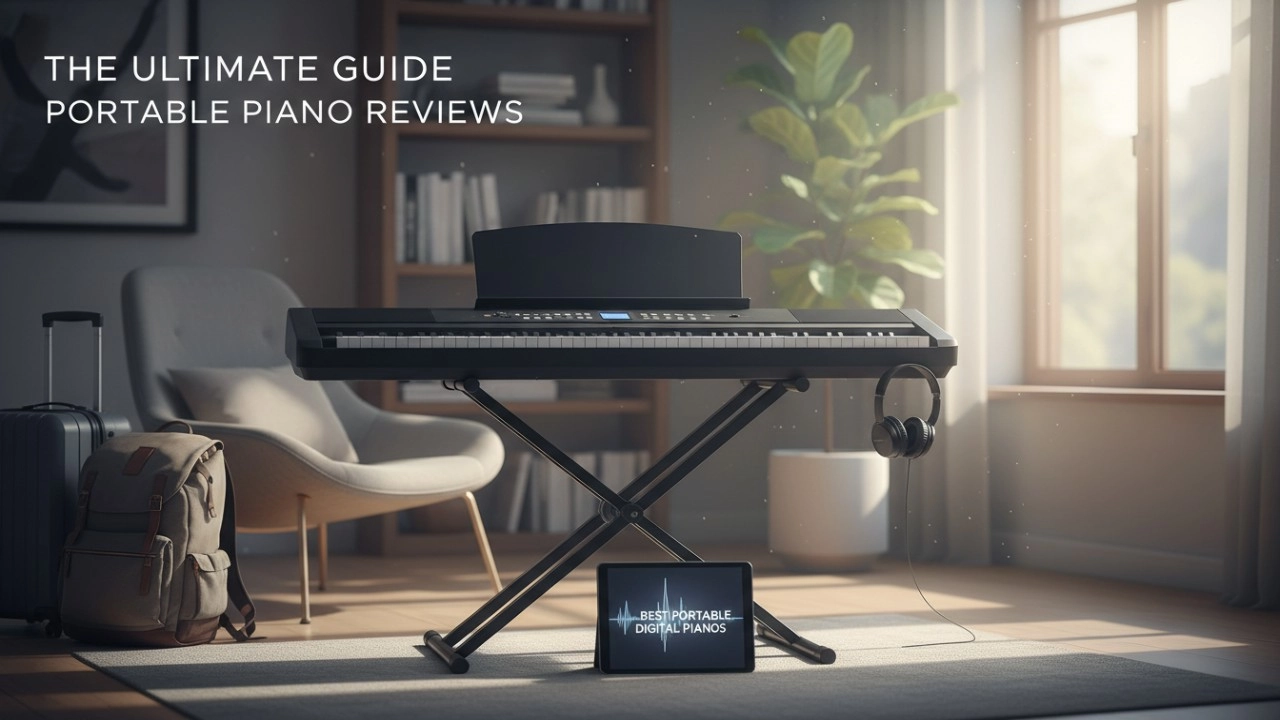
15 Best Portable Digital Pianos of 2026: The Only Comparison Guide You’ll Ever Need
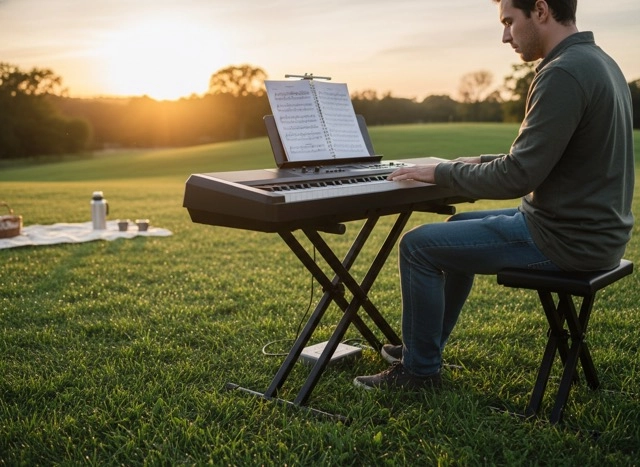
Is the Flykeys FP9 Worth It? Our Real-Life Experience with the World’s Largest Piano Maker’s Digital Tech.
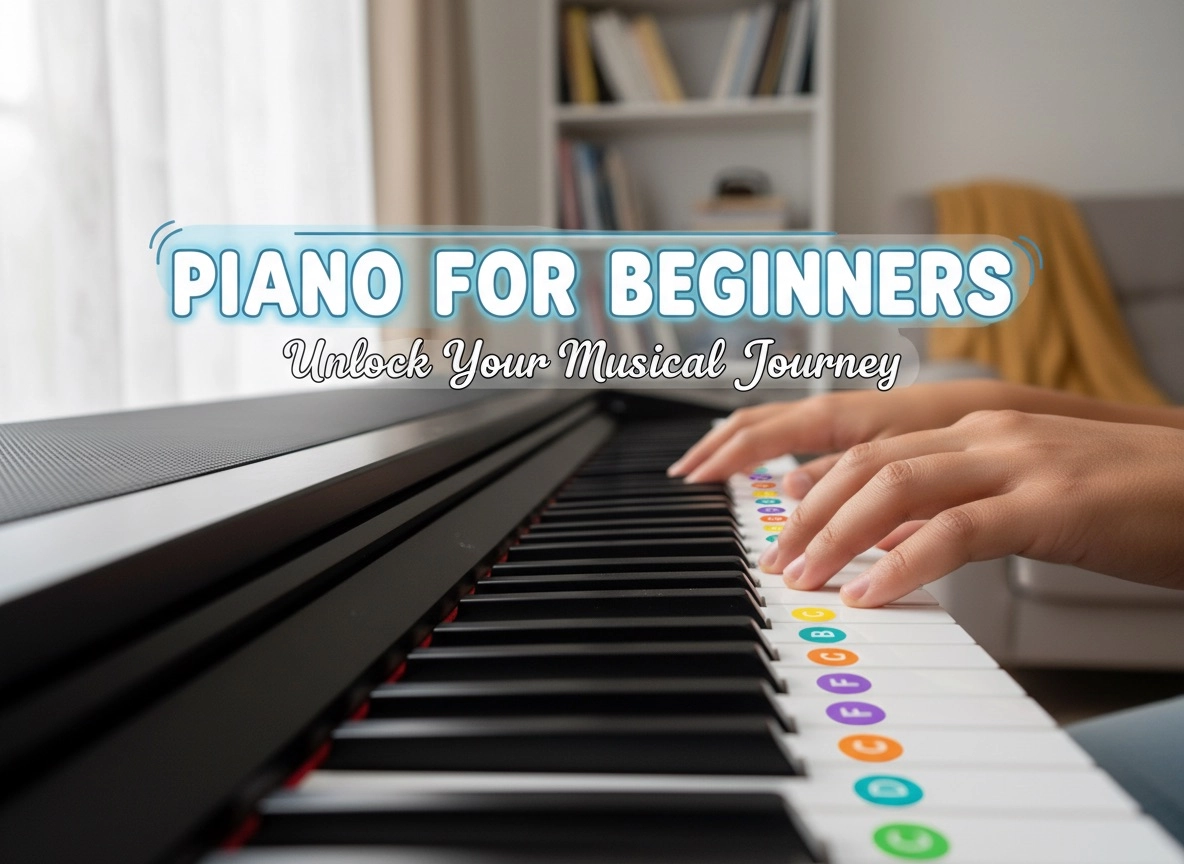
Best Digital Piano Keyboards for Beginners 2026: Your Ultimate Buying Guide
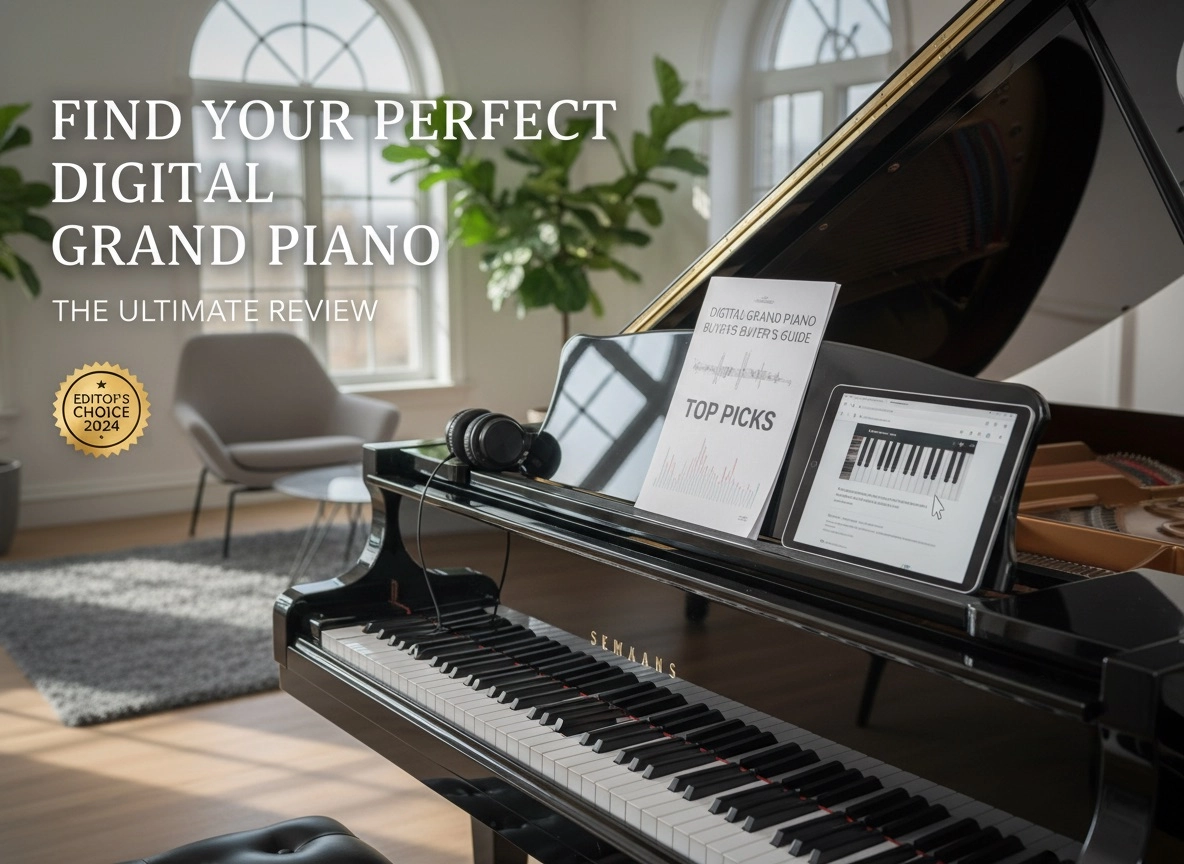
Best Digital Grand Pianos 2026: Ultimate Buyer's Guide for Authentic Sound & Feel
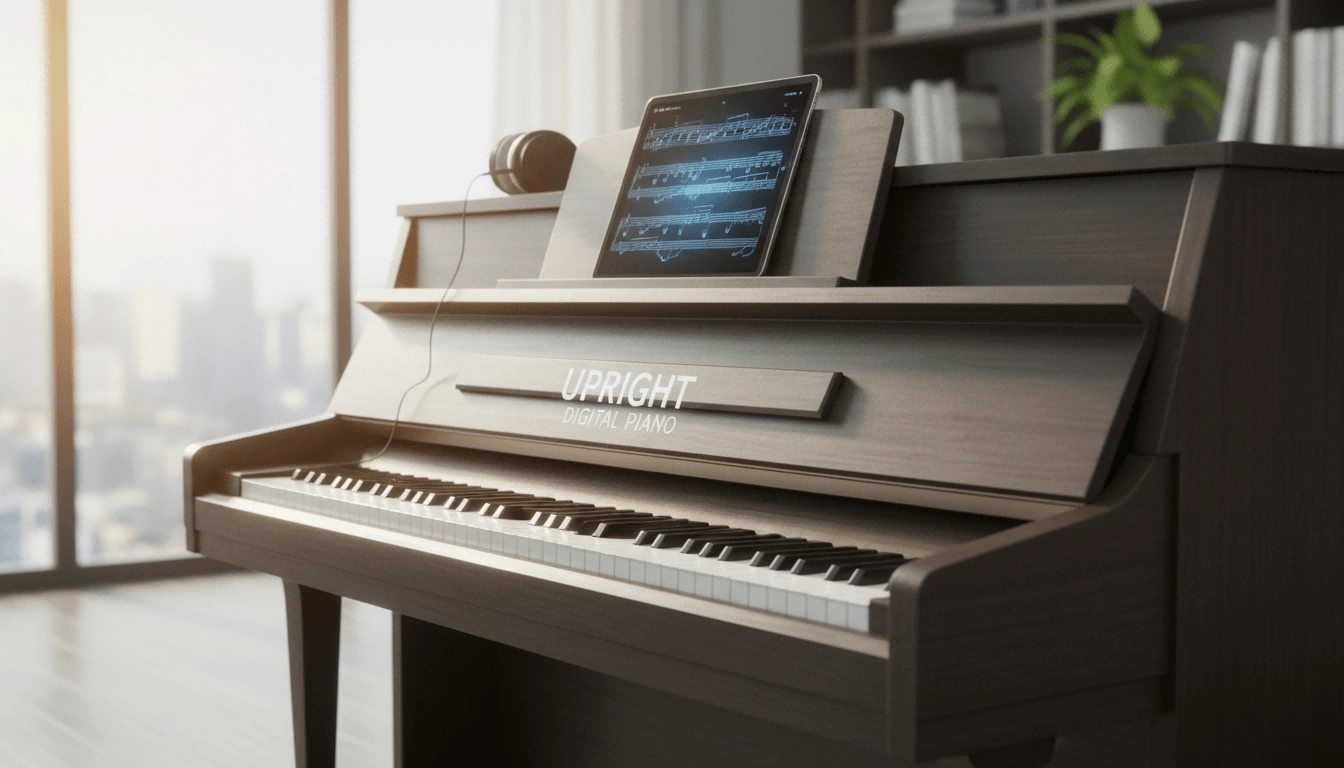
The Definitive Guide to Upright Digital Pianos: Blending Timeless Elegance with Modern Innovation in 2026
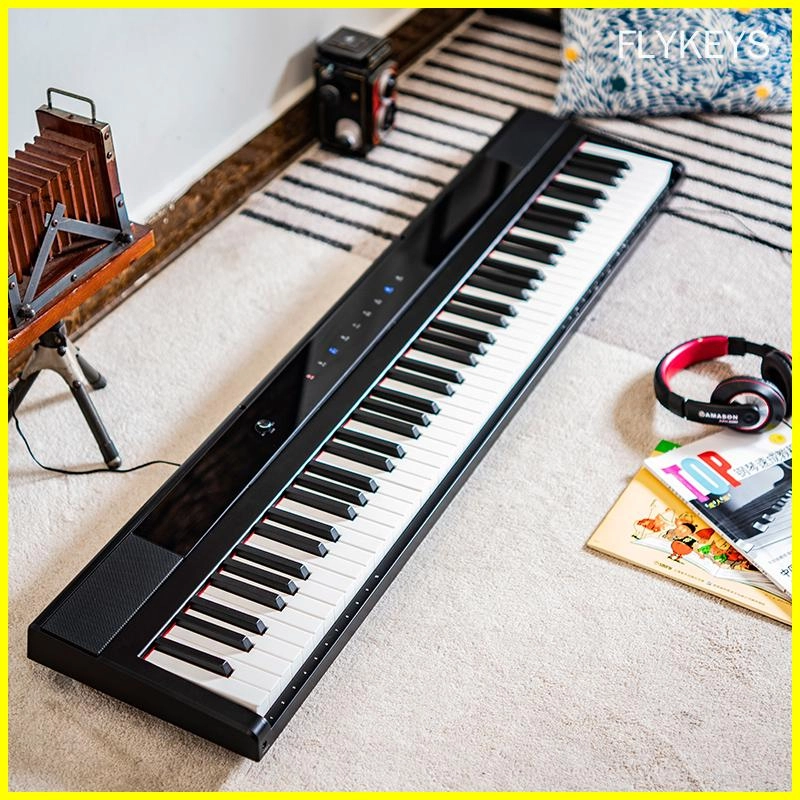
Best-Rated Electronic Pianos for Beginners in 2026: What to Buy and Why
Logistics
Can l track my order during shipping?
Yes, tracking information will be provided once your order has been shipped, allowing you to monitor its progress.
Company
Where is your company located?
Our headquarters are located in Guangzhou City, China, with manufacturing facilities strategically positioned for efficient global distribution.
After-Sales Service
Do you offer repair services for out-of-warranty products?
Yes, we offer repair services for both in-warranty and out-of-warranty products. Please contact our support team for assistance.
Products
What is the warranty period of piano?
We provide 2 years warranty service, if there is any quality problem, we can provide accessories for free
Payment
Is payment required upfront for custom orders?
Yes, payment is typically required upfront for custom orders to initiate the production process.
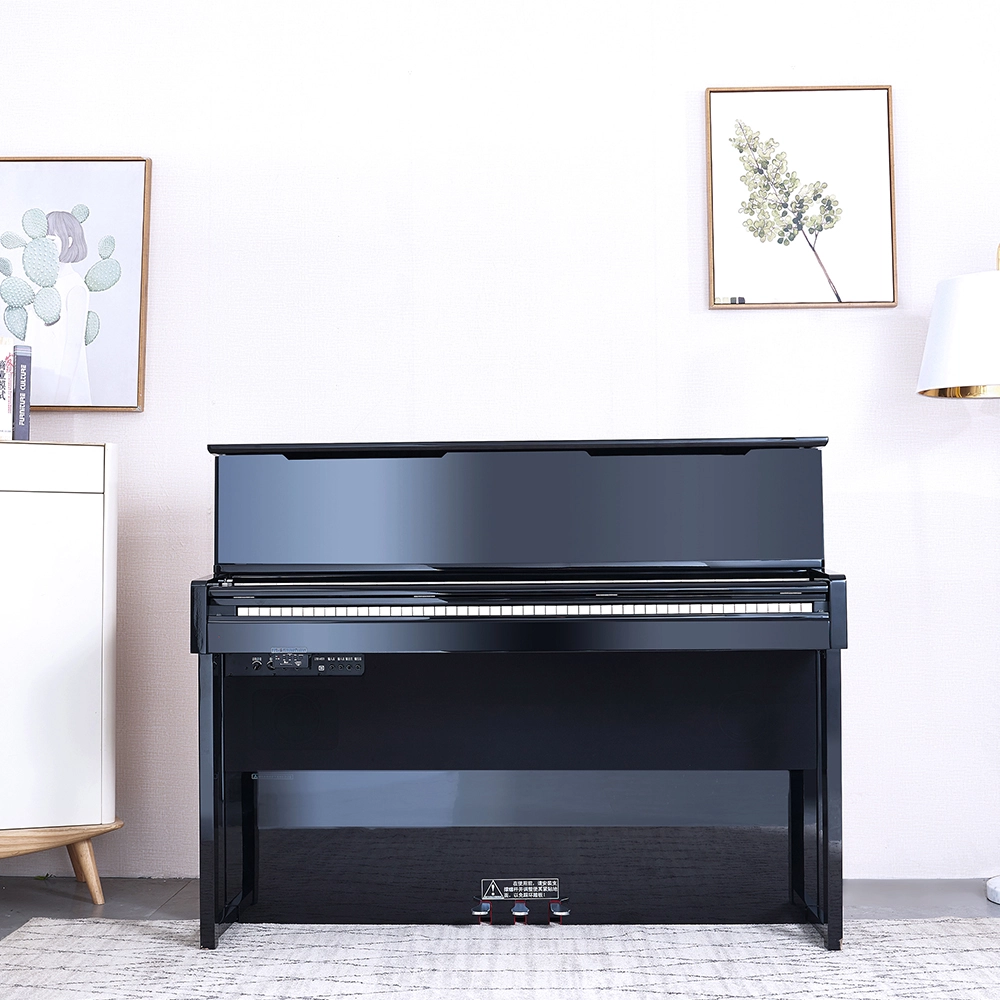
Flykeys Professional Digital Upright Piano 88 Keys Wooden Keyboard FK830 Digital Piano
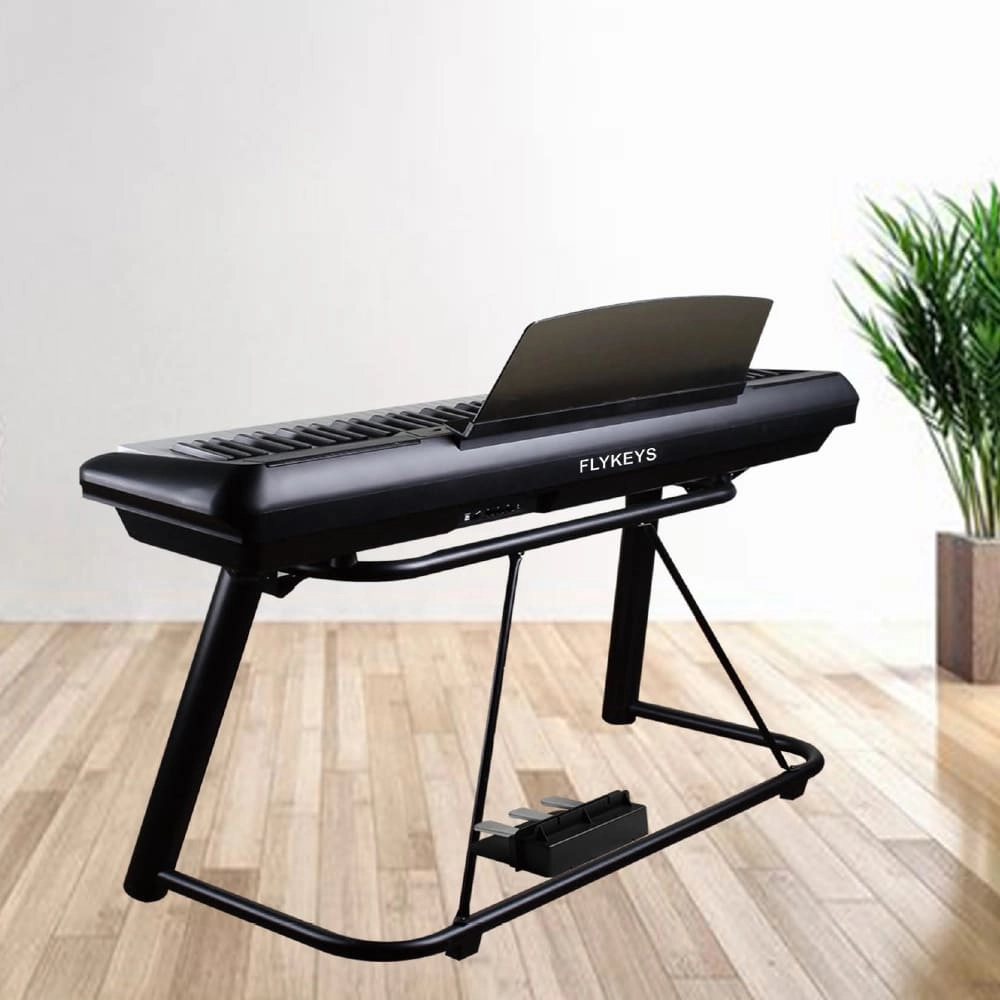
Flykeys 88 Keys Portable Piano With Wooden Stand FP6 Digital Piano
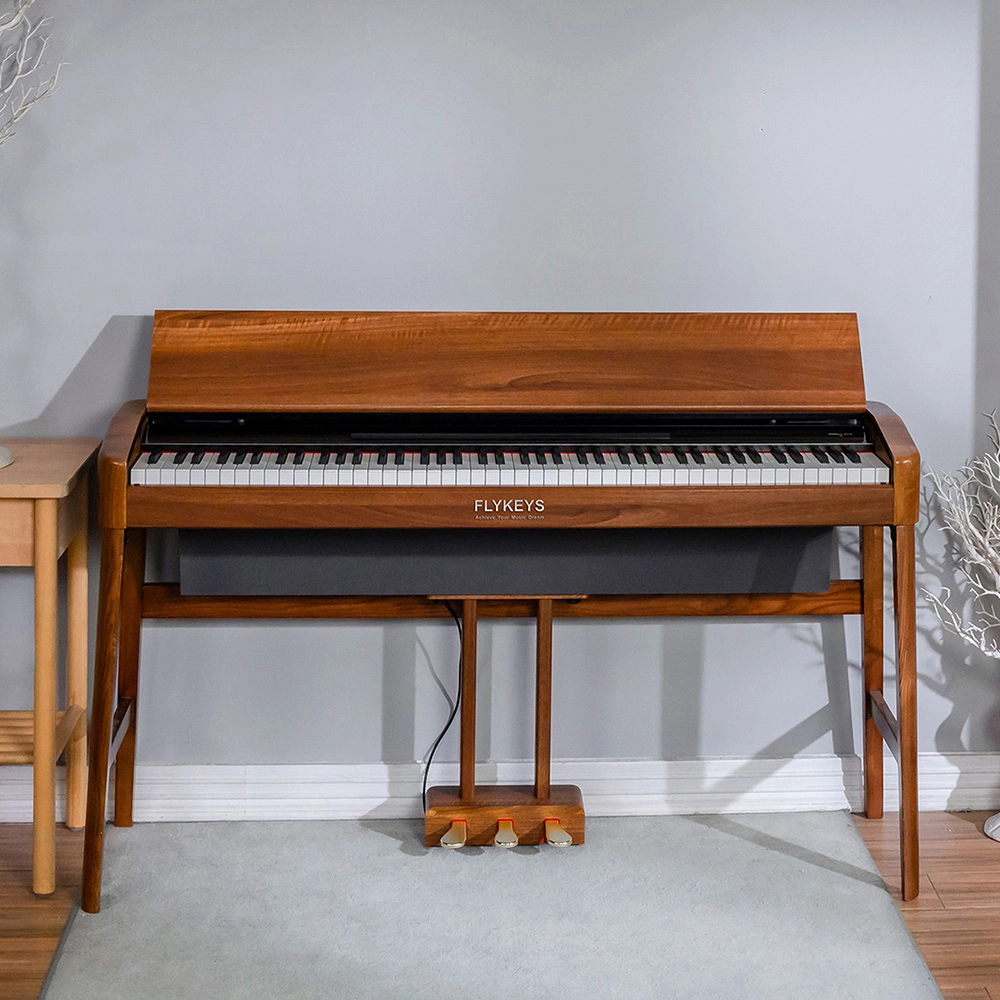
Flykeys Wooden Panel Piano Original Italian Imported Hammer Action Keyboard SK3 Digital Piano
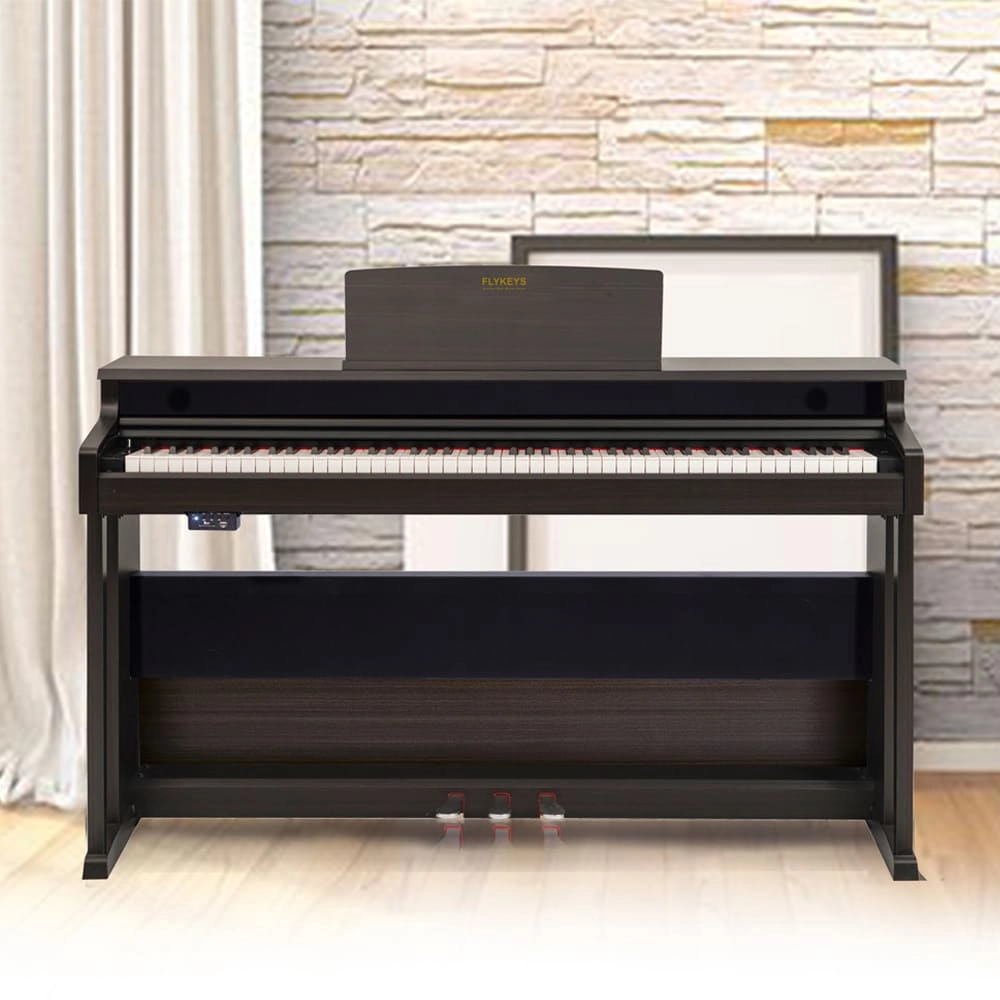
Flykeys Upright Piano Wooden Panel 88 KEYS Piano FK130 Digital Piano
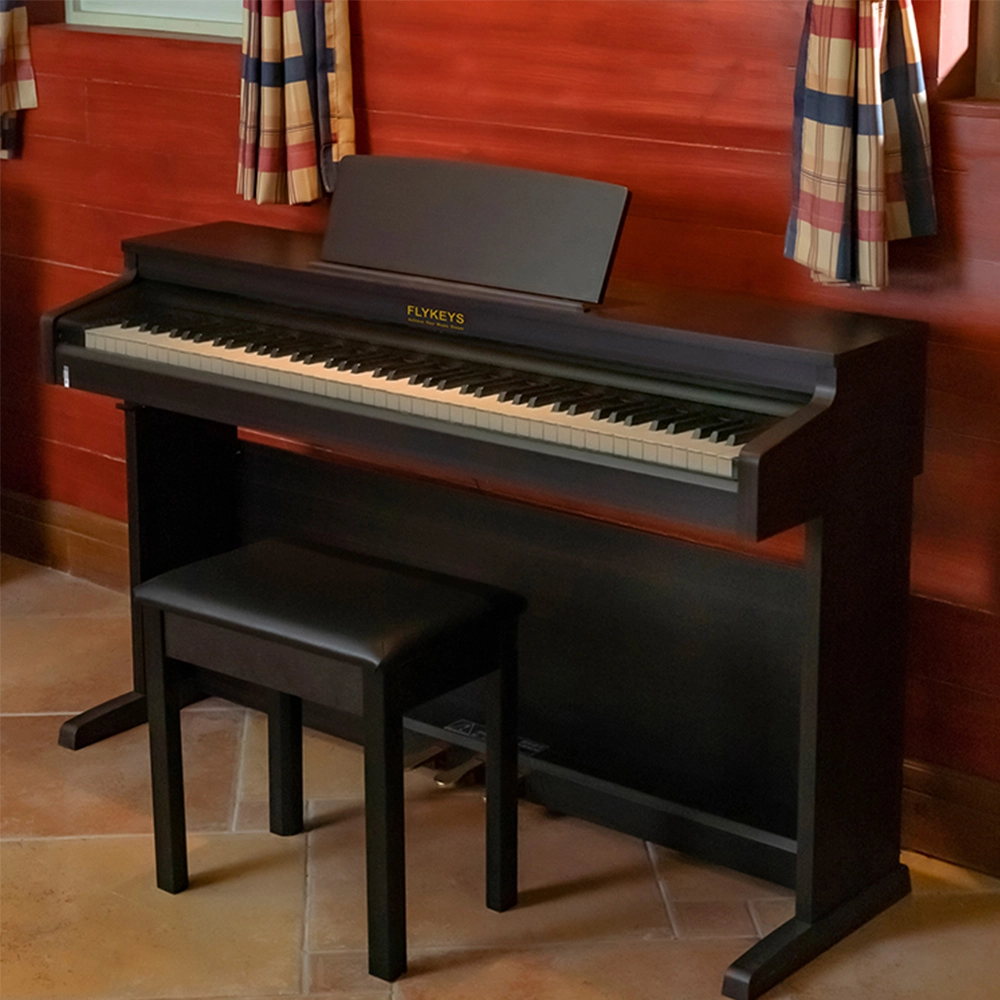
Flykeys Upright Electric Piano Built-In Speakers Music Instrument FD05 Digital Piano
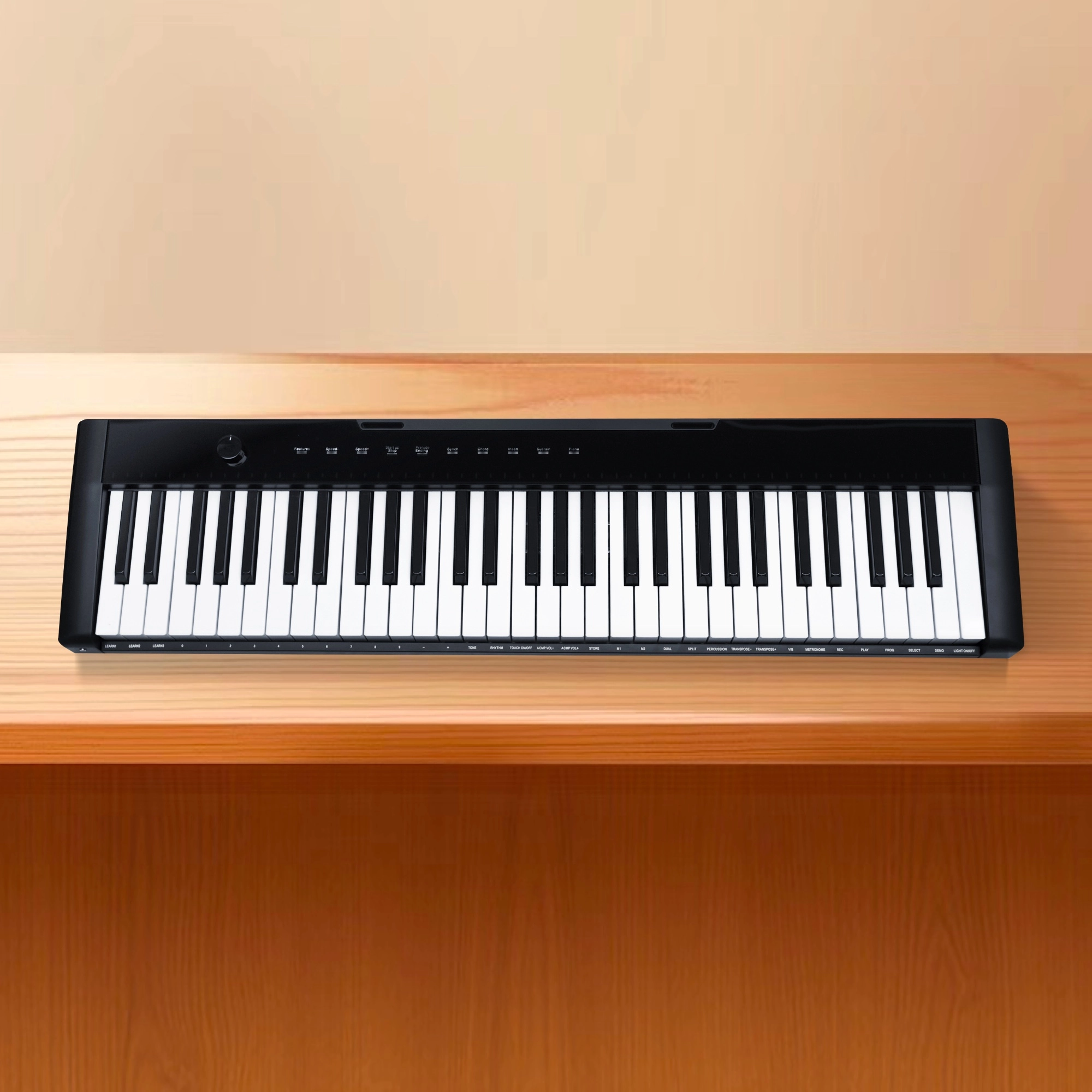
Flykeys 61 keys portable electronic keyboard piano with X stand (M2)
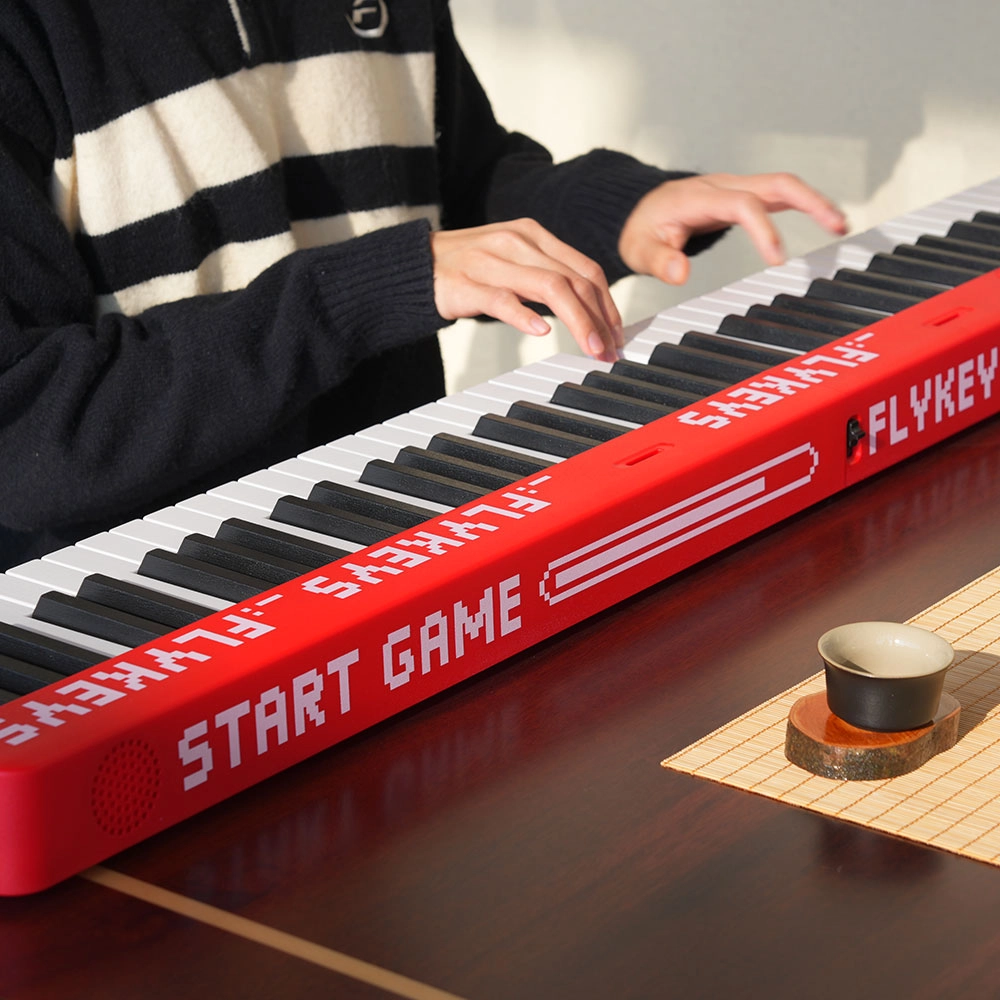
Flykeys M12 Folding Keyboard
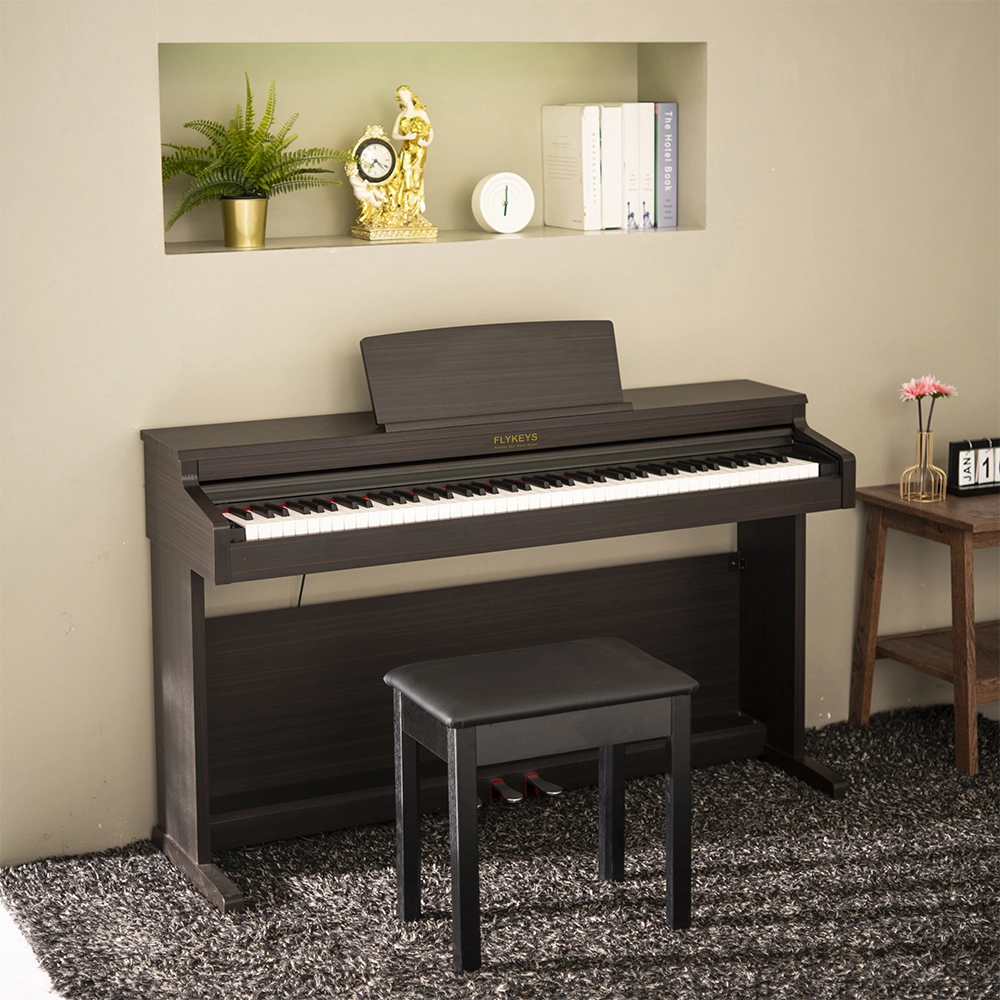
Flykeys 88 Keys Hammer Action keyboard Upright Piano LK03S Digital Piano
Get in touch with us
Have a question or inquiry about our digital pianos products? Leave us a message here and our team will get back to you promptly within 24 hours.
Whether you're interested in custom orders, technical specifications, or partnership opportunities, we're here to assist you.
Rest assured that your privacy is important to us, and all information provided will be handled with the utmost confidentiality.
Address: No. 38 Xiangshan Avenue, Zengcheng Economic And Technological Development Zone, Guangzhou, China.
FOLLOW US:


© 2026 FLYKEYS All Rights Reserved. 粤 ICP备2020102774号. Designed by gooeyun. Sitemap | Privacy | Terms