

Which digital pianos have the best sound engines?
Choosing the best digital pianos can be complex. This guide addresses beginner pain points, delving into sound engines, key action, and expressive playability. Learn what defines top-rated digital pianos, from realistic acoustic simulations to advanced modeling, ensuring an informed purchase for lasting musical satisfaction.
Navigating the vast landscape of digital pianos can be overwhelming, especially for beginners seeking an instrument that truly resonates with their musical aspirations. Beyond the glossy exteriors and feature lists, the heart of any exceptional digital piano lies in its sound engine and the nuanced interaction it has with the key action. This comprehensive guide, crafted by experts in digital piano technology and performance, aims to demystify these crucial elements, helping you identify the best digital pianos that offer an authentic and fulfilling playing experience.
My budget is X, but I want the best possible piano sound and feel. What compromises am I *really* making regarding sound engine quality compared to a much more expensive model?
When considering high-quality digital pianos on a budget, the primary compromises you're making revolve around the depth and sophistication of the sound engine and the realism of the key action. Entry-level models typically employ simpler sampling techniques, meaning fewer velocity layers (the different recordings made at various playing strengths), shorter sample decay times, and minimal or no advanced resonance modeling. This results in a less dynamic, somewhat 'flatter' sound with noticeable transitions between soft and loud playing.
Mid-range digital pianos introduce more detailed multi-sampling, often incorporating basic physical modeling for sympathetic string resonance and damper effects. The speaker systems are also generally superior, offering a richer, more resonant output. Stepping up to High Quality models, you’ll find extensive multi-layer sampling (sometimes 10+ layers per note), advanced physical modeling that simulates complex interactions like aliquot resonance (the sympathetic vibration of undamped upper strings), string resonance, damper resonance, and even soundboard modeling. Many high-end instruments also feature binaural sampling for an incredibly immersive headphone experience and dedicated Digital Signal Processors (DSPs) for real-time, nuanced sound generation. The 'compromise' isn't just about volume; it's about the instrument's ability to capture the subtle tonal shifts, dynamic range, and organic realism that define an acoustic grand piano, directly impacting your expressive capabilities.
I've heard about 'sampling' and 'modeling' sound engines. Which one is truly better for an authentic acoustic piano experience, and why do some high-end digital pianos use a hybrid approach?
Both sampling and physical modeling are core technologies behind a realistic piano sound engine, each with distinct advantages.
Sampling involves recording actual acoustic grand pianos at various velocities, with and without pedals, and then playing back these recordings when a key is pressed. Its strength lies in its inherent authenticity – you are literally hearing a real piano. However, pure sampling can sometimes feel static; it's a playback of pre-recorded sounds, which can struggle to perfectly replicate the infinite, dynamic interactions within an acoustic instrument, especially during complex pedaling or rapid legato passages.
Physical Modeling, on the other hand, uses complex mathematical algorithms to recreate the physics of sound production in an acoustic piano from scratch. It simulates the hammer striking the string, the string's vibration, the soundboard's resonance, and the interaction of dampers. The advantage here is unparalleled dynamism and responsiveness; the sound is generated in real-time based on your playing, allowing for seamless tonal changes and realistic sympathetic resonances that are difficult to capture with static samples.
Many advanced digital piano technology instruments, particularly high-end models, adopt a hybrid approach. They combine the best aspects of both: using foundational, High Quality digital piano sound samples for the core tone's warmth and character, then enhancing these with sophisticated physical modeling to add dynamic resonances, sympathetic vibrations, key-off sounds, and seamless tonal transitions. This fusion creates a living, breathing instrument that responds with an organic realism that neither pure sampling nor pure modeling can achieve alone, offering an authentic grand piano feel and sound.
Beyond just the number of voices, what technical specifications of a sound engine (e.g., polyphony, sample layers, resonance modeling) should I prioritize to get the most realistic piano sound?
For the most realistic piano sound engine, focusing on the core piano voice's specifications is crucial, far more than the sheer quantity of other instrument sounds. Prioritize these technical aspects:
- Polyphony: This is the number of notes a digital piano can sound simultaneously. While 64-note polyphony might suffice for simple pieces, for complex classical repertoire with sustain pedal use, 192-note or, ideally, 256-note polyphony is essential to prevent notes from prematurely cutting off.
- Sample Layers (Velocity Layers): This refers to how many different recordings (samples) are used for each note across its dynamic range. More layers (e.g., 5-10+) mean smoother, more nuanced transitions from pianissimo to fortissimo, capturing the subtle tonal changes of an acoustic piano. Fewer layers result in noticeable 'jumps' in tone as you play harder or softer.
- Key-Off Samples: These are crucial for realism. They replicate the subtle sound made when a key is released and the damper returns to the string, adding an authentic layer of detail to the overall sound.
- String Resonance Modeling: Simulates the sympathetic vibrations that occur between strings when certain notes are played, even if those strings aren't directly struck.
- Damper Resonance Modeling: Recreates the rich, complex resonance that occurs when the damper pedal is pressed, allowing all strings to vibrate freely.
- Aliquot Resonance: (Found in higher-end models) Simulates the specific sympathetic resonance of the undamped upper strings, adding further harmonic richness.
- Soundboard Modeling: (Most advanced) Recreates the complex vibrational behavior of an acoustic piano's soundboard, contributing significantly to the instrument's overall tonal character and projection.
These features, especially when combined, contribute to an expressive digital piano capable of responding to the subtlest nuances of your playing.
I want a digital piano that feels like a grand piano, but I'm confused by terms like 'hammer action,' 'graded hammer,' and 'escapement.' How do these relate to the sound engine's responsiveness and overall playing experience?
To achieve an authentic grand piano feel, the key action is just as vital as the sound engine. These terms describe the mechanisms designed to replicate an acoustic piano's touch:
- Hammer Action: This refers to a mechanism that uses actual hammers (or weights that simulate hammers) to create resistance, mimicking the feel of an acoustic piano. It's a significant upgrade from spring-loaded synth actions.
- Graded Hammer Action (or Graded Weight/Scaled Hammer Action): This is a crucial refinement. In an acoustic grand piano, the hammers are heavier in the bass register and gradually lighter towards the treble. Graded hammer actions replicate this, providing a heavier touch for lower notes and a lighter touch for higher notes. This is essential for developing proper finger strength, technique, and musicality.
- Escapement (or Let-Off): This is a subtle, yet critical, feature. In an acoustic piano, the hammer 'escapes' from the key just before it strikes the string, allowing the hammer to fall back immediately and the string to vibrate freely. Digital pianos with escapement replicate this slight 'notch' or 'click' sensation as you press a key slowly, providing an extra layer of nuanced control and responsiveness, particularly for delicate passages and trills.
These key action features are inextricably linked to the sound engine's responsiveness. A superior key action allows the player to fully exploit the dynamic range and tonal nuances of a sophisticated sound engine. Without a responsive, graded, and escapement-equipped action, even the best digital pianos with advanced sound engines cannot accurately translate the player's subtle touch into the intended expressive sound variations. They work in tandem to create a truly immersive and authentic playing experience.
I'm a beginner but plan to advance. Will a basic digital piano's sound engine limit my expressive capabilities down the line, or can I grow with it? What's the minimum sound engine quality for long-term satisfaction?
Yes, a basic digital piano's sound engine can indeed limit your expressive capabilities as you advance. While an entry-level instrument is perfectly adequate for initial learning and familiarization with the keyboard, its simpler sound engine often lacks the dynamic range, tonal complexity, and responsive nuances required for more advanced repertoire and sophisticated musical expression. You might find yourself struggling to achieve certain dynamics or tonal colors simply because the instrument isn't capable of producing them, regardless of your technique.
For long-term satisfaction and to ensure the instrument can grow with your developing skills, aim for a digital piano that offers:
- At least 192-note polyphony (256 is better).
- Multiple velocity layers (at least 3-4, ideally more) for the core piano sound.
- Basic string and damper resonance modeling.
- Key-off samples.
- Crucially, a graded hammer action with escapement.
This combination ensures that the instrument can respond to increasingly sophisticated touch and musicality, allowing you to develop proper technique and expressive control without being hindered by the instrument's limitations. Investing in a mid-range model initially often proves to be more cost-effective and musically fulfilling in the long run, preventing the need for an early upgrade.
Many digital pianos offer hundreds of sounds. How important is the *quality* of the core acoustic piano sound engine compared to the sheer *quantity* of other instrument sounds for a beginner focused on classical piano?
For a beginner primarily focused on classical piano, the quality of the core acoustic piano sound engine is paramount, vastly outweighing the sheer quantity of other instrument sounds. While having a wide array of voices like organs, strings, electric pianos, and synthesizers can be fun for experimentation, they are secondary to the primary goal of developing proper technique, musicality, and ear training on an instrument that accurately simulates an acoustic grand piano.
An instrument with a mediocre core piano sound, even if it boasts hundreds of other voices, will ly hinder your progress and enjoyment. A poor piano sound can mask subtle nuances in your playing, make it difficult to distinguish dynamics, and fail to inspire expressive performance. The goal for a classical piano student is to learn to control touch and dynamics to produce beautiful, varied tones – capabilities that only a top-rated digital piano with a sophisticated realistic piano sound engine can truly provide.
Prioritize instruments known for their flagship piano sound engine, as this is where manufacturers invest the most significant research and development to achieve realism, expressiveness, and an authentic grand piano feel. While extra sounds can be a bonus, they should never be the deciding factor over the fundamental quality of the instrument's primary piano voice in your digital piano buying guide.
Choosing the best digital pianos involves understanding the symbiotic relationship between a sophisticated sound engine and a responsive key action. From advanced sampling and physical modeling to crucial features like graded hammer action and escapement, these elements combine to deliver an authentic and expressive playing experience. By prioritizing these core technologies, you ensure your investment in a high-quality digital piano supports your musical journey, whether you're a beginner or an advancing player.
For personalized guidance and a quote on the perfect digital piano for your needs, please don't hesitate to contact us at service@flykeysmusic.com or visit www.flykeysmusic.com.
- My budget is X, but I want the best possible piano sound and feel. What compromises am I *really* making regarding sound engine quality compared to a much more expensive model?
- I've heard about 'sampling' and 'modeling' sound engines. Which one is truly better for an authentic acoustic piano experience, and why do some high-end digital pianos use a hybrid approach?
- Beyond just the number of voices, what technical specifications of a sound engine (e.g., polyphony, sample layers, resonance modeling) should I prioritize to get the most realistic piano sound?
- I want a digital piano that feels like a grand piano, but I'm confused by terms like 'hammer action,' 'graded hammer,' and 'escapement.' How do these relate to the sound engine's responsiveness and overall playing experience?
- I'm a beginner but plan to advance. Will a basic digital piano's sound engine limit my expressive capabilities down the line, or can I grow with it? What's the minimum sound engine quality for long-term satisfaction?
- Many digital pianos offer hundreds of sounds. How important is the *quality* of the core acoustic piano sound engine compared to the sheer *quantity* of other instrument sounds for a beginner focused on classical piano?
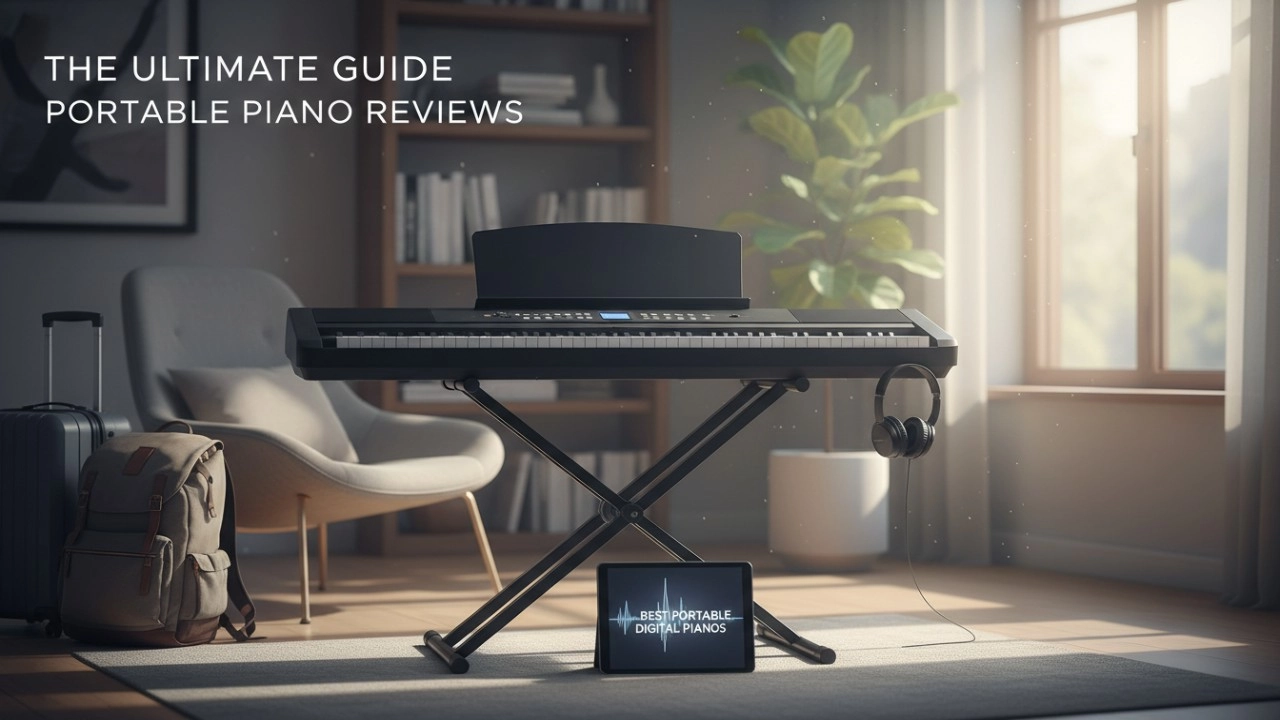
15 Best Portable Digital Pianos of 2026: The Only Comparison Guide You’ll Ever Need
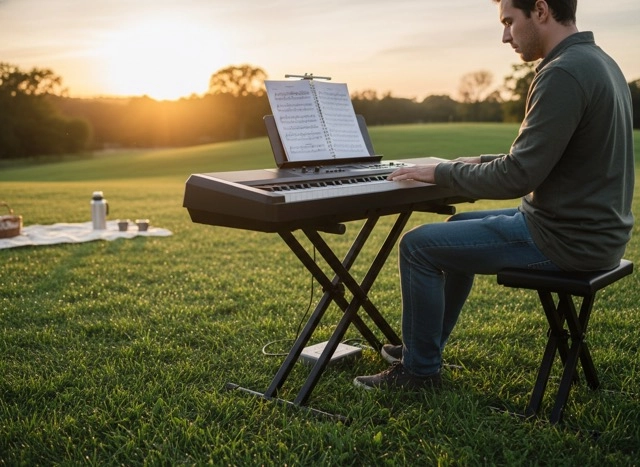
Is the Flykeys FP9 Worth It? Our Real-Life Experience with the World’s Largest Piano Maker’s Digital Tech.
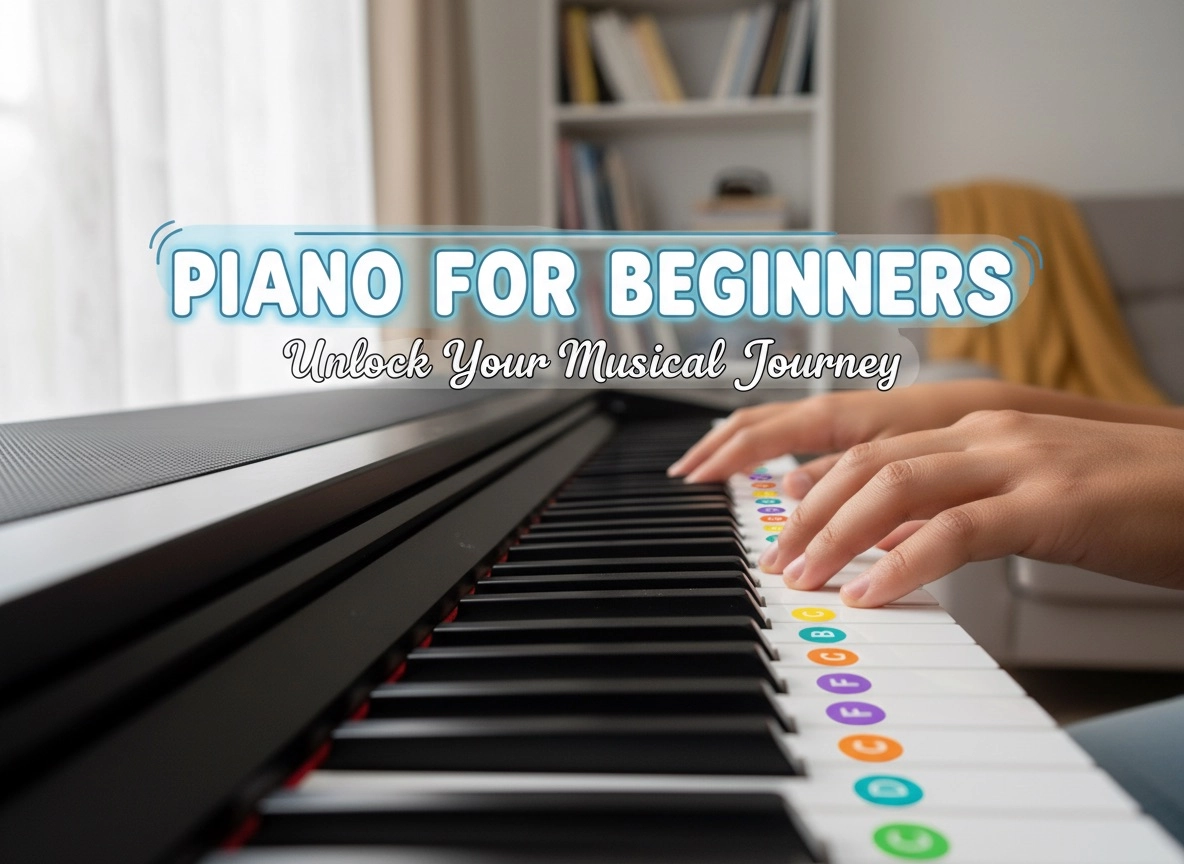
Best Digital Piano Keyboards for Beginners 2026: Your Ultimate Buying Guide
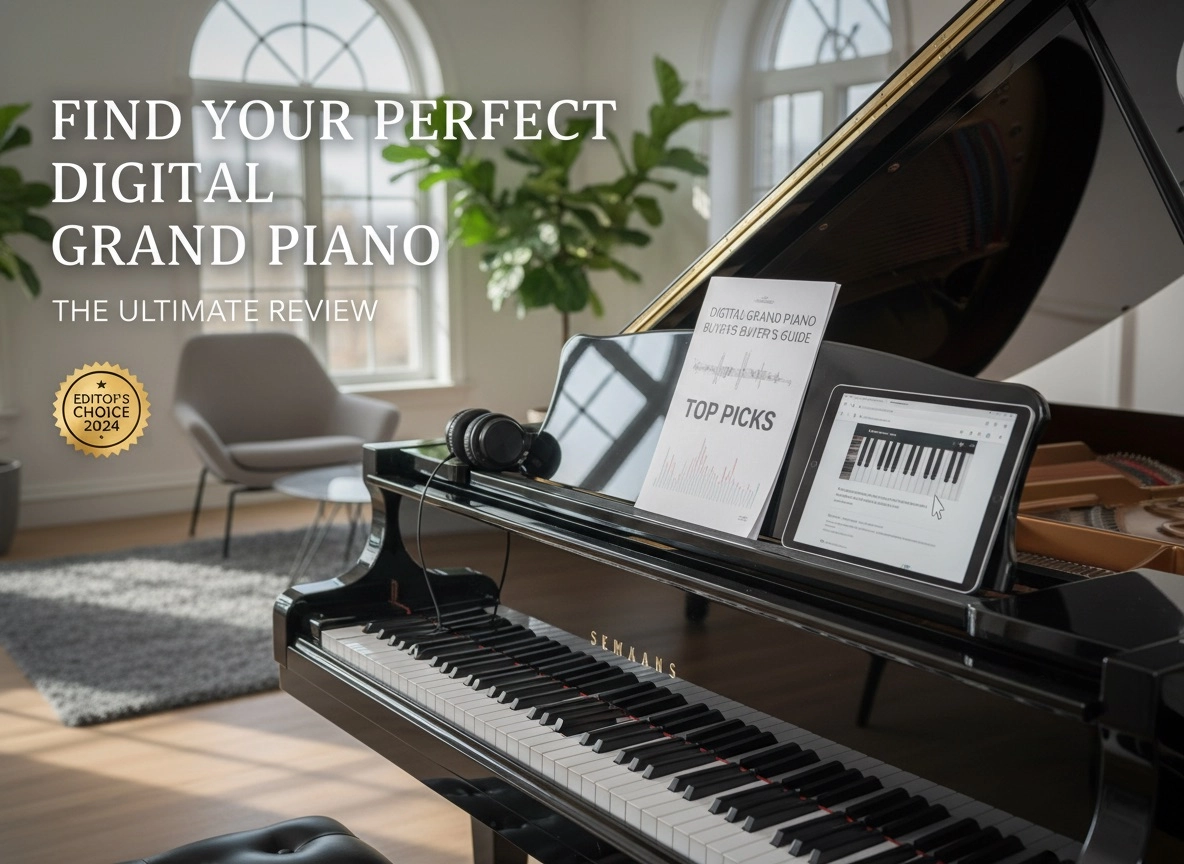
Best Digital Grand Pianos 2026: Ultimate Buyer's Guide for Authentic Sound & Feel
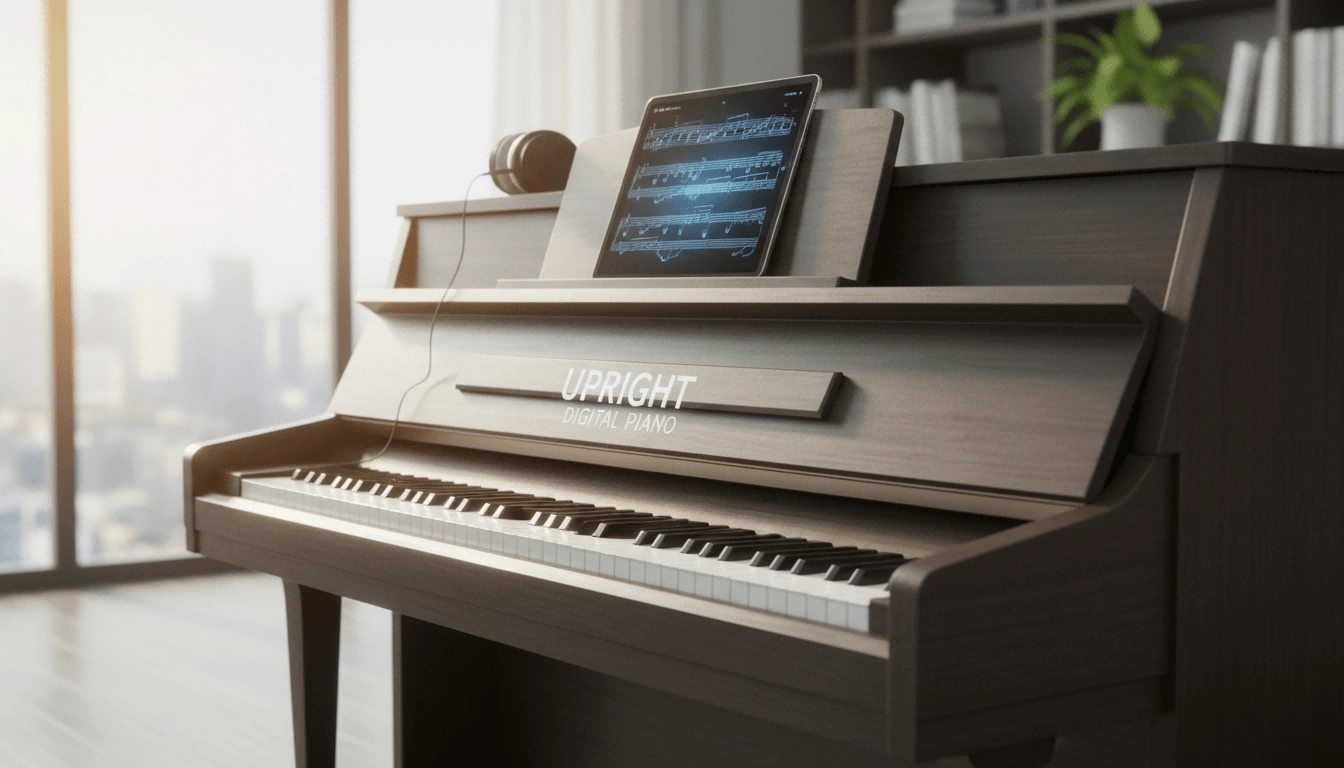
The Definitive Guide to Upright Digital Pianos: Blending Timeless Elegance with Modern Innovation in 2026
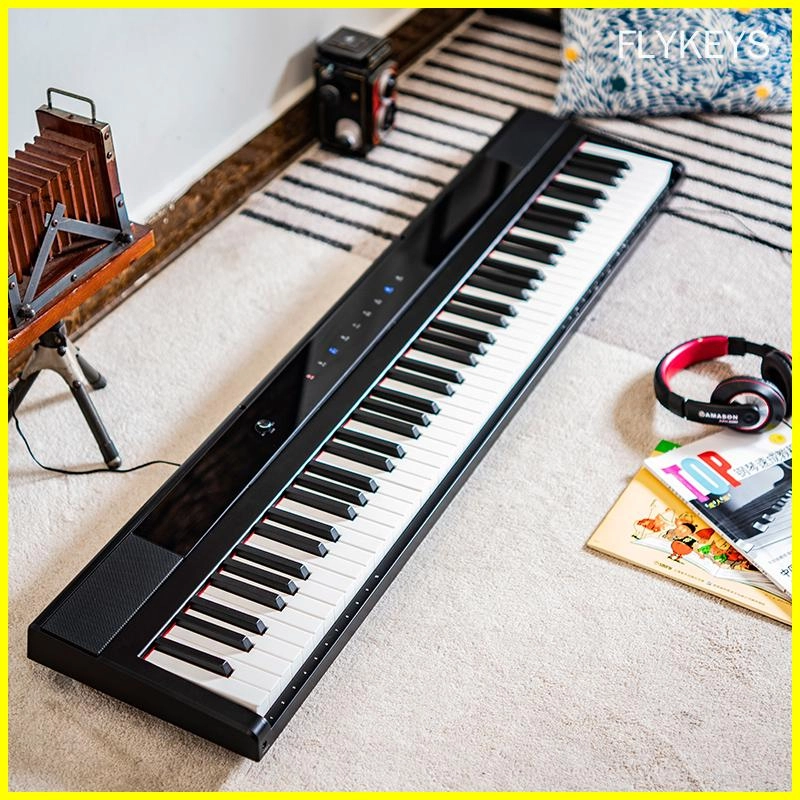
Best-Rated Electronic Pianos for Beginners in 2026: What to Buy and Why
Logistics
How long does shipping typically take?
Shipping times vary depending on the destination and shipping method selected. Please refer to our shipping information page for estimated delivery times.
Can l track my order during shipping?
Yes, tracking information will be provided once your order has been shipped, allowing you to monitor its progress.
Products
What is the warranty period of piano?
We provide 2 years warranty service, if there is any quality problem, we can provide accessories for free
Company
What is your company's mission?
Our mission is capture the zeitgeist, enjoy the quality lifestyle.
Our vision is to be the TOP 1 Chinese digital musical instrument brand and enter International top list.
How long has your company been in the electronic piano manufacturing business?
Pearl River Piano has acoustic piano manufacturing experiences for more that 60 years history.
Guangzhou Pearl River Amason Digital Musical Instrument Co.,Ltd., a subsidiary company of Pearl River Piano Group, founded in 2008, and focused on developing and manufacturing digital musical instrument which is one of the three pillar business industries of Pearl River Piano Group.
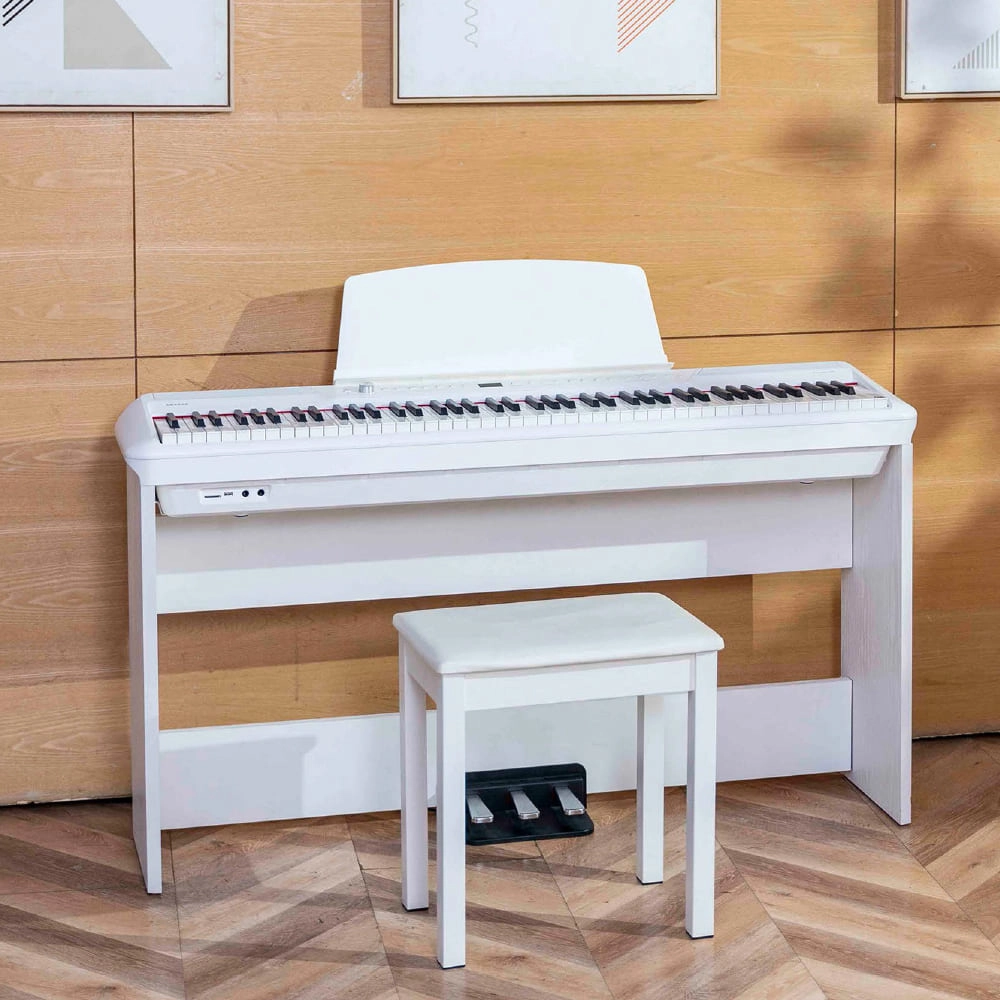
Flykeys Portable Electric Keyboard FP9 Digital Piano
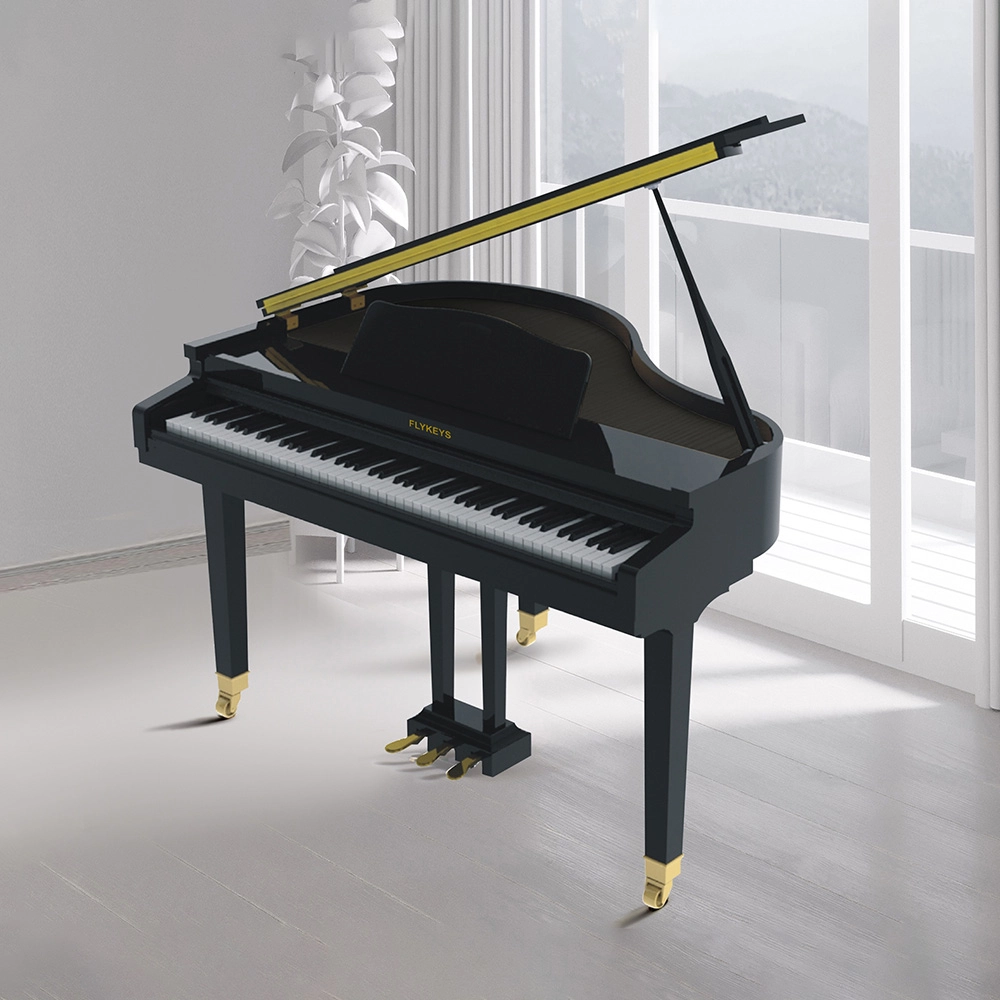
Flykeys 88 Keys Professional Digital Grand Piano Hammer Action Keyboard FGP110 Digital Piano
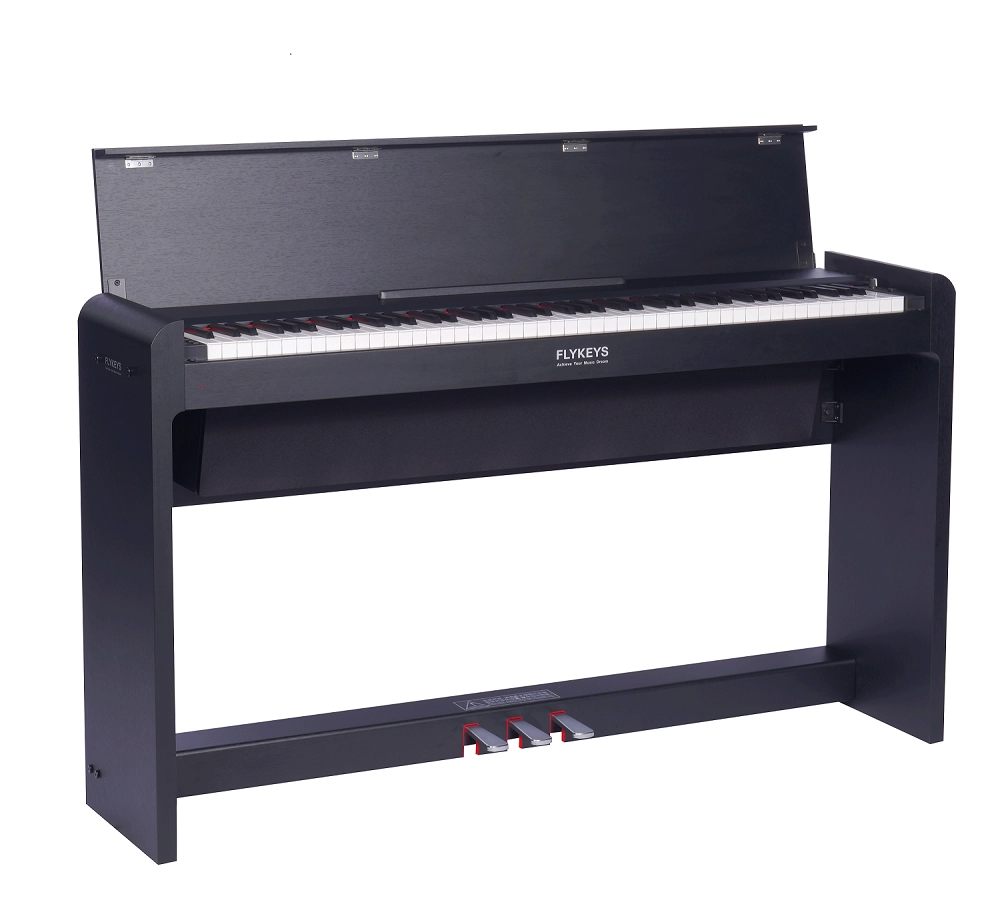
FLYKEYS FDP 5 Digital Piano
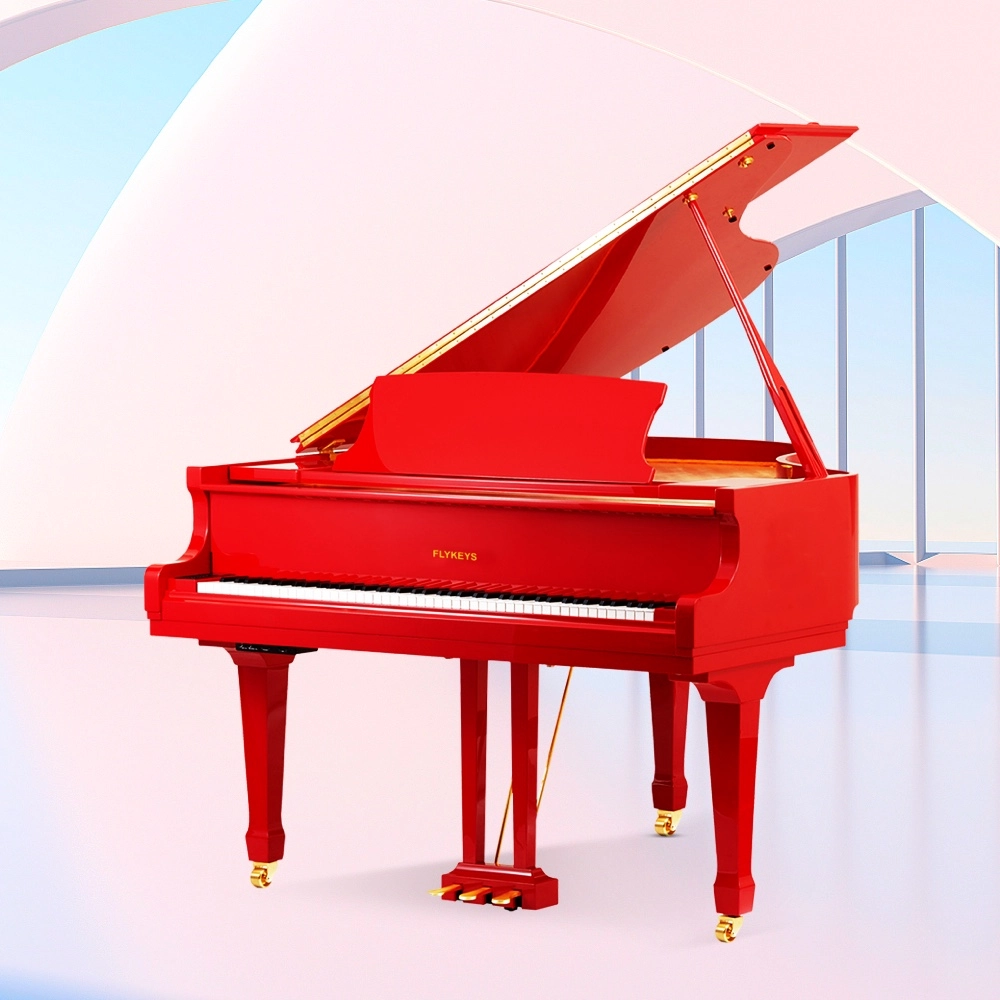
Flykeys Professional Digital Grand Piano FGP610 Digital Piano
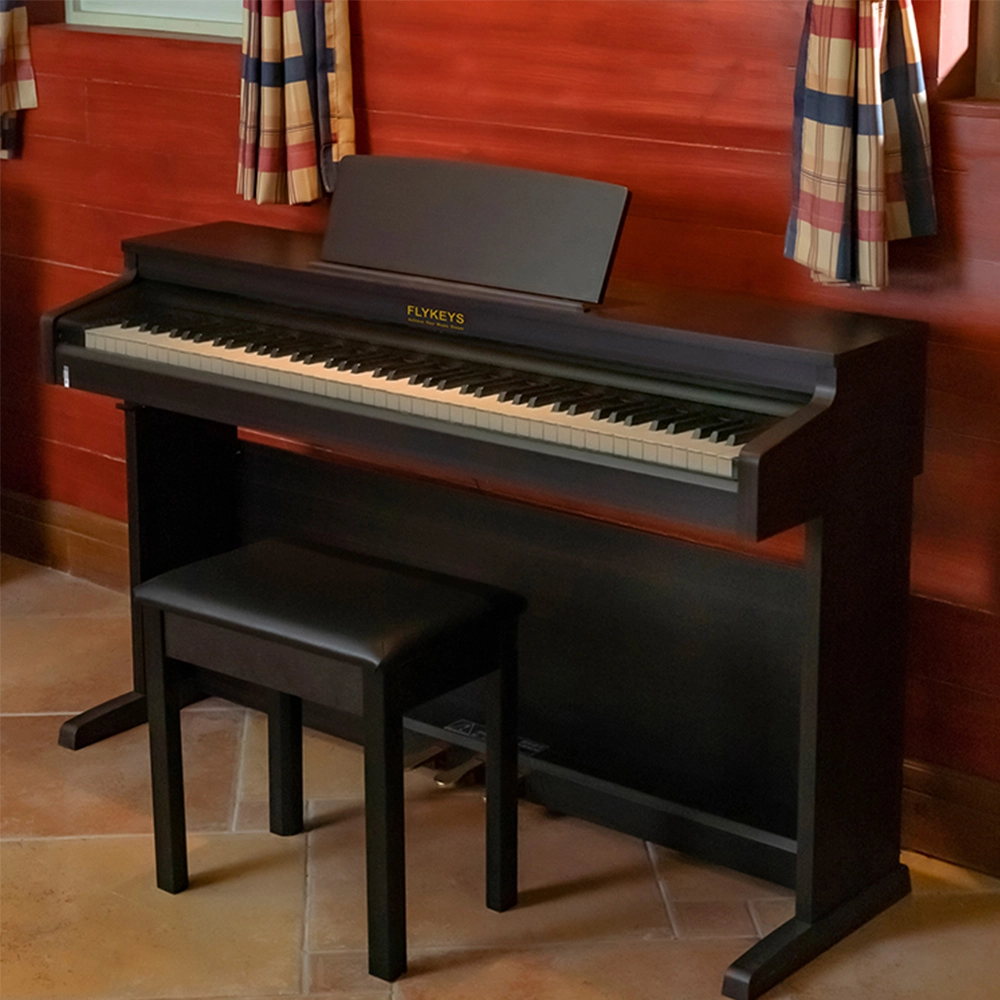
Flykeys Upright Electric Piano Built-In Speakers Music Instrument FD05 Digital Piano
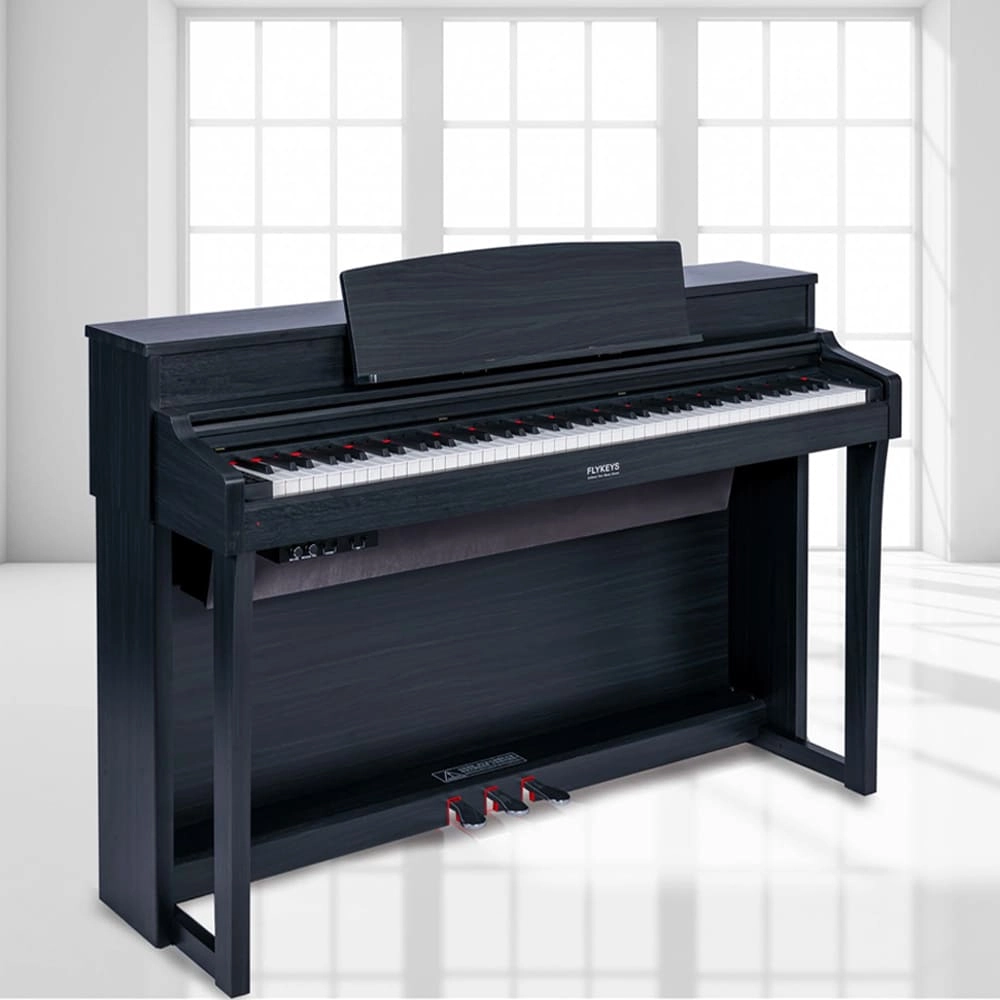
Flykeys Upright Digital Piano 88keys Hammer Action Keyboard FK330 Digital Piano
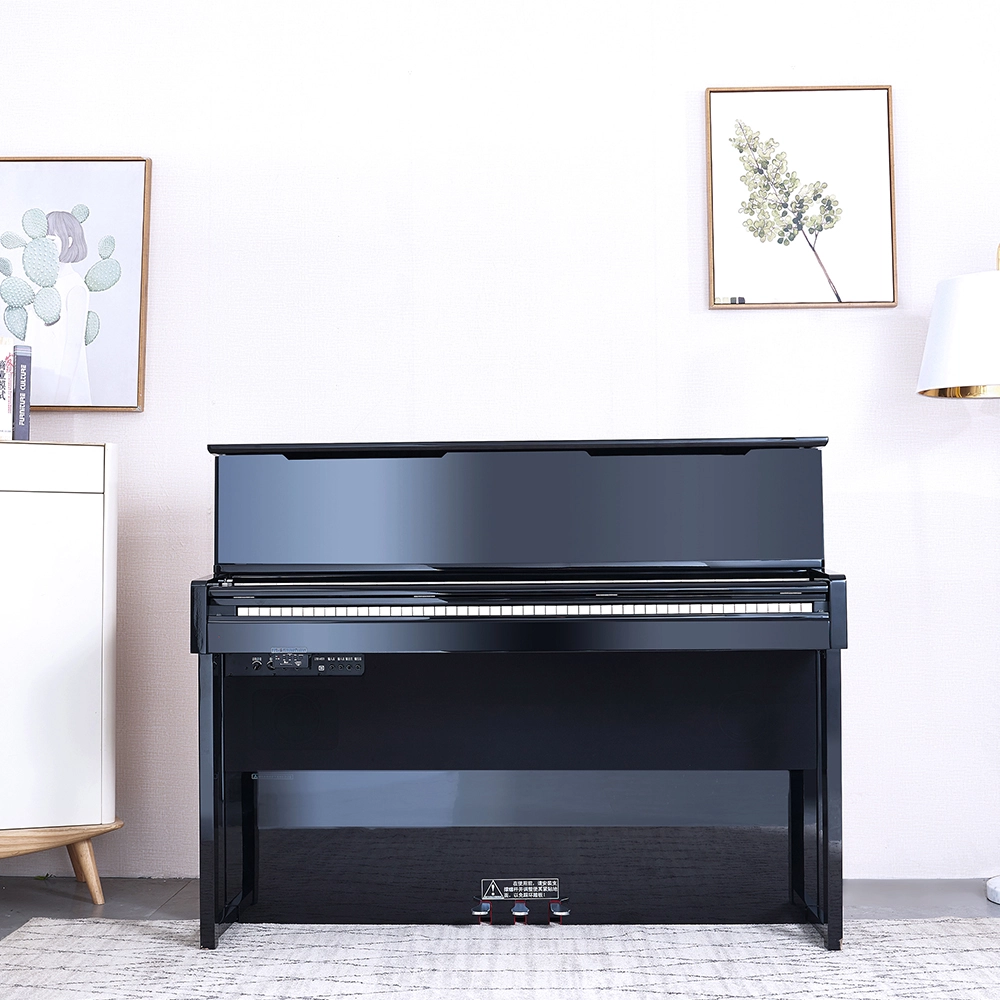
Flykeys Professional Digital Upright Piano 88 Keys Wooden Keyboard FK830 Digital Piano
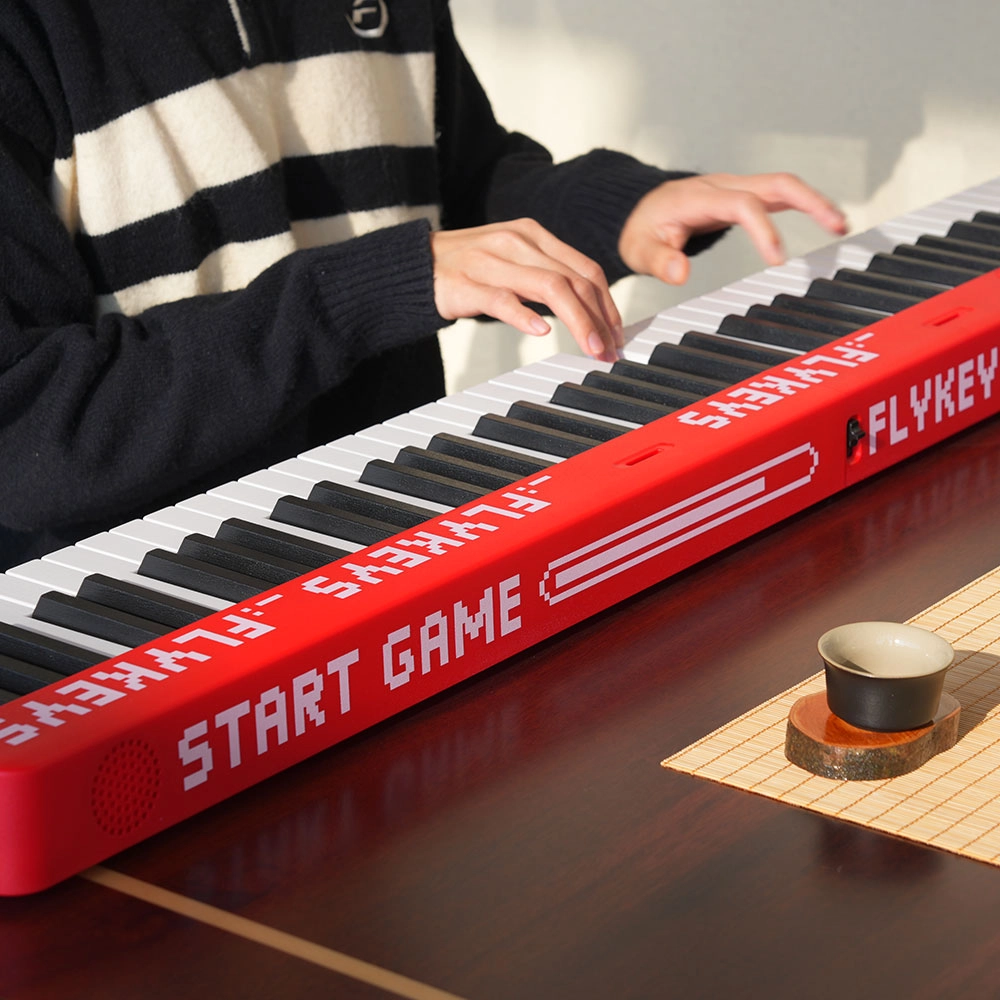
Flykeys M12 Folding Keyboard
Get in touch with us
Have a question or inquiry about our digital pianos products? Leave us a message here and our team will get back to you promptly within 24 hours.
Whether you're interested in custom orders, technical specifications, or partnership opportunities, we're here to assist you.
Rest assured that your privacy is important to us, and all information provided will be handled with the utmost confidentiality.
Address: No. 38 Xiangshan Avenue, Zengcheng Economic And Technological Development Zone, Guangzhou, China.
FOLLOW US:


© 2026 FLYKEYS All Rights Reserved. 粤 ICP备2020102774号. Designed by gooeyun. Sitemap | Privacy | Terms