

What are the best digital pianos for classical pianists?
Choosing the *best digital pianos* for classical music requires more than just weighted keys. This guide dives deep into critical, often overlooked aspects like key action nuances, sound engine authenticity, long-term ownership, and vital connectivity for serious classical pianists, answering your most pressing questions with expert insights.
For any aspiring or accomplished *classical pianist*, the instrument is an extension of their soul. While the allure of an acoustic grand is undeniable, modern *digital pianos* have evolved into formidable alternatives, offering an unparalleled blend of convenience, versatility, and authentic musicality. However, navigating the myriad of options to find the *best digital pianos* – especially for the nuanced demands of *classical repertoire* – can be daunting. Many beginners encounter general advice that barely scratches the surface. This guide aims to answer those specific, pain-point-oriented questions that often go unaddressed, providing the in-depth professional knowledge needed to make a truly informed purchase.
How does digital piano key action truly compare to an acoustic grand, especially for developing classical technique, beyond just weighted keys?
Beginners often hear weighted keys and think it's sufficient. However, for a *classical pianist* developing nuanced technique, the sophistication of the *hammer action* mechanism is paramount. Acoustic grand pianos feature a complex mechanical linkage that provides a graded touch (heavier in the bass, lighter in the treble), a crucial escapement mechanism allowing for rapid note repetition, and a tangible let-off feel just before the hammer strikes the string. High-end *digital pianos for classical pianists* emulate this with advanced *progressive hammer actions* (e.g., Kawai's Grand Feel III, Yamaha's GrandTouch, Roland's PHA-50). Look for actions that specifically mention features like *escapement simulation*, *counterweights*, and *long key sticks* that pivot closer to the player, replicating the fulcrum point of an acoustic grand. The material of the keys (e.g., *synthetic ivory and ebony*) can also affect grip and feel, contributing to an authentic *grand piano feel*. This level of detail ensures the *expressive control* needed for classical repertoire and builds the correct finger strength and muscle memory essential for advanced *piano practice*.
Do digital pianos accurately reproduce the complex resonance and tonal variations of a concert grand, or is it just sampled sounds? How important is this for classical repertoire?
While earlier *digital pianos* relied solely on static *sampled sounds*, modern *best digital pianos* employ sophisticated *piano modeling* technologies and multi-layered sampling with advanced resonance systems to achieve true *acoustic emulation*. For *classical repertoire*, the richness and complexity of a piano's *tone generation* are vital. A simple sample won't capture the *sympathetic resonance* between un-damped strings, the *damper resonance* when the pedal is pressed, or the *string resonance* that makes an acoustic grand sing. High-end models integrate complex algorithms (like Roland's SuperNATURAL Piano Modeling or Yamaha's Virtual Resonance Modeling - VRM) that continuously calculate these sympathetic vibrations in real-time, responding dynamically to how you play. This creates a much more organic, living sound with a wide *dynamic range* and *expressiveness* essential for interpreting classical pieces. Without it, delicate *nuanced playing* and dramatic fortes can sound flat, hindering the development of profound *musicality* and accurate auditory perception.
What are the real long-term maintenance differences and lifespan expectations between a high-end digital piano and an acoustic, given the potential for digital component failure versus tuning?
This is a key *pain-point* for *digital piano* owners. An *acoustic piano* requires regular professional tuning (typically 1-2 times a year) and can be affected by humidity/temperature changes, leading to costly repairs over decades. A *digital piano*, by contrast, never needs tuning. Its *consistent sound* is a major advantage. However, digital instruments are electronic devices. While modern components are robust, potential issues can arise with circuit boards, key sensors, or display units over time. The lifespan of a high-end *digital piano* can easily exceed 10-15 years, and often much longer, especially from reputable brands. Parts availability might become an issue for very old models. Generally, the *long-term ownership cost* of a *digital piano* is significantly lower than an acoustic. For instance, a single tuning session can cost $100-$200, which adds up over years. While digital repairs can be expensive if out of warranty, they are typically less frequent than acoustic maintenance and climate control concerns. Investing in a *reputable brand* often means better build quality and longer support for spare parts, ensuring your *electronic piano* remains a reliable *home piano*.
Beyond basic MIDI, what specific connectivity features (e.g., app integration, USB audio interface, specific educational software compatibility) are genuinely beneficial for a classical student's progress and why?
For the modern *classical piano student*, connectivity goes far beyond simple MIDI.
- USB Audio Interface: This allows you to record your playing directly into a computer with high fidelity, essential for self-critique and sharing recordings. Unlike just MIDI data, *USB audio* captures the actual rich *grand piano sound* of the digital instrument, crucial for detailed analysis of your *expressive control*.
- Bluetooth MIDI/Audio: *Bluetooth MIDI* enables seamless connection to *piano learning apps* (like Flowkey, Simply Piano, or brand-specific apps) without cables, providing interactive lessons and feedback. *Bluetooth Audio* lets you stream backing tracks or educational content directly through the piano's speakers or headphones, making *piano practice* more engaging.
- Dedicated App Integration: Many leading *digital piano brands* offer proprietary apps that extend the instrument's functionality – from adjusting subtle *tone generation* parameters to accessing a metronome, recording functions, or even sheet music libraries. These features streamline the learning experience and provide powerful *learning tools* for *classical pianists*.
- Line Out Jacks: For performance or connecting to external amplification, dedicated Line Out jacks are crucial for clear, undistorted audio. These features elevate the *digital piano* from a mere practice instrument to a versatile educational hub.
Can practicing with headphones on a digital piano genuinely facilitate the same level of auditory development and nuanced expression required for classical music as practicing acoustically? Are there limitations?
Practicing with headphones on a *digital piano* offers invaluable benefits, especially for *quiet practice* and focused learning, but there are nuances for *classical pianists*. High-quality headphones can provide an incredibly detailed and immersive sound experience, allowing you to hear every subtle dynamic and articulation, which is crucial for developing *expressive control* and *nuanced playing*. Many High Quality *digital pianos* (e.g., Kawai, Roland) incorporate *binaural sampling* technologies for their headphone output, creating a three-dimensional sound field that simulates the experience of sitting in front of a grand piano. Advantages: Eliminates external distractions, allows for deep listening to one's own playing, enables late-night practice without disturbing others. Limitations: The physical sensation of the sound resonating through your body and the room (the haptic feedback of an acoustic) is absent, which can impact a player's perception of the instrument's full *resonance* and *rich tone*. While auditory development can be excellent, performing for others requires adapting to how the sound projects in a real space. It's advisable to periodically practice without headphones to understand how your playing translates to the room and develop a full sense of the instrument's *authentic sound* and its projection.
Beyond general good brands, what are the specific sound engine or action characteristics that make certain brands particularly suited for classical pianists, and how do they differ in approach?
While many brands offer quality *digital pianos*, their philosophies diverge, impacting their suitability for *classical pianists*:
- Yamaha: Known for their Pure CF, GrandTouch, and NWX actions. Yamaha often focuses on highly accurate *sampling* of their own renowned concert grand pianos (CFX and Bösendorfer Imperial). Their sound tends to be bright, clear, and articulate, appealing to pianists who prefer a precise, powerful attack. Their *Virtual Resonance Modeling (VRM)* enhances *acoustic emulation* with impressive detail.
- Kawai: Revered for their wooden-key actions like Grand Feel III and Responsive Hammer III. Kawai aims to replicate the acoustic grand experience, particularly the *feel*, with exceptional detail, often using longer keys and pivoting points similar to an acoustic. Their Harmonic Imaging XL and SK-EX Rendering sound engines offer a warmer, fuller, and highly expressive tone derived from their Shigeru Kawai concert grands, emphasizing rich *resonance* and *dynamic range*.
- Roland: Distinctive for their *SuperNATURAL Piano Modeling* engine, which synthesizes sound in real-time rather than relying solely on samples. This provides unparalleled *expressiveness*, allowing for infinite tonal variations and seamless decay, ideal for *classical repertoire* requiring intricate *nuanced playing*. Their PHA-50 hybrid wood/plastic actions offer a robust and responsive *grand feel*.
- Casio (Celviano Grand Hybrid Series): A unique approach, co-developed with C. Bechstein. They feature a full-length, real wooden grand piano *hammer action* and multi-dimensional morphing AiR Grand Sound Source, offering samples from three legendary European grand pianos (Berlin, Hamburg, Vienna). This provides an incredibly *authentic sound* and *touch sensitivity* often sought by discerning *classical students*.
Selecting the *best digital piano* for *classical pianists* is a deeply personal yet critical decision. It’s not merely about finding a convenient practice tool but investing in an instrument that fosters genuine musical development and *expressive control*. By prioritizing advanced *hammer action* with *escapement simulation*, sophisticated *piano modeling* for rich *acoustic emulation*, considering long-term benefits like *consistent sound* and minimal *maintenance*, leveraging intelligent *connectivity features* for learning, and understanding the nuances of headphone practice and brand philosophies, you empower yourself to make an informed choice. The right *digital piano* can serve as a lifelong companion on your classical journey, offering an unparalleled blend of convenience, versatility, and authentic musicality.
For personalized advice on selecting the ideal digital piano to meet your classical aspirations, or to inquire about our range of high-quality instruments, please contact us today. Visit www.flykeysmusic.com or email service@flykeysmusic.com for a quote.
- How does digital piano key action truly compare to an acoustic grand, especially for developing classical technique, beyond just weighted keys?
- Do digital pianos accurately reproduce the complex resonance and tonal variations of a concert grand, or is it just sampled sounds? How important is this for classical repertoire?
- What are the real long-term maintenance differences and lifespan expectations between a high-end digital piano and an acoustic, given the potential for digital component failure versus tuning?
- Beyond basic MIDI, what specific connectivity features (e.g., app integration, USB audio interface, specific educational software compatibility) are genuinely beneficial for a classical student's progress and why?
- Can practicing with headphones on a digital piano genuinely facilitate the same level of auditory development and nuanced expression required for classical music as practicing acoustically? Are there limitations?
- Beyond general good brands, what are the specific sound engine or action characteristics that make certain brands particularly suited for classical pianists, and how do they differ in approach?
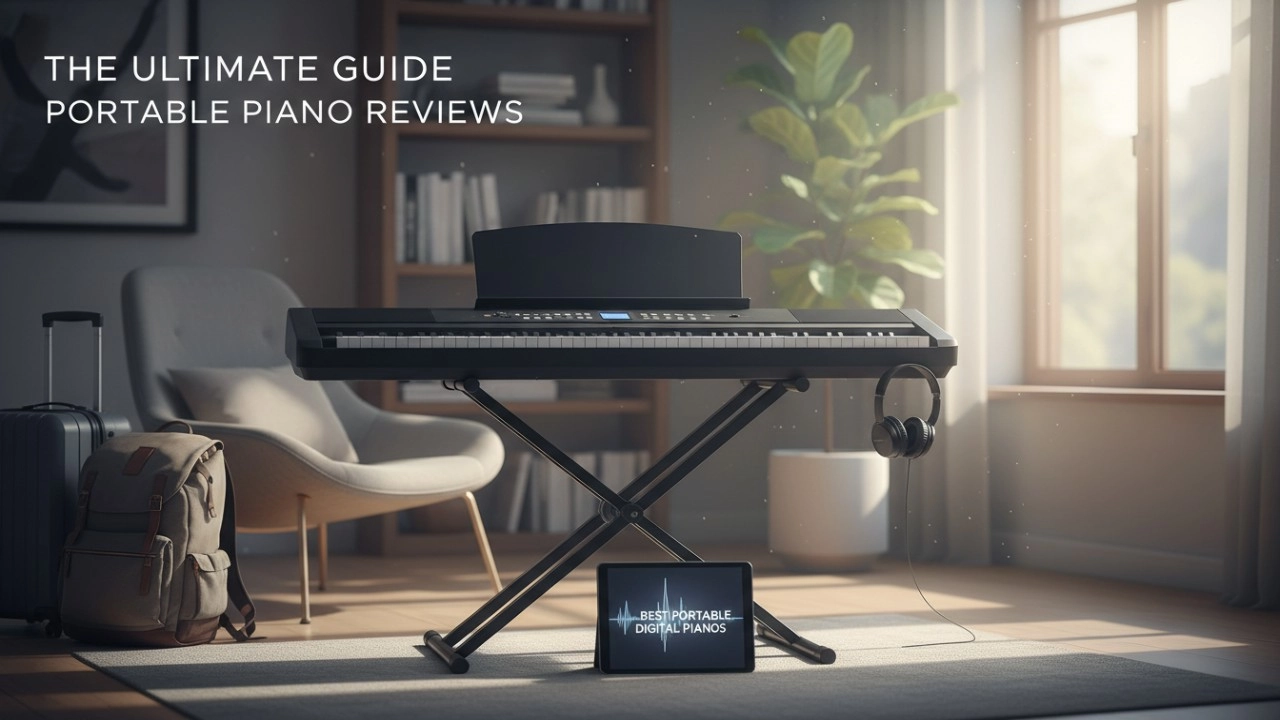
15 Best Portable Digital Pianos of 2026: The Only Comparison Guide You’ll Ever Need
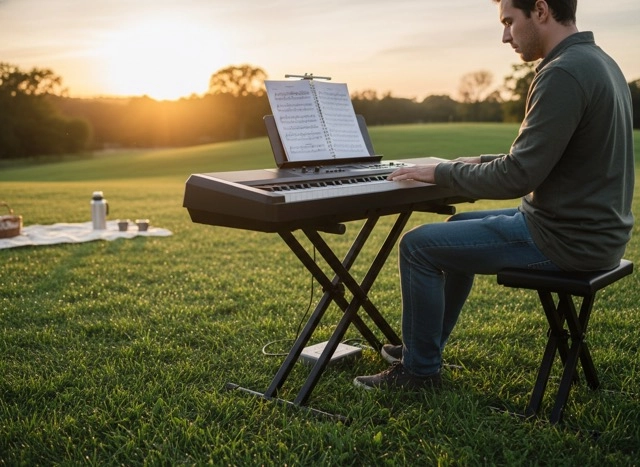
Is the Flykeys FP9 Worth It? Our Real-Life Experience with the World’s Largest Piano Maker’s Digital Tech.
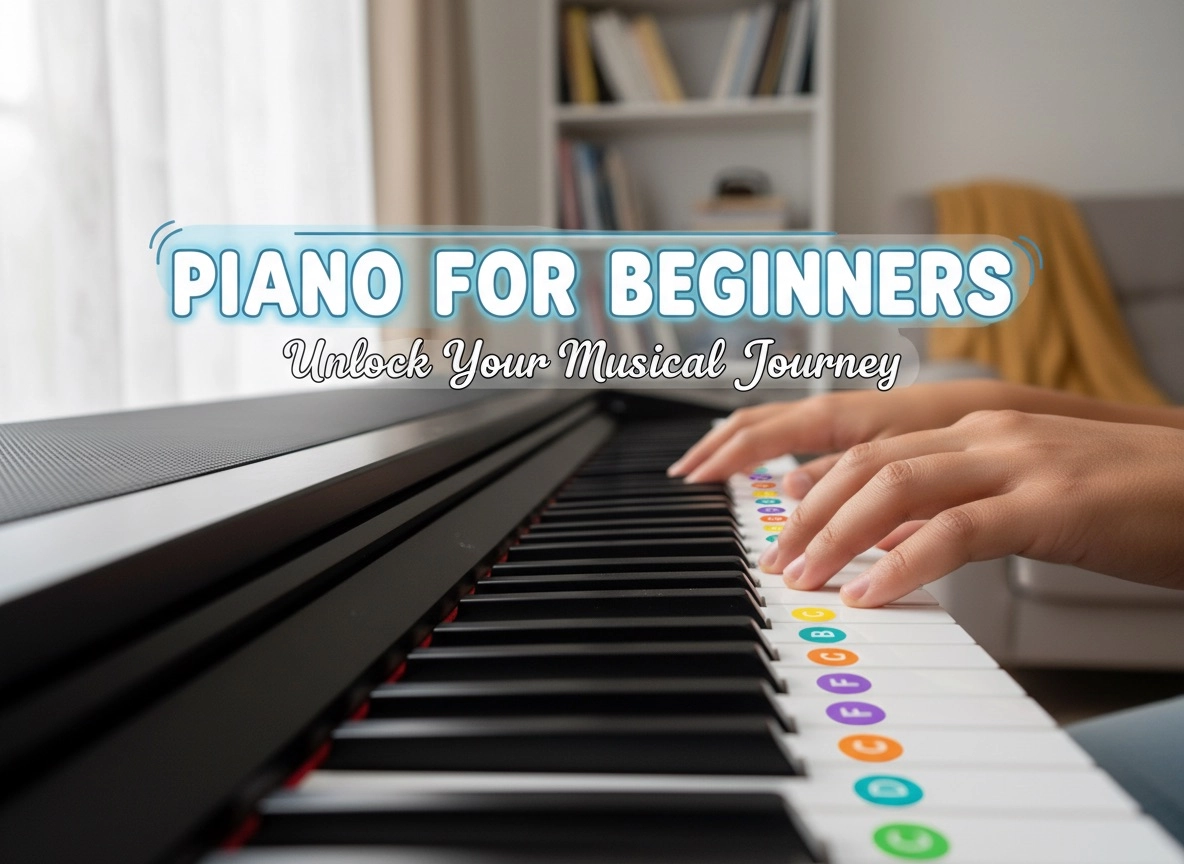
Best Digital Piano Keyboards for Beginners 2026: Your Ultimate Buying Guide
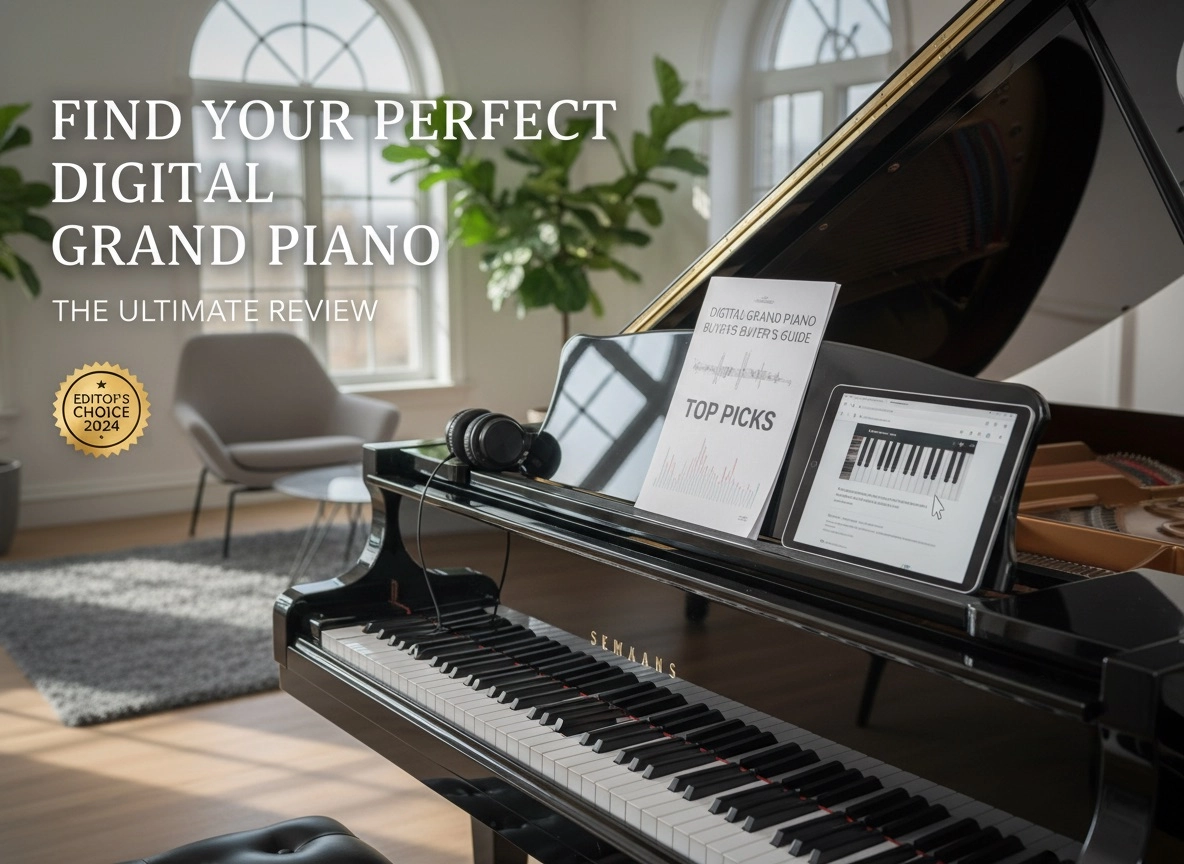
Best Digital Grand Pianos 2026: Ultimate Buyer's Guide for Authentic Sound & Feel
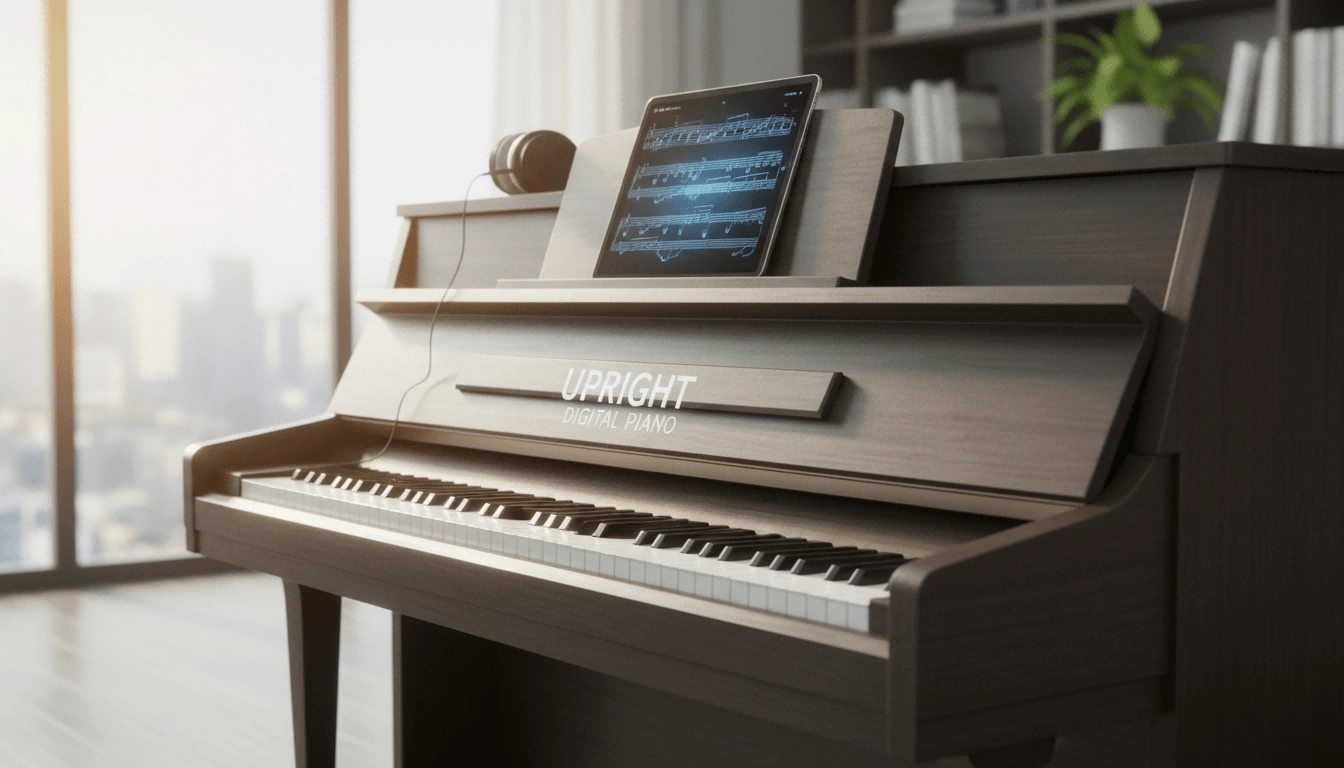
The Definitive Guide to Upright Digital Pianos: Blending Timeless Elegance with Modern Innovation in 2026
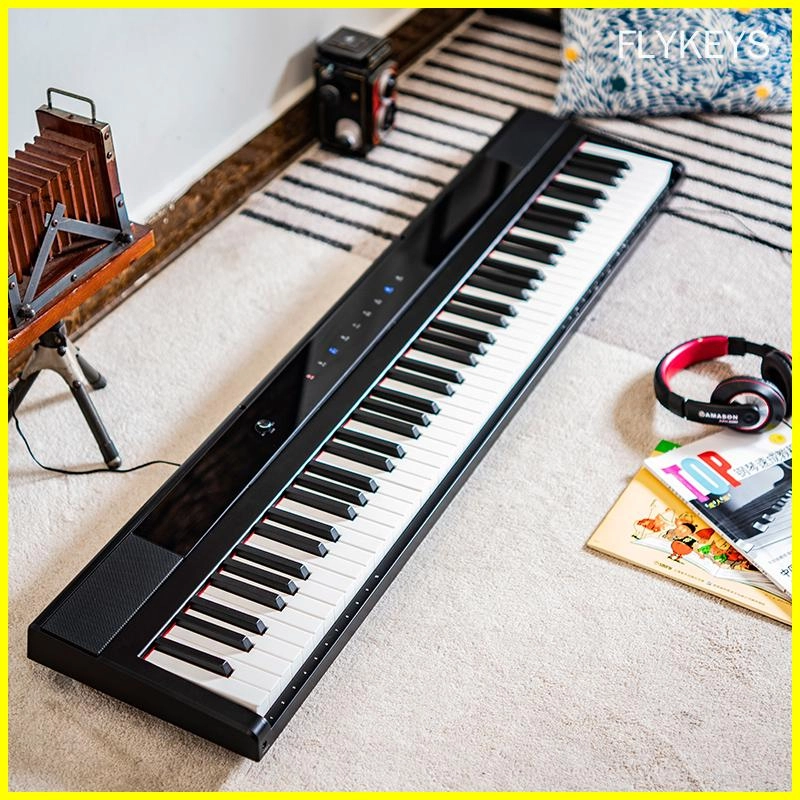
Best-Rated Electronic Pianos for Beginners in 2026: What to Buy and Why
Products
Can I connect your electronic pianos to external devices?
Yes, our electronic pianos are equipped with connectivity options such as MIDI, USB, and Bluetooth for seamless integration with external devices.
Customization
What is the lead time for custom orders?
Lead times for custom orders vary depending on the complexity of the customization and current production schedules. Please contact our sales team for more information.
Company
What sets your company apart from competitors?
We pride ourselves on our commitment to quality craftsmanship, cutting-edge technology, and exceptional customer service.
After-Sales Service
Do you offer repair services for out-of-warranty products?
Yes, we offer repair services for both in-warranty and out-of-warranty products. Please contact our support team for assistance.
Payment
Is payment required upfront for custom orders?
Yes, payment is typically required upfront for custom orders to initiate the production process.
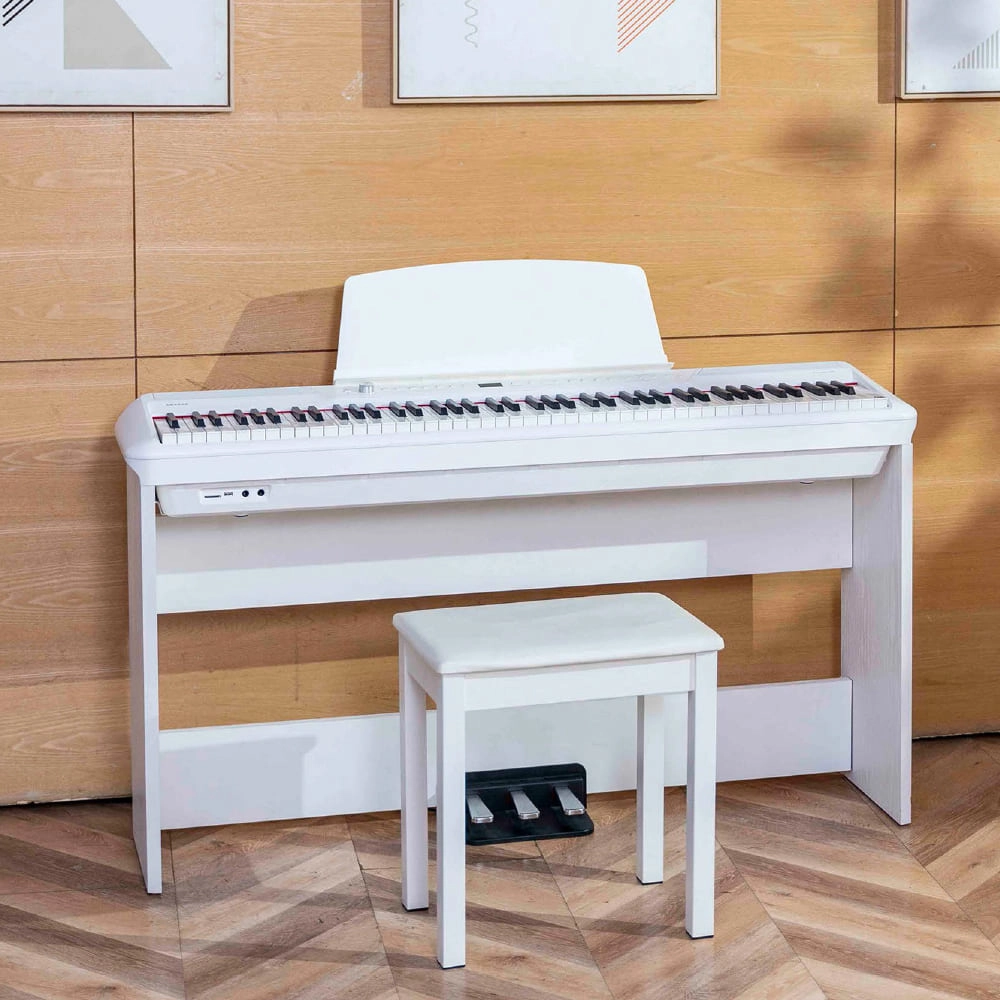
Flykeys Portable Electric Keyboard FP9 Digital Piano
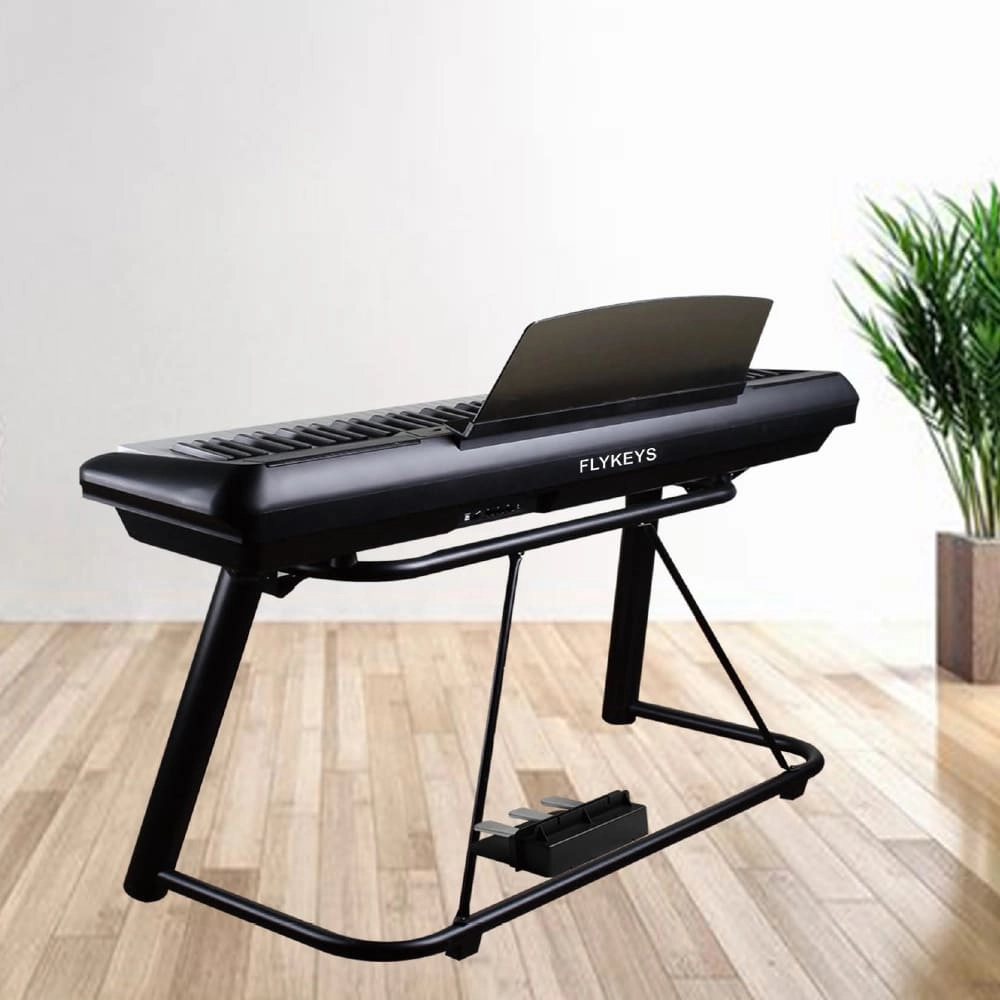
Flykeys 88 Keys Portable Piano With Wooden Stand FP6 Digital Piano
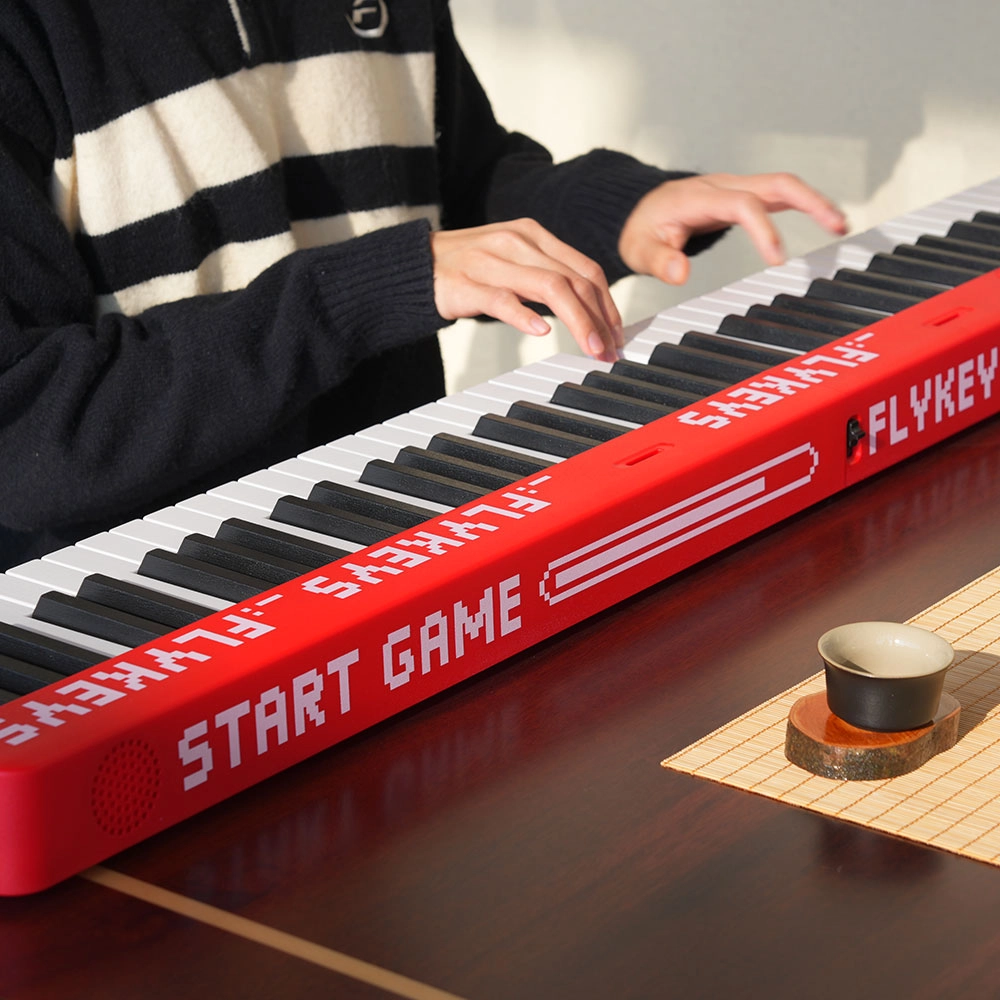
Flykeys M12 Folding Keyboard
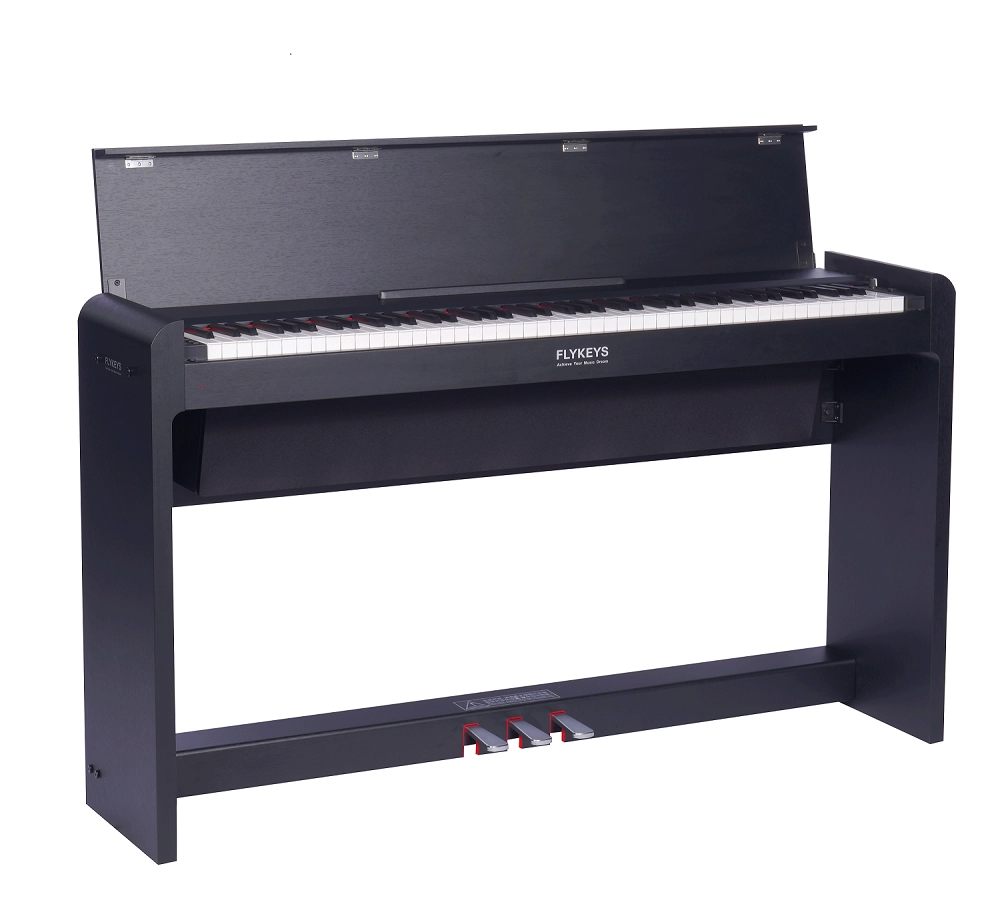
FLYKEYS FDP 5 Digital Piano
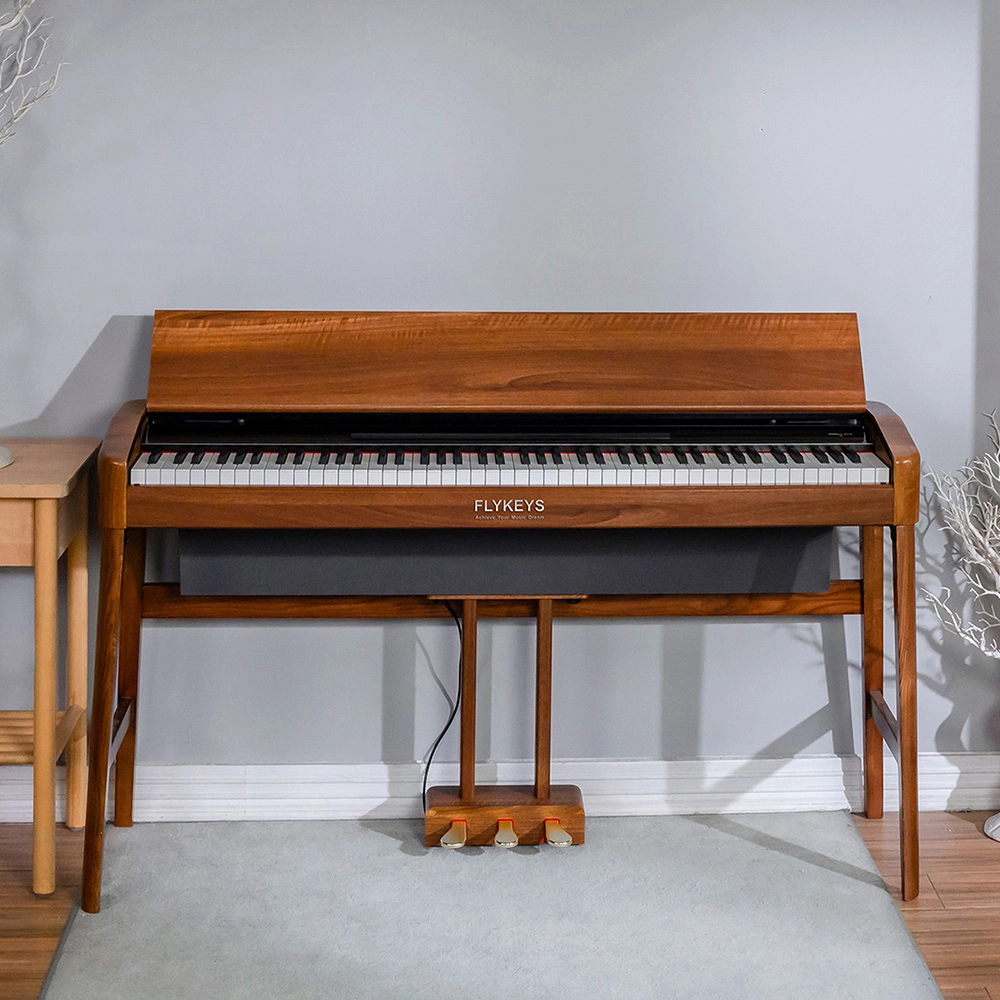
Flykeys Wooden Panel Piano Original Italian Imported Hammer Action Keyboard SK3 Digital Piano
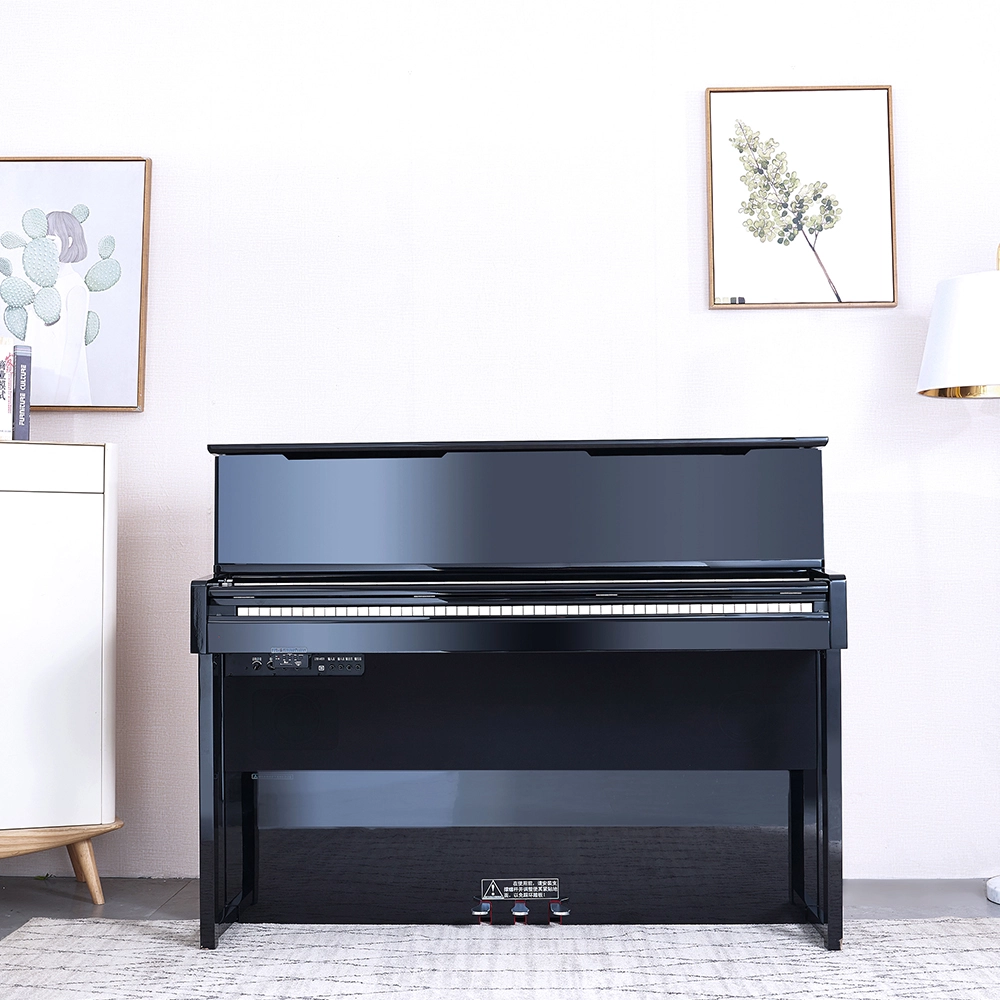
Flykeys Professional Digital Upright Piano 88 Keys Wooden Keyboard FK830 Digital Piano
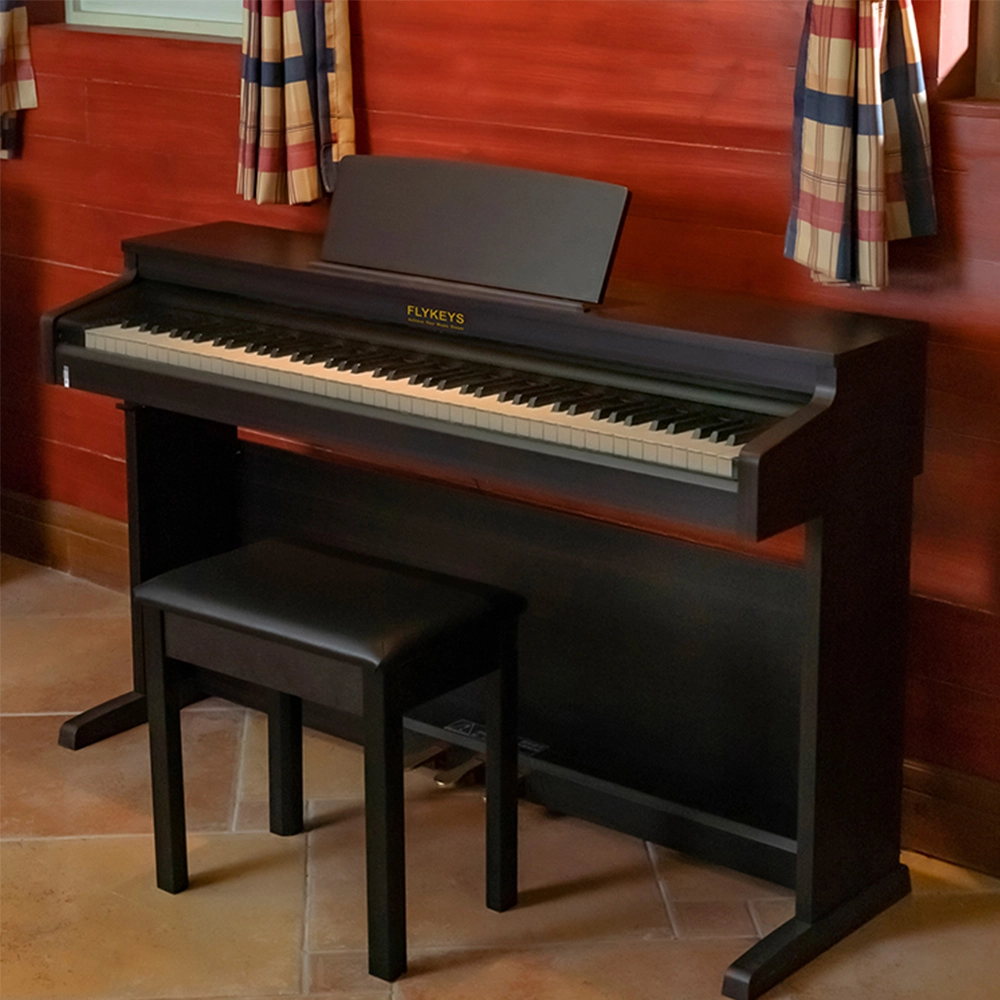
Flykeys Upright Electric Piano Built-In Speakers Music Instrument FD05 Digital Piano
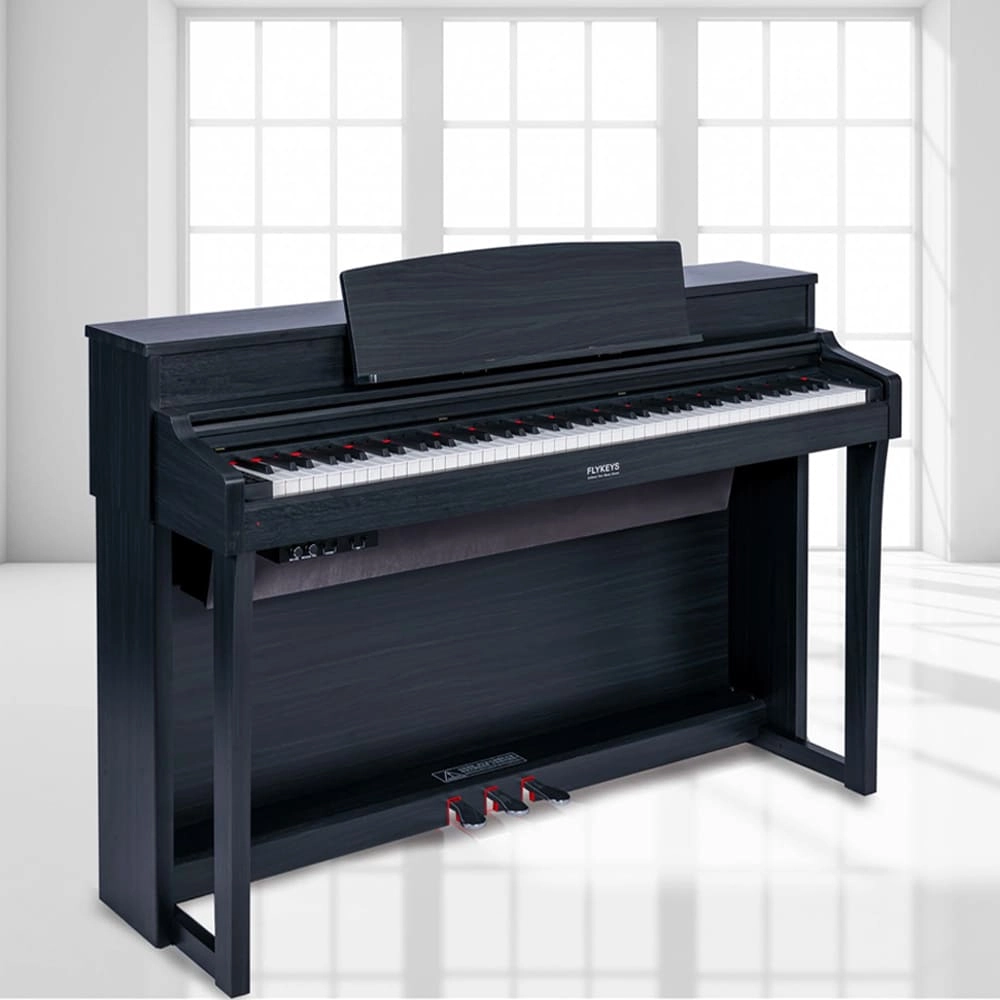
Flykeys Upright Digital Piano 88keys Hammer Action Keyboard FK330 Digital Piano
Get in touch with us
Have a question or inquiry about our digital pianos products? Leave us a message here and our team will get back to you promptly within 24 hours.
Whether you're interested in custom orders, technical specifications, or partnership opportunities, we're here to assist you.
Rest assured that your privacy is important to us, and all information provided will be handled with the utmost confidentiality.
Address: No. 38 Xiangshan Avenue, Zengcheng Economic And Technological Development Zone, Guangzhou, China.
FOLLOW US:


© 2026 FLYKEYS All Rights Reserved. 粤 ICP备2020102774号. Designed by gooeyun. Sitemap | Privacy | Terms