

Digital piano vs electronic keyboard for beginners: which to buy?
Choosing your first instrument can be overwhelming. Should you opt for an **electronic keyboard for beginners** or a **digital piano starter**? This in-depth guide tackles common beginner pain points, from key action and sound quality to connectivity and resale value, helping you decide which instrument best supports your long-term musical journey.
Embarking on a musical journey is an exciting prospect, especially when learning to play the piano. However, the first hurdle often comes with choosing the right instrument: an electronic keyboard for beginners or a dedicated digital piano starter. Both offer distinct advantages, but understanding their core differences and how they impact your learning is crucial. Many beginners grapple with questions that superficial online answers fail to address. As experts in digital pianos and electronic keyboards, we're here to provide the in-depth insights you need to make an informed decision for your musical future.
As a beginner, how crucial is having 88 weighted keys on a digital piano versus a 61-key electronic keyboard for long-term skill development and transitioning to an acoustic piano?
For serious piano learning, having 88 weighted keys is overwhelmingly crucial. An acoustic piano features 88 keys with a 'hammer action' mechanism, where physical hammers strike strings. Digital pianos are designed to replicate this feel through various 'weighted key' technologies, such as graded hammer action, which provides a heavier touch in the bass register and lighter in the treble, mirroring an acoustic grand. This authentic touch response is vital for developing proper finger strength, dexterity, dynamic control, and nuanced expression – skills directly transferable to an acoustic piano.
A 61-key electronic keyboard for beginners typically features 'synth-action' or 'spring-action' keys, which are lighter and lack the resistance of a real piano. While these keyboards are excellent for exploring different sounds, composing, or for hobbyists focused on non-piano sounds, they do not build the necessary finger technique for traditional piano playing. Learning on a 61-key keyboard can lead to developing habits that hinder progress when transitioning to an 88-key weighted instrument. For long-term skill development and to truly learn the piano, an entry-level digital piano with 88 weighted keys is a foundational investment that pays dividends in technique and musicality.
I'm on a tight budget. Will a more affordable electronic keyboard with many instrument sounds actually hinder my progress in learning piano technique compared to a digital piano focused solely on realistic piano tones?
It's a common dilemma for those seeking their first keyboard piano on a budget. While an affordable electronic keyboard for beginners often boasts hundreds of instrument sounds, drum kits, and accompaniment styles, this versatility can inadvertently hinder foundational piano technique development. The core issue lies in the quality and realism of the primary piano sound.
Digital pianos, even entry-level models, prioritize the authenticity of their piano voices. They use multi-sampled recordings of grand pianos, often with sophisticated sound engines that replicate string resonance, damper resonance, and other acoustic nuances. This focus on realistic piano tones is essential for developing a keen ear, understanding musical dynamics, and fostering expressiveness. When a beginner constantly switches between generic instrument sounds, their focus can shift from mastering piano touch and tone to simply exploring different timbres. Moreover, the often-inferior piano sound on cheaper keyboards lacks the dynamic range and complexity needed for serious study, making it harder to discern subtle improvements in playing. For true piano progress, investing in an instrument with a high-quality, realistic piano sound, even if it means fewer other voices, is a far more beneficial approach.
What are the hidden long-term maintenance differences and durability concerns between an electronic keyboard and a digital piano that beginners often overlook?
Both digital pianos and electronic keyboards are remarkably low-maintenance compared to their acoustic counterparts, requiring no tuning. However, subtle differences in construction and intended use impact their long-term durability and maintenance needs.
Digital pianos, especially console models, are built to be stationary furniture pieces. They typically feature more robust cabinetry, higher-quality pedals integrated into a stand, and often more durable key mechanisms designed for consistent, long-term use in one location. This construction minimizes vulnerability to physical damage from movement. 'Slab' digital pianos, while portable, often maintain similar internal component quality.
Electronic keyboards, conversely, are designed for portability. They feature lighter plastic casings, are often less robustly constructed, and their lighter key actions are typically simpler mechanisms. While durable for their intended purpose – often tabletop use or occasional gigging – frequent packing, unpacking, or exposure to environmental fluctuations (like dust, temperature changes if moved between locations) can potentially lead to wear on connections, buttons, or internal components over a longer period. Neither instrument requires specialized maintenance beyond keeping them clean and protected from extreme conditions, but the inherent build quality and stability of a dedicated digital piano often contribute to a longer lifespan and fewer unexpected issues over decades of use.
How do modern digital pianos and electronic keyboards differ in terms of essential connectivity features (USB, MIDI, app integration) and how do these features specifically benefit a beginner's learning journey and creative exploration?
Modern digital pianos and electronic keyboards for beginners both offer impressive connectivity, but their implementations and focus can differ, impacting a beginner's learning and creative exploration.
Common Features: Most contemporary instruments include USB MIDI (Type B) for connecting to a computer or smart device, allowing them to function as a MIDI controller for Digital Audio Workstations (DAWs), notation software, or online learning platforms. Many also feature traditional 5-pin MIDI DIN ports for older gear. Headphone jacks are standard, enabling private practice.
Digital Piano Focus: Digital pianos increasingly feature Bluetooth MIDI connectivity, offering seamless, wireless integration with popular learning apps like Flowkey, Simply Piano, or Skoove. These apps provide interactive lessons, instant feedback, and gamified practice, significantly boosting a beginner's motivation and progress. Many digital pianos also have dedicated audio inputs/outputs (AUX In/Out) for connecting external audio sources or linking to a PA system for performances, and some even offer USB to Device (Type A) for recording directly to a USB stick.
Electronic Keyboard Focus: While also adopting Bluetooth, electronic keyboards often prioritize onboard recording capabilities, microphone inputs (for singing along), and sometimes even SD card slots for expanding memory or saving performances. Their vast array of built-in rhythms and accompaniment styles lends itself well to instant song creation and experimentation without external devices.
For a beginner, these features are invaluable. USB/Bluetooth MIDI unlocks a universe of interactive lessons and creative software, turning practice into an engaging experience. Audio outputs allow for private, focused study, which is crucial in shared living spaces. Flykeys' instruments, for instance, are designed with intuitive connectivity to enhance your learning curve and creative potential.
Living in a small apartment, I need something compact and portable. Is a lighter, smaller electronic keyboard always the better choice, or are there compact digital pianos that offer a more authentic experience without sacrificing too much space or portability?
This is a major pain point for urban dwellers. While a lighter, smaller electronic keyboard for beginners is undoubtedly easier to move and store, it’s not always the best choice if your goal is to learn the piano authentically. Fortunately, the market for compact digital pianos has evolved significantly.
Electronic keyboards (e.g., 61 or 76 keys) are very lightweight and can often be placed on a desk or tucked away. However, they lack the full range of keys and the weighted action essential for piano technique.
For those desiring an authentic experience in limited space, 'slab' or 'portable' digital pianos are an excellent compromise. These 88-key instruments feature full weighted actions but come without a bulky furniture-style stand. They can be placed on a sturdy, collapsible X-stand or a dedicated minimalist stand, offering a significantly smaller footprint than traditional console digital pianos. While still longer than a 61-key keyboard (typically around 52 inches wide), their depth (front-to-back) is often very shallow, allowing them to fit into tight spaces. Many models weigh between 25-40 lbs, making them manageable to move or store vertically when not in use. So, no, a smaller electronic keyboard isn't always the better choice. A compact beginner digital piano can provide the crucial 88 weighted keys and realistic sound in a surprisingly apartment-friendly format, offering a far more robust foundation for serious study.
Considering I might upgrade later, which instrument – an electronic keyboard or a digital piano – typically retains more resale value or offers better upgradability paths as my skills advance?
When considering future value and upgradability, a digital piano starter generally offers a more advantageous long-term investment than an electronic keyboard for beginners.
Resale Value: Higher-quality musical instruments tend to retain more of their value, and this holds true for digital pianos. A well-maintained digital piano from a reputable brand, especially one known for its realistic key action and sound engine, will typically command a better resale price than a general-purpose electronic keyboard. Electronic keyboards, particularly entry-level models, often depreciate more quickly due to rapid technological advancements in their features and the high volume of new models entering the market. Digital pianos are often seen as more 'serious' musical instruments with a longer useful life for dedicated practice.
Upgradability Paths: The skills you develop on a quality digital piano with weighted keys are directly transferable to an acoustic piano or a higher-end digital piano. If you start with a good slab digital piano, your 'upgrade' might simply involve acquiring a more sophisticated stand, adding a triple pedal unit, or investing in external studio monitors for enhanced sound. The core instrument – its key action and sound engine – remains a solid foundation. With an electronic keyboard, 'upgrading' often means needing to purchase an entirely new instrument if you decide to pursue traditional piano playing, as its fundamental design (lighter keys, limited range) isn't truly upgradable for that purpose. Investing in a quality entry-level digital piano provides a more stable and cost-effective pathway for advanced learning, ensuring your initial investment continues to serve your musical growth.
- As a beginner, how crucial is having 88 weighted keys on a digital piano versus a 61-key electronic keyboard for long-term skill development and transitioning to an acoustic piano?
- I'm on a tight budget. Will a more affordable electronic keyboard with many instrument sounds actually hinder my progress in learning piano technique compared to a digital piano focused solely on realistic piano tones?
- What are the hidden long-term maintenance differences and durability concerns between an electronic keyboard and a digital piano that beginners often overlook?
- How do modern digital pianos and electronic keyboards differ in terms of essential connectivity features (USB, MIDI, app integration) and how do these features specifically benefit a beginner's learning journey and creative exploration?
- Living in a small apartment, I need something compact and portable. Is a lighter, smaller electronic keyboard always the better choice, or are there compact digital pianos that offer a more authentic experience without sacrificing too much space or portability?
- Considering I might upgrade later, which instrument – an electronic keyboard or a digital piano – typically retains more resale value or offers better upgradability paths as my skills advance?
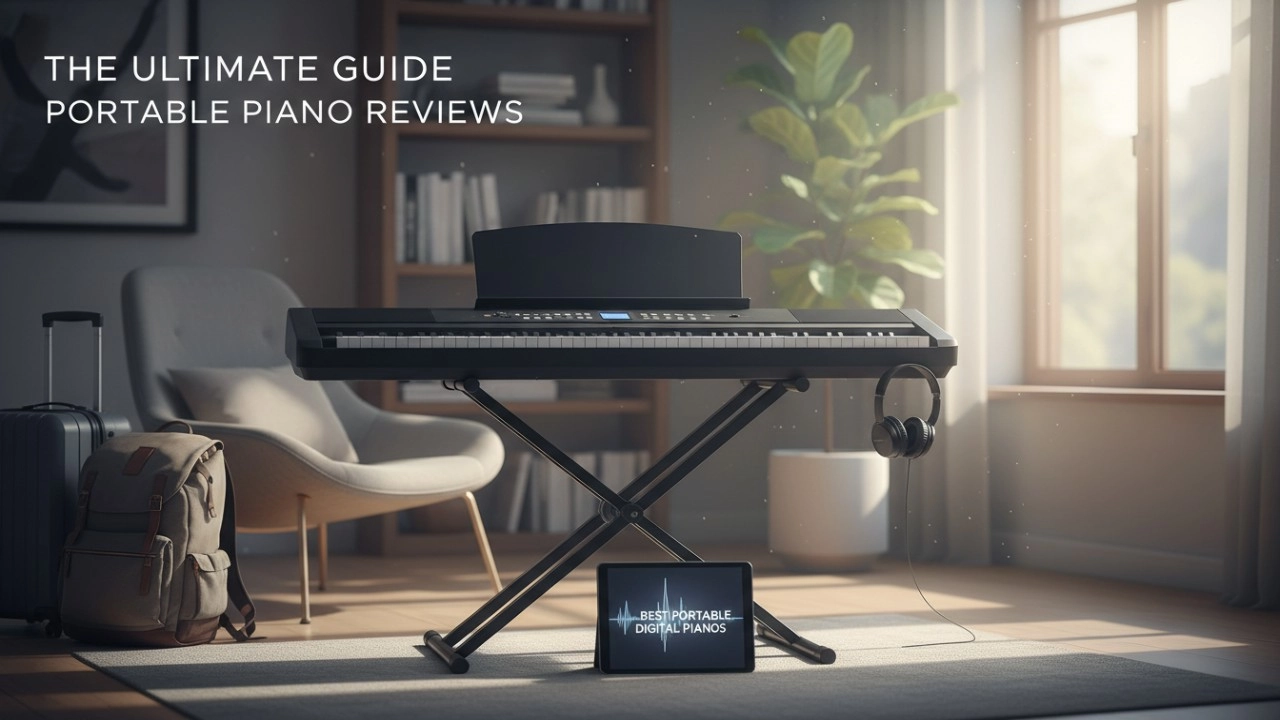
15 Best Portable Digital Pianos of 2026: The Only Comparison Guide You’ll Ever Need
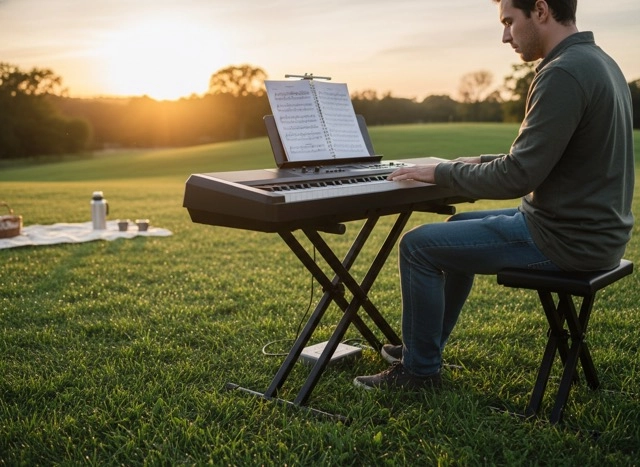
Is the Flykeys FP9 Worth It? Our Real-Life Experience with the World’s Largest Piano Maker’s Digital Tech.
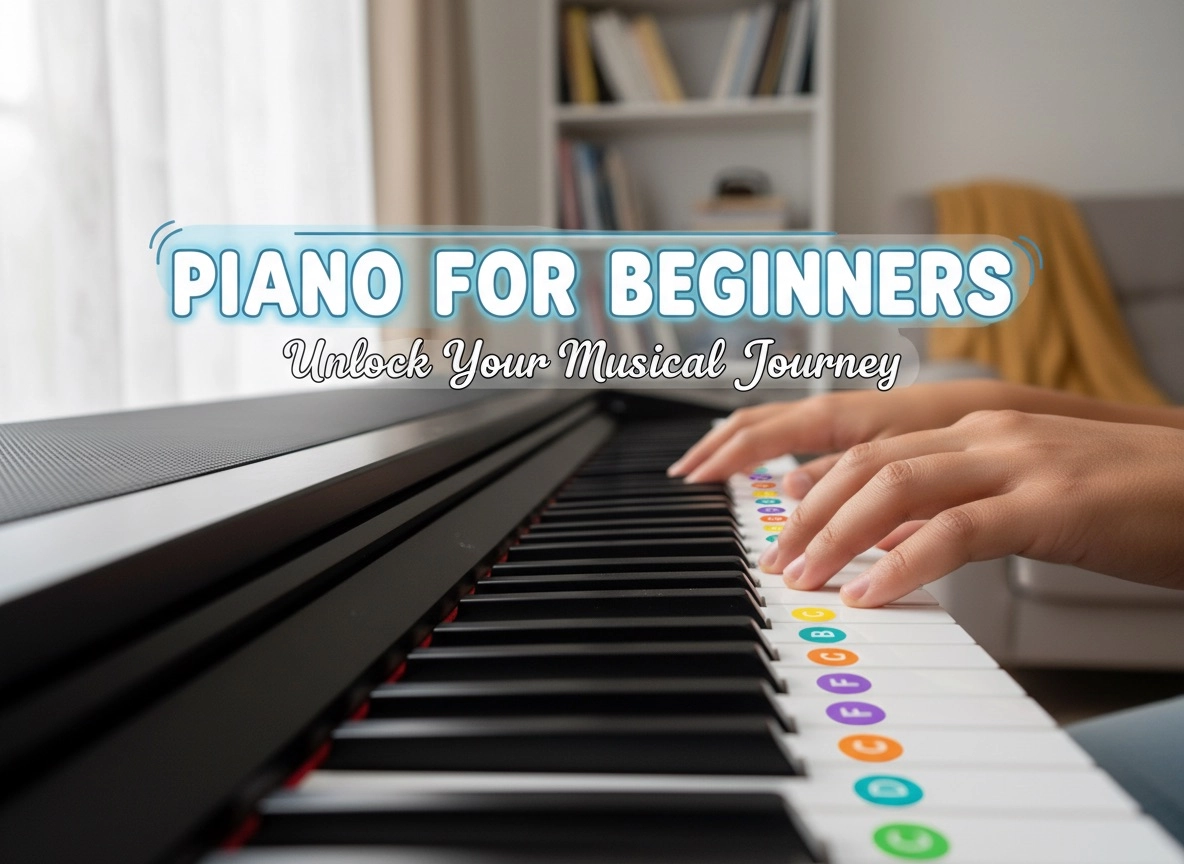
Best Digital Piano Keyboards for Beginners 2026: Your Ultimate Buying Guide
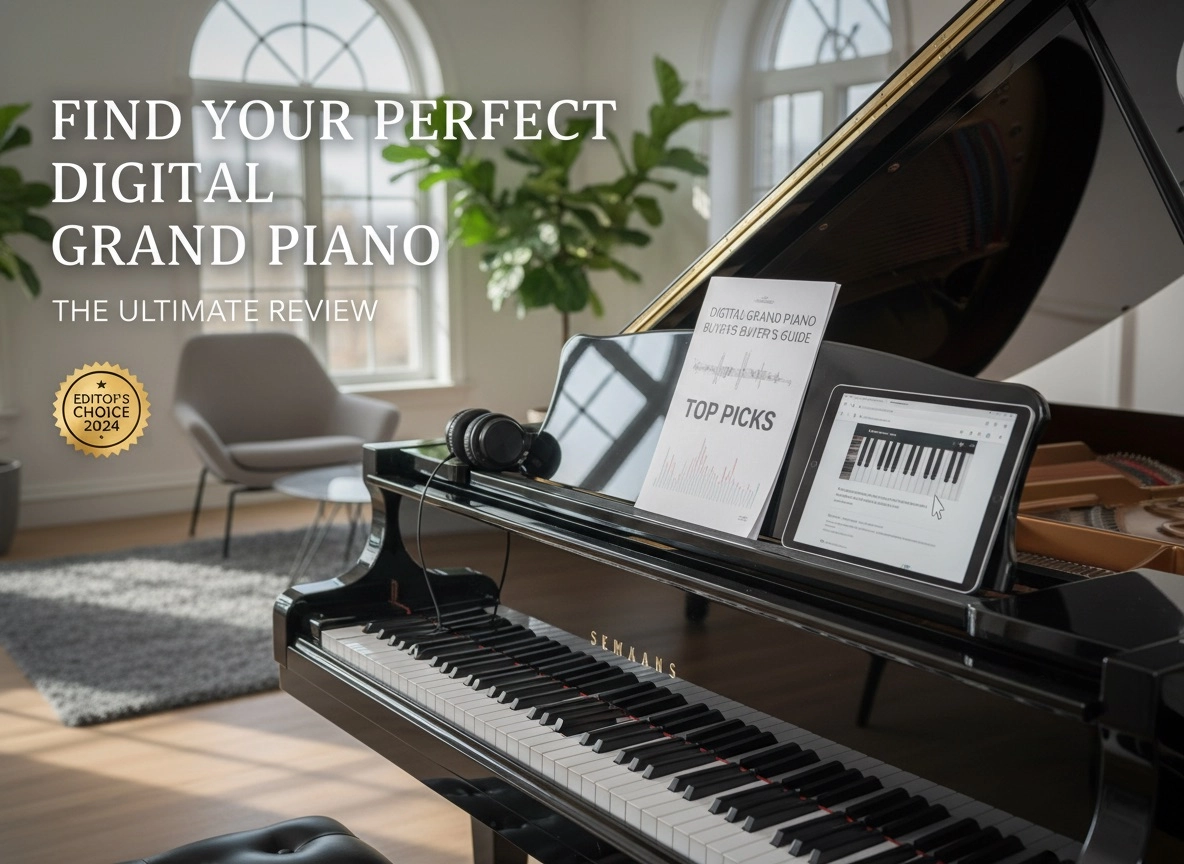
Best Digital Grand Pianos 2026: Ultimate Buyer's Guide for Authentic Sound & Feel
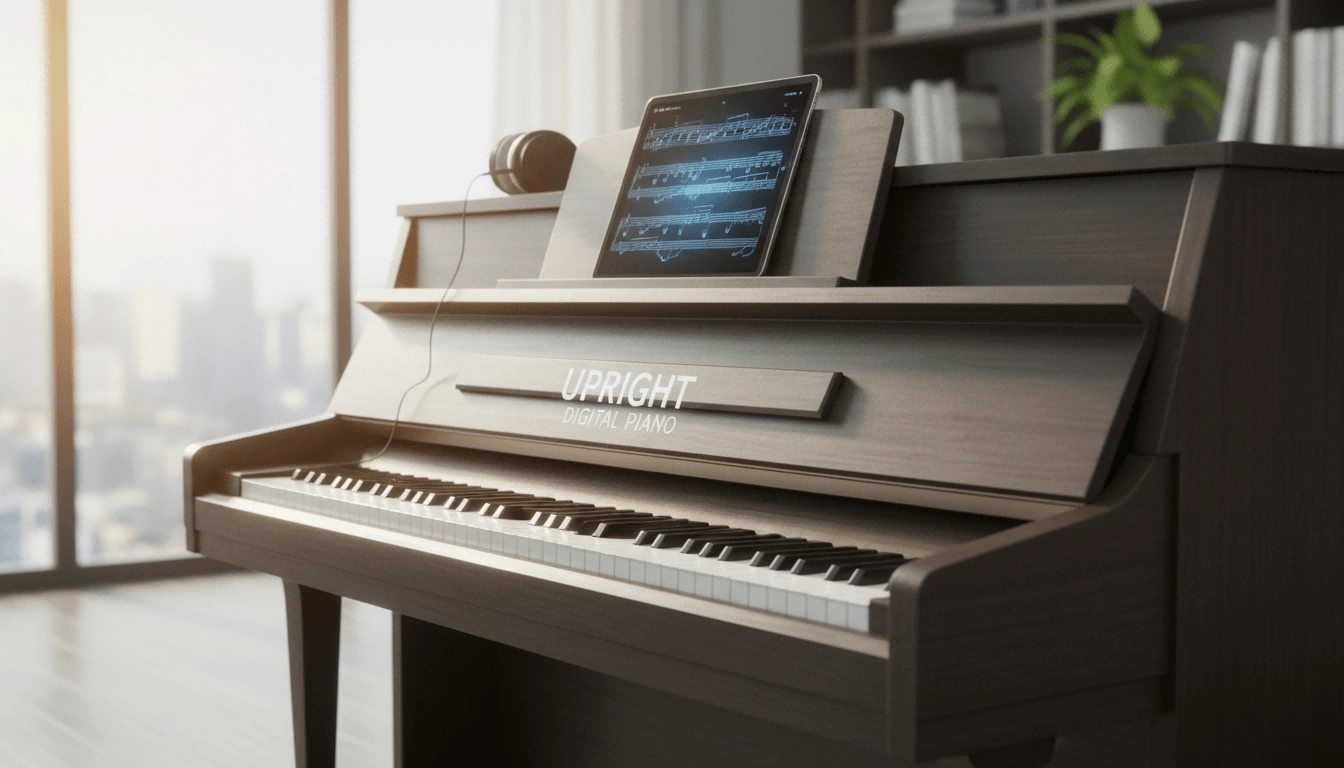
The Definitive Guide to Upright Digital Pianos: Blending Timeless Elegance with Modern Innovation in 2026
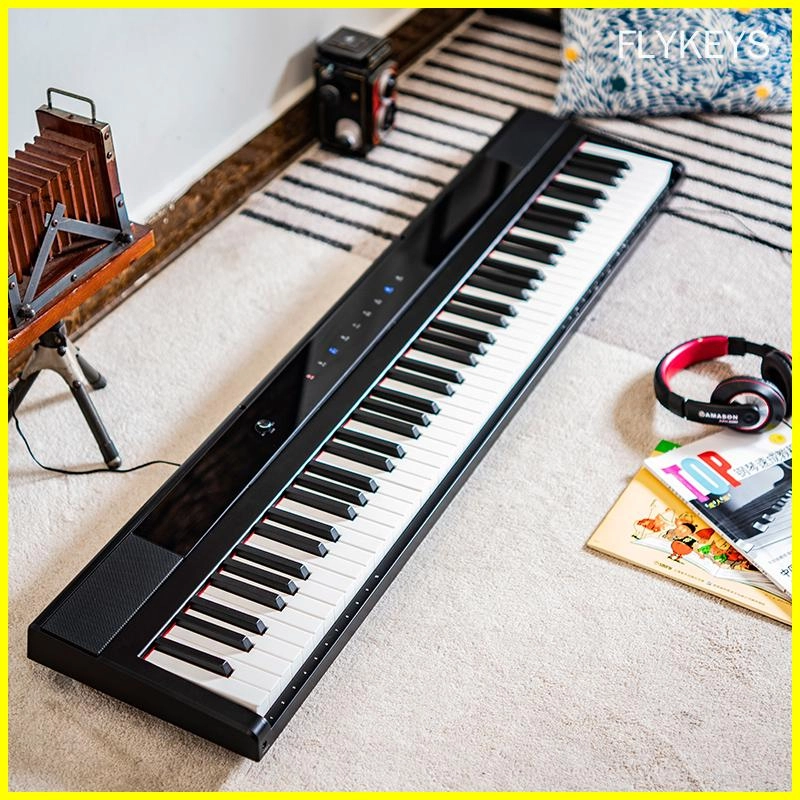
Best-Rated Electronic Pianos for Beginners in 2026: What to Buy and Why
Payment
Is payment required upfront for custom orders?
Yes, payment is typically required upfront for custom orders to initiate the production process.
After-Sales Service
How can I contact your after-sales support team?
You can contact our after-sales support team via email, phone, or through our website's customer support portal.
Logistics
Can l track my order during shipping?
Yes, tracking information will be provided once your order has been shipped, allowing you to monitor its progress.
How long does shipping typically take?
Shipping times vary depending on the destination and shipping method selected. Please refer to our shipping information page for estimated delivery times.
Products
What is the warranty period of piano?
We provide 2 years warranty service, if there is any quality problem, we can provide accessories for free
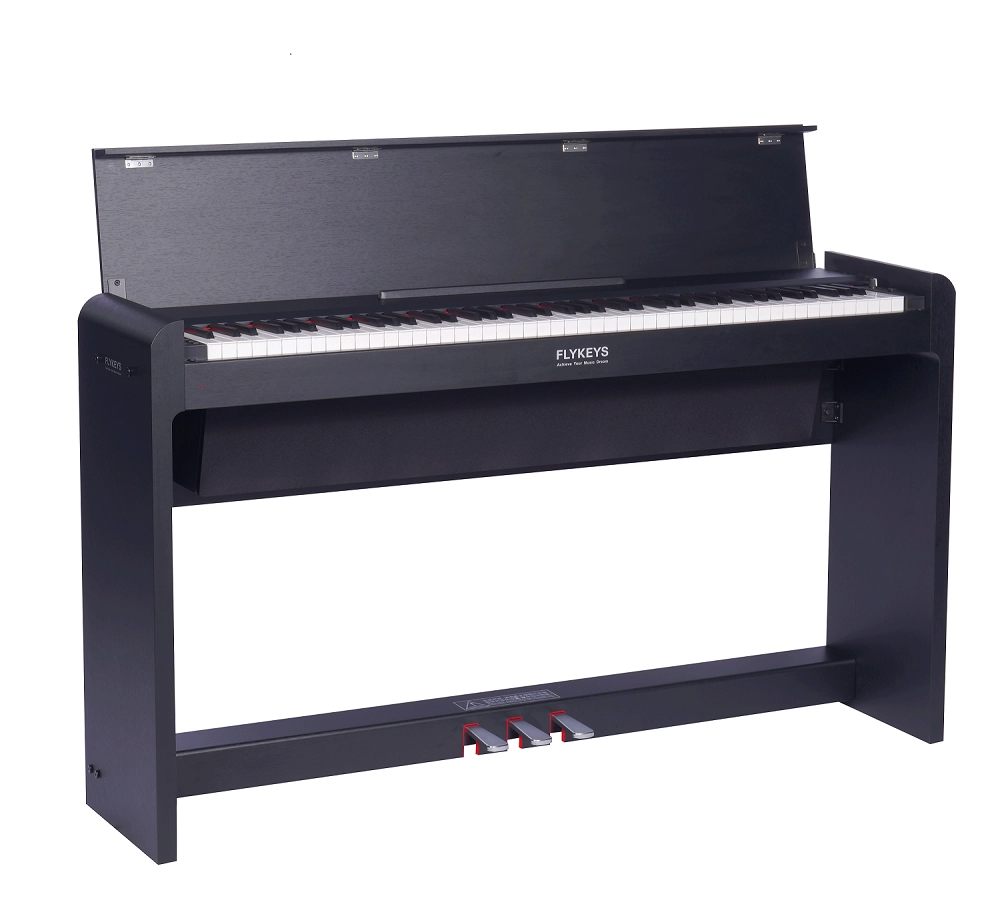
FLYKEYS FDP 5 Digital Piano
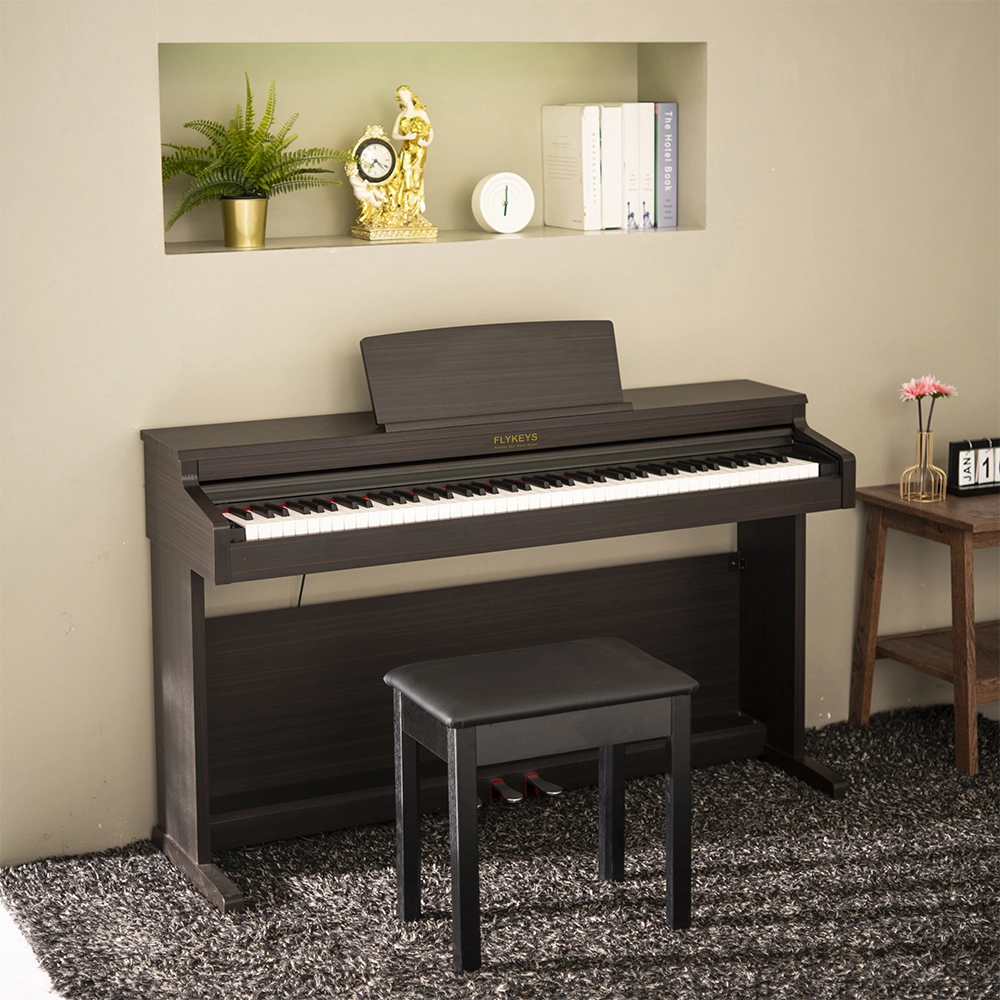
Flykeys 88 Keys Hammer Action keyboard Upright Piano LK03S Digital Piano
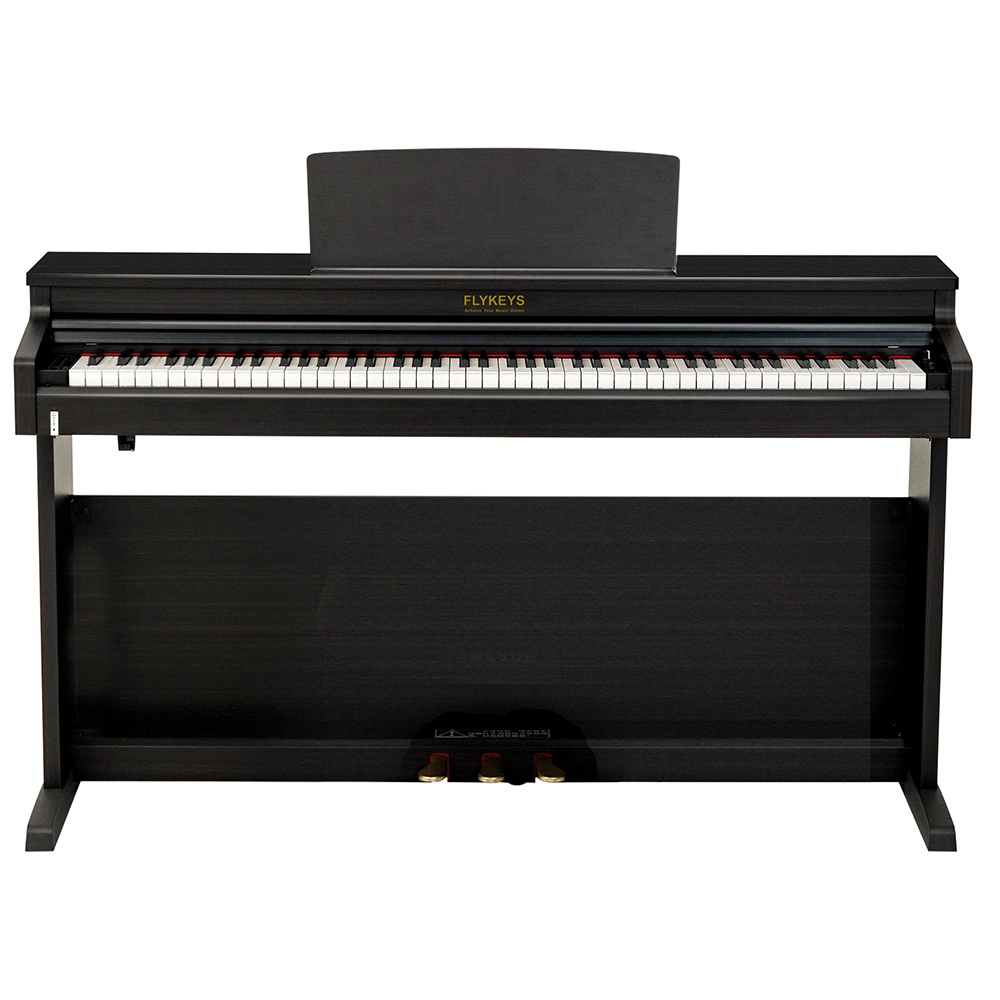
Flykeys Upright Digital Piano FDP 3
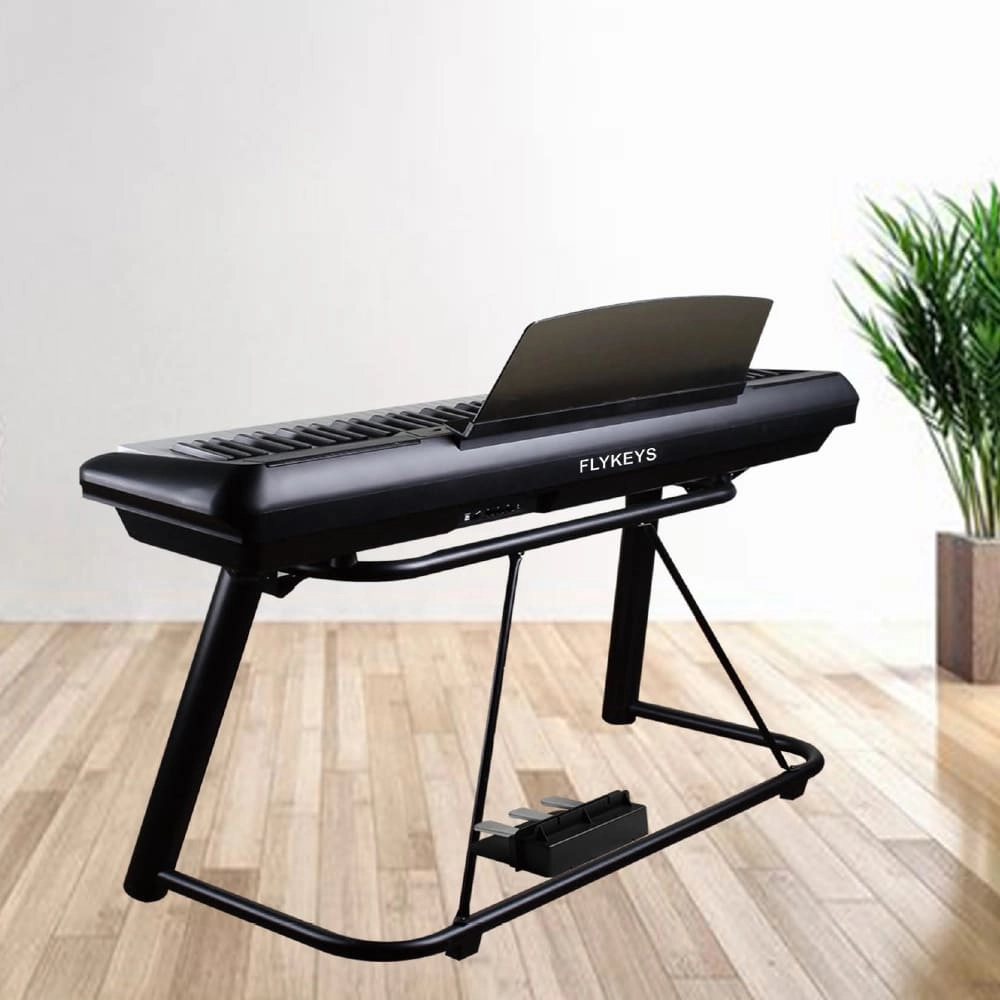
Flykeys 88 Keys Portable Piano With Wooden Stand FP6 Digital Piano
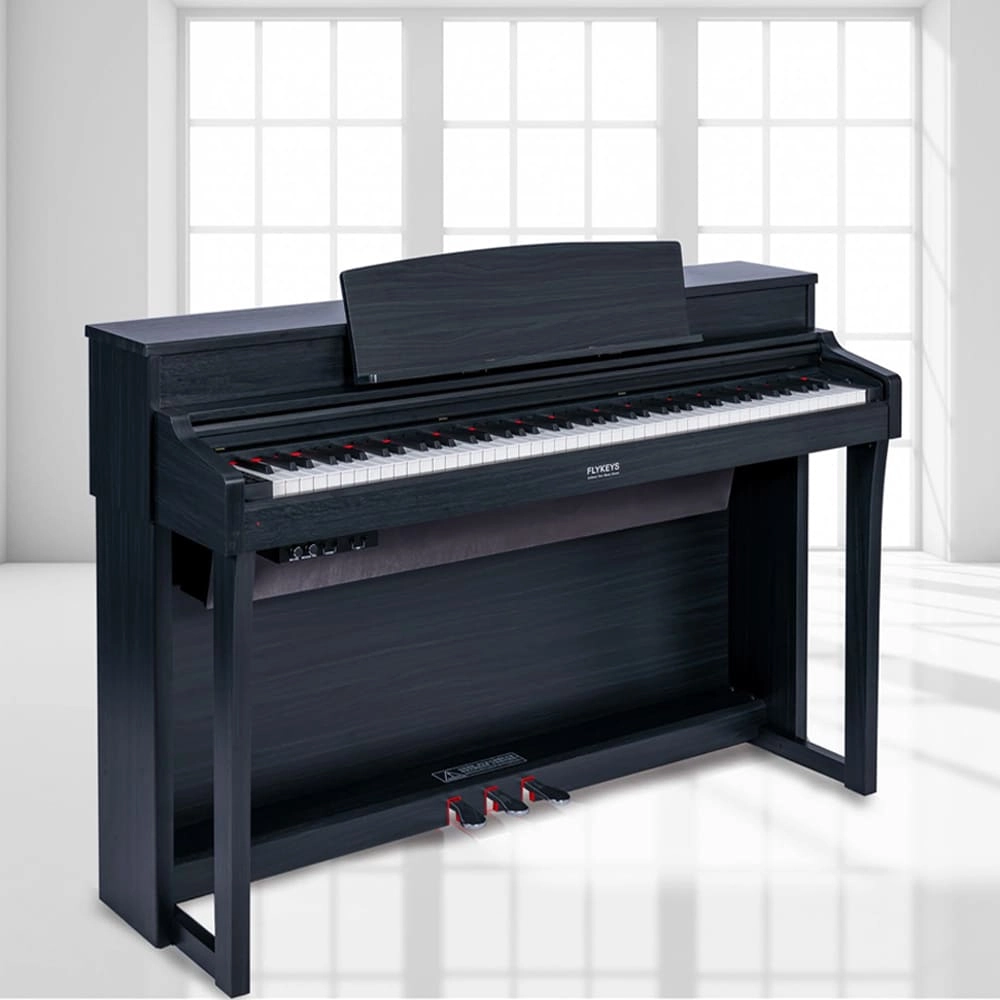
Flykeys Upright Digital Piano 88keys Hammer Action Keyboard FK330 Digital Piano
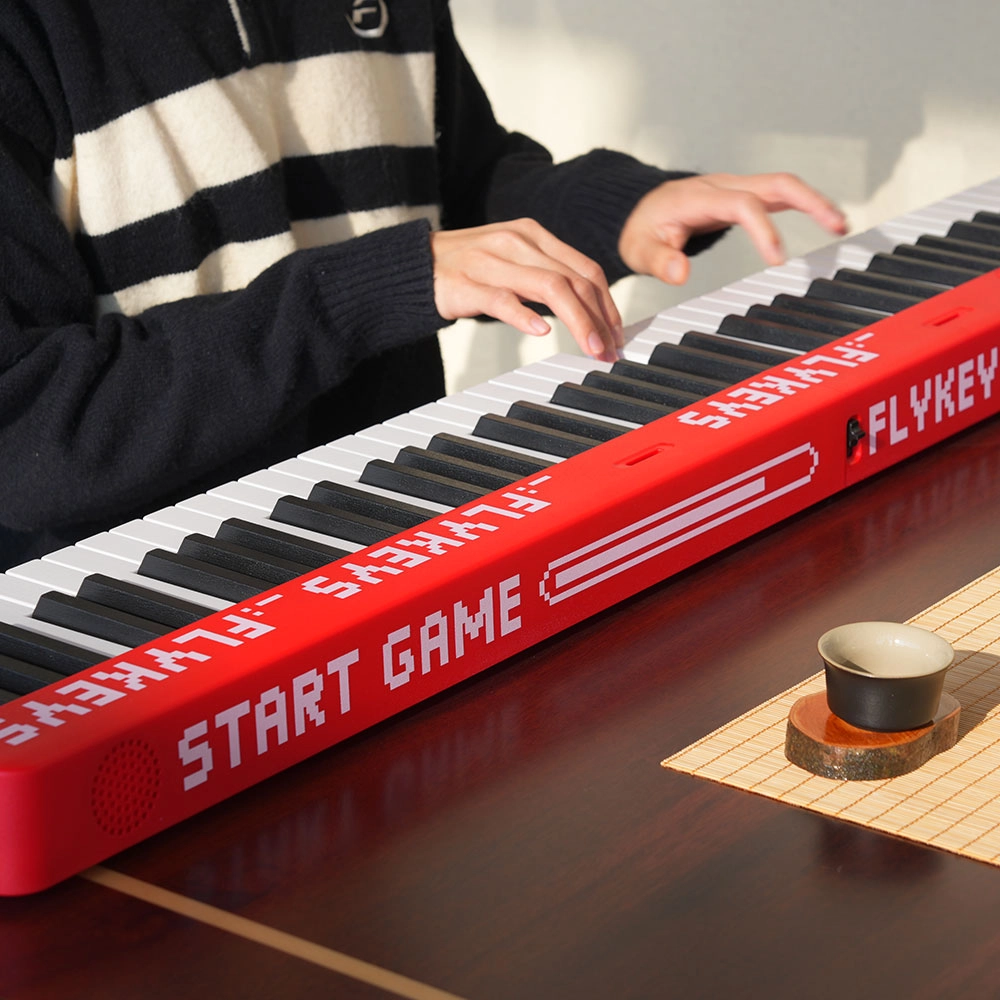
Flykeys M12 Folding Keyboard
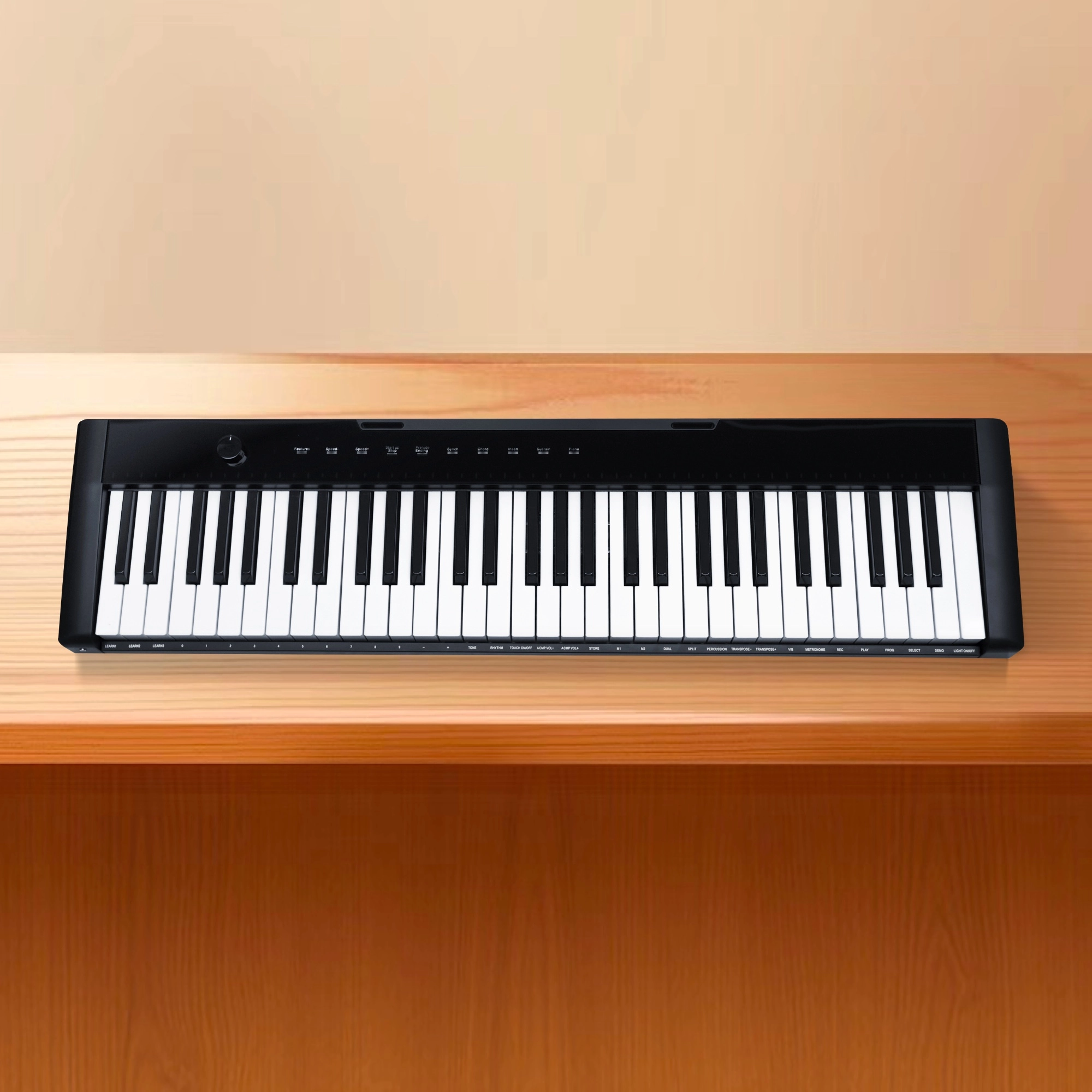
Flykeys 61 keys portable electronic keyboard piano with X stand (M2)
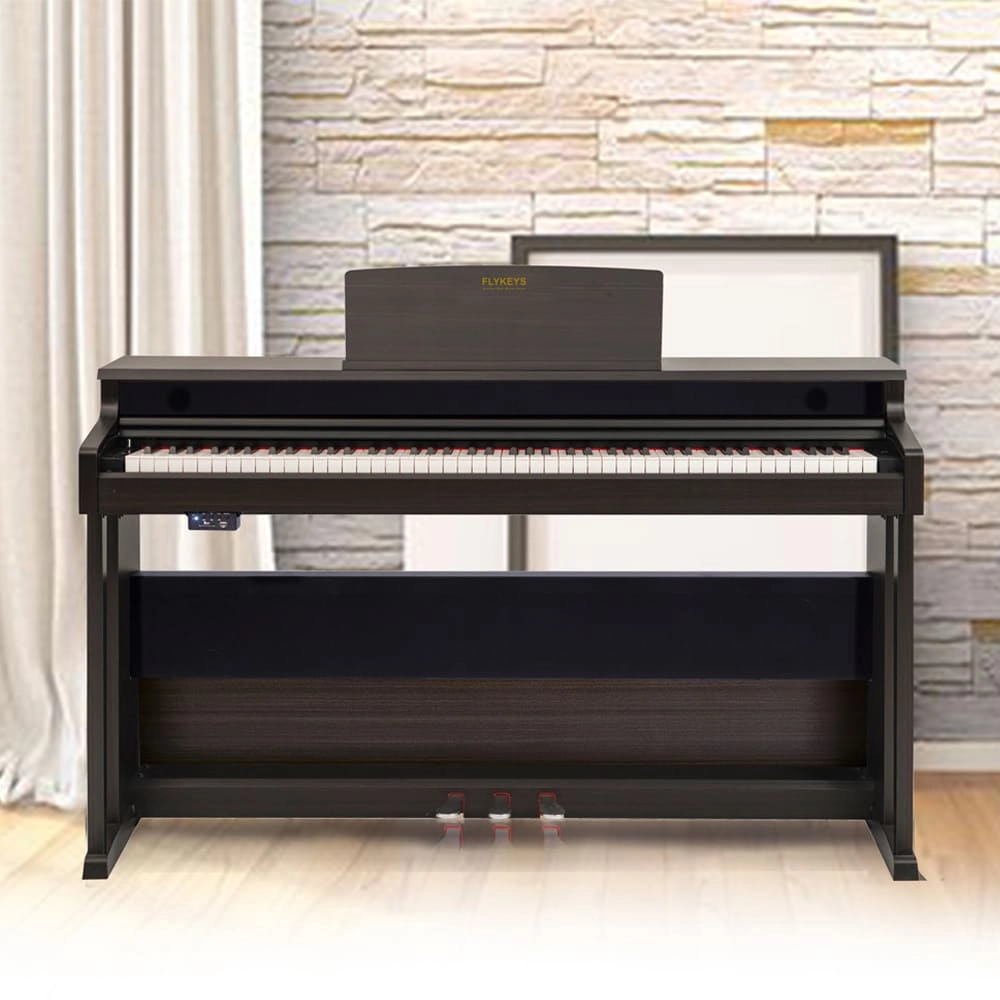
Flykeys Upright Piano Wooden Panel 88 KEYS Piano FK130 Digital Piano
Get in touch with us
Have a question or inquiry about our digital pianos products? Leave us a message here and our team will get back to you promptly within 24 hours.
Whether you're interested in custom orders, technical specifications, or partnership opportunities, we're here to assist you.
Rest assured that your privacy is important to us, and all information provided will be handled with the utmost confidentiality.
Address: No. 38 Xiangshan Avenue, Zengcheng Economic And Technological Development Zone, Guangzhou, China.
FOLLOW US:


© 2026 FLYKEYS All Rights Reserved. 粤 ICP备2020102774号. Designed by gooeyun. Sitemap | Privacy | Terms