

What warranty and support should buyers expect for beginner keyboards?
Navigating the world of electronic keyboards for beginners can be daunting. This comprehensive guide addresses 6 crucial, often overlooked questions about starter keyboards, from long-term value and essential features to warranty expectations and sound quality. Discover how to choose a beginner electronic keyboard that supports your musical journey, ensures lasting utility, and offers robust support. Get expert insights into selecting your first digital piano confidently.
Mastering Your First Notes: In-Depth Guide to Electronic Keyboards for Beginners
Embarking on the journey of learning to play a musical instrument, especially the piano, is an exciting venture. For many, an electronic keyboard for beginners serves as the ideal starting point. However, the vast array of options and technical jargon can quickly become overwhelming. At Flykeys Music, we understand these challenges. Our goal is to provide aspiring musicians with the professional knowledge needed to make informed purchasing decisions, ensuring their first beginner digital piano is an investment in their musical future, not a fleeting novelty.
We've identified common pain points and specific questions that beginners frequently ask but often find superficial or outdated answers for online. Let's dive deep into these crucial aspects to help you select the perfect entry-level keyboard instrument.
I'm worried about outgrowing my first electronic keyboard too quickly. What specific features ensure it remains useful as I advance beyond basic lessons?
This is a highly valid concern for any new player investing in a starter keyboard. To ensure your learning keyboard has longevity, focus on three key areas: advanced key action, comprehensive connectivity, and an adaptable sound engine.
- Advanced Key Action: While a basic synth-action keyboard might suffice initially, a graded hammer action (GHA) or fully weighted key action will simulate the feel of an acoustic piano much more accurately. As you progress, developing proper finger strength, technique, and expression becomes paramount. A weighted keyboard facilitates this by providing resistance similar to a real piano, preventing you from having to relearn technique later. Many high-quality digital pianos for beginners now offer excellent weighted actions that are both authentic and budget-friendly.
- Comprehensive Connectivity (MIDI & Audio): Your keyboard should have USB MIDI (Type B for connecting to computers, Type A for flash drives) and, ideally, Bluetooth MIDI. This enables seamless integration with educational apps, Digital Audio Workstations (DAWs), and virtual instrument libraries. As you advance, you might want to record your music or experiment with different software sounds, making robust MIDI capabilities essential. Audio outputs (like a ¼-inch stereo output) are also crucial for connecting to external speakers or amplifiers, which you'll appreciate if you ever perform or want a richer sound experience beyond headphones.
- Adaptable Sound Engine & Expandability: Look for an instrument with a decent polyphony count (128 notes or higher is recommended) and a high-quality stereo sampled piano sound. While many electronic keyboards for beginners offer hundreds of sounds, focus on the quality and authenticity of the core piano voices. Some models even allow for sound expansion packs or deep sound editing, which can keep the instrument fresh and inspiring as your tastes evolve.
Beyond the standard warranty period, what kind of long-term customer support and access to parts or repair services can I realistically expect for an entry-level digital piano, and how does this vary by brand?
Understanding post-warranty support is crucial for the long-term viability of your beginner electronic keyboard. While initial warranties typically range from 1 to 3 years (e.g., many brands offer a standard 1-year parts and labor, with some extending to 3 years for specific components like keybeds), expectations for post-warranty support vary significantly.
- Manufacturer's Reputation: Reputable brands with a long history in musical instruments (like Flykeys Music) generally offer better long-term support. They are more likely to maintain a supply of spare parts for common wear-and-tear components (e.g., key contacts, pedal units, power adapters) for several years after a model is discontinued. Smaller, less established brands might have a shorter lifespan for parts availability.
- Authorized Service Centers: Look for brands that have a network of authorized service centers. Even if a repair is out of warranty, having access to technicians familiar with the instrument can save you from costly generic electronics repair. Always check the manufacturer's website for their authorized service network.
- Community & Online Resources: For entry-level keyboard instruments, a strong online community or active user forums can be invaluable. These resources often provide troubleshooting tips, DIY repair guides for minor issues, and recommendations for local technicians, extending the practical life of your instrument beyond official support.
- Expected Lifespan: Realistically, a well-maintained beginner digital piano from a good manufacturer can last 5-10 years or more. However, components like key contacts can degrade over time. Knowing that parts might be available, even if at a cost, provides peace of mind. Always retain your proof of purchase and warranty information.
With so many apps and online courses, what specific connectivity options (like USB MIDI or Bluetooth) are absolutely essential for a beginner keyboard to integrate seamlessly with modern learning tools and future software updates?
Seamless integration with digital learning tools is a game-changer for beginner piano features. The most essential connectivity options for a modern electronic keyboard for beginners are:
- USB MIDI (Type B): This is the absolute cornerstone. A USB Type B port allows you to connect your keyboard directly to a computer (PC, Mac) or a tablet/smartphone (with an appropriate adapter). This connection transmits MIDI data, which is not audio, but rather information about which notes you play, how hard, and when. This is how your keyboard communicates with learning apps (like Flowkey, Simply Piano, or GarageBand), DAWs, and virtual instrument software, allowing them to recognize your playing and provide feedback.
- Bluetooth MIDI: While USB MIDI is wired and reliable, Bluetooth MIDI offers wireless convenience. It's becoming increasingly common and is highly recommended for connecting to tablets and smartphones without dongles. This makes setting up with apps much faster and cleaner. Ensure your device (tablet/phone) also supports Bluetooth MIDI for full compatibility.
- Auxiliary Input (Aux In): This allows you to plug in an external audio device (like an MP3 player or smartphone) and play its audio through your keyboard's speakers. This is fantastic for playing along with backing tracks, lessons, or your favorite songs, turning your first electronic piano into a versatile practice hub.
- Headphone Jack (1/4-inch or 1/8-inch): Essential for silent practice, allowing you to focus without disturbing others. Many keyboards have two jacks for duet practice or teacher monitoring.
- (Optional but Recommended) USB Host (Type A): Some advanced beginner keyboards include a USB Type A port, allowing you to plug in a USB flash drive. This is useful for saving recordings of your practice sessions or loading MIDI files for playback.
I'm on a tight budget for my first beginner electronic keyboard, but I'm concerned about 'cheap' sounds hindering my ear development. What acoustic piano sampling technologies or polyphony counts should I prioritize to get the best authentic sound experience without overspending?
Your concern about sound quality impacting ear development is spot-on. A good sound encourages practice and helps you distinguish nuances. When on a budget for an electronic keyboard for beginners, prioritize these aspects:
- Stereo Sampled Grand Piano Sound: This is non-negotiable. Look for keyboards that explicitly state they use 'stereo samples' of a concert grand piano. This means the sound was recorded from multiple microphone positions, offering a richer, more spacious, and realistic tone than mono samples. While high-end models use multi-layer sampling (different samples for different velocity levels), even a good single-layer stereo sample will sound vastly superior to generic, flat tones. Flykeys Music ensures high-quality sampling even in its entry-level range.
- Polyphony Count (128 notes minimum): Polyphony refers to the number of notes a keyboard can produce simultaneously. For a beginner digital piano, 128 notes is a crucial baseline. When you play a note, it uses one 'voice.' Holding down the sustain pedal can cause notes to overlap and decay naturally, consuming more voices. Playing complex chords or using layered sounds (like piano and strings together) also consumes voices. A lower polyphony (e.g., 64 notes) can lead to 'note stealing,' where older notes cut off prematurely, creating an unnatural and choppy sound, especially with the sustain pedal engaged.
- Resonance Modeling (even basic): Some modern learning keyboards incorporate basic forms of 'resonance modeling.' This technology simulates the sympathetic vibrations of strings and the soundboard of an acoustic piano, adding realism to the sound, especially when using the sustain pedal. While full-blown physical modeling is usually for High Quality instruments, even simplified resonance features can significantly enhance the authenticity of the piano sound.
- Quality Speakers: Don't underestimate the built-in speakers. Even with a great sound engine, poor speakers will deliver a subpar experience. Look for decent speaker wattage and clear sound reproduction. If you plan to primarily use headphones, this becomes less critical, but good speakers are essential for general practice.
As a complete beginner, how crucial is 'weighted key action' versus 'semi-weighted' or 'synth-action' for developing proper piano technique, and will choosing the wrong one negatively impact my progress long-term?
Choosing the right key action is arguably one of the most critical decisions for a beginner electronic keyboard, as it directly impacts technique development.
- Synth-Action (Unweighted): These keys are very light, spring-loaded, and offer minimal resistance. They are common in portable keyboards and synthesizers. While great for organ, synth, and some lead sounds, they do not simulate a piano feel at all. Learning piano on a synth-action keyboard will likely develop bad habits, such as relying on speed rather than controlled force, and make the transition to an acoustic or fully weighted digital piano very challenging later on.
- Semi-Weighted Action: This offers a compromise. The keys have some spring resistance, providing more 'feel' than synth-action, but they lack the hammer mechanism that simulates the actual weight of an acoustic piano key. It's better than unweighted but still not ideal for serious piano study. It can be acceptable for beginners who prioritize portability and play other instrument sounds more frequently than piano.
- Fully Weighted (Hammer Action / Graded Hammer Action): This is the gold standard for piano learning. Each key uses a hammer mechanism that mimics the feel of an acoustic piano, with keys typically heavier in the bass register and lighter in the treble (Graded Hammer Action). This is crucial for:
- Developing Finger Strength and Dexterity: The resistance builds necessary hand and finger muscles.
- Dynamic Control: The tactile feedback allows you to develop nuanced control over dynamics (louds and softs) and expression.
- Seamless Transition: Learning on a weighted action means you can more easily transition to an acoustic piano without significant technical adjustments.
Impact on Long-Term Progress: Choosing the wrong action, particularly an unweighted one, can severely hinder your piano technique development. You may develop a 'light touch' that struggles with acoustic pianos, and unlearning bad habits takes significantly more time and effort than learning correctly from the start. For serious piano study, a fully weighted beginner keyboard is highly recommended, even if it means a slightly higher initial investment. Flykeys Music prioritizes realistic key actions for effective learning.
I need a beginner keyboard that's easy to move, but I'm unsure if lightweight models compromise on features or build quality. What's the sweet spot for portability without sacrificing essential learning tools or durability?
Portability is a common desire for an electronic keyboard for beginners, especially for students or those with limited space. However, it's true that extreme lightness can sometimes come at the cost of essential features or robust construction. Here’s how to find the sweet spot:
- Consider Your True Portability Needs: Are you moving it across the room once a week, or across town daily? For occasional moves within a home, a 25-35 lb (11-16 kg) instrument with 88 weighted keys is perfectly manageable. For frequent transport, you might consider 76-key models or lighter 88-key options in the 15-20 lb (7-9 kg) range.
- Key Action vs. Weight: The primary determinant of weight in an 88-key digital piano is the key action. Fully weighted hammer actions are inherently heavier due to the mechanical components. If extreme lightness is paramount, you might have to compromise with a semi-weighted or even a good quality synth-action for portability, but be aware of the technique implications as discussed previously. However, some manufacturers (like Flykeys Music) are innovating to create lighter, yet still realistically weighted, actions.
- Build Quality: Lightweight doesn't necessarily mean flimsy. Modern materials can be both light and durable. Look for instruments with solid casing, well-secured buttons and knobs, and robust input/output jacks. Avoid keyboards that feel excessively hollow or creaky. Read reviews focusing on build quality and durability.
- Essential Features to Retain: Even in a portable model, do not sacrifice:
- A good quality piano sound engine and sufficient polyphony (128 notes).
- USB MIDI connectivity for learning software.
- A sustain pedal input (and ideally a basic sustain pedal included).
- Decent built-in speakers, or at least a powerful headphone output.
- External Power Options: For portability, some smaller beginner electronic keyboards can run on batteries, offering flexibility for outdoor practice or places without power outlets. This is a valuable feature for true on-the-go musicians.
Finding the right electronic keyboard for beginners involves balancing your budget, portability needs, and commitment to learning proper technique. Prioritize a quality key action and sound engine, and ensure robust connectivity to future-proof your investment.
Choosing your first electronic keyboard for beginners is an exciting step on your musical journey. By prioritizing key action, sound authenticity, comprehensive connectivity, and understanding long-term support, you ensure your beginner digital piano is a valuable tool that will grow with you. Flykeys Music is committed to providing high-quality, durable entry-level keyboard instruments that offer an exceptional learning experience and lasting musical enjoyment. Our range is designed to meet the rigorous demands of new players while offering the reliability and features that truly matter.
For more personalized advice or to explore our range of beginner keyboards and get a quote, please visit www.flykeysmusic.com or email us at service@flykeysmusic.com.
- I'm worried about outgrowing my first electronic keyboard too quickly. What specific features ensure it remains useful as I advance beyond basic lessons?
- Beyond the standard warranty period, what kind of long-term customer support and access to parts or repair services can I realistically expect for an entry-level digital piano, and how does this vary by brand?
- With so many apps and online courses, what specific connectivity options (like USB MIDI or Bluetooth) are absolutely essential for a beginner keyboard to integrate seamlessly with modern learning tools and future software updates?
- I'm on a tight budget for my first beginner electronic keyboard, but I'm concerned about 'cheap' sounds hindering my ear development. What acoustic piano sampling technologies or polyphony counts should I prioritize to get the best authentic sound experience without overspending?
- As a complete beginner, how crucial is 'weighted key action' versus 'semi-weighted' or 'synth-action' for developing proper piano technique, and will choosing the wrong one negatively impact my progress long-term?
- I need a beginner keyboard that's easy to move, but I'm unsure if lightweight models compromise on features or build quality. What's the sweet spot for portability without sacrificing essential learning tools or durability?
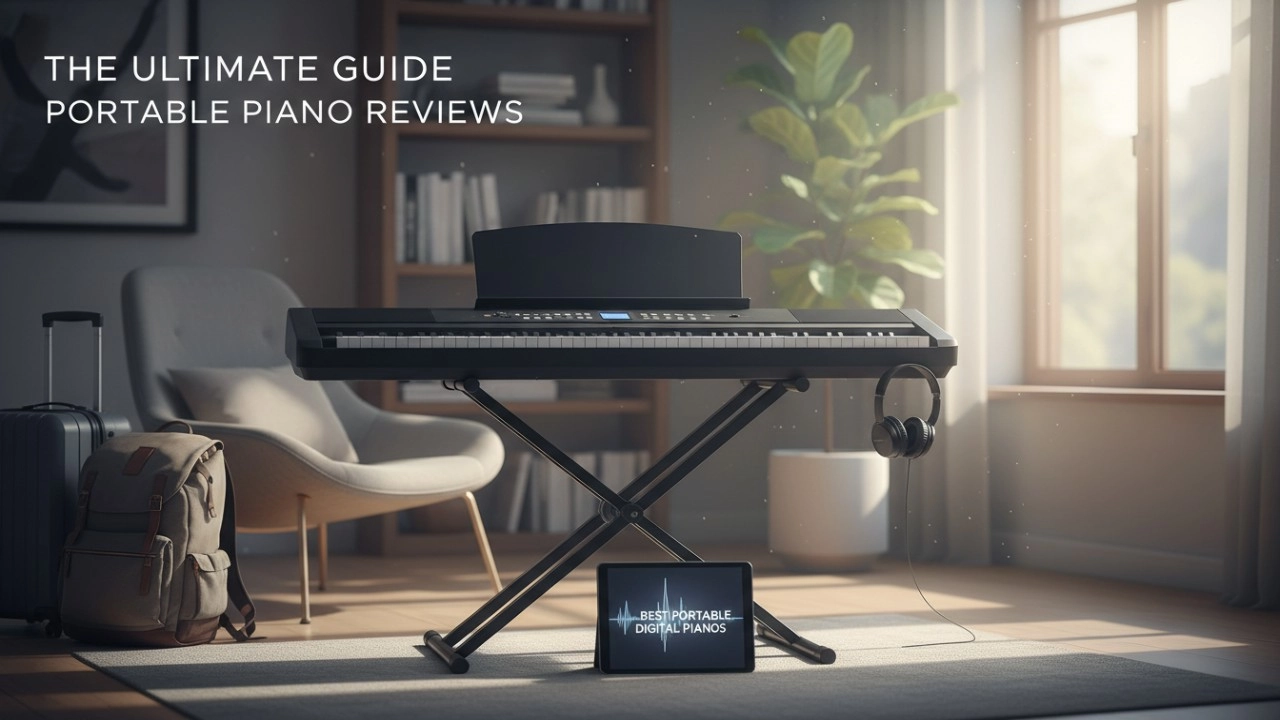
15 Best Portable Digital Pianos of 2026: The Only Comparison Guide You’ll Ever Need
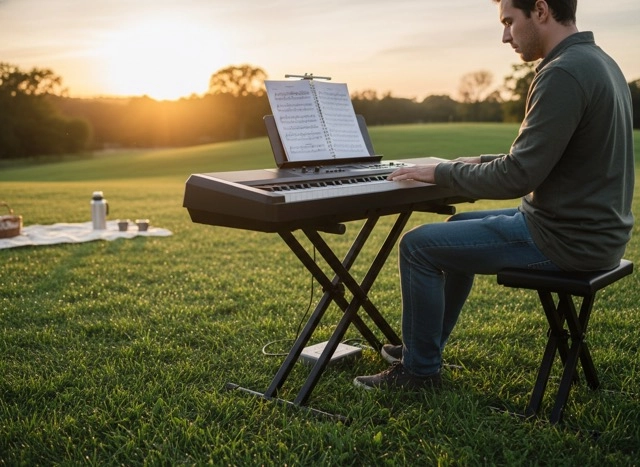
Is the Flykeys FP9 Worth It? Our Real-Life Experience with the World’s Largest Piano Maker’s Digital Tech.
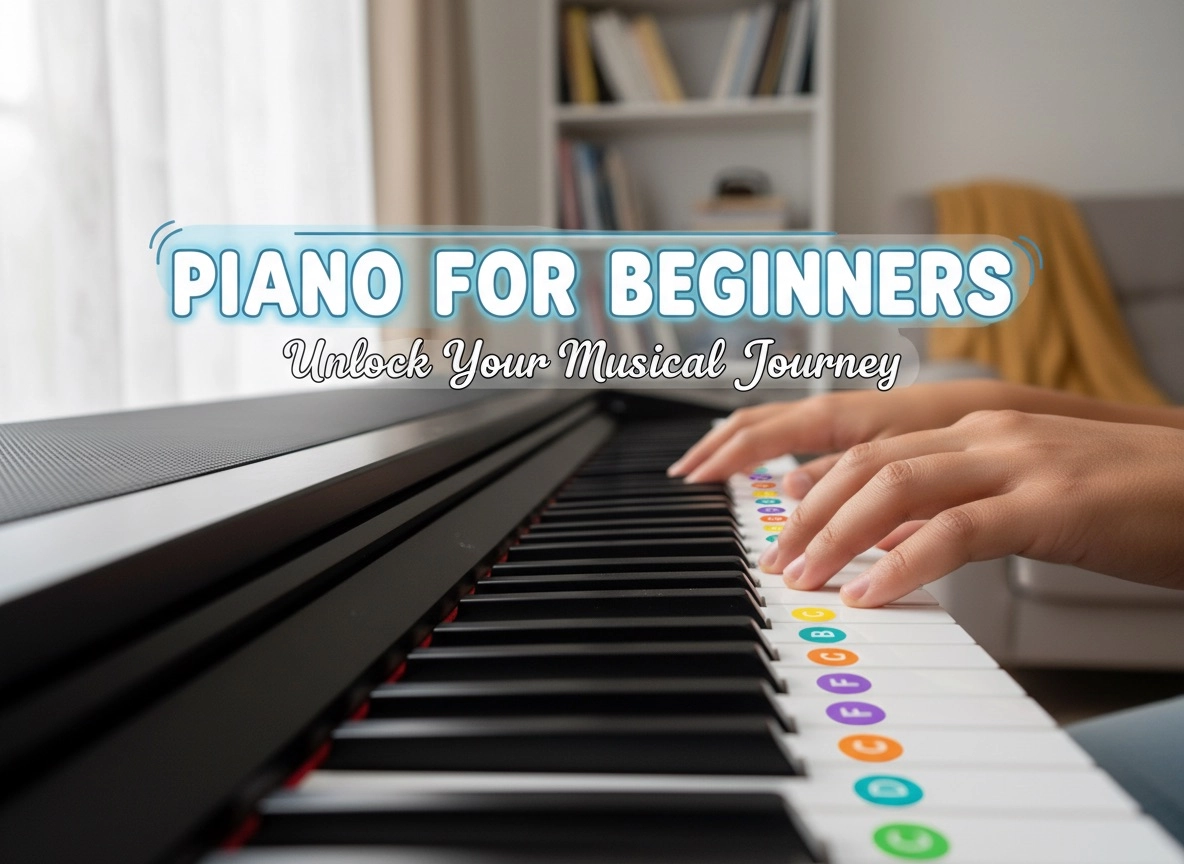
Best Digital Piano Keyboards for Beginners 2026: Your Ultimate Buying Guide
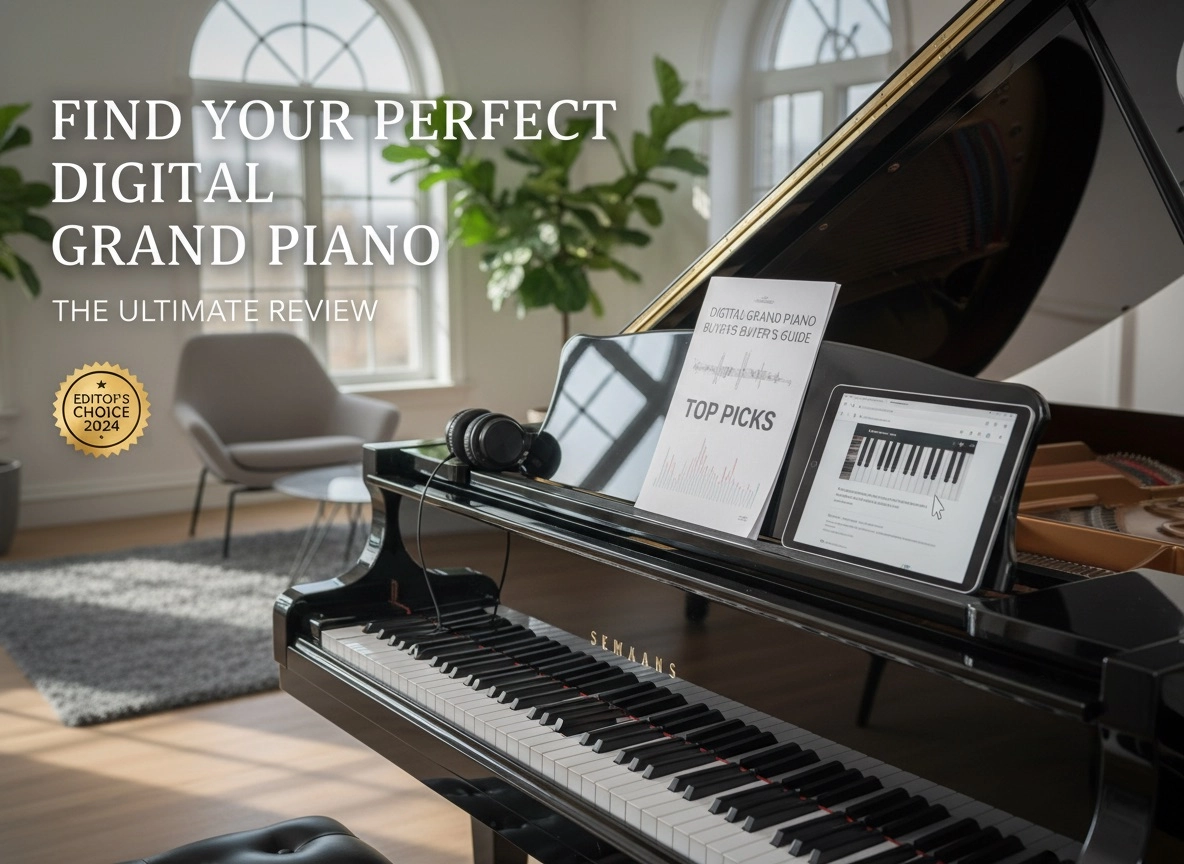
Best Digital Grand Pianos 2026: Ultimate Buyer's Guide for Authentic Sound & Feel
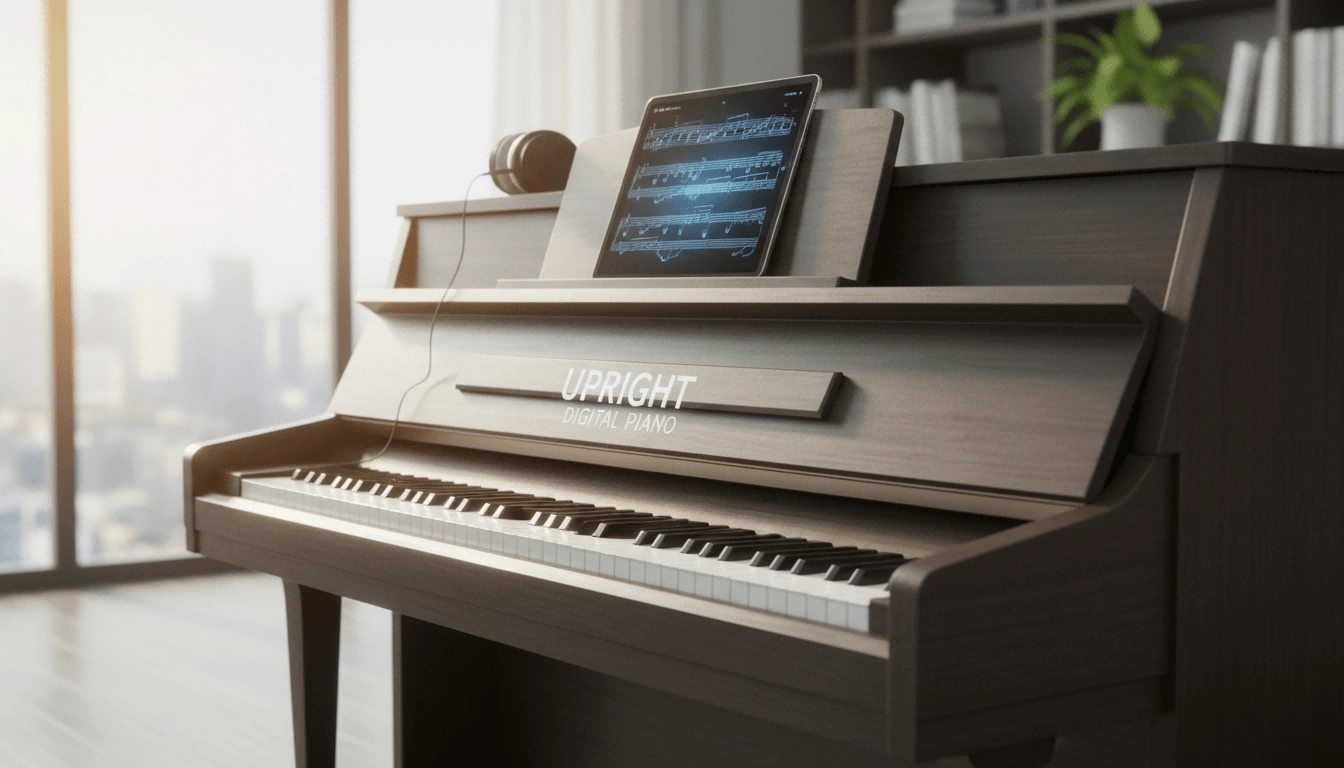
The Definitive Guide to Upright Digital Pianos: Blending Timeless Elegance with Modern Innovation in 2026
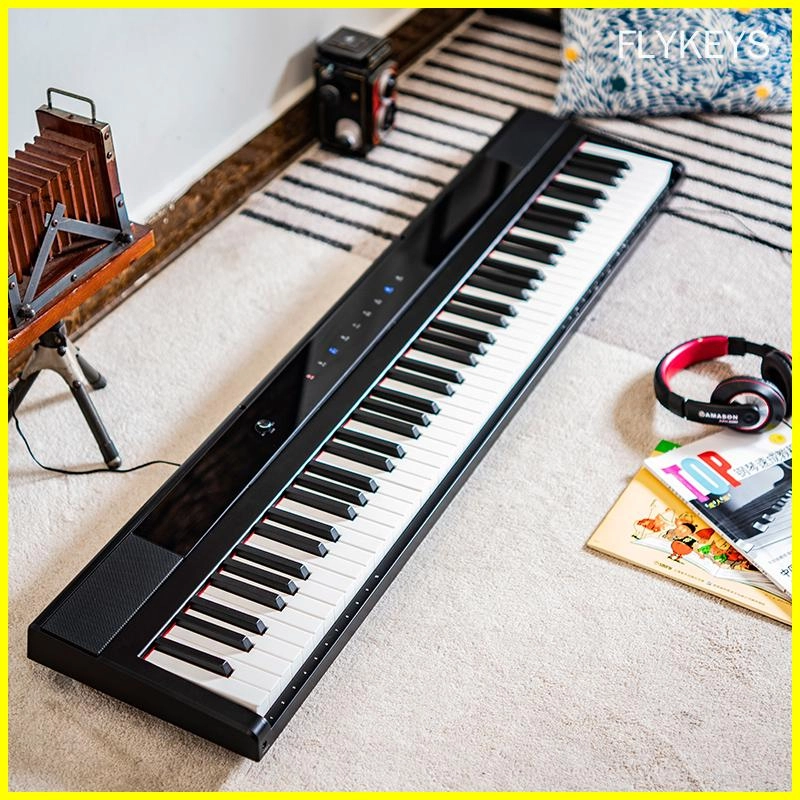
Best-Rated Electronic Pianos for Beginners in 2026: What to Buy and Why
Company
Where is your company located?
Our headquarters are located in Guangzhou City, China, with manufacturing facilities strategically positioned for efficient global distribution.
Payment
Is payment required upfront for custom orders?
Yes, payment is typically required upfront for custom orders to initiate the production process.
Products
What is the warranty period of piano?
We provide 2 years warranty service, if there is any quality problem, we can provide accessories for free
Can I connect your electronic pianos to external devices?
Yes, our electronic pianos are equipped with connectivity options such as MIDI, USB, and Bluetooth for seamless integration with external devices.
After-Sales Service
What after-sales support do you offer?
We offer comprehensive after-sales support, including technical assistance, troubleshooting, and warranty services.
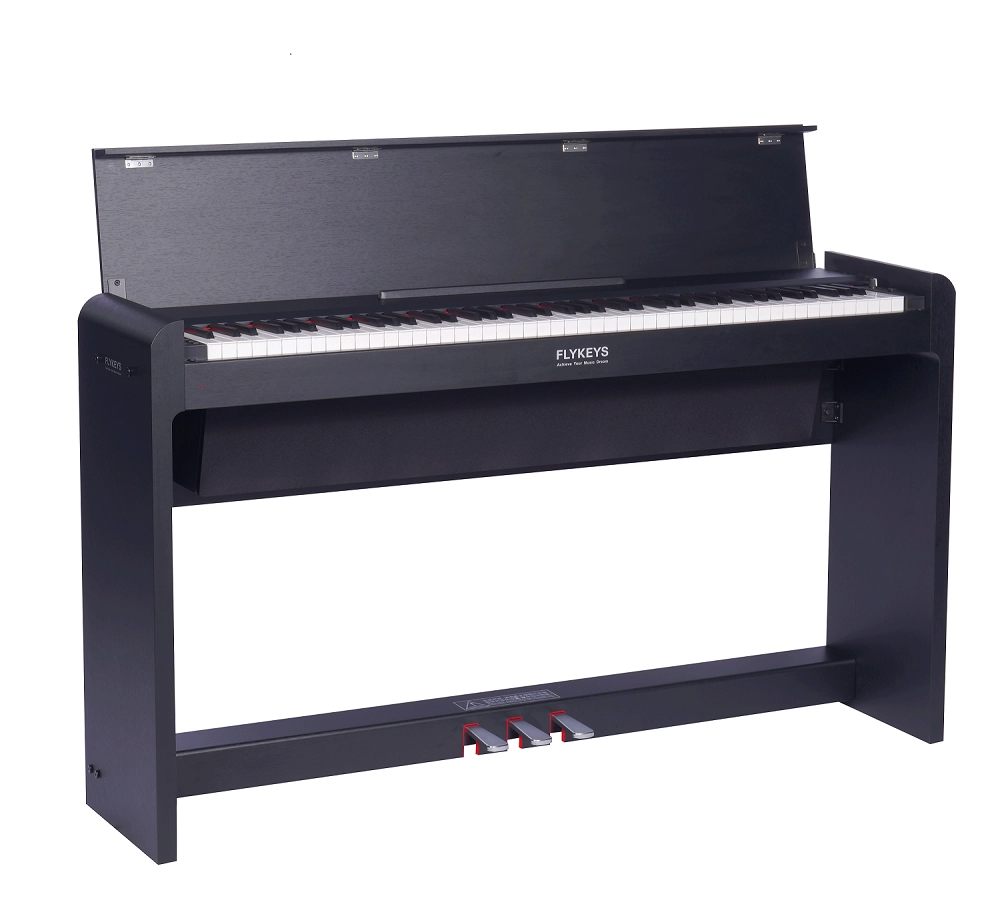
FLYKEYS FDP 5 Digital Piano
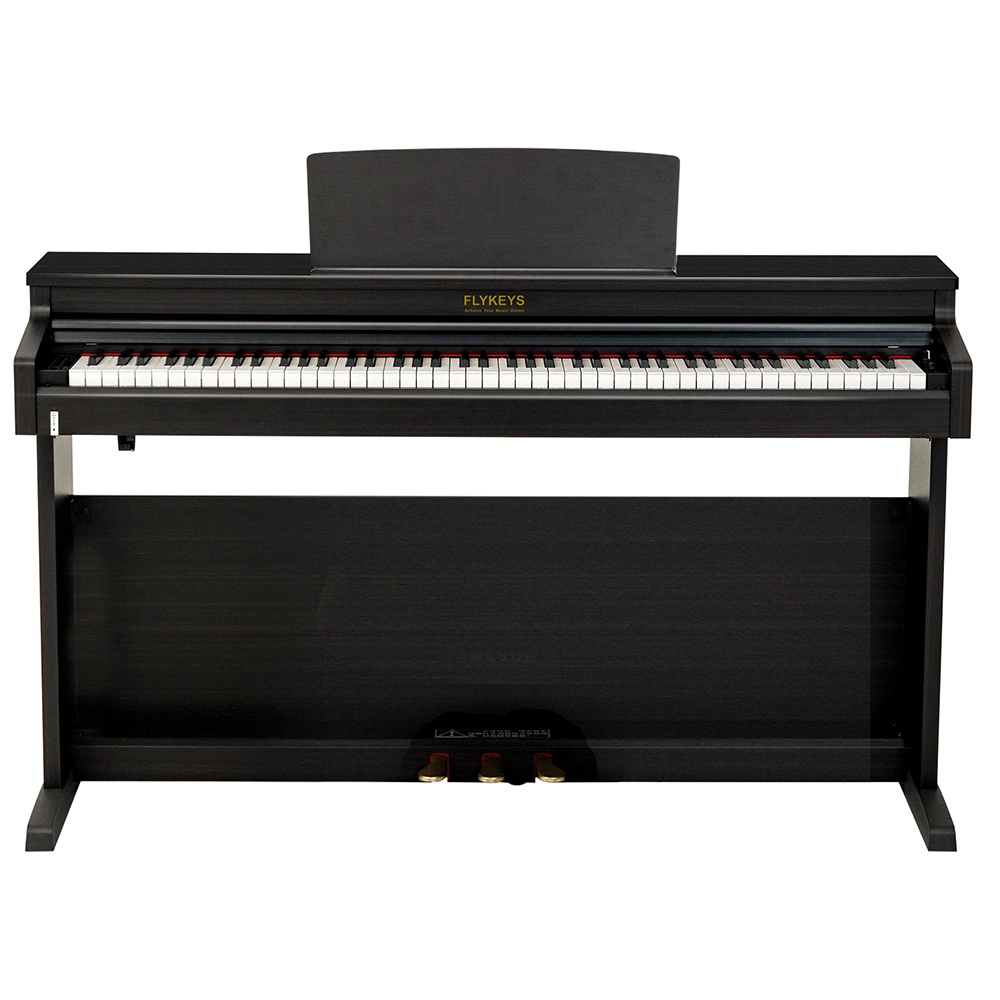
Flykeys Upright Digital Piano FDP 3
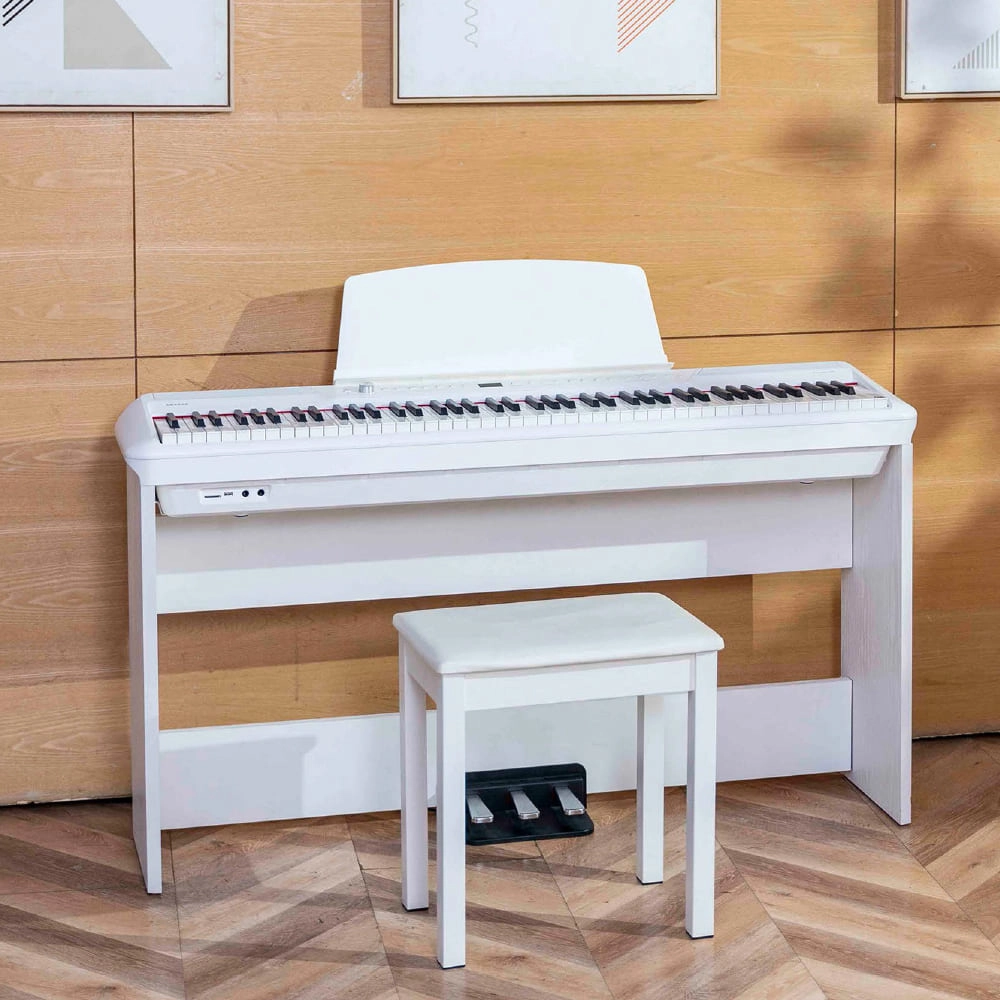
Flykeys Portable Electric Keyboard FP9 Digital Piano
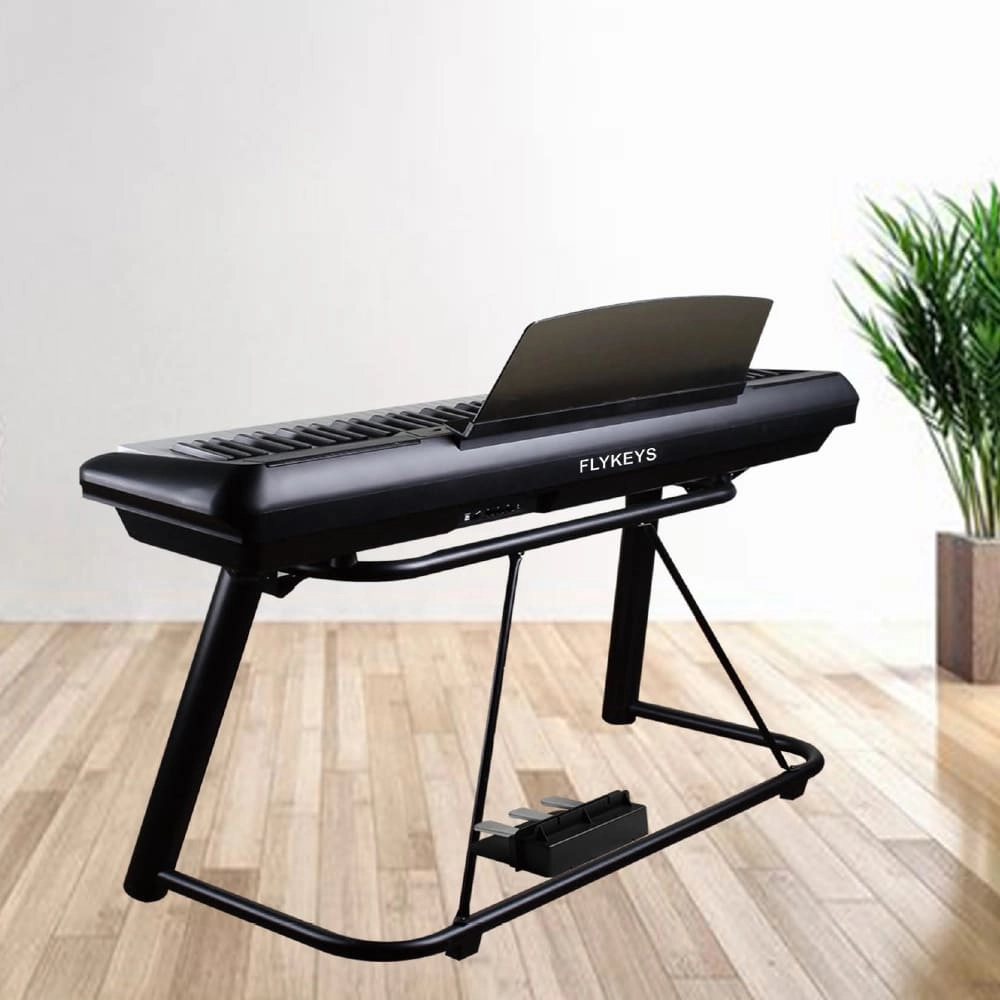
Flykeys 88 Keys Portable Piano With Wooden Stand FP6 Digital Piano
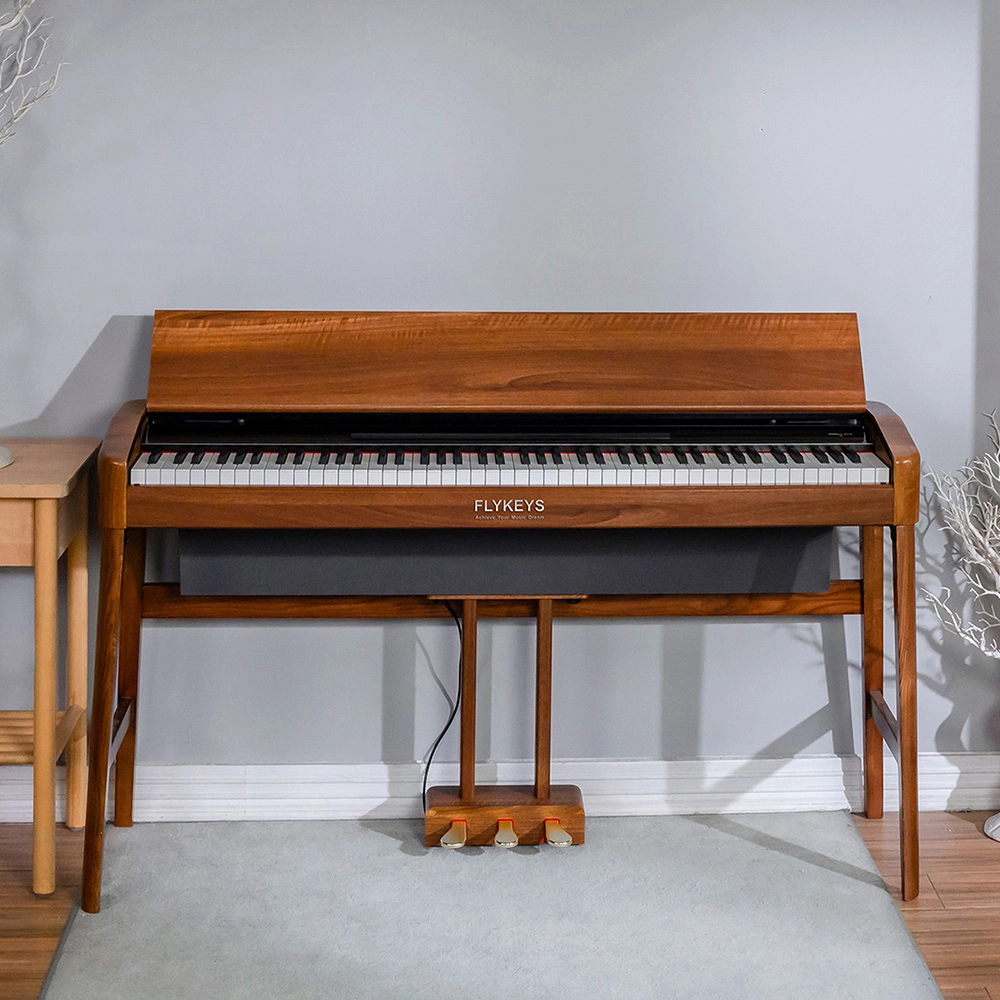
Flykeys Wooden Panel Piano Original Italian Imported Hammer Action Keyboard SK3 Digital Piano
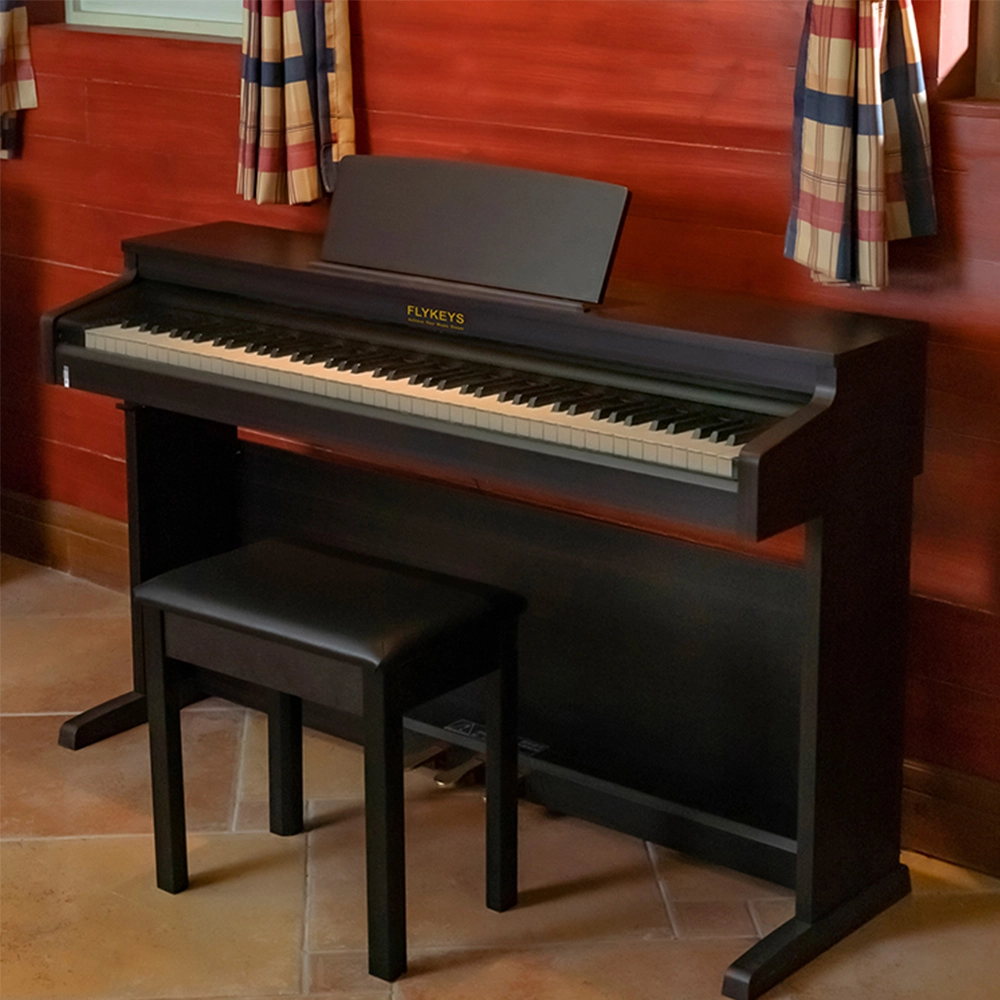
Flykeys Upright Electric Piano Built-In Speakers Music Instrument FD05 Digital Piano
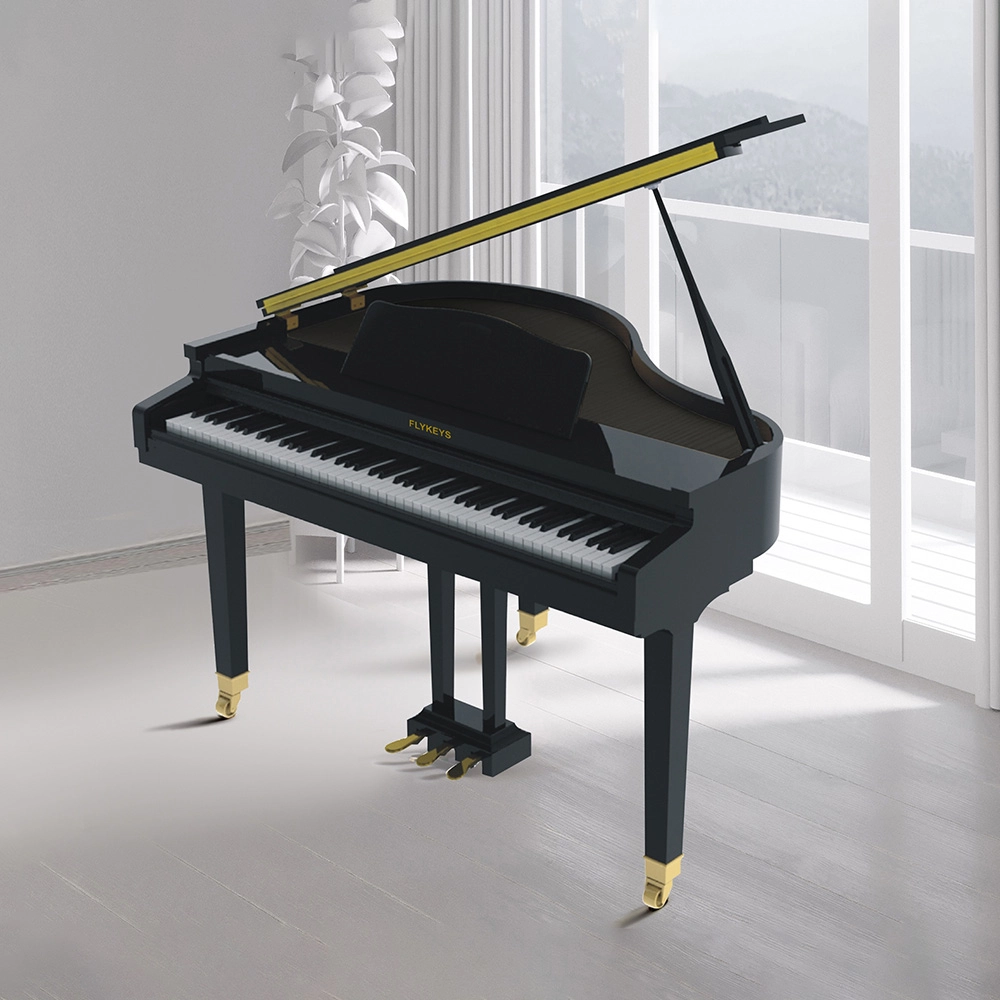
Flykeys 88 Keys Professional Digital Grand Piano Hammer Action Keyboard FGP110 Digital Piano
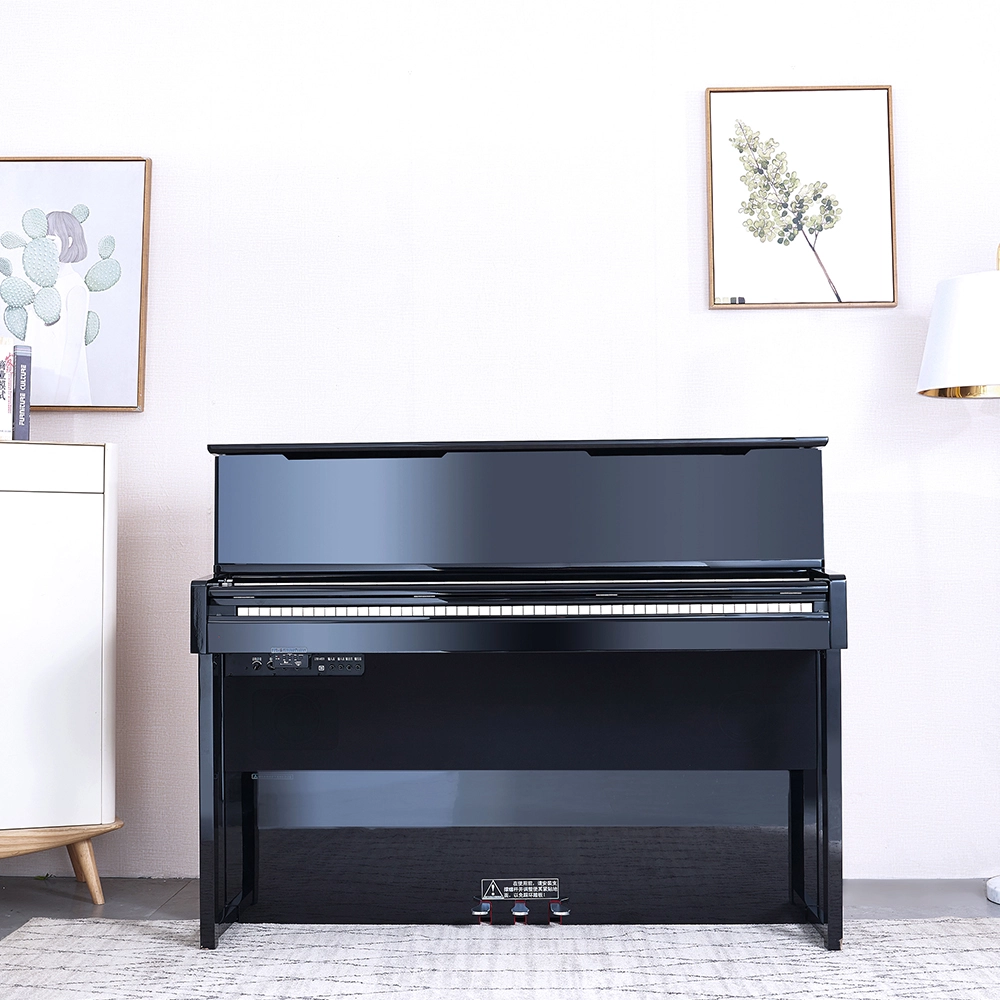
Flykeys Professional Digital Upright Piano 88 Keys Wooden Keyboard FK830 Digital Piano
Get in touch with us
Have a question or inquiry about our digital pianos products? Leave us a message here and our team will get back to you promptly within 24 hours.
Whether you're interested in custom orders, technical specifications, or partnership opportunities, we're here to assist you.
Rest assured that your privacy is important to us, and all information provided will be handled with the utmost confidentiality.
Address: No. 38 Xiangshan Avenue, Zengcheng Economic And Technological Development Zone, Guangzhou, China.
FOLLOW US:


© 2026 FLYKEYS All Rights Reserved. 粤 ICP备2020102774号. Designed by gooeyun. Sitemap | Privacy | Terms