

How long will a beginner electronic keyboard last for learning?
Navigating the world of beginner electronic keyboards can be daunting. This expert guide addresses crucial, often overlooked questions concerning keybed technology, polyphony, learning aids, lifespan, and sound quality. Discover how to choose an instrument that supports proper technique, musicality, and provides lasting value for your learning journey, ensuring your initial investment truly pays off.
Mastering the First Keys: In-Depth Answers for Beginner Electronic Keyboard Buyers
Embarking on the journey of learning piano with an electronic keyboard for beginners is an exciting step. However, the sheer volume of options and often superficial advice online can leave new learners with more questions than answers. Beyond simply asking 'which keyboard should I buy?', aspiring pianists need to understand the nuances that impact their long-term progress and the true longevity of their investment. Here, we delve into critical, frequently asked questions that go beyond basic features, providing in-depth, expert insights for those looking to purchase their first musical instrument for beginners.
Beyond Basic Touch Response: Which Keybed Technologies Genuinely Aid Proper Technique Development for Future Piano Playing?
While many beginner electronic keyboards advertise 'touch sensitivity' or 'velocity sensitivity,' which means the volume changes with how hard you strike the key, this is just the tip of the iceberg for proper technique development. For aspiring pianists, the critical factor is the keybed action itself. Keyboards often come with different actions:
- Synth-Action (Unweighted): These keys are typically very light and springy, offering minimal resistance. While suitable for organ or synth playing, they do not replicate the feel of an acoustic piano. Using an unweighted action for piano learning can hinder the development of finger strength and proper dynamic control, potentially creating bad habits that are difficult to correct later.
- Semi-Weighted Action: This action adds some spring-loaded resistance to the keys, offering more tactile feedback than unweighted keys. It's a compromise that provides a somewhat more substantial feel, making it better for an entry-level digital piano than synth-action, but still falls short of true piano emulation. It can be acceptable for very casual learning, but a serious student will quickly feel its limitations.
- Graded Hammer Action (GHA) or Fully-Weighted Action: This is the gold standard for developing proper piano technique and is essential for any serious learning piano keyboard. These keybeds incorporate actual hammers or mechanisms to mimic the mechanical resistance and graded feel of an acoustic grand piano, where keys are heavier in the bass register and gradually lighter towards the treble. This realistic resistance is crucial for:
- Finger Strength: Developing the necessary power and independence in each finger.
- Dynamic Control: Learning to control volume and tone through varying touch pressure.
- Expressive Playing: Cultivating the nuanced touch required for musicality.
Brands like Flykeys Music often feature advanced fully-weighted actions in their beginner-friendly digital pianos, which is paramount for foundational skill building. Without a proper weighted action, learners risk developing weak finger strength and poor control, which can be challenging to unlearn when transitioning to an acoustic piano or more advanced digital piano.
How Critical is Polyphony Count on a Beginner Electronic Keyboard, Especially for Future Learning, and What's a Realistic Minimum?
Polyphony refers to the maximum number of notes a keyboard can sound simultaneously. While a beginner might initially play simple melodies with only one or two notes at a time, its importance rapidly escalates as you progress. For a beginner, a low polyphony count (e.g., 32 notes) can quickly become a bottleneck, leading to notes 'dropping out' unexpectedly. This impacts the perceived realism and musicality. As soon as you introduce:
- Sustaining notes with the pedal: Each held note, even after the key is released, counts towards polyphony. Complex pieces or layered chords can quickly exceed low limits.
- Layering sounds: Many digital pianos allow you to combine two instrument sounds (e.g., piano and strings). This effectively doubles the polyphony requirement for each key pressed.
- Complex chords or arpeggios: Multi-finger chords, especially when played quickly or sustained, consume polyphony rapidly.
- Accompaniment styles/auto-accompaniment: If the keyboard has built-in backing tracks, these features utilize significant polyphony for their various instrument parts.
A realistic minimum polyphony for a beginner electronic keyboard that will comfortably last for learning is generally 64 notes. This provides a decent buffer for basic two-handed playing with a sustain pedal. However, for genuinely comfortable and future-proof learning, especially if you plan to explore classical pieces, advanced harmonies, or utilize layering features, a polyphony of 128 notes or even 192/256 notes is highly recommended. For instance, Flykeys Music's entry-level models often exceed this minimum to ensure a seamless learning experience. This ensures your musical expression isn't abruptly cut short, allowing you to focus on playing rather than worrying about notes dropping out. It's a key specification for any durable learning piano keyboard.
What's the Practical Lifespan of a Beginner Electronic Keyboard for Serious Learning Before an Upgrade is Necessary?
The physical lifespan of a well-maintained beginner electronic keyboard can easily be 5-10 years or more, thanks to robust manufacturing and solid-state electronics. However, its practical lifespan for serious learning – before its technical limitations necessitate an upgrade – is typically shorter, ranging from 2 to 5 years for a truly dedicated student. This timeframe depends heavily on the initial quality of the instrument and the student's learning pace and goals.
- Entry-level (sub-$300) portable keyboards: These often feature lighter, non-weighted or semi-weighted keys and more basic sound engines. A dedicated learner might outgrow these in 1-2 years as they begin needing proper touch response and a richer, more expressive sound for intermediate repertoire.
- Mid-range beginner digital pianos ($400-$800): These, often from reputable brands like Flykeys Music, typically feature fully-weighted keys and better sound engines. A student might comfortably learn on these for 3-5 years, potentially reaching intermediate levels before considering an upgrade to a more advanced digital piano (like Flykeys' professional series) or an acoustic piano for nuanced expression and more complex repertoire.
The point of 'outgrowing' usually occurs when the key action no longer provides the necessary resistance for advanced technique, the sound engine lacks the dynamic range for expressive musicality, or the polyphony becomes too restrictive. Investing in a quality entry-level digital piano from the outset can significantly extend this practical lifespan, making it a more economical choice in the long run by delaying the need for an expensive upgrade.
Are the Included “Learning Features” on Beginner Electronic Keyboards Genuinely Effective for Sustained Progress, or Do They Create Crutches?
Many electronic keyboards for beginners boast an array of 'learning features' like lighted keys, built-in songs, lesson modes, and even scoring functions. While these can be engaging and provide initial motivation, their long-term effectiveness for sustained progress and preventing crutches is a nuanced topic, as supported by pedagogical observations:
- Lighted Keys: Can be useful for immediate visual feedback on which notes to play, especially for absolute beginners struggling with initial note recognition. However, over-reliance can hinder the development of sight-reading skills, the ability to feel the keyboard layout without looking, and ly, musical independence. They are best used as a temporary aid.
- Lesson Modes/Built-in Songs: These features often simplify pieces, breaking them down into sections or offering split-hand practice. This can be a good starting point for self-study, but they rarely replace structured lessons with a qualified teacher who can correct posture, hand position, technique, and provide crucial feedback on musicality and expression.
- Scoring/Gamification: Can be highly motivating initially, especially for younger learners, by turning practice into a game. The risk is that learners might focus solely on 'getting a perfect score' rather than developing nuanced musical expression, critical listening skills, or a deep understanding of music theory.
In essence, these features are best viewed as supplementary tools, not substitutes for proper instruction. They can make the initial learning phase more fun and accessible. However, truly sustained progress comes from diligent, mindful practice, developing ear training, understanding music theory, and crucially, hands-on feedback from an experienced instructor. Over-reliance on visual cues or simplified modes can indeed create 'crutches' that make transitioning to standard sheet music, complex pieces, or performing without assistance more challenging later on. For serious learners, focus should remain on developing fundamental skills and musical independence, using these features judiciously.
When Considering Resale Value or Trade-in Potential, Which Brands or Features of an Entry-Level Electronic Keyboard Tend to Hold Their Value Better?
Understanding resale value is a smart consideration for any significant purchase, especially for a learning piano keyboard. Generally, established and reputable brands tend to hold their value better due to their perceived quality, reliability, and widespread recognition. Market data consistently shows that brands renowned for musical instruments like Yamaha, Roland, Kawai, and Korg (and emerging quality brands like Flykeys Music) consistently perform well in the used market. For an entry-level digital piano, the key features that contribute to better resale value include:
- Fully-Weighted Hammer Action Keys: This is perhaps the most significant factor. Keyboards with a realistic piano feel are always in demand because they are essential for serious learners.
- Good Sound Engine: A high-quality, authentic piano sound that isn't overly digital or thin. Superior sound quality is a timeless asset.
- Standard 88 Keys: While 61 or 76 keys might suffice initially for a portable keyboard, 88 full-size keys are the standard for piano repertoire and are more universally sought after by learners and teachers alike.
- Connectivity Options: Modern features like USB MIDI, audio inputs/outputs, and multiple headphone jacks ensure compatibility with current learning software, recording setups, and quiet practice, enhancing its utility for future owners.
- Durability and Condition: Well-maintained instruments with minimal cosmetic damage and fully functional components (especially all keys and pedals working perfectly) will always fetch a better price.
- Original Accessories: Including the sustain pedal, music rest, and power adapter, as replacing these can be an additional cost for buyers.
Avoid heavily feature-laden, lesser-known brands that focus on quantity of sounds or flashy lights over the quality of core piano features, as these typically depreciate faster. Investing in a solid, albeit simpler, model from a reputable manufacturer, like Flykeys Music, usually offers a more favorable return if and when you decide to upgrade your beginner piano keyboard to a more advanced model.
For a Beginner, What are the Most Significant Differences in Sound Engine Quality Between Sub-$300 and $500-$800 Electronic Keyboards, and How Do These Impact Learning Musicality and Ear Training?
The sound engine is the 'brain' of an electronic keyboard, responsible for generating its tones. The difference in sound engine quality between a sub-$300 electronic keyboard for beginners and a $500-$800 model is profound and significantly impacts learning musicality and ear training, often more than beginners realize.
- Sub-$300 Keyboards: These typically use simpler, often older, or less complex sampling technology. The piano sounds may lack nuance, dynamic layers, and realistic decay. They might sound 'thin,' 'boxy,' or artificial, resembling a toy rather than a musical instrument. There's often limited polyphony, and the tonal variations between soft and loud playing (velocity layers) are few (e.g., 2-3 layers), leading to a less expressive experience. This can hinder ear training because the student isn't exposed to the rich harmonics, complex overtones, and realistic decay of an acoustic piano. This makes it harder to develop a sophisticated musical ear for timbre, dynamics, and harmonic complexity, limiting their ability to express themselves musically.
- $500-$800 Digital Pianos: In this range, you typically find advanced sampling technologies, often multi-layered (e.g., 4-10+ velocity layers per note), providing a much richer, more authentic piano sound. Brands like Flykeys Music invest heavily in high-fidelity sampling. You'll hear more detailed string resonance, damper resonance (the subtle sympathetic vibrations that occur on an acoustic piano), and key-off samples (the sound of the key returning to its resting position). The dynamic range is significantly wider, with many velocity layers, allowing for subtle expressive control from pianissimo (very soft) to fortissimo (very loud). This superior sound quality is crucial for:
- Musicality: It allows the student to hear and reproduce the expressive nuances required in pieces, fostering a deeper understanding of musical interpretation and articulation.
- Ear Training: A richer, more realistic sound helps develop a keen ear for accurate pitch, nuanced timbre, precise dynamics, and the intricate harmonic complexities of piano music, which is fundamental for advanced musical development and improvisation.
- Motivation: A good sound is simply more inspiring to play and practice with, encouraging longer practice sessions and greater engagement with the instrument.
ly, while a very basic keyboard can start a beginner, a mid-range digital piano with a superior sound engine provides a much more effective environment for developing the sensitive ear and expressive control vital for long-term musical growth and appreciation. It's an investment in a beginner's fundamental musical foundation and often leads to more sustained learning.
Choosing the right electronic keyboard for beginners involves looking beyond surface-level features to understand how an instrument supports long-term learning and musical development. Prioritizing fully-weighted keys, ample polyphony, a quality sound engine, and considering the practical lifespan of the instrument ensures your initial investment is a wise one. These crucial elements contribute to developing proper technique, fostering musicality, and providing a durable learning platform that will sustain a beginner's passion for years to come. By making informed decisions now, you set the stage for a rewarding and enduring musical journey.
Ready to find the perfect learning piano keyboard that grows with you? Contact us today for a personalized quote. Visit www.flykeysmusic.com or email us at service@flykeysmusic.com.
- Beyond Basic Touch Response: Which Keybed Technologies Genuinely Aid Proper Technique Development for Future Piano Playing?
- How Critical is Polyphony Count on a Beginner Electronic Keyboard, Especially for Future Learning, and What's a Realistic Minimum?
- What's the Practical Lifespan of a Beginner Electronic Keyboard for Serious Learning Before an Upgrade is Necessary?
- Are the Included “Learning Features” on Beginner Electronic Keyboards Genuinely Effective for Sustained Progress, or Do They Create Crutches?
- When Considering Resale Value or Trade-in Potential, Which Brands or Features of an Entry-Level Electronic Keyboard Tend to Hold Their Value Better?
- For a Beginner, What are the Most Significant Differences in Sound Engine Quality Between Sub-$300 and $500-$800 Electronic Keyboards, and How Do These Impact Learning Musicality and Ear Training?
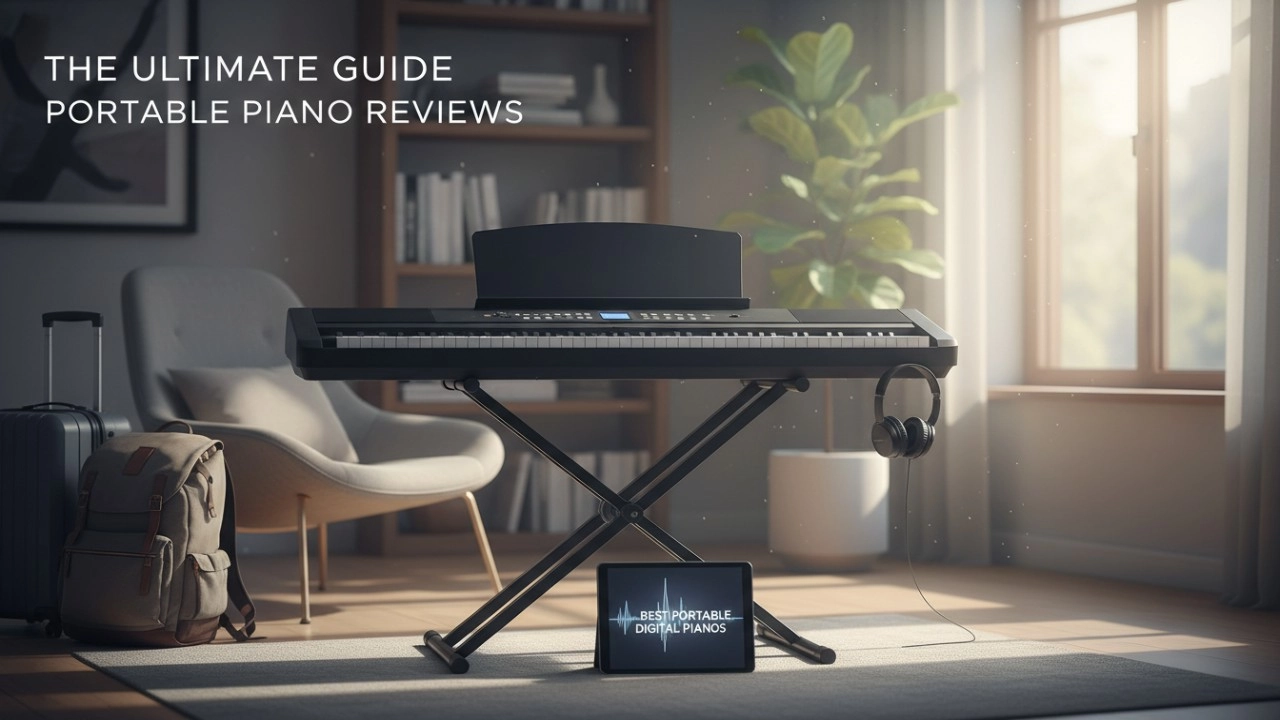
15 Best Portable Digital Pianos of 2026: The Only Comparison Guide You’ll Ever Need
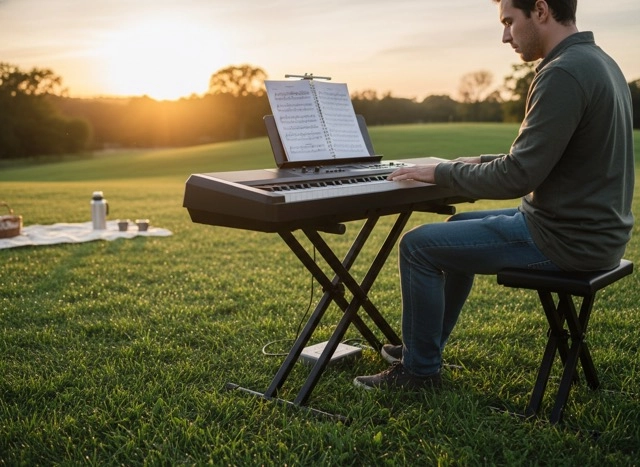
Is the Flykeys FP9 Worth It? Our Real-Life Experience with the World’s Largest Piano Maker’s Digital Tech.
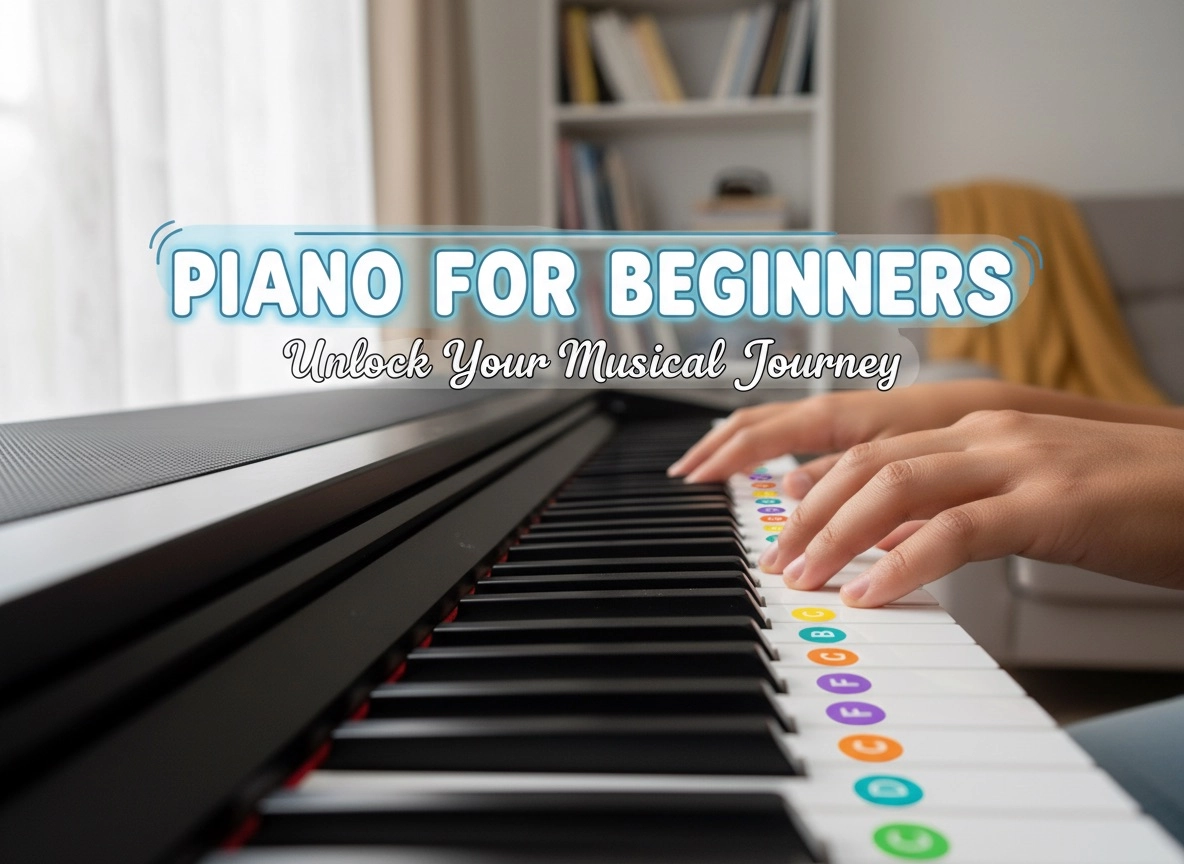
Best Digital Piano Keyboards for Beginners 2026: Your Ultimate Buying Guide
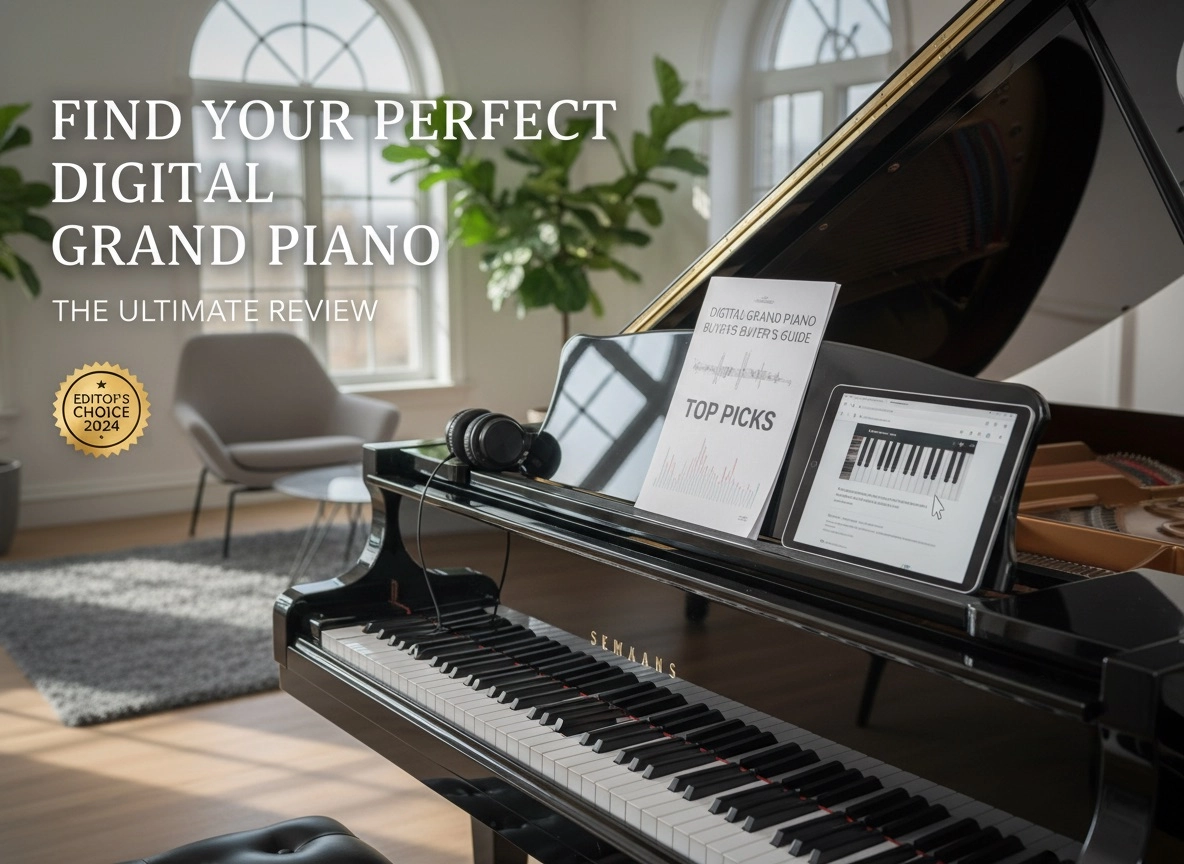
Best Digital Grand Pianos 2026: Ultimate Buyer's Guide for Authentic Sound & Feel
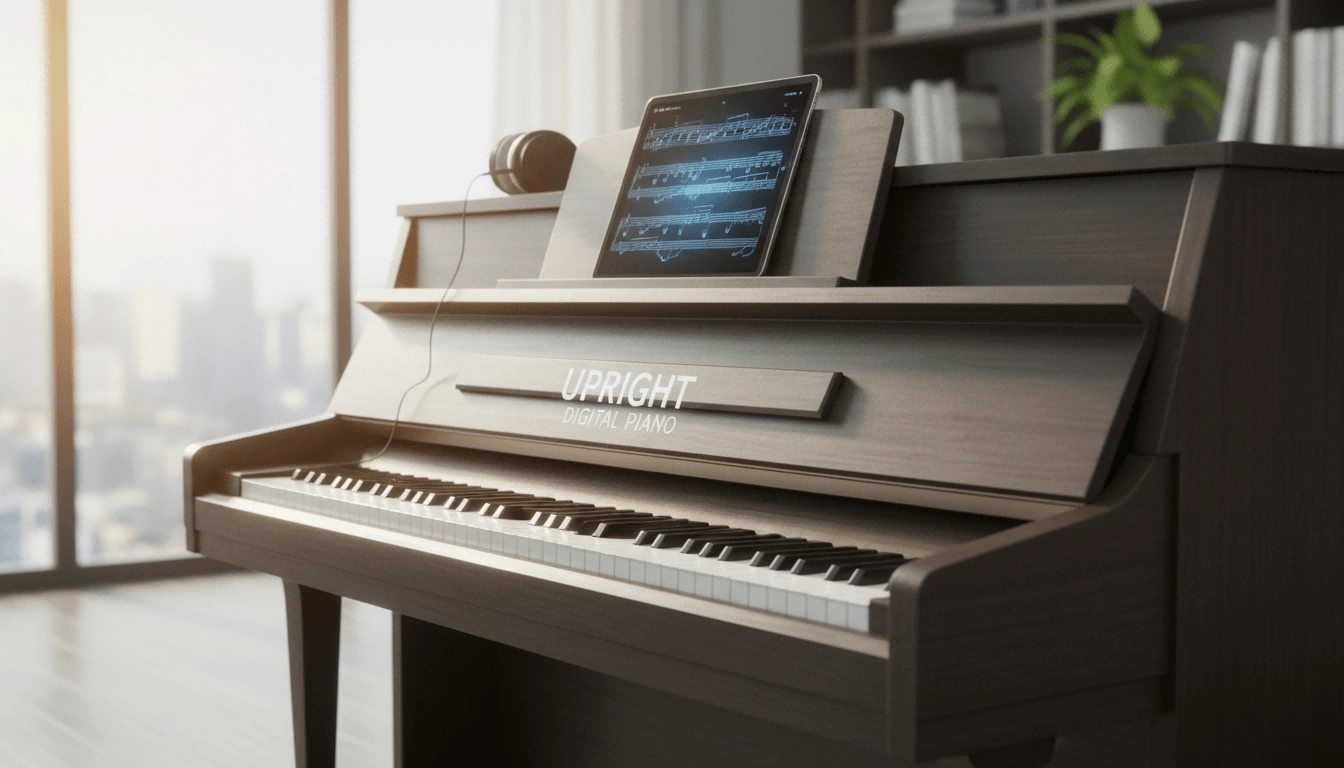
The Definitive Guide to Upright Digital Pianos: Blending Timeless Elegance with Modern Innovation in 2026
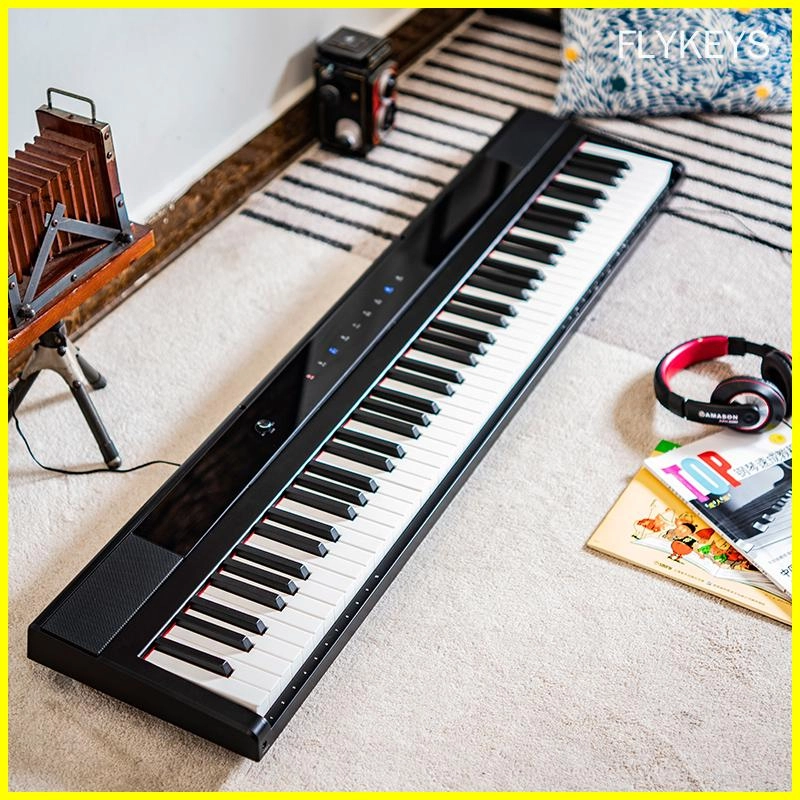
Best-Rated Electronic Pianos for Beginners in 2026: What to Buy and Why
Products
What is the warranty period of piano?
We provide 2 years warranty service, if there is any quality problem, we can provide accessories for free
What products do you have?
We offer a diverse range of products, including digital portable piano, digital upright piano, digital grand piano, electronic drum set, piano silent system, audio equipment, interactive whiteboard, advertising machines, Smart TV, Touch Screen,etc.
Do you offer software updates for your electronic pianos?
Yes, we regularly release software updates to enhance performance and add new features to our electronic pianos.
Company
Where is your company located?
Our headquarters are located in Guangzhou City, China, with manufacturing facilities strategically positioned for efficient global distribution.
Does your company have any sustainability initiatives?
Yes, we are dedicated to sustainability and continuously strive to minimize our environmental footprint through responsible manufacturing practices.
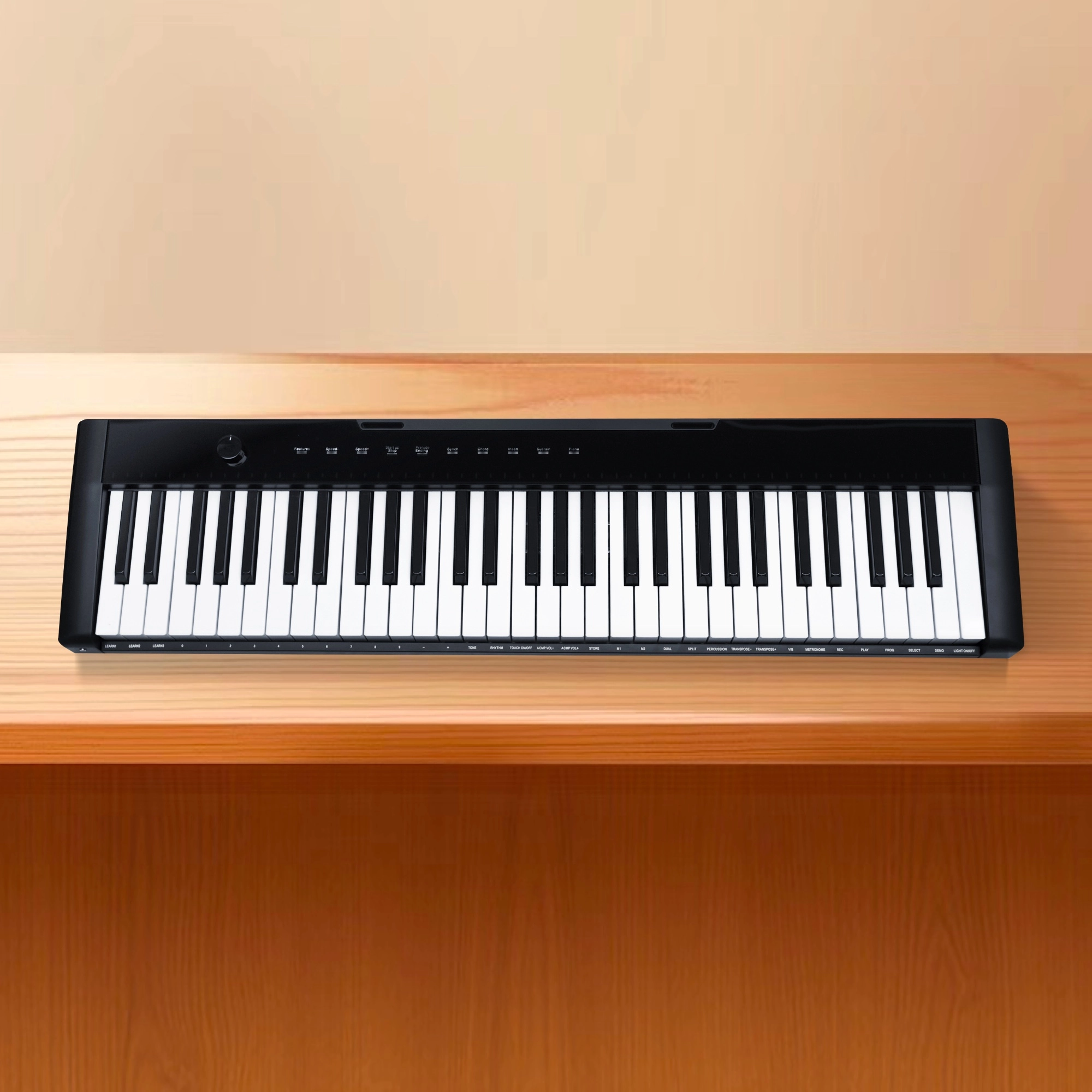
Flykeys 61 keys portable electronic keyboard piano with X stand (M2)
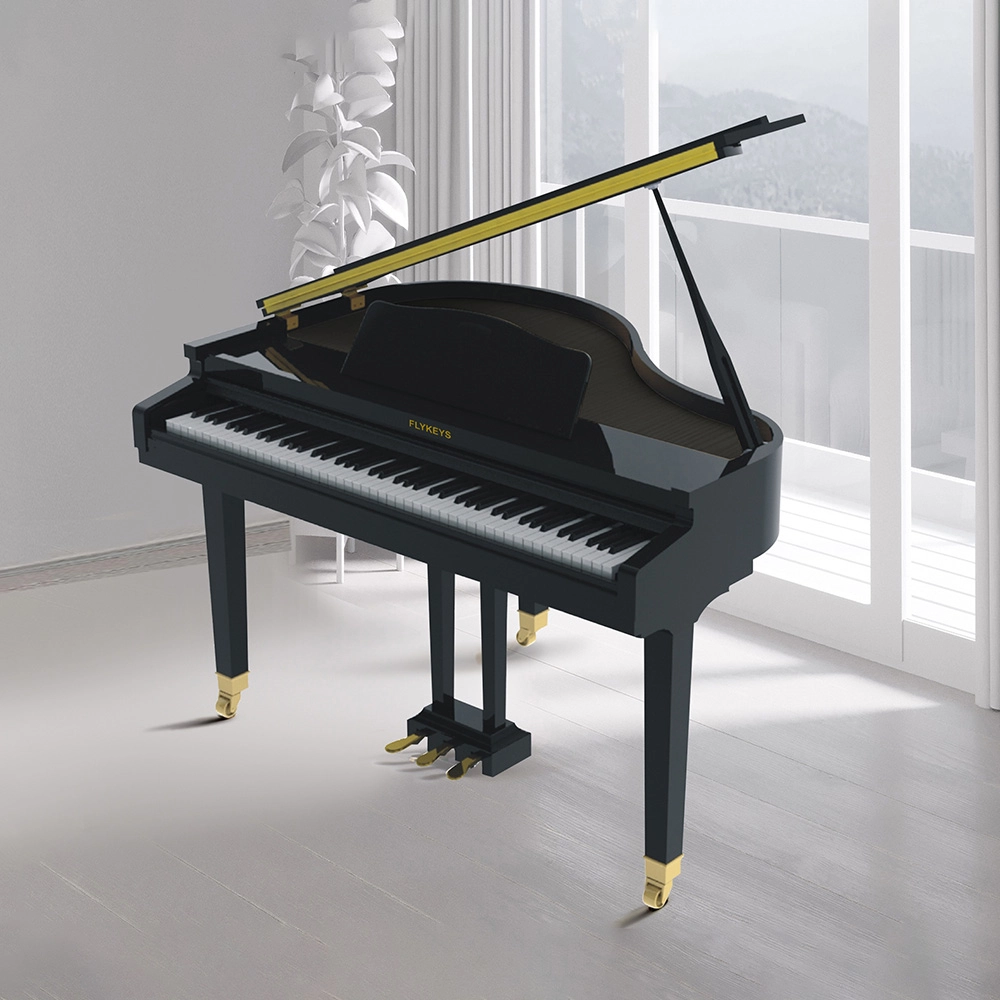
Flykeys 88 Keys Professional Digital Grand Piano Hammer Action Keyboard FGP110 Digital Piano
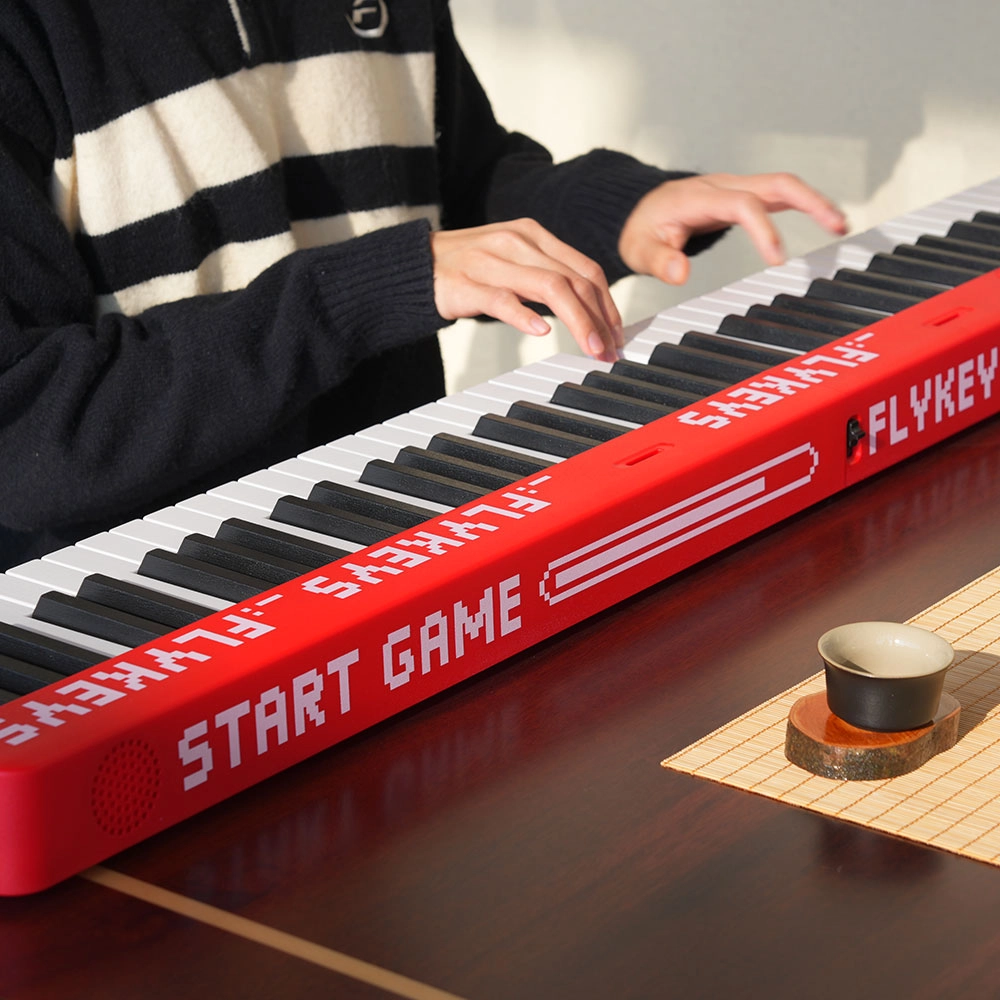
Flykeys M12 Folding Keyboard
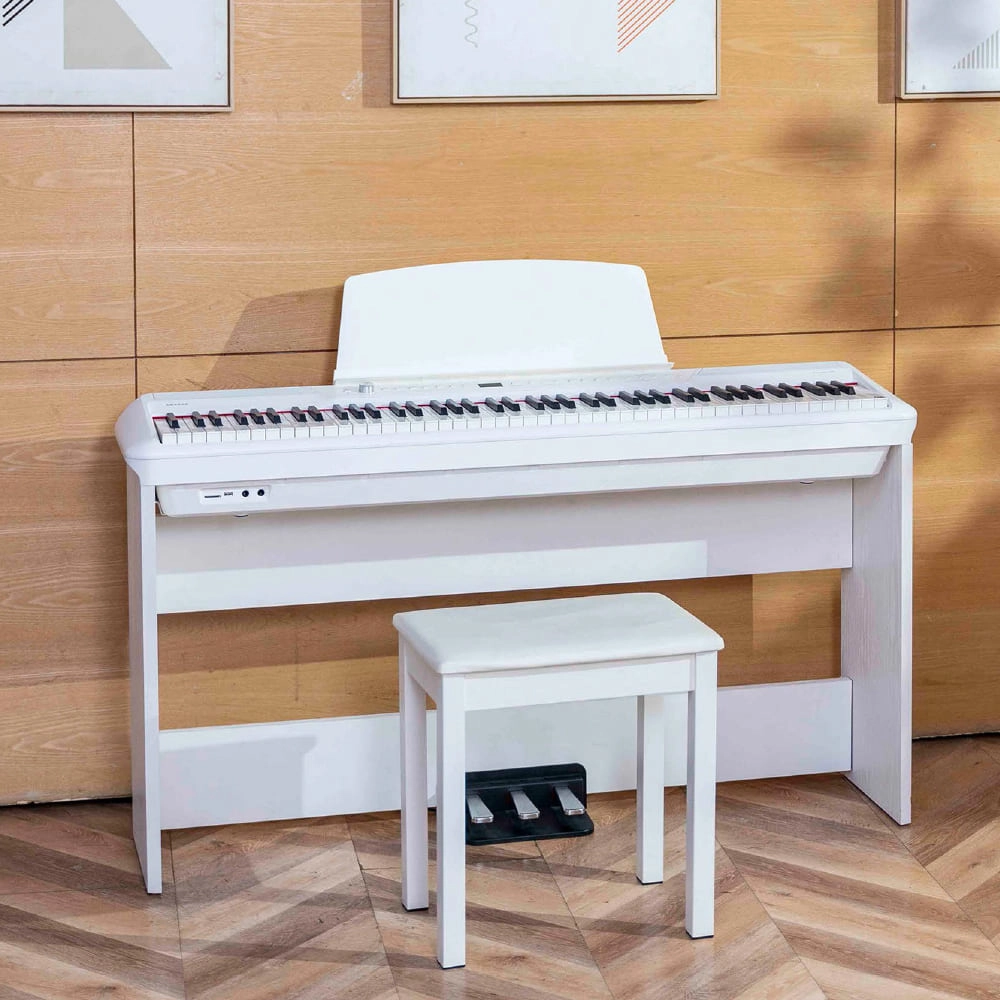
Flykeys Portable Electric Keyboard FP9 Digital Piano
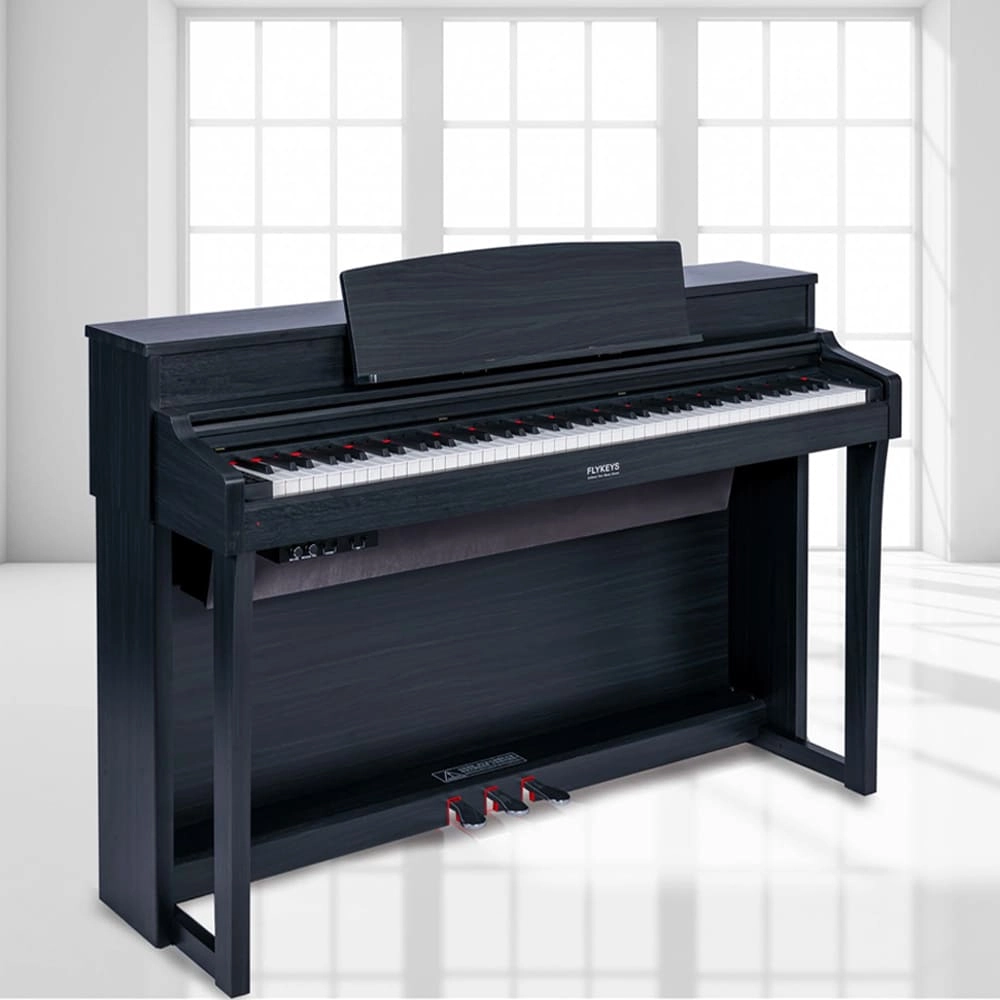
Flykeys Upright Digital Piano 88keys Hammer Action Keyboard FK330 Digital Piano
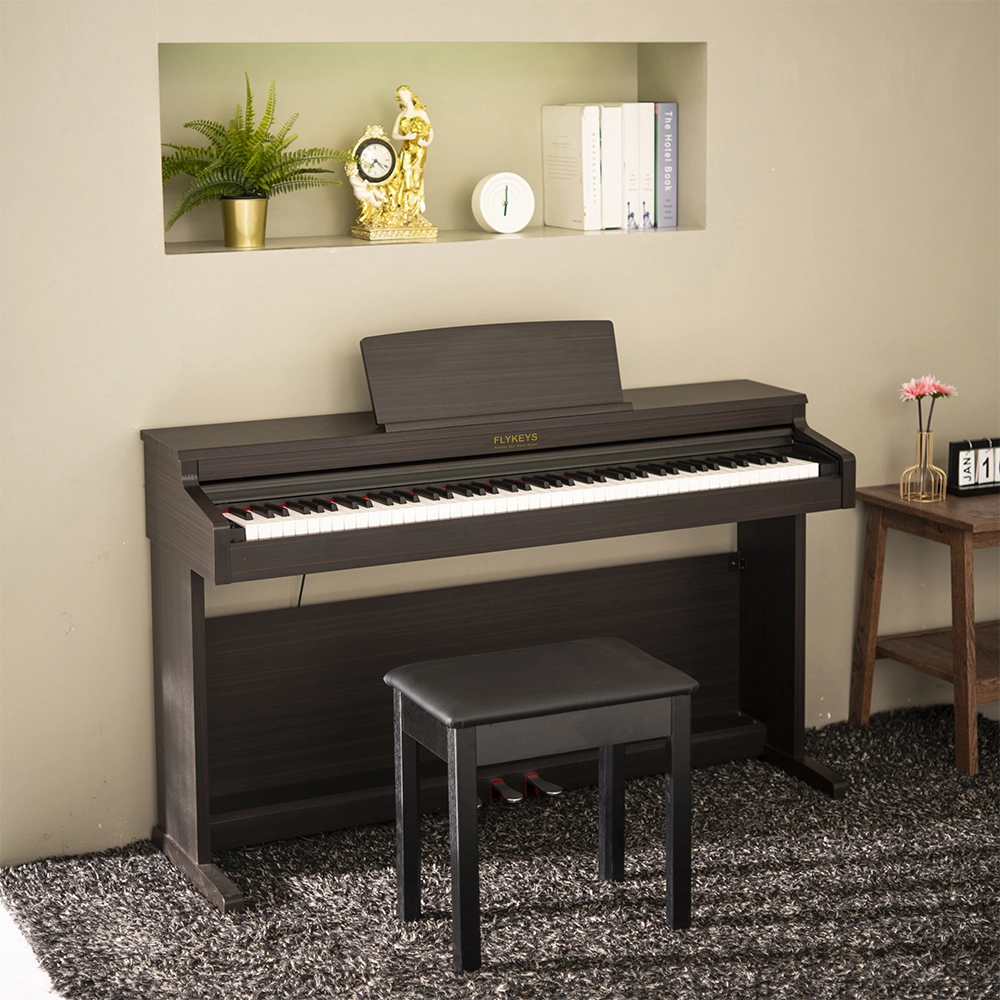
Flykeys 88 Keys Hammer Action keyboard Upright Piano LK03S Digital Piano
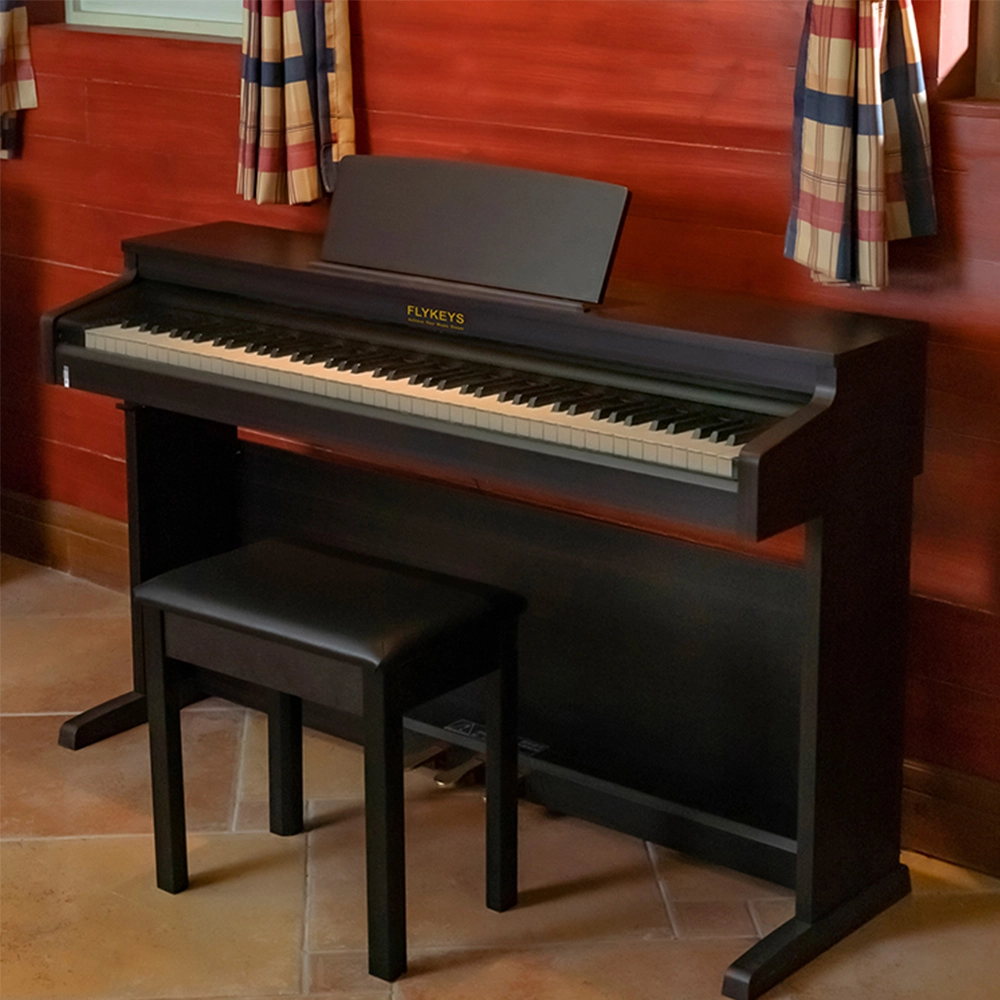
Flykeys Upright Electric Piano Built-In Speakers Music Instrument FD05 Digital Piano
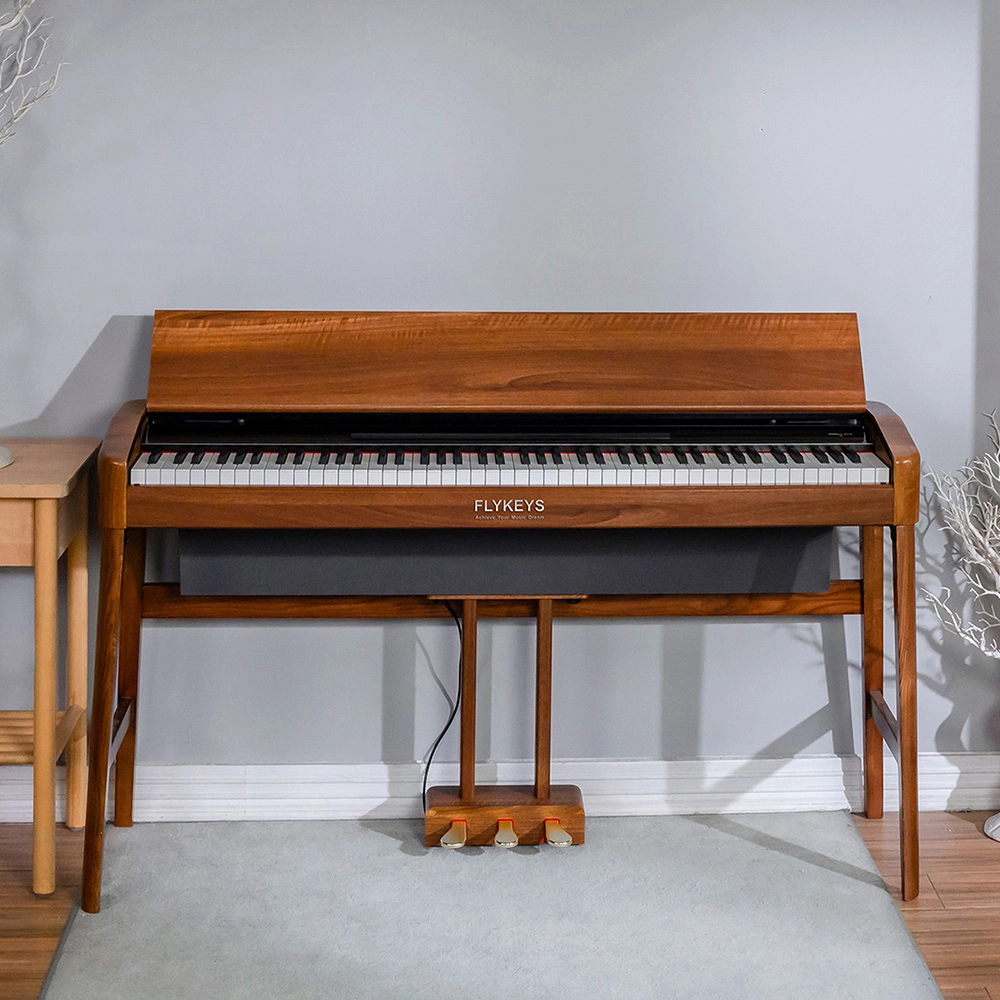
Flykeys Wooden Panel Piano Original Italian Imported Hammer Action Keyboard SK3 Digital Piano
Get in touch with us
Have a question or inquiry about our digital pianos products? Leave us a message here and our team will get back to you promptly within 24 hours.
Whether you're interested in custom orders, technical specifications, or partnership opportunities, we're here to assist you.
Rest assured that your privacy is important to us, and all information provided will be handled with the utmost confidentiality.
Address: No. 38 Xiangshan Avenue, Zengcheng Economic And Technological Development Zone, Guangzhou, China.
FOLLOW US:


© 2026 FLYKEYS All Rights Reserved. 粤 ICP备2020102774号. Designed by gooeyun. Sitemap | Privacy | Terms