

Are refurbished electronic keyboards for beginners worth buying?
Embarking on your musical journey with an electronic keyboard for beginners raises many questions. This in-depth guide tackles crucial pain points, from weighted keys and learning features to sound quality and the real value of refurbished electronic keyboards, providing expert answers to help new musicians make informed purchase decisions and truly accelerate their learning.
Mastering the Start: Essential Guide to Electronic Keyboards for Beginners & Refurbished Buys
Starting your journey into the world of music with a digital instrument is an exciting step! For aspiring pianists and musicians, choosing the right electronic keyboard for beginners can often feel overwhelming. The internet is flooded with generic advice, but truly specific, pain-point-oriented questions often go unanswered with the depth they deserve. As experts in digital pianos and electronic keyboards, we're here to provide the insights new musicians genuinely need, especially concerning crucial choices like opting for a refurbished electronic keyboard.
Does a beginner really need 88 weighted keys, or can I start with fewer keys for specific genres and upgrade later without hindering progress?
While an 88-key, fully weighted hammer action keyboard is the gold standard for replicating an acoustic piano feel, a beginner doesn't necessarily need it from day one, especially depending on their musical aspirations. For classical piano studies, the full range and authentic touch are invaluable for developing proper technique and finger strength. However, for those interested in contemporary pop, jazz, electronic music production, or simply exploring melodies, a 61-key or 76-key starter keyboard piano with touch sensitivity (but not necessarily fully weighted) can be an excellent starting point. The crucial element is 'touch sensitivity' – the ability for the volume to change based on how hard you strike a key – which is fundamental for musical expression. Starting with fewer keys can be more budget-friendly and portable, encouraging initial engagement. However, be aware that transitioning to an 88-key instrument later will require some adjustment to the wider range and potentially heavier key action. For genres like pop or synth-based music, a 61-key portable keyboard for lessons offers ample range for chords and melodies without the immediate financial or space commitment of a full digital piano. The key is to balance initial investment with long-term learning goals; if serious classical training is the aim, an 88-key instrument is a worthwhile initial investment for a beginner digital piano.
What specific MIDI/USB connectivity features are truly essential for a beginner to integrate their electronic keyboard with learning apps or recording software, and which are just 'nice-to-haves'?
For a first electronic keyboard, USB-MIDI connectivity is arguably the most essential feature for modern learning and creative exploration. A simple USB Type B port (often labelled 'USB to Host') allows your keyboard to connect directly to a computer, tablet, or smartphone. This facilitates interaction with a vast ecosystem of learning apps (like Flowkey, Simply Piano, or GarageBand for iOS/macOS) and Digital Audio Workstations (DAWs) for basic recording. This is a must-have for any keyboard for new musicians looking to leverage technology.
Beyond this, MIDI In/Out ports (the traditional 5-pin DIN connectors) are becoming less common on entry-level models but remain valuable if you plan to connect to older MIDI hardware or expand your setup with external sound modules without using a computer as an intermediary. USB 'to Device' ports (USB Type A) are 'nice-to-haves,' enabling you to plug in a USB flash drive for recording audio directly to the drive or loading/saving MIDI files without a computer. While convenient, the 'USB to Host' is paramount for integrating your digital piano for starting to learn with today's software-centric learning environments.
Many beginner keyboards advertise 'lesson modes' – how effective are these truly, and what specific features should I look for that genuinely accelerate learning rather than just gamifying it?
Many beginner digital piano models feature 'lesson modes' or integrated songs. Their effectiveness varies widely. Some are basic 'follow-the-lights' systems that teach rote memorization rather than actual musical understanding. While this can be fun and engaging initially, it often lacks depth for long-term progress. Truly effective learning features on a keyboard with learning features include:
- Metronome: Indispensable for developing rhythm and timing.
- Recording Functionality: Allows you to record and play back your practice, helping you identify mistakes and track progress. This is a powerful self-assessment tool.
- Dual/Split Mode: Enables two people (e.g., teacher and student) to play the same range of notes, or allows you to play two different sounds on the keyboard simultaneously (e.g., bass in left hand, piano in right).
- Built-in Educational Songs/Exercises with Score Display: Some advanced digital pianos display sheet music on an LCD screen, guiding you through pieces. This is more effective than just light-up keys.
- Compatibility with External Learning Apps: As mentioned, excellent USB-MIDI connectivity often trumps built-in lessons, as dedicated apps offer more comprehensive, interactive, and regularly updated learning content.
Prioritize features that develop fundamental skills like rhythm, timing, listening, and self-correction, rather than just superficial 'game-like' modes for an entry-level digital keyboard.
How can a beginner discern actual sound engine quality and polyphony limitations on an affordable electronic keyboard, and what impact does this have on their long-term ear training and enjoyment?
Discerning sound engine quality as a beginner without extensive experience can be challenging, but there are key indicators. For an affordable electronic piano, look for mentions of 'stereo sampled' or 'multi-sampled' piano sounds, indicating a richer, more realistic tone than single-sample engines. Beyond buzzwords, listen critically to the sustain and decay of notes: does the sound cut off abruptly or fade naturally? Does it sound muddy in lower registers or tinny in higher ones? Read reputable reviews and, if possible, listen to high-quality audio demos online. Flykeys, for instance, focuses on advanced sound sampling for realistic tones even in entry models.
Polyphony, the number of notes a keyboard can produce simultaneously, is also critical. For a beginner, a minimum of 64-note polyphony is generally acceptable, but 128 or 192 notes are vastly superior for a best beginner keyboard. Lower polyphony can lead to notes 'dropping out' when playing complex chords, using sustain pedals, or layering sounds, which is common in piano music. This can be incredibly frustrating and hinder ear training, as the student won't hear the full harmonic richness. A richer polyphony allows for a more expressive and accurate musical experience, crucial for developing a nuanced ear and enhancing long-term enjoyment of their learn piano keyboard.
When considering a refurbished electronic keyboard for beginners, what are the critical inspection points and warranty considerations I must prioritize to avoid common pitfalls unique to 'used' instruments?
Opting for a refurbished digital piano advice can be cost-effective, but requires diligence. Critical inspection points for a used electronic keyboard for beginners include:
- Key Action: Test every single key. Check for sticky, loose, or uneven keys. Ensure the velocity sensitivity is consistent across the keyboard. Listen for any clicking or unusual sounds.
- All Buttons and Knobs: Confirm every button, slider, and knob works smoothly and responds correctly.
- Connectivity Ports: Test all input/output jacks (headphones, sustain pedal, USB, MIDI). These can wear out or become damaged.
- Speakers: Listen for clear, undistorted sound from both internal speakers.
- Cosmetics: While minor scuffs are acceptable, significant damage could indicate rough handling or internal issues.
- Accessories: Ensure essential accessories like the power adapter, sustain pedal, and music rest are included and functional.
Crucially, inquire about the warranty. Reputable refurbishers, like Flykeys often have certified refurbished programs, offering at least a 90-day to one-year warranty. A refurbished electronic keyboard without a warranty is a significant risk. Understand the return policy and what the warranty covers (parts, labor, shipping). Buying from a trusted source that specializes in digital instruments drastically reduces the common pitfalls associated with 'used' tech.
Given the rapid technological advancements in digital pianos, at what point does a refurbished electronic keyboard become 'too old' for a beginner in terms of sound engine, connectivity, or learning features, making a new entry-level model a better investment?
The sweet spot for a refurbished electronic keyboard for beginners is generally a model that is 3-7 years old. Beyond this, technological obsolescence can significantly impact its value and utility for a beginner.
- Sound Engine: Digital piano sound engines have seen substantial improvements in sampling depth, resonance modeling, and polyphony over the last decade. An instrument from pre-2015 might have noticeably inferior piano samples, limited polyphony (e.g., 32 notes), and less realistic acoustic piano emulation. This can hinder ear training and make the instrument less inspiring to play.
- Connectivity: Older models might lack crucial USB-MIDI (especially 'USB to Host') or even basic MIDI ports, severely limiting integration with modern learning apps and software. Bluetooth MIDI is a relatively recent addition, and its absence on older models means less wireless flexibility.
- Learning Features: While core features like metronomes are timeless, older built-in lesson modes can be primitive. The lack of modern connectivity also means it can't leverage the dynamic, up-to-date learning resources available via apps.
If a refurbished model is significantly older than seven years, consider a new entry-level digital keyboard. Even basic new models often come with 128+ note polyphony, decent stereo-sampled piano sounds, essential USB-MIDI connectivity, and a full manufacturer's warranty, offering better long-term value and a more encouraging experience for the aspiring musician. The advancements in even affordable electronic pianos are so significant that sometimes, a brand-new, budget-friendly option outperforms a much older, once high-end refurbished unit.
Embarking on your musical journey with the right electronic keyboard is pivotal for fostering enthusiasm and accelerating learning. Whether you choose a brand-new model or a carefully selected refurbished unit, prioritizing touch sensitivity, sound quality, essential connectivity, and thoughtful learning aids will ensure a rewarding experience. These considerations are fundamental for any beginner looking to truly master their first electronic keyboard, setting a strong foundation for their musical future.
Ready to find the perfect electronic keyboard for your musical journey? Explore our range of high-quality digital pianos and electronic keyboards designed for every level. Contact us today for a personalized quote tailored to your needs at service@flykeysmusic.com or visit www.flykeysmusic.com.
- Does a beginner really need 88 weighted keys, or can I start with fewer keys for specific genres and upgrade later without hindering progress?
- What specific MIDI/USB connectivity features are truly essential for a beginner to integrate their electronic keyboard with learning apps or recording software, and which are just 'nice-to-haves'?
- Many beginner keyboards advertise 'lesson modes' – how effective are these truly, and what specific features should I look for that genuinely accelerate learning rather than just gamifying it?
- How can a beginner discern actual sound engine quality and polyphony limitations on an affordable electronic keyboard, and what impact does this have on their long-term ear training and enjoyment?
- When considering a refurbished electronic keyboard for beginners, what are the critical inspection points and warranty considerations I must prioritize to avoid common pitfalls unique to 'used' instruments?
- Given the rapid technological advancements in digital pianos, at what point does a refurbished electronic keyboard become 'too old' for a beginner in terms of sound engine, connectivity, or learning features, making a new entry-level model a better investment?
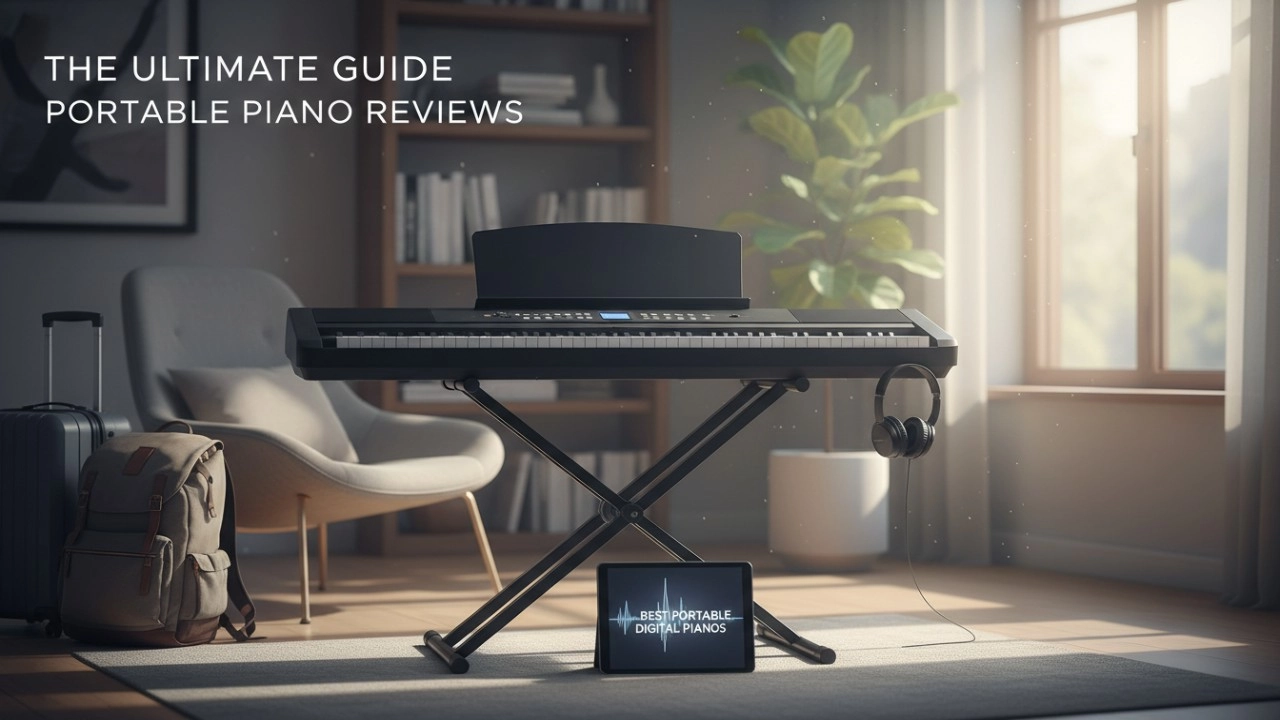
15 Best Portable Digital Pianos of 2026: The Only Comparison Guide You’ll Ever Need
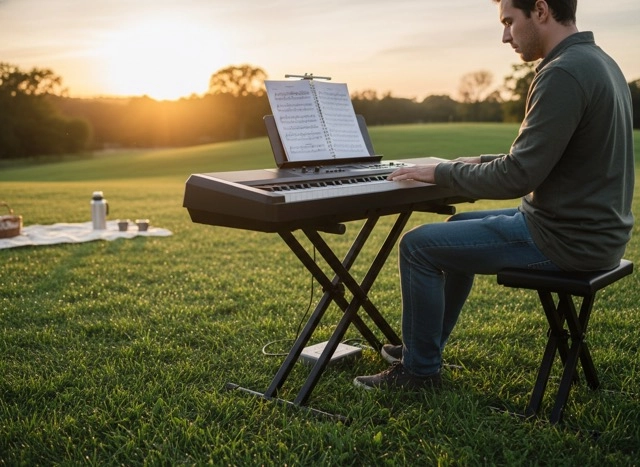
Is the Flykeys FP9 Worth It? Our Real-Life Experience with the World’s Largest Piano Maker’s Digital Tech.
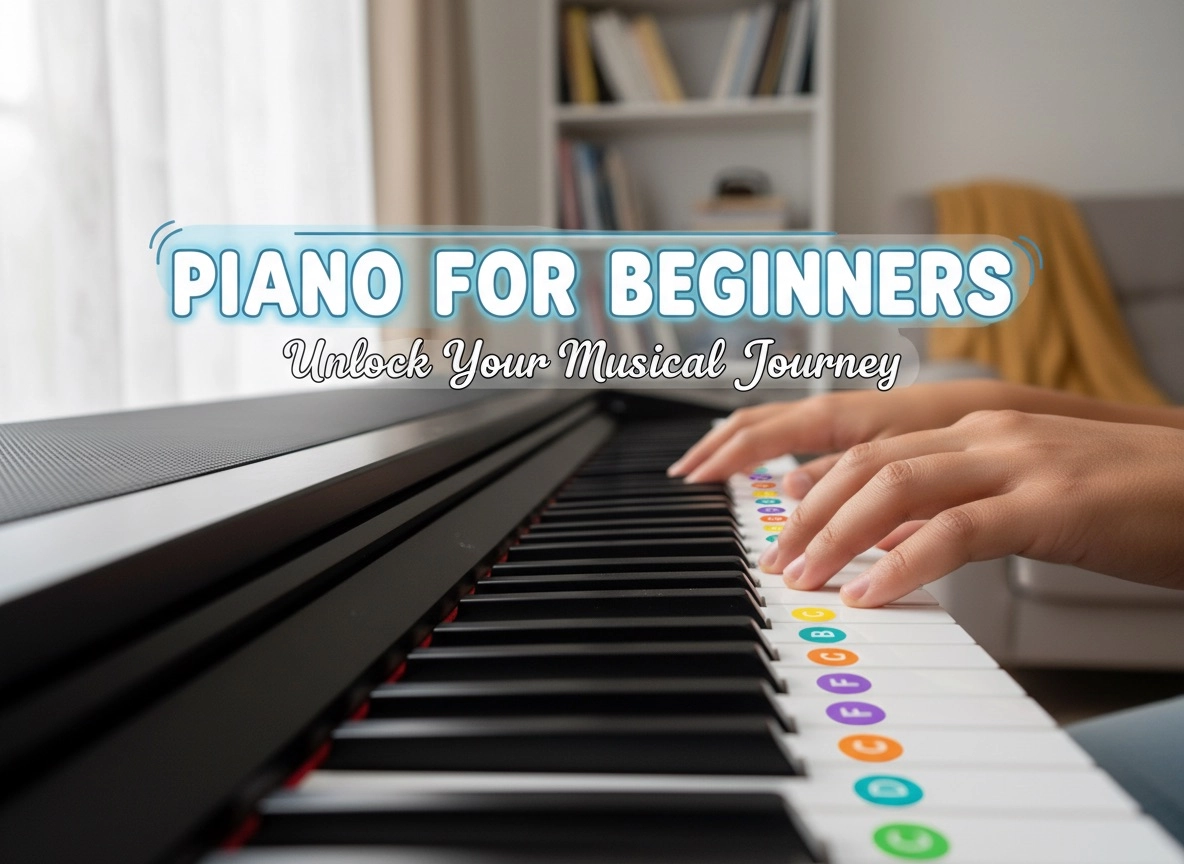
Best Digital Piano Keyboards for Beginners 2026: Your Ultimate Buying Guide
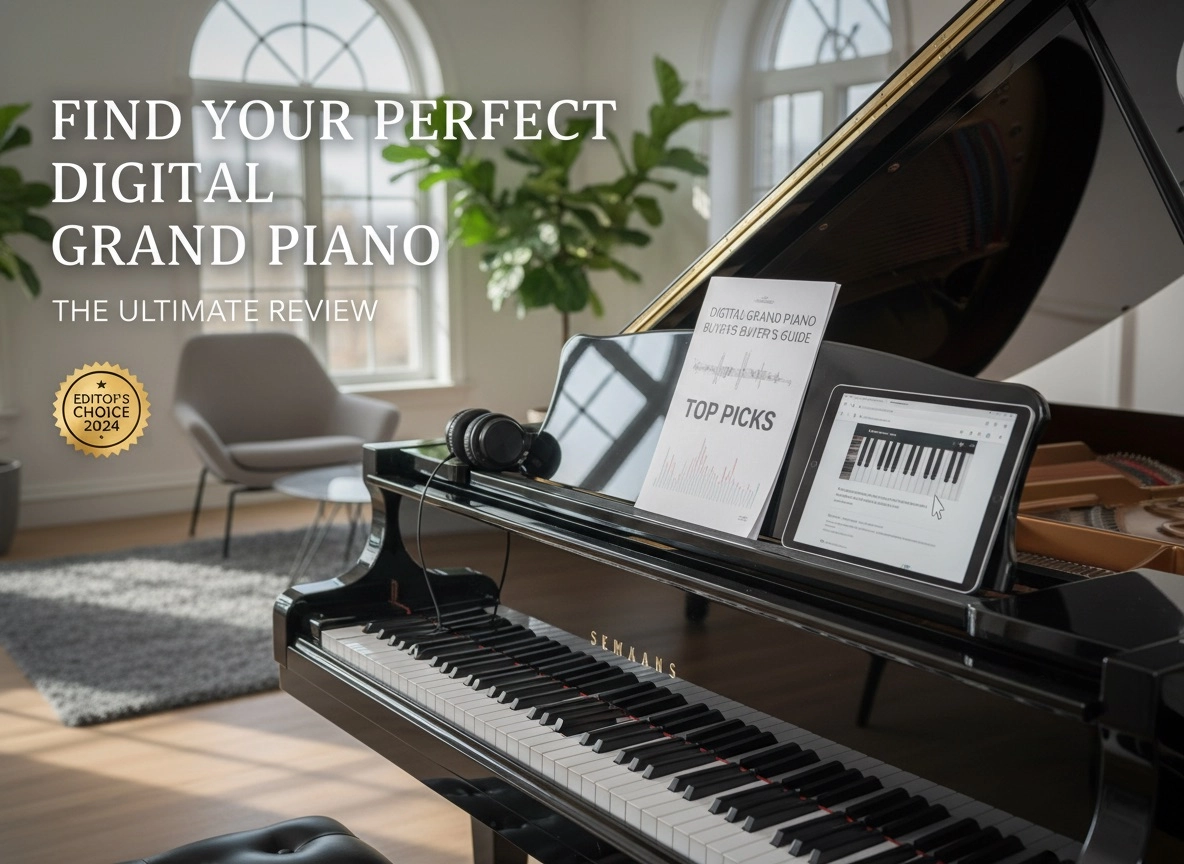
Best Digital Grand Pianos 2026: Ultimate Buyer's Guide for Authentic Sound & Feel
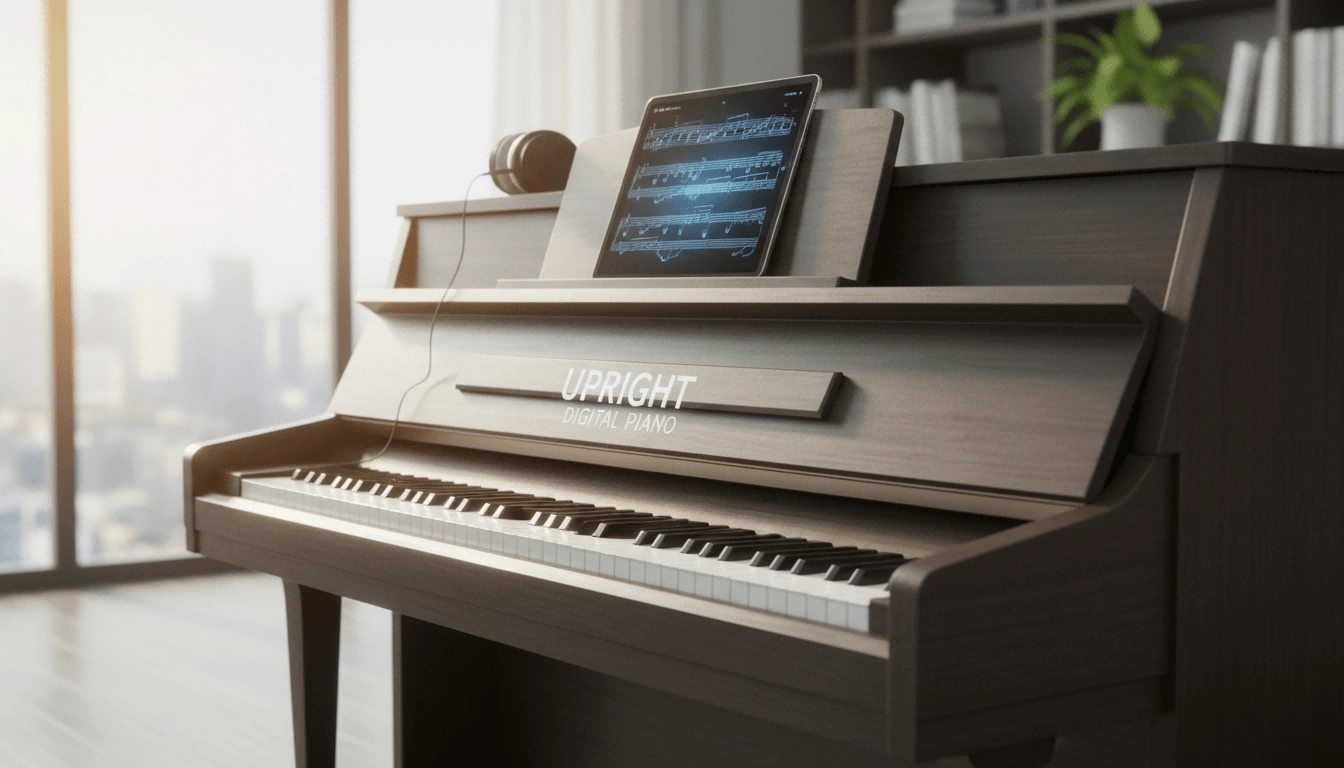
The Definitive Guide to Upright Digital Pianos: Blending Timeless Elegance with Modern Innovation in 2026
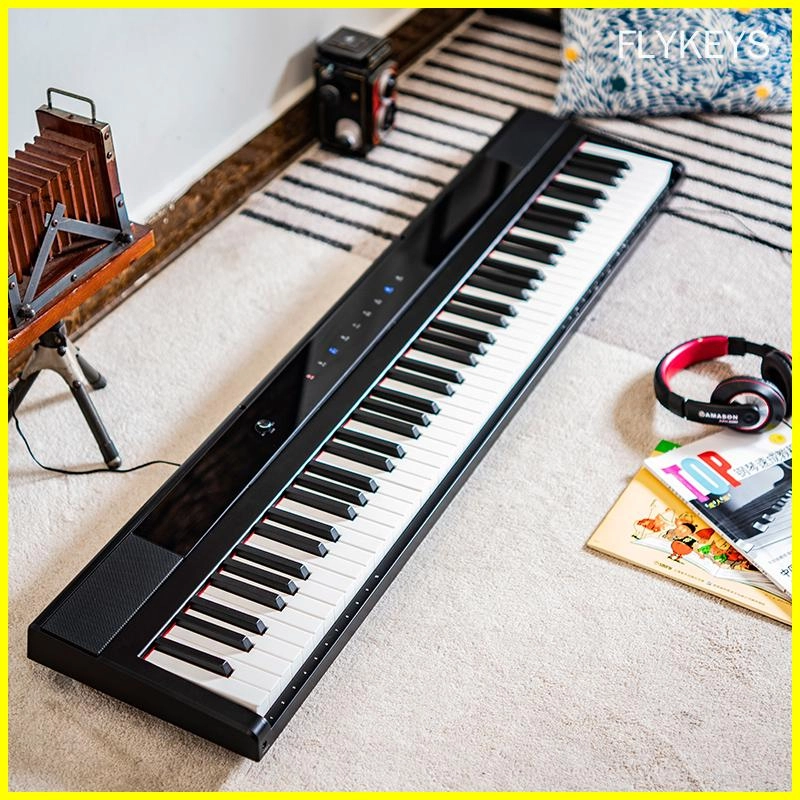
Best-Rated Electronic Pianos for Beginners in 2026: What to Buy and Why
Customization
Can I request additional features to be added to a standard model?
Yes, we offer customization services to accommodate specific feature requests, subject to feasibility and additional charges.
After-Sales Service
What after-sales support do you offer?
We offer comprehensive after-sales support, including technical assistance, troubleshooting, and warranty services.
Do you offer repair services for out-of-warranty products?
Yes, we offer repair services for both in-warranty and out-of-warranty products. Please contact our support team for assistance.
Products
Are your electronic pianos suitable for beginners?
Yes, we have models designed specifically for beginners, featuring user-friendly interfaces and educational features.
Logistics
How long does shipping typically take?
Shipping times vary depending on the destination and shipping method selected. Please refer to our shipping information page for estimated delivery times.
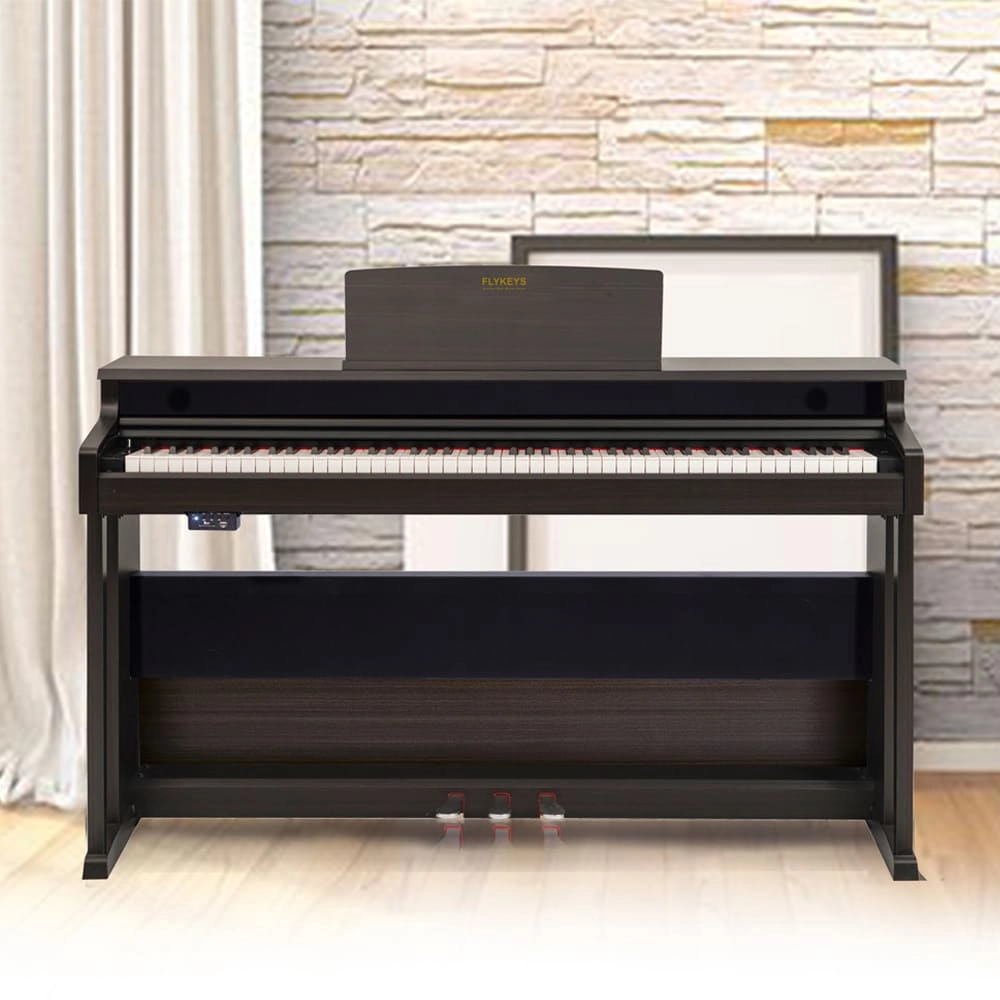
Flykeys Upright Piano Wooden Panel 88 KEYS Piano FK130 Digital Piano
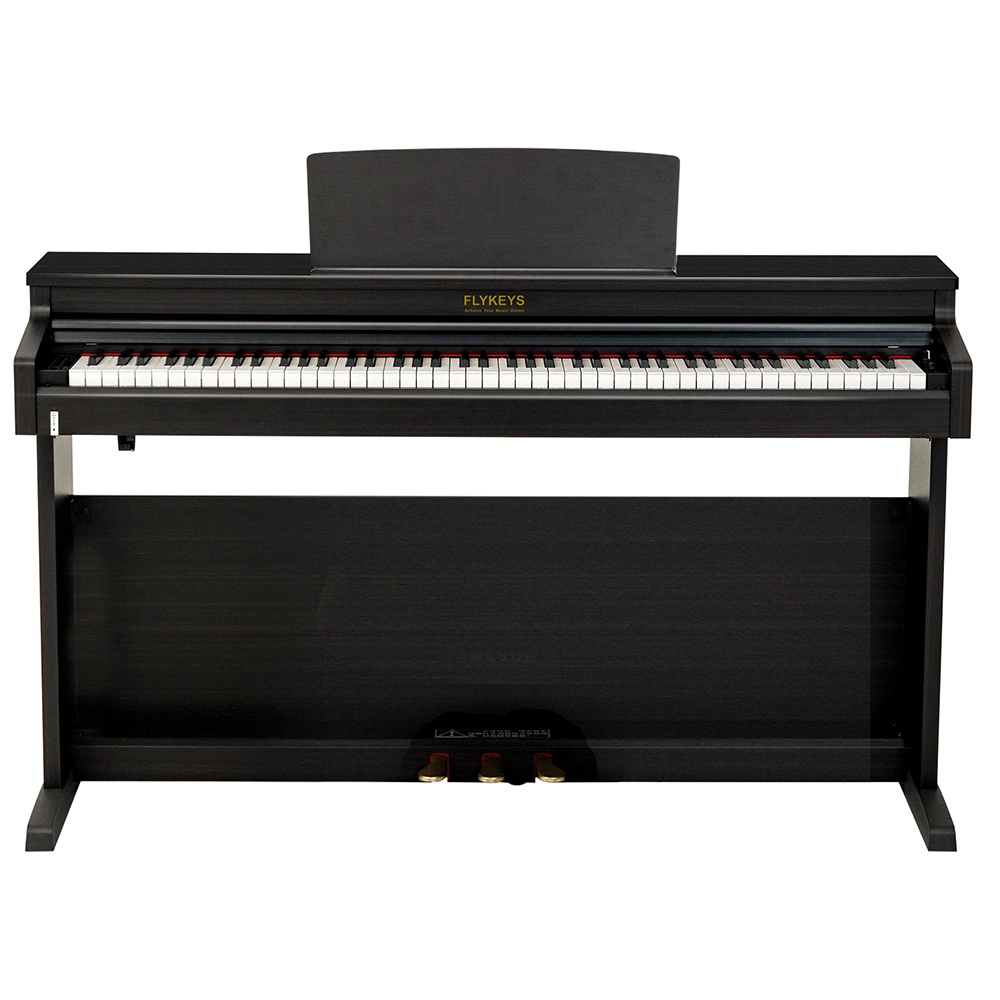
Flykeys Upright Digital Piano FDP 3
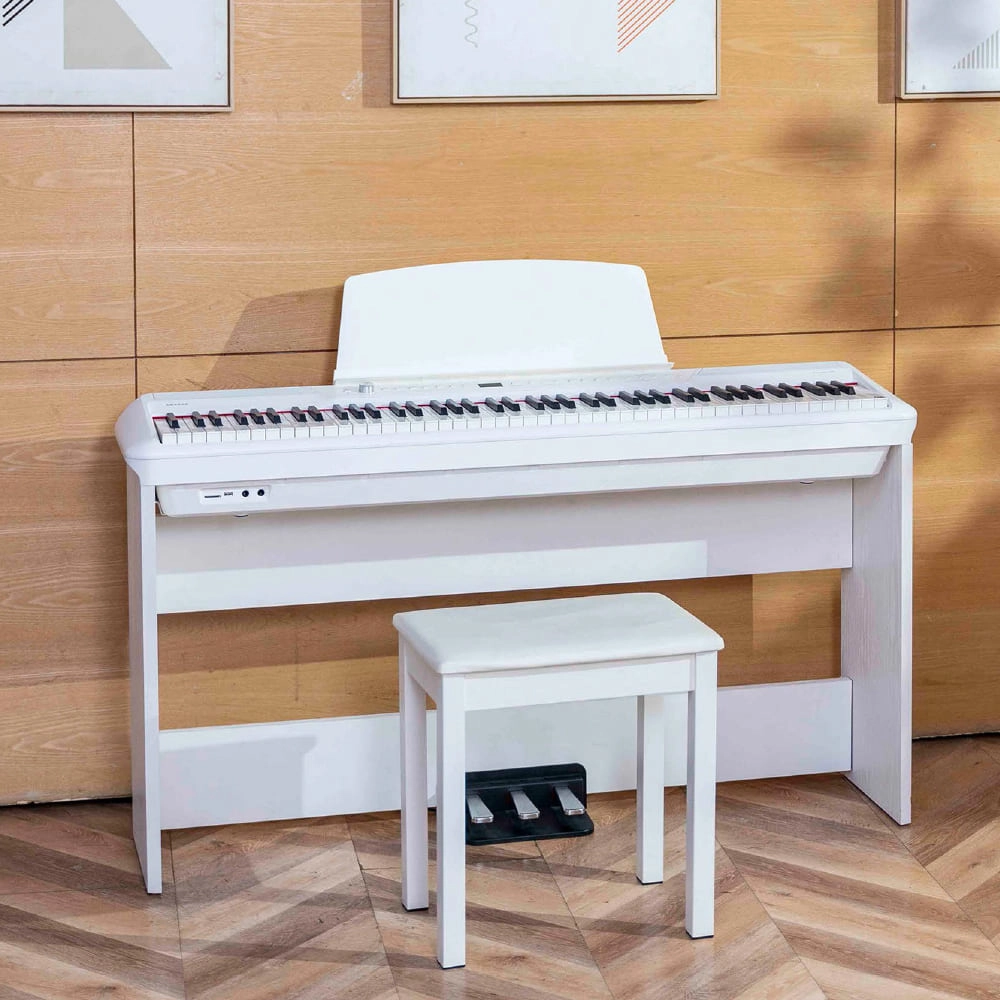
Flykeys Portable Electric Keyboard FP9 Digital Piano
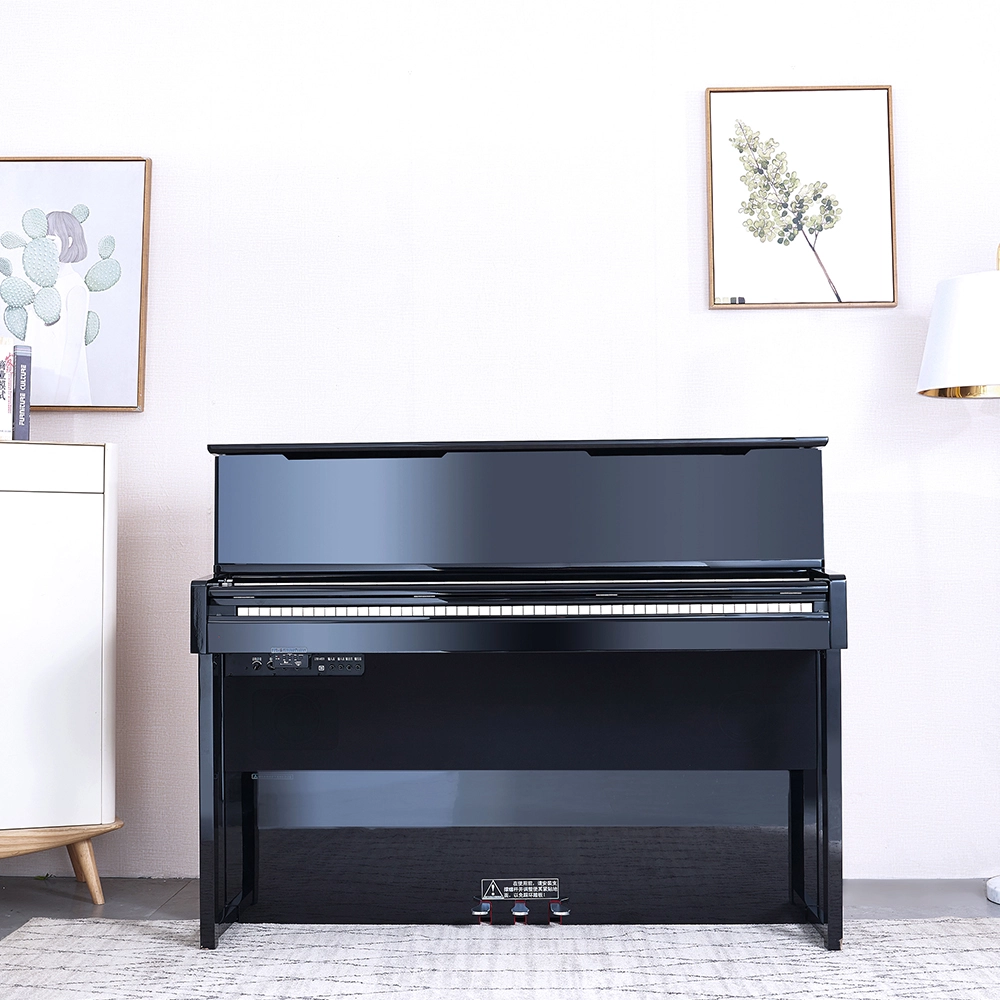
Flykeys Professional Digital Upright Piano 88 Keys Wooden Keyboard FK830 Digital Piano
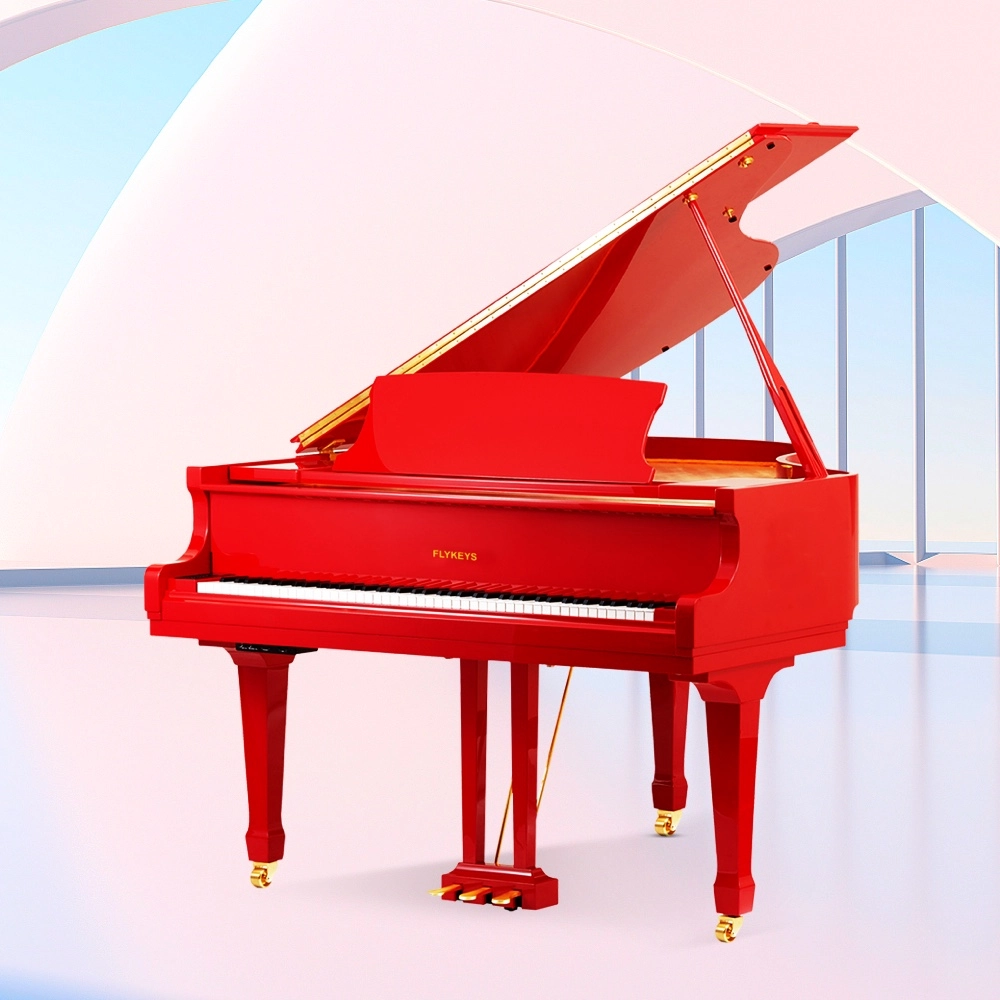
Flykeys Professional Digital Grand Piano FGP610 Digital Piano
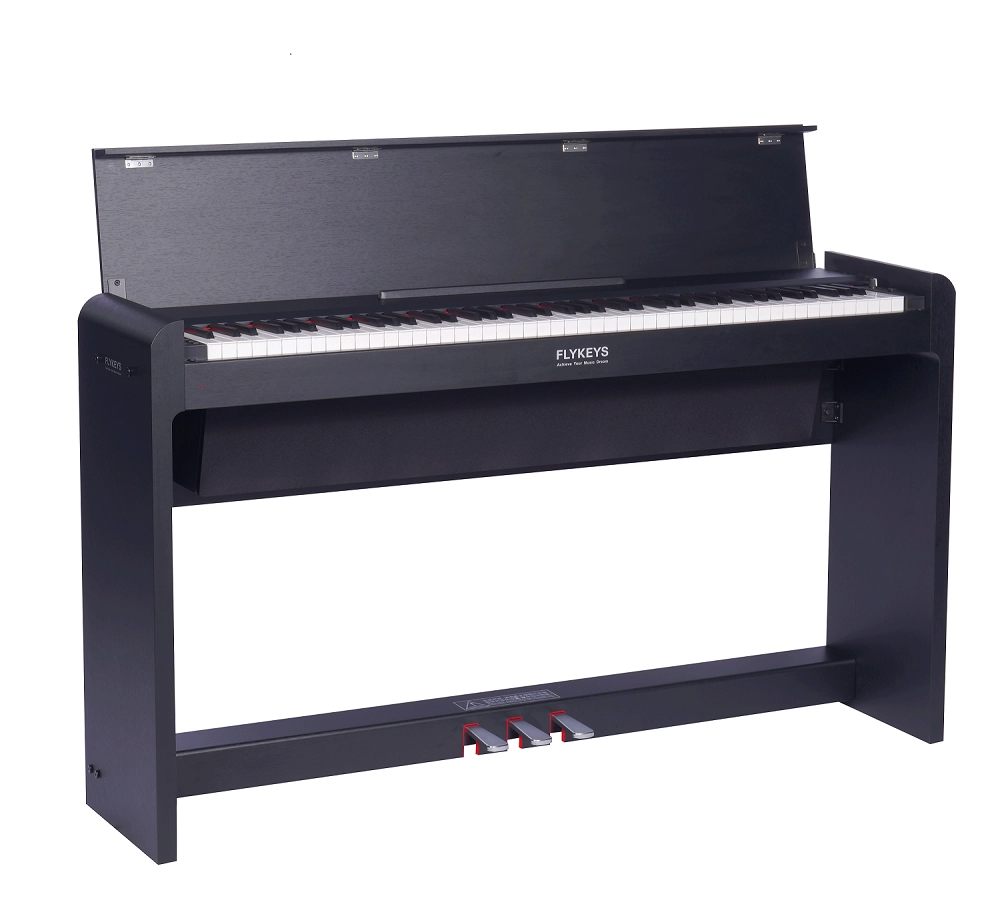
FLYKEYS FDP 5 Digital Piano
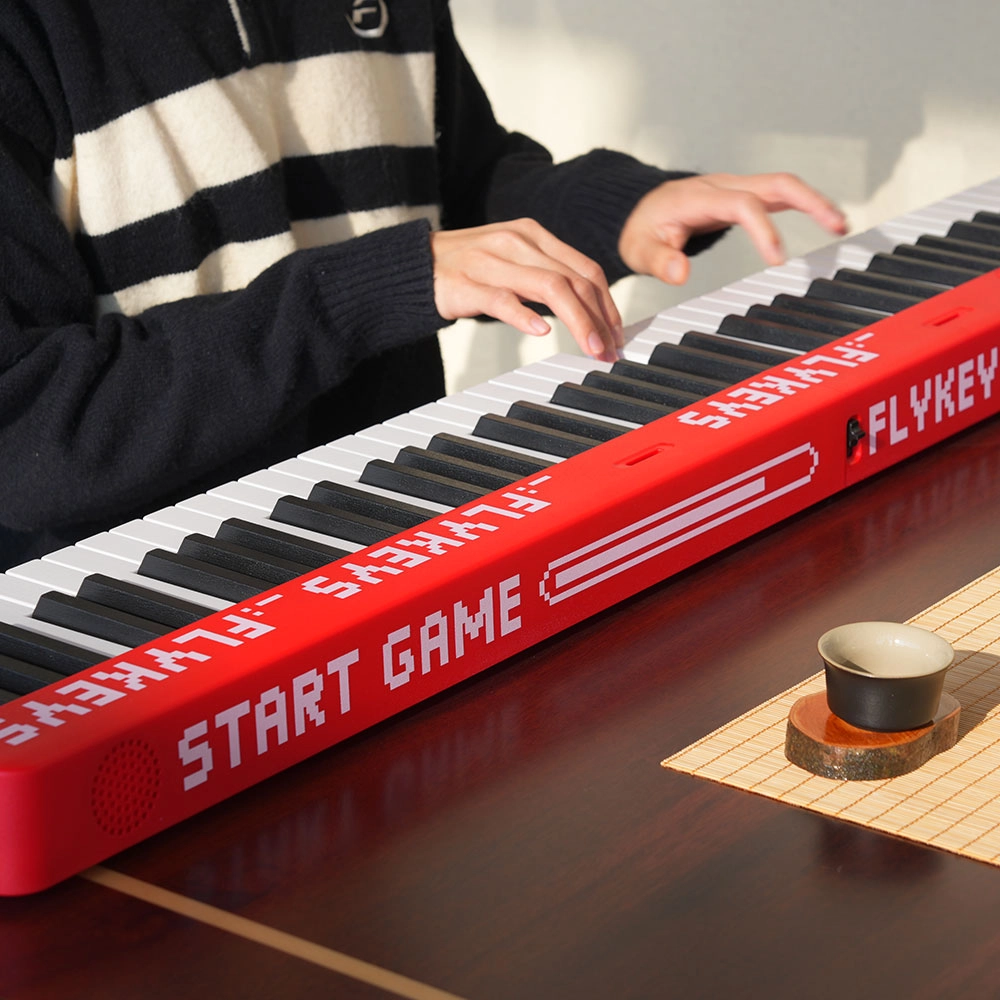
Flykeys M12 Folding Keyboard
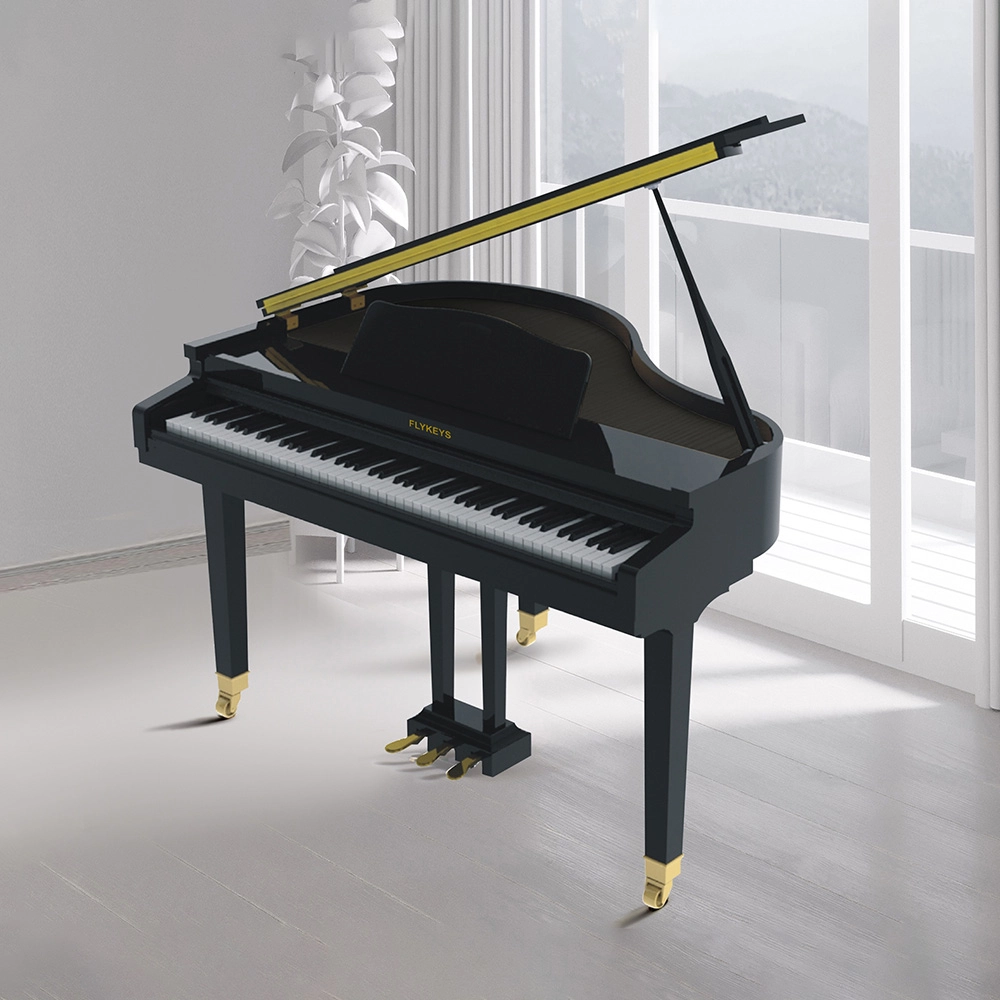
Flykeys 88 Keys Professional Digital Grand Piano Hammer Action Keyboard FGP110 Digital Piano
Get in touch with us
Have a question or inquiry about our digital pianos products? Leave us a message here and our team will get back to you promptly within 24 hours.
Whether you're interested in custom orders, technical specifications, or partnership opportunities, we're here to assist you.
Rest assured that your privacy is important to us, and all information provided will be handled with the utmost confidentiality.
Address: No. 38 Xiangshan Avenue, Zengcheng Economic And Technological Development Zone, Guangzhou, China.
FOLLOW US:


© 2026 FLYKEYS All Rights Reserved. 粤 ICP备2020102774号. Designed by gooeyun. Sitemap | Privacy | Terms