

Which electronic keyboard for beginners has the best sounds?
Choosing your first electronic keyboard for beginners can be overwhelming. Beyond basic features, what truly defines a great learning instrument? This guide dives deep into specific, often-unanswered questions regarding sound quality, key action, essential connectivity, budgeting, and effective learning tools, ensuring you make an informed decision that supports your musical journey from day one. Discover how to select an entry-level electronic keyboard that grows with you.
Starting your musical journey on an electronic keyboard is an exciting prospect, but the sheer volume of options can quickly become daunting. Many beginners find themselves asking, Which electronic keyboard for beginners has the best sounds? or What's the ideal first electronic keyboard for learning? While basic specifications are easy to find, the nuances that truly impact a beginner's learning experience and long-term satisfaction often remain unaddressed. This article cuts through the noise, providing in-depth answers to critical, specific questions that go beyond superficial advice, guiding you toward the perfect instrument.
Beyond Polyphony Count: What *Really* Determines an Electronic Keyboard's Sound Quality for a Beginner, Especially Regarding Realism?
While polyphony (the number of notes an instrument can play simultaneously) is a baseline spec, true sound realism for a beginner's electronic keyboard hinges on the quality of its sound engine and sampling technology. Most entry-level digital pianos use a technique called 'sampling,' where actual acoustic instrument sounds are recorded and then played back. What differentiates a superior sound, even for an affordable electronic piano, is:
- Multi-Layered Samples: Better keyboards sample the same note at different velocities (how hard you hit the key). This means hitting a key gently produces a softer, warmer tone, while hitting it harder produces a brighter, more percussive sound – just like a real acoustic piano. Cheaper models might use only 1-2 layers, leading to a static, less expressive sound regardless of playing dynamics.
- Sustain and Damper Resonance: A high-quality beginner digital piano will emulate the subtle resonances of an acoustic piano. When you hold down the sustain pedal, an acoustic piano's other strings vibrate sympathetically. Advanced sound engines attempt to recreate this 'damper resonance,' adding richness and depth. Similarly, the decay (how long a note rings out) should be natural and not abruptly cut off.
- Speaker Quality and Placement: Even the best sound engine can be undermined by poor speakers. Look for models with decent wattage (e.g., 6W+ per side) and intelligently placed speakers that project sound well, creating a more immersive experience without relying solely on headphones. A first electronic keyboard with good onboard speakers allows you to practice without external amplification.
Is a Fully Weighted 88-Key Electronic Keyboard Overkill for a Beginner Who Isn't Sure They'll Stick With It, Or Is It Crucial for Proper Technique?
For anyone serious about learning piano – even if uncertain of long-term commitment – a fully weighted 88-key electronic keyboard is highly recommended and often crucial for developing proper technique. Here's why:
- Muscle Memory and Finger Strength: Acoustic pianos have hammers and escapement mechanisms that provide resistance. A fully weighted keyboard (often featuring 'graded hammer action' where lower notes are heavier than higher ones, mimicking a grand piano) replicates this feel. This builds essential finger strength, dexterity, and muscle memory that directly translates to an acoustic piano. Starting on an unweighted or semi-weighted keyboard can hinder this development, making the transition to an acoustic piano much harder later on.
- Dynamic Control: The resistance of weighted keys allows for nuanced dynamic control (playing softly or loudly). Without it, beginners often struggle to achieve expressive playing, as every key press feels similar.
- Avoiding Bad Habits: While a non-weighted keyboard might feel easier initially, it can foster bad habits like 'hitting' the keys rather than pressing them with control. Investing in a proper key action prevents the need to unlearn these habits later.
Many entry-level electronic pianos now offer excellent weighted actions (e.g., Yamaha's GHS or Casio's Scaled Hammer Action Keyboard II) that are both affordable and essential for a strong foundation.
Many Beginner Electronic Keyboards Have Hundreds of Sounds. Which *Specific Types* of Sounds Should I Prioritize for Classical, Pop, or Jazz Learning, and How Do I Evaluate Their Quality?
While hundreds of sounds seem impressive, for a beginner, quality trumps quantity. Focus on the core sounds that will be most useful for your chosen genre, and learn to evaluate their realism:
- For Classical Piano: Prioritize the Grand Piano sound. It should be rich, full, and expressive across the entire keyboard range, with good sustain and resonance. Also, look for a good Bright Piano or Mellow Piano variation for different classical pieces. The quality of these sounds is paramount.
- For Pop/Rock: A high-quality Grand Piano is still essential. Additionally, look for:
- Electric Pianos (Rhodes, Wurlitzer): Essential for many pop ballads and rock anthems. They should have characteristic tremolo or vibrato.
- Organs (Pipe, Jazz, Rock): Important for layering and texture.
- Strings (Strings Ensemble): For pads and backing harmonies.
- Synths (Pad, Lead): For modern pop production.
- For Jazz: Key sounds include the Grand Piano, excellent Electric Pianos (especially 'Rhodes' sounds with bell-like tones and 'Wurlitzer' with its gritty character), and versatile Jazz Organ tones (with rotary speaker effects). A decent Acoustic Bass or Upright Bass patch can also be useful for practice.
Evaluating Quality: Don't just listen to a demo. Play the sounds yourself, varying your touch. Do the dynamics respond naturally? Is there any noticeable looping in the sustain? Do the sounds cut off abruptly? A good starter piano keyboard offers expressive core sounds.
What Are the Often-Overlooked Connectivity Features I Should Look for in a Beginner Electronic Keyboard to Ensure Future Compatibility and Learning Potential?
Modern electronic keyboards are more than just instruments; they're hubs for learning and creativity. For an entry-level electronic keyboard, these connectivity features are crucial for future-proofing:
- USB-to-Host (USB MIDI & Audio): This is perhaps the most vital. It allows your keyboard to act as a MIDI controller for software on your computer or tablet (e.g., GarageBand, Logic Pro, virtual instruments, notation software) and often transmit audio directly, making recording and using learning apps seamless. Many keyboards now offer USB Audio, eliminating the need for a separate audio interface.
- Audio Input (Aux-In): An 'Aux-In' jack allows you to connect an external audio device (smartphone, MP3 player) and play along with your favorite songs through the keyboard's speakers or headphones. This is invaluable for practice and learning.
- Line Out (1/4 Jacks): While less common on absolute beginner models, having dedicated 1/4 stereo Line Out jacks (L/Mono, R) is excellent for connecting to external amplifiers, PA systems, or recording interfaces without using the headphone jack, which often reduces sound quality.
- Multiple Headphone Jacks: If two people might learn or practice silently together (e.g., teacher and student), two headphone jacks are a significant convenience.
- Pedal Inputs (Sustain, Soft, Sostenuto): Ensure at least one sustain pedal input is available. Ideally, look for models that support three pedals if you foresee advancing to classical pieces that utilize them.
How Much Should I Truly Budget for a Durable and Musically Satisfying Electronic Keyboard for Beginners That Won't Feel Like an Upgrade Is Immediately Necessary?
This is a common pain point: buying something too cheap only to need an upgrade within months. For a durable, musically satisfying electronic keyboard for beginners that genuinely supports learning and won't feel like an immediate limitation, a realistic budget typically falls within the $400 - $800 USD range. While you can find keyboards below $400, they often compromise significantly on weighted key action, sound realism, and speaker quality.
- Under $400: You're likely looking at semi-weighted or unweighted keys, fewer quality sounds, and weaker speakers. While functional, the learning experience for serious piano study will be limited.
- $400 - $800: This sweet spot offers a good balance. You can find 88-key models with legitimate graded hammer action, multi-layered piano samples, decent polyphony (128+ notes), respectable onboard speakers, and essential connectivity (USB MIDI/Audio, Aux-In). Brands like Yamaha (P-series), Casio (Privia PX-series), and Roland (FP-series) offer excellent choices in this range, providing robust instruments that can last for several years of dedicated practice.
- Over $800: Here, you move into more advanced features like even more sophisticated sound engines, High Quality key actions (e.g., synthetic ebony/ivory feel), enhanced connectivity, and often more robust build quality and cabinet designs. While excellent, for many absolute beginners, the $400-$800 range offers sufficient value without overspending.
Are Bundled Software Lessons Truly Effective, Or Should I Invest in a Keyboard With Better Hardware Features and Seek External Learning Resources Instead?
Bundled software lessons and apps that come with many electronic keyboards can be a useful supplement but are rarely a replacement for structured learning. Your primary investment should always be in superior hardware features (key action, sound quality, connectivity) first, then consider how bundled software enhances your learning:
- Benefits of Bundled Software: Many proprietary apps (e.g., Yamaha's Smart Pianist, Casio's Chordana Play, Roland's Piano Every Day) offer features like:
- Interactive Song Libraries: Displaying sheet music and guiding you through pieces.
- Chord Dictionaries: Quick lookups.
- Metronome/Rhythm Exercises: Basic timing practice.
- Recording/Playback: To review your performance.
- Score Display & Games: Gamified learning, especially for younger learners.They can make practice more engaging and offer immediate feedback on note accuracy and timing.
- Limitations: While fun, they often lack the pedagogical depth of a good teacher or comprehensive online course. They might teach what to play but not always how to play with proper technique, musicality, or theory. They also tend to be platform-specific and might not integrate with broader learning ecosystems.
- Recommendation: Prioritize a high-quality beginner digital piano with excellent feel and sound. Use bundled apps as a motivational tool and for supplementary practice. For core learning, combine your robust instrument with a qualified piano teacher or a well-structured online curriculum that covers technique, theory, and repertoire in a progressive manner. The interactive features of a good electronic keyboard for beginners, especially USB MIDI, enable seamless integration with a vast array of third-party educational software that might be more comprehensive than bundled options.
Choosing the right electronic keyboard for beginners is about understanding your needs beyond the basic specifications. By prioritizing realistic sound engines, authentic weighted key action, essential connectivity, and a sensible budget, you equip yourself with an instrument that truly fosters musical growth. These considerations ensure that your first electronic keyboard for learning is not just a stepping stone, but a solid foundation for a lifelong love of music.
Discover the difference a high-quality, expertly designed digital piano can make in your musical journey. For more information or to receive a personalized quote, please visit our website at (http://www.flykeysmusic.com) or contact us via email at (mailto:service@flykeysmusic.com).
- Beyond Polyphony Count: What *Really* Determines an Electronic Keyboard's Sound Quality for a Beginner, Especially Regarding Realism?
- Is a Fully Weighted 88-Key Electronic Keyboard Overkill for a Beginner Who Isn't Sure They'll Stick With It, Or Is It Crucial for Proper Technique?
- Many Beginner Electronic Keyboards Have Hundreds of Sounds. Which *Specific Types* of Sounds Should I Prioritize for Classical, Pop, or Jazz Learning, and How Do I Evaluate Their Quality?
- What Are the Often-Overlooked Connectivity Features I Should Look for in a Beginner Electronic Keyboard to Ensure Future Compatibility and Learning Potential?
- How Much Should I Truly Budget for a Durable and Musically Satisfying Electronic Keyboard for Beginners That Won't Feel Like an Upgrade Is Immediately Necessary?
- Are Bundled Software Lessons Truly Effective, Or Should I Invest in a Keyboard With Better Hardware Features and Seek External Learning Resources Instead?
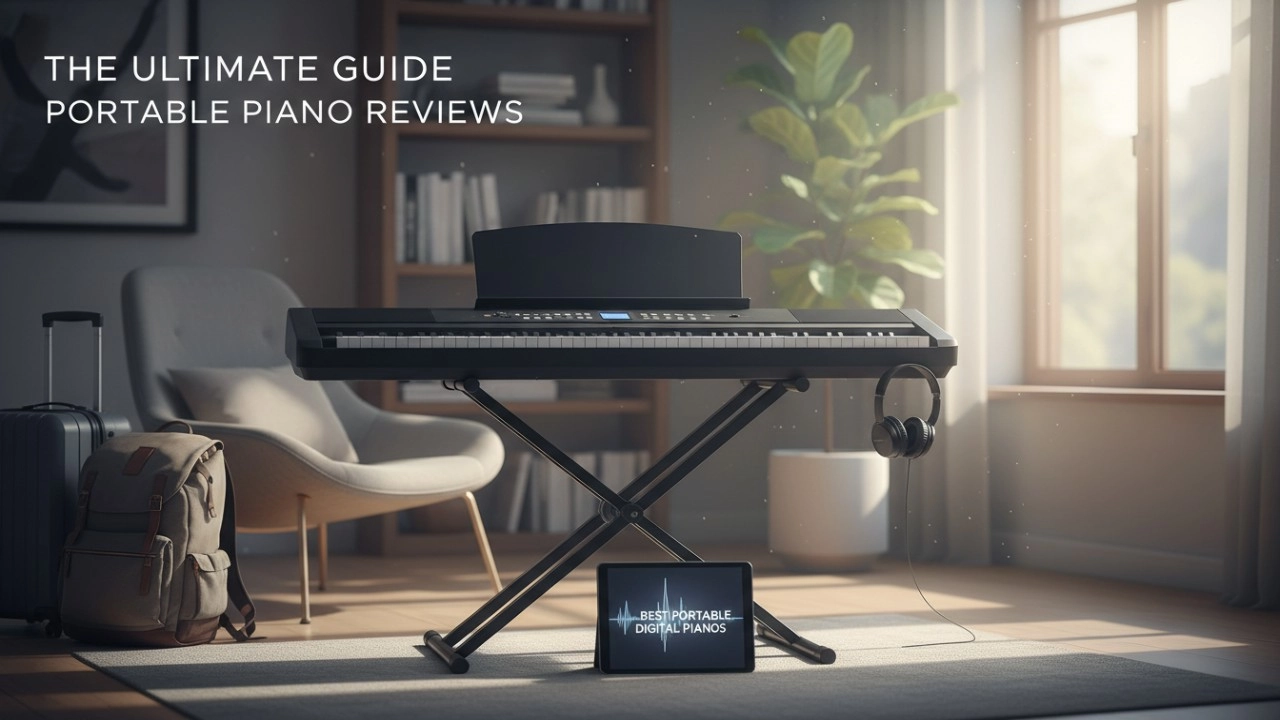
15 Best Portable Digital Pianos of 2026: The Only Comparison Guide You’ll Ever Need
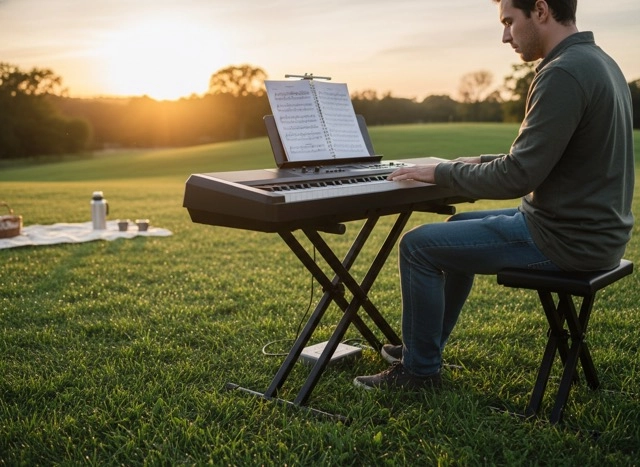
Is the Flykeys FP9 Worth It? Our Real-Life Experience with the World’s Largest Piano Maker’s Digital Tech.
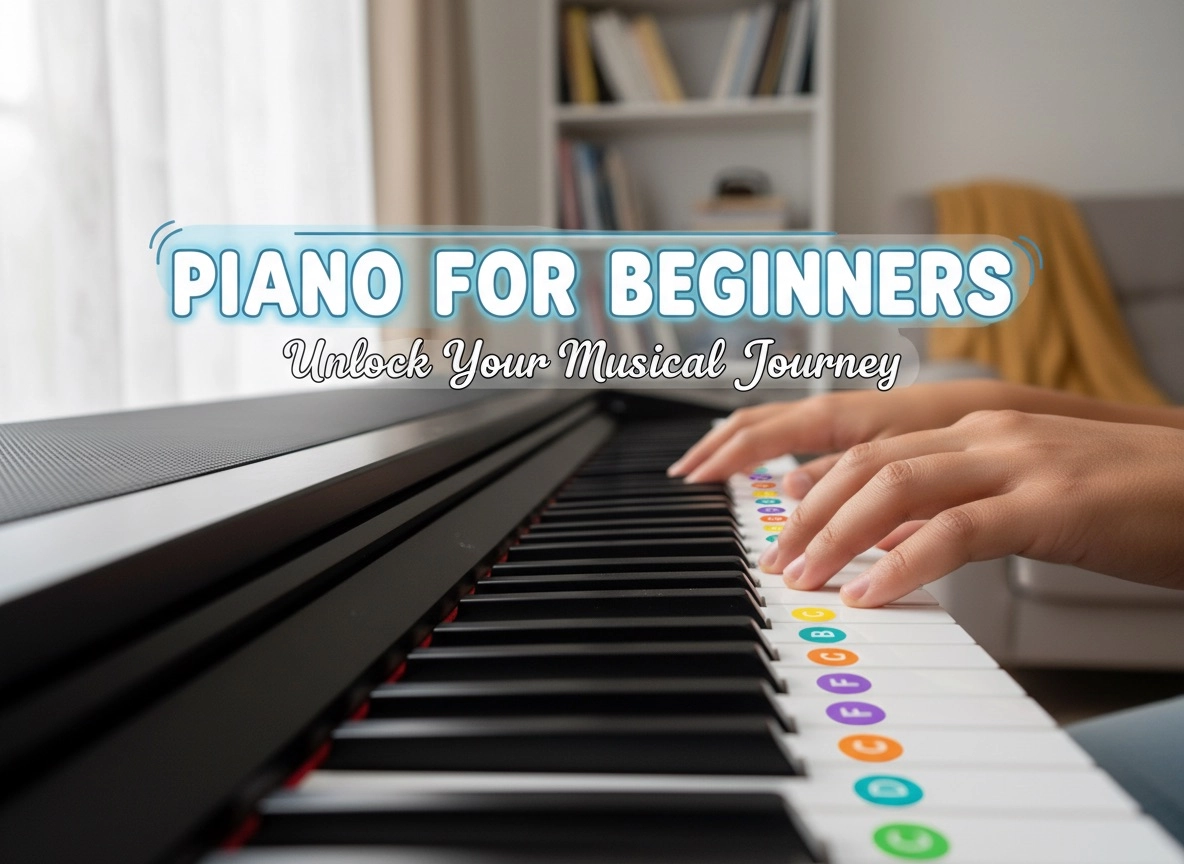
Best Digital Piano Keyboards for Beginners 2026: Your Ultimate Buying Guide
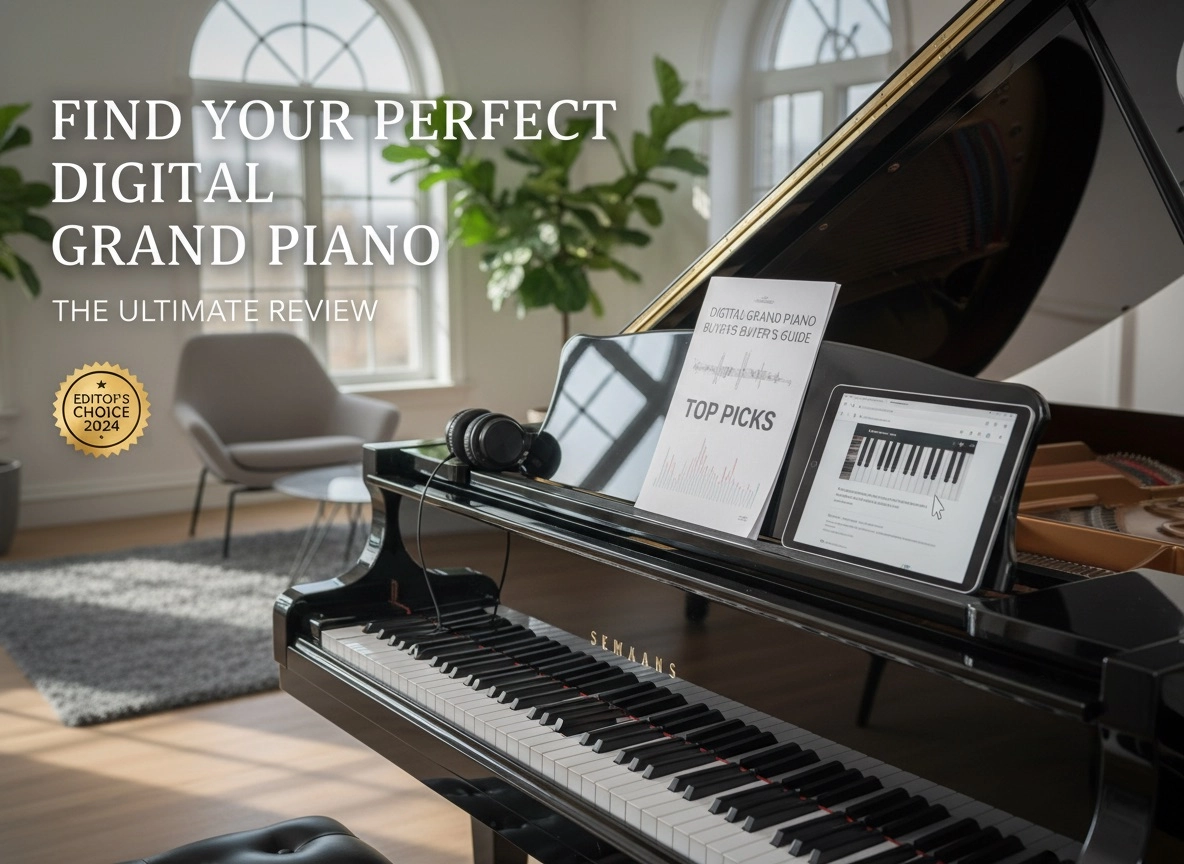
Best Digital Grand Pianos 2026: Ultimate Buyer's Guide for Authentic Sound & Feel
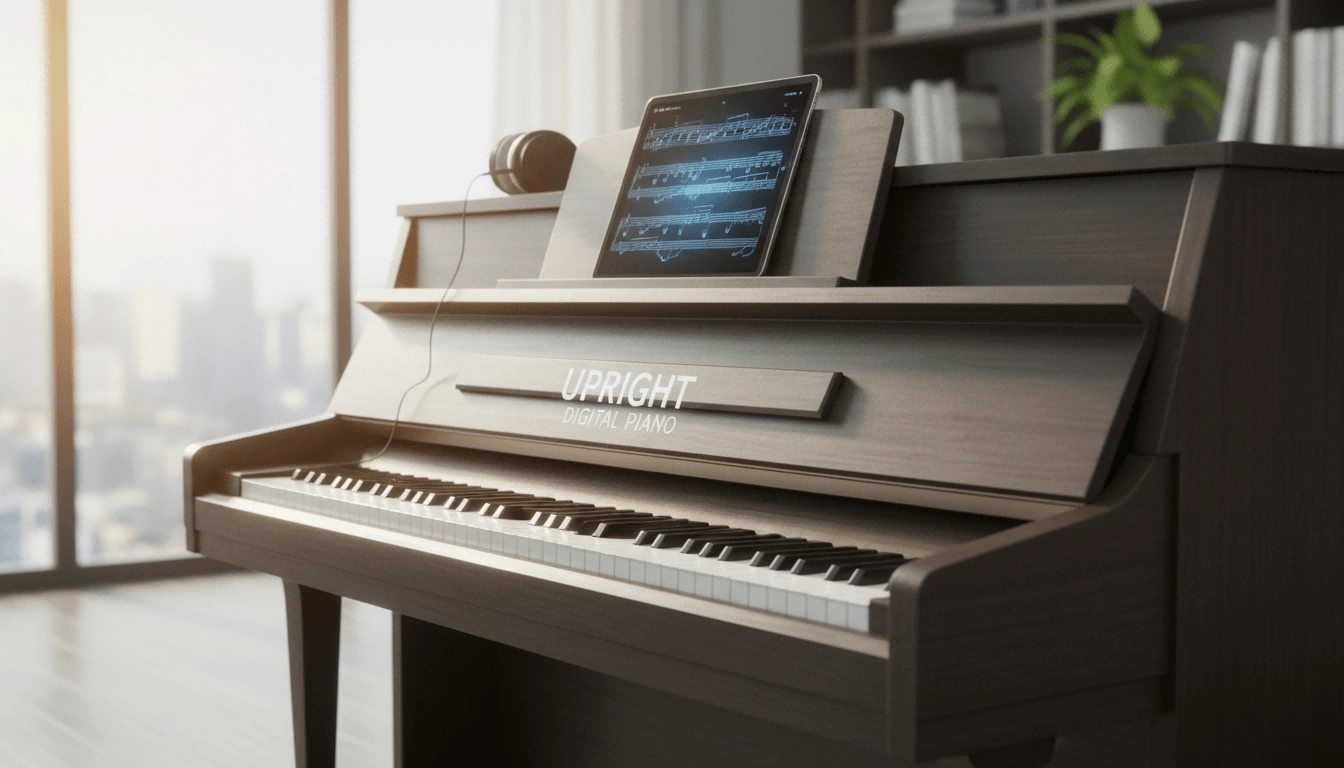
The Definitive Guide to Upright Digital Pianos: Blending Timeless Elegance with Modern Innovation in 2026
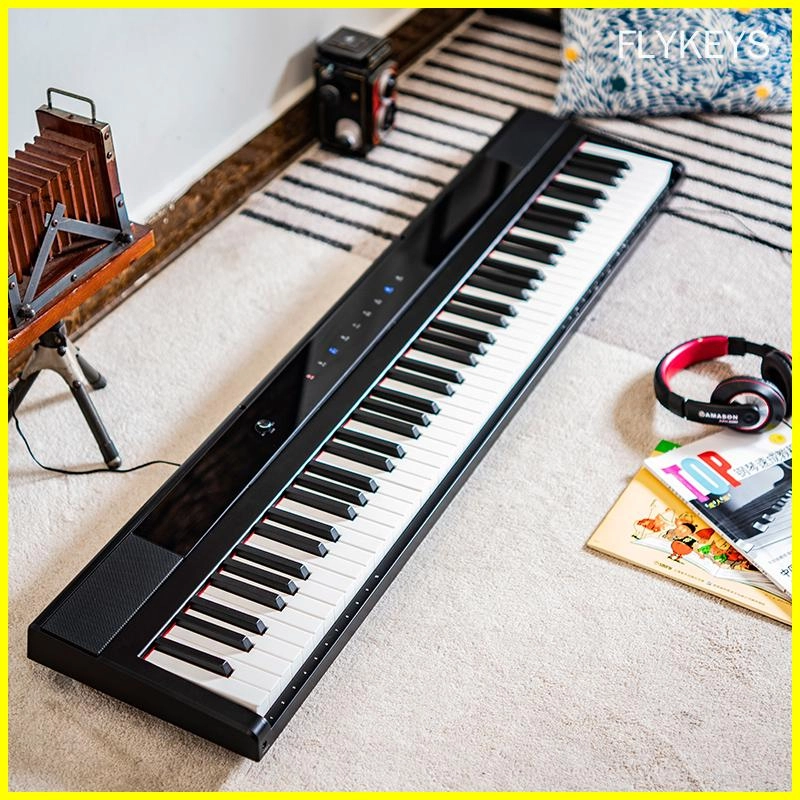
Best-Rated Electronic Pianos for Beginners in 2026: What to Buy and Why
Customization
Can I request additional features to be added to a standard model?
Yes, we offer customization services to accommodate specific feature requests, subject to feasibility and additional charges.
Can I customize the finish of my electronic piano?
Yes, we offer customization options for finishes, allowing you to choose from a variety of colors and textures.
After-Sales Service
What after-sales support do you offer?
We offer comprehensive after-sales support, including technical assistance, troubleshooting, and warranty services.
Payment
Is payment required upfront for custom orders?
Yes, payment is typically required upfront for custom orders to initiate the production process.
Company
What is your company's mission?
Our mission is capture the zeitgeist, enjoy the quality lifestyle.
Our vision is to be the TOP 1 Chinese digital musical instrument brand and enter International top list.
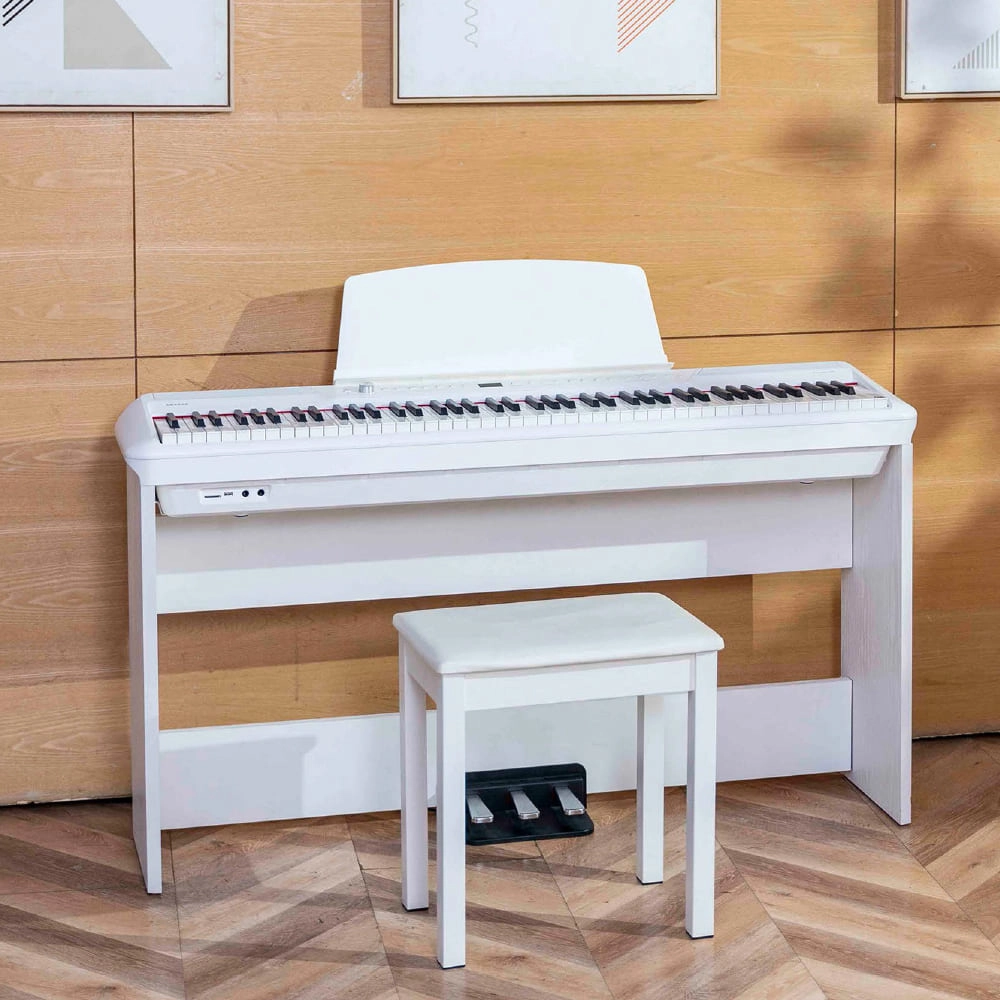
Flykeys Portable Electric Keyboard FP9 Digital Piano
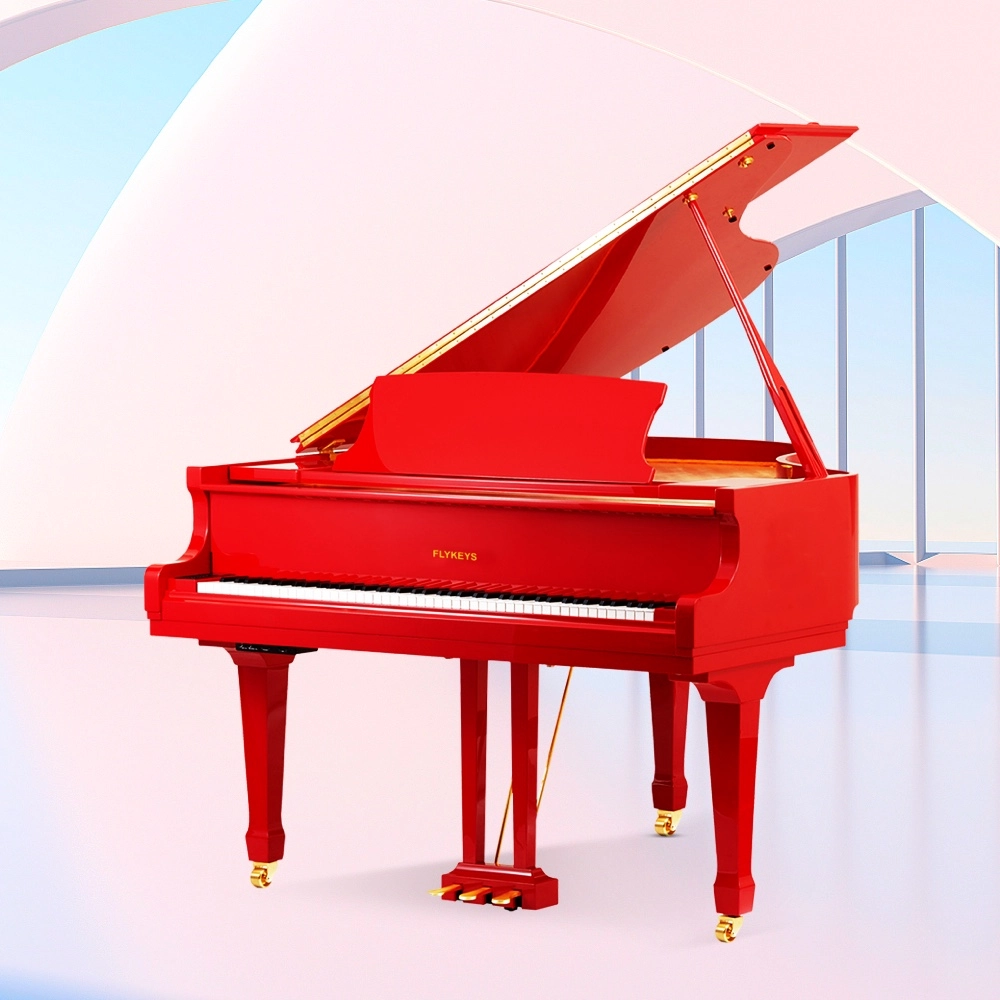
Flykeys Professional Digital Grand Piano FGP610 Digital Piano
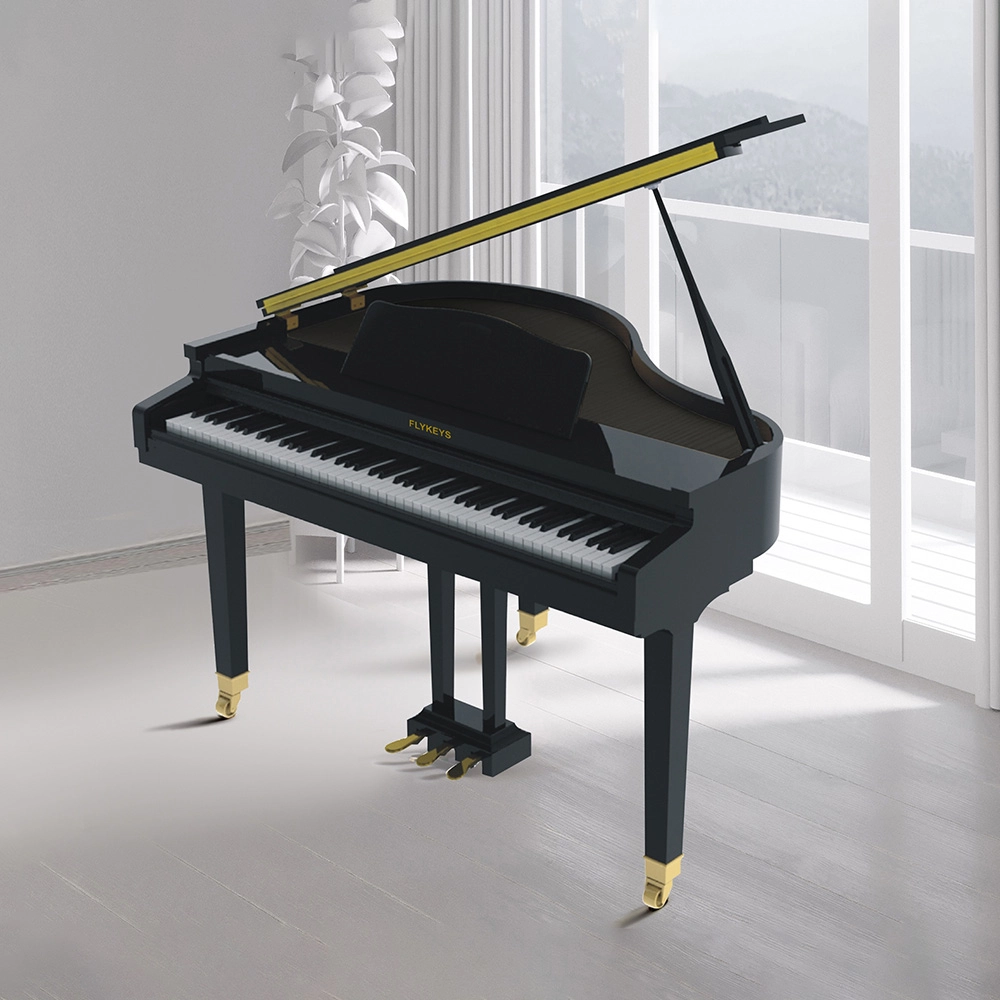
Flykeys 88 Keys Professional Digital Grand Piano Hammer Action Keyboard FGP110 Digital Piano
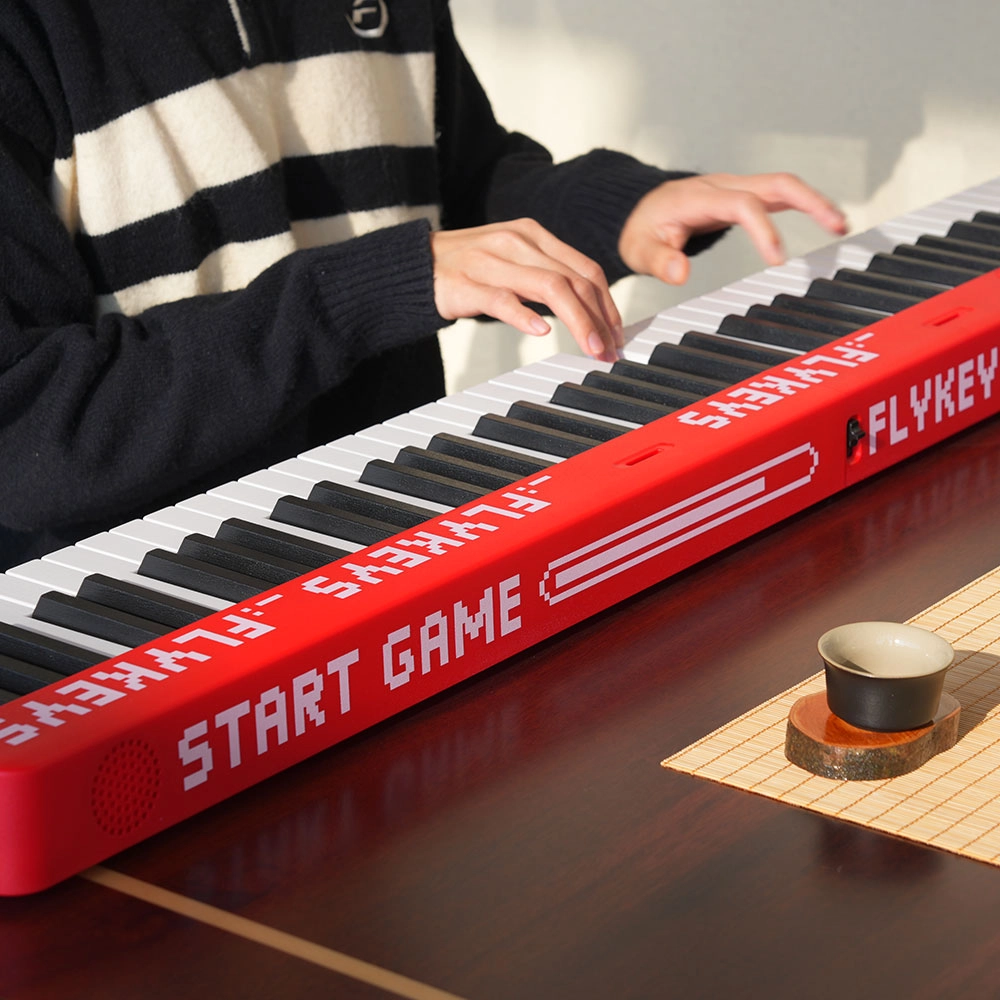
Flykeys M12 Folding Keyboard
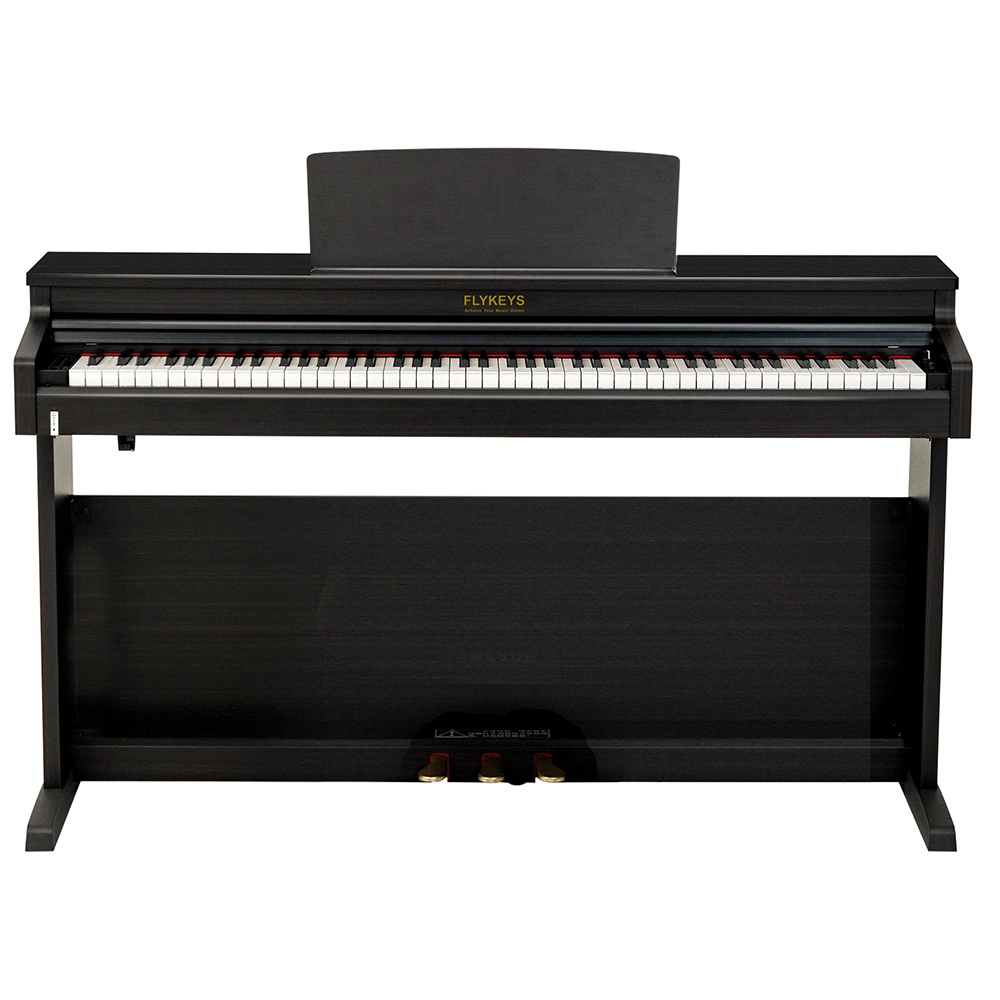
Flykeys Upright Digital Piano FDP 3
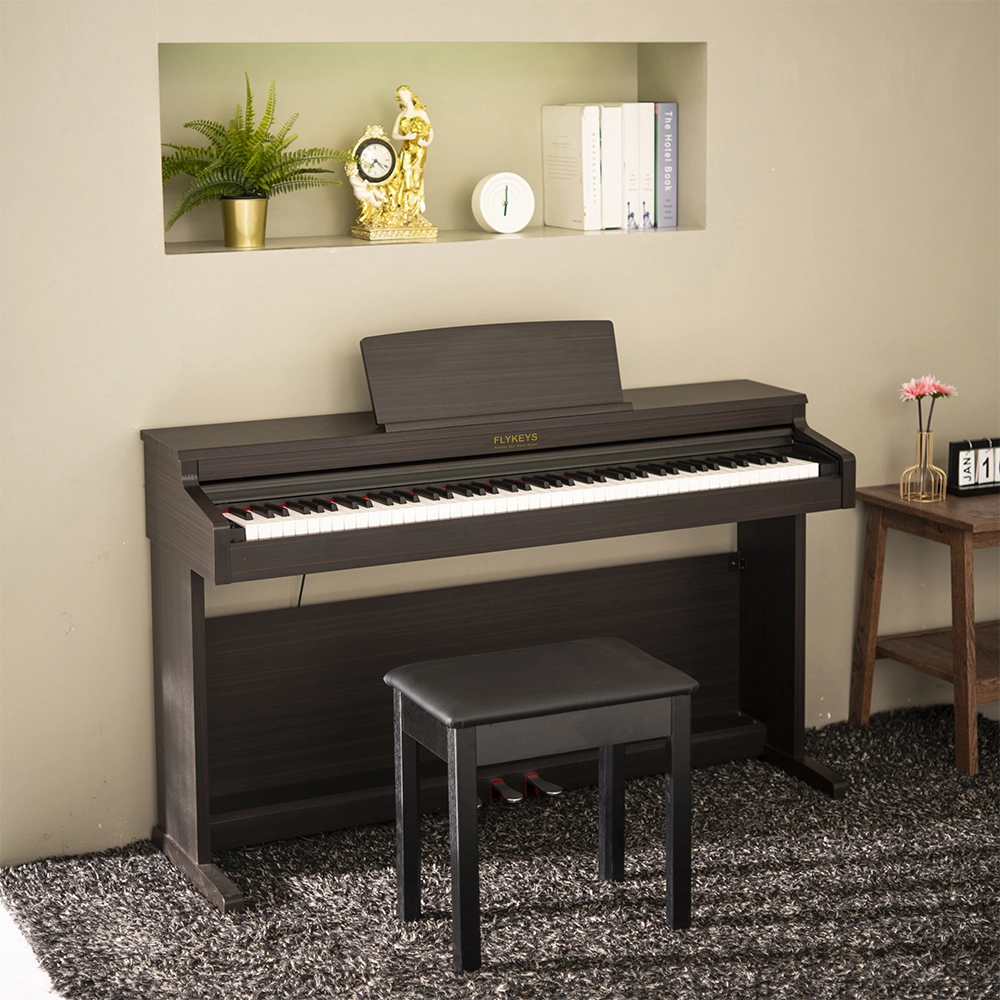
Flykeys 88 Keys Hammer Action keyboard Upright Piano LK03S Digital Piano
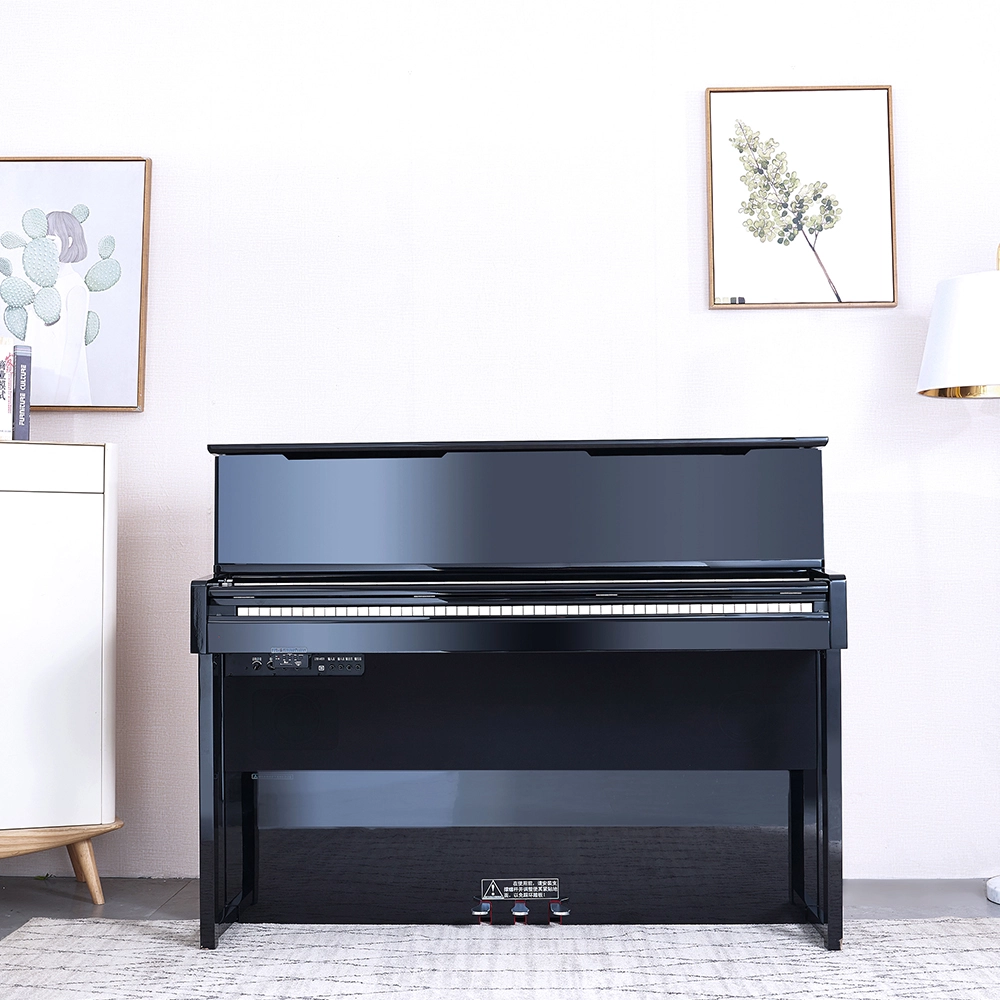
Flykeys Professional Digital Upright Piano 88 Keys Wooden Keyboard FK830 Digital Piano
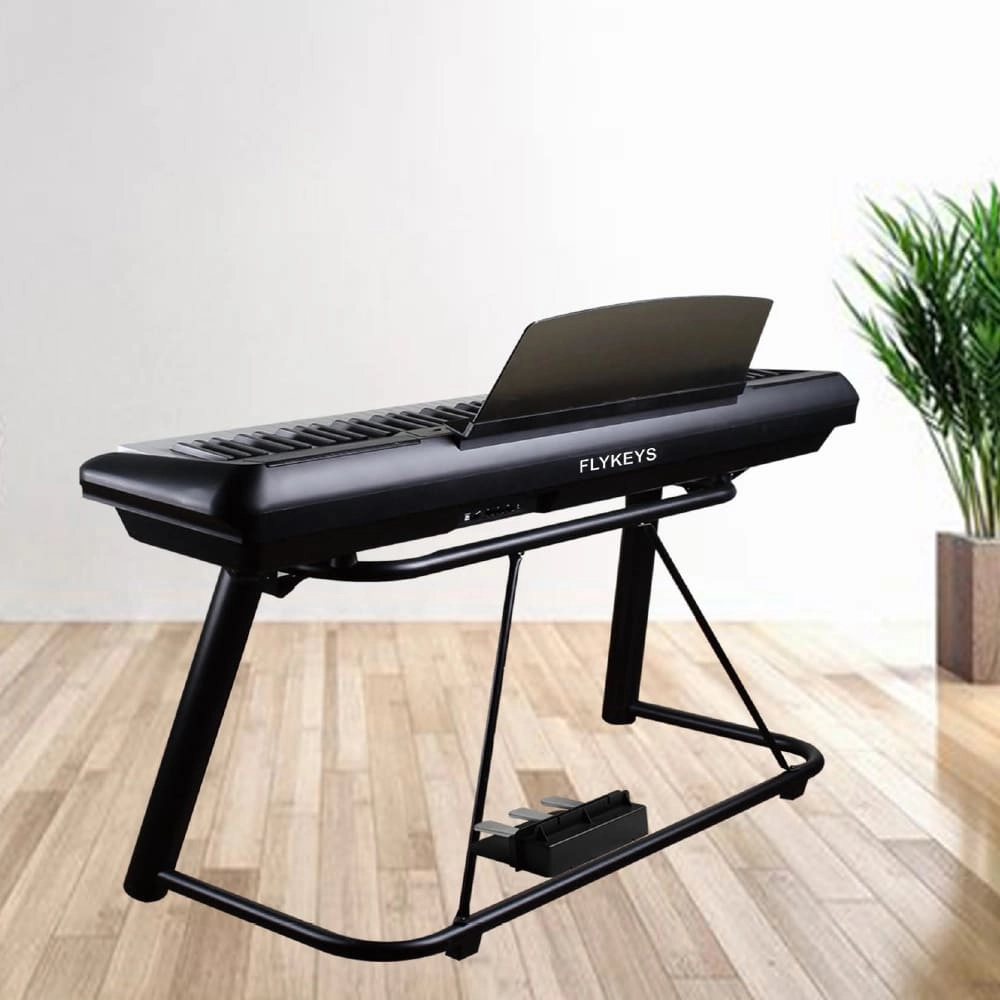
Flykeys 88 Keys Portable Piano With Wooden Stand FP6 Digital Piano
Get in touch with us
Have a question or inquiry about our digital pianos products? Leave us a message here and our team will get back to you promptly within 24 hours.
Whether you're interested in custom orders, technical specifications, or partnership opportunities, we're here to assist you.
Rest assured that your privacy is important to us, and all information provided will be handled with the utmost confidentiality.
Address: No. 38 Xiangshan Avenue, Zengcheng Economic And Technological Development Zone, Guangzhou, China.
FOLLOW US:


© 2026 FLYKEYS All Rights Reserved. 粤 ICP备2020102774号. Designed by gooeyun. Sitemap | Privacy | Terms