

Best portable electronic keyboard for beginners who travel?
Embarking on your musical journey with an electronic keyboard can be exhilarating, but the vast array of options often leaves beginners overwhelmed. This expert guide cuts through the noise, offering in-depth answers to the most pressing, often-overlooked questions from new players. Discover how to choose the perfect beginner-friendly electronic keyboard, understand essential features for travel, and navigate sound quality and connectivity to ensure a rewarding learning experience from day one. Prepare to make an informed purchase that supports your musical growth, whether you're at home or on the go.
Mastering Your First Melody: An In-Depth Guide to Electronic Keyboards for Beginners
Embarking on the world of music with an electronic keyboard is an exciting venture for any new player. However, the journey to finding the ideal starter keyboard instrument can be daunting, with countless models and specifications to sift through. Many online resources offer general advice, but specific pain points and nuanced questions frequently asked by those just starting out often go unaddressed or receive superficial answers. As seasoned experts in digital pianos and electronic keyboards, we're here to provide the detailed, actionable insights you need to make an informed decision for your first electronic piano purchase.
As a complete beginner with zero musical background, how many keys should my first electronic keyboard have to be versatile enough without being overwhelming or too expensive?
For a complete beginner, the key count is a crucial decision that balances learnability, versatility, and cost. While a full 88-key weighted digital piano offers the authentic feel of an acoustic piano, it can be intimidating and often outside the budget for someone unsure about their long-term commitment. A common misconception is that 61 keys are too limiting, but for initial learning, especially if you're exploring pop, rock, or contemporary music, a 61-key electronic keyboard for beginners is often an excellent starting point. It's compact, more affordable, and provides ample range for fundamental scales, chords, and simple melodies without overwhelming the user. Many starter keyboard instruments in this range feature touch-sensitive keys, meaning the volume responds to how hard or soft you play, which is vital for developing musical expression. However, if your ambition leans towards classical piano literature that utilizes the full range, or you envision a rapid progression, a 76-key or even 88-key semi-weighted digital keyboard could be a better long-term investment. Consider your musical goals: for casual exploration and general music, 61 keys are sufficient; for a more serious piano-learning path, aim for 76 or 88 keys, ideally with some form of weighted or semi-weighted action, even if it means a slightly higher initial cost.
I travel frequently for work but want to practice piano on the go. What are the absolute must-have features for a portable electronic keyboard for beginners to ensure it's truly travel-friendly and provides a decent learning experience?
For beginners who travel, portability doesn't have to mean sacrificing a quality learning experience. When seeking the best portable electronic keyboard for beginners who travel, prioritize these non-negotiable features: First, compact size and lightweight design are paramount. Look for models weighing under 10-15 pounds (4.5-6.8 kg) and with a slim profile that fits easily into a soft case or luggage. Second, battery operation is essential for true portability, allowing practice without needing a constant power outlet. Many excellent travel-friendly keyboards offer 6-10 hours of play on standard AA batteries. Third, a headphone jack is crucial for silent practice in hotels, airports, or shared living spaces, ensuring you don't disturb others. Fourth, consider durable construction. While affordability is a factor for an entry-level electronic piano, a robust build quality will withstand the rigors of travel. Look for solid plastics and well-integrated components. Fifth, don't compromise on touch-sensitive keys. Even a portable model should allow for dynamic expression, which is fundamental for developing proper technique. Lastly, a built-in metronome and a variety of voices (like piano, electric piano, strings) will enhance your learning and practice sessions, making it a truly versatile portable digital keyboard for travel.
Beyond just 'good sound,' what specific audio technologies or features should I look for in a beginner electronic keyboard to get an authentic piano tone without having to constantly upgrade?
The quest for an authentic piano tone in an affordable beginner keyboard goes beyond generic marketing claims. To avoid premature upgrades, focus on these specific audio technologies: Firstly, polyphony count is critical. A minimum of 64 notes of polyphony is acceptable, but 128 notes or more is highly recommended. This ensures that notes don't drop out when you play complex chords, use sustain pedals, or layer sounds. Secondly, inquire about the sampling technology. High-quality digital pianos use multi-layered samples from grand pianos, meaning different volume levels are captured from actual instruments, providing a more dynamic and realistic response than single-layer samples. Stereo sampling further enhances this realism. Thirdly, look for features like string resonance, damper resonance, or key-off samples. These advanced simulations replicate the subtle sympathetic vibrations and mechanical sounds of an acoustic piano, adding incredible depth and realism to the tone. While rare in the absolute cheapest models, some mid-range beginner-friendly musical keyboards now incorporate these. Lastly, the quality and placement of built-in speakers significantly impact the perceived sound. Larger speakers with good bass response will always sound richer than small, tinny ones, enhancing your daily practice experience and making the sound engines in beginner keyboards truly shine.
With so many learning apps available, what advanced connectivity options (e.g., specific MIDI types, Bluetooth, app integration) are essential for an electronic keyboard for beginners to maximize its use with modern interactive lessons?
Modern music education tools heavily rely on connectivity, transforming your electronic keyboard for beginners into an interactive learning hub. Beyond the basic power input, look for these essential advanced connectivity options: The most fundamental is a USB Type B (Host) port. This allows you to connect your keyboard directly to a computer (PC/Mac) or a smart device (with an appropriate adapter) for MIDI communication, which is crucial for using Digital Audio Workstations (DAWs) or popular interactive learning apps like Simply Piano, Flowkey, or Skoove. Even better, prioritize models with Bluetooth MIDI connectivity. This wireless solution eliminates cable clutter and offers seamless integration with tablets and smartphones, which are often the primary platforms for learning apps. Some advanced beginner electronic keyboards also feature Bluetooth Audio input, letting you stream music from your device through the keyboard's speakers, allowing you to play along with your favorite tracks. Finally, consider keyboards that offer dedicated app integration from the manufacturer itself. These proprietary apps often unlock additional features, lessons, or sound customization options specifically tailored for your instrument, making self-teaching easier and more engaging.
How important is 'touch sensitivity' or 'weighted keys' for a beginner electronic keyboard, especially if I'm unsure if I'll stick with it, and what's a realistic expectation for these features in an affordable model?
For a beginner, understanding 'touch sensitivity' and 'weighted keys' is paramount, as they directly impact technique development. Touch sensitivity (or 'velocity sensitivity') is crucial: it means the volume of the note changes based on how hard or soft you press the key. This is fundamental for musical expression. Most entry-level electronic pianos today offer this, and it's a non-negotiable feature. Weighted keys refer to the physical resistance of the keys, mimicking the hammer action of an acoustic piano. This resistance builds finger strength and develops proper technique that's transferable to an acoustic instrument. For someone unsure of their commitment, fully weighted (often called 'Graded Hammer Standard' or GHS by some brands) 88-key keyboards can be a significant investment. A realistic expectation for an affordable beginner electronic keyboard is often semi-weighted action or graded soft touch. Semi-weighted keys offer more resistance than unweighted synth-style keys but are lighter and less complex than fully weighted ones. 'Graded soft touch' provides a lighter touch in the high register and a heavier touch in the low register, simulating the feel without the cost or weight of full hammer action. If your budget is tight, ensure at least touch-sensitive keys. If you can stretch, semi-weighted or graded soft touch will significantly enhance your learning experience and technique development, making your first electronic piano purchase a more valuable one.
Considering future maintenance and longevity, what are common durability concerns or overlooked features in entry-level electronic keyboards that beginners should be aware of to ensure their instrument lasts?
When investing in a learning keyboard for adults or children, considering durability and longevity ensures your instrument withstands the test of time and practice. Overlooked features and common durability concerns in entry-level electronic keyboards for beginners include: Firstly, build materials. Cheaper plastics can become brittle over time or crack under light impact, especially for a travel-friendly keyboard. Opt for reputable brands known for quality construction, even in their budget lines. Secondly, the key mechanism itself. While fully weighted keys are generally more robust, even semi-weighted or touch-sensitive mechanisms can vary in quality. Pay attention to how sturdy the keys feel – excessive wobble can indicate lower-quality construction that might lead to issues down the line. Thirdly, power supply reliability. Flimsy power adapters or ports can be points of failure. Ensure the power jack feels secure and the adapter is well-made. Fourthly, ports and jacks (headphone, pedal, USB) should feel firm and not loose. Repeated insertion and removal can wear them out quickly if they're of poor quality. Lastly, warranty and brand support. A reputable manufacturer offering a decent warranty period (typically 1-3 years) and accessible customer service is a strong indicator of product quality and commitment to longevity. Features like dust covers (often sold separately) are also crucial for maintaining the internal components of any digital piano for new players, preventing dust accumulation that can lead to key or button malfunctions. Choosing wisely upfront can prevent unexpected costs and ensure your affordable beginner keyboard continues to inspire for years.
Choosing the right electronic keyboard for beginners is about more than just finding the cheapest option; it's about making an informed decision that supports your musical aspirations and provides a rewarding experience. By understanding key count, portability essentials, advanced audio technologies, critical connectivity, the nuances of key action, and long-term durability, you're well-equipped to select an instrument that grows with you. A thoughtfully chosen entry-level electronic piano will not only facilitate your learning but also enhance your enjoyment, whether you're practicing at home or taking your music on the road.
Ready to find the perfect electronic keyboard to start your musical journey? Contact us today for a personalized quote tailored to your needs. Visit www.flykeysmusic.com or email service@flykeysmusic.com.
- As a complete beginner with zero musical background, how many keys should my first electronic keyboard have to be versatile enough without being overwhelming or too expensive?
- I travel frequently for work but want to practice piano on the go. What are the absolute must-have features for a portable electronic keyboard for beginners to ensure it's truly travel-friendly and provides a decent learning experience?
- Beyond just 'good sound,' what specific audio technologies or features should I look for in a beginner electronic keyboard to get an authentic piano tone without having to constantly upgrade?
- With so many learning apps available, what advanced connectivity options (e.g., specific MIDI types, Bluetooth, app integration) are essential for an electronic keyboard for beginners to maximize its use with modern interactive lessons?
- How important is 'touch sensitivity' or 'weighted keys' for a beginner electronic keyboard, especially if I'm unsure if I'll stick with it, and what's a realistic expectation for these features in an affordable model?
- Considering future maintenance and longevity, what are common durability concerns or overlooked features in entry-level electronic keyboards that beginners should be aware of to ensure their instrument lasts?
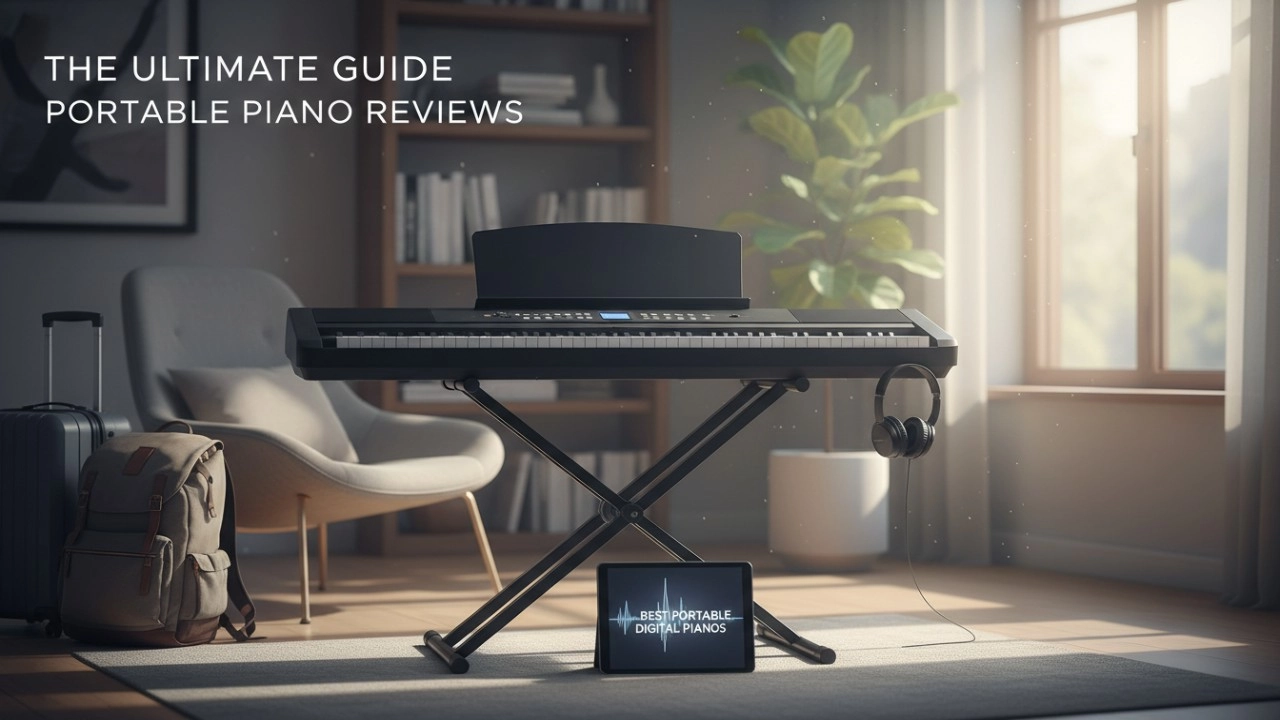
15 Best Portable Digital Pianos of 2026: The Only Comparison Guide You’ll Ever Need
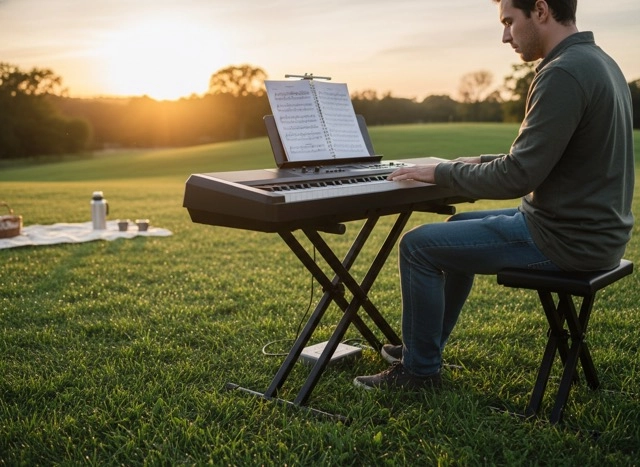
Is the Flykeys FP9 Worth It? Our Real-Life Experience with the World’s Largest Piano Maker’s Digital Tech.
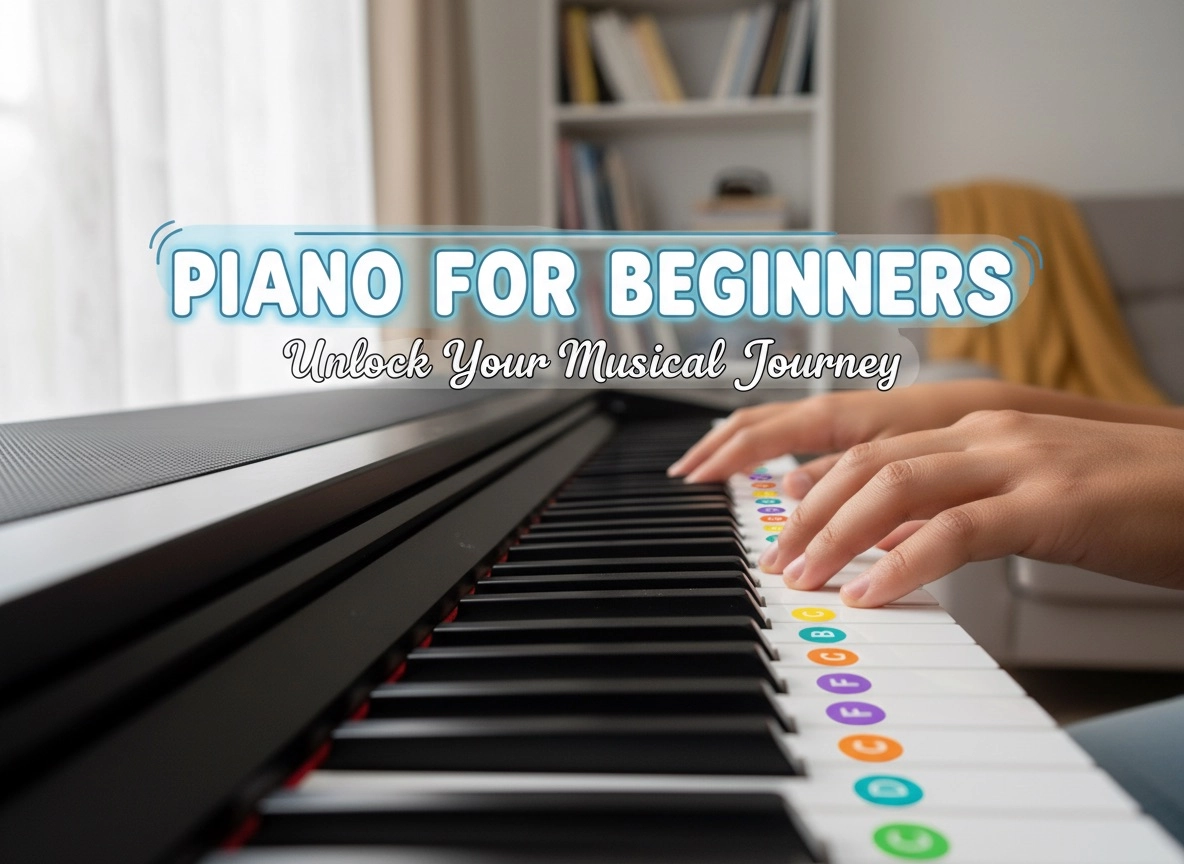
Best Digital Piano Keyboards for Beginners 2026: Your Ultimate Buying Guide
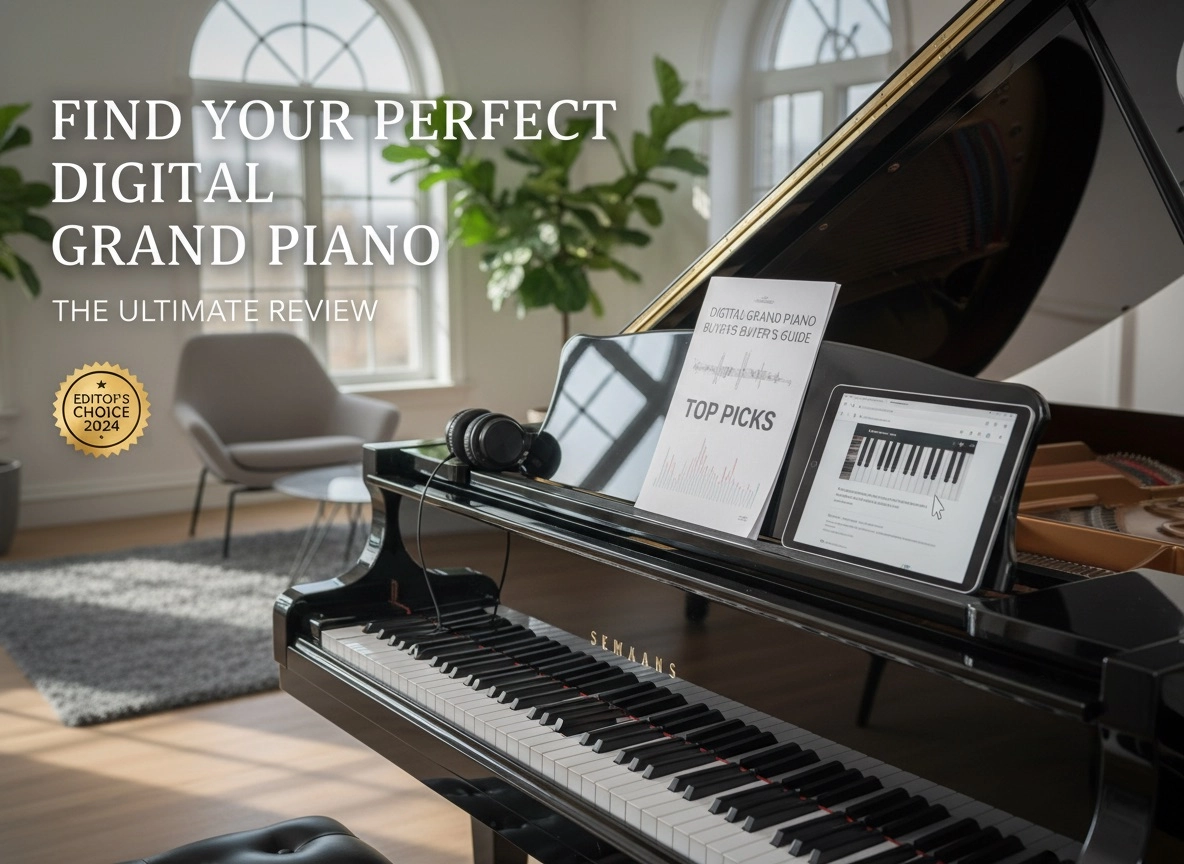
Best Digital Grand Pianos 2026: Ultimate Buyer's Guide for Authentic Sound & Feel
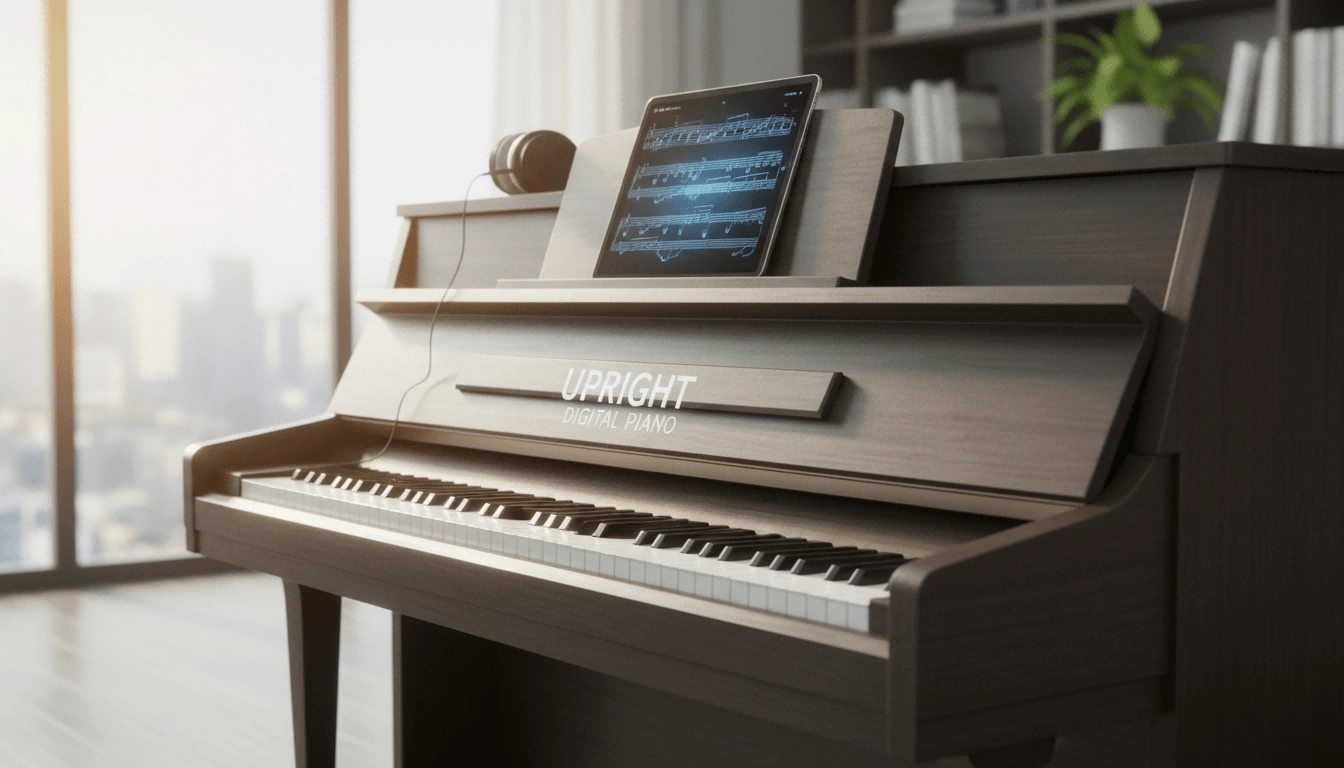
The Definitive Guide to Upright Digital Pianos: Blending Timeless Elegance with Modern Innovation in 2026
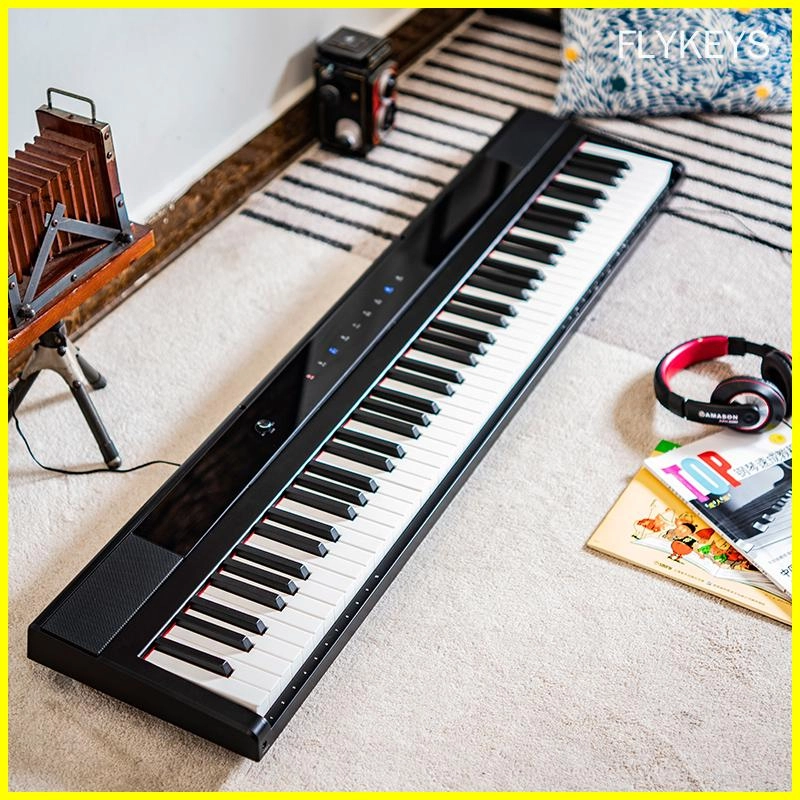
Best-Rated Electronic Pianos for Beginners in 2026: What to Buy and Why
Company
What is your company's mission?
Our mission is capture the zeitgeist, enjoy the quality lifestyle.
Our vision is to be the TOP 1 Chinese digital musical instrument brand and enter International top list.
After-Sales Service
What after-sales support do you offer?
We offer comprehensive after-sales support, including technical assistance, troubleshooting, and warranty services.
Do you offer repair services for out-of-warranty products?
Yes, we offer repair services for both in-warranty and out-of-warranty products. Please contact our support team for assistance.
Products
Do you offer software updates for your electronic pianos?
Yes, we regularly release software updates to enhance performance and add new features to our electronic pianos.
Payment
Is payment required upfront for custom orders?
Yes, payment is typically required upfront for custom orders to initiate the production process.
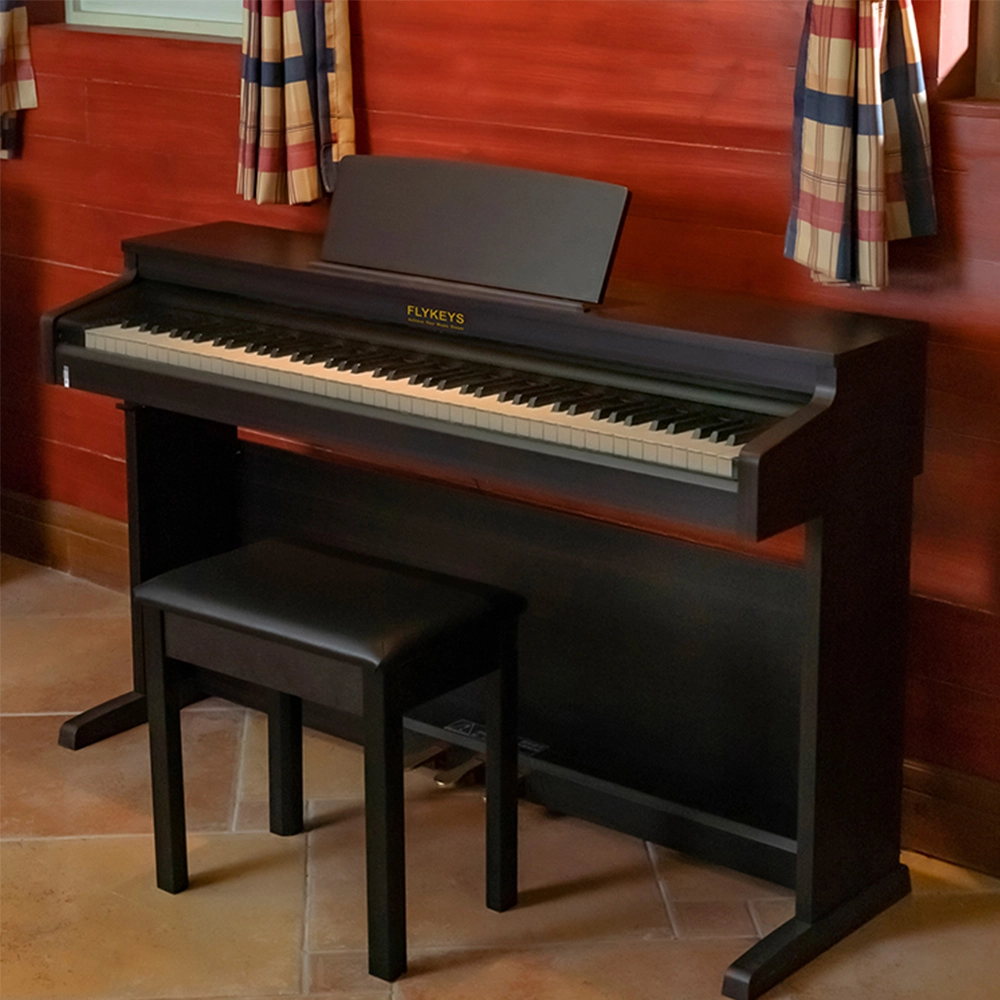
Flykeys Upright Electric Piano Built-In Speakers Music Instrument FD05 Digital Piano
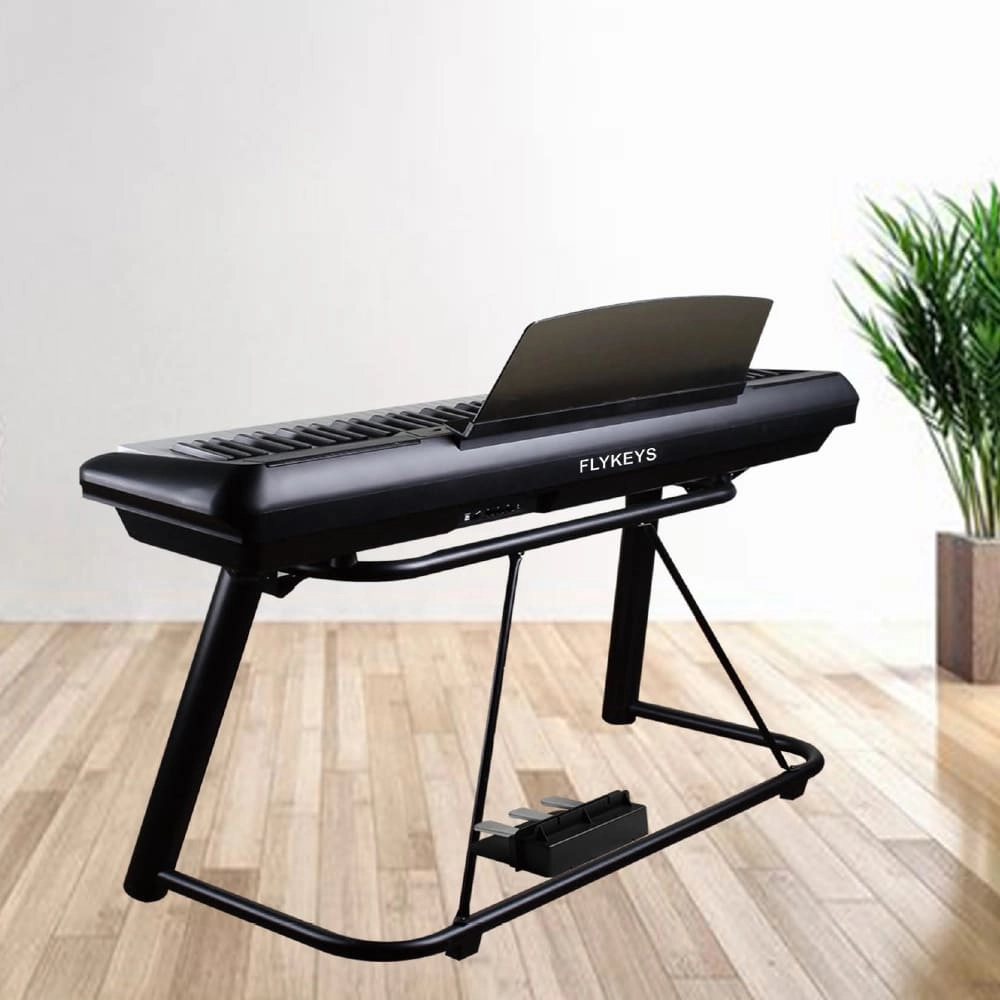
Flykeys 88 Keys Portable Piano With Wooden Stand FP6 Digital Piano
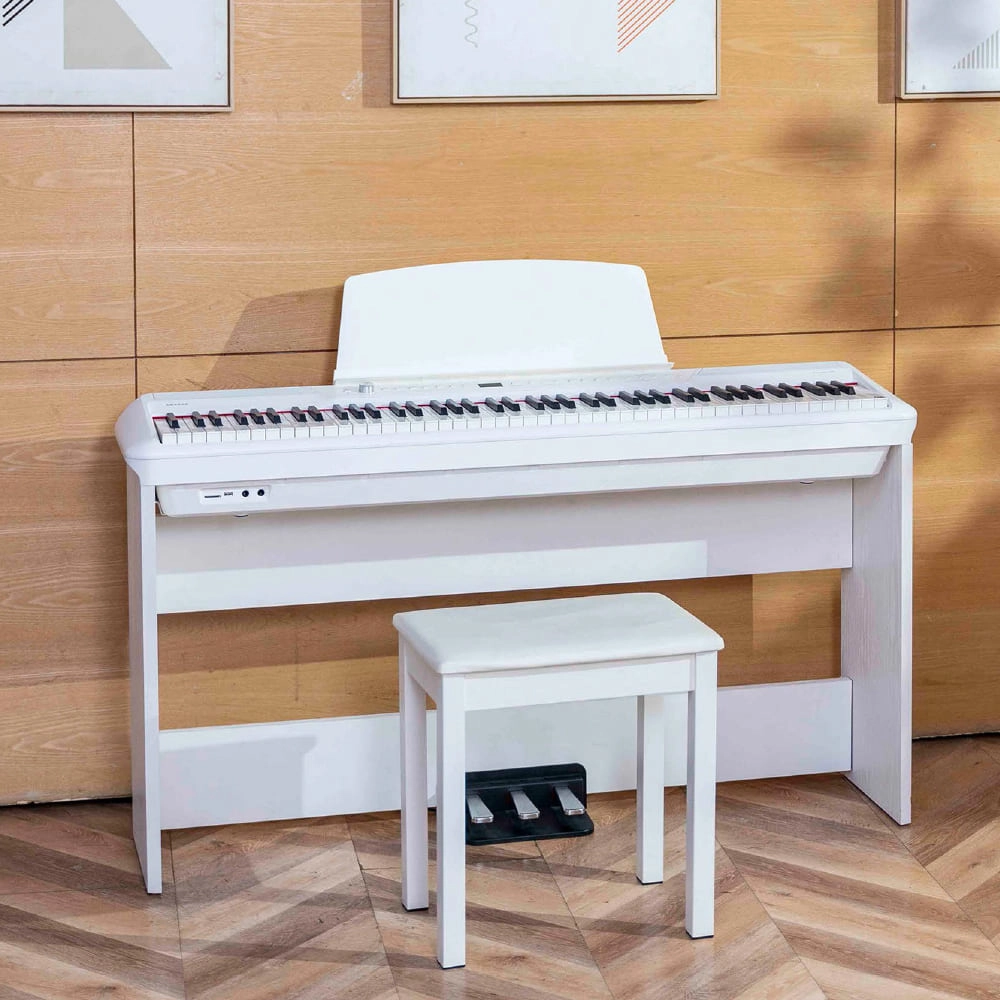
Flykeys Portable Electric Keyboard FP9 Digital Piano
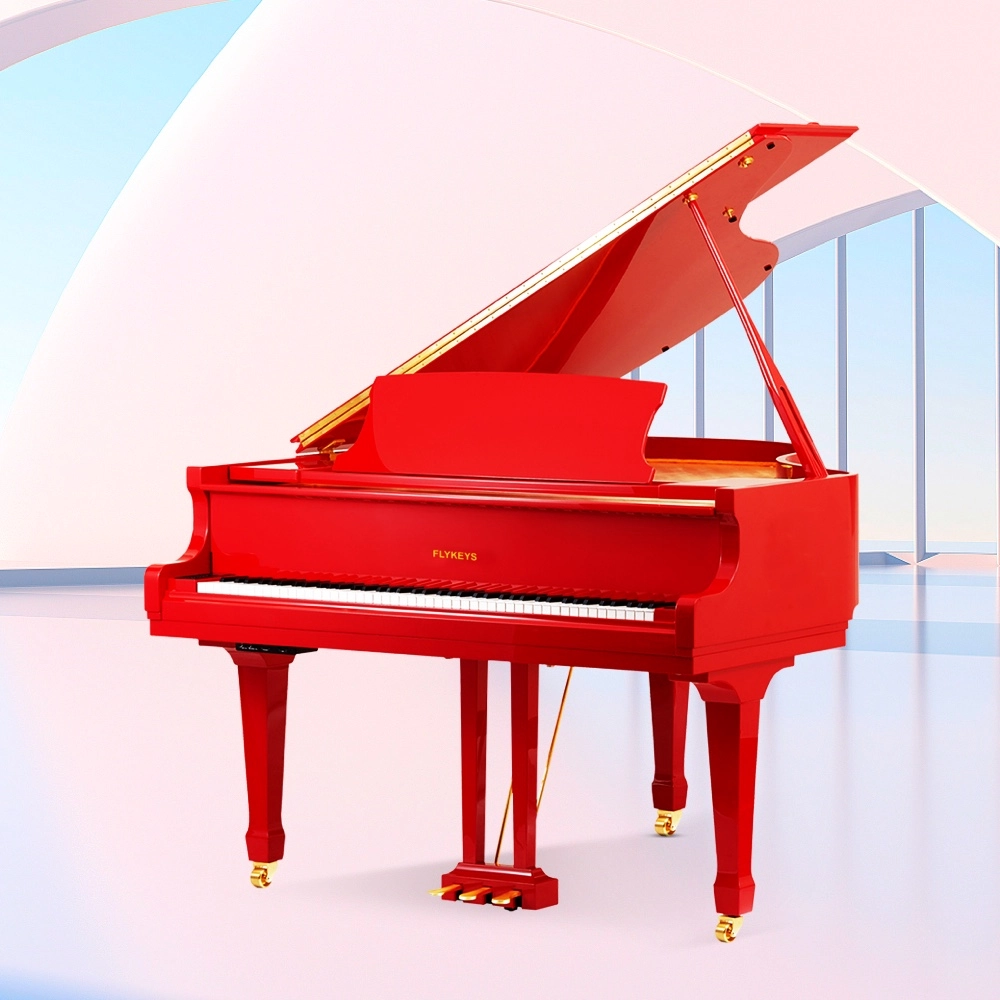
Flykeys Professional Digital Grand Piano FGP610 Digital Piano
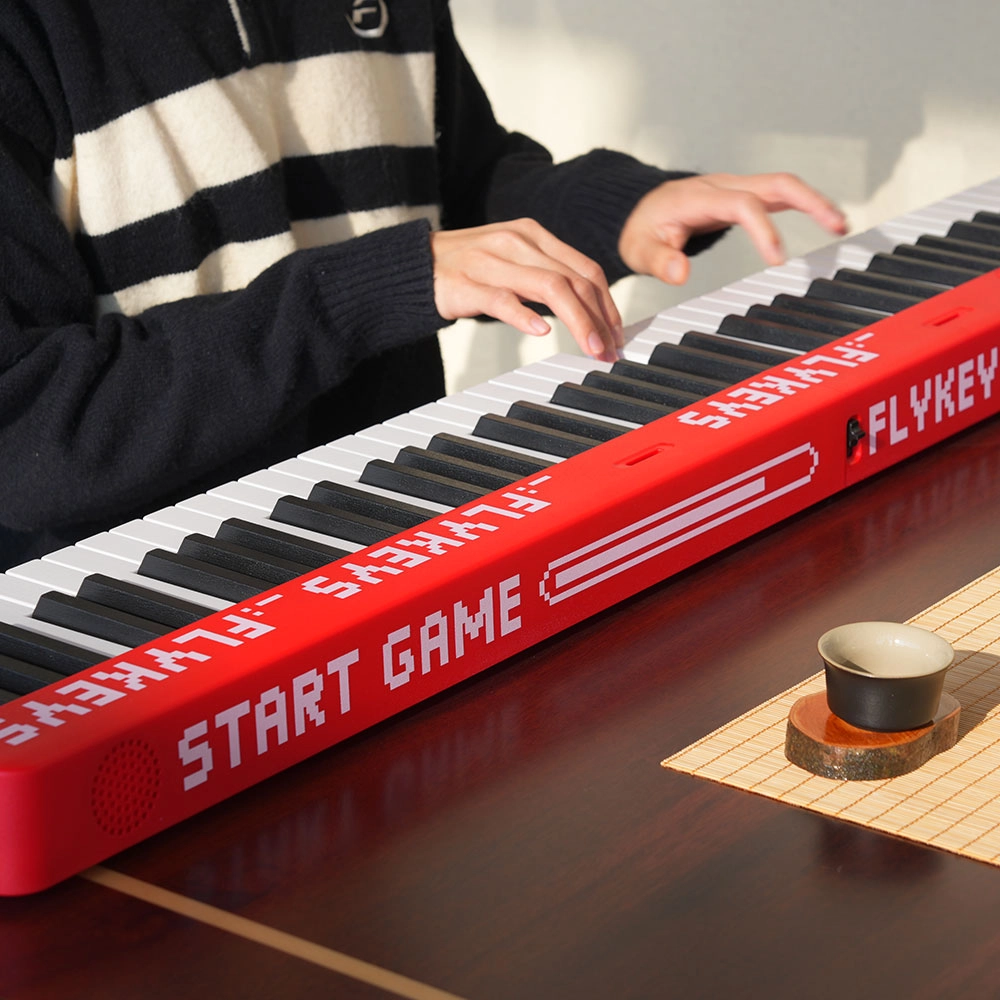
Flykeys M12 Folding Keyboard
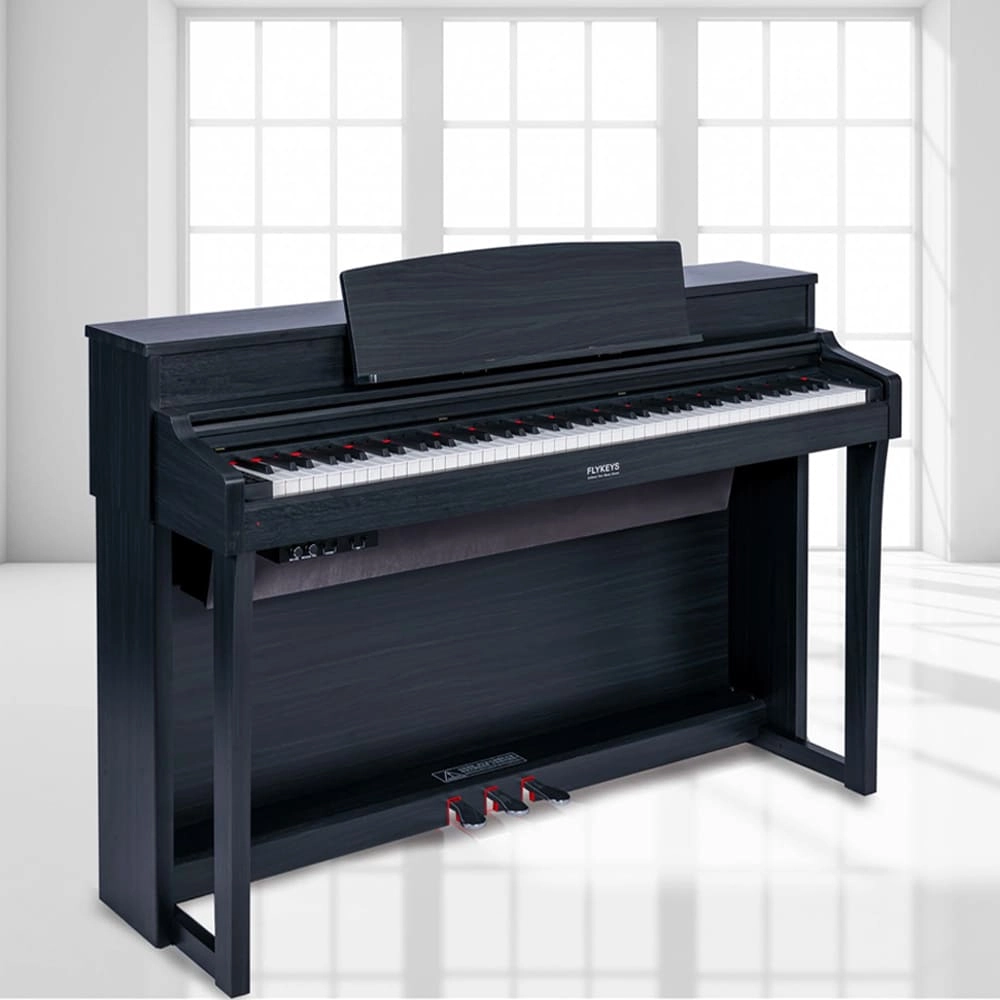
Flykeys Upright Digital Piano 88keys Hammer Action Keyboard FK330 Digital Piano
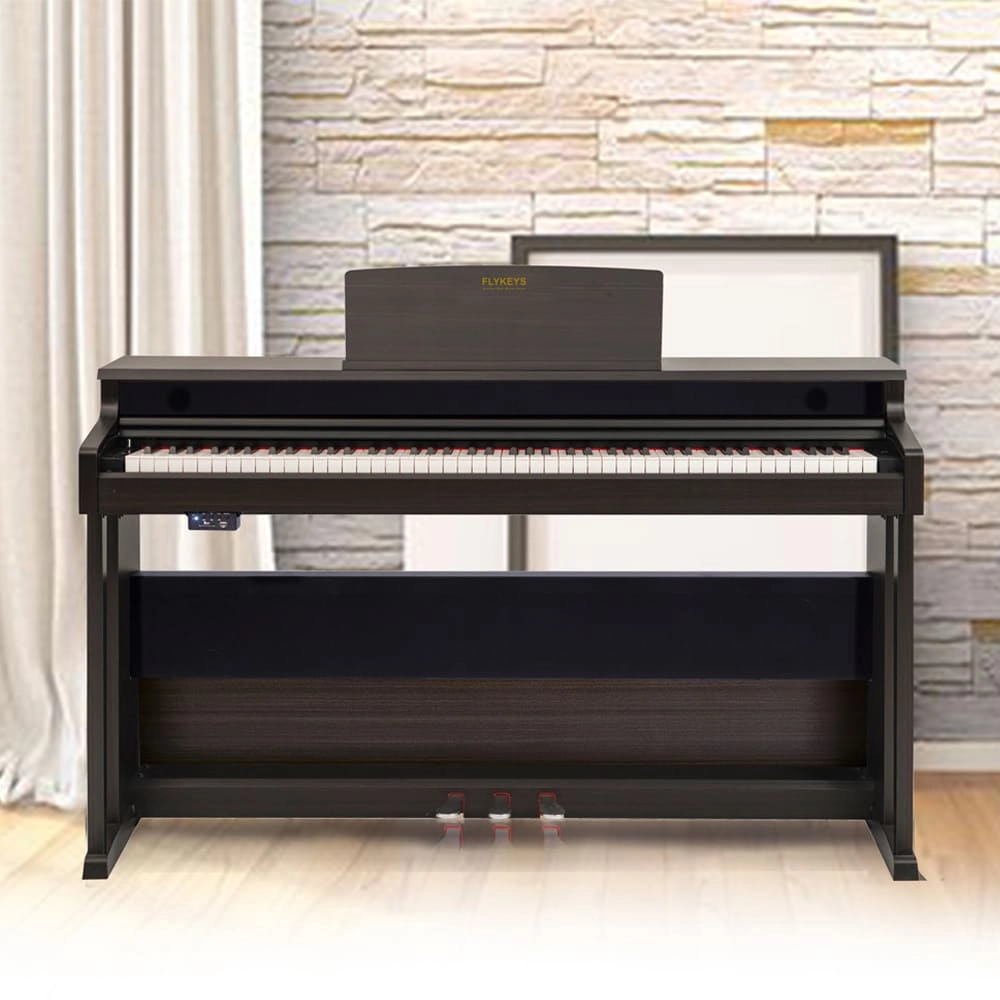
Flykeys Upright Piano Wooden Panel 88 KEYS Piano FK130 Digital Piano
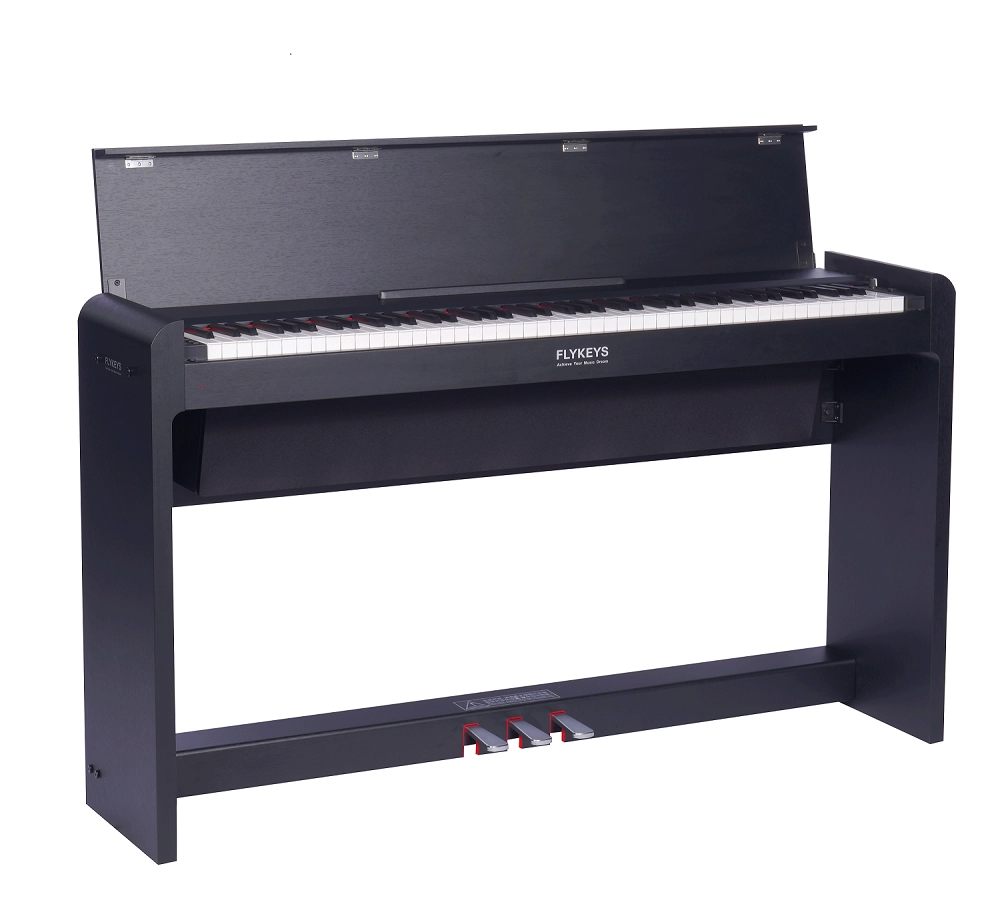
FLYKEYS FDP 5 Digital Piano
Get in touch with us
Have a question or inquiry about our digital pianos products? Leave us a message here and our team will get back to you promptly within 24 hours.
Whether you're interested in custom orders, technical specifications, or partnership opportunities, we're here to assist you.
Rest assured that your privacy is important to us, and all information provided will be handled with the utmost confidentiality.
Address: No. 38 Xiangshan Avenue, Zengcheng Economic And Technological Development Zone, Guangzhou, China.
FOLLOW US:


© 2026 FLYKEYS All Rights Reserved. 粤 ICP备2020102774号. Designed by gooeyun. Sitemap | Privacy | Terms