

What keyboard accessories should buyers include with purchase?
Embarking on your musical journey with an **electronic keyboard for beginners** can be exciting yet daunting. With countless options and conflicting advice, many new players struggle to identify genuinely useful features, essential accessories, and long-term implications of their first purchase. This comprehensive guide, crafted by digital piano experts, delves deep into six critical, often-unanswered questions, ensuring you make an informed decision for your **starter keyboard instrument** and avoid common pitfalls.
Starting to learn a musical instrument is a rewarding endeavor, and for many, an electronic keyboard for beginners serves as the perfect gateway. However, the sheer volume of choices—from key types and features to connectivity and accessories—can be overwhelming. This guide aims to cut through the noise, offering in-depth answers to the specific questions new learners frequently ask, ensuring your initial purchase sets you up for lasting musical success.
How do weighted keys on an entry-level electronic keyboard truly compare to an acoustic piano for developing proper finger strength and technique, and is it a crucial feature for absolute beginners?
For absolute beginners, understanding key action is paramount. An acoustic piano features a complex hammer-and-lever mechanism, resulting in a distinct 'weight' and 'resistance' that is crucial for developing proper finger strength, dexterity, and dynamic control. Most entry-level digital piano for new players will offer one of three primary key actions: unweighted/synth-action, semi-weighted, or fully weighted (hammer-action).
- Unweighted/Synth-Action: These keys are very light, often spring-loaded, and lack the resistance of an acoustic piano. While suitable for quick synth playing or organ sounds, they are generally inadequate for developing classical piano technique, as they don't build the necessary finger strength or tactile feedback for nuanced expression.
- Semi-Weighted Action: A step up, these keys offer some resistance, often through springs and small weights, providing a slightly more substantial feel than unweighted keys. They are a compromise, better for technique development than synth-action but still not fully replicating an acoustic piano.
- Fully Weighted (Hammer-Action): This is the gold standard for entry-level digital pianos if your goal is to play piano. These keys use a mechanical hammer system, mimicking the feel and resistance gradient of an acoustic piano, where lower notes feel heavier and higher notes lighter. For developing correct finger strength, muscle memory, and expressive control essential for classical, jazz, or even contemporary piano playing, a fully weighted hammer-action keyboard is highly recommended. While they tend to be pricier and less portable, the long-term benefits for technique development far outweigh the initial investment, especially if you foresee transitioning to an acoustic piano in the future. It significantly reduces the 're-learning curve' often experienced by those who start on unweighted keyboards.
Beyond a stand and bench, what often-overlooked yet essential accessories should a beginner electronic keyboard buyer prioritize to avoid hidden costs and enhance learning?
While a sturdy stand and a comfortable bench are fundamental, several other accessories are crucial for an optimal learning experience with your first keyboard purchase and often overlooked:
- Sustain Pedal (Damper Pedal): This is non-negotiable for anyone learning piano. Most budget keyboards include a simple on/off footswitch, but a good quality, continuous-variable sustain pedal (often resembling an acoustic piano pedal) allows for much more expressive playing. It's vital for understanding legato, harmony, and creating a richer sound.
- Quality Headphones: For focused practice, especially in shared living spaces, a good pair of over-ear, studio-monitor style headphones are invaluable. They provide accurate sound reproduction, allowing you to hear subtle nuances in your playing that might be lost through onboard speakers, and prevent disturbing others. Look for headphones with a flat frequency response for true sound.
- USB MIDI Cable (or Bluetooth Adapter): To unlock the full potential of learning apps, online lessons, and music production software (DAWs), a USB MIDI connection is essential. This allows your keyboard to communicate with a computer, tablet, or smartphone. If your keyboard supports Bluetooth MIDI, that's an even more convenient wireless option for app connectivity.
- Dust Cover: Protecting your beginner electric piano from dust and spills extends its lifespan and keeps it looking new. A simple fabric cover is sufficient.
- Cleaning Kit: Microfiber cloths and approved keyboard cleaning solutions help maintain the finish and keep the keys hygienic.
- Music Rest/Tablet Holder: While most keyboards come with a music rest, an additional tablet holder can be extremely useful for mounting an iPad or Android tablet, allowing you to easily read digital sheet music or interact with learning applications.
As a complete beginner, how can I navigate the overwhelming array of connectivity options (USB MIDI, Bluetooth, audio jacks) on an electronic keyboard to ensure compatibility with learning apps and future musical projects?
The connectivity options on a keyboard for learning piano can seem daunting, but for a beginner, focusing on a few key ones simplifies the process:
- USB MIDI (Type A to B or USB-C): This is arguably the most important connection. It allows your digital piano to send and receive MIDI data (note on/off, velocity, pedal information) to and from a computer, tablet, or smartphone. This enables you to use interactive learning apps like Flowkey, Simply Piano, or Yousician, record your playing into a Digital Audio Workstation (DAW) like GarageBand or Ableton Live, or control virtual instrument software. Ensure your chosen keyboard has a USB-to-Host port.
- Bluetooth MIDI: Increasingly common in modern portable keyboard for beginners, Bluetooth MIDI offers wireless connectivity to compatible apps and devices. This eliminates cable clutter and provides a seamless experience for interactive lessons or using MIDI controllers with mobile apps.
- Audio Output Jacks (1/4 or 1/8 headphone/line out): These are for connecting headphones (essential for private practice) or external amplifiers/speakers. A dedicated headphone jack is standard, often 1/4 inch, with some models including an 1/8 inch mini-jack for common earbuds. Line output jacks (usually two 1/4 outputs for stereo) are crucial if you plan to connect to a PA system or larger speakers for performance or a louder practice experience.
- Audio Input Jack (1/8 or 1/4 Aux In): Less common but incredibly useful, an audio input allows you to plug in an external audio device (like a phone or MP3 player) and play along with your favorite songs through the keyboard's speakers or headphones. This is excellent for practice and jam sessions.
Prioritize USB MIDI and a dedicated headphone jack. Bluetooth MIDI and Aux In are highly beneficial additions, especially if you plan to integrate your learning piano keyboard with apps or external audio sources from day one.
Many beginner keyboards have numerous voices and rhythms; which of these features are genuinely beneficial for a new learner, and which are just 'bells and whistles' I can ignore to avoid decision fatigue?
When exploring an affordable digital piano, it's easy to get swayed by keyboards boasting hundreds of voices and rhythms. For a new learner, however, quality often trumps quantity, and simplicity can aid focus:
Genuinely Beneficial Features:
- High-Quality Piano Voices: The absolute priority. Look for a keyboard that offers a rich, realistic acoustic grand piano sound. Quality over quantity here is key; a few excellent piano sounds (grand piano, upright piano) are far more valuable than dozens of mediocre ones. Good electric piano and organ sounds are also useful for variety.
- Metronome: Indispensable for developing rhythm and timing. Ensure it's easily accessible and adjustable.
- Basic Rhythm Section: A few simple drum patterns (e.g., rock, jazz, ballad) can be helpful for practicing timing and playing along to a steady beat, but extensive auto-accompaniment features (full band backing tracks) can be distracting for beginners focusing on fundamental technique.
- Layer/Split Function: The ability to layer two sounds (e.g., piano and strings) or split the keyboard (e.g., bass on the left, piano on the right) can add variety and encourage creativity without being overly complex.
- Transpose Function: Allows you to change the key of the entire keyboard up or down, useful for accompanying singers or playing along with recordings in different keys.
'Bells and Whistles' to Potentially Ignore (for initial learning):
- Hundreds of Niche Voices: While fun for experimentation, a plethora of obscure synth sounds, animal noises, or special effects are rarely used by beginners focusing on core piano skills and can overwhelm decision-making.
- Complex Sequencers/Multi-track Recording: These are advanced features for composition and production. While powerful, they add complexity and cost, and aren't essential for initial learning.
- Extensive Auto-Accompaniment Styles: Many beginner keyboards feature dozens or hundreds of 'styles' that provide a full backing band with intro/outro. While entertaining, they can sometimes detract from focusing on independent playing and musicality for a true beginner.
Focus on a weighted key beginner keyboard with excellent core piano sounds, a reliable metronome, and perhaps some basic layering/splitting capabilities.
What are the long-term implications of starting with a smaller 61-key electronic keyboard versus an 88-key model on my musical progress and transition to more advanced repertoire?
The choice between a 61-key and an 88-key keyboard has significant long-term implications for a budding musician, particularly if your aspirations include playing classical, jazz, or even complex pop arrangements:
88-Key Models (Full-Size Piano Range): An 88-key keyboard provides the full range of an acoustic piano. This is crucial for:
- Repertoire: Most classical and advanced piano pieces require the full 88 keys. Starting with fewer keys can mean encountering pieces you cannot play in their entirety, potentially limiting your musical exploration and leading to frustration.
- Technique Development: Practicing scales, arpeggios, and hand stretches across the full range helps develop proper technique and spatial awareness on the keyboard. Learning on a truncated keyboard can lead to re-learning hand positions and muscle memory when transitioning to a full 88-key instrument.
- Musical Expression: The full range allows for grander harmonies, broader melodic lines, and more expressive dynamics. Many pieces utilize the extreme registers for dramatic effect.
61-Key Models (Limited Range): While a 61-key keyboard offers portability and a lower price point, it covers only five octaves (compared to 7.25 for 88 keys). For electronic keyboard for beginners, this is generally sufficient for basic melodies, chords, and simple songs. However:
- Limitations: You will quickly outgrow a 61-key keyboard if you intend to delve into serious piano study. Many popular pieces, even intermediate ones, will require keys beyond the 61-note range. You'll either have to simplify the piece, transpose it awkwardly, or constantly shift octaves, which can hinder proper learning and musical flow.
- Transition Difficulty: Students who start on 61 keys often find the transition to an 88-key instrument challenging, having developed muscle memory for a smaller playing area. This can be a hurdle rather than a seamless progression.
For anyone serious about learning the piano, investing in an 88-key digital piano for new players with a weighted action from the outset is a highly recommended strategy for long-term musical growth and enjoyment.
How crucial is the speaker quality and wattage in an entry-level electronic keyboard, and should I consider external amplification or headphones as a primary solution for optimal sound perception during practice?
Speaker quality and wattage in an affordable digital piano are often areas where manufacturers cut costs, and it's important for beginners to manage expectations and understand alternatives.
Onboard Speaker Limitations: Most entry-level electronic keyboards feature integrated stereo speakers ranging from 5W to 20W per side. While these are perfectly adequate for casual practice in a quiet room or for basic exploration, they typically have limitations:
- Sound Quality: Budget speakers often lack the clarity, bass response, and overall richness to fully convey the nuances of a high-quality piano sample. This can result in a 'thin' or 'boxy' sound that doesn't inspire expressive playing.
- Volume: They may not be loud enough for playing in a larger room, with other musicians, or in environments with background noise.
- Stereo Field: The small separation of onboard speakers can limit the perception of a wide stereo soundstage that makes a piano sound full and immersive.
Primary Solution: Quality Headphones: For optimal sound perception during practice, quality headphones are undoubtedly the best solution, especially for a beginner electric piano. They provide:
- Unparalleled Clarity: Headphones bypass the limitations of onboard speakers, delivering the instrument's full sonic potential directly to your ears. You'll hear every detail, nuance, and dynamic shift, which is critical for developing a discerning ear and precise playing.
- Focused Practice: Headphones create an immersive environment, minimizing distractions and allowing you to concentrate fully on your playing.
- Privacy: Essential for practice at any time without disturbing others.
Secondary Solution: External Amplification: If you envision playing for a small audience, with other musicians, or simply desire a louder, fuller sound than headphones, investing in a dedicated keyboard amplifier or connecting to a quality home stereo system (via the line-out jacks) is an excellent upgrade. However, for a beginner's daily practice, headphones remain the most cost-effective and sonically superior primary solution for accurate sound perception.
Choosing your first electronic keyboard for beginners is a pivotal step. By understanding the nuances of key action, prioritizing essential accessories, navigating connectivity, discerning truly useful features, considering key count for future growth, and optimizing sound perception, you're not just buying an instrument—you're investing in a fulfilling musical journey. We at Flykeys Music are dedicated to providing high-quality digital pianos designed to support every stage of your learning. For expert advice and a personalized quote on the perfect learning piano keyboard to start your adventure, please contact us.
Website: www.flykeysmusic.comEmail: service@flykeysmusic.com
- How do weighted keys on an entry-level electronic keyboard truly compare to an acoustic piano for developing proper finger strength and technique, and is it a crucial feature for absolute beginners?
- Beyond a stand and bench, what often-overlooked yet essential accessories should a beginner electronic keyboard buyer prioritize to avoid hidden costs and enhance learning?
- As a complete beginner, how can I navigate the overwhelming array of connectivity options (USB MIDI, Bluetooth, audio jacks) on an electronic keyboard to ensure compatibility with learning apps and future musical projects?
- Many beginner keyboards have numerous voices and rhythms; which of these features are genuinely beneficial for a new learner, and which are just 'bells and whistles' I can ignore to avoid decision fatigue?
- What are the long-term implications of starting with a smaller 61-key electronic keyboard versus an 88-key model on my musical progress and transition to more advanced repertoire?
- How crucial is the speaker quality and wattage in an entry-level electronic keyboard, and should I consider external amplification or headphones as a primary solution for optimal sound perception during practice?
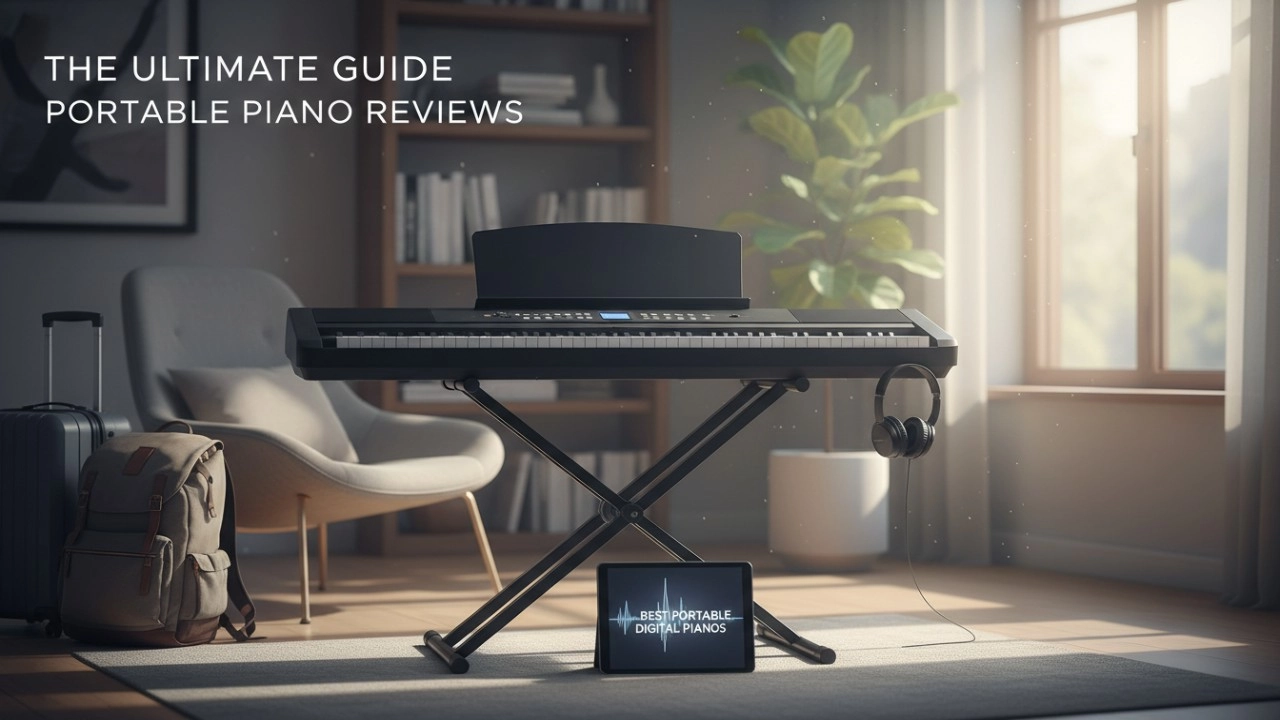
15 Best Portable Digital Pianos of 2026: The Only Comparison Guide You’ll Ever Need
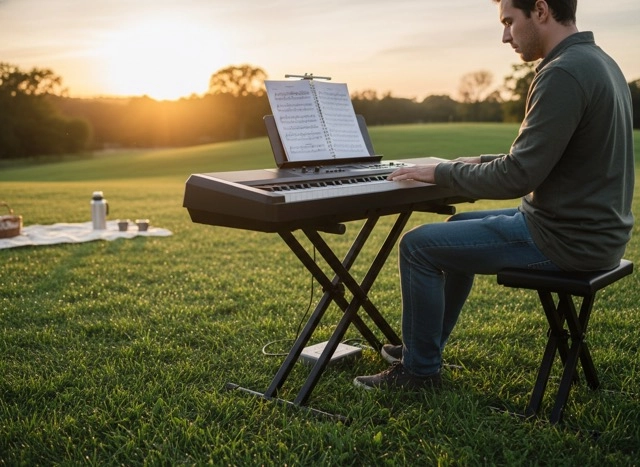
Is the Flykeys FP9 Worth It? Our Real-Life Experience with the World’s Largest Piano Maker’s Digital Tech.
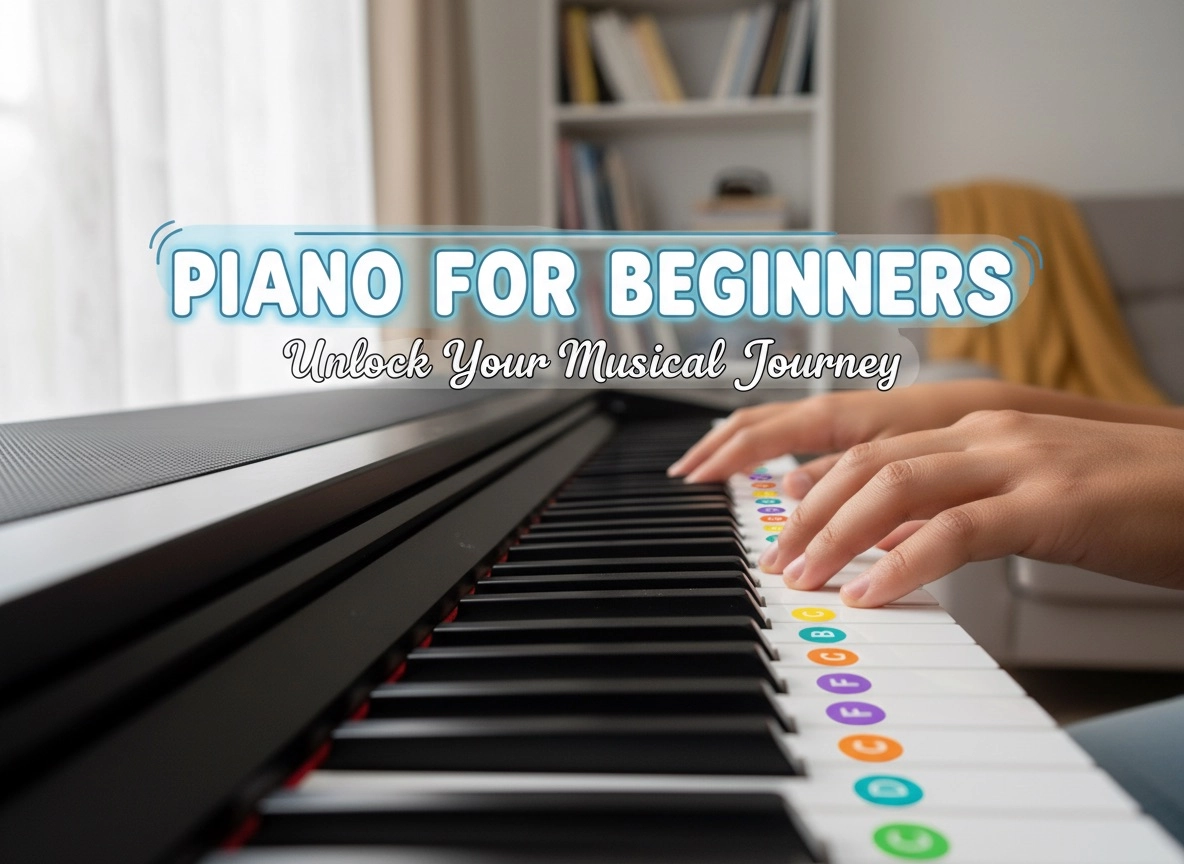
Best Digital Piano Keyboards for Beginners 2026: Your Ultimate Buying Guide
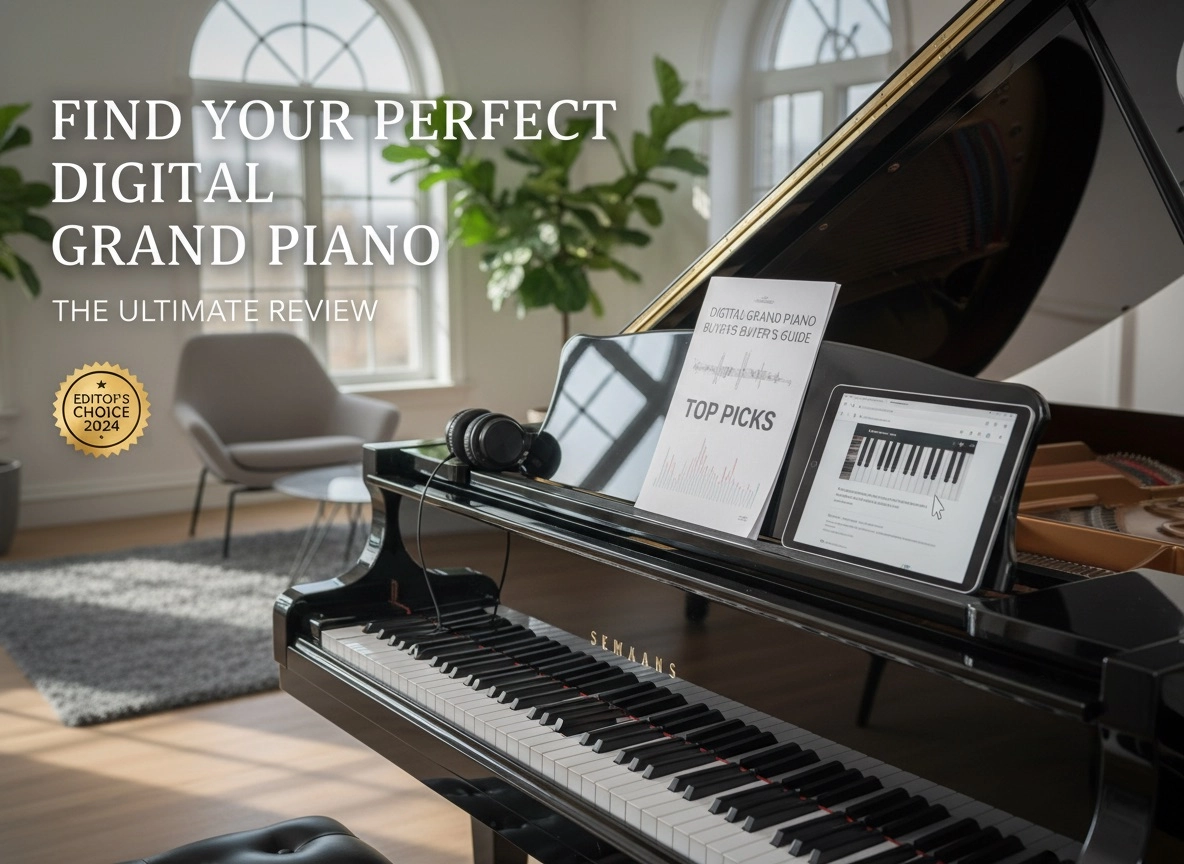
Best Digital Grand Pianos 2026: Ultimate Buyer's Guide for Authentic Sound & Feel
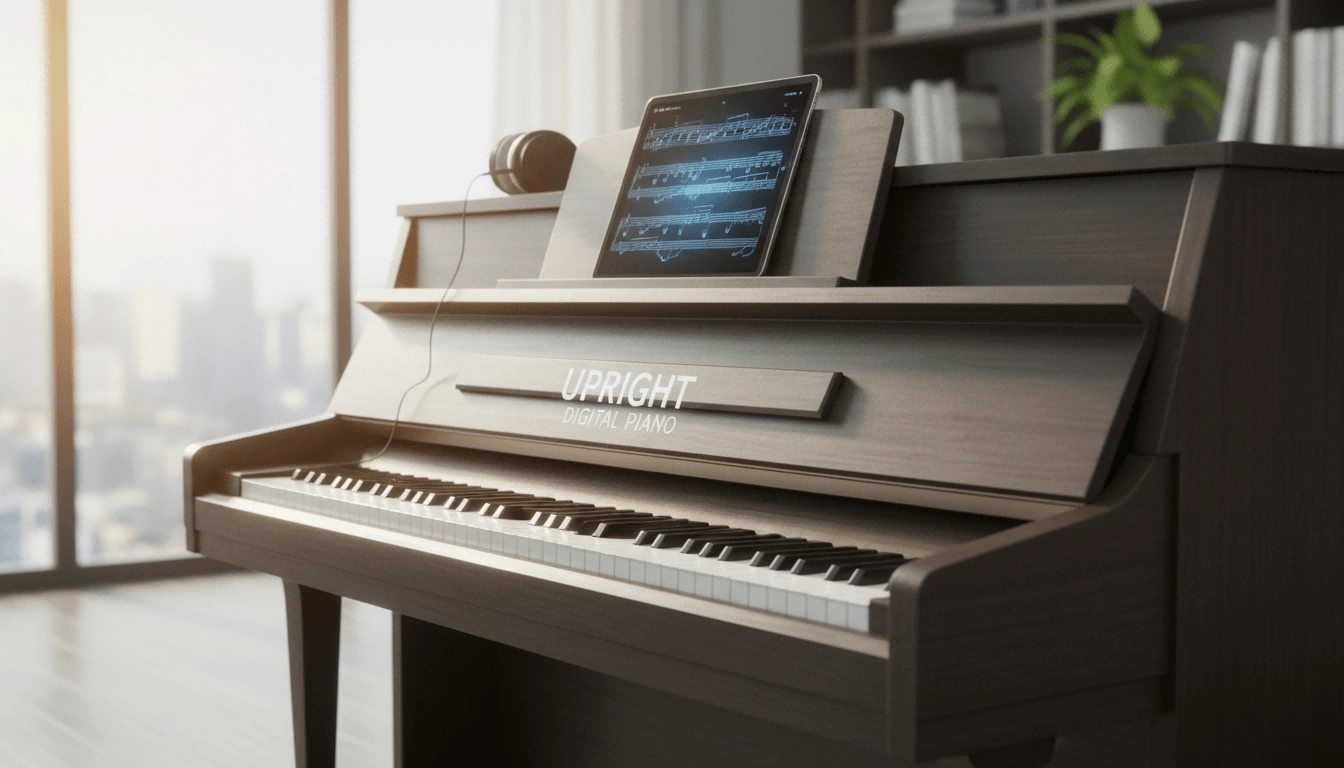
The Definitive Guide to Upright Digital Pianos: Blending Timeless Elegance with Modern Innovation in 2026
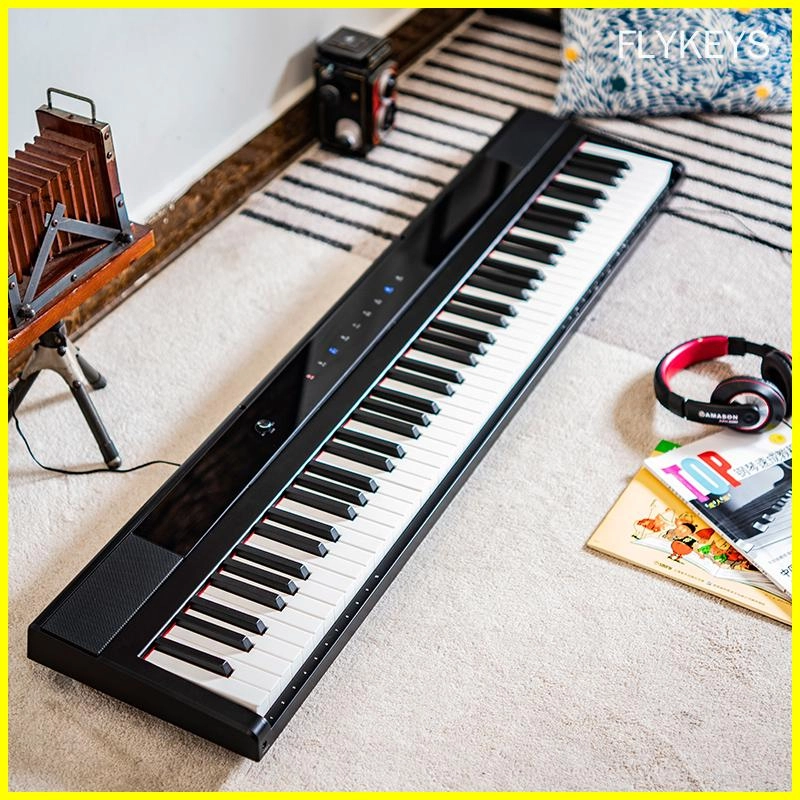
Best-Rated Electronic Pianos for Beginners in 2026: What to Buy and Why
Company
What is your company's mission?
Our mission is capture the zeitgeist, enjoy the quality lifestyle.
Our vision is to be the TOP 1 Chinese digital musical instrument brand and enter International top list.
How long has your company been in the electronic piano manufacturing business?
Pearl River Piano has acoustic piano manufacturing experiences for more that 60 years history.
Guangzhou Pearl River Amason Digital Musical Instrument Co.,Ltd., a subsidiary company of Pearl River Piano Group, founded in 2008, and focused on developing and manufacturing digital musical instrument which is one of the three pillar business industries of Pearl River Piano Group.
Does your company have any sustainability initiatives?
Yes, we are dedicated to sustainability and continuously strive to minimize our environmental footprint through responsible manufacturing practices.
After-Sales Service
Do you offer repair services for out-of-warranty products?
Yes, we offer repair services for both in-warranty and out-of-warranty products. Please contact our support team for assistance.
Products
Are your electronic pianos suitable for beginners?
Yes, we have models designed specifically for beginners, featuring user-friendly interfaces and educational features.
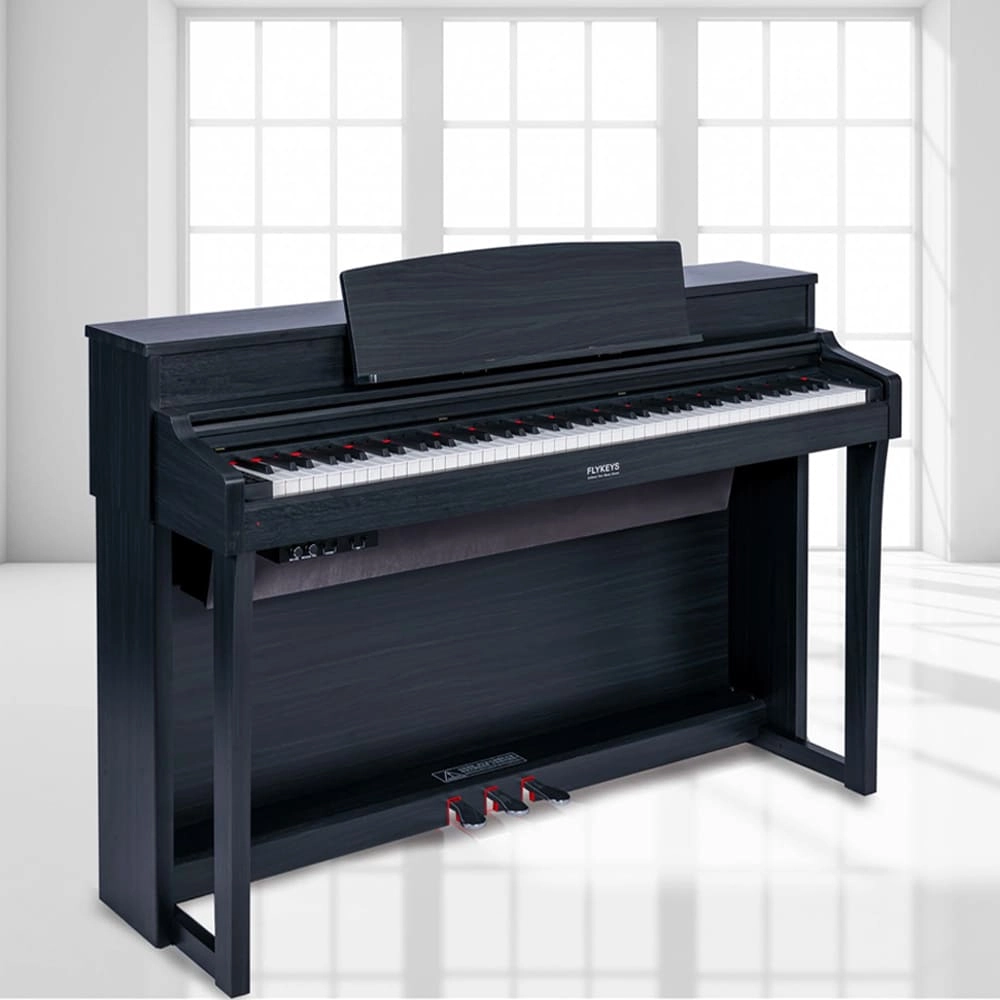
Flykeys Upright Digital Piano 88keys Hammer Action Keyboard FK330 Digital Piano
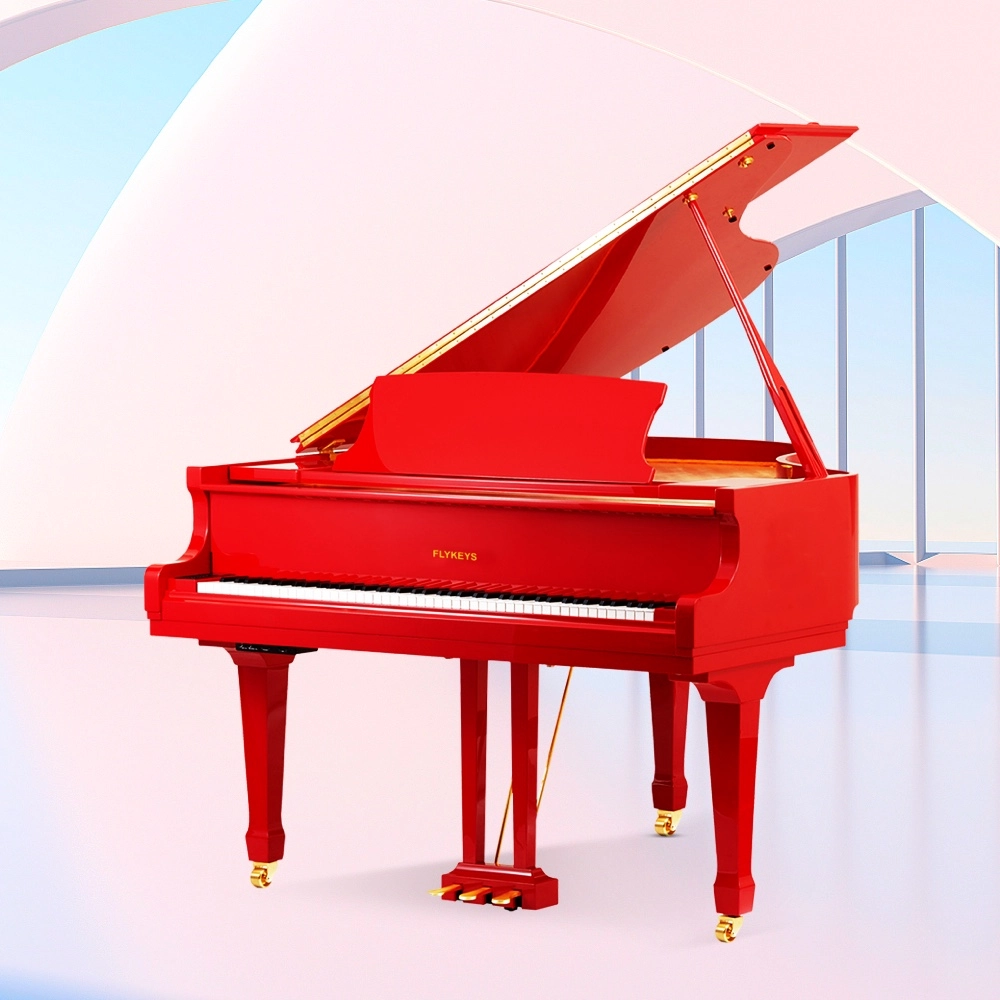
Flykeys Professional Digital Grand Piano FGP610 Digital Piano
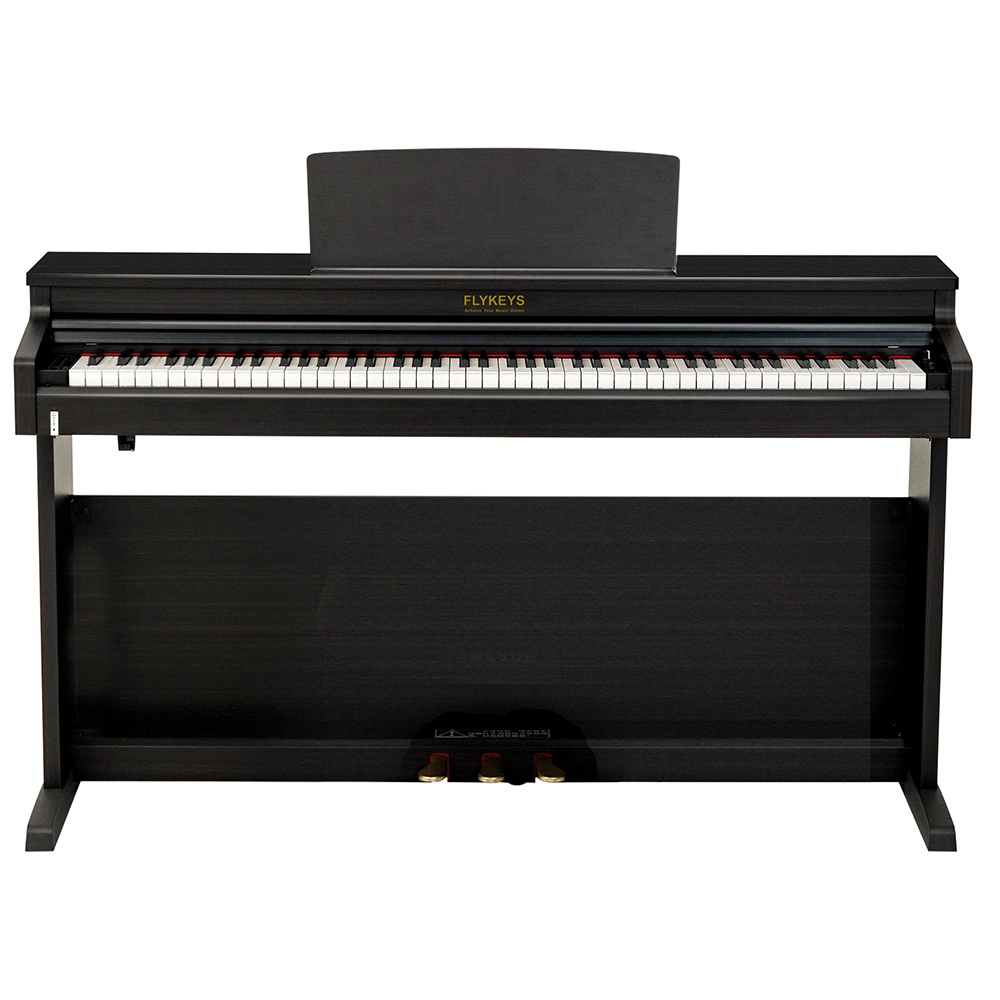
Flykeys Upright Digital Piano FDP 3
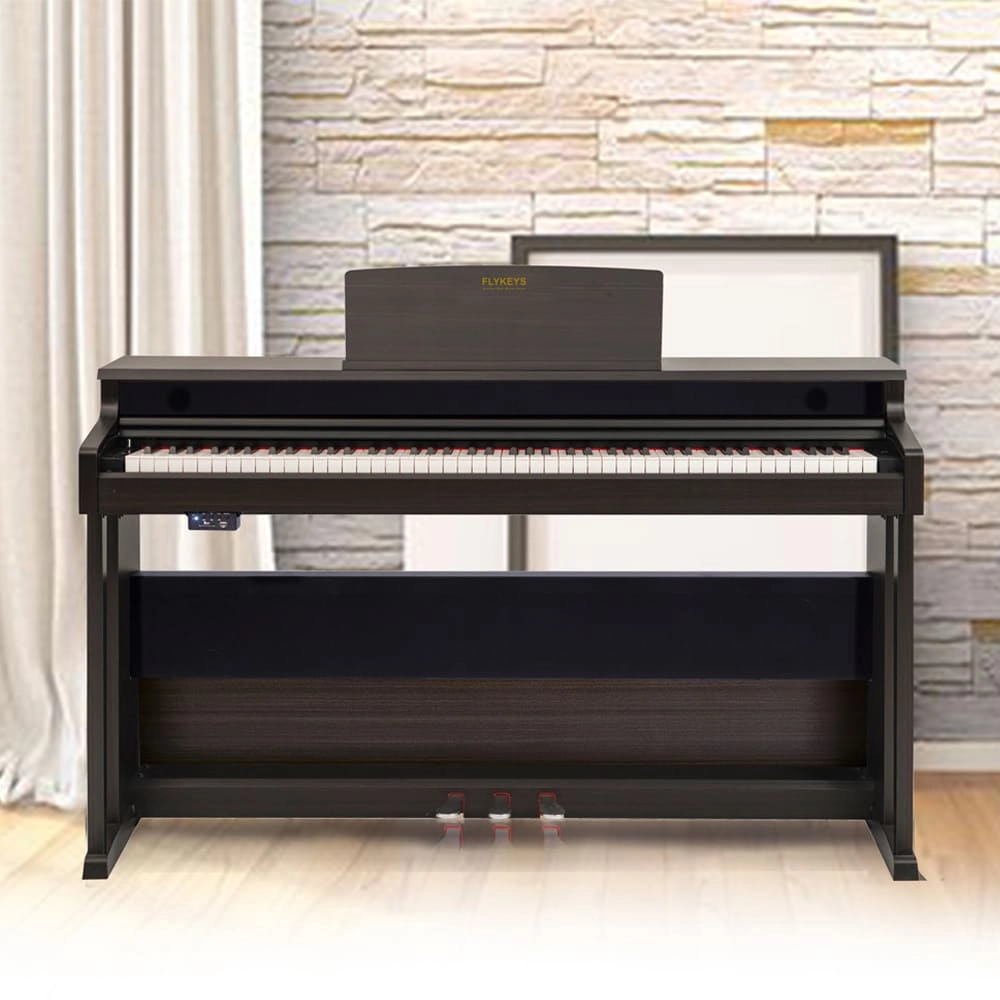
Flykeys Upright Piano Wooden Panel 88 KEYS Piano FK130 Digital Piano
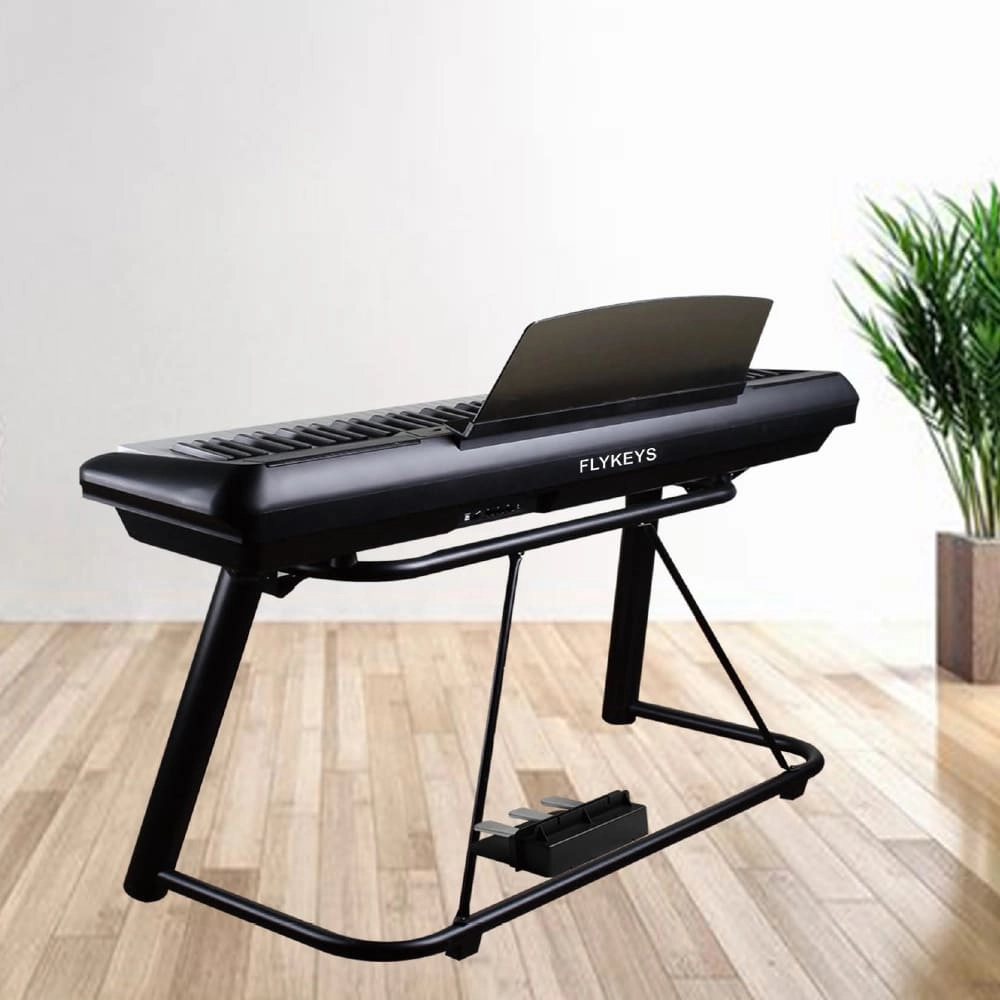
Flykeys 88 Keys Portable Piano With Wooden Stand FP6 Digital Piano
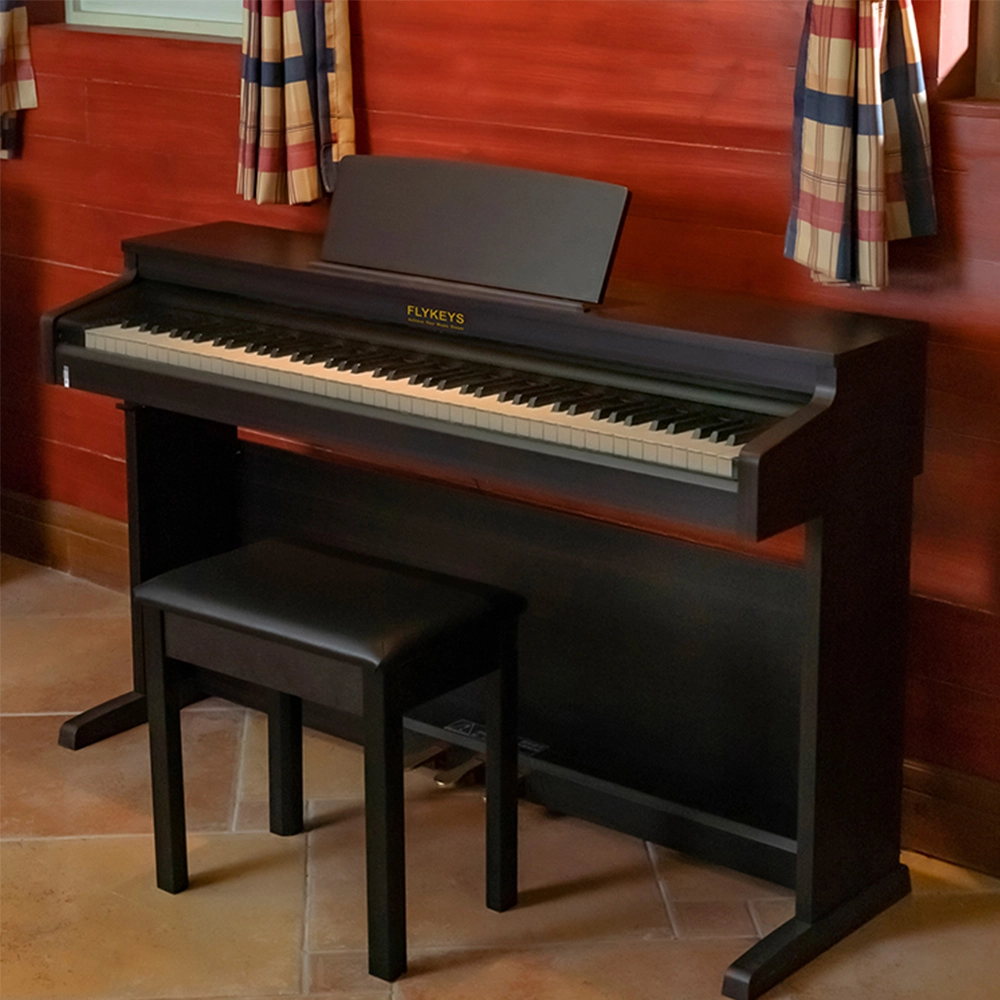
Flykeys Upright Electric Piano Built-In Speakers Music Instrument FD05 Digital Piano
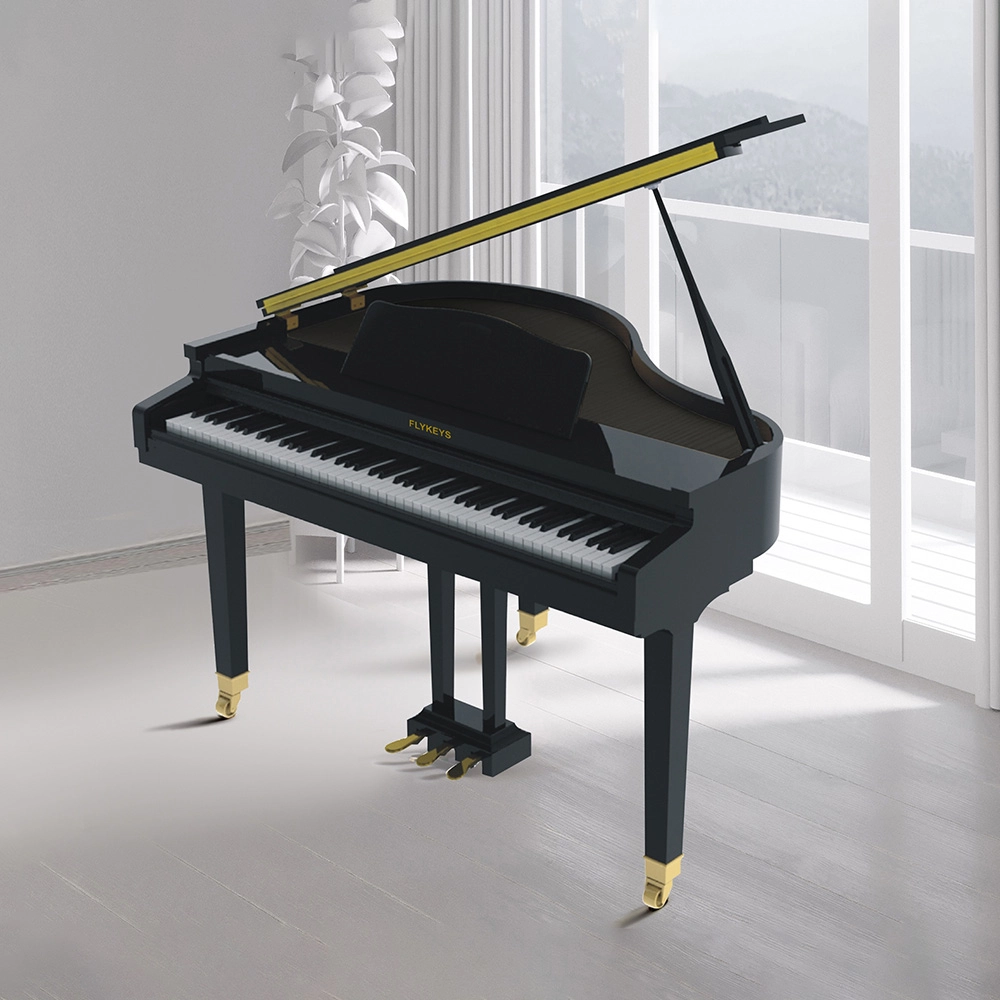
Flykeys 88 Keys Professional Digital Grand Piano Hammer Action Keyboard FGP110 Digital Piano
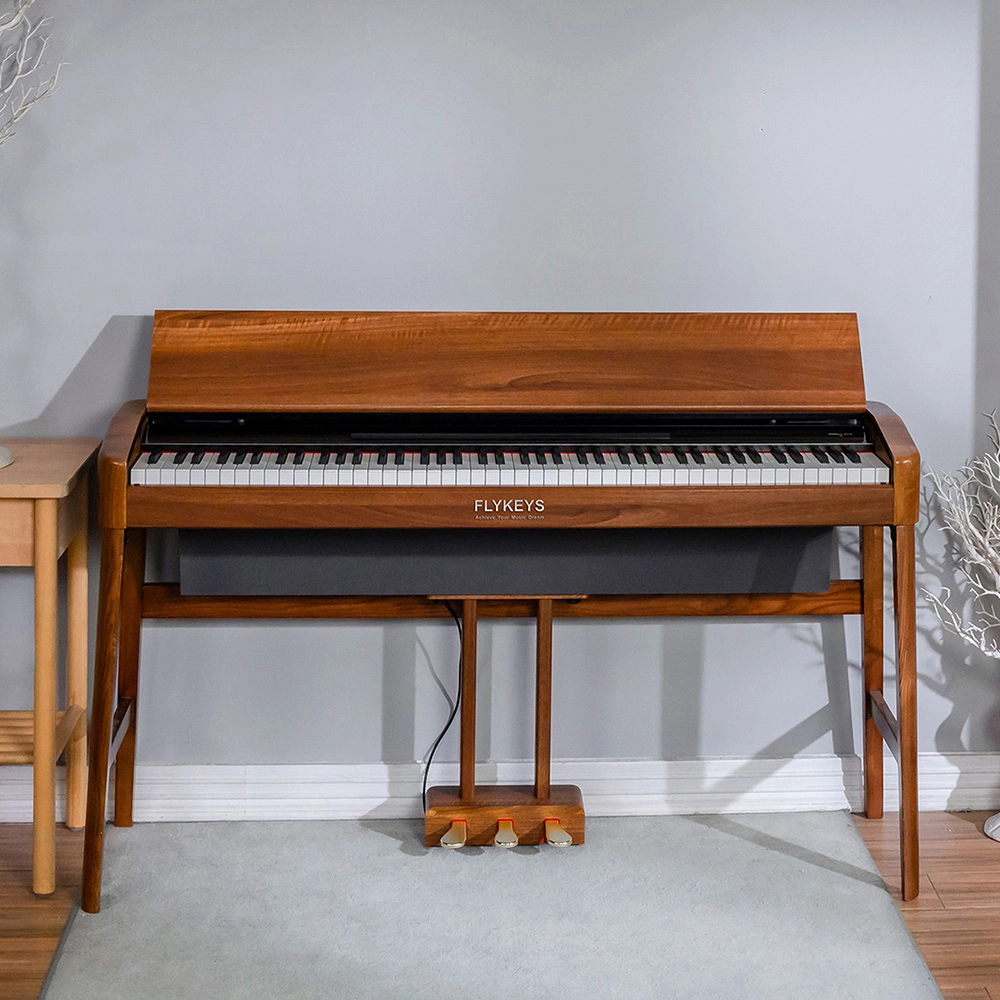
Flykeys Wooden Panel Piano Original Italian Imported Hammer Action Keyboard SK3 Digital Piano
Get in touch with us
Have a question or inquiry about our digital pianos products? Leave us a message here and our team will get back to you promptly within 24 hours.
Whether you're interested in custom orders, technical specifications, or partnership opportunities, we're here to assist you.
Rest assured that your privacy is important to us, and all information provided will be handled with the utmost confidentiality.
Address: No. 38 Xiangshan Avenue, Zengcheng Economic And Technological Development Zone, Guangzhou, China.
FOLLOW US:


© 2026 FLYKEYS All Rights Reserved. 粤 ICP备2020102774号. Designed by gooeyun. Sitemap | Privacy | Terms