

Top digital piano brands 2026: which are best for beginners?
Navigating the world of digital pianos as a beginner can be daunting. With technology constantly evolving, what constitutes the 'best' in 2026 for new players? This comprehensive guide delves into specific pain points beginners face, offering in-depth answers on key action, sound engines, connectivity, and durability across top digital piano brands. Discover which entry-level digital pianos offer the most realistic experience and future-proof features.
The landscape of digital pianos is ever-evolving, with manufacturers continually pushing the boundaries of realism, connectivity, and educational integration. For beginners looking to invest in a digital piano in 2026, the sheer volume of options and technical jargon can be overwhelming. This guide cuts through the noise, addressing specific, long-tail questions that often go unanswered or have outdated information online, helping you identify the top digital piano brands 2026 and which are truly best for beginners.
Beyond just 'weighted keys,' what specific hammer action technologies from top digital piano brands in 2026 truly replicate an acoustic grand for beginners, and how do I discern the subtle differences?
While 'weighted keys' is a baseline, the true replication of an acoustic grand piano's feel lies in advanced hammer action technologies. In 2026, leading brands like Kawai digital pianos, Roland digital pianos, and Yamaha digital pianos have refined their mechanisms significantly. Kawai's 'Grand Feel' and 'Responsive Hammer' actions, for instance, often incorporate longer key pivots, counterweights, and even wooden elements, mimicking the seesaw motion and escapement of a grand. Roland's 'PHA-50' (Progressive Hammer Action) combines wood and molded materials for durability and a natural feel, often featuring an escapement mechanism and ivory/ebony feel key surfaces. Yamaha's 'Graded Hammer Standard' (GHS) is common in their entry-level digital pianos, while 'Graded Hammer 3X' (GH3X) and 'GrandTouch' actions offer more sophisticated three-sensor systems, synthetic ivory/ebony keytops, and counterweights for enhanced responsiveness and repetition. For beginners, discerning differences involves focusing on the 'heaviness' in the bass, 'lightness' in the treble (graded hammer action), the presence of an escapement (let-off) simulation for subtle control, and the tactile feel of the key surfaces. A three-sensor system is crucial for rapid note repetition, a technique essential for developing advanced playing skills. When evaluating best beginner digital pianos 2026, always try to physically play them to feel the nuance of these actions.
Which 2026 digital piano brands offer sound engines that provide the most authentic classical piano experience for beginners, and how do these differ from engines optimized for modern genres or practice?
For an authentic classical piano experience, the quality of the sound engine and the sampling methodology are paramount. In 2026, Kawai, Yamaha, and Roland continue to lead in this domain. Kawai's 'Harmonic Imaging XL' and 'SK-EX Rendering' engines meticulously sample their acclaimed Shigeru Kawai concert grand pianos, capturing every nuance, resonance, and decay. Yamaha's 'Pure CF Sound Engine' (entry-level) and 'Grand Expression Modeling' (higher-end Clavinovas) utilize multi-layered samples from their CFX concert grand, often incorporating Virtual Resonance Modeling (VRM) to simulate string, damper, and cabinet resonances dynamically. Roland's 'SuperNATURAL Piano Modeling' takes a different approach, using physical modeling rather than just samples, allowing for infinite tonal variations and seamless decay, which can feel incredibly organic. These engines prioritize rich, sustained tones, complex sympathetic resonances, and dynamic response crucial for classical repertoire. In contrast, sound engines optimized for modern genres (often found in Korg digital pianos or some Casio digital pianos) might offer a wider array of electric pianos, organs, synths, and drum kits, sometimes at the expense of the deep, nuanced acoustic piano sound. While versatile, these might not provide the foundational acoustic piano realism a classical beginner needs. Focus on the depth of sampling, presence of resonance modeling, and the dynamic range when considering digital piano recommendations 2026 for classical study.
For a beginner budget under $1000 in 2026, which digital piano brands offer the best 'future-proof' features like connectivity and expandability, ensuring I won't need an upgrade too soon?
Under $1000 in 2026, 'future-proofing' for beginners primarily means robust connectivity and quality foundational features. Casio digital pianos (especially their Privia and Celviano lines), Yamaha (P-series), and Korg (B2/C1 Air) often excel here. Look for instruments with:
- USB-to-Host (MIDI over USB): Essential for connecting to computers, tablets, and smartphones for MIDI recording, software instruments, and most importantly, educational apps. This is non-negotiable for entry-level digital pianos 2026.
- Bluetooth MIDI/Audio: Increasingly common, Bluetooth MIDI allows wireless connection to learning apps, while Bluetooth Audio lets you stream music through the piano's speakers, making it a practice hub. This is a significant 'future-proof' feature.
- Auxiliary Input/Output: An Aux-in allows you to play along with external audio sources (e.g., a phone or MP3 player), while an Aux-out (or dedicated Line-out) is vital if you ever want to connect to external speakers, an amplifier, or a recording interface for better sound quality or performance.
- Pedal Inputs: Ensure it supports at least a sustain pedal (included), and ideally, a three-pedal unit for soft and sostenuto functions, which become important as skills advance.
Brands like Casio and Yamaha consistently offer these features in their affordable digital pianos 2026, providing excellent value and longevity for a beginner's musical journey.
With the rise of AI-powered learning, which top digital piano brands in 2026 provide the most seamless and effective integration with popular educational apps and online lessons for beginners?
The integration of digital pianos with AI-powered learning apps is a game-changer for beginners in 2026. While most digital pianos with USB MIDI connectivity can technically work with these apps, some brands offer enhanced, seamless experiences. Yamaha and Roland are particularly strong in this area. Yamaha's 'Smart Pianist' app, for example, offers deep integration with many of their models, providing interactive scores, chord analysis, and even the ability to generate chord charts from audio files. Roland often includes features like 'Twin Piano' mode for teacher/student practice and robust Bluetooth MIDI for effortless connection to popular apps like Flowkey, Simply Piano, or Skoove. Casio also offers its 'Chordana Play' app with similar interactive learning tools. The key is not just connectivity, but how intuitively the piano's features (like metronome, recording, or even specific lesson functions) can be controlled or enhanced by the app. Look for digital piano technology 2026 that emphasizes low-latency Bluetooth MIDI and well-developed proprietary apps that complement third-party educational platforms. This ensures that your learning piano with digital instruments 2026 experience is as smooth and effective as possible.
How much polyphony is *really* necessary for a beginner in 2026, and which digital piano brands prioritize speaker quality for realistic sound in a home environment without needing external amplification?
For a beginner in 2026, a polyphony count of 128 notes is generally considered the minimum for comfortable playing without notes cutting off prematurely, especially when using the sustain pedal or layering sounds. While higher numbers (192, 256, or even unlimited with physical modeling) are better, 128 is sufficient for most beginner and intermediate pieces. The real pain point for beginners often lies in speaker quality, which significantly impacts the perceived realism and enjoyment in a home environment. Yamaha, Roland, and Kawai consistently prioritize robust speaker systems, even in their mid-range home digital pianos 2026.
Yamaha's P-series and Clavinova models often feature multi-speaker systems strategically placed to project sound effectively. Roland's 'Acoustic Projection' technology in some models aims to replicate the sound field of an acoustic grand. Kawai's 'Onkyo' developed speaker systems in their higher-end models deliver exceptional clarity and depth. When evaluating, look for:
- Total Wattage: Higher wattage generally means more headroom and fuller sound.
- Number of Speakers: More speakers (e.g., 2 x 12cm + 2 x 5cm tweeters) often create a richer, more spatial sound.
- Speaker Placement: Downward-firing speakers can utilize the floor for bass resonance, while upward-firing speakers project sound directly to the player.
Prioritizing a digital piano with a well-engineered internal speaker system means you won't immediately need to invest in external amplification, making it a more convenient and cost-effective solution for daily practice.
Are there specific top digital piano brands for beginners in 2026 known for better build quality, durability, or even resale value, making them a wiser long-term investment?
When considering long-term investment for beginner piano features 2026, build quality, durability, and potential resale value are crucial. Generally, the established Japanese brands – Yamaha, Roland, and Kawai – are renowned for their superior engineering, material quality, and stringent manufacturing standards, leading to excellent durability.
- Yamaha: Known for robust construction and reliable electronics across their range. Their P-series and Clavinova lines are often seen as workhorses.
- Roland: Praised for innovative, durable key actions and consistent performance. Their combination of wood and molded resin in key actions offers longevity.
- Kawai: Often highlighted for their meticulous craftsmanship, especially in their wooden key actions, which are designed for years of consistent play.
While Casio digital pianos offer excellent value and features at lower price points, their build quality, while good for the price, might not always match the High Quality feel and longevity of the top-tier brands. Korg also produces reliable instruments. Regarding resale value, Yamaha and Roland models tend to hold their value slightly better due to brand recognition and perceived reliability. Investing in a well-regarded model from these brands, even at an entry-level, often means a more reliable instrument that can withstand years of practice and potentially fetch a reasonable price if you decide to upgrade later. Always check warranty periods and manufacturer support, as these are indicators of confidence in product longevity.
Choosing the right digital piano in 2026 as a beginner involves more than just picking a brand; it's about understanding the nuanced technologies that contribute to a realistic playing experience, seamless learning integration, and long-term value. By focusing on advanced hammer actions, authentic sound engines, robust connectivity, quality speakers, and durable build, you can make an informed decision that supports your musical journey for years to come. These insights into digital grand piano alternatives 2026 provide a solid foundation for your purchase.
Ready to find the perfect digital piano for your needs? Contact us for a personalized quote and expert advice. Visit www.flykeysmusic.com or email service@flykeysmusic.com.
- Beyond just 'weighted keys,' what specific hammer action technologies from top digital piano brands in 2026 truly replicate an acoustic grand for beginners, and how do I discern the subtle differences?
- Which 2026 digital piano brands offer sound engines that provide the most authentic classical piano experience for beginners, and how do these differ from engines optimized for modern genres or practice?
- For a beginner budget under $1000 in 2026, which digital piano brands offer the best 'future-proof' features like connectivity and expandability, ensuring I won't need an upgrade too soon?
- With the rise of AI-powered learning, which top digital piano brands in 2026 provide the most seamless and effective integration with popular educational apps and online lessons for beginners?
- How much polyphony is *really* necessary for a beginner in 2026, and which digital piano brands prioritize speaker quality for realistic sound in a home environment without needing external amplification?
- Are there specific top digital piano brands for beginners in 2026 known for better build quality, durability, or even resale value, making them a wiser long-term investment?
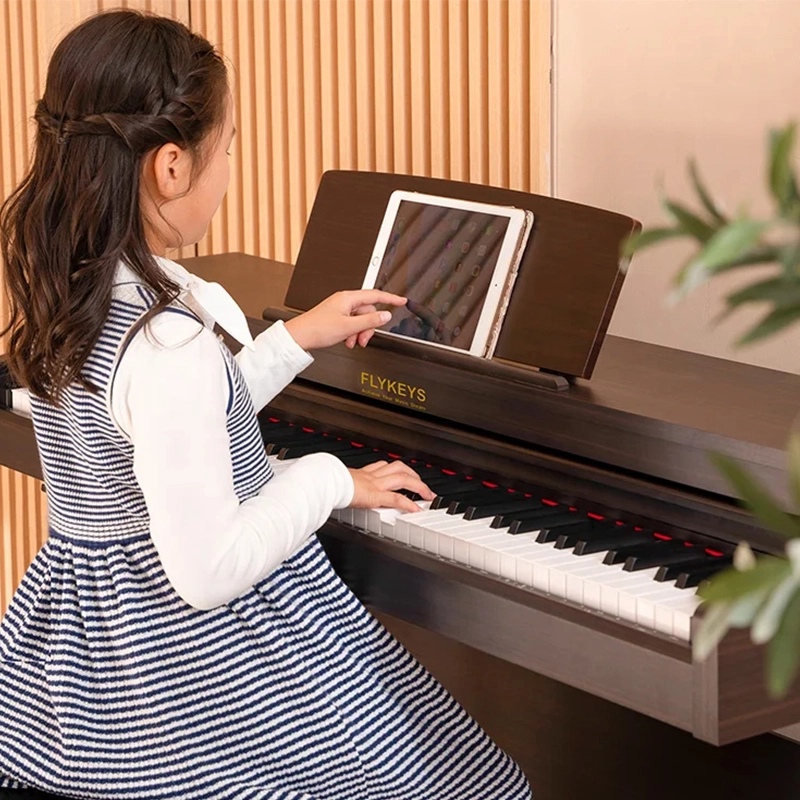
Best 88-Key Digital Pianos for Professionals and Advanced Players: Top Brands, Key Features and Buying Tips (2026)
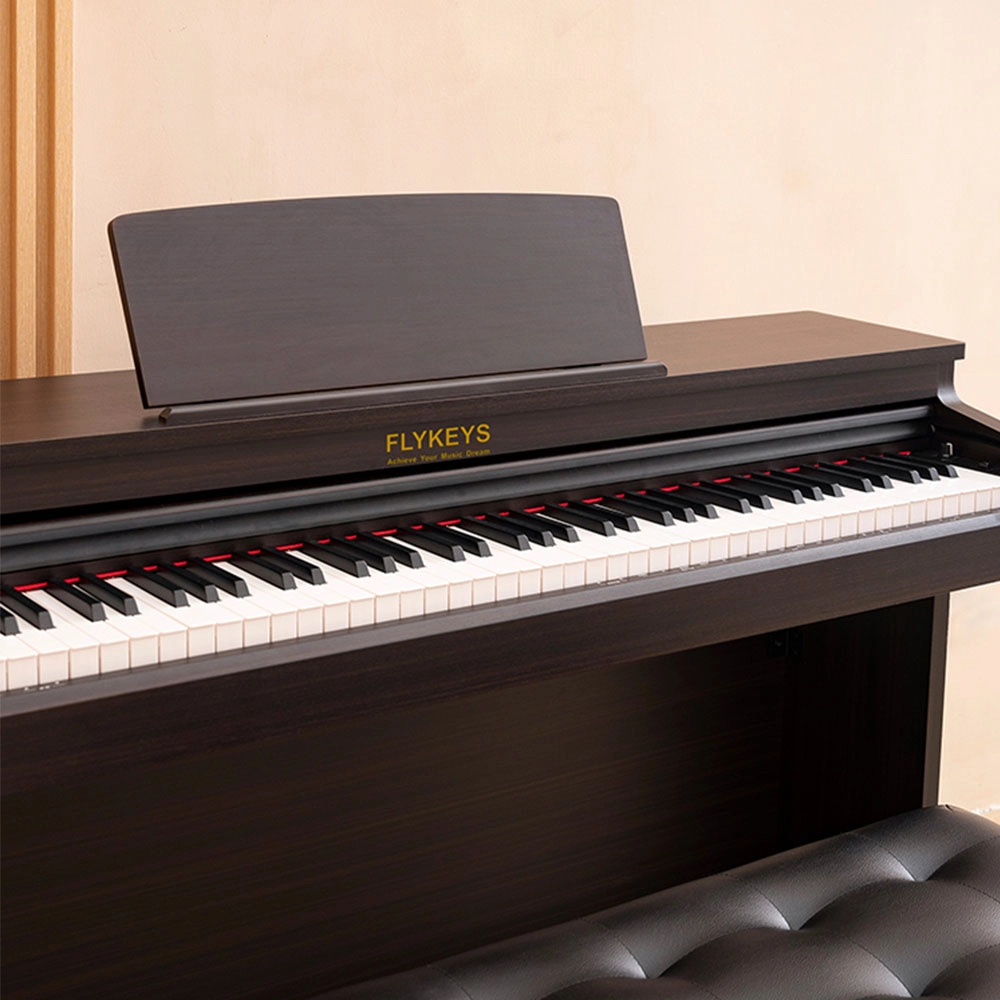
Best 88-Key Weighted Keyboard 2025: Top Picks for Intermediate Players, Advanced Pianists and Professionals
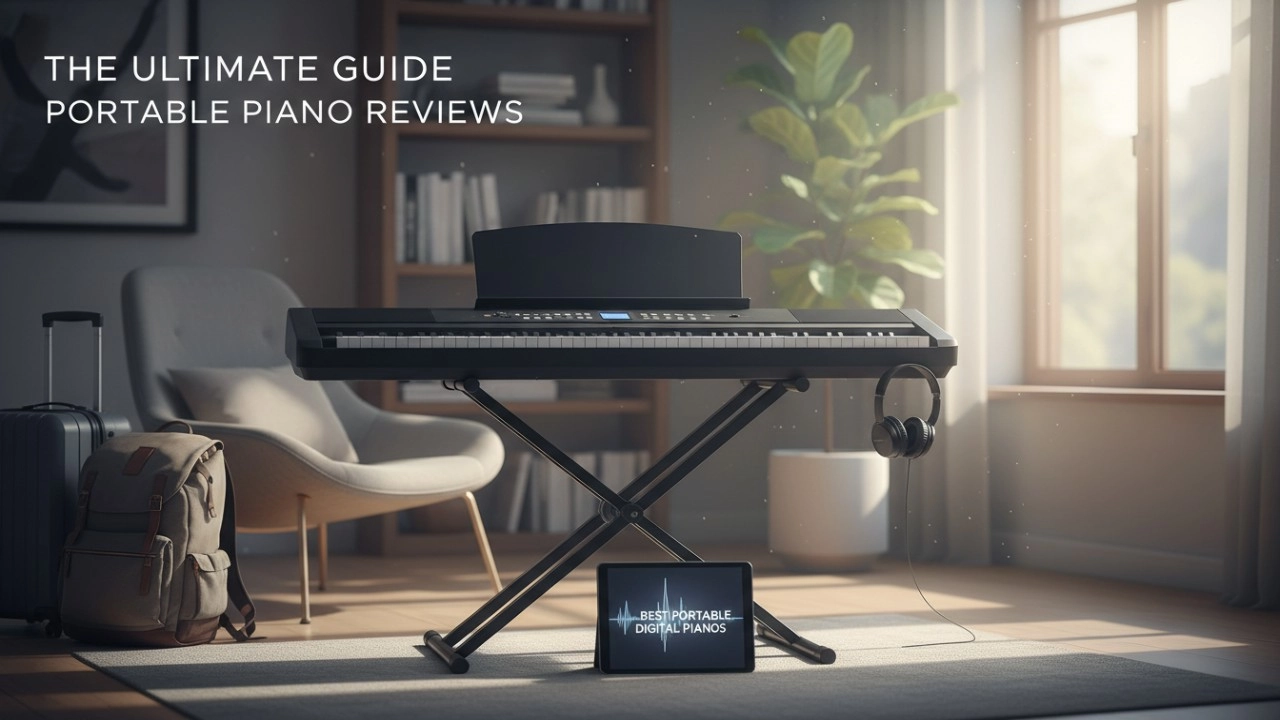
15 Best Portable Digital Pianos of 2026: The Only Comparison Guide You’ll Ever Need
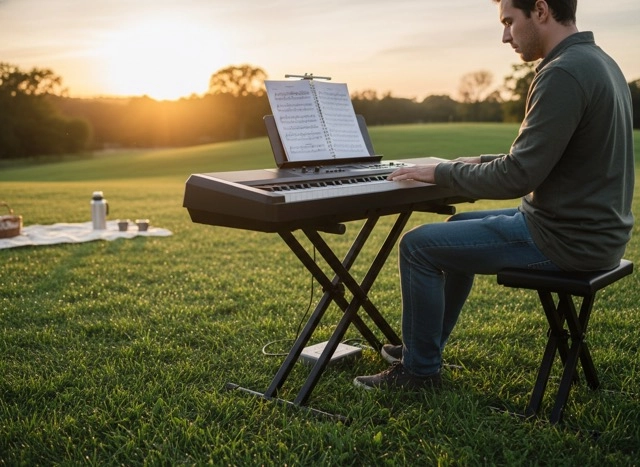
Is the Flykeys FP9 Worth It? Our Real-Life Experience with the World’s Largest Piano Maker’s Digital Tech.
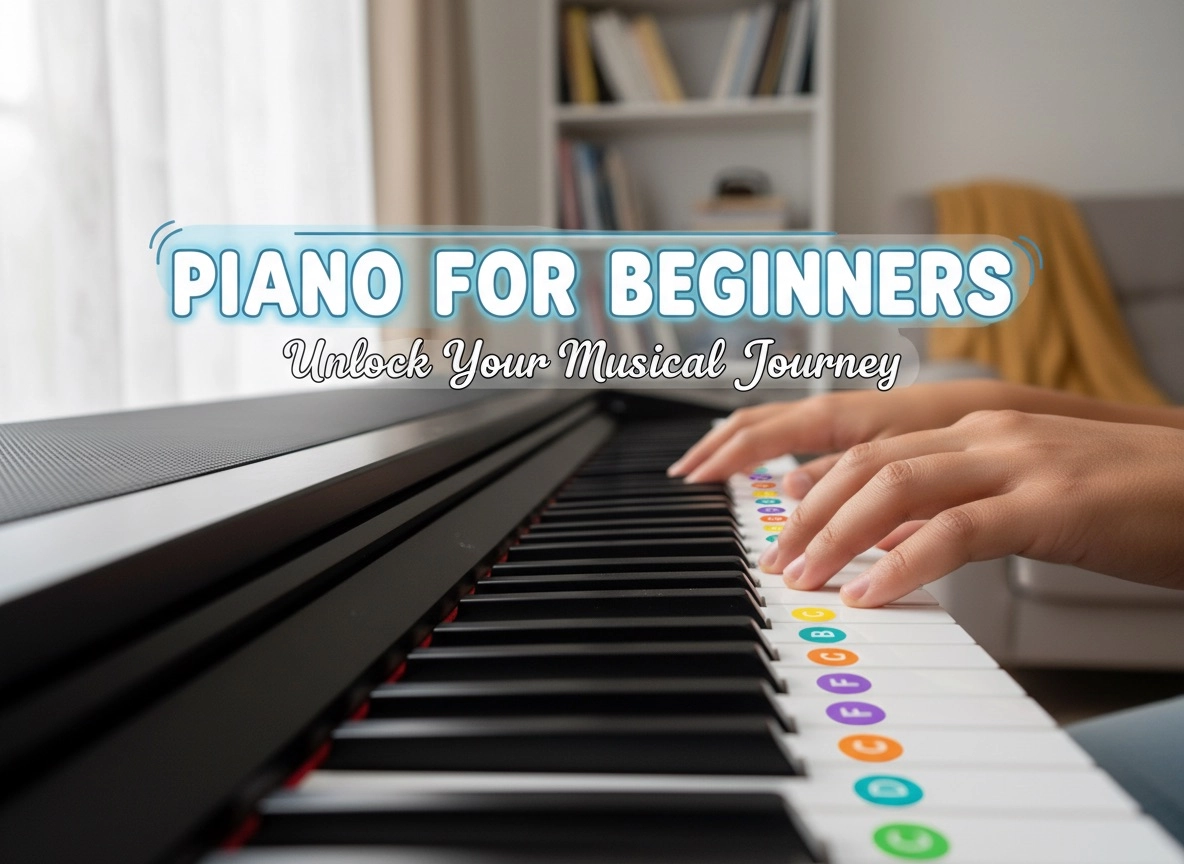
Best Digital Piano Keyboards for Beginners 2026: Your Ultimate Buying Guide
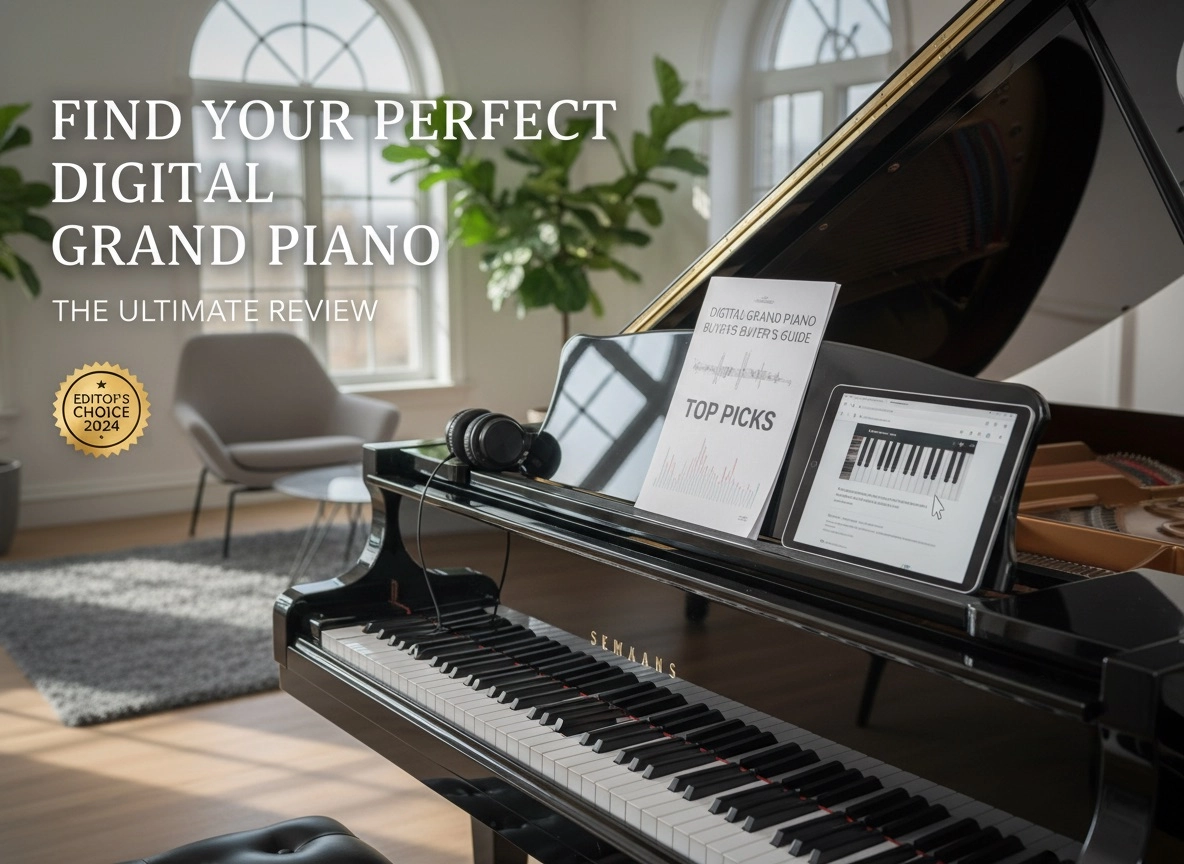
Best Digital Grand Pianos 2026: Ultimate Buyer's Guide for Authentic Sound & Feel
Products
Do you offer software updates for your electronic pianos?
Yes, we regularly release software updates to enhance performance and add new features to our electronic pianos.
Are your electronic pianos suitable for beginners?
Yes, we have models designed specifically for beginners, featuring user-friendly interfaces and educational features.
Can I connect your electronic pianos to external devices?
Yes, our electronic pianos are equipped with connectivity options such as MIDI, USB, and Bluetooth for seamless integration with external devices.
Logistics
Can l track my order during shipping?
Yes, tracking information will be provided once your order has been shipped, allowing you to monitor its progress.
After-Sales Service
How can I contact your after-sales support team?
You can contact our after-sales support team via email, phone, or through our website's customer support portal.
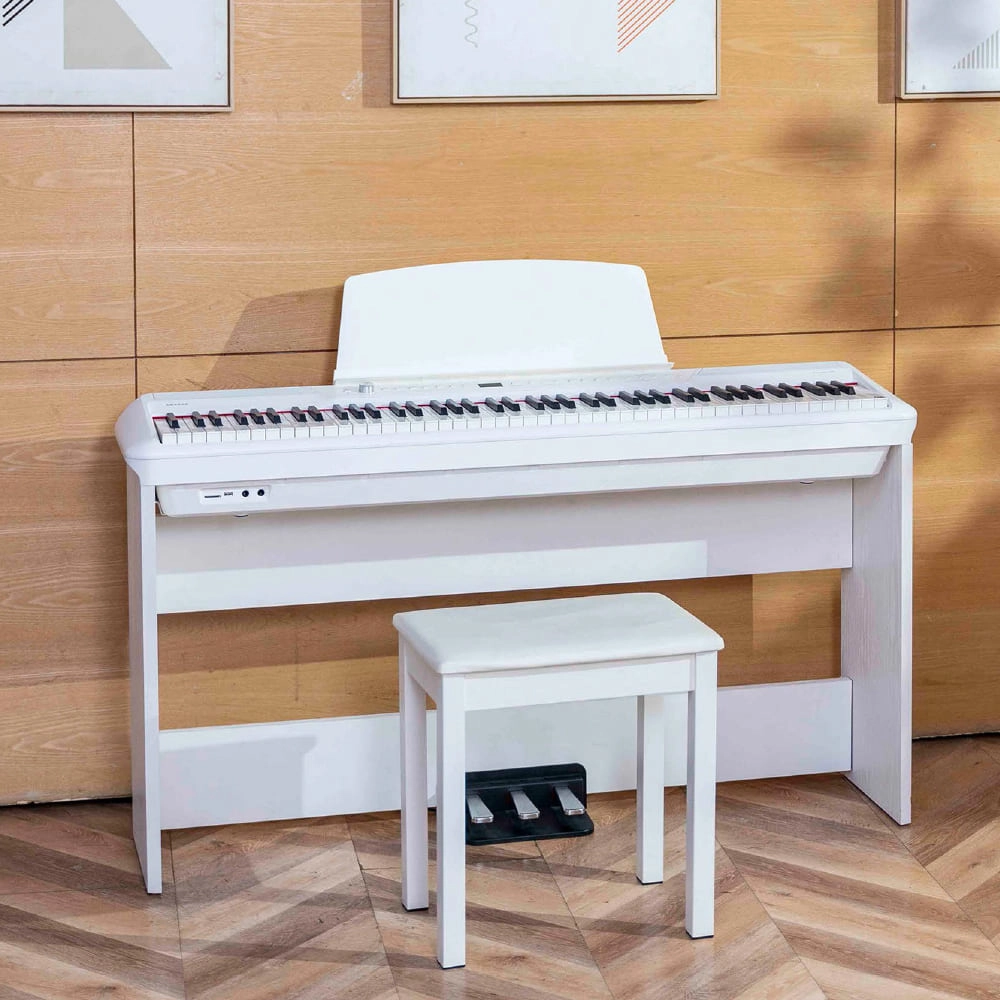
Flykeys Portable Electric Keyboard FP9 Digital Piano
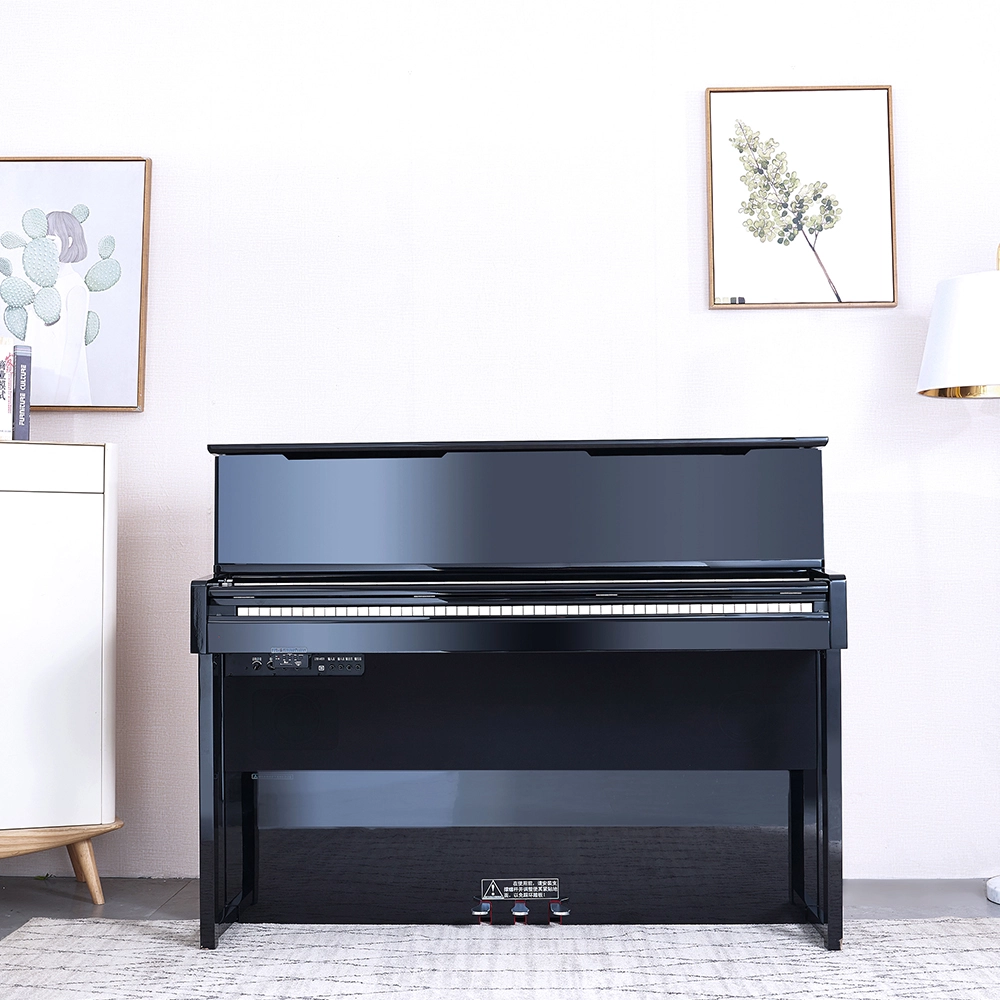
Flykeys Professional Digital Upright Piano 88 Keys Wooden Keyboard FK830 Digital Piano
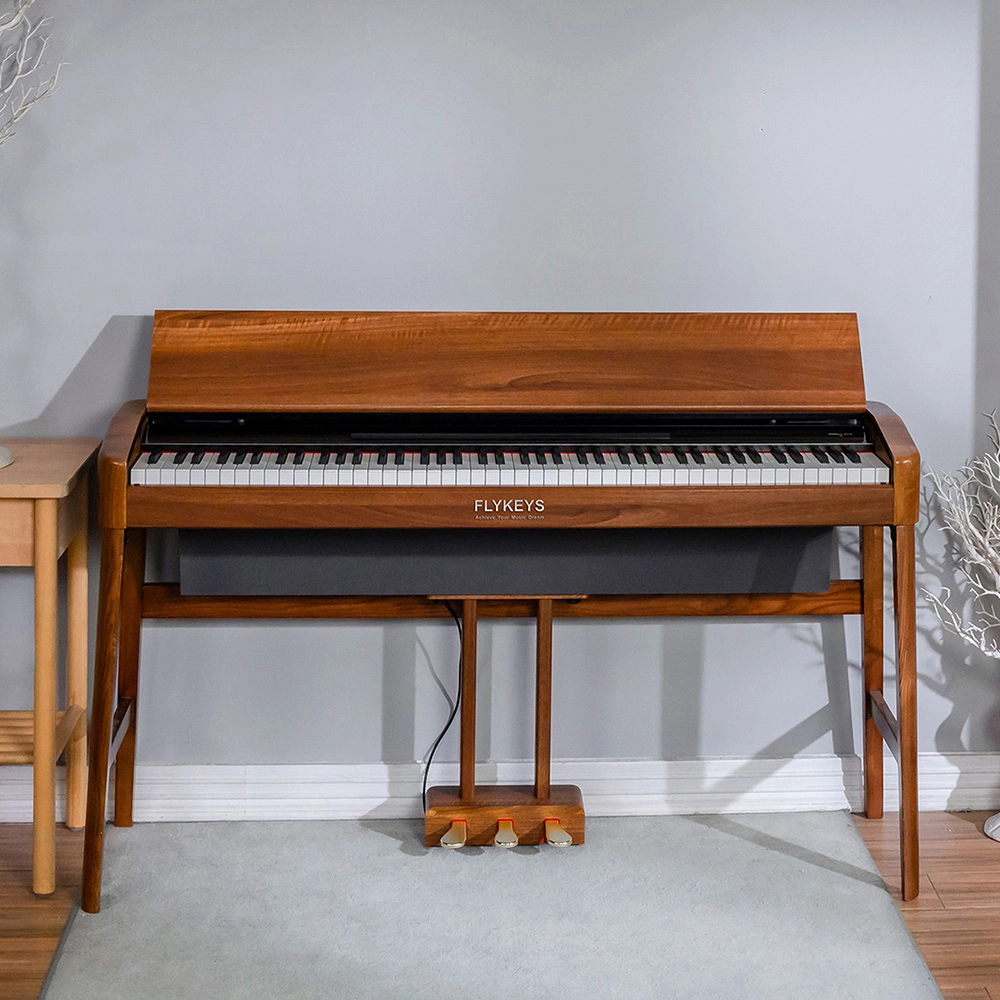
Flykeys Wooden Panel Piano Original Italian Imported Hammer Action Keyboard SK3 Digital Piano
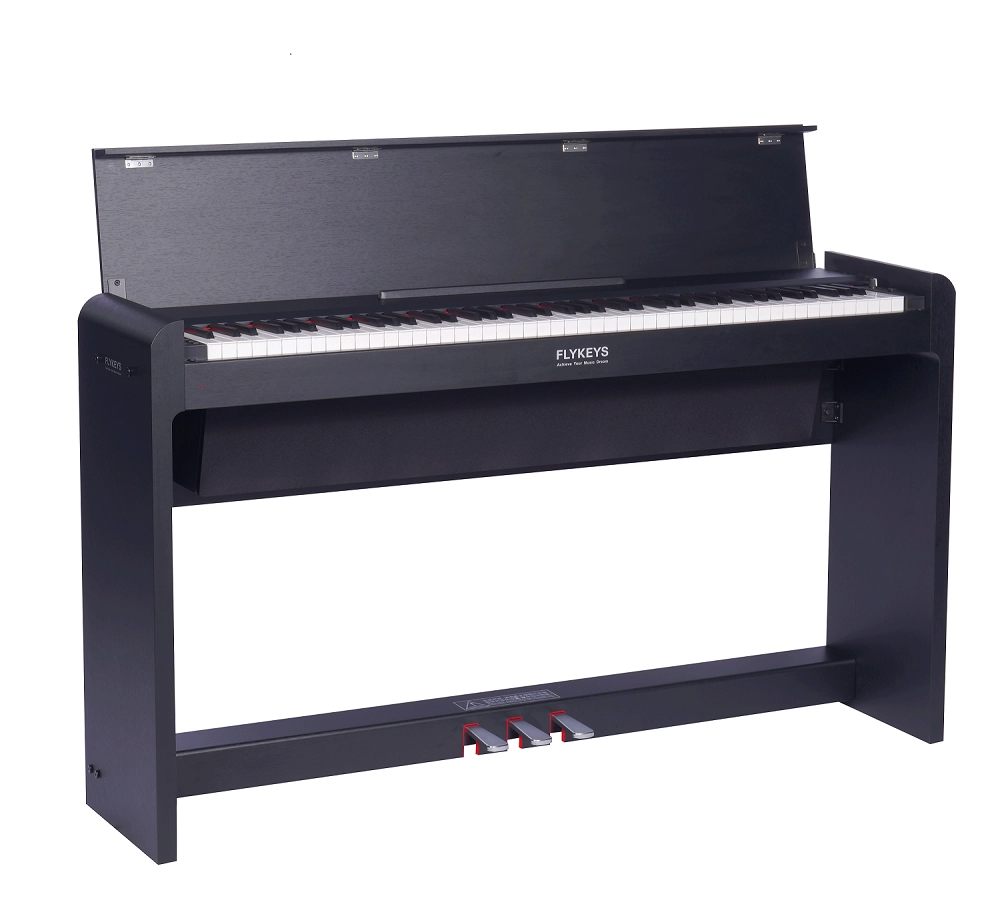
FLYKEYS FDP 5 Digital Piano
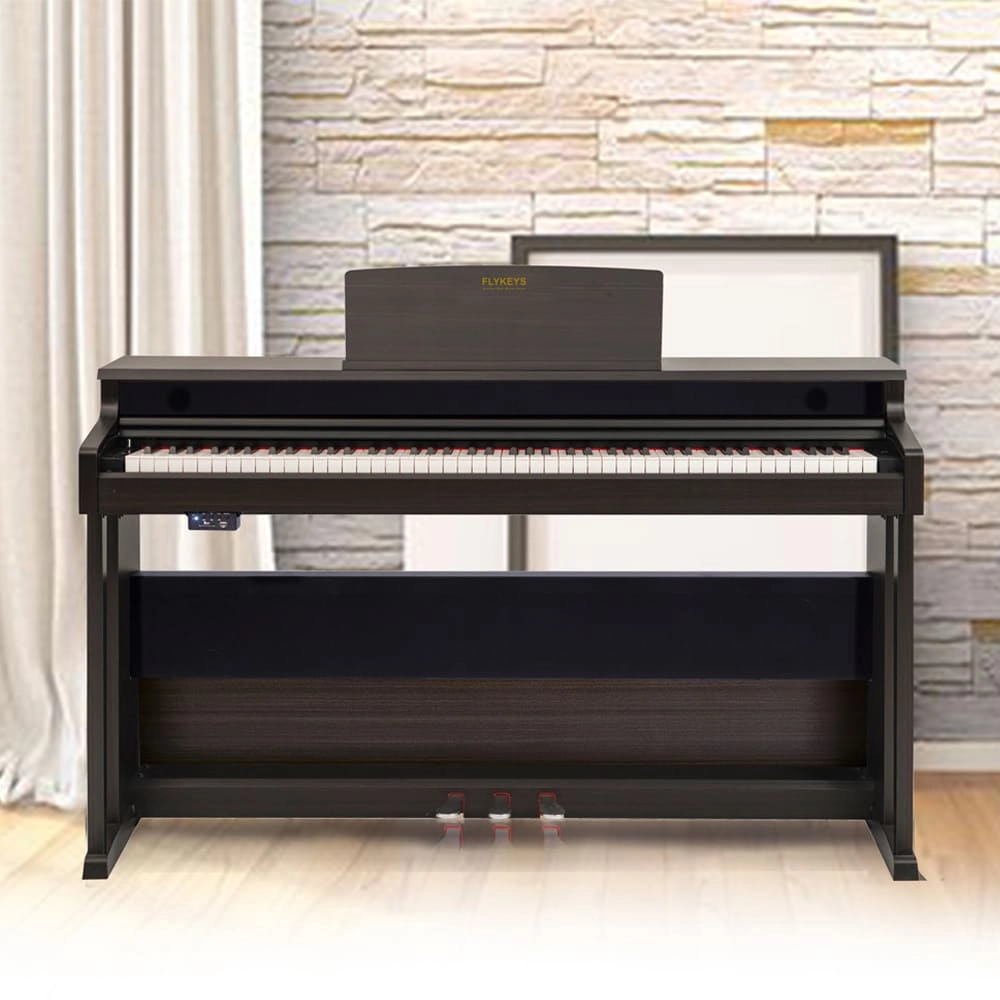
Flykeys Upright Piano Wooden Panel 88 KEYS Piano FK130 Digital Piano
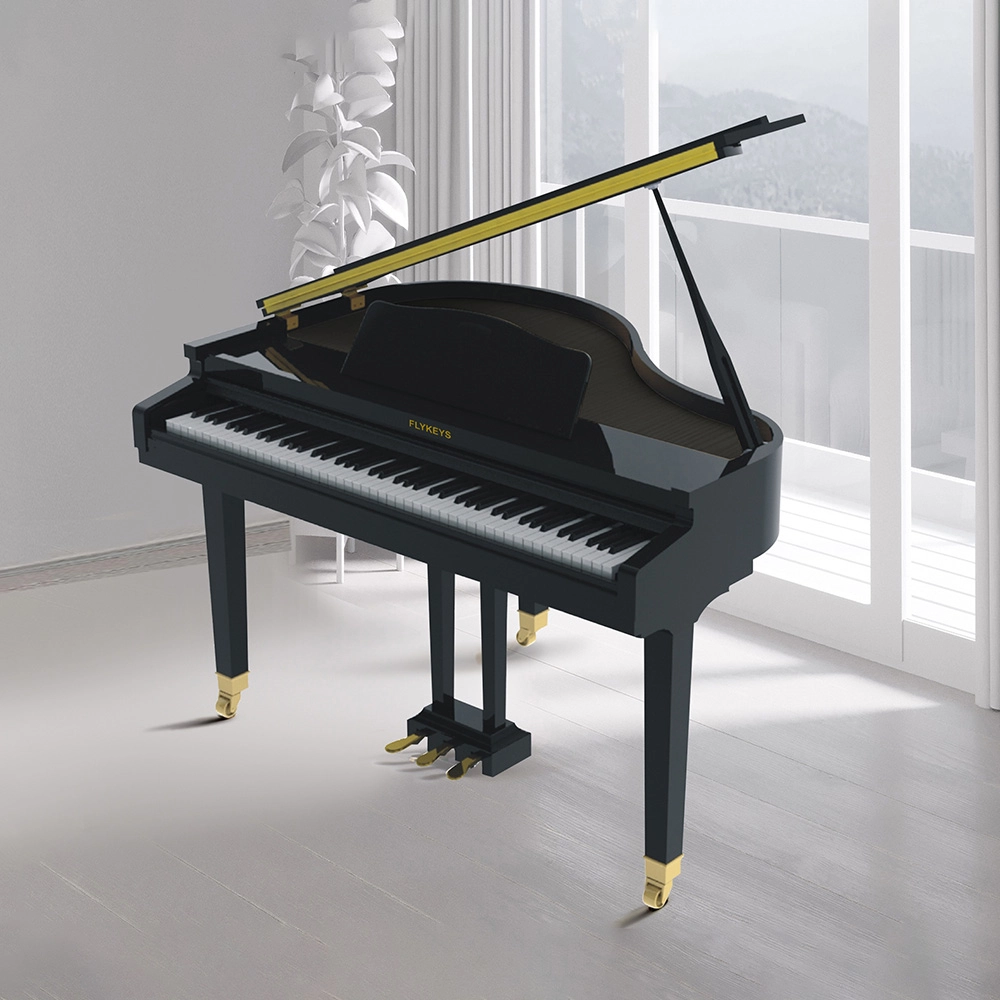
Flykeys 88 Keys Professional Digital Grand Piano Hammer Action Keyboard FGP110 Digital Piano
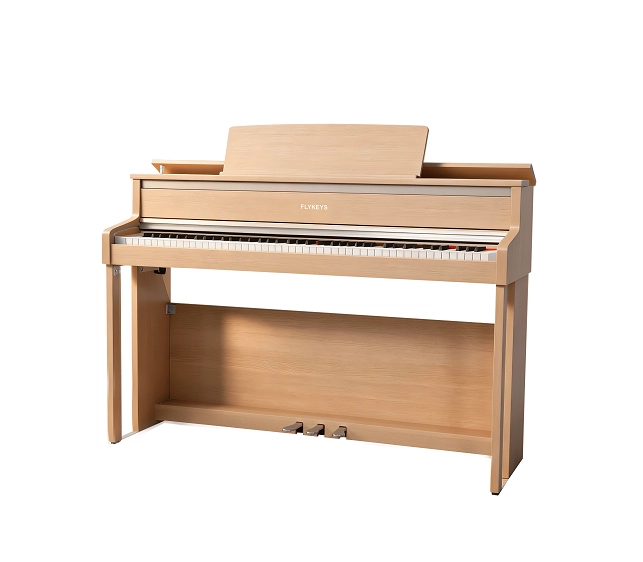
FLYKEYS FDP 7 Professional Upright Digital Piano | 88-Key Hammer Action | Concert Grade Performance
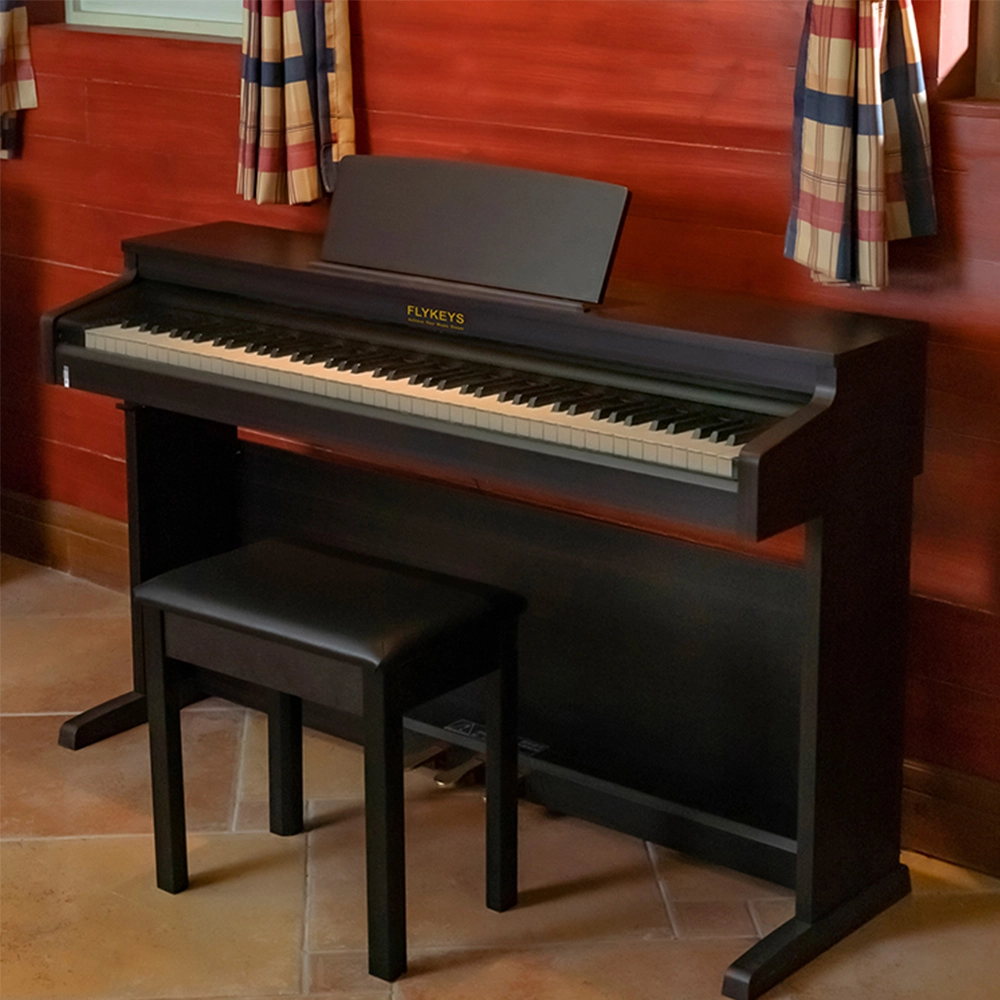
Flykeys Upright Electric Piano Built-In Speakers Music Instrument FD05 Digital Piano
Get in touch with us
Have a question or inquiry about our digital pianos products? Leave us a message here and our team will get back to you promptly within 24 hours.
Whether you're interested in custom orders, technical specifications, or partnership opportunities, we're here to assist you.
Rest assured that your privacy is important to us, and all information provided will be handled with the utmost confidentiality.
Address: No. 38 Xiangshan Avenue, Zengcheng Economic And Technological Development Zone, Guangzhou, China.
FOLLOW US:


© 2026 FLYKEYS All Rights Reserved. 粤 ICP备2020102774号. Designed by gooeyun. Sitemap | Privacy | Terms