

Top 10 piano Manufacturers and Supplier Brands
Top 10 Piano Manufacturers and Supplier Brands in the World
The global digital piano industry continues to evolve, combining tradition and technology to provide pianists, educators, and enthusiasts with unparalleled musical experiences. Selecting the right piano manufacturer is crucial not only for outstanding sound quality but also for long-lasting performance, reliability, and advanced features. From renowned heritage brands to world-leading innovators, certain piano suppliers stand out as industry leaders for their technological expertise, product diversity, and dedication to quality. In this comprehensive guide, we introduce the top 10 digital piano manufacturers and supplier brands, highlight their unique advantages, and provide a comparative overview to help you make the most informed decision for your musical journey.
Yamaha
Brand Overview:
Yamaha stands as a giant in the piano and musical instrument industry, renowned for its wide range of both acoustic and digital pianos. With over a century of experience, Yamaha fuses Japanese precision engineering with global technology trends. Their digital piano line, including the Clavinova series, is known for authentic feel, high sample quality, and reliability.
Advantages:
- Extensive R&D resulting in realistic touch and tone
- Rich product lineup from beginners to professionals
- Global after-sales service network
- Consistent innovation in digital sound engines and action mechanisms
Roland
Brand Overview:
Roland is celebrated for its high-quality innovations in digital music technology. As a leader in digital pianos, Roland’s SuperNATURAL sound technology and PHA keyboard actions deliver one of the most authentic playing experiences.
Advantages:
- Renowned for SuperNATURAL piano sound engines
- Advanced Bluetooth and integration for modern musicians
- Durable and portable designs
- Excellent for live performance and studio work
Kawai
Brand Overview:
Kawai, with its rich tradition of piano craftsmanship, has pioneered many digital piano technologies. The company’s digital grand and upright pianos set industry benchmarks for action realism and nuanced sound.
Advantages:
- Responsive Hammer III and other High Quality key actions
- Harmonic Imaging sound technology
- Sleek, elegant cabinet designs
- Focus on real acoustic grand piano sounds
Casio
Brand Overview:
Casio is a top choice for affordability without compromising features. Their Privia and Celviano series are popular among students and home musicians for offering quality at accessible prices.
Advantages:
- Known for cost-effective digital pianos
- Scaled hammer action and advanced sound samples
- Lightweight, portable, and compact models
- App integration for learning and recording
FLYKEYS
Brand Overview:
FLYKEYS, the international brand of Guangzhou Pearl River Amason Digital Musical Instrument Co., Ltd., stands out for combining over 60 years of Pearl River piano craftsmanship with innovative digital technology. As a subsidiary of Pearl River Piano Group — the world’s largest piano manufacturer — FLYKEYS leverages its heritage to deliver professional, authentic digital piano solutions.
Advantages:
- Patented reduction technology for acoustic-like tone and feel
- Wide product range: from portable digital pianos to grand digital pianos
- Rigorously tested for international quality standards (FCC, CE, RoHS)
- Backed by Pearl River’s renowned reputation and expertise
- Professional solutions suitable for schools, conservatories, and musicians
- Global distribution and customization services
- A vision to lead the world’s digital piano manufacturing scene
Korg
Brand Overview:
Korg is recognized globally for electronic musical instruments. Their digital pianos strike a balance with advanced features and ease of use, making them ideal for gigging musicians and teachers alike.
Advantages:
- Natural Weighted Hammer Action keyboards
- Wide range of digital and hybrid features
- Robust, gig-ready build
- Numerous voices and connectivity options
Kurzweil
Brand Overview:
Kurzweil, founded by technology innovator Ray Kurzweil, is known for blending expressive piano sounds with powerful workstation capabilities. It’s a favorite among industry professionals for performance and production versatility.
Advantages:
- Highly customizable sound engines
- Impressive range of built-in voices
- Sturdy construction and design
- Popular in studios and stage environments
Dexibell
Brand Overview:
Dexibell, an Italian brand, takes pride in creative innovation. Their digital pianos boast T2L (True 2 Life) sound modeling and unique mechanical realism, competing at the High Quality end of the market.
Advantages:
- T2L sound modeling technology
- Fast processing, seamless sound transitions
- Italian-made quality and design
- High-definition sample libraries
Nord (Clavia)
Brand Overview:
Nord, produced by Clavia Digital Musical Instruments in Sweden, has become iconic among performance-oriented digital pianos. Known for its red stage pianos, Nord is all about live sound, immediacy, and performance.
Advantages:
- Real-time controls, seamless splits and layering
- Exquisite acoustic and electric piano samples
- Unique live performance features
- Rugged and instantly recognizable build
Medeli
Brand Overview:
Medeli was founded in Hong Kong and has rapidly become a significant global supplier of digital piano and keyboard instruments. Medeli balances affordability with solid feature sets, making their digital pianos accessible for both educational and consumer use.
Advantages:
- Value-driven products with comprehensive features
- Responsive touch and multiple voice selections
- Strong presence in educational markets
- Good balance of price and quality
Comparison Table: Top 10 Piano Manufacturers’ Key Product Features
| Brand | Main Product Range | Tone Authenticity | Key Action Quality | Innovation Highlights | Suitable For | Price Range |
|---|---|---|---|---|---|---|
| Yamaha | Digital, Acoustic, Hybrid | Very High | GH3, NWX | Virtual Resonance Modeling | All levels, schools, studios | Medium–High |
| Roland | Digital, Hybrid | Very High | PHA-50, PHA-4 | SuperNATURAL, Bluetooth, Apps | Performers, professionals | Medium–High |
| Kawai | Digital, Acoustic, Hybrid | Very High | RH3, GF | Harmonic Imaging, Hybrid action | Home, studio, education | Medium–High |
| Casio | Digital, Keyboards | High | Scaled Hammer | Compact, Smart Connectivity | Beginners, hobbyists | Low–Medium |
| FLYKEYS | Digital Pianos, Keyboards | Very High | Self-developed | Proprietary reduction technology | All levels, professionals | Medium |
| Korg | Digital, Keyboards | High | NH Action | Versatility, Robustness | Gigs, teaching | Low–Medium |
| Kurzweil | Digital, Workstations | High | Weighted Action | Flexible sound editing | Studios, live | Medium–High |
| Dexibell | Digital, Stage | Very High | Graded Hammer | T2L Modeling, HD samples | Professionals, studios | High |
| Nord | Stage Digital Pianos | High | Semi-Weighted/Weighted | Live controls, split layering | Performers, studios | High |
| Medeli | Digital, Keyboards | Medium–High | Responsive, Custom | Entry-level to midrange range | Education, home | Low–Medium |
Conclusion
Choosing a digital piano is a significant decision for any musician or institution. The top 10 piano manufacturers highlighted above — including global names like Yamaha, Roland, and Kawai, and dynamic innovators such as FLYKEYS — represent the gold standard for quality, performance, and technological advancement. FLYKEYS in particular bridges tradition and technology, providing digital pianos that faithfully replicate the rich tone and tactile experience of acoustic instruments, buoyed by Pearl River’s six-decade heritage. Whether you are a student, teacher, performer, or music lover, this comprehensive guide and comparison table will help you identify the right brand and product for your needs on your musical journey. For more information about FLYKEYS digital pianos, visit (https://www.flykeysmusic.com/).
Frequently Asked Questions
What is the best piano manufacturer in the world?
Yamaha, FLYKEYS, and Roland consistently rank as the best piano manufacturers due to their technological expertise, tone quality, and global support.
How does FLYKEYS compare with other digital piano brands?
FLYKEYS offers an acoustic-like tone and feel, leveraging Pearl River’s heritage and self-developed reduction technology, making it highly competitive against industry giants.
What makes a good digital piano?
A good digital piano has authentic key action, high-quality sound samples, a robust build, and features that suit the intended user — whether for home, education, or stage.
Are FLYKEYS digital pianos suitable for professional use?
Yes, FLYKEYS digital pianos are trusted by professionals for their authentic feel, rich tone, and reliability, suitable for studios, concerts, and institutions.
Do digital pianos require regular maintenance?
Unlike acoustic pianos, digital pianos need minimal maintenance. Occasional cleaning and software updates are sufficient to keep them in top shape.
Where can I buy FLYKEYS digital pianos?
FLYKEYS digital pianos are available globally. Visit the (https://www.flykeysmusic.com/) for product information and sales inquiries.
Which brand is best for beginner pianists?
Casio, Medeli, and entry-level models from Korg and Yamaha are recommended for beginners due to their affordability, user-friendly features, and learning tools.
How long do digital pianos typically last?
With proper care, a high-quality digital piano can last 10–20 years or more, depending on build quality and usage.
Can digital pianos mimic the feel of acoustic pianos?
Yes, High Quality digital pianos from brands like FLYKEYS, Yamaha, Roland, and Kawai offer key actions and sound modeling that closely mimic acoustic pianos.
What certifications should I look for in digital pianos for international use?
Look for pianos that have passed FCC, CE, and RoHS certifications. FLYKEYS ensures global compliance and standards across its product range.
By leveraging this guide, you can make an empowered decision on which piano brand and model will best serve your musical ambitions, whether at home, on stage, or in the classroom. For more insights or to learn about our latest digital piano innovations, explore (https://www.flykeysmusic.com/).
How to Choose Right best small portable piano keyboard manufacturer and supplier ?
What are the different types of piano portable?
Best Brands for Student-Friendly Digital Pianos
Tips for Wholesale piano digital portable
After-Sales Service
How can I contact your after-sales support team?
You can contact our after-sales support team via email, phone, or through our website's customer support portal.
What after-sales support do you offer?
We offer comprehensive after-sales support, including technical assistance, troubleshooting, and warranty services.
Customization
Can I customize the finish of my electronic piano?
Yes, we offer customization options for finishes, allowing you to choose from a variety of colors and textures.
Products
Do you offer software updates for your electronic pianos?
Yes, we regularly release software updates to enhance performance and add new features to our electronic pianos.
Can I connect your electronic pianos to external devices?
Yes, our electronic pianos are equipped with connectivity options such as MIDI, USB, and Bluetooth for seamless integration with external devices.
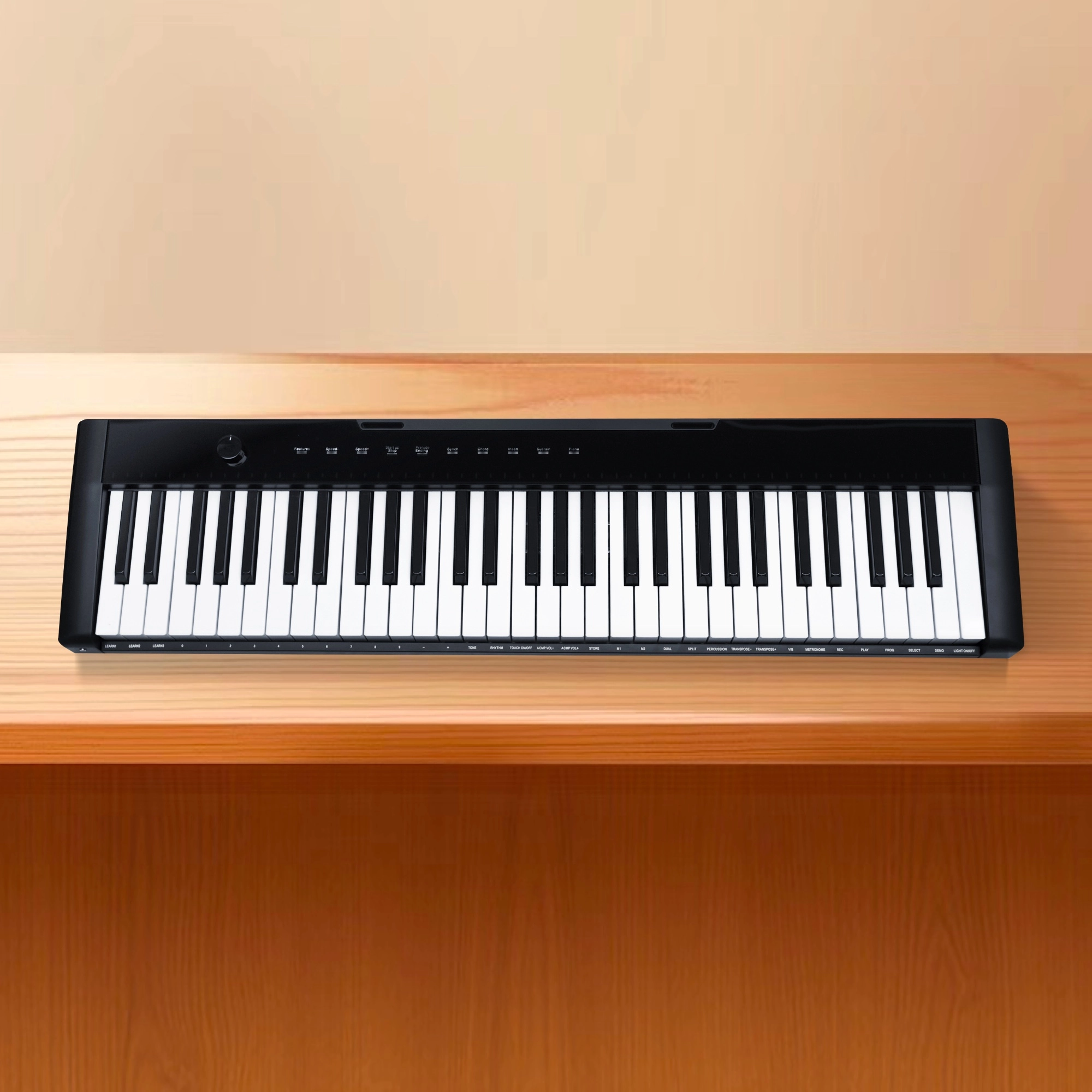
Flykeys 61 keys portable electronic keyboard piano with X stand (M2)
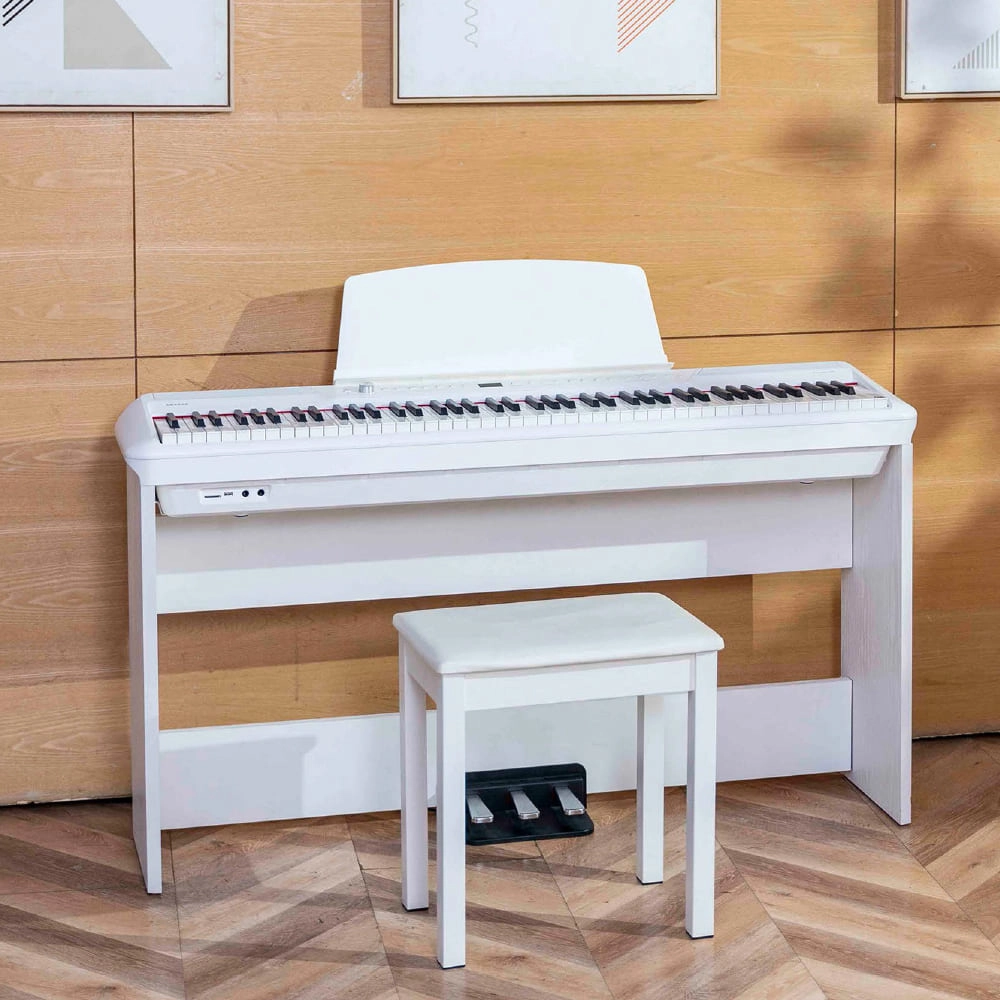
Flykeys Portable Electric Keyboard FP9 Digital Piano
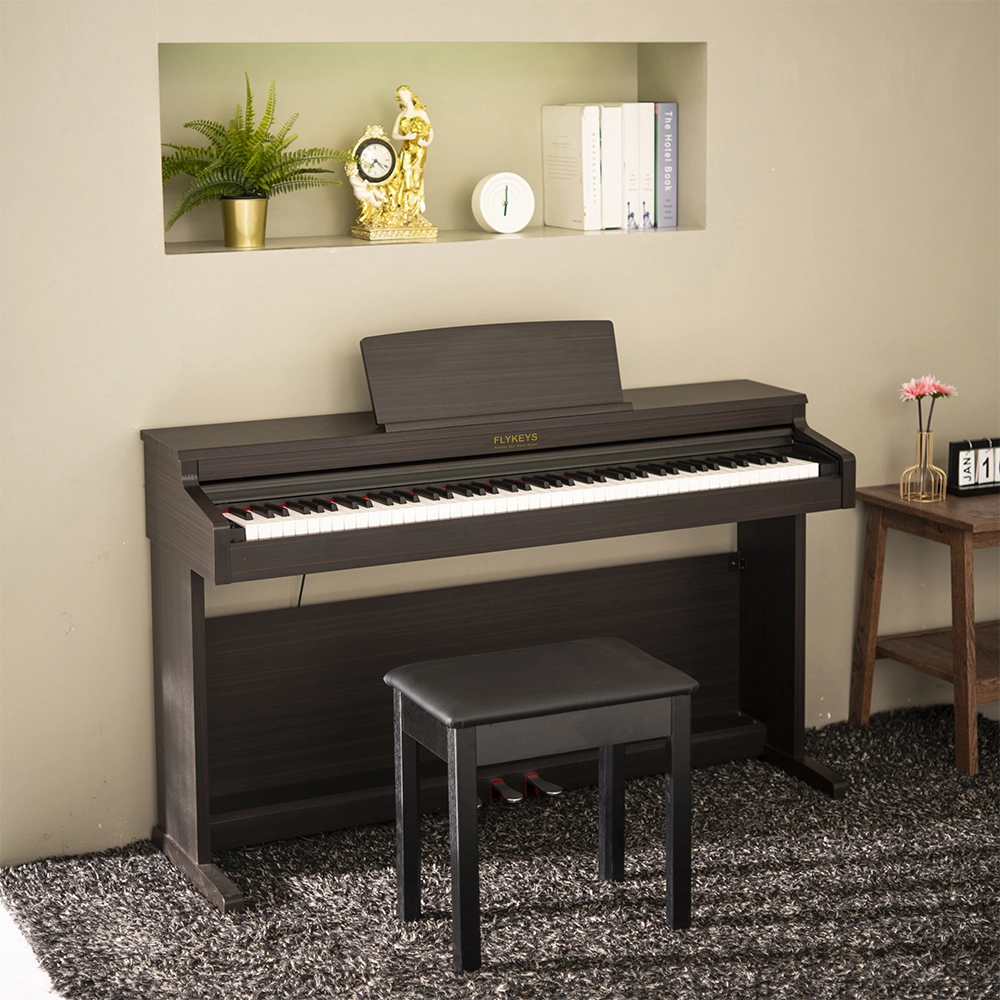
Flykeys 88 Keys Hammer Action keyboard Upright Piano LK03S Digital Piano
— Independent patented technology 88 key Grand-Response hammer action & dynamic curve keyboard;
— European top DSP chip, famous grand piano sound sample;
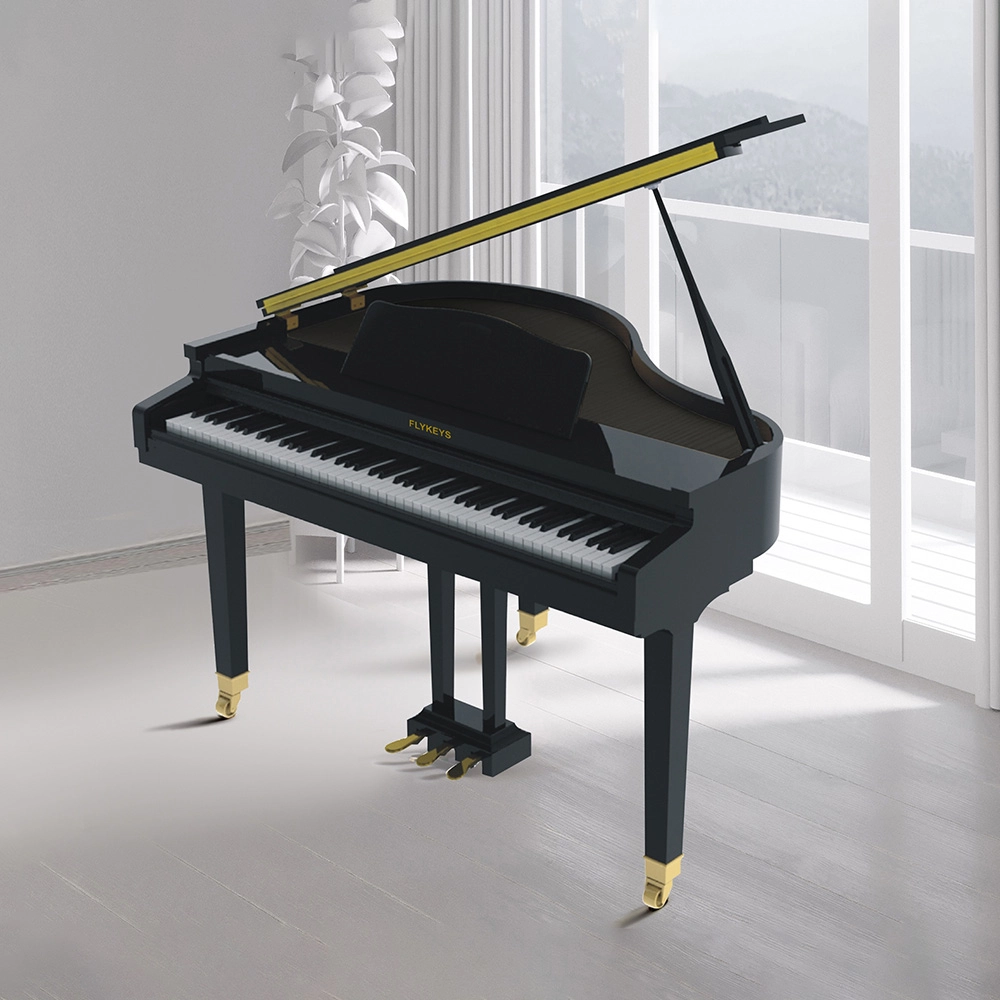
Flykeys 88 Keys Professional Digital Grand Piano Hammer Action Keyboard FGP110 Digital Piano
— Italian Fatar 88 Grand-ResponseTM Key trends with hammer action & dynamic curve
— Independent developed DSP chip, German famous grand piano sound sample
Address: No. 38 Xiangshan Avenue, Zengcheng Economic And Technological Development Zone, Guangzhou, China.
FOLLOW US:


© 2026 FLYKEYS All Rights Reserved. 粤 ICP备2020102774号. Designed by gooeyun. Sitemap | Privacy | Terms