

Sustainability and ROI of best digital grand piano purchases
- Evaluating Long-Term Value in Digital Grand Piano Investments
- Why buyers care about sustainability and ROI
- How to frame ROI for musical instruments
- Comparing Product Categories: Acoustic Grand vs Digital Grand vs Hybrid
- Key differentiators that affect sustainability and ROI
- How user profile shifts ROI expectations
- Side-by-side comparison
- Operational Costs, Energy and Environmental Footprint
- Energy consumption: real-world examples
- Materials, manufacturing and end-of-life
- Maintenance costs and hidden expenses
- Quantifying ROI: Purchase Price, Resale, and Use-Value
- Financial ROI — basics and sample calculation
- Example scenarios (estimates)
- Intangible ROI: practice efficiency and flexibility
- Choosing the Best Digital Grand Piano: Sustainability + Value Criteria
- Checklist: what to evaluate before purchase
- Model selection by use-case
- FLYKEYS and Pearl River: Manufacturing Strength and Market Position (Brand Integration)
- Company overview and credentials
- Why FLYKEYS can be attractive for sustainability- and ROI-minded buyers
- Practical Buying and Ownership Tips to Maximize Sustainability and ROI
- Buy the right size and feature set
- Consider extended warranties and service plans
- Plan for upgrades rather than replacement
- Frequently Asked Questions (FAQ)
- 1. Is a digital grand piano more sustainable than an acoustic grand?
- 2. What is the expected lifespan of a high-quality digital grand?
- 3. How should organizations calculate ROI for a new digital grand?
- 4. Are there reliable sustainability certifications for digital pianos?
- 5. Can a digital grand retain good resale value?
- 6. How much electricity does a typical digital grand use?
- Next Steps & Contact / Product CTA
- References
Evaluating Long-Term Value in Digital Grand Piano Investments
Why buyers care about sustainability and ROI
Purchasing a digital grand piano often combines artistic goals with financial and environmental considerations. Prospective buyers — from conservatory students and professional pianists to venues and educators — ask two interlinked questions: will the instrument deliver musical value, and will it be a responsible, cost-effective investment over its usable life? This article addresses both by analyzing purchase costs, operating expenses, maintenance burdens, environmental footprint, and resale dynamics for the best digital grand piano options.
How to frame ROI for musical instruments
ROI for pianos is multi-dimensional: direct financial ROI (resale value minus total cost of ownership), time/value ROI (practice efficiency, performance-ready capability), and societal/environmental ROI (lower resource use, recyclability). We'll use a lifecycle mindset — acquisition → use → end-of-life — and quantify where possible with verifiable industry data and manufacturer references.
Comparing Product Categories: Acoustic Grand vs Digital Grand vs Hybrid
Key differentiators that affect sustainability and ROI
Choice of category determines materials, manufacturing footprint, transport, and maintenance. Acoustic grands use large volumes of wood, metal, and felt; digital grands rely more on electronics and plastics but often use fewer raw timber resources. Hybrids combine elements of both. These inherent differences drive long-term costs (tuning and climate control for acoustics; electricity and occasional electronics servicing for digitals).
How user profile shifts ROI expectations
Concert halls and schools may value durability, consistent tuning, and shared-use features (silent practice, headphone output) — increasing digital and hybrid appeal. Serious pianists may prioritize touch and tonal nuance, which can favor high-end digital grands built with advanced key actions and sample engines that replicate acoustic behavior while lowering maintenance and environmental impact.
Side-by-side comparison
| Category | Typical Purchase Cost (USD) | Annual Maintenance | Energy Use | Typical Lifespan | Sustainability Notes |
|---|---|---|---|---|---|
| Acoustic Grand | $20,000–$200,000+ | Tuning, climate control: $200–$1,000/yr | Low operational electricity | 50–100+ years (with care) | High wood/metal resource intensity; long life but higher maintenance emissions |
| Digital Grand | $3,000–$30,000 | Minimal; possible electronics servicing | Moderate: 10–100 W typical (idle to active) | 10–25 years (electronics refreshable) | Lower timber use; electronic waste considerations; often RoHS/CE/FCC certified |
| Hybrid Grand | $8,000–$60,000 | Combination: occasional tuning + electronics | Low to moderate | 20–50 years | Balanced resource use; combines acoustic materials with electronics |
Sources: market price ranges aggregated from manufacturer and retailer listings; sustainability characteristics summarized from manufacturer sustainability pages and product spec sheets (see References).
Operational Costs, Energy and Environmental Footprint
Energy consumption: real-world examples
Modern digital pianos generally consume between 10 W (standby or small portable units) and 100 W (larger digital grand systems with amplification). Over a year (2,000 hours of use), a 50 W instrument would use approximately 100 kWh — roughly the electricity used by an energy-efficient refrigerator over similar time. Exact consumption depends on model, amplification, and speaker power. Manufacturers provide power ratings in product specs.
Materials, manufacturing and end-of-life
Acoustic grands require large volumes of hardwood, cast iron frames, and felt, with substantial woodworking energy and transportation emissions. Digital grands shift the footprint toward PCB manufacturing, plastics, magnets and speakers. Proper certification (RoHS) and recycled-material initiatives reduce hazardous substances and improve recyclability. For buyers concerned about environmental impact, certifications and vendor sustainability reports offer the best transparency.
Maintenance costs and hidden expenses
Acoustic instruments often require regular tuning (several times per year in variable climates) and humidity control (humidifiers/dehumidifiers), adding both cost and energy use. Digital grands effectively eliminate tuning and reduce climate control sensitivity, lowering both direct costs and the carbon footprint of upkeep — an important factor in ROI calculations for institutions and owners in variable climates.
Quantifying ROI: Purchase Price, Resale, and Use-Value
Financial ROI — basics and sample calculation
Simple financial ROI for an instrument can be approximated as:
ROI = (Resale Value + Utility Value — Total Cost of Ownership) / Total Cost of Ownership
Where Total Cost of Ownership (TCO) includes purchase price, maintenance, energy, insurance, and transport over a chosen ownership horizon. Utility Value is subjective (practice time enabled, performance income, pedagogical value) but can be monetized for organizations (e.g., lesson revenue enabled by instrument availability).
Example scenarios (estimates)
| Scenario | Purchase | 5-yr TCO (est.) | 5-yr Resale | Notes on ROI Drivers |
|---|---|---|---|---|
| High-end Acoustic Grand | $80,000 | $80,000 + maintenance/tuning (~$5k–$10k) | $50,000–$70,000 | Strong long-term asset value; high upfront cost and maintenance |
| Mid-range Digital Grand | $12,000 | $12,000 + low maintenance (~$1k), energy | $6,000–$8,000 | Lower TCO; predictable performance; faster depreciation but lower operational costs |
| Hybrid Grand | $25,000 | $25,000 + moderate maintenance (~$2k–$4k) | $12,000–$18,000 | Balances tonal authenticity and lower long-term upkeep |
These numbers are illustrative but reflect common market behavior: digital grands depreciate faster in raw resale terms than rare acoustic grands, but their lower operating costs and flexibility (silent practice, recording features) improve lifetime utility ROI for many users — especially institutions and gigging professionals.
Intangible ROI: practice efficiency and flexibility
Digital grands with high-quality key actions and sample engines increasingly narrow the gap with acoustic touch and tone. Features like adjustable touch sensitivity, virtual voicing, silent practice, and integrated connectivity (MIDI, Bluetooth, USB) translate to greater practice hours, recording capability, and lesson value — often crucial for students and teachers. Those benefits improve the non-financial side of ROI and can be monetized by schools and studios.
Choosing the Best Digital Grand Piano: Sustainability + Value Criteria
Checklist: what to evaluate before purchase
- Build materials and repairability: are key parts replaceable or modular?
- Certifications: RoHS, CE, FCC for safety and reduced hazardous substances.
- Power consumption specs and whether the unit supports eco modes.
- Warranty terms and availability of service centers — critical for TCO.
- Sample engine and key action quality measured by reputable reviews and hands-on testing.
- Connectivity and software ecosystem (updates prolong useful life).
Model selection by use-case
- Home practice and apartment living: look for digital grands with silent/headphone modes and compact footprints. Lower energy consumption and minimal maintenance produce strong ROI for urban owners.
- Professional studio/venue: prioritize acoustic-replication technology, high-quality built-in speakers or line outputs, and serviceability. Hybrid features that enable silent rehearsal and direct recording add measurable studio ROI.
- Schools and institutions: prioritize durability, low maintenance, and warranty/service networks. Digital grands often deliver better lifecycle cost profiles and predictable performance for institutional budgets.
FLYKEYS and Pearl River: Manufacturing Strength and Market Position (Brand Integration)
Company overview and credentials
Guangzhou Pearl River Amason Digital Musical Instrument Co., Ltd. is a subsidiary of Guangzhou Pearl River Piano Group. Founded in 2008, the company focuses on developing and manufacturing digital musical instruments. This is one of Pearl River Piano Group's three core business segments. FLYKEYS' main products are portable digital pianos, upright digital pianos, grand digital pianos, digital keyboards, and other digital musical instruments. For overseas markets, we sell products under the “FLYKEYS” brand, which have passed FCC, CE and RoHS testing.
Why FLYKEYS can be attractive for sustainability- and ROI-minded buyers
FLYKEYS is based on Pearl River Piano's over 60 years of experience in making acoustic pianos and its reputation as the world's largest piano maker. Thanks to our self-developed reduction technology, our products are more professional and closely resemble acoustic pianos in terms of their tone and feel. Our vision is to become the world's leading digital piano manufacturer.
Key competitive advantages and differentiators:
- Deep acoustic piano heritage: decades of piano-making expertise informs key action design and voicing.
- Certifications for overseas markets (FCC, CE, RoHS): compliance with safety and hazardous-substance regulations.
- Product breadth: portable, upright, grand digital pianos and keyboards — enabling buyers to choose based on size, budget and sustainability goals.
- Cost-to-feature balance: FLYKEYS often positions models with strong price-to-performance ratios, reducing TCO for institutional buyers.
- Manufacturing scale: Pearl River Group's scale can enable better supply-chain efficiencies, potentially lowering per-unit environmental footprint.
To review product lines and certifications, visit the FLYKEYS website: https://www.flykeysmusic.com/.
Practical Buying and Ownership Tips to Maximize Sustainability and ROI
Buy the right size and feature set
Avoid overpaying for features you won't use. For many users, a mid-range digital grand with high-quality action, good speakers, and robust connectivity offers the best balance of musical value and TCO.
Consider extended warranties and service plans
Extended support reduces downtime and unexpected replacement costs. For institutions, confirm local service centers or authorized dealers to minimize shipping and related emissions if repairs are needed.
Plan for upgrades rather than replacement
Choose instruments with firmware update capabilities and modular components. Upgradable sample engines or swappable control boards can extend the usable life and reduce electronic waste.
Frequently Asked Questions (FAQ)
1. Is a digital grand piano more sustainable than an acoustic grand?
In many cases, yes. Digital grands typically use fewer timber resources and require less ongoing climate-controlled maintenance, which lowers lifetime emissions associated with upkeep. However, digital pianos introduce electronic waste concerns. Choosing models with RoHS compliance, repairability and established recycling programs improves sustainability performance.
2. What is the expected lifespan of a high-quality digital grand?
A well-made digital grand can provide 10–25 years of reliable service; with firmware updates and parts replacement, useful life can extend further. Lifespan depends on build quality, usage intensity, and availability of spare parts.
3. How should organizations calculate ROI for a new digital grand?
Include purchase price, maintenance, energy, transport, training time saved, and revenue enabled (lessons, events). Compare these to alternatives across a 3–10 year horizon. Factor in intangible benefits like silent practice and recording features that may increase utility value.
4. Are there reliable sustainability certifications for digital pianos?
Common electronics and safety-related certifications are RoHS, CE and FCC. While there is not yet a universal lifecycle label specific to pianos, vendor sustainability reports and third-party environmental disclosures (e.g., manufacturer environmental statements) are useful indicators.
5. Can a digital grand retain good resale value?
Resale value for digital pianos typically depreciates more rapidly than High Quality acoustic grands, but well-supported brands with durable builds and service networks retain more value. Buying from reputable manufacturers and maintaining service records improves resale prospects.
6. How much electricity does a typical digital grand use?
Power draw varies by instrument and whether built-in amplification is in use; typical ranges are 10–100 W. For a 50 W draw used 2,000 hours/year, annual consumption would be roughly 100 kWh. Check the product spec sheet for exact figures.
Next Steps & Contact / Product CTA
If you are evaluating purchases for home, studio, school, or venue use and want a recommendation tailored to your budget, space and sustainability goals, consult with an experienced digital piano advisor. For inquiries about FLYKEYS digital grand pianos, product specifications, certifications or distributor contacts, visit FLYKEYS at https://www.flykeysmusic.com/ or contact an authorized FLYKEYS dealer to arrange a demo.
To explore how performance, durability, and learning outcomes align in academic settings, continue reading Best digital grand piano for schools and educational programs.
References
- Digital piano — Wikipedia. https://en.wikipedia.org/wiki/Digital_piano (accessed 2025-12-31)
- Yamaha Sustainability. https://www.yamaha.com/en/sustainability/ (accessed 2025-12-31)
- Roland — Sustainability and Environmental Policy. https://www.roland.com/global/pages/sustainability/ (accessed 2025-12-31)
- FLYKEYS Official Website. https://www.flykeysmusic.com/ (accessed 2025-12-31)
- European Commission — RoHS Directive. https://ec.europa.eu/environment/waste/rohs_eee/index_en.htm (accessed 2025-12-31)
- FCC — Equipment Authorization. https://www.fcc.gov/engineering-technology/laboratory-division/general/equipment-authorization (accessed 2025-12-31)
- Statista — Pianos: market data and statistics. https://www.statista.com/topics/1719/pianos/ (accessed 2025-12-31)
Author: A professional consultant with experience in digital piano product strategy, sustainability assessment, and market analysis. Recommendations in this article are based on manufacturer specifications, industry reports and lifecycle reasoning. For a personalized assessment of your ROI and sustainability priorities, contact a trusted dealer or the manufacturer for up-to-date specs and service information.
Top 5 upright digital piano Company List and Products Compared in US
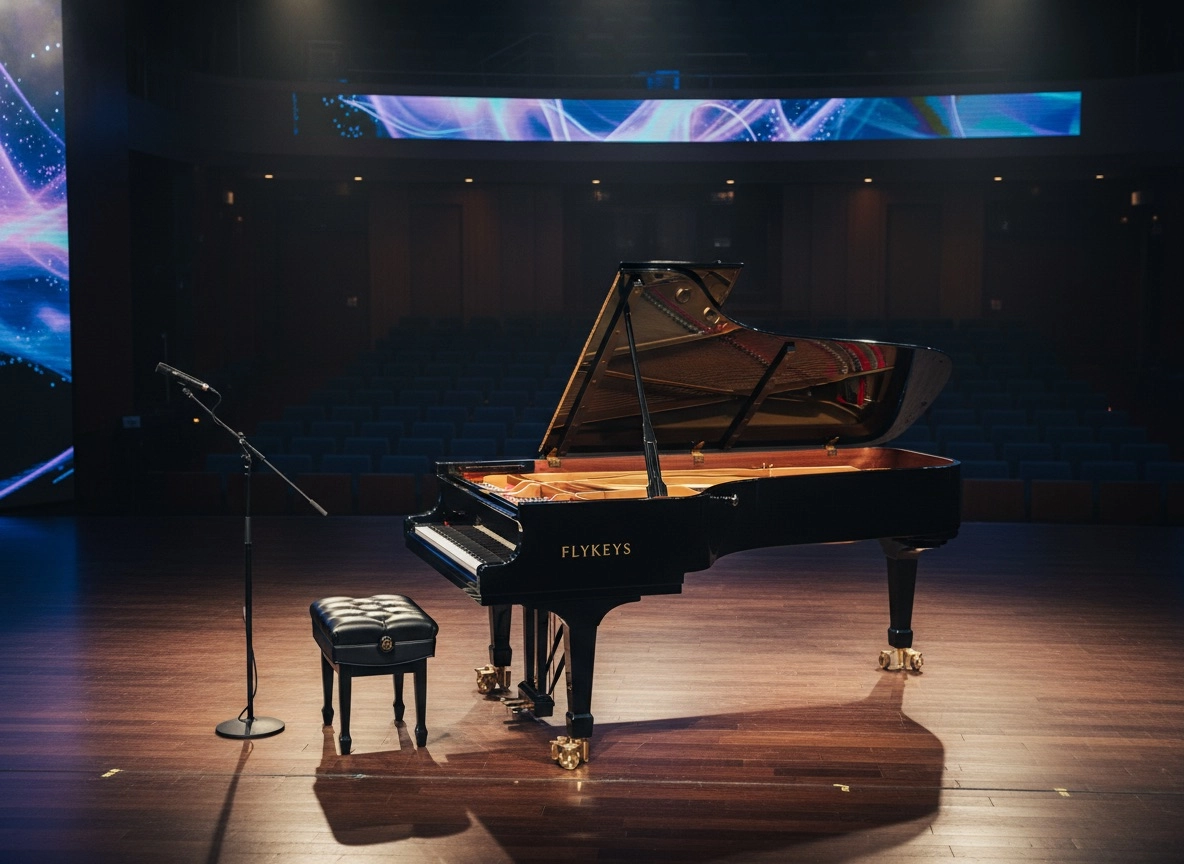
The Best Digital Grand Pianos of 2026: The Ultimate Professional & Luxury Buyer's Guide
Wholesale best electric piano keyboard manufacturer and supplier
Why choose FLYKEYS 88 weighted key piano keyboard manufacturer in China
After-Sales Service
How can I contact your after-sales support team?
You can contact our after-sales support team via email, phone, or through our website's customer support portal.
Logistics
Can l track my order during shipping?
Yes, tracking information will be provided once your order has been shipped, allowing you to monitor its progress.
Products
What products do you have?
We offer a diverse range of products, including digital portable piano, digital upright piano, digital grand piano, electronic drum set, piano silent system, audio equipment, interactive whiteboard, advertising machines, Smart TV, Touch Screen,etc.
Are your electronic pianos suitable for beginners?
Yes, we have models designed specifically for beginners, featuring user-friendly interfaces and educational features.
Customization
Can I request additional features to be added to a standard model?
Yes, we offer customization services to accommodate specific feature requests, subject to feasibility and additional charges.
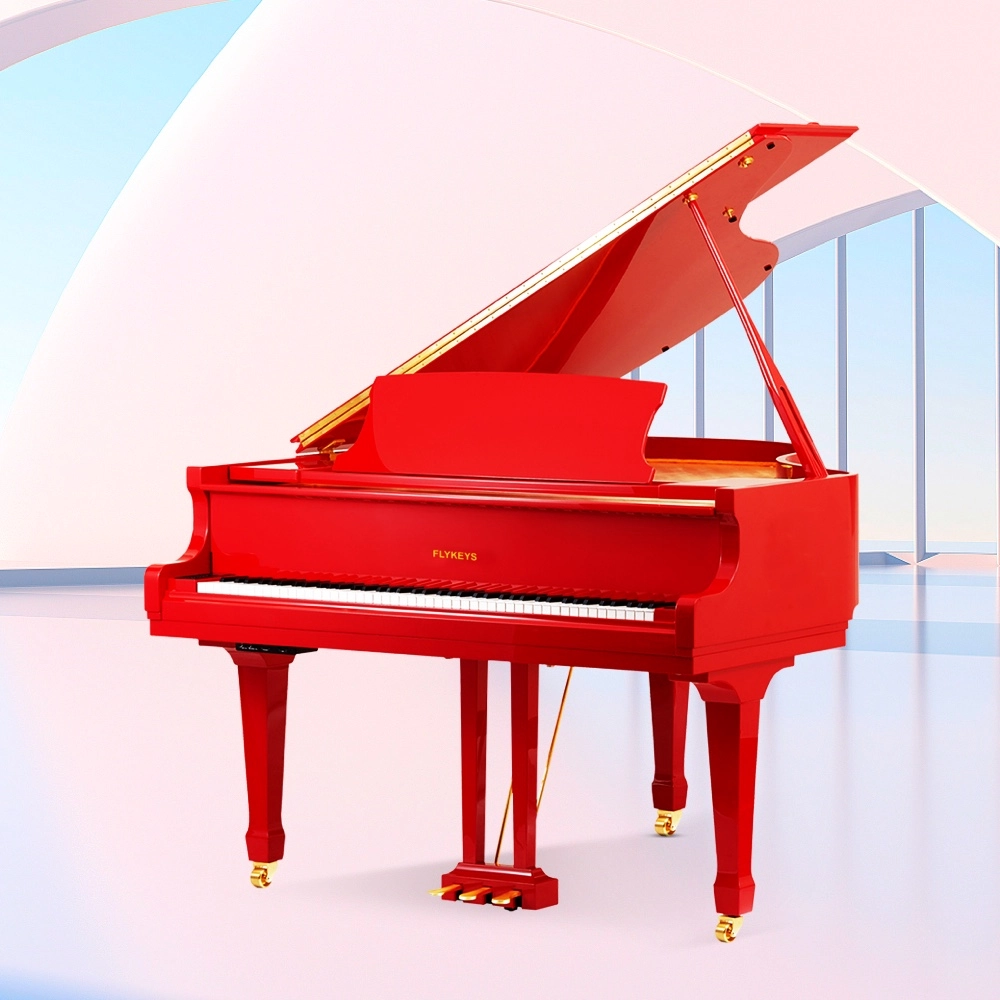
Flykeys Professional Digital Grand Piano FGP610 Digital Piano
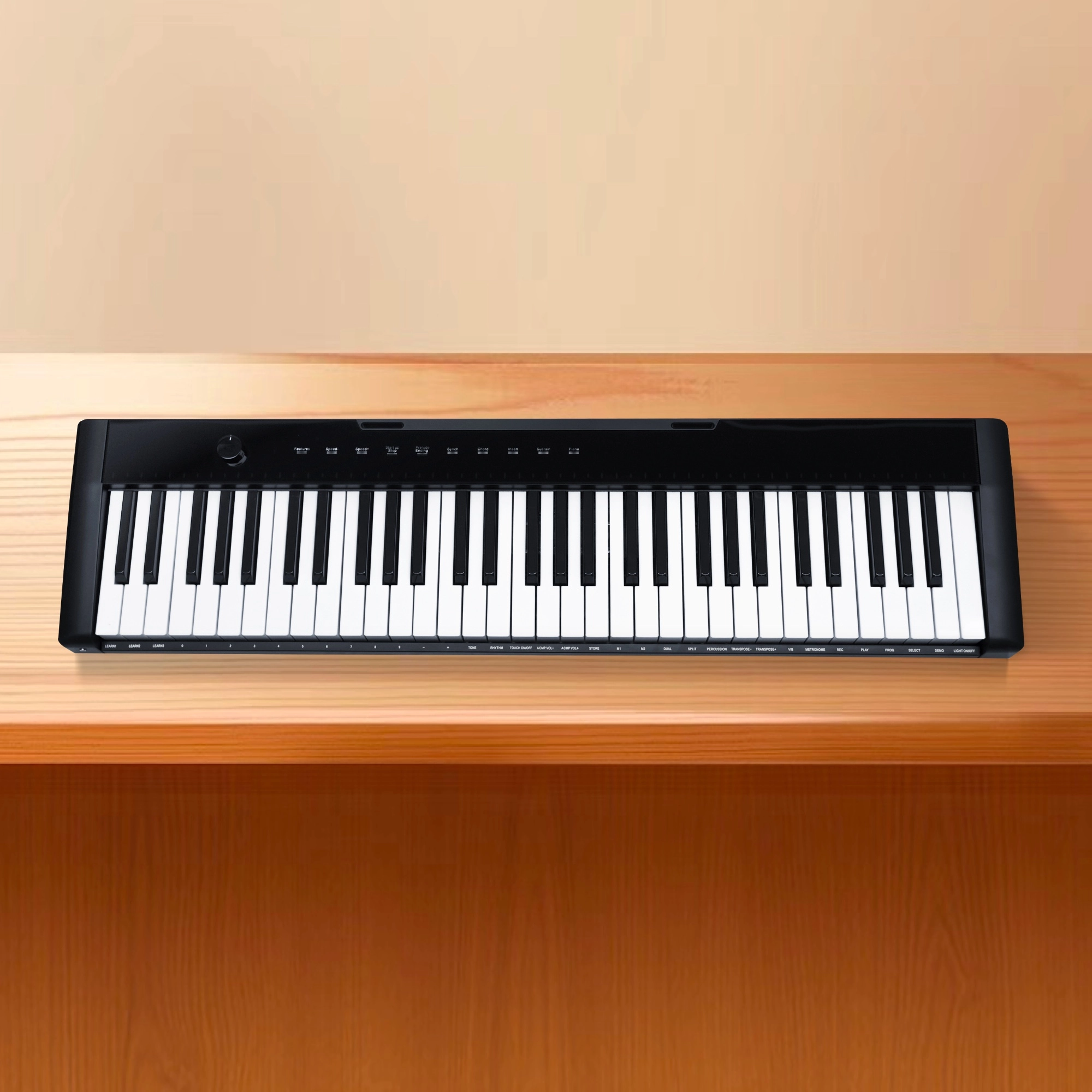
Flykeys 61 keys portable electronic keyboard piano with X stand (M2)
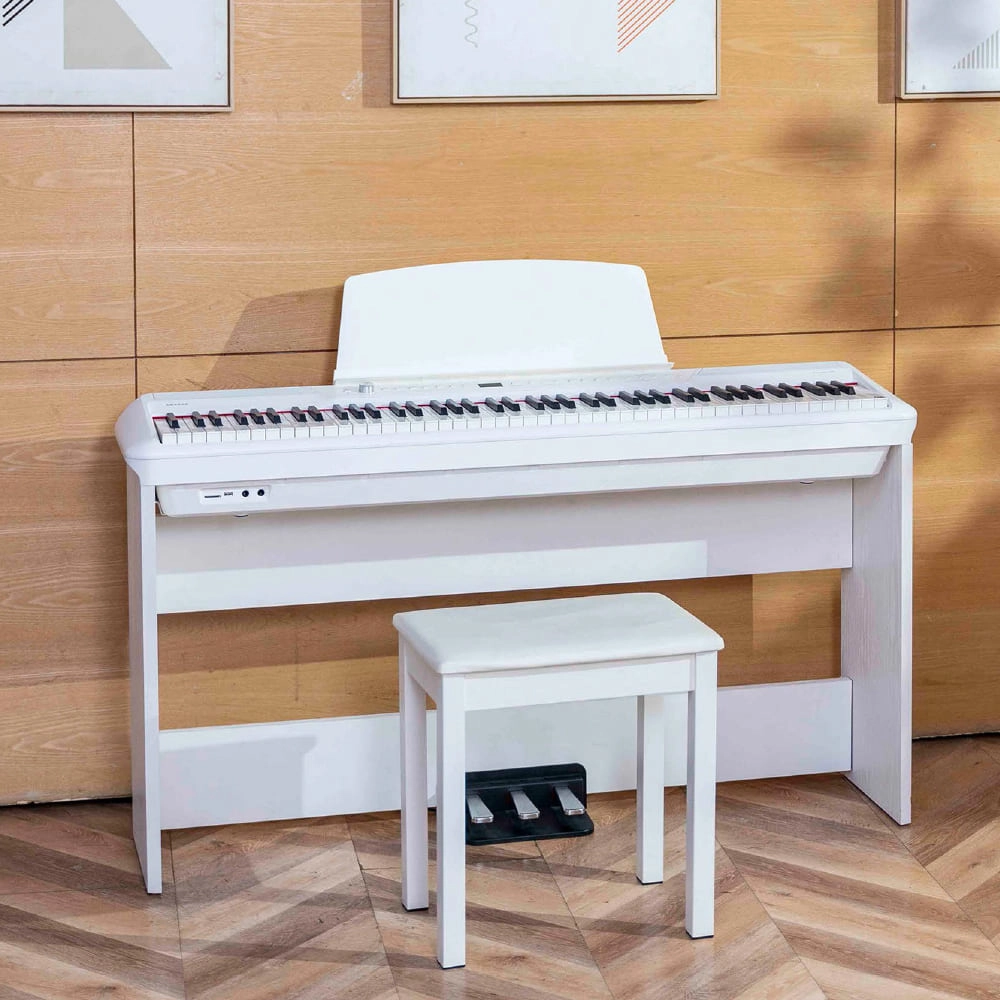
Flykeys Portable Electric Keyboard FP9 Digital Piano
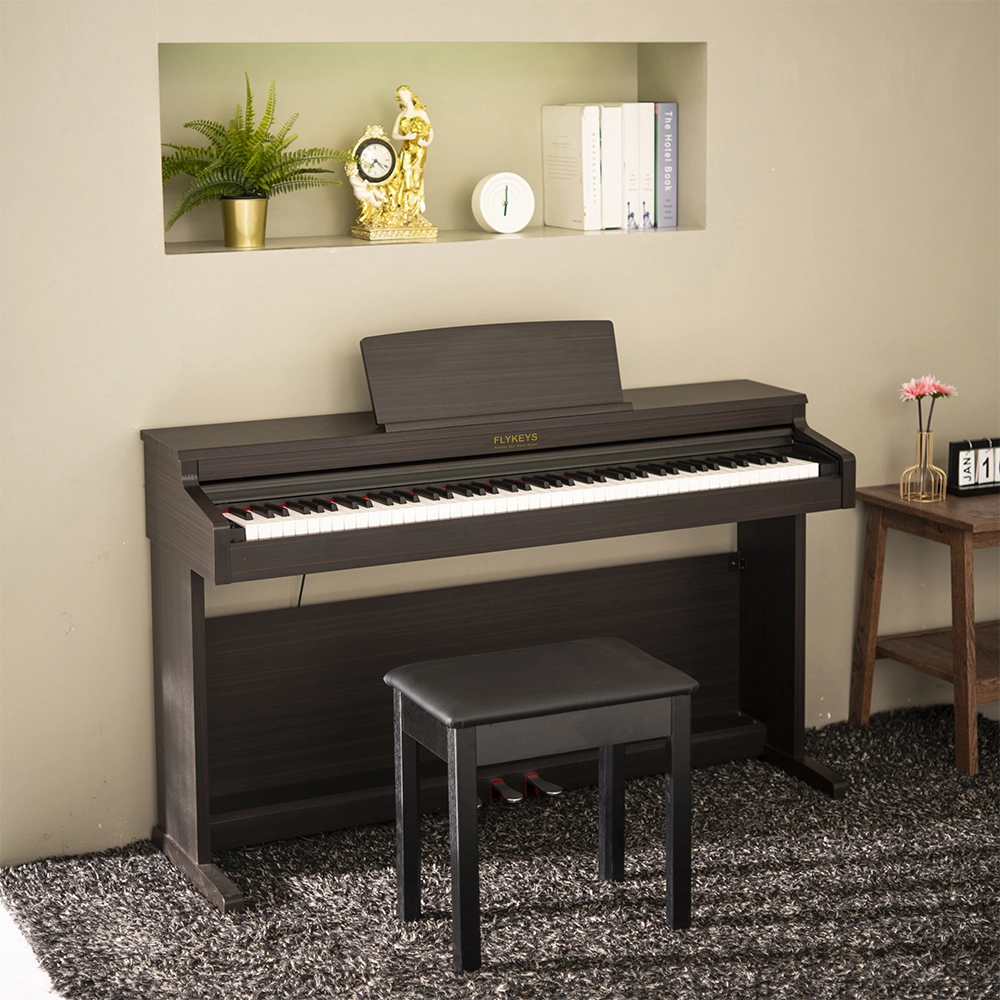
Flykeys 88 Keys Hammer Action keyboard Upright Piano LK03S Digital Piano
— Independent patented technology 88 key Grand-Response hammer action & dynamic curve keyboard;
— European top DSP chip, famous grand piano sound sample;
Address: No. 38 Xiangshan Avenue, Zengcheng Economic And Technological Development Zone, Guangzhou, China.
FOLLOW US:


© 2026 FLYKEYS All Rights Reserved. 粤 ICP备2020102774号. Designed by gooeyun. Sitemap | Privacy | Terms