

What Is a Digital Piano? Key Features & Benefits Explained | FLYKEYS
- What Is a Digital Piano? A Comprehensive Guide
- How Does a Digital Piano Work?
- What Are the Benefits of a Digital Piano?
- What’s the Difference Between a Digital Piano and a Keyboard?
- Is a Digital Piano Good for Beginners?
- How to Choose the Right Digital Piano
- Can a Digital Piano Replace an Acoustic Piano?
- Conclusion
What Is a Digital Piano? A Comprehensive Guide
A digital piano is an electronic musical instrument designed to emulate the sound and feel of an acoustic piano. It combines advanced technology with traditional piano features, making it a versatile and modern alternative for musicians of all levels. Whether you're a beginner or a professional, understanding what a digital piano is and how it works can help you make an informed decision when choosing the right instrument for your needs.
How Does a Digital Piano Work?
A digital piano uses sampled sounds from high-quality acoustic pianos, which are stored in its memory. When you press a key, sensors detect the velocity and force of your touch, triggering the corresponding sound. Modern digital pianos also include features like weighted keys, which mimic the hammer action of an acoustic piano, providing a more authentic playing experience.
Additionally, digital pianos often come with built-in speakers, headphone jacks, and connectivity options like USB or MIDI, allowing you to connect to computers, tablets, or other devices for recording or learning purposes.
What Are the Benefits of a Digital Piano?
1. Portability and Space Efficiency: Unlike acoustic pianos, digital pianos are lightweight and compact, making them ideal for small spaces or musicians on the go.
2. Volume Control and Headphone Use: You can practice silently using headphones, making it perfect for late-night sessions or shared living spaces.
3. Versatility: Digital pianos often include a variety of instrument sounds, recording capabilities, and learning tools.
4. Low Maintenance: No tuning is required, and they are less susceptible to environmental changes like humidity.
What’s the Difference Between a Digital Piano and a Keyboard?
While both instruments look similar, they serve different purposes. A digital piano is designed to replicate the acoustic piano experience, with weighted keys and high-quality sound samples. On the other hand, a keyboard is more versatile, offering a wide range of sounds and features but often lacking the realistic touch and tone of a digital piano.
Is a Digital Piano Good for Beginners?
Yes, a digital piano is an excellent choice for beginners. It provides a realistic playing experience at a fraction of the cost of an acoustic piano. Many models also come with built-in learning tools, such as metronomes, lesson modes, and connectivity to apps, making it easier for beginners to practice and improve.
How to Choose the Right Digital Piano
When selecting a digital piano, consider the following factors:
1. Key Action: Look for weighted or hammer-action keys for a more authentic feel.
2. Sound Quality: Ensure the piano uses high-quality samples and has a good speaker system.
3. Features: Decide which additional features are important to you, such as recording capabilities, connectivity options, or built-in lessons.
4. Budget: Digital pianos come in a wide price range, so choose one that fits your budget without compromising on essential features.
Can a Digital Piano Replace an Acoustic Piano?
For many musicians, a digital piano can effectively replace an acoustic piano, especially if space, budget, or noise constraints are a concern. While it may not fully replicate the nuanced sound and feel of an acoustic piano, modern digital pianos come incredibly close, offering a practical and versatile alternative.
Conclusion
A digital piano is a powerful and versatile instrument that combines the best of traditional and modern technology. Whether you're a beginner or an experienced player, it offers numerous benefits, including portability, versatility, and low maintenance. By understanding what a digital piano is and how it works, you can make an informed decision and find the perfect instrument to suit your musical journey.
Explore FLYKEYS digital pianos today and discover the perfect blend of innovation and tradition for your musical needs.
Tips for Wholesale grand vs upright piano in China
Wholesale best weighted keyboard 88 keys manufacturer and supplier in China
Tips for Wholesale piano digital portable
Choosing the Best Digital Grand Piano for Live Performance and Stage Use
Logistics
How long does shipping typically take?
Shipping times vary depending on the destination and shipping method selected. Please refer to our shipping information page for estimated delivery times.
Can l track my order during shipping?
Yes, tracking information will be provided once your order has been shipped, allowing you to monitor its progress.
Products
Can I connect your electronic pianos to external devices?
Yes, our electronic pianos are equipped with connectivity options such as MIDI, USB, and Bluetooth for seamless integration with external devices.
What is the warranty period of piano?
We provide 2 years warranty service, if there is any quality problem, we can provide accessories for free
Company
How long has your company been in the electronic piano manufacturing business?
Pearl River Piano has acoustic piano manufacturing experiences for more that 60 years history.
Guangzhou Pearl River Amason Digital Musical Instrument Co.,Ltd., a subsidiary company of Pearl River Piano Group, founded in 2008, and focused on developing and manufacturing digital musical instrument which is one of the three pillar business industries of Pearl River Piano Group.
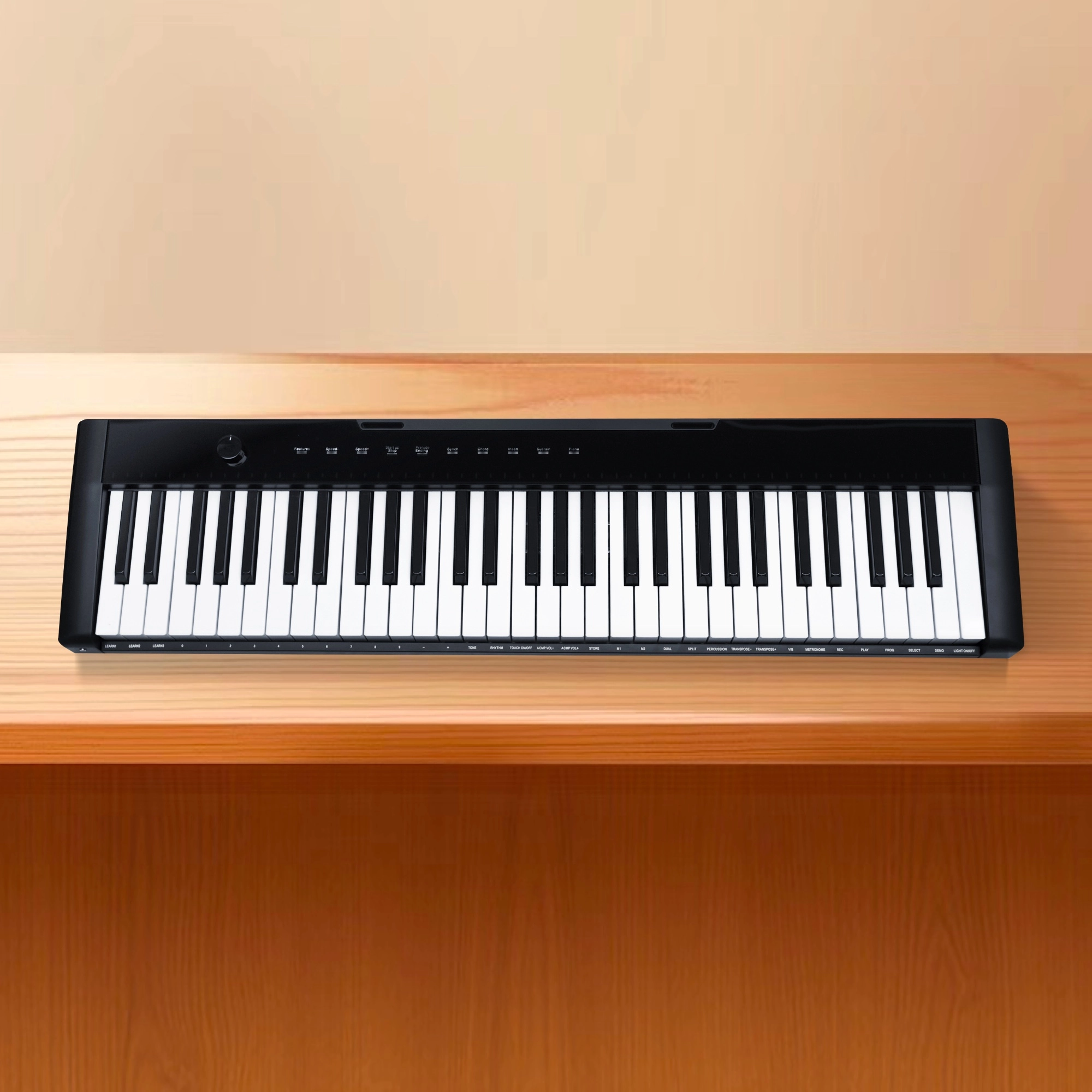
Flykeys 61 keys portable electronic keyboard piano with X stand (M2)
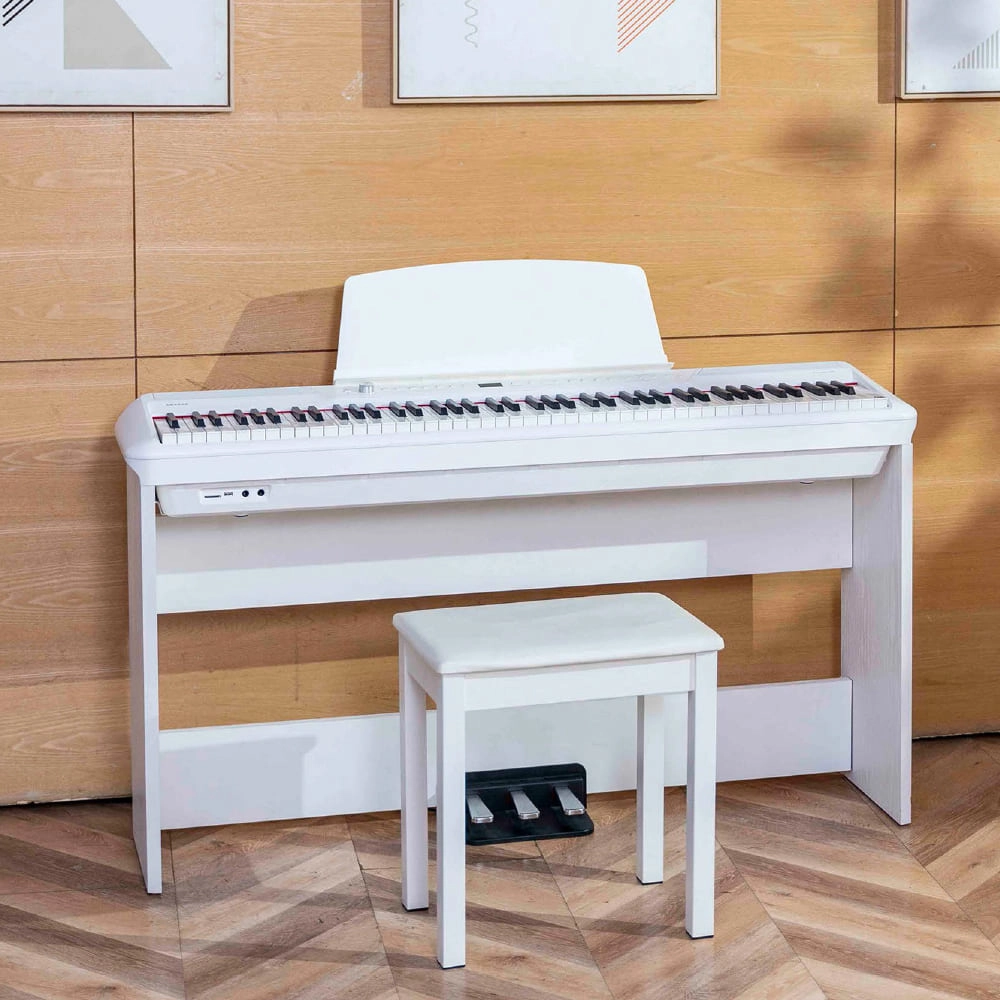
Flykeys Portable Electric Keyboard FP9 Digital Piano
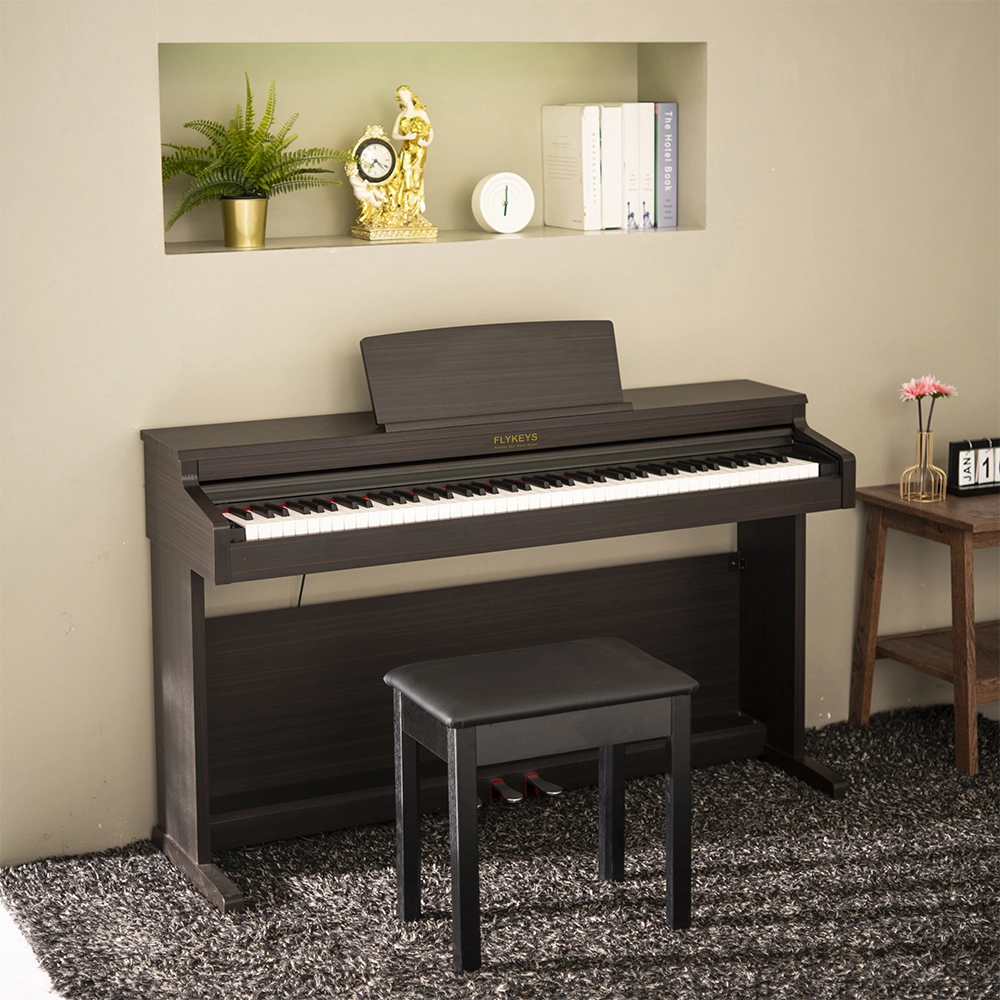
Flykeys 88 Keys Hammer Action keyboard Upright Piano LK03S Digital Piano
— Independent patented technology 88 key Grand-Response hammer action & dynamic curve keyboard;
— European top DSP chip, famous grand piano sound sample;
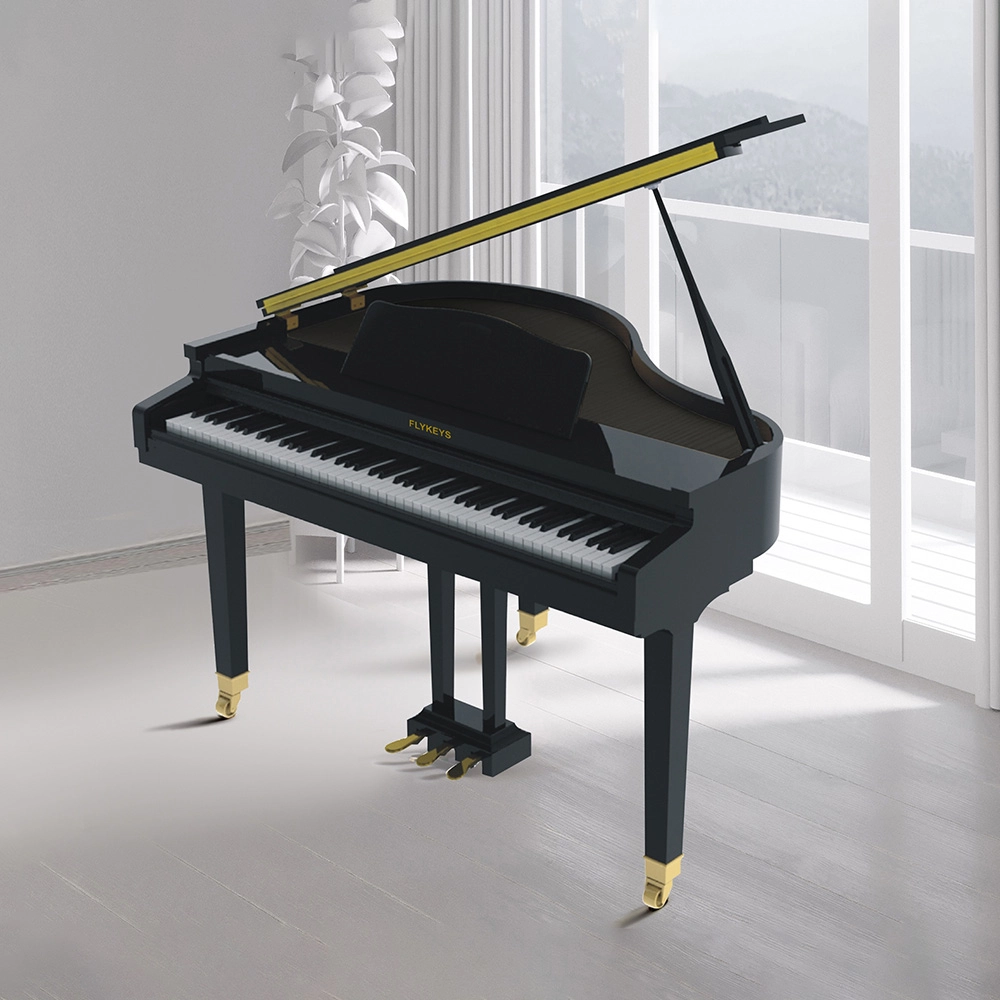
Flykeys 88 Keys Professional Digital Grand Piano Hammer Action Keyboard FGP110 Digital Piano
— Italian Fatar 88 Grand-ResponseTM Key trends with hammer action & dynamic curve
— Independent developed DSP chip, German famous grand piano sound sample
Address: No. 38 Xiangshan Avenue, Zengcheng Economic And Technological Development Zone, Guangzhou, China.
FOLLOW US:


© 2024 FLYKEYS All Rights Reserved. 粤ICP备2020102774号. Designed by gooeyun Sitemap | Privacy | Terms