

What Is a Digital Piano? Key Features & Benefits
- What Is a Digital Piano? Key Features, Benefits & FAQs
- How Does a Digital Piano Work?
- Digital Piano vs. Keyboard vs. Acoustic Piano: What’s the Difference?
- Top Benefits of a Digital Piano
- FAQs About Digital Pianos
- 1. Is a Digital Piano Good for Beginners?
- 2. Can You Learn Piano on a Digital Piano?
- 3. Do Digital Pianos Sound Like Real Pianos?
- 4. How Long Do Digital Pianos Last?
- 5. What Should I Look for When Buying a Digital Piano?
- Final Thoughts
What Is a Digital Piano? Key Features, Benefits & FAQs
A digital piano is an electronic keyboard designed to emulate the sound and feel of an acoustic piano while offering modern features like portability, headphone compatibility, and multiple instrument sounds. Whether you're a beginner or a professional, understanding its key aspects can help you make an informed decision.
How Does a Digital Piano Work?
Digital pianos use sampled sounds from high-end acoustic pianos and weighted keys to replicate the hammer action of traditional pianos. Here’s how they function:
- Sound Generation: Uses recorded samples of acoustic pianos (often from grand pianos).
- Key Action: Weighted or graded hammer-action keys mimic the resistance of acoustic piano keys.
- Polyphony: The number of notes a piano can play simultaneously (e.g., 128-note polyphony).
- Connectivity: MIDI, USB, Bluetooth, and audio outputs for recording and playing with apps.
Digital Piano vs. Keyboard vs. Acoustic Piano: What’s the Difference?
| Feature | Digital Piano | Keyboard | Acoustic Piano |
|---|---|---|---|
| Sound | Sampled from real pianos | Synthesized or basic piano tones | Natural acoustic resonance |
| Key Action | Weighted/Graded hammer | Light, unweighted | Heavy, mechanical hammers |
| Portability | Moderate (some are heavy) | Highly portable | Not portable |
| Maintenance | No tuning required | No tuning required | Regular tuning needed |
Top Benefits of a Digital Piano
✔ Volume Control & Silent Practice – Play with headphones for late-night practice.
✔ Built-in Metronome & Recording – Helps with learning and self-assessment.
✔ Multiple Instrument Sounds – Strings, organs, and synth sounds expand creativity.
✔ Affordability – Cheaper than acoustic pianos with similar sound quality.
✔ No Tuning Needed – Stays in perfect pitch without maintenance.
FAQs About Digital Pianos
1. Is a Digital Piano Good for Beginners?
Yes! Digital pianos are ideal for beginners because:
- They’re more affordable than acoustic pianos.
- Headphone compatibility allows private practice.
- Built-in learning tools (like metronomes and lesson modes) aid progress.
2. Can You Learn Piano on a Digital Piano?
Absolutely. A weighted-key digital piano provides a similar feel to an acoustic piano, making it suitable for proper technique development.
3. Do Digital Pianos Sound Like Real Pianos?
High-end digital pianos (like those from Yamaha, Roland, or FLYKEYS) use multi-layer sampling for a realistic sound. Entry-level models may sound less authentic.
4. How Long Do Digital Pianos Last?
With proper care, a quality digital piano can last 10-20 years. Factors affecting lifespan:
- Usage frequency
- Build quality
- Environmental conditions (avoid extreme humidity)
5. What Should I Look for When Buying a Digital Piano?
- Weighted keys (graded hammer action preferred).
- Polyphony (minimum 64, ideally 128+ for advanced play).
- Sound quality (test speakers or headphones).
- Portability (if needed for gigs).
- Brand reputation (Yamaha, Roland, Kawai, FLYKEYS).
Final Thoughts
A digital piano is a versatile, cost-effective alternative to an acoustic piano, offering modern features while maintaining an authentic playing experience. Whether you're a beginner or a seasoned player, choosing the right model depends on key action, sound quality, and functionality.
Looking for a reliable digital piano? Explore FLYKEYS for High Quality options that balance performance and affordability. 🎹
Why choose FLYKEYS 88 weighted key keyboard piano manufacturer in China
Custom contemporary grand piano Manufacturers and suppliers in China
Everything You Need to Know About cheap keyboard piano 88 keys
Choosing the Best Digital Grand Piano for Live Performance and Stage Use
Payment
Is payment required upfront for custom orders?
Yes, payment is typically required upfront for custom orders to initiate the production process.
Products
Do you offer software updates for your electronic pianos?
Yes, we regularly release software updates to enhance performance and add new features to our electronic pianos.
Logistics
How long does shipping typically take?
Shipping times vary depending on the destination and shipping method selected. Please refer to our shipping information page for estimated delivery times.
Company
Does your company have any sustainability initiatives?
Yes, we are dedicated to sustainability and continuously strive to minimize our environmental footprint through responsible manufacturing practices.
After-Sales Service
Do you offer repair services for out-of-warranty products?
Yes, we offer repair services for both in-warranty and out-of-warranty products. Please contact our support team for assistance.
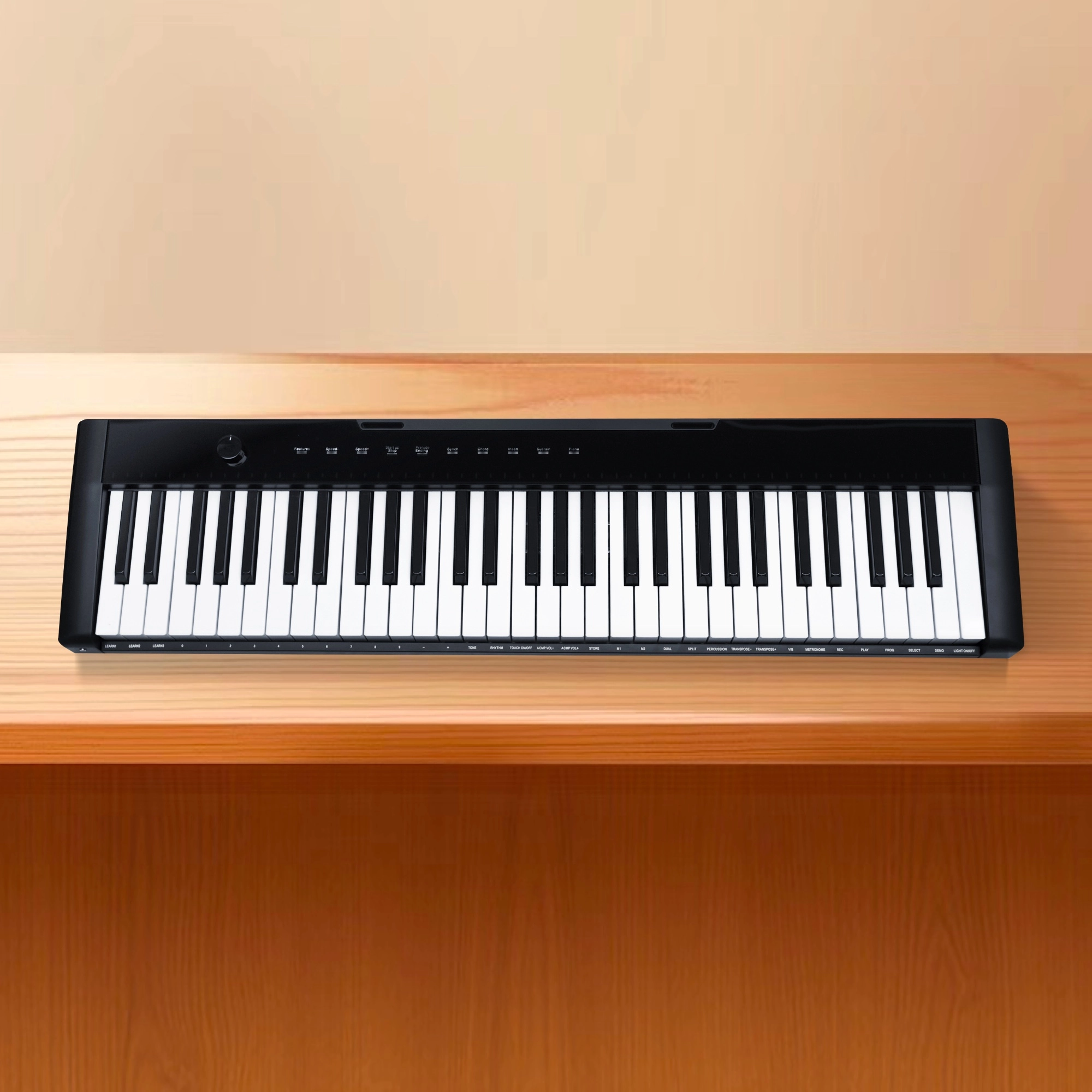
Flykeys 61 keys portable electronic keyboard piano with X stand (M2)
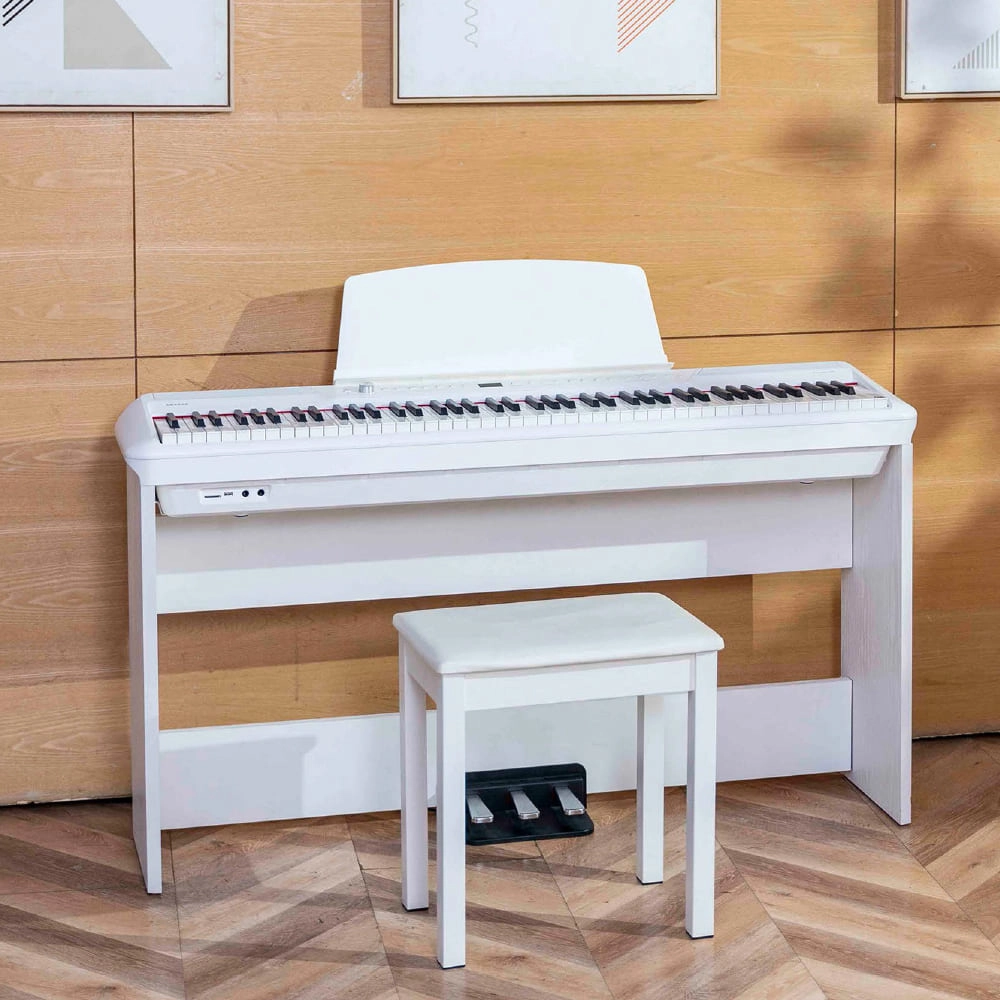
Flykeys Portable Electric Keyboard FP9 Digital Piano
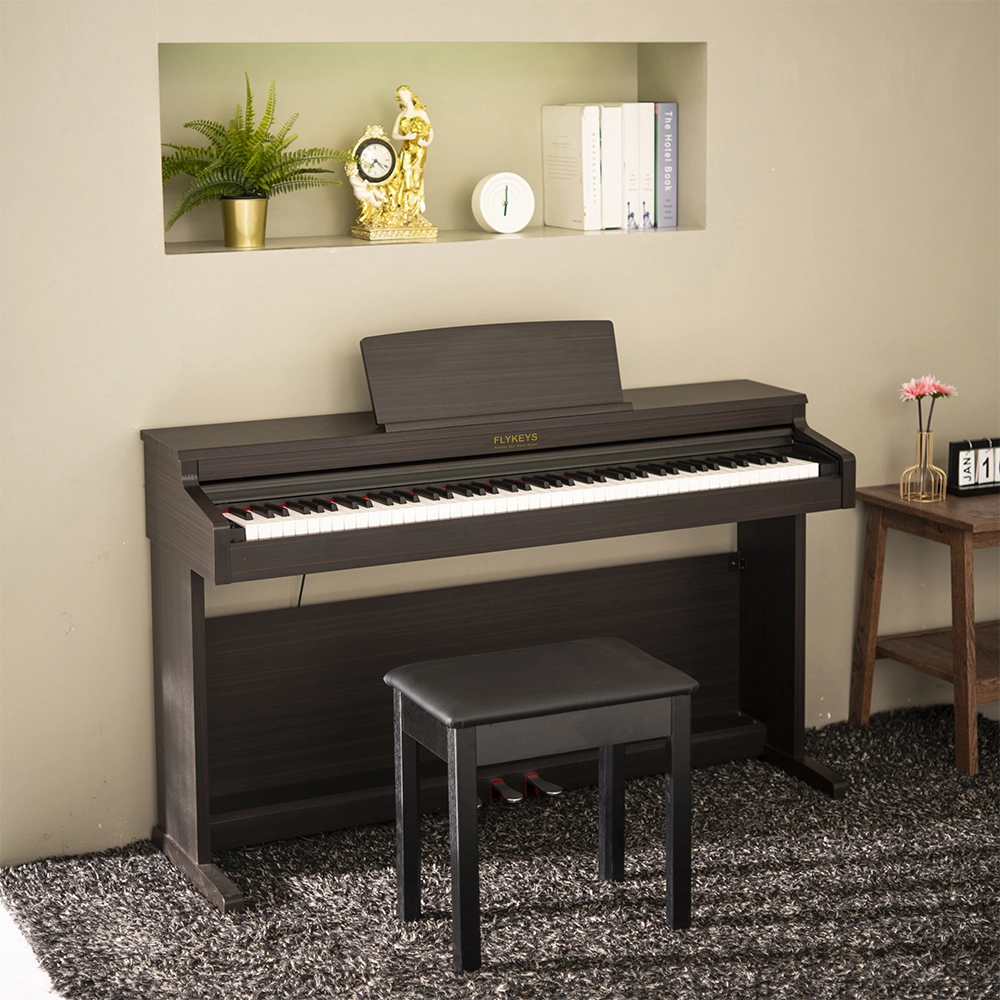
Flykeys 88 Keys Hammer Action keyboard Upright Piano LK03S Digital Piano
— Independent patented technology 88 key Grand-Response hammer action & dynamic curve keyboard;
— European top DSP chip, famous grand piano sound sample;
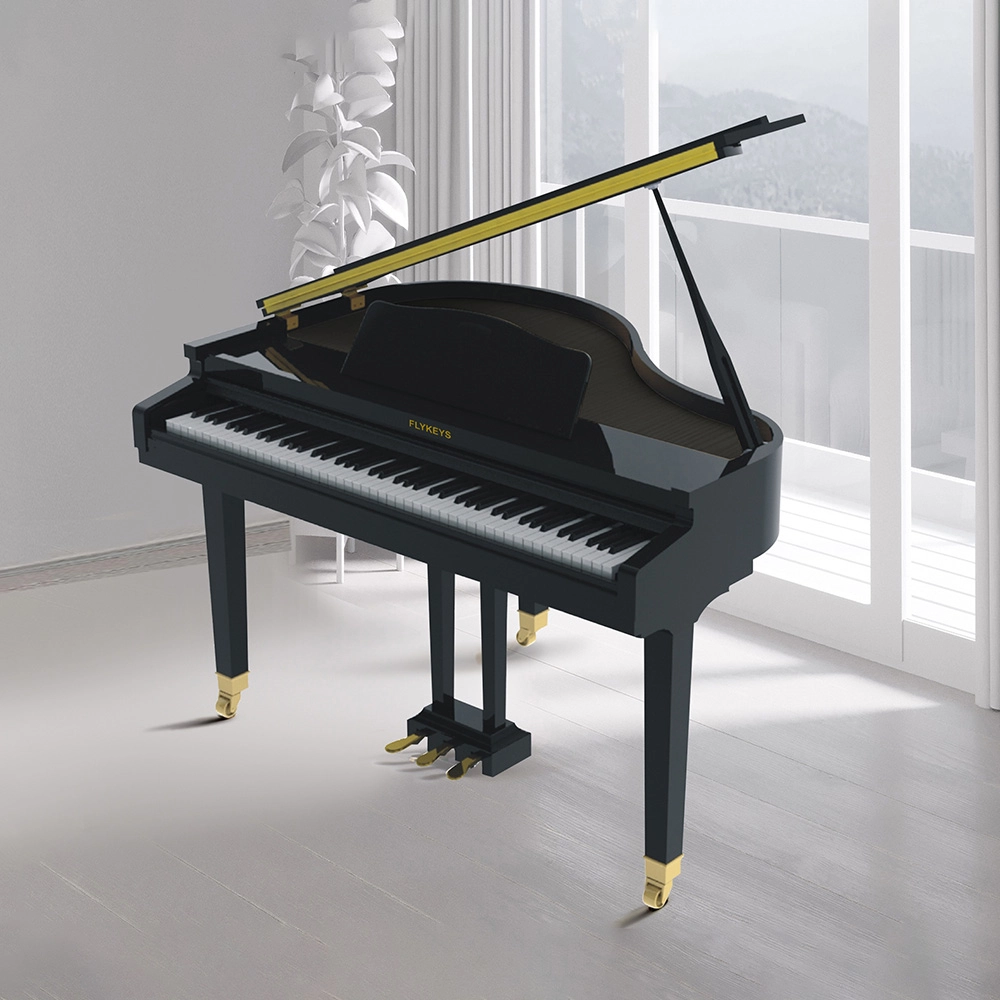
Flykeys 88 Keys Professional Digital Grand Piano Hammer Action Keyboard FGP110 Digital Piano
— Italian Fatar 88 Grand-ResponseTM Key trends with hammer action & dynamic curve
— Independent developed DSP chip, German famous grand piano sound sample
Address: No. 38 Xiangshan Avenue, Zengcheng Economic And Technological Development Zone, Guangzhou, China.
FOLLOW US:


© 2026 FLYKEYS All Rights Reserved. 粤 ICP备2020102774号. Designed by gooeyun. Sitemap | Privacy | Terms