

What Is a Digital Piano? Key Features Explained
- What Is a Digital Piano? A Complete Guide
- 1. How Does a Digital Piano Work?
- 2. Digital Piano vs. Acoustic Piano: What’s the Difference?
- 3. What Are the Benefits of a Digital Piano?
- 4. What Should I Look for When Buying a Digital Piano?
- 5. Can a Digital Piano Replace an Acoustic Piano?
- Final Thoughts
What Is a Digital Piano? A Complete Guide
A digital piano is an electronic keyboard instrument designed to replicate the sound and feel of an acoustic piano while offering modern features like portability, volume control, and connectivity. Below, we answer the most common questions about digital pianos to help you understand their benefits and key differences from traditional pianos.
1. How Does a Digital Piano Work?
Digital pianos use sampled sounds from high-end acoustic pianos and weighted keys to mimic the hammer action of real pianos. Key components include:
- Sound Engine: Records and reproduces authentic piano tones.
- Weighted Keys: Simulate the resistance of acoustic piano keys.
- Polyphony: Determines how many notes can be played simultaneously (e.g., 64-note vs. 256-note polyphony).
- Speakers & Amplifiers: Built-in speakers project sound, while headphone jacks allow silent practice.
2. Digital Piano vs. Acoustic Piano: What’s the Difference?
| Feature | Digital Piano | Acoustic Piano |
|---|---|---|
| Sound Production | Electronic sampling | Mechanical hammers & strings |
| Maintenance | No tuning required | Regular tuning needed |
| Portability | Lightweight, movable | Heavy, permanent setup |
| Volume Control | Adjustable volume/mute | Fixed loudness |
| Additional Features | Built-in rhythms, recording, Bluetooth | Pure acoustic sound |
3. What Are the Benefits of a Digital Piano?
✅ Affordability – Cheaper than most acoustic pianos.
✅ Low Maintenance – No tuning or humidity control needed.
✅ Versatility – Multiple instrument sounds (e.g., strings, organs).
✅ Silent Practice – Headphone compatibility for private sessions.
✅ Recording & Connectivity – USB/MIDI support for music production.
4. What Should I Look for When Buying a Digital Piano?
- Key Action: Graded hammer action for realistic feel.
- Sound Quality: High-quality samples (e.g., Yamaha CFX, Steinway samples).
- Polyphony: At least 128-note polyphony for complex pieces.
- Portability: Weight and size if moving frequently.
- Extra Features: Metronome, recording, Bluetooth, etc.
5. Can a Digital Piano Replace an Acoustic Piano?
While digital pianos can’t fully replicate the acoustic resonance of a grand piano, modern models come very close. They are ideal for:
- Beginners learning fundamentals.
- Apartment dwellers needing volume control.
- Gigging musicians requiring portability.
Final Thoughts
A digital piano offers a practical, cost-effective alternative to acoustic pianos with added modern features. Whether you're a beginner or a professional, choosing the right model depends on key action, sound quality, and intended use.
For High Quality digital pianos, explore FLYKEYS—designed for authenticity and performance.
This blog post is optimized for search intent, answering key questions while integrating what is a digital piano naturally for SEO. The structured format enhances readability and snippet potential on Google.
Wholesale grand piano outlet manufacturer and supplier in China
Home Studio Setup: Recording Your Digital Piano Easily
Custom beautiful grand piano Manufacturers and suppliers in China
Tips for Wholesale piano digital portable
Products
What products do you have?
We offer a diverse range of products, including digital portable piano, digital upright piano, digital grand piano, electronic drum set, piano silent system, audio equipment, interactive whiteboard, advertising machines, Smart TV, Touch Screen,etc.
Are your electronic pianos suitable for beginners?
Yes, we have models designed specifically for beginners, featuring user-friendly interfaces and educational features.
Company
Does your company have any sustainability initiatives?
Yes, we are dedicated to sustainability and continuously strive to minimize our environmental footprint through responsible manufacturing practices.
What sets your company apart from competitors?
We pride ourselves on our commitment to quality craftsmanship, cutting-edge technology, and exceptional customer service.
What is your company's mission?
Our mission is capture the zeitgeist, enjoy the quality lifestyle.
Our vision is to be the TOP 1 Chinese digital musical instrument brand and enter International top list.
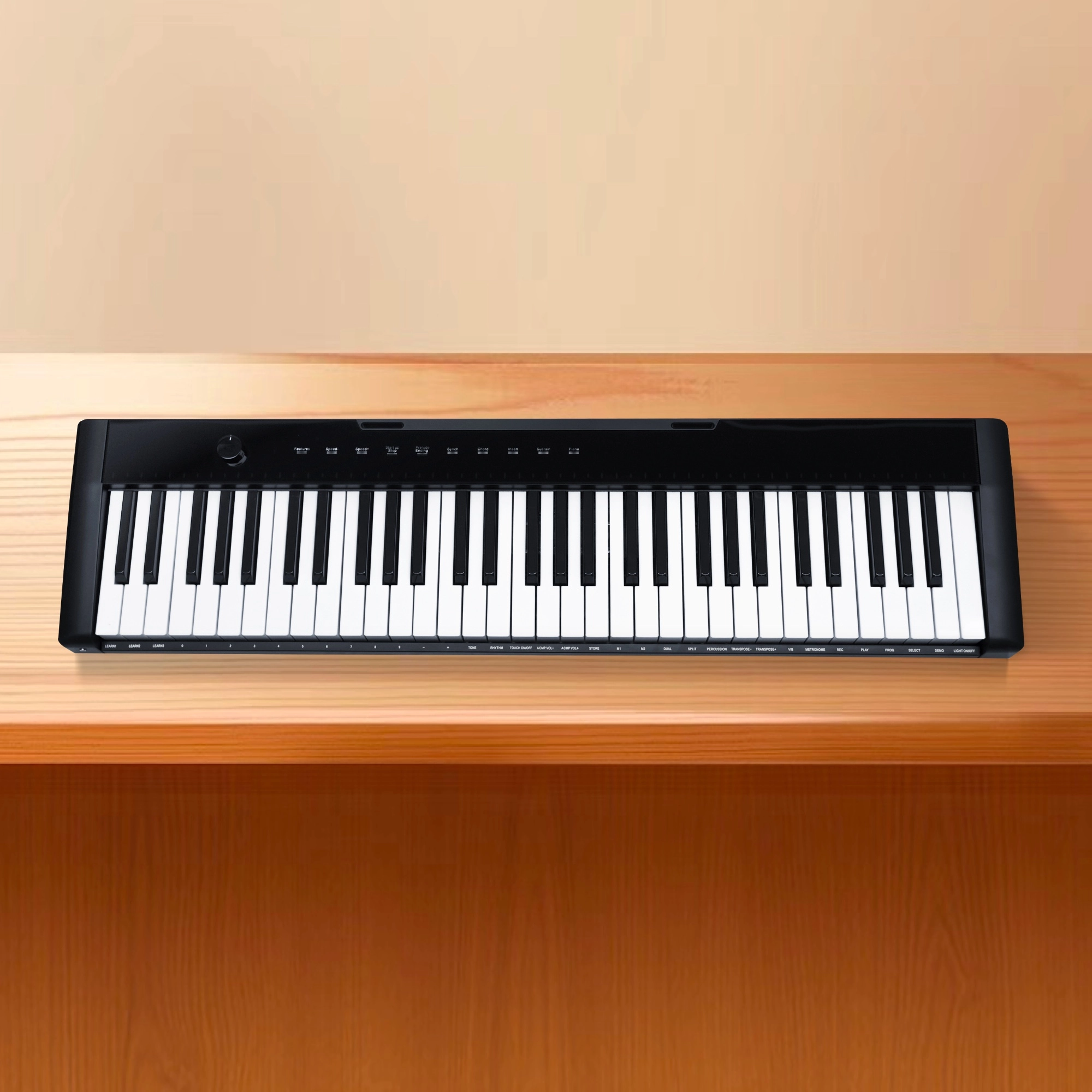
Flykeys 61 keys portable electronic keyboard piano with X stand (M2)
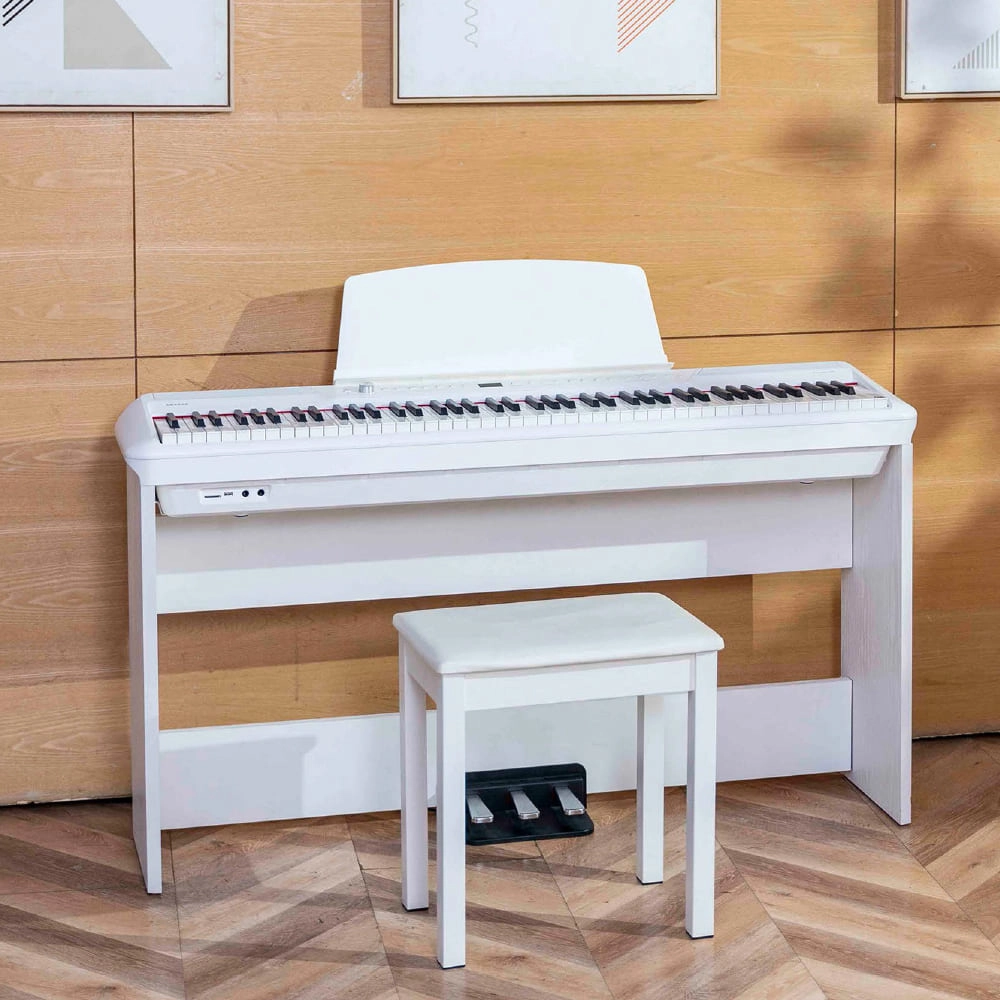
Flykeys Portable Electric Keyboard FP9 Digital Piano
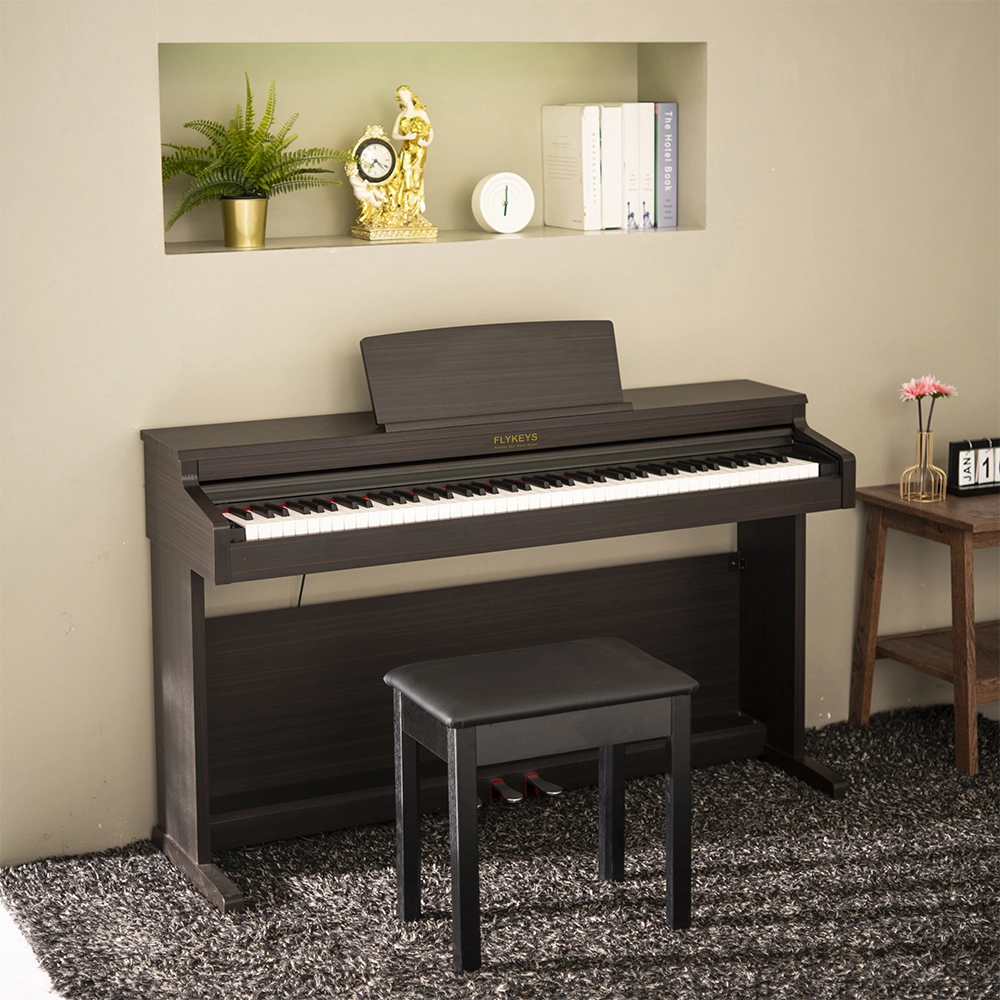
Flykeys 88 Keys Hammer Action keyboard Upright Piano LK03S Digital Piano
— Independent patented technology 88 key Grand-Response hammer action & dynamic curve keyboard;
— European top DSP chip, famous grand piano sound sample;
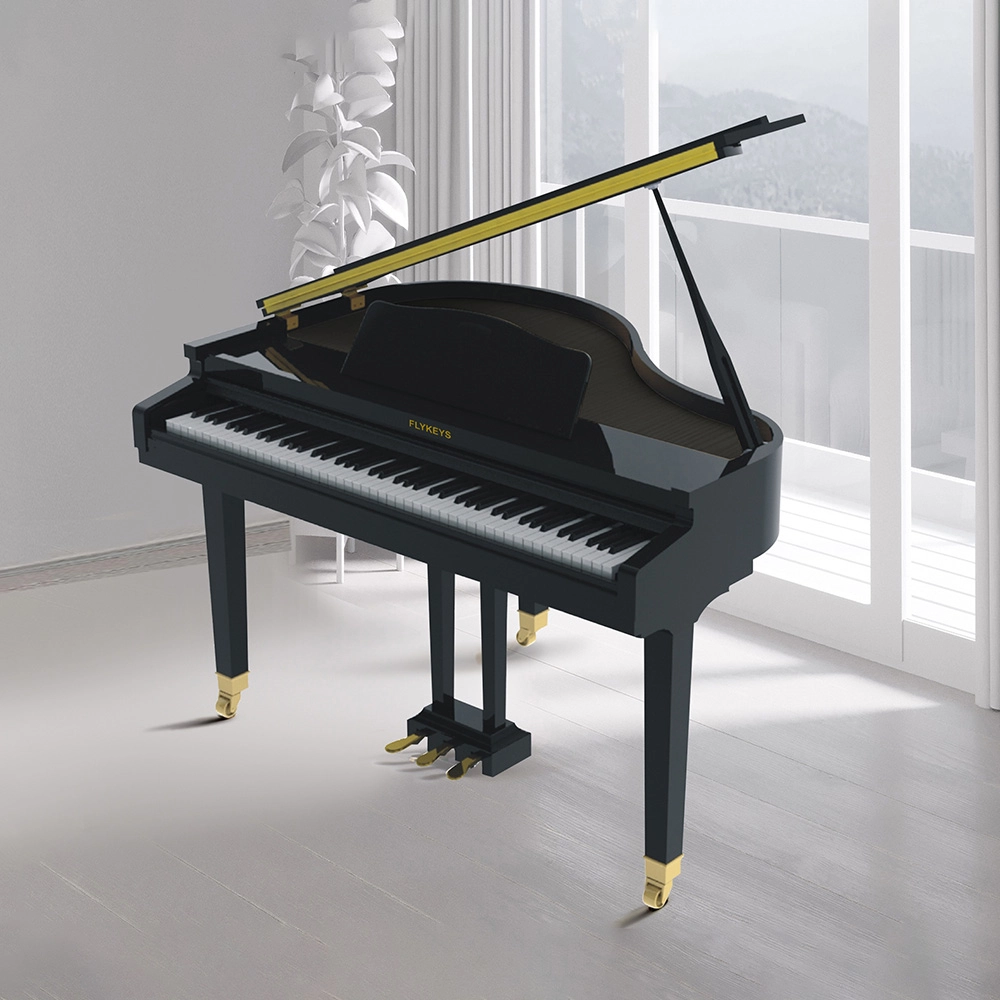
Flykeys 88 Keys Professional Digital Grand Piano Hammer Action Keyboard FGP110 Digital Piano
— Italian Fatar 88 Grand-ResponseTM Key trends with hammer action & dynamic curve
— Independent developed DSP chip, German famous grand piano sound sample
Address: No. 38 Xiangshan Avenue, Zengcheng Economic And Technological Development Zone, Guangzhou, China.
FOLLOW US:


© 2026 FLYKEYS All Rights Reserved. 粤 ICP备2020102774号. Designed by gooeyun. Sitemap | Privacy | Terms