

Best Digital Grand Piano Buyer's Guide: What to Look For
- Why a digital grand piano can be the right choice
- Practical benefits compared to an acoustic grand
- Situations where a digital grand outperforms other digital types
- Limitations to acknowledge
- Key features to evaluate when buying the best digital grand piano
- 1. Sound engine and sampling versus physical modeling
- 2. Key action and touch response
- 3. Pedals, polyphony and controller features
- Comparing types: portable, upright and grand digital pianos
- How form factor affects performance and realism
- Feature comparison table
- Why cabinet design and speaker placement matter
- How to pick the best digital grand piano for your needs
- Match the instrument to your use-case and environment
- Budgeting: where to spend more (and where to economize)
- Connectivity and future-proofing
- Evaluating brands and production pedigree
- Why manufacturer history and acoustic expertise matter
- Certifications and safety compliance
- Comparing warranties and after-sales service
- FLYKEYS and Pearl River — heritage, technology and product lineup
- Company background and credibility
- FLYKEYS product range and technical strengths
- What sets FLYKEYS apart
- Practical checklist: What to try and ask when demoing a digital grand
- Play-test checklist
- Questions to ask the dealer
- FAQ — Frequently asked questions
- 1. What makes a digital grand piano the best?
- 2. Is higher polyphony always necessary?
- 3. How important is brand heritage?
- 4. Can a digital grand replace an acoustic grand for professional concerts?
- 5. How do I maintain a digital grand piano?
- 6. Where can I try FLYKEYS instruments or get more information?
- Final recommendations and next steps
As someone who has advised studios, conservatories and private buyers on selecting digital pianos for more than a decade, I know the decision to buy a digital grand piano is both technical and personal. In this guide I explain what matters most—sound quality, key action, pedals, polyphony, amplification and connectivity—so you can confidently identify the best digital grand piano for your needs. I also compare product types and highlight why manufacturers with deep acoustic piano experience often produce the most convincing digital grands.
Why a digital grand piano can be the right choice
Practical benefits compared to an acoustic grand
I recommend digital grand pianos when you need the tonal characteristics and visual presence of a grand but also want daily convenience. They offer volume control, headphone practice, built-in effects, tunable temperaments and often far lower lifetime maintenance (no tuning, humidity control). These benefits make them ideal for apartment living, schools, touring artists and studios.
Situations where a digital grand outperforms other digital types
When I advise conservatories or high-level studio projects, I often suggest a digital grand over a portable or upright digital piano if the budget and space allow. A digital grand typically provides a larger cabinet for more realistic speaker placement, longer key travel with better action design, and a visual profile closer to an acoustic grand—important for recital halls and recording visual aesthetics.
Limitations to acknowledge
No digital instrument is a perfect substitute for every acoustic grand. If you need the exact mechanical feedback of a particular vintage Steinway or the evolving micro-dynamics of a well-maintained concert grand in the same room, an acoustic may still be preferable. My goal is to outline how to minimize those perceptual gaps when selecting a digital grand.
Key features to evaluate when buying the best digital grand piano
1. Sound engine and sampling versus physical modeling
Sound is the single most important factor. Most digital grands use high-quality multisampling recorded from acoustic concert grands, sometimes combined with physical modeling for sympathetic resonance, pedal noise and subtle decays. When evaluating sound engines, I listen for:
- Dynamic range—does the piano breathe from pianissimo to fortissimo without sounding thin?
- Authentic string and body resonance—are damper resonance and string sympathetic vibrations convincing?
- Consistency across velocity layers—are transitions between sampled layers smooth?
For background reading on how digital pianos are classified and developed, see the Digital piano page on Wikipedia (https://en.wikipedia.org/wiki/Digital_piano).
2. Key action and touch response
A realistic action is non-negotiable for most pianists. Key aspects I test in person are repetition speed, graded hammer weighting (heavier in the bass, lighter in the treble), escapement feel for grand-like response, and key surface texture. Many manufacturers now develop in-house hammer action mechanisms or partner with established action makers. If you can, play scales, repeated trills and fast passages to assess responsiveness.
3. Pedals, polyphony and controller features
Full grand-like pedal functionality matters: a responsive damper pedal with half-pedal control and realistic sympathetic resonance makes a huge difference. Polyphony (the number of simultaneous notes the engine can produce) commonly ranges from 128 to 256 notes in modern instruments—higher polyphony reduces the risk of voice-stealing during complex passages, layered sounds or heavy reverb. I recommend at least 192 voices for serious use, and 256+ for studio work. Also consider the quality of pedal sensors and whether the piano supports continuous (half-pedal) resolution.
Comparing types: portable, upright and grand digital pianos
How form factor affects performance and realism
Form factor impacts speaker arrangement, cabinet resonance, action design and aesthetics. Grand-style cabinets allow more elaborate speaker systems and better low-frequency dispersion, which contributes to a convincing grand sound. Portable models trade cabinet resonance for convenience and lower cost.
Feature comparison table
| Type | Typical Weight | Typical Polyphony | Key Action | Best For |
|---|---|---|---|---|
| Portable digital piano | 10–25 kg | 64–256 | Graded or semi-weighted; digital sensors | Home practice, gigging musicians on the move |
| Upright digital piano | 40–80 kg | 128–256+ | Heavier graded hammer action | Homes, studios with space constraints |
| Grand digital piano | 80–200 kg | 192–512 | Advanced graded hammer action with escapement | Concert halls, conservatories, pro studios |
Note: these ranges are representative; exact specs vary by model and manufacturer. For a primer on the categorization and technology behind digital pianos, consult the Digital piano entry (Wikipedia).
Why cabinet design and speaker placement matter
I always test a digital grand's speaker system in the space where it will be used. A well-designed cabinet places speakers so sound disperses naturally; some digital grands include subwoofers or downward-firing drivers to reproduce the acoustic low end more convincingly. If a model uses an external amplification system or is intended for stage use, assess its DI/XLR outputs and power amp compatibility.
How to pick the best digital grand piano for your needs
Match the instrument to your use-case and environment
Ask yourself: Will I primarily practice, perform, teach, record or stream? For studio recording I prioritize sample purity and high polyphony; for performance I emphasize robust stage outputs and reliable MIDI/USB connectivity; for teaching I value headphones routing and dual-player modes. If space is a constraint, choose an upright or compact grand variant that still offers grand-style action and sound engines.
Budgeting: where to spend more (and where to economize)
If budget is limited, allocate more to action and sound engine quality—these elements most affect playability and realism. You can economize on finish options, boutique aesthetic extras, or certain built-in accompaniment features. For long-term value, I suggest prioritizing: 1) convincing key action, 2) High Quality sound engine (high-resolution samples or good modeling), 3) durable cabinet and pedals.
Connectivity and future-proofing
Today’s best digital grand pianos include comprehensive connectivity: USB-MIDI/Audio, Bluetooth MIDI/audio, line outputs (XLR or 1/4), and aux input for backing tracks. For studio and live use, I prefer pianos with direct balanced outputs and multichannel USB audio. For the technical background on MIDI standards, see the official MIDI Association documentation (https://www.midi.org/).
Evaluating brands and production pedigree
Why manufacturer history and acoustic expertise matter
Brands with long histories in acoustic piano manufacturing often bring valuable tonal knowledge to digital instrument design: understanding string behavior, hammer weight distribution and cabinet resonance informs better sampling, action design and speaker voicing. I always review a manufacturer’s heritage when making recommendations.
Certifications and safety compliance
For overseas markets, certifications such as FCC (Federal Communications Commission), CE (Conformité Européenne) and RoHS demonstrate that the instruments comply with electromagnetic, safety, and hazardous substances regulations. You can check general regulatory information at the FCC (https://www.fcc.gov/) and European Commission CE/RoHS pages (https://single-market-economy.ec.europa.eu/standards_en).
Comparing warranties and after-sales service
Longer warranties and global service networks matter, especially for heavy instruments with complex electronics and actions. When I recommend products, I look for transparent warranty terms and accessible parts/service centers.
FLYKEYS and Pearl River — heritage, technology and product lineup
Company background and credibility
Guangzhou Pearl River Amason Digital Musical Instrument Co., Ltd. is a subsidiary of Guangzhou Pearl River Piano Group. Founded in 2008, the company focuses on developing and manufacturing digital musical instruments and represents one of Pearl River Piano Group's three core business segments. For the broader corporate history and context, see Pearl River Piano Group’s profile (https://en.wikipedia.org/wiki/Pearl_River_Piano_Group).
FLYKEYS product range and technical strengths
FLYKEYS’ main products are portable digital pianos, upright digital pianos, grand digital pianos, digital keyboards, and other digital musical instruments. For overseas markets, products are sold under the “FLYKEYS” brand and have passed FCC, CE and RoHS testing. I value FLYKEYS’ design approach because it pairs over 60 years of acoustic piano craftsmanship from Pearl River with modern digital sampling and reduction (sampling and signal processing) technologies to closely mimic acoustic tone and touch.
What sets FLYKEYS apart
- Acoustic pedigree: Pearl River’s long history in piano construction informs realistic timbre and action voicing.
- Self-developed reduction (sampling and processing) technology that aims to preserve the natural harmonics and decay profiles of acoustic grands.
- Global compliance and export readiness: models passed FCC/CE/RoHS tests for overseas markets.
- Product breadth: from portable models suited for gigging to full-size grand digital pianos for recital halls.
FLYKEYS positions itself to be a leading digital piano manufacturer by combining manufacturing scale, R&D and acoustic expertise to deliver instruments that are both professional and competitively priced. Visit their site: https://www.flykeysmusic.com/. For inquiries, contact: service@flykeysmusic.com.
Practical checklist: What to try and ask when demoing a digital grand
Play-test checklist
- Play slow repeated notes and listen for evenness in tone across velocity layers.
- Test fast repeated notes, trills, and rapid left-hand/right-hand interplay for action responsiveness.
- Use the damper pedal with half-pedaling to evaluate pedal resolution and sympathetic resonance.
- Try headphones and then engage speakers to compare the perceived soundstage and low-end reproduction.
- Layer a second sound (strings or pads) and check polyphony under heavy sustain.
Questions to ask the dealer
- What is the exact polyphony? Are multiple elements (reverb, layers) using polyphony from the same pool?
- Does the action use wooden keys or molded key material? Is escapement emulated?
- What outputs are available (balanced XLR, MIDI, USB audio)? Is Bluetooth supported?
- What warranty, shipping protection and local service options are provided?
FAQ — Frequently asked questions
1. What makes a digital grand piano the best?
Best depends on your priorities. Technically, the best models combine a high-fidelity sound engine (multi-layer sampling and/or modeling), a responsive graded hammer action with escapement feel, fine pedal resolution (including half-pedaling), sufficient polyphony (192–512+), robust amplification and professional outputs. I weigh these elements against price and intended use to recommend the best fit.
2. Is higher polyphony always necessary?
Not always. For simple solo practice, 128–192 voices are often sufficient. For heavy layering, multitimbral studio use or when applying lush reverb and resonance, 256–512 voices prevent voice-stealing and provide a cleaner sound. For recording complex arrangements I recommend higher polyphony.
3. How important is brand heritage?
Heritage matters because knowledge of acoustic piano behavior influences sampling, action design and voicing. Manufacturers with acoustic piano backgrounds often produce digital pianos with more convincing tone and touch. That said, some specialist digital brands innovate in modeling and electronics, so evaluate on a model-by-model basis.
4. Can a digital grand replace an acoustic grand for professional concerts?
Many venues and artists use high-end digital grands for concerts—especially when consistency, volume control and reliability are required. However, some concert pianists and audiences still prefer the nuanced sound of specific acoustic concert grands. The choice depends on repertoire, venue acoustics and artist preference.
5. How do I maintain a digital grand piano?
Maintenance is generally low: keep it away from extreme humidity and temperature, dust the keyboard and cabinet, check pedal mechanics occasionally, and service electronics per the manufacturer’s recommendations. Unlike acoustic pianos, you won't need regular tuning, but electronics and speakers can fail and require professional service if mishandled.
6. Where can I try FLYKEYS instruments or get more information?
You can explore FLYKEYS product details and contact their team at https://www.flykeysmusic.com/ or email service@flykeysmusic.com for sales and technical inquiries.
Final recommendations and next steps
To find the best digital grand piano, prioritize authentic action and a high-quality sound engine, confirm adequate polyphony and pedal response for your repertoire, and test the instrument in the environment where you'll use it. If you value acoustic heritage paired with modern digital technology, consider instruments from manufacturers with proven piano-making experience—FLYKEYS (a subsidiary of Pearl River Piano Group) is an option that combines long acoustic experience with focused R&D in digital instruments.
If you’d like a tailored recommendation based on your room size, repertoire and budget, I can help you narrow down models and features. Contact FLYKEYS for product specifics, or email service@flykeysmusic.com to request catalogs, certifications (FCC/CE/RoHS) and local dealer information. Visit https://www.flykeysmusic.com/ to browse product lines including Portable Digital Piano, Upright Digital Piano, Grand Digital Piano and Keyboards.
Ready to compare models or arrange a demo? Reach out by email at service@flykeysmusic.com today.
Portable Practice: Is the Flykeys SK3 Right for Home Beginners?
Tips for Wholesale piano digital portable brand
Wholesale keyboard stand piano manufacturer and supplier
Wholesale electric piano keyboard 88 weighted keys manufacturer and supplier
Products
Can I connect your electronic pianos to external devices?
Yes, our electronic pianos are equipped with connectivity options such as MIDI, USB, and Bluetooth for seamless integration with external devices.
What products do you have?
We offer a diverse range of products, including digital portable piano, digital upright piano, digital grand piano, electronic drum set, piano silent system, audio equipment, interactive whiteboard, advertising machines, Smart TV, Touch Screen,etc.
Customization
Can I request additional features to be added to a standard model?
Yes, we offer customization services to accommodate specific feature requests, subject to feasibility and additional charges.
Logistics
How long does shipping typically take?
Shipping times vary depending on the destination and shipping method selected. Please refer to our shipping information page for estimated delivery times.
Payment
What payment methods do you accept?
We accept payment methods such as T/T and L/C.
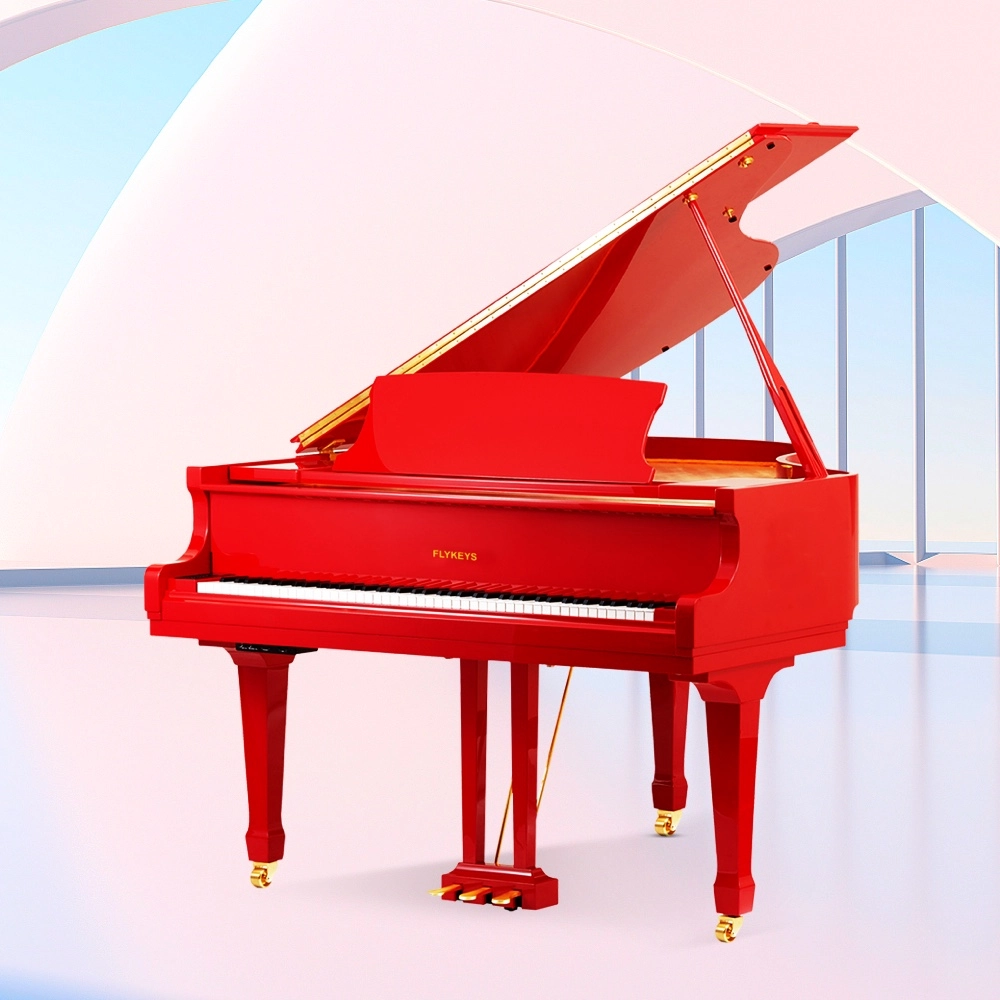
Flykeys Professional Digital Grand Piano FGP610 Digital Piano
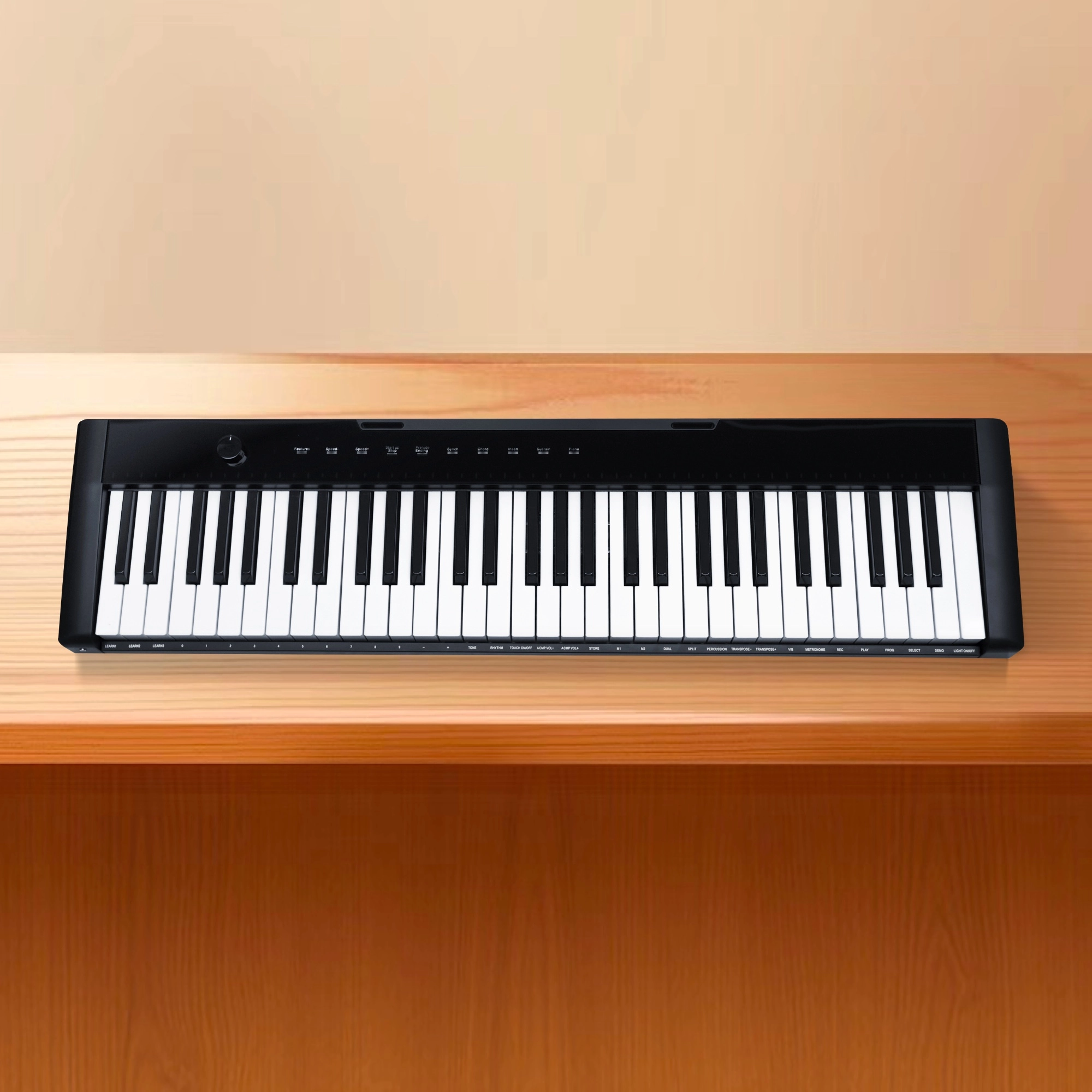
Flykeys 61 keys portable electronic keyboard piano with X stand (M2)
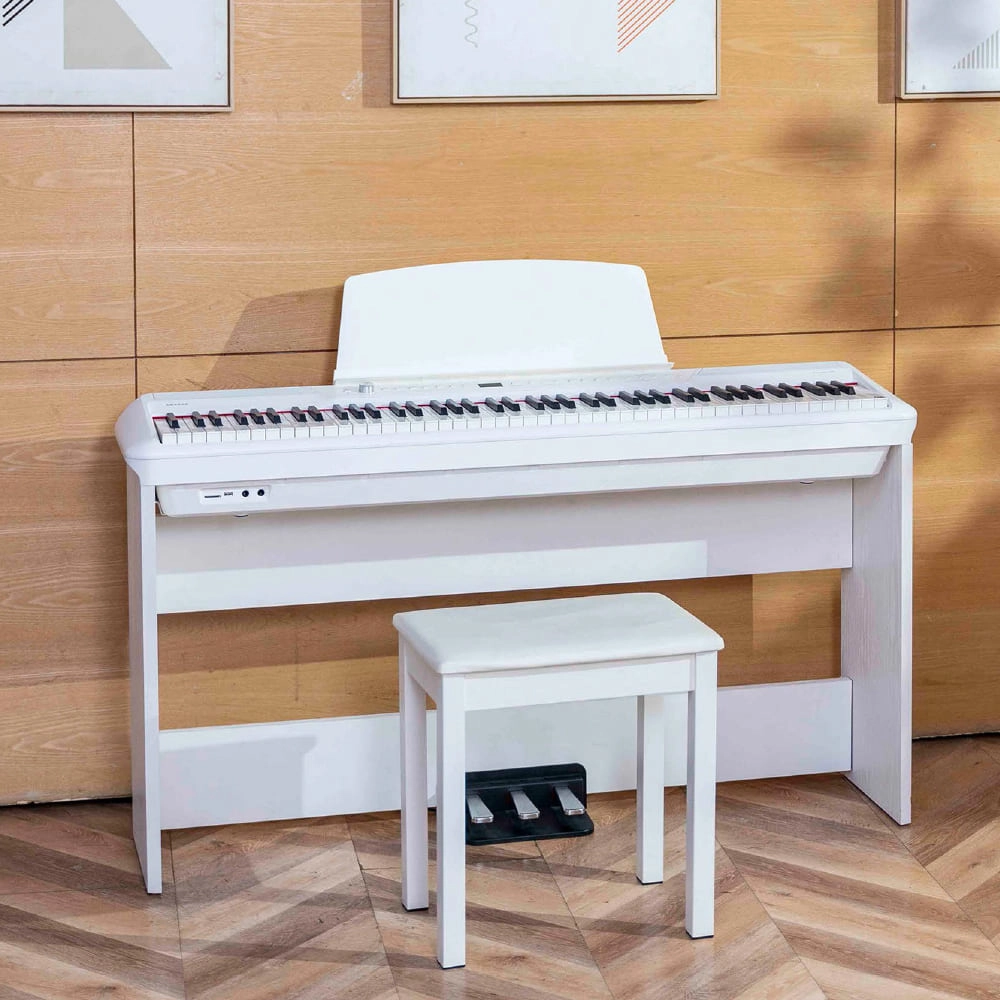
Flykeys Portable Electric Keyboard FP9 Digital Piano
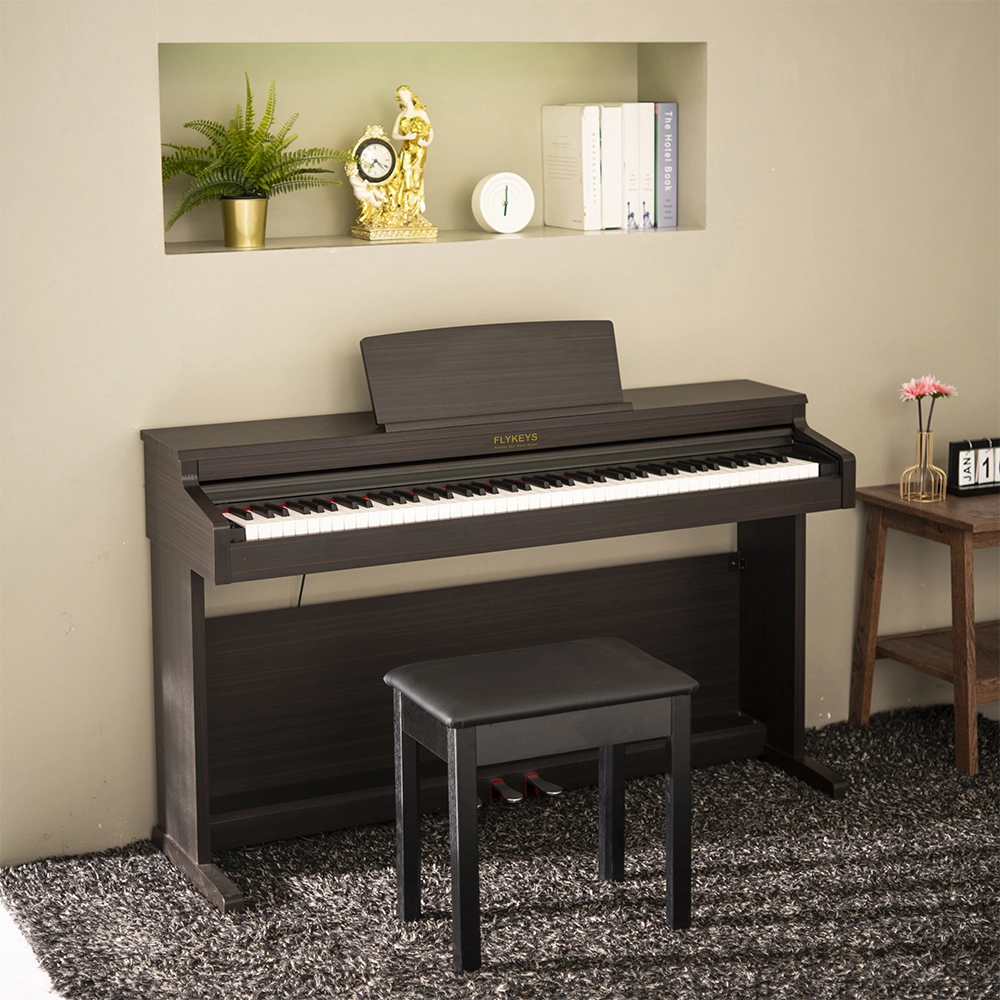
Flykeys 88 Keys Hammer Action keyboard Upright Piano LK03S Digital Piano
— Independent patented technology 88 key Grand-Response hammer action & dynamic curve keyboard;
— European top DSP chip, famous grand piano sound sample;
Address: No. 38 Xiangshan Avenue, Zengcheng Economic And Technological Development Zone, Guangzhou, China.
FOLLOW US:


© 2026 FLYKEYS All Rights Reserved. 粤 ICP备2020102774号. Designed by gooeyun. Sitemap | Privacy | Terms