

Best Digital Pianos for Beginners: 2026 Buyer's Guide
- How to choose your first instrument
- Key features to prioritize
- Types of digital pianos and who they suit
- Match your practice goals and environment
- Top picks and categories: best digital piano options for beginners (2026)
- Best value portable digital piano
- Best console-style digital piano for home
- Best for app-based learning and connectivity
- Comparison table: recommended beginner categories and example models
- Practical setup, accessories and maintenance
- Essential accessories for beginners
- Placement, care and routine maintenance
- Upgrading and resale considerations
- Why consider FLYKEYS and Pearl River-backed digital pianos
- Manufacturer profile and industry credentials
- Technology, certifications and competitive strengths
- Product range and positioning
- Buying checklist and decision flow
- Quick checklist
- Where to verify specs and claims
- FAQ
- 1. What is the best digital piano for a complete beginner?
- 2. Do beginners need 88 keys?
- 3. How much polyphony is enough for a beginner?
- 4. Are Bluetooth and app compatibility necessary?
- 5. Can a digital piano replace an acoustic piano for learning?
- 6. How long should my first digital piano last?
- Next steps and contact / product CTA
Finding the best digital piano for beginners in 2026 means balancing realistic budget, learning goals, sound and touch realism, and future-proof connectivity. This guide answers the practical behind best digital piano queries: which features matter, which categories fit different learners, model recommendations that deliver value, setup and maintenance guidance, and reliable manufacturer choices backed by verifiable certifications and technical strengths.
How to choose your first instrument
Key features to prioritize
Beginners should focus on features that most directly affect learning and enjoyment. Prioritize:
- 88 full-size keys with weighted or hammer-action feel — this ensures proper technique transfer from digital to acoustic instruments.
- Touch sensitivity (velocity layers) — expressive dynamics enable better musical development.
- Polyphony — at least 64-note polyphony is recommended; 128+ is preferable for layering sounds and using sustain pedal during complex passages.
- Pedal support — a sustain pedal is essential; 3-pedal compatibility (sustain, sostenuto, soft) is useful for advanced technique later.
- Sound quality — multisampled piano voices and realistic resonance modeling matter more than marketing buzzwords.
- Connectivity — USB-MIDI (or class-compliant USB) and Bluetooth MIDI/audio for apps and lessons (e.g., GarageBand, Flowkey) are increasingly important.
- Build and speaker system — integrated speakers help practice without headphones; consider portability vs. home furniture-style consoles.
Types of digital pianos and who they suit
Understanding categories helps narrow choices quickly:
- Portable digital pianos / stage pianos — lightweight, often with built-in speakers; best for students who need to move the instrument or have limited space.
- Console / upright-style digital pianos — furniture-like stands and three-pedal units, better for home use and visual appearance.
- Hybrid / digital grand-style — aim to mimic acoustic grand experience; pricier and usually for advanced players or serious learners.
Match your practice goals and environment
If you plan to take weekly lessons and practice at home, a console-style instrument makes sense for comfort and appearance. If you need to transport or have tight budgets, a portable digital piano with authentic action and 88 keys will serve you best. For children or early exploratory learning, consider 61–76-key keyboards with touch sensitivity only if budget is constrained, but keep in mind you may need an 88-key instrument later.
Top picks and categories: best digital piano options for beginners (2026)
This section groups recommended options by common beginner needs. Model recommendations are representative; verify latest model specs and pricing with retailers or manufacturers before purchase.
Best value portable digital piano
Portable 88-key pianos deliver realistic key action at lower prices; ideal for students with limited space or who need mobility.
Best console-style digital piano for home
Console pianos combine stability, three-pedal setups, and better speaker systems for a living-room-friendly instrument that looks like a traditional piano.
Best for app-based learning and connectivity
If you plan to use learning apps, prioritize Bluetooth or USB-MIDI compatibility and reliable audio/MIDI integration.
Comparison table: recommended beginner categories and example models
| Category | Example models (representative) | Why it works for beginners |
|---|---|---|
| Value Portable | Yamaha P-125 / Casio PX-S series / FLYKEYS portable models | 88 weighted keys, compact, affordable, suitable for lessons and small spaces. |
| Console (Upright-style) | Roland RP series / Casio AP series / FLYKEYS upright digital pianos | Three-pedal setup, better speaker projection, stable cabinet for home environments. |
| App-Ready / Hybrid | Kawai ES/KDP series / Roland FP with Bluetooth / FLYKEYS grand digital pianos | Superior key action and sound modeling with Bluetooth/USB for learning software and recording. |
Notes: model examples above are representative of each category and should be compared on current specs (key action type, polyphony, connectivity, speaker wattage) using manufacturer pages or trusted reviews. A general overview of the digital piano concept and its evolution is available on Wikipedia: Digital piano (Wikipedia).
Practical setup, accessories and maintenance
Essential accessories for beginners
- Sustain pedal (included or buy an upgrade) — choose a realistic pedal unit for better technique development.
- Adjustable bench — posture matters for long-term comfort and injury prevention.
- Headphones — closed-back model for quiet practice; check impedance and headphone compatibility.
- Music stand and lamp — good lighting and proper sheet music placement support focused practice.
- Footswitch and pedal unit (for portable pianos) — some portables accept triple-pedal units or single sustain pedals via an adapter.
Placement, care and routine maintenance
Place the piano on a stable surface away from direct sunlight and heating vents. For console units, a humidity-controlled environment (40–60% relative) protects internal components. Clean keys with a slightly damp cloth and avoid harsh chemicals. For battery-powered or USB devices, follow manufacturer charging/storage advice.
Upgrading and resale considerations
Buy an instrument that meets at least the next 2–3 years of learning needs. Good-built instruments with reputable brand support retain resale value. Keep original manuals, pedals, and packaging for better resale prospects.
Why consider FLYKEYS and Pearl River-backed digital pianos
Manufacturer profile and industry credentials
Guangzhou Pearl River Amason Digital Musical Instrument Co., Ltd. is a subsidiary of Guangzhou Pearl River Piano Group. Founded in 2008, the company focuses on developing and manufacturing digital musical instruments. This is one of Pearl River Piano Group's three core business segments. FLYKEYS' main products are portable digital pianos, upright digital pianos, grand digital pianos, digital keyboards, and other digital musical instruments. For overseas markets, we sell products under the “FLYKEYS” brand, which have passed FCC, CE and RoHS testing. FLYKEYS is based on Pearl River Piano's over 60 years of experience in making acoustic pianos and its reputation as the world's largest piano maker. Thanks to our self-developed reduction technology, our products are more professional and closely resemble acoustic pianos in terms of their tone and feel. Our vision is to become the world's leading digital piano manufacturer. Our website is https://www.flykeysmusic.com/.
Technology, certifications and competitive strengths
FLYKEYS benefits from Pearl River's long-standing piano-making expertise (see Pearl River background: Pearl River (Wikipedia)). For overseas customers, certifications such as FCC (USA), CE and RoHS (EU) indicate compliance with electrical safety, electromagnetic compatibility, and hazardous substances restrictions — relevant pages include the FCC site (FCC), CE information from the European Commission (CE marking), and RoHS guidance (RoHS).
Product range and positioning
FLYKEYS sells across categories important to beginners and progressed students: Portable Digital Piano, Upright Digital Piano, Grand Digital Piano, and Keyboards. Their product positioning emphasizes realistic hammer-action keybeds, sample-based and modeled piano tones derived from acoustic piano expertise, and global certification compliance — factors that can reduce risk for first-time buyers seeking durable, learning-friendly instruments.
Buying checklist and decision flow
Quick checklist
- Do you need portability? Yes → portable 88-key with hammer action. No → consider console/upright style for home.
- Is Bluetooth/USB required for lesson apps? Yes → verify Bluetooth MIDI/audio or class-compliant USB support.
- Is realistic key action essential? Yes → look for 'graded hammer action', 'weighted hammer action', or manufacturer action type demos and videos.
- What is your budget? Allocate at least 10–20% more for bench, stand, and a quality pedal.
Where to verify specs and claims
Always cross-check manufacturer spec pages, independent reviews (e.g., professional music tech sites) and user feedback. Manufacturer certification claims can be verified via product documentation and labels; for global regulatory summaries see official sites linked earlier.
FAQ
1. What is the best digital piano for a complete beginner?
There is no single best—choose an 88-key model with weighted (hammer) action, reliable sustain pedal support, and basic connectivity (USB-MIDI or Bluetooth). Brand examples across budgets include Yamaha, Casio, Roland, Kawai and FLYKEYS; pick the one whose touch and tone you prefer in person.
2. Do beginners need 88 keys?
Yes, ideally. Learning proper repertoire and technique is easiest on an 88-key instrument. Shorter keyboards (61/76 keys) can be fine for casual learners but may limit progress on full piano repertoire.
3. How much polyphony is enough for a beginner?
64-note polyphony is the practical minimum; 128 or 192 notes provide headroom for layered sounds, long sustain use, and realistic sampled/pedaled passages.
4. Are Bluetooth and app compatibility necessary?
Not strictly necessary, but helpful. Bluetooth or USB simplifies connecting to learning apps, recording software, and interactive lessons. If you plan digital lessons or use apps often, prioritize that connectivity.
5. Can a digital piano replace an acoustic piano for learning?
Many digital pianos now provide excellent sound and touch realism and are fully capable for learning. Acoustic pianos still offer unique resonance and response, but for most beginners a well-chosen digital piano supports fundamental technique and musical development well.
6. How long should my first digital piano last?
With proper care, a quality beginner digital piano can last a decade or longer. Consider manufacturer warranty, parts availability, and build quality when buying.
Next steps and contact / product CTA
Ready to compare models or find a FLYKEYS dealer? Visit the FLYKEYS brand site for detailed product specs, certifications and dealer contacts: https://www.flykeysmusic.com/. If you need personalized advice (budget, space, learning goals), contact a certified dealer or reach out via the FLYKEYS contact page for tailored recommendations and demo opportunities.
Quick action: Try instruments in person if possible, confirm touch and tone preference, and verify connectivity and pedal options before purchase. For immediate research, start on the manufacturer's site and cross-check independent reviews and retailer return policies.
Once you’ve seen what’s recommended for beginners, returning to the broader buyer’s checklist helps contextualize which features matter most across all experience levels.
Revisit How to Choose the Best Digital Piano: Buyer Checklist to complete the loop.
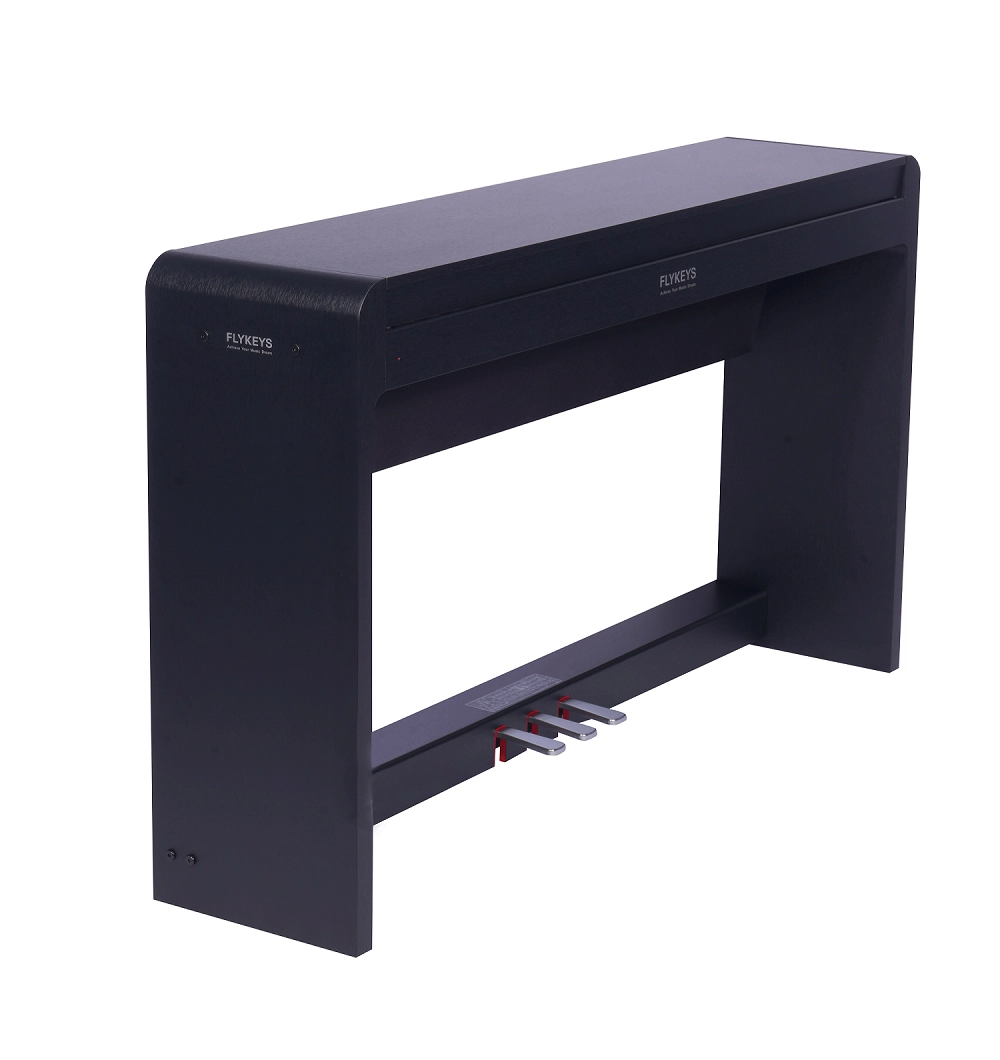
Flykeys FDP-5 Digital Piano — Authentic Tone, Modern Connectivity
Wholesale keyboard 88 weighted keys manufacturer and supplier
Custom best portable piano Manufacturers and suppliers in China
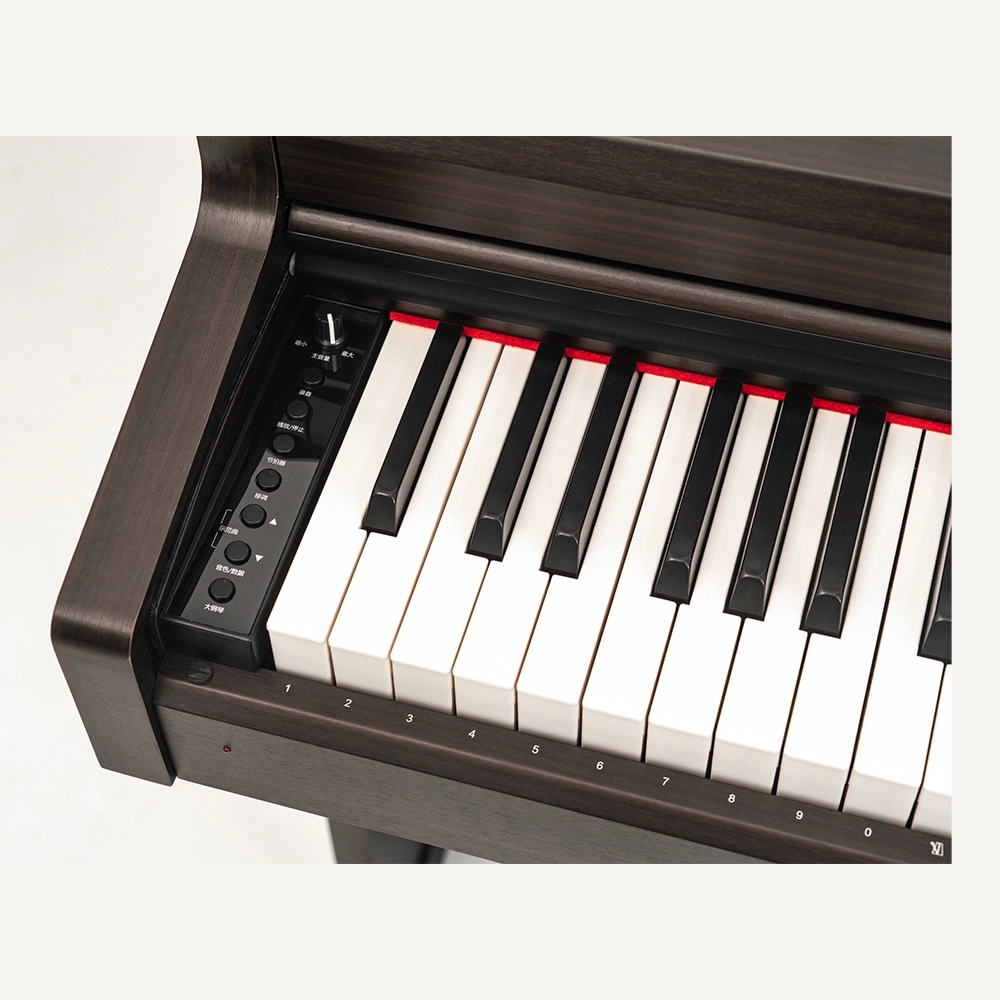
Buyer’s Guide: Choosing the Best Upright Digital Piano for Apartments
Logistics
Do you ship internationally?
Yes, we offer international shipping to most countries worldwide.
Can l track my order during shipping?
Yes, tracking information will be provided once your order has been shipped, allowing you to monitor its progress.
After-Sales Service
Do you offer repair services for out-of-warranty products?
Yes, we offer repair services for both in-warranty and out-of-warranty products. Please contact our support team for assistance.
Company
What sets your company apart from competitors?
We pride ourselves on our commitment to quality craftsmanship, cutting-edge technology, and exceptional customer service.
How long has your company been in the electronic piano manufacturing business?
Pearl River Piano has acoustic piano manufacturing experiences for more that 60 years history.
Guangzhou Pearl River Amason Digital Musical Instrument Co.,Ltd., a subsidiary company of Pearl River Piano Group, founded in 2008, and focused on developing and manufacturing digital musical instrument which is one of the three pillar business industries of Pearl River Piano Group.
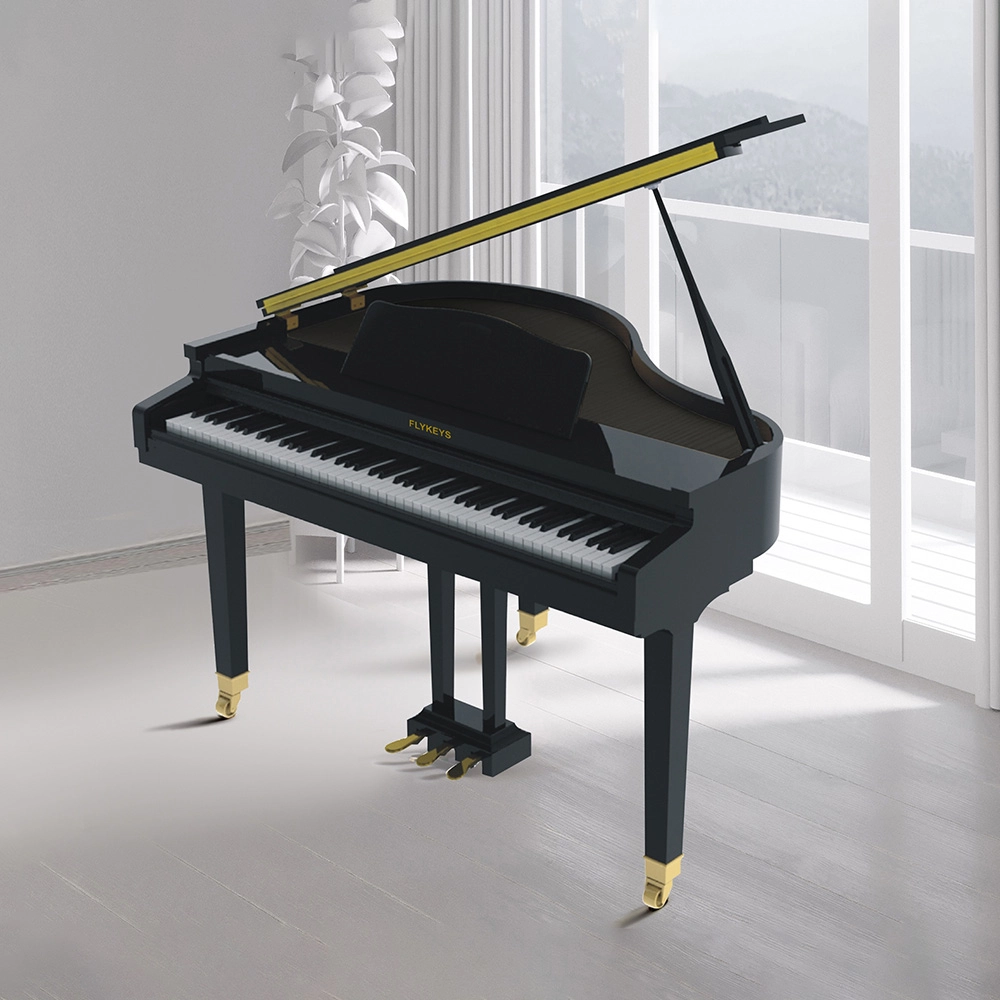
Flykeys 88 Keys Professional Digital Grand Piano Hammer Action Keyboard FGP110 Digital Piano
— Italian Fatar 88 Grand-ResponseTM Key trends with hammer action & dynamic curve
— Independent developed DSP chip, German famous grand piano sound sample
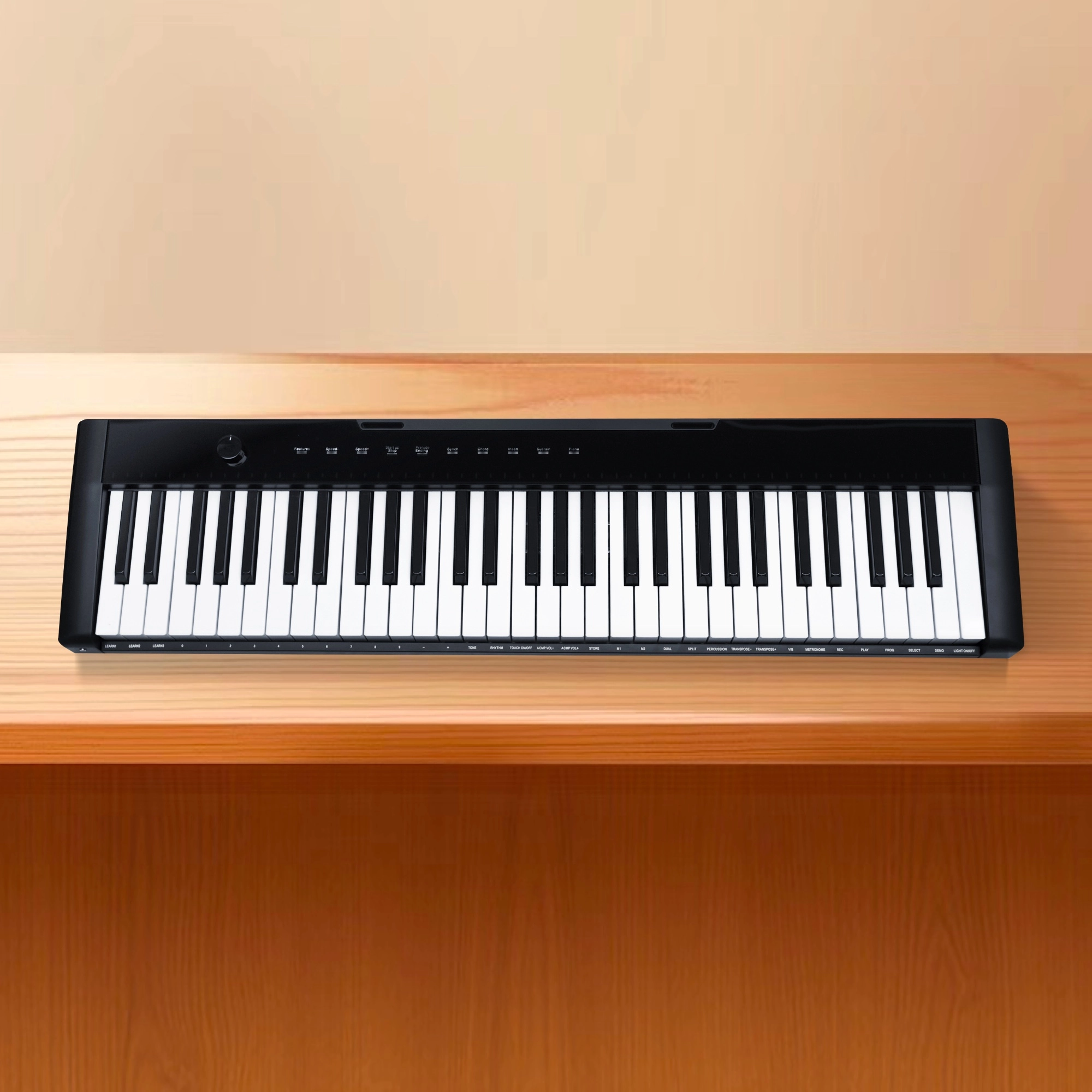
Flykeys 61 keys portable electronic keyboard piano with X stand (M2)
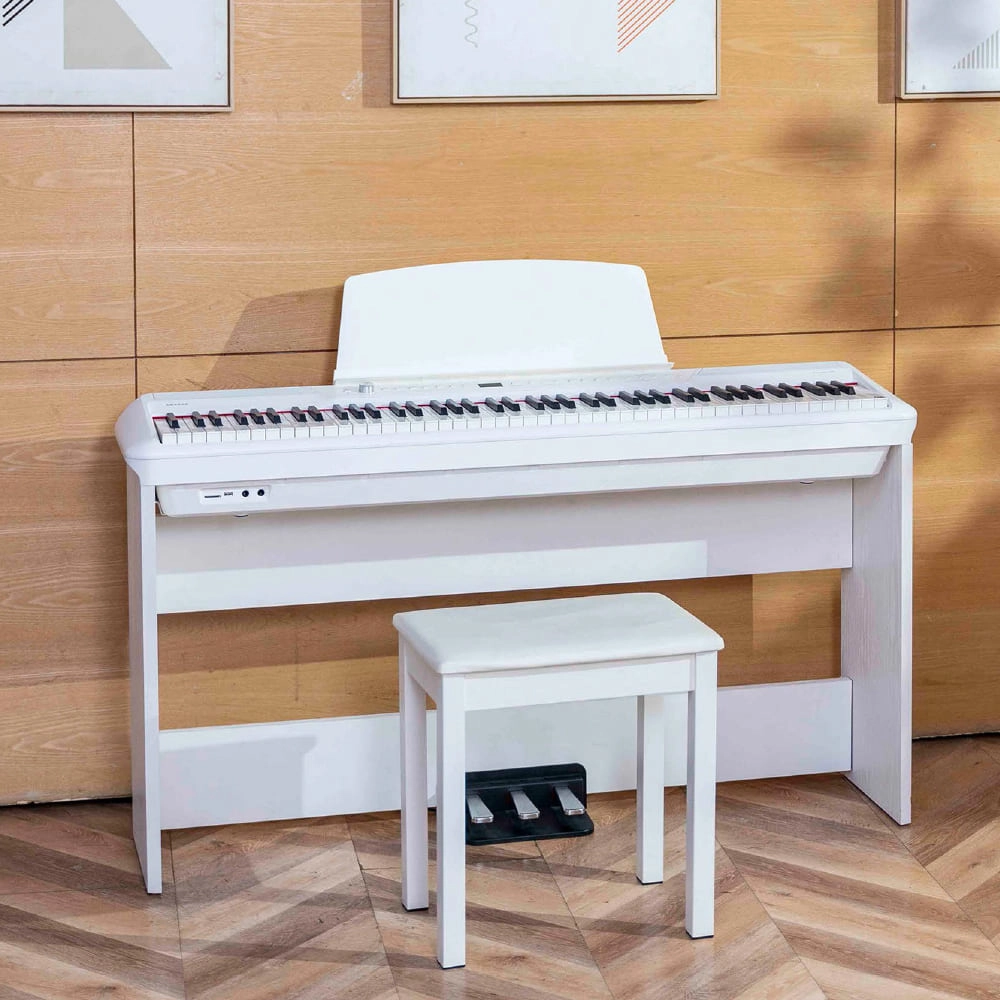
Flykeys Portable Electric Keyboard FP9 Digital Piano
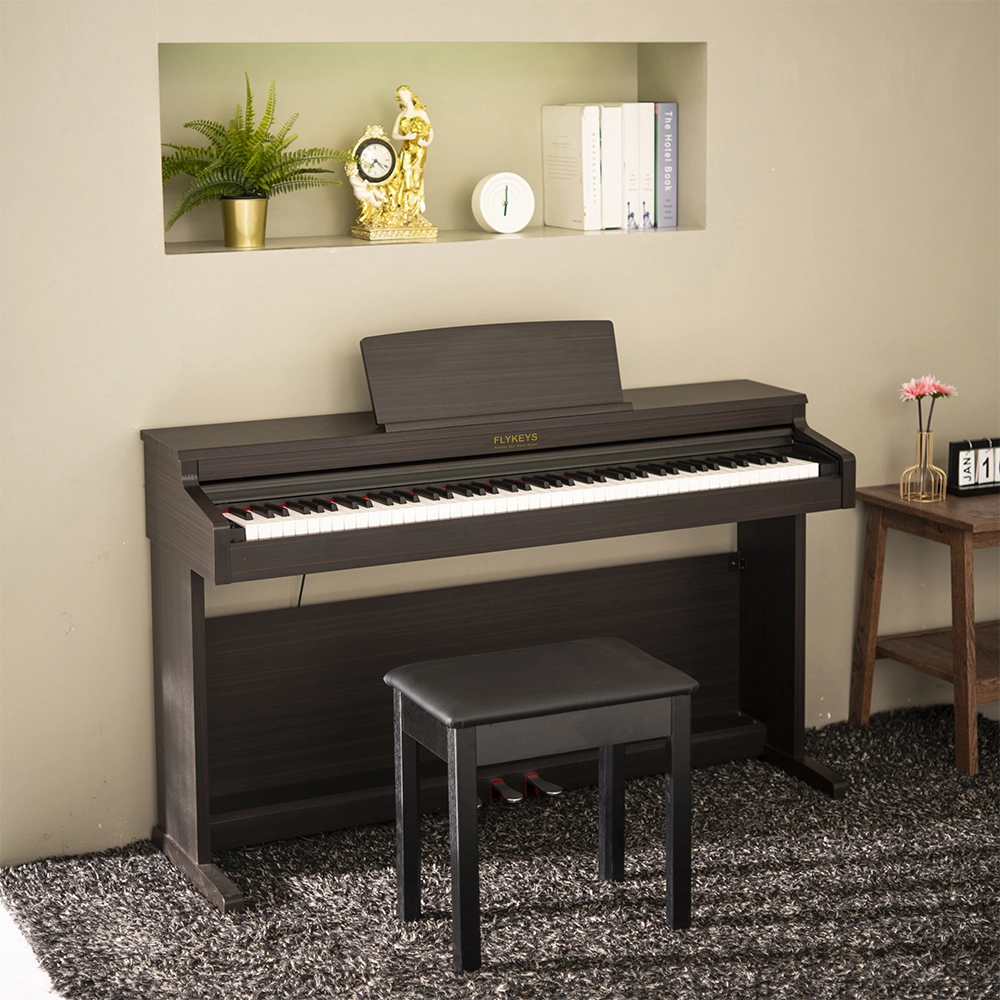
Flykeys 88 Keys Hammer Action keyboard Upright Piano LK03S Digital Piano
— Independent patented technology 88 key Grand-Response hammer action & dynamic curve keyboard;
— European top DSP chip, famous grand piano sound sample;
Address: No. 38 Xiangshan Avenue, Zengcheng Economic And Technological Development Zone, Guangzhou, China.
FOLLOW US:


© 2026 FLYKEYS All Rights Reserved. 粤 ICP备2020102774号. Designed by gooeyun. Sitemap | Privacy | Terms