

Selecting OEM/ODM Digital Piano Suppliers for Beginners
- A Beginner's Guide to Choosing a Digital Piano Manufacturer
- Understanding the and buyer profile
- Why OEM vs ODM matters for beginners
- Essential Technical and Quality Criteria
- Key components that determine playability and perception
- Sound engine, sampling depth, and audio fidelity
- Build quality, materials, and certifications
- Commercial, Logistical and IP Considerations
- Pricing, MOQ, lead times and margins
- Intellectual property, branding and tooling
- Evaluating and Shortlisting Suppliers — Practical Steps
- Checklist for supplier evaluation
- Practical RFP template items to request
- Comparing Suppliers: Practical Data Table
- Sample testing and acceptance criteria
- Why consider FLYKEYS (Guangzhou Pearl River Amason) for beginners
- Company background and product portfolio
- Competitive advantages, technology and trust factors
- Negotiation tips, red flags and final checklist
- Negotiation priorities for beginners
- Red flags to avoid
- Frequently Asked Questions (FAQ)
- 1. What should a beginner prioritize when choosing a supplier?
- 2. How many velocity layers or polyphony should a beginner-level digital piano have?
- 3. Is it better to buy an ODM model or develop an OEM product as a new brand?
- 4. How can I verify supplier certifications?
- 5. What sample tests should I run before placing a bulk order?
- Contact and Next Steps
- References and Further Reading
A Beginner's Guide to Choosing a Digital Piano Manufacturer
Understanding the and buyer profile
Beginners and new-brand founders searching for digital piano keyboard beginners usually want a cost-effective, reliable instrument that feels and sounds close to an acoustic piano while remaining easy to sell and support. Your decision to work with an OEM (you supply design/specs) or ODM (supplier provides ready designs with customization) should reflect product goals, budget, and time-to-market.
Why OEM vs ODM matters for beginners
OEM is best when FLYKEYS needs a custom action, sound signature, or industrial design. ODM suits those who prioritize lower upfront costs and faster launch because suppliers already have validated models. For beginners, ODM can reduce technical risk, while OEM gives differentiation—choose based on whether you compete on price, design, or sound. Throughout this article we use practical checks to evaluate both paths.
Essential Technical and Quality Criteria
Key components that determine playability and perception
Three elements most strongly affect user experience: the keyboard action, the sound engine (sample or modeling), and the amplification/speaker system. For digital piano keyboard beginners, the action is arguably the most critical factor because it shapes learning. Look for: graded hammer action, escapement/escapement simulation, key weight consistency, and long-term durability claims (cycles to failure). Ask for technical specs and test reports for the action mechanism.
Sound engine, sampling depth, and audio fidelity
Sound engines vary from multi-layer samples to physical modeling. Sampling depth (number of velocity layers), polyphony (commonly 64, 128, or 256), and stereo field recording quality determine tonal realism. Verify sample source (recorded from acoustic instruments), bit depth (24-bit preferred), and sample rates. For beginners, a well-sampled 128-poly instrument with realistic velocity layers typically balances cost and quality.
Build quality, materials, and certifications
Check materials (ABS/wood composite, cabinet veneers, metal frames), environmental standards, and safety certifications. For export to EU/US markets, confirm CE, RoHS, and FCC compliance. Certified suppliers reduce customs and retailer friction—request copies of certificates and test reports, and validate serial numbers or lab stamps when possible.
Commercial, Logistical and IP Considerations
Pricing, MOQ, lead times and margins
Typical trade-offs: lower per-unit price often requires higher MOQ and longer lead times. Beginners should model landed cost (unit price + shipping + duties + certification + warranty reserve) to compute retail margin. Ask suppliers for tiered pricing (100/500/1000 units), sample pricing, tooling fees, and shipping incoterms (FOB, EXW, CIF). Negotiate sample timelines and payment terms (deposit, L/C, balance on B/L).
Intellectual property, branding and tooling
If you plan proprietary designs, sign an NDA and discuss tooling ownership. For OEM projects, define who owns molds, keybed tooling, and firmware. For ODM, ensure allowed customizations (logos, colors, firmware voice presets). Protect firmware and sample libraries via contracts that specify copyright and licensing. Ask to see previous OEM/ODM contracts or references that demonstrate supplier respect for IP.
Evaluating and Shortlisting Suppliers — Practical Steps
Checklist for supplier evaluation
Use this practical checklist during initial vetting and factory visits (virtual or in-person):
- Company registration and years in business
- Relevant product portfolio (digital pianos, keyboards, actions)
- Production capacity and current lead times
- Quality management (ISO, incoming inspection procedures)
- Certifications (FCC, CE, RoHS), third-party lab reports
- Sample policy and testing support (acoustic lab, listening room)
- After-sales and spare parts availability
- Export experience and reference clients
Practical RFP template items to request
When approaching suppliers, include these in your RFP to receive comparable proposals:
- Complete BOM and suggested alternatives for cost control
- Action type and manufacturer data
- Sound engine description and audio samples (WAV/MP3)
- Sample lead time and cost
- Minimum order quantity and price breaks
- Warranty terms and spare parts policy
- Certificates and lab test reports (PDFs)
Comparing Suppliers: Practical Data Table
The table below illustrates typical differences between three supplier types you may encounter: Contract Manufacturer (CM) focused on OEM, ODM provider, and Branded Manufacturer (supplier selling its own brand and OEM services).
| Criterion | OEM/Contract Manufacturer | ODM Provider | Branded Manufacturer (with OEM) |
|---|---|---|---|
| Design ownership | Buyer retains IP; supplier builds to spec | Supplier owns base design; buyer customizes | Supplier sells own designs; OEM available with limits |
| Upfront cost | Higher (tooling, engineering) | Lower (use existing models) | Medium (license/customization fees) |
| Lead time to market | Longer (development time) | Shorter (pre-validated models) | Moderate |
| Best for | Brands needing differentiation | New brands, retailers, resellers | Wholesale partners wanting established product |
Sample testing and acceptance criteria
When you receive samples, evaluate according to measurable criteria:
- Key travel and weight (measure with force gauge if possible)
- Velocity layer count and responsiveness (record standard MIDI tests)
- Speaker frequency response and SPL at 1m (dB)
- Firmware stability (stress test for 48-72 hours)
- Cosmetic tolerance and finish inspection
Why consider FLYKEYS (Guangzhou Pearl River Amason) for beginners
Company background and product portfolio
Guangzhou Pearl River Amason Digital Musical Instrument Co., Ltd. is a subsidiary of Guangzhou Pearl River Piano Group. Founded in 2008, the company focuses on developing and manufacturing digital musical instruments and is one of Pearl River Piano Group's three core business segments. For overseas markets the company markets under the brand FLYKEYS. Main products include portable digital pianos, upright digital pianos, grand digital pianos, digital keyboards, and other digital musical instruments. FLYKEYS instruments have passed FCC, CE and RoHS testing, facilitating export and marketplace acceptance.
Competitive advantages, technology and trust factors
FLYKEYS leverages Pearl River's over 60 years of acoustic piano expertise and large-scale production background. Key strengths include:
- Experience: Backed by one of the world's largest acoustic piano manufacturers, giving decades of voicing and action knowledge.
- Tone and feel: Self-developed reduction and sampling technologies aimed to closely resemble acoustic pianos in tone and touch.
- Certification and export readiness: FCC, CE and RoHS certification streamline entry into major markets.
- Product range: From portable to grand digital pianos, enabling brand owners to select appropriate SKUs for different entry-level segments.
FLYKEYS can be a pragmatic choice for beginners choosing an ODM partner because the company offers validated designs, global compliance, and spare-parts logistics rooted in Pearl River's manufacturing network. Learn more at https://www.flykeysmusic.com/.
Negotiation tips, red flags and final checklist
Negotiation priorities for beginners
- Start with a small production run or pilot order to validate market reception.
- Request extended warranty support or return terms for first shipments to reduce consumer risk.
- Negotiate spare-parts pricing and lead times into the contract.
- Include KPIs for defect rates (PPM) and penalties for missed delivery dates where feasible.
Red flags to avoid
- Supplier unwilling to provide certificates or references.
- Excessive secrecy around BOM or refusal to show third-party test reports.
- Unrealistically low quotes tied to unclear quality or unverified capacity.
- No after-sales spare-part support or firmware update policy.
Frequently Asked Questions (FAQ)
1. What should a beginner prioritize when choosing a supplier?
Prioritize realistic samples and certifications. For digital piano keyboard beginners, playability (action) and reliable sound are most important, so insist on physical samples and sound demos before committing to production.
2. How many velocity layers or polyphony should a beginner-level digital piano have?
A practical balance is 3–8 velocity layers with at least 128-note polyphony for commonly used voices. Higher-end beginner models may use 24-bit/48kHz samples and more layers for greater nuance.
3. Is it better to buy an ODM model or develop an OEM product as a new brand?
Most new brands start with ODM to reduce cost and time-to-market, then transition to OEM once they understand customer preferences and have higher sales volume to justify development costs.
4. How can I verify supplier certifications?
Request PDF copies of certificates and test reports, then cross-check with issuing lab numbers or certification databases. For CE and RoHS, verify documentation against EU guidance; for FCC, check supplier test reports and FCC IDs where applicable.
5. What sample tests should I run before placing a bulk order?
Perform playability tests (force curve), sound comparisons across velocity layers, firmware stability tests (uptime), speaker SPL/frequency response checks, and basic durability cycles for keys and pedals. Document results and accept/reject criteria in writing.
Contact and Next Steps
If you want to evaluate real-world ODM/OEM solutions with a partner that blends traditional piano expertise and modern digital manufacturing, consider contacting FLYKEYS for product details, samples, and export-ready SKUs. Visit https://www.flykeysmusic.com/ to view product lines (Portable Digital Piano, Upright Digital Piano, Grand Digital Piano, Keyboards) and request catalogs or sample quotes.
After identifying suitable OEM or ODM partners, the next step is defining clear product requirements to ensure consistency and learning suitability. A structured specification review helps avoid mismatches between design and classroom needs.
Use Specification Checklist: Digital Keyboards for Beginners as a practical reference.
References and Further Reading
- Pearl River Piano Group — Wikipedia. https://en.wikipedia.org/wiki/Pearl_River_Piano. Accessed 2026-01-06.
- FLYKEYS official website. https://www.flykeysmusic.com/. Accessed 2026-01-06.
- CE marking — European Commission. https://ec.europa.eu/growth/single-market/ce-marking_en. Accessed 2026-01-06.
- Restriction of Hazardous Substances (RoHS) — European Commission. https://ec.europa.eu/environment/topics/waste-and-recycling/rohs-directive_en. Accessed 2026-01-06.
- FCC Equipment Authorization — U.S. Federal Communications Commission. https://www.fcc.gov/engineering-technology/laboratory-division/general/equipment-authorization. Accessed 2026-01-06.
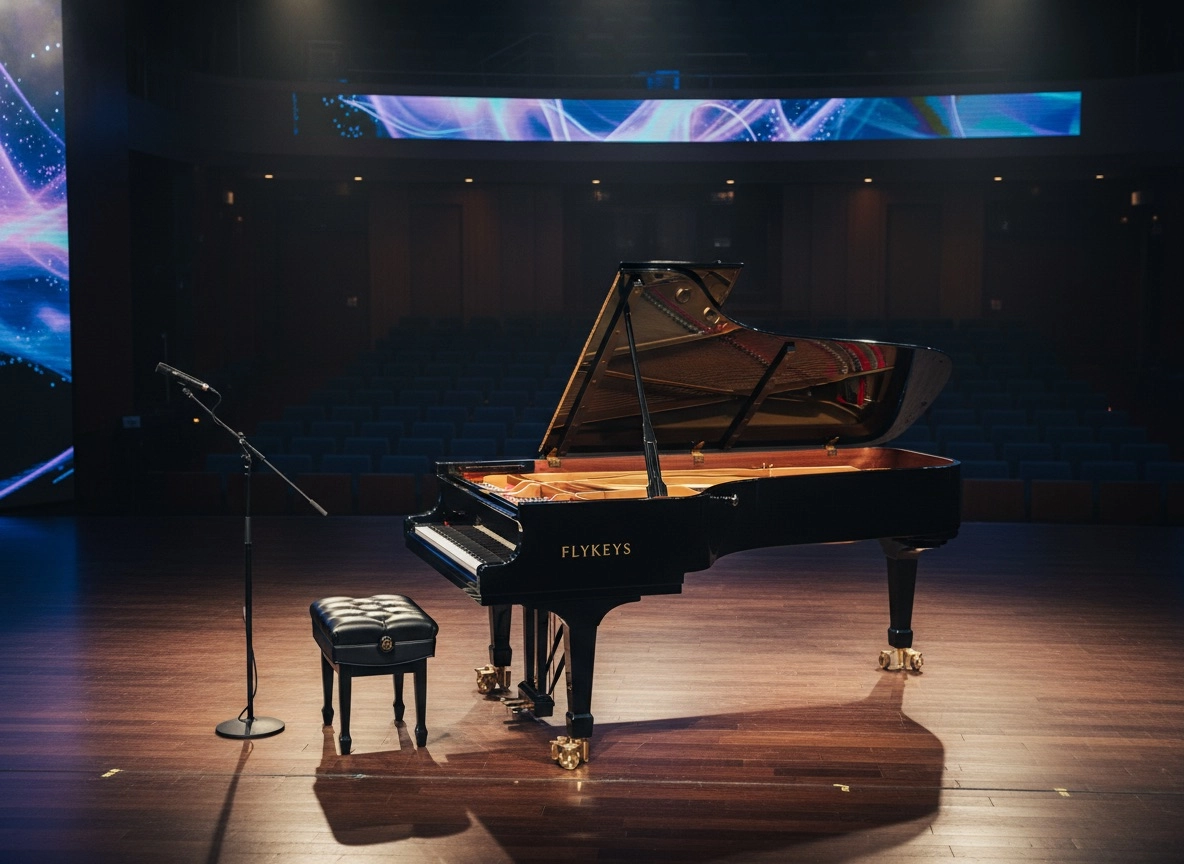
The Best Digital Grand Pianos of 2026: The Ultimate Professional & Luxury Buyer's Guide
Everything You Need to Know About digital 88 key piano
Wholesale electric keyboard 88 keys manufacturer and supplier
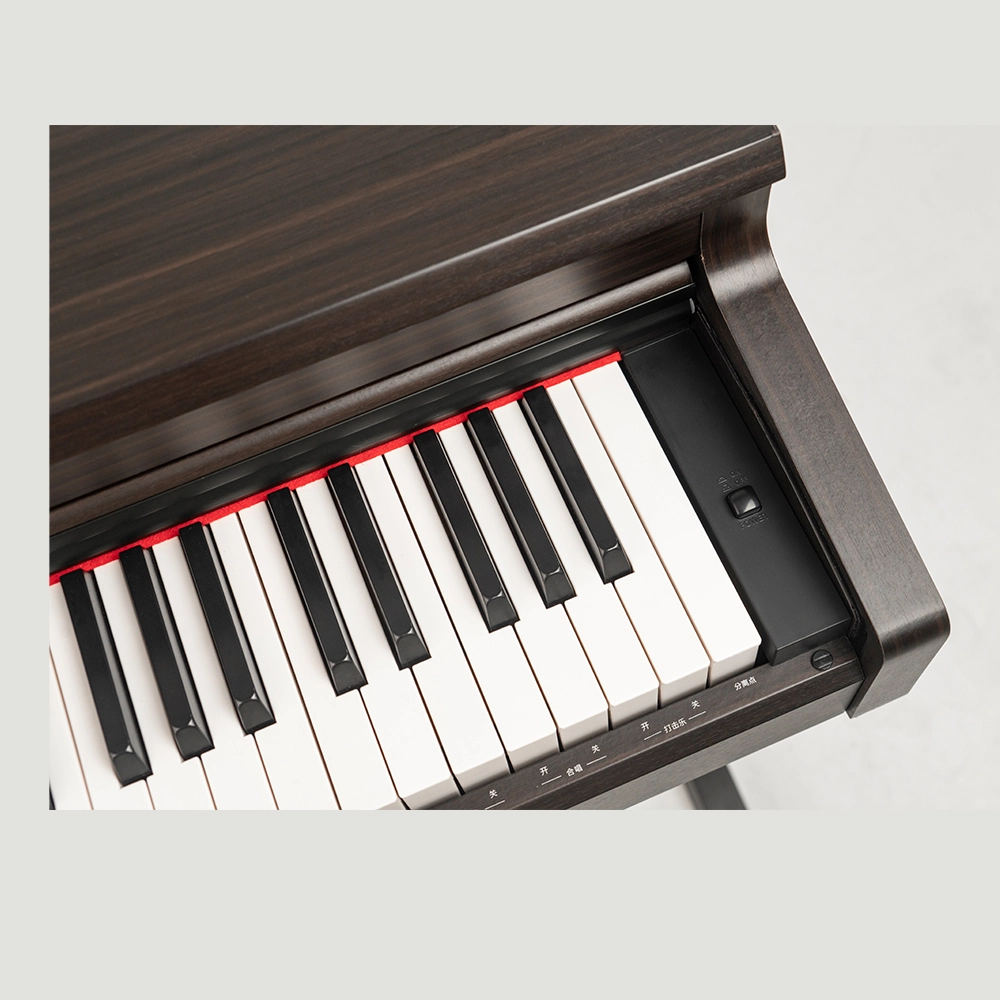
FLYKEYS LK03S Upright Digital Piano — Authentic 88-Key Hammer Action for Home & Studio
Payment
What payment methods do you accept?
We accept payment methods such as T/T and L/C.
After-Sales Service
How can I contact your after-sales support team?
You can contact our after-sales support team via email, phone, or through our website's customer support portal.
Products
What is the warranty period of piano?
We provide 2 years warranty service, if there is any quality problem, we can provide accessories for free
Company
Where is your company located?
Our headquarters are located in Guangzhou City, China, with manufacturing facilities strategically positioned for efficient global distribution.
What sets your company apart from competitors?
We pride ourselves on our commitment to quality craftsmanship, cutting-edge technology, and exceptional customer service.
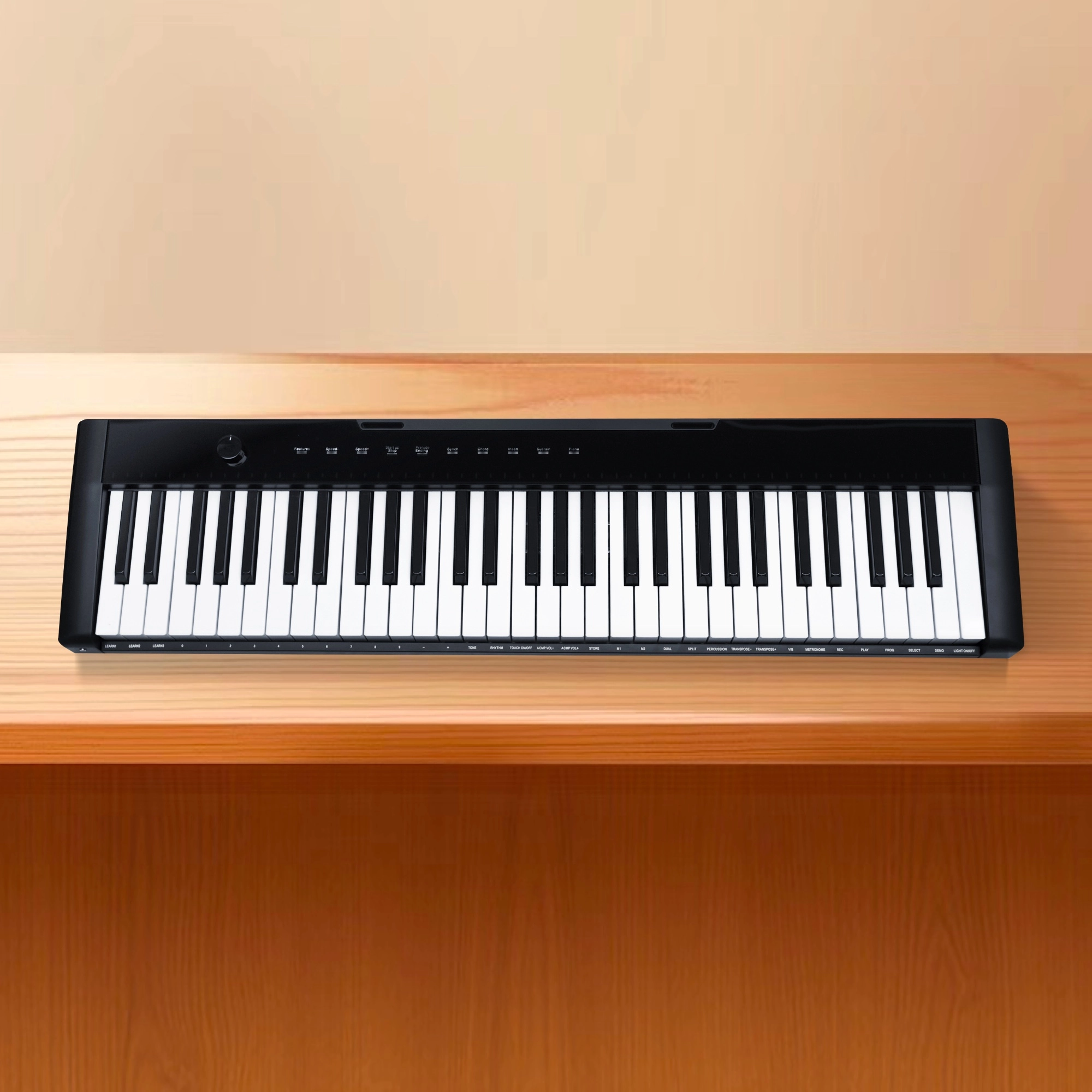
Flykeys 61 keys portable electronic keyboard piano with X stand (M2)
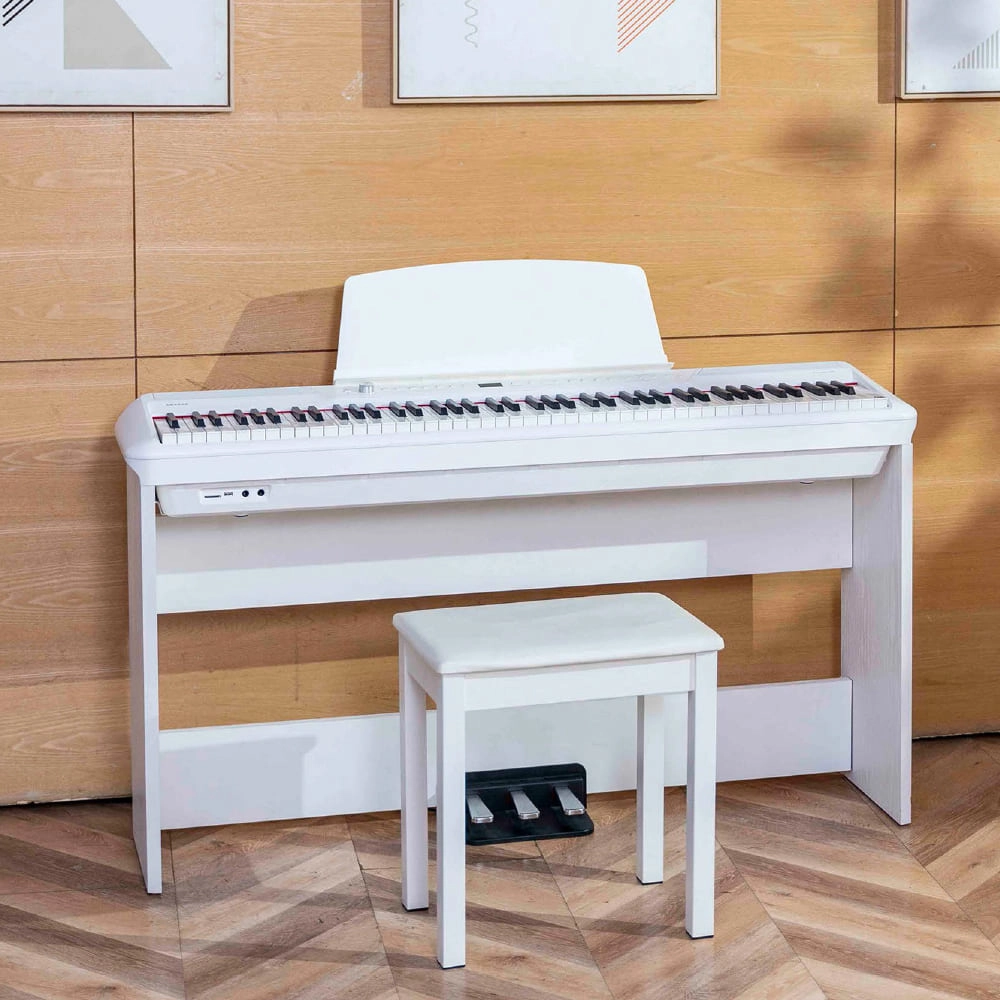
Flykeys Portable Electric Keyboard FP9 Digital Piano
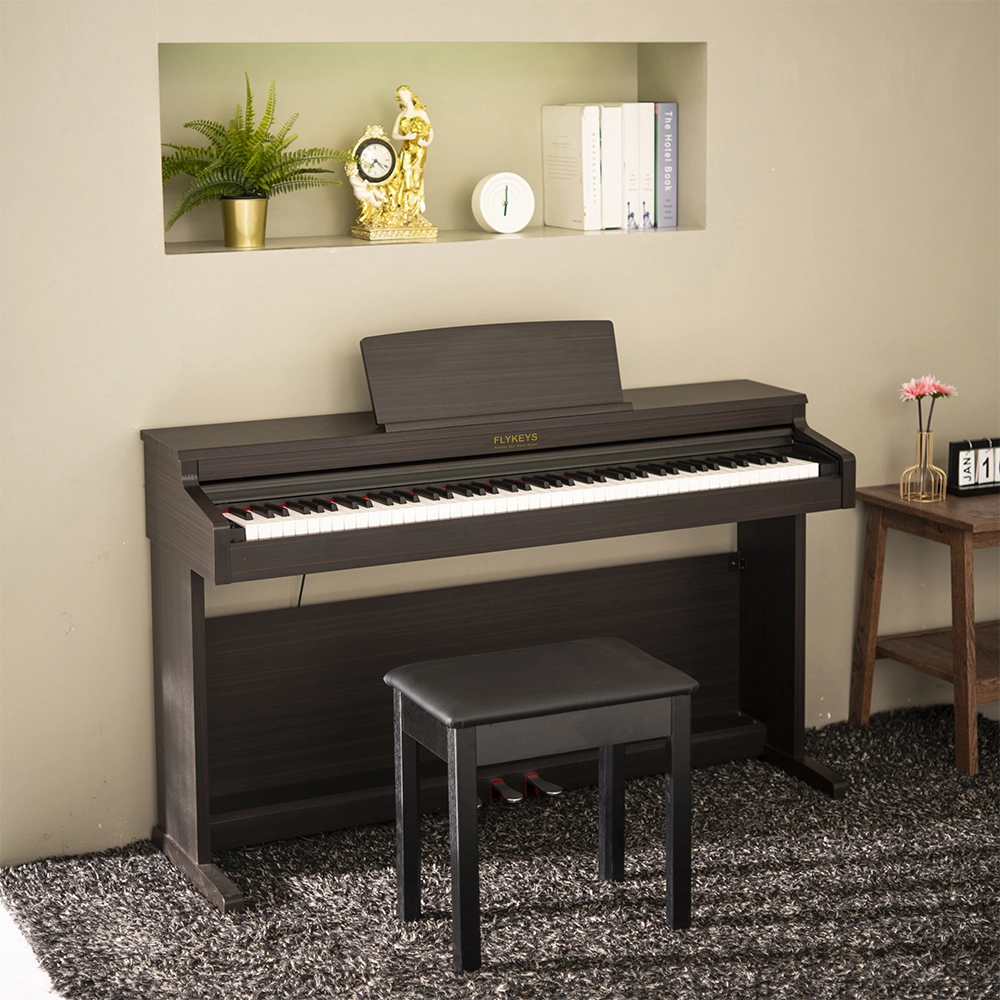
Flykeys 88 Keys Hammer Action keyboard Upright Piano LK03S Digital Piano
— Independent patented technology 88 key Grand-Response hammer action & dynamic curve keyboard;
— European top DSP chip, famous grand piano sound sample;
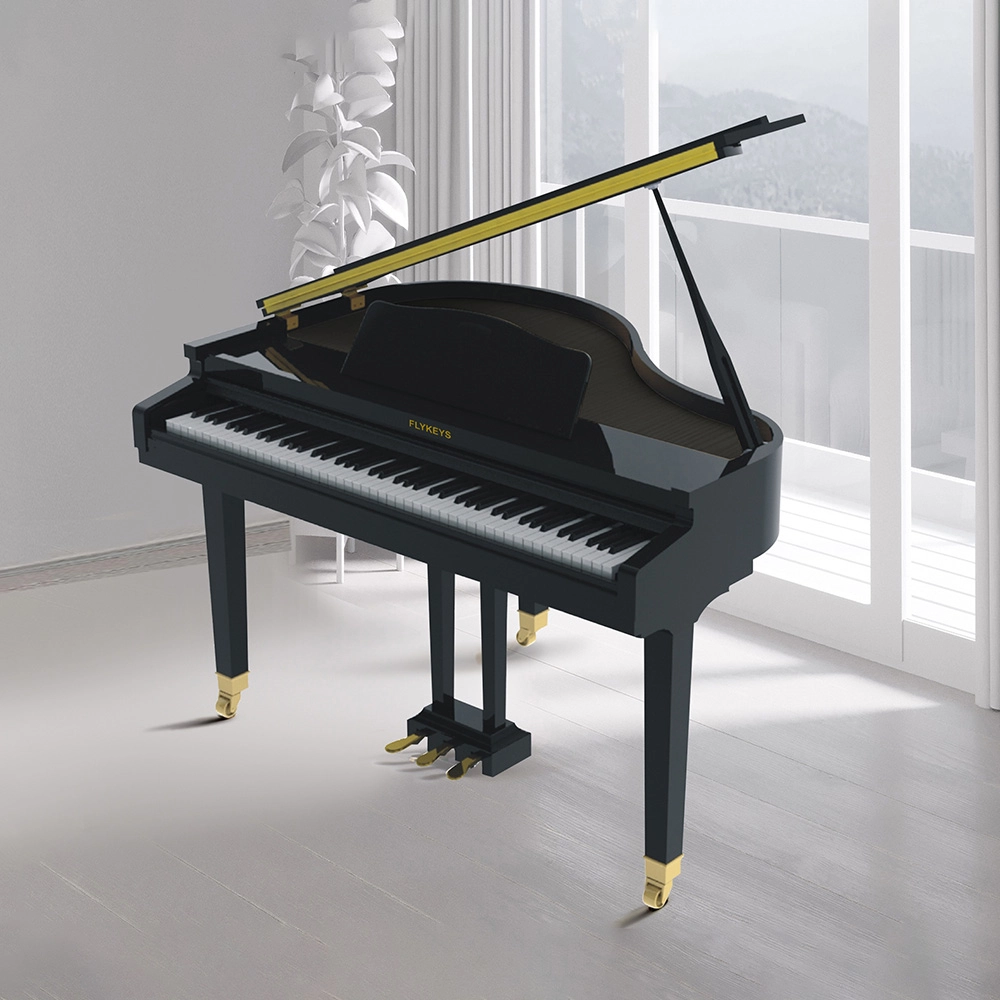
Flykeys 88 Keys Professional Digital Grand Piano Hammer Action Keyboard FGP110 Digital Piano
— Italian Fatar 88 Grand-ResponseTM Key trends with hammer action & dynamic curve
— Independent developed DSP chip, German famous grand piano sound sample
Address: No. 38 Xiangshan Avenue, Zengcheng Economic And Technological Development Zone, Guangzhou, China.
FOLLOW US:


© 2026 FLYKEYS All Rights Reserved. 粤 ICP备2020102774号. Designed by gooeyun. Sitemap | Privacy | Terms