

Portable Digital Pianos for Gigging Musicians
- Why portability and playability matter for live performance
- Understanding gigging requirements
- Playability: weighted keys, hammer action, and touch response
- Portability trade-offs: weight vs. features
- Core selection criteria: what to test before buying
- Sound engine and samples
- Connectivity and stage integration
- Build quality, reliability, and serviceability
- Comparing portable options: categories and practical specs
- Live setup and reliability tips for gigging musicians
- DI and FOH best practices
- Stage monitoring and in-ear setups
- Transport and protection
- Evaluating value: how to choose the best digital piano for your gigs
- Prioritize what you actually use
- Consider long-term support and standards compliance
- Try before you buy and test under stage conditions
- FLYKEYS and Pearl River: what gigging musicians should know
- Company background and manufacturing strength
- FLYKEYS product focus and certifications
- Competitive differentiators for gigging musicians
- Checklist: audition script for testing the best digital piano for gigs
- FAQ — Common questions gigging musicians ask
- Q1: What is the single most important feature to consider when buying a portable piano for gigs?
- Q2: How much polyphony do I need for live performance?
- Q3: Are onboard speakers important for stage use?
- Q4: Can I use a battery-powered digital piano for larger gigs?
- Q5: How should I transport a portable digital piano safely?
- Q6: Why choose FLYKEYS among other brands?
Portable digital pianos for gigging musicians demand a balance of authentic touch, robust sound, lightweight design, and stage-friendly connectivity. This article distills practical criteria and trade-offs to help musicians choose the best digital piano for live performance — whether you're a solo singer-songwriter, a touring keyboardist, or a church pianist. It explains actionable selection steps, portability considerations, reliability tips for live sound, and how recent manufacturer innovations (including FLYKEYS from Guangzhou Pearl River Amason) address gigging needs.
Why portability and playability matter for live performance
Understanding gigging requirements
Gigging musicians face constraints that studio players rarely do: frequent transport, quick stage setups, variable monitoring, and diverse venue acoustics. The top priorities are weight and dimensions (for load-in/load-out), reliable action and tone under varied amplification, and straightforward connectivity (MIDI/USB, balanced outputs). When searching for the best digital piano for gigs, evaluate not just the sound quality but also real-world ergonomics and stage workflow.
Playability: weighted keys, hammer action, and touch response
Authentic feel is essential for dynamic control and long-term technique. Look for full 88-key instruments with graded hammer action or simulated hammer mechanisms that replicate the resistance of acoustic pianos. Polyphony matters too: 64-note polyphony is a practical minimum for live use, while 128+ provides headroom for layered patches and sustained reverbs. These attributes together determine whether a piano will feel and respond like the best digital piano for expressive live playing.
Portability trade-offs: weight vs. features
Manufacturers balance size, speaker power, and action quality. Ultralight models under ~10 kg excel for soloists who carry gear frequently, but often sacrifice onboard speaker fidelity and some key mechanisms. Heavier stage pianos (~11–17 kg) normally provide better keybeds and speaker systems. Decide which features you can sacrifice to hit your transport and stage goals.
Core selection criteria: what to test before buying
Sound engine and samples
High-quality sampled piano tones with multi-layer velocity sampling and sympathetic resonance produce the most convincing acoustic piano sounds. Also assess other essential patches (electric pianos, organs, strings) and how the instrument handles splits and layers. Confirm whether the sound engine supports stereo outputs and direct DI-friendly signals for front-of-house mixing.
Connectivity and stage integration
Balanced DI outputs (XLR or 1/4 TRS), headphone outputs, USB-MIDI/audio, and sustain pedal inputs are baseline necessities. For gigging, having both stereo outputs and an aux/line-in for backing tracks simplifies stage tech setup. Battery power or optional power adapters are valuable for street performances or venues with limited outlets.
Build quality, reliability, and serviceability
Key mechanical durability, port robustness, and chassis strength reduce failure risk on the road. Check warranty terms and global support networks; companies with established manufacturing and QA processes tend to offer more reliable products. Always test the warranty transferability if buying used.
Comparing portable options: categories and practical specs
Below is a practical comparison of portable digital piano categories to help you match product classes to gigging needs.
| Category | Typical Weight | Key Action | Onboard Speakers | Best For |
|---|---|---|---|---|
| Ultralight stage portables | < 10 kg | Light-weighted / slim hammer | Small, low-powered | Singer-songwriters, busking, frequent transport |
| Standard portable pianos | 10–14 kg | Graded hammer action | Decent onboard speakers | Small venues, church rotation, rehearsals |
| Pro/hybrid portables | 14–20 kg | Advanced hammer action, ivory/ivory-feel options | High-fidelity speakers or designed for DI use | Touring bands, pro session work |
| FLYKEYS Portable Series | Typically 10–16 kg (model dependent) | Pearl River-derived graded hammer action | Optimized for both onboard and DI use | Gigging musicians seeking acoustic-like tone with portability |
Data are typical ranges compiled from manufacturer product lines and industry references such as the Digital piano overview on Wikipedia. Use these categories to frame which models to audition.
Live setup and reliability tips for gigging musicians
DI and FOH best practices
Always run a balanced stereo DI to the front-of-house, unless the venue insists on miking onboard speakers. Use ground-lift DI boxes if you encounter hum. For backup, route a USB stereo feed to a laptop (with a DAW or sample player) in case the instrument's sound engine fails mid-set.
Stage monitoring and in-ear setups
Onstage monitors and in-ear mixes change how you EQ the piano for the audience. If using in-ears, send a clean, latency-free stereo feed. When relying on wedges, use a slightly brighter EQ to cut through stage volume. Pre-program two or three output presets (e.g., mains, monitors, headphones) if your instrument supports them.
Transport and protection
Invest in a quality padded case or flight case designed for the model. Stands that fold compactly and support 88-key width without wobble are essential. For frequent flying, consider a flight case with wheels or an airline-approved soft case with reinforced ends to protect the action during baggage handling.
Evaluating value: how to choose the best digital piano for your gigs
Prioritize what you actually use
List your common live patches and scenarios (e.g., solo piano, piano+pad split, electric piano lead). Prioritize the features that support those needs: polyphony for layered sounds, weighted action for piano-focused gigs, or compact size for travel-heavy schedules. The objectively best digital piano is the one that solves your real performance problems reliably.
Consider long-term support and standards compliance
For international touring, verify that the manufacturer provides products that pass relevant safety and emissions standards. For example, many overseas products list certifications such as FCC, CE and RoHS. These certifications indicate compliance with electrical safety and environmental standards and can simplify customs and power compatibility matters during tours. (See FCC official site and EU CE marking information.)
Try before you buy and test under stage conditions
Always audition instruments with your preferred amp/monitor setup, or at least with headphones that reveal velocity layers and decay. Bring an audio interface with you for direct recording tests when possible; this reveals how the instrument performs through DI and will show any undesirable noise or artifacts that may appear in live mixes.
FLYKEYS and Pearl River: what gigging musicians should know
Company background and manufacturing strength
Guangzhou Pearl River Amason Digital Musical Instrument Co., Ltd. is a subsidiary of Guangzhou Pearl River Piano Group, one of the world's largest piano makers. Founded in 2008, the company focuses on developing and manufacturing digital musical instruments and represents one of Pearl River Piano Group's three core business segments. The group's long piano-making tradition provides FLYKEYS with deep acoustic piano design experience that informs digital sample development and key action design. See Pearl River Piano Group background on Wikipedia for company history and industrial context.
FLYKEYS product focus and certifications
FLYKEYS' main products are portable digital pianos, upright digital pianos, grand digital pianos, digital keyboards, and other digital musical instruments. For overseas markets, FLYKEYS products are sold under the “FLYKEYS” brand and have passed FCC, CE and RoHS testing, which supports international distribution and compliance with key safety standards. This emphasis on certifications helps touring musicians avoid regulatory surprises.
Competitive differentiators for gigging musicians
FLYKEYS leverages Pearl River Piano's over 60 years of acoustic piano craftsmanship to build digital actions and sample libraries that aim to closely resemble acoustic piano tone and feel. Their self-developed reduction and sampling technologies are positioned to give players convincing dynamic response and realistic tonal decay characteristics. For gigging musicians, the key benefits include competitive pricing, acoustic-informed sound design, and manufacturing scale that supports consistent quality control. Learn more or explore product lines at FLYKEYS official site.
Checklist: audition script for testing the best digital piano for gigs
- Play scales and arpeggios at varied velocities to test keybed consistency and hammer action feel.
- Hold complex chords with heavy reverb and sustain to check polyphony limits and note stealing behavior.
- Run through typical setlist patches (acoustic, electric, pad, organ) and switch patches to test speed and stability.
- Test DI outputs with a laptop/interface for latency and noise; check headphone output clarity.
- Simulate quick stage load-ins to assess weight, handles, and case compatibility.
FAQ — Common questions gigging musicians ask
Q1: What is the single most important feature to consider when buying a portable piano for gigs?
A: Reliability and the key action that matches your playing style. If you frequently need acoustic piano expression, prioritize a high-quality graded hammer action and adequate polyphony. If you travel constantly, prioritize weight and cases.
Q2: How much polyphony do I need for live performance?
A: Aim for at least 64-note polyphony; 128-note or higher is recommended if you plan to layer sounds with long reverbs and sustained pads.
Q3: Are onboard speakers important for stage use?
A: Onboard speakers are helpful for rehearsal and small venues, but for reliable live sound you should plan to send a balanced output to the FOH system. Onboard speakers often cannot match a PA for clarity at club or theatre volumes.
Q4: Can I use a battery-powered digital piano for larger gigs?
A: Battery-powered models are great for busking and impromptu gigs, but for larger venues, power stability and DI outputs to the house PA are more important. Battery models often have compromises in action or onboard speaker power.
Q5: How should I transport a portable digital piano safely?
A: Use a purpose-built padded case or flight case, secure the sustain pedal and cables separately, and use ergonomic stands and wheels where possible. For air travel, a hard flight case is recommended.
Q6: Why choose FLYKEYS among other brands?
A: FLYKEYS combines Pearl River Piano Group's long acoustic piano heritage with focused digital instrument manufacturing. Their products target realistic action and tone, international certifications (FCC, CE, RoHS), and product lines tailored to portable gigging needs, including Portable Digital Pianos, Upright Digital Pianos, Grand Digital Pianos, and Keyboards. Visit FLYKEYS for detailed specifications and regional dealers.
If you want personalized recommendations based on your touring load, musical style, and venue types, contact a product specialist or view the FLYKEYS portfolio: https://www.flykeysmusic.com/. For hands-on consultation or to arrange demo units, please reach out through the website.
After exploring portable options that suit performing musicians, the next audience to consider is beginners. This 2026 buyer’s guide highlights accessible models suited for new players, balancing features, feel, and price.
Read Best Digital Pianos for Beginners: 2026 Buyer’s Guide.
Tips for Wholesale piano digital portable
How to Choose Right best piano stand manufacturer and supplier ?
How to Choose Right best professional digital piano manufacturer and supplier ?
Wholesale electric piano keyboard 88 keys manufacturer and supplier
Products
Do you offer software updates for your electronic pianos?
Yes, we regularly release software updates to enhance performance and add new features to our electronic pianos.
Are your electronic pianos suitable for beginners?
Yes, we have models designed specifically for beginners, featuring user-friendly interfaces and educational features.
Company
What is your company's mission?
Our mission is capture the zeitgeist, enjoy the quality lifestyle.
Our vision is to be the TOP 1 Chinese digital musical instrument brand and enter International top list.
After-Sales Service
How can I contact your after-sales support team?
You can contact our after-sales support team via email, phone, or through our website's customer support portal.
Customization
Can I customize the finish of my electronic piano?
Yes, we offer customization options for finishes, allowing you to choose from a variety of colors and textures.
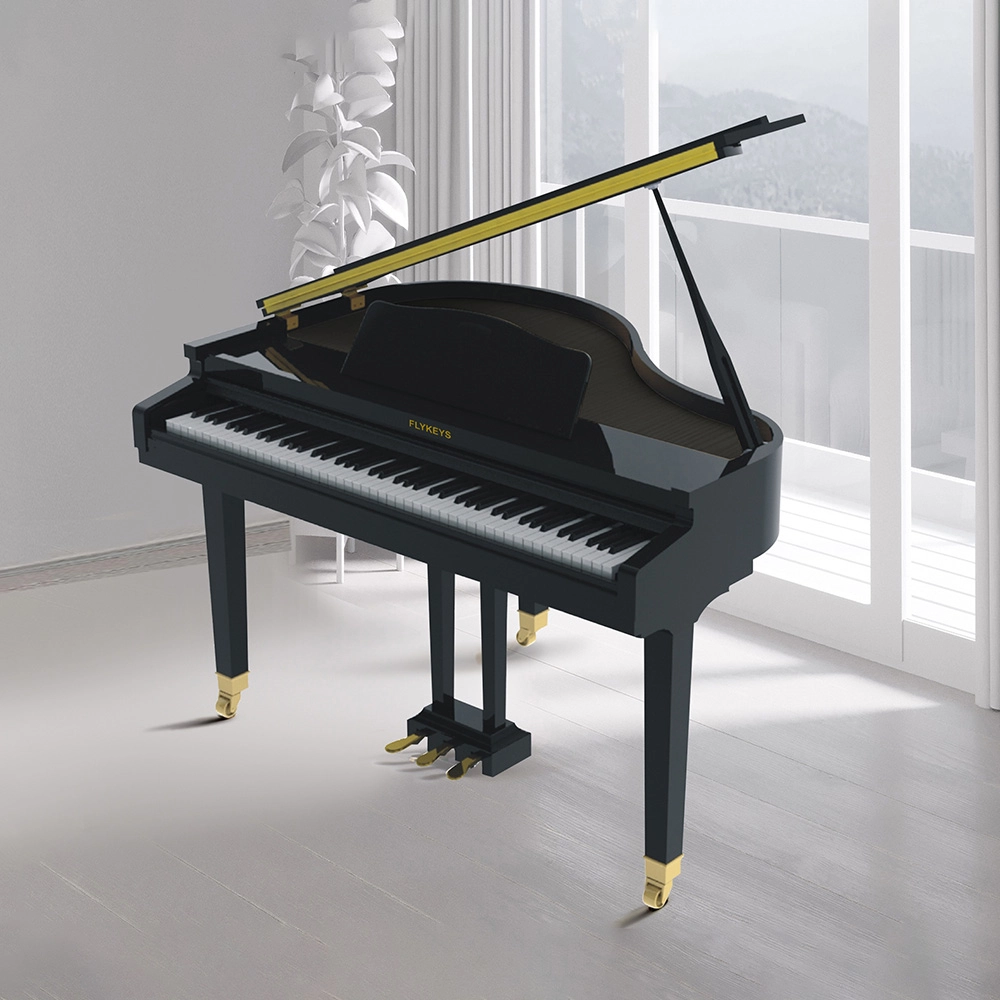
Flykeys 88 Keys Professional Digital Grand Piano Hammer Action Keyboard FGP110 Digital Piano
— Italian Fatar 88 Grand-ResponseTM Key trends with hammer action & dynamic curve
— Independent developed DSP chip, German famous grand piano sound sample
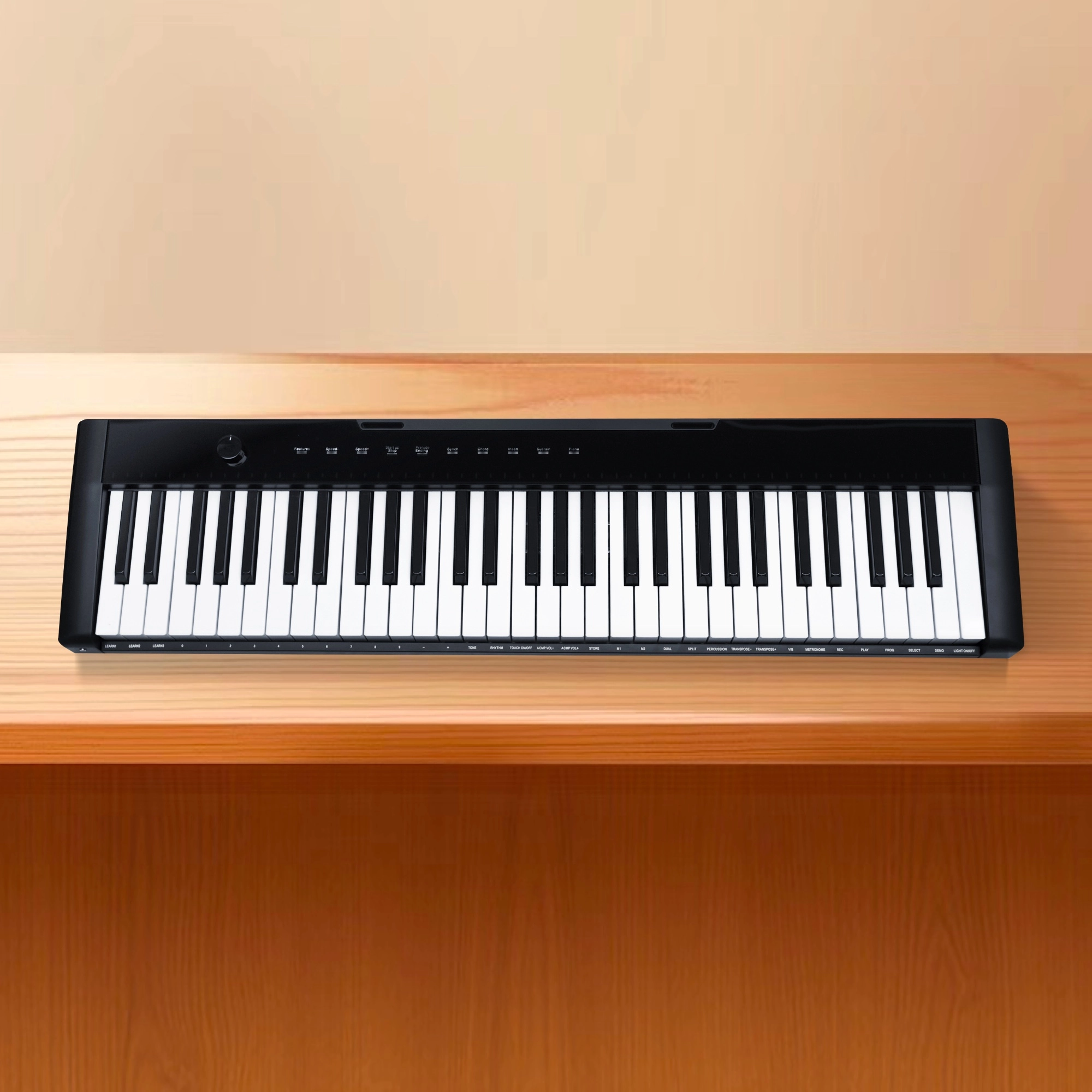
Flykeys 61 keys portable electronic keyboard piano with X stand (M2)
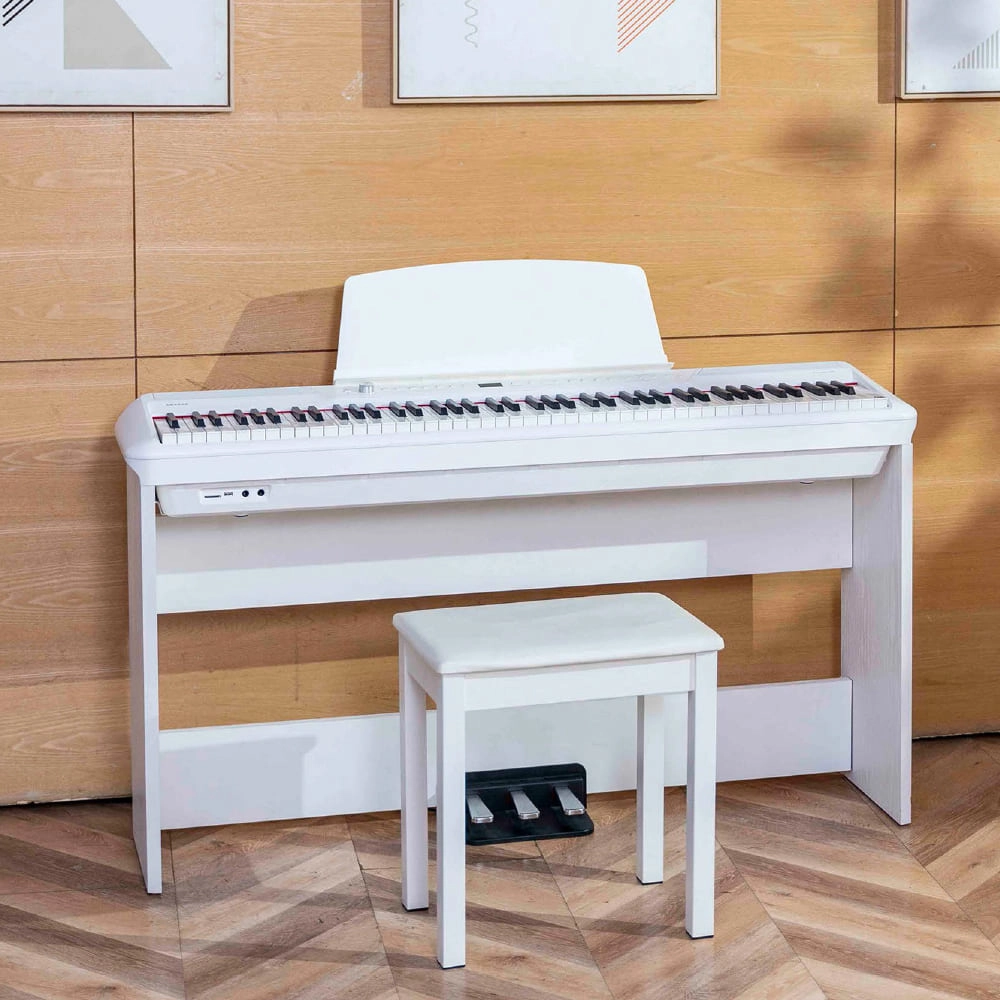
Flykeys Portable Electric Keyboard FP9 Digital Piano
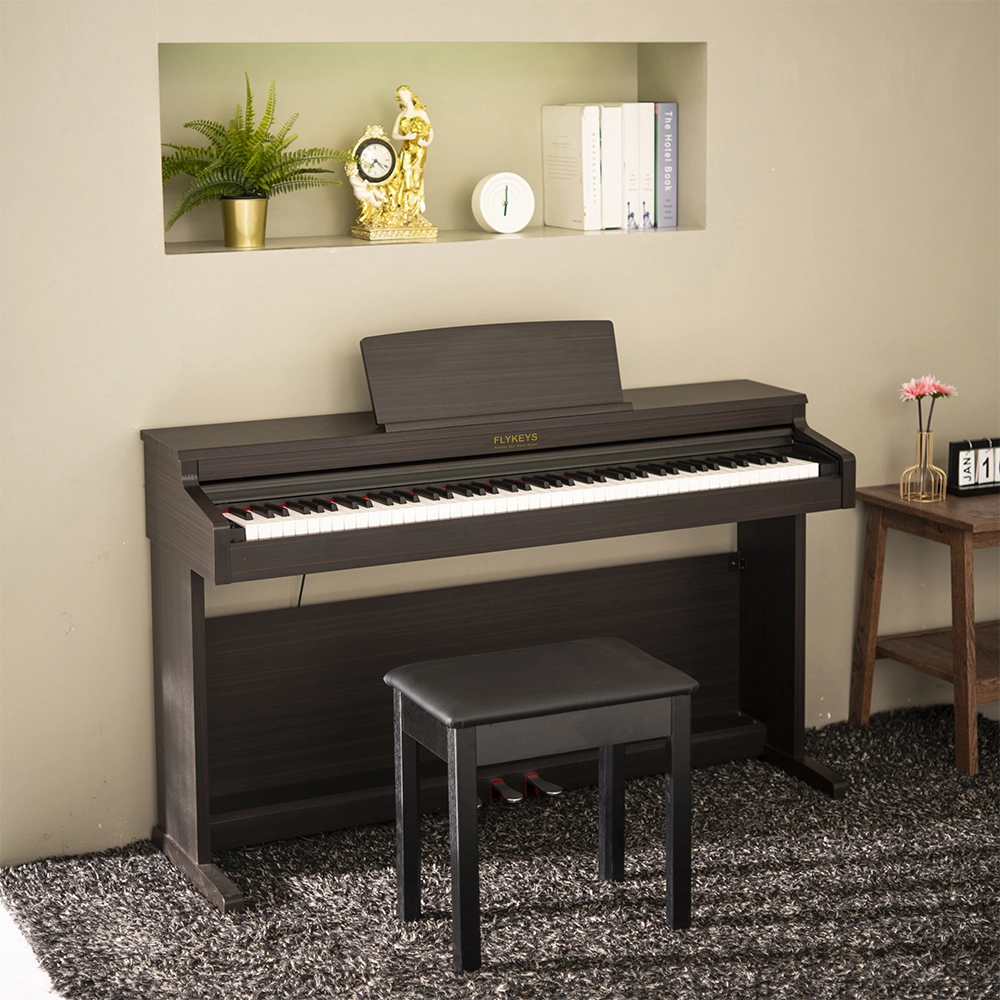
Flykeys 88 Keys Hammer Action keyboard Upright Piano LK03S Digital Piano
— Independent patented technology 88 key Grand-Response hammer action & dynamic curve keyboard;
— European top DSP chip, famous grand piano sound sample;
Address: No. 38 Xiangshan Avenue, Zengcheng Economic And Technological Development Zone, Guangzhou, China.
FOLLOW US:


© 2026 FLYKEYS All Rights Reserved. 粤 ICP备2020102774号. Designed by gooeyun. Sitemap | Privacy | Terms