

Which brands make the most reliable beginner electronic keyboards?
Embarking on your musical journey with an electronic keyboard for beginners can be thrilling yet daunting. This guide cuts through the noise, offering in-depth answers to six critical, often-overlooked questions from choosing key features and useful sounds to understanding crucial connectivity and brand reliability. Discover how to select the ideal entry-level electronic keyboard that fosters long-term growth and avoids common beginner pitfalls, ensuring your investment truly supports your musical aspirations. Get expert advice for making an informed purchase decision.
Choosing the right electronic keyboard for beginners is a pivotal first step on your musical journey. With countless options available, it's easy to feel overwhelmed. Many online resources offer surface-level advice, but true progress comes from understanding the nuances. This guide aims to provide expert insights into common pain points, helping you select a beginner piano keyboard that genuinely supports your learning and growth.
Beyond 'Keys': What Specific Key Features Are Crucial for a Beginner's Long-Term Progress, and Are Entry-Level Models Truly Adequate?
When looking for an entry-level electronic keyboard, the number of keys (61, 76, or 88) is often discussed, but the feel of those keys is arguably more critical for long-term development. For aspiring pianists, touch sensitivity (also known as velocity sensitivity) is non-negotiable. This feature allows the keyboard to respond to how hard or soft you press a key, mimicking the dynamic range of an acoustic piano. Without it, developing proper expression and technique becomes incredibly difficult. Most reputable beginner models, even those priced under $200-$300, now include this feature, making them adequate for initial learning.
For more serious beginners, especially those planning to transition to acoustic piano, weighted keys or graded hammer action (GHA) are paramount. These replicate the resistance and feel of an acoustic piano's hammers, building finger strength and muscle memory essential for proper technique. While true GHA is often found in digital pianos starting around $400-$500, some higher-end beginner electronic keyboards now offer semi-weighted or light hammer actions that provide a good compromise. Starting with at least semi-weighted keys significantly aids in developing proper technique, making the transition to a full acoustic piano much smoother.
Many Beginner Electronic Keyboards Have Hundreds of Sounds – Is This a Distraction, or Are There Specific Types of Sounds a Beginner Should Prioritize, and How Do I Discern Useful Ones from Gimmicks?
It's true that many portable keyboard starter models boast an impressive array of sounds, often in the hundreds. While variety can be fun, for a beginner, this can indeed be a distraction. The primary sounds to prioritize are high-quality acoustic piano tones. Look for clear, realistic grand piano, upright piano, and electric piano (Rhodes, Wurlitzer) sounds. These will be your workhorses for learning fundamentals and practicing various musical styles.
Beyond pianos, useful sounds include strings, organ (pipe and jazz), and perhaps a basic synth pad. Percussion kits can be helpful for rhythm practice, but avoid getting bogged down by obscure, niche sounds that you'll rarely use. A good rule of thumb is to check reviews for sound quality, particularly for the main piano voice. Reliable brands like Yamaha, Casio, and Roland consistently offer excellent core sounds even in their more affordable digital piano options. Focus on depth and realism for a few key sounds rather than sheer quantity.
With Limited Space and Budget, Should I Prioritize an All-in-One Electronic Keyboard or Consider Modular Components (Like a MIDI Controller and Software) for a Beginner, and What Are the Hidden Costs/Benefits?
For most learning keyboard features-focused beginners, especially those with limited space and budget, an all-in-one electronic keyboard is the superior choice. Its immediate plug-and-play functionality means less setup frustration and more time spent actually playing. These units come with built-in speakers, sounds, and sometimes even learning features, making them highly accessible.
Considering modular components like a MIDI controller and software (Digital Audio Workstation - DAW, virtual instruments) introduces several hidden complexities and costs. You'll need to invest in a computer, quality studio monitors or headphones, an audio interface (potentially), and the software itself (which can be expensive or have a steep learning curve). While this setup offers unparalleled sound quality and flexibility in the long run for music production, it presents significant barriers for a novice just trying to learn to play. Stick with an integrated beginner electronic keyboard initially; you can always explore modular setups later once you have a solid foundation and a clearer understanding of your musical direction.
Beyond Basic Functionality, What Often-Overlooked Connectivity Options (MIDI, USB Audio, Headphone Jacks) Are Essential for a Beginner's Future Learning, Recording, or Using Apps, and Do Budget Models Skimp on These?
While basic functionality is key, overlooked connectivity options significantly enhance a beginner's learning experience and future potential. A headphone jack is absolutely essential for silent practice, allowing you to play at any hour without disturbing others. Most budget models include at least one, often two.
USB to Host (MIDI) connectivity is crucial. This allows you to connect your keyboard to a computer or smart device, opening up a world of interactive learning apps (e.g., Simply Piano, Flowkey), virtual instruments, and basic recording software. Many affordable digital piano and electronic keyboard options now offer this. Some advanced models also feature USB Audio interface capabilities, meaning the keyboard can send its audio directly to your computer digitally, simplifying recording and improving sound quality over analog connections.
Traditional 5-pin MIDI In/Out ports are becoming less common on entry-level models but are still valuable if you plan to connect to older synthesizers or dedicated audio interfaces. For modern beginners, USB MIDI is generally sufficient. Ensure your chosen beginner keyboard has at least USB to Host; it's a small detail that makes a big difference in leveraging contemporary learning tools.
I've Heard About 'Brand Reliability' for Beginner Electronic Keyboards, but What Specific Aspects of a Brand (Warranty, Customer Support, Software Updates, Community Resources) Truly Matter for a New Learner, and Which Brands Excel Here?
When considering which brands make the most reliable beginner electronic keyboards, reliability goes beyond just the hardware not breaking. For a new learner, specific brand aspects truly matter: warranty, customer support, and the availability of learning resources. A solid warranty (typically 1-3 years) provides peace of mind. Excellent customer support ensures you can get help with setup, troubleshooting, or technical questions.
Brands like Yamaha, Casio, and Roland are consistently cited for their exceptional reliability and robust support ecosystems. Yamaha, for instance, offers extensive online manuals, video tutorials, and readily available customer service. Casio often provides generous warranties and user-friendly interfaces, making their products highly accessible. Korg also produces quality instruments, particularly in their digital piano lines.
While direct software updates for an entry-level keyboard's internal sounds are rare, these brands often provide firmware updates for improved performance or bug fixes. More importantly, their popularity means a vast online community, numerous third-party tutorials, and strong resale value, which indirectly contributes to a positive beginner experience. Investing in a brand with a proven track record for electronic keyboard reliability ensures you have support throughout your initial learning phase.
Is Investing in a More 'High Quality' Beginner Electronic Keyboard for Its Longevity and 'Grow-Into' Features Truly Cost-Effective, or Am I Better Off Starting Cheap and Upgrading Later if I Stick With It?
This is a classic dilemma for many seeking the best entry-level electronic keyboard. For most beginners, especially those unsure of their long-term commitment, starting with a well-regarded, moderately priced beginner piano keyboard (e.g., $200-$400) is often the most cost-effective approach. These models offer sufficient features like touch sensitivity, decent piano sounds, and essential connectivity to get started without a significant financial commitment. If you find yourself consistently playing and wanting more after 6-12 months, you can then upgrade to a more advanced digital piano or a higher-tier electronic keyboard.
However, if you're certain about your commitment to learning piano, have a bit more budget (e.g., $500-$800+), and understand the benefits, investing in a 'High Quality' beginner model with 88-key weighted keys for beginners from the outset can be more cost-effective in the long run. These instruments often feature superior key actions, richer sound engines, and more robust build quality, meaning you won't outgrow them as quickly. They provide a more authentic playing experience from day one, which can be highly motivating and conducive to developing proper technique. The key is balance: avoid overspending on features you won't use, but don't underspend to the point where the instrument hinders your progress. ly, the best investment is one that keeps you engaged and inspired to play.
By carefully considering these aspects, you can navigate the purchase process with confidence and choose an electronic keyboard for beginners that truly fosters your musical growth.
At Flykeys, we understand the nuances of crafting quality digital pianos and electronic keyboards designed for every stage of a musician's journey. With a focus on realistic feel, rich sound, and user-friendly features, our products provide exceptional value and reliability. Explore our range and discover the perfect instrument to ignite your passion.
For a personalized quote or to learn more about our innovative musical instruments, please contact us at service@flykeysmusic.com or visit www.flykeysmusic.com.
- Beyond 'Keys': What Specific Key Features Are Crucial for a Beginner's Long-Term Progress, and Are Entry-Level Models Truly Adequate?
- Many Beginner Electronic Keyboards Have Hundreds of Sounds – Is This a Distraction, or Are There Specific Types of Sounds a Beginner Should Prioritize, and How Do I Discern Useful Ones from Gimmicks?
- With Limited Space and Budget, Should I Prioritize an All-in-One Electronic Keyboard or Consider Modular Components (Like a MIDI Controller and Software) for a Beginner, and What Are the Hidden Costs/Benefits?
- Beyond Basic Functionality, What Often-Overlooked Connectivity Options (MIDI, USB Audio, Headphone Jacks) Are Essential for a Beginner's Future Learning, Recording, or Using Apps, and Do Budget Models Skimp on These?
- I've Heard About 'Brand Reliability' for Beginner Electronic Keyboards, but What Specific Aspects of a Brand (Warranty, Customer Support, Software Updates, Community Resources) Truly Matter for a New Learner, and Which Brands Excel Here?
- Is Investing in a More 'High Quality' Beginner Electronic Keyboard for Its Longevity and 'Grow-Into' Features Truly Cost-Effective, or Am I Better Off Starting Cheap and Upgrading Later if I Stick With It?
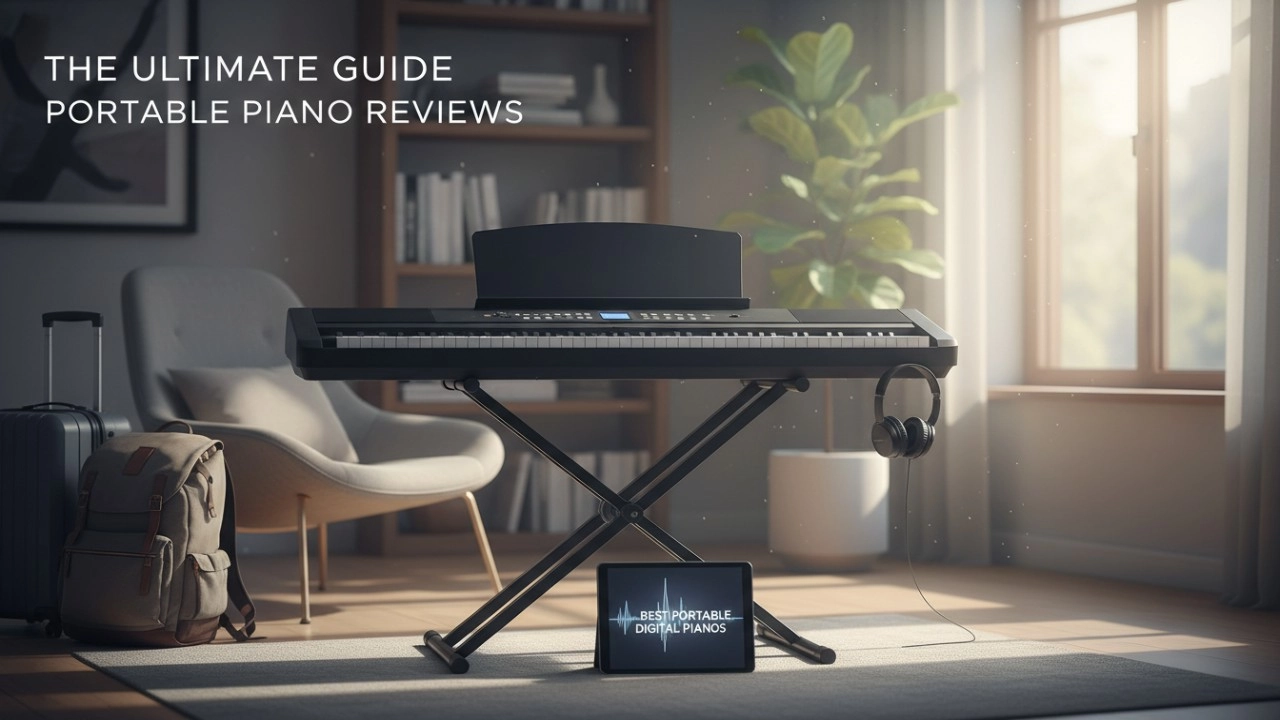
15 Best Portable Digital Pianos of 2026: The Only Comparison Guide You’ll Ever Need
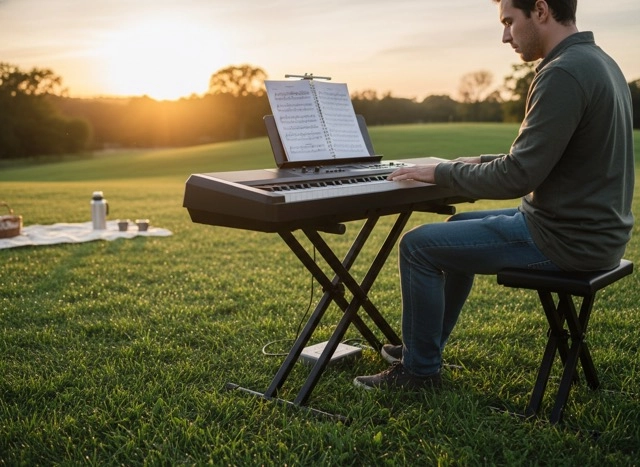
Is the Flykeys FP9 Worth It? Our Real-Life Experience with the World’s Largest Piano Maker’s Digital Tech.
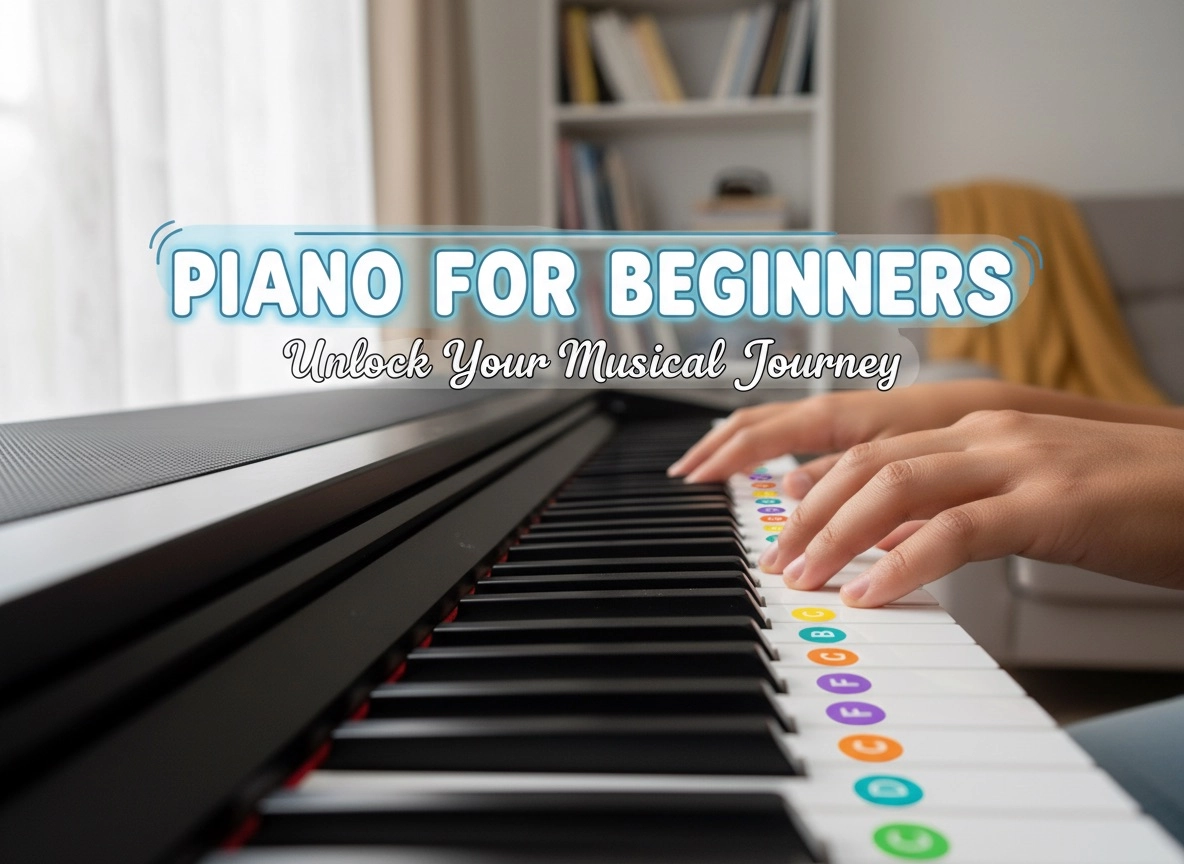
Best Digital Piano Keyboards for Beginners 2026: Your Ultimate Buying Guide
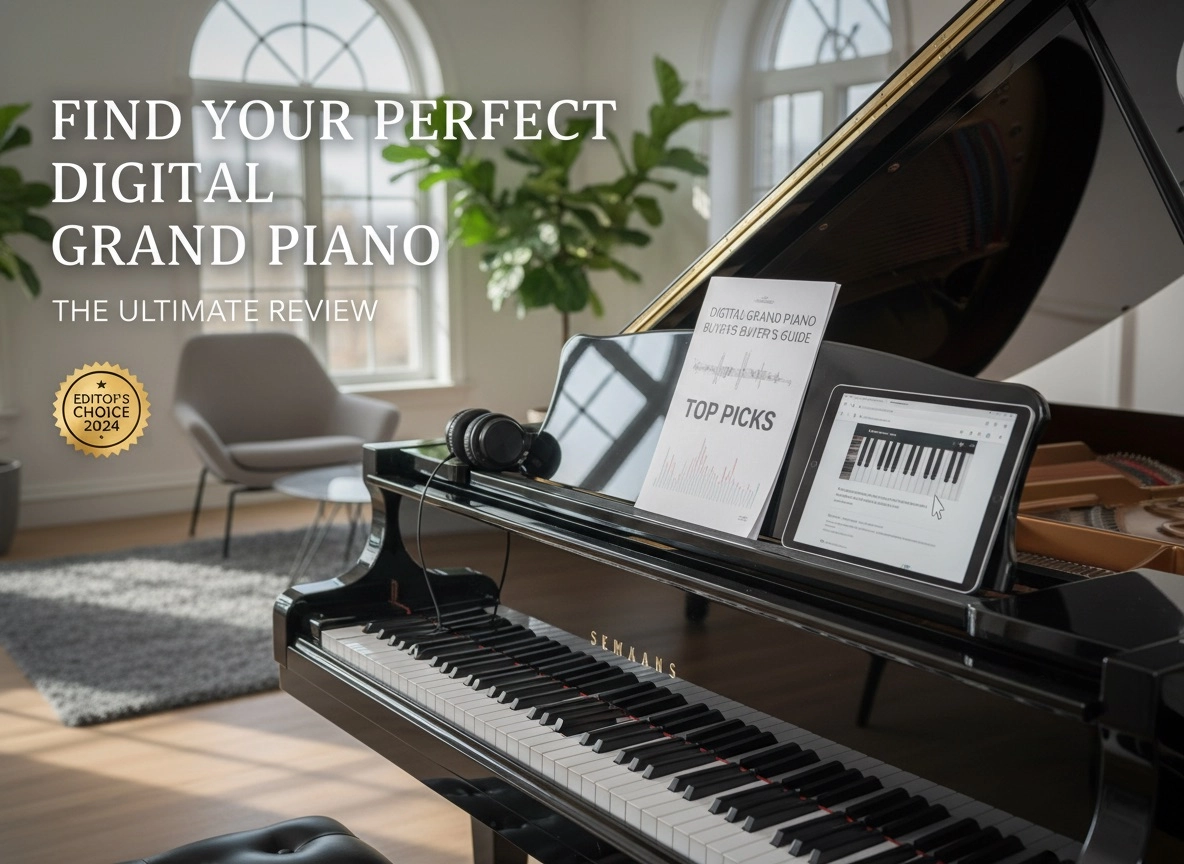
Best Digital Grand Pianos 2026: Ultimate Buyer's Guide for Authentic Sound & Feel
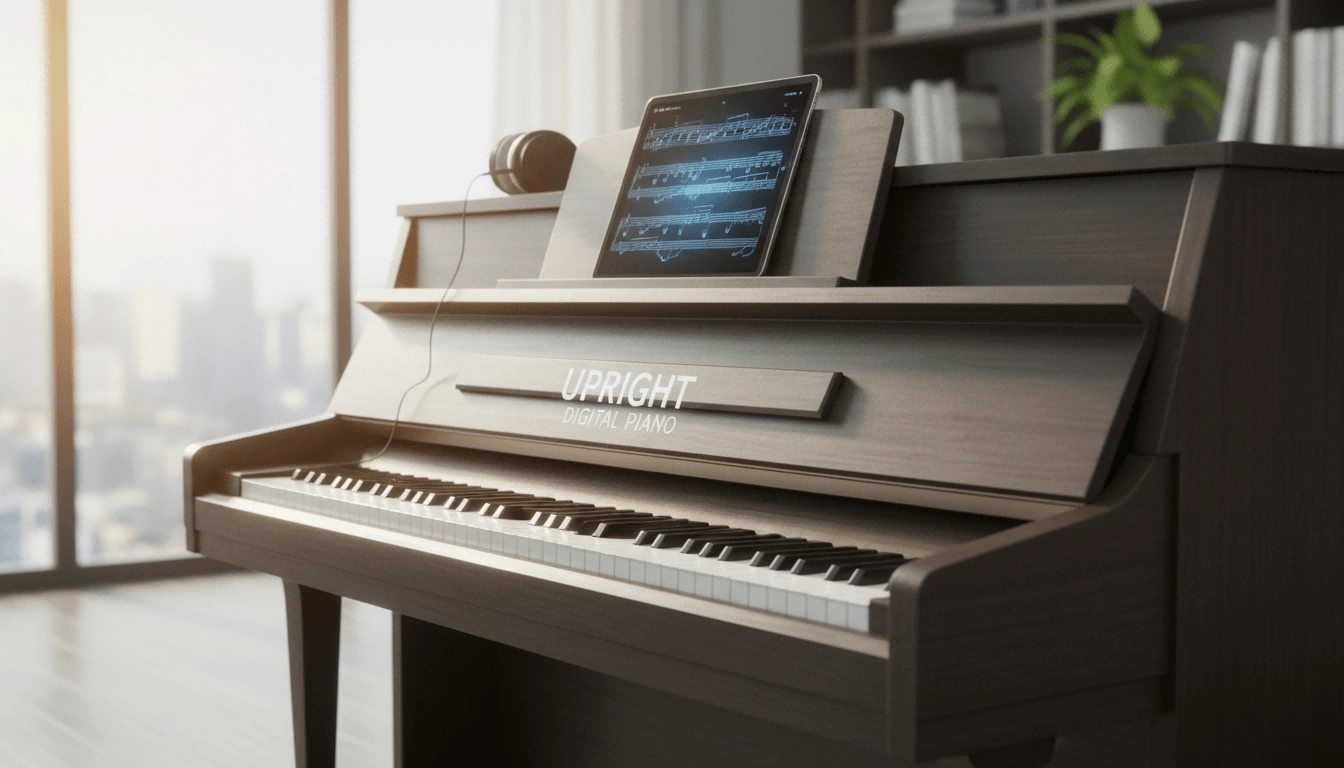
The Definitive Guide to Upright Digital Pianos: Blending Timeless Elegance with Modern Innovation in 2026
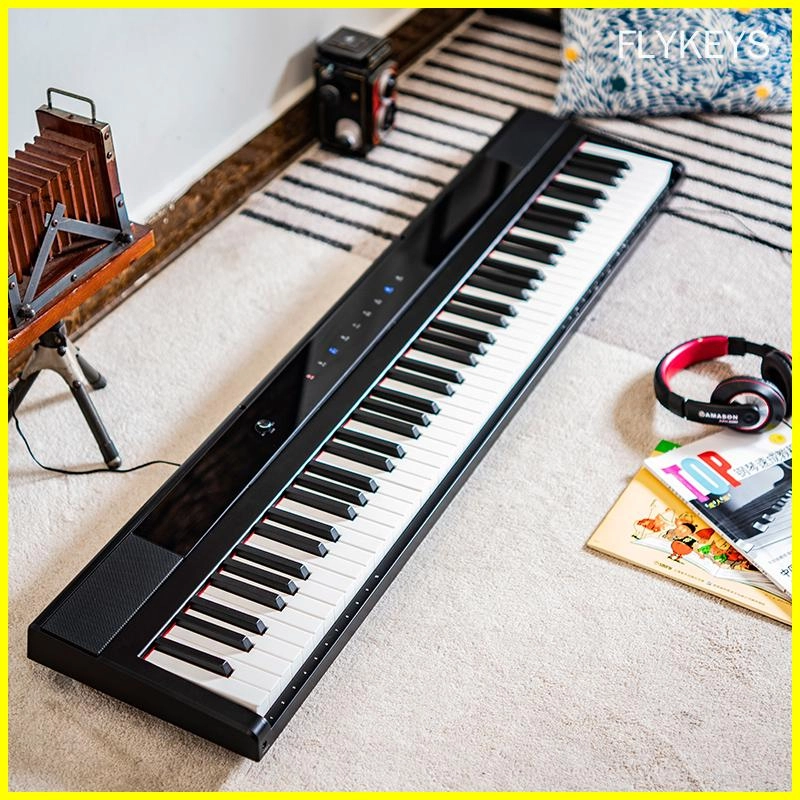
Best-Rated Electronic Pianos for Beginners in 2026: What to Buy and Why
Company
Where is your company located?
Our headquarters are located in Guangzhou City, China, with manufacturing facilities strategically positioned for efficient global distribution.
Products
Do you offer software updates for your electronic pianos?
Yes, we regularly release software updates to enhance performance and add new features to our electronic pianos.
Logistics
Can l track my order during shipping?
Yes, tracking information will be provided once your order has been shipped, allowing you to monitor its progress.
Payment
What payment methods do you accept?
We accept payment methods such as T/T and L/C.
After-Sales Service
What after-sales support do you offer?
We offer comprehensive after-sales support, including technical assistance, troubleshooting, and warranty services.
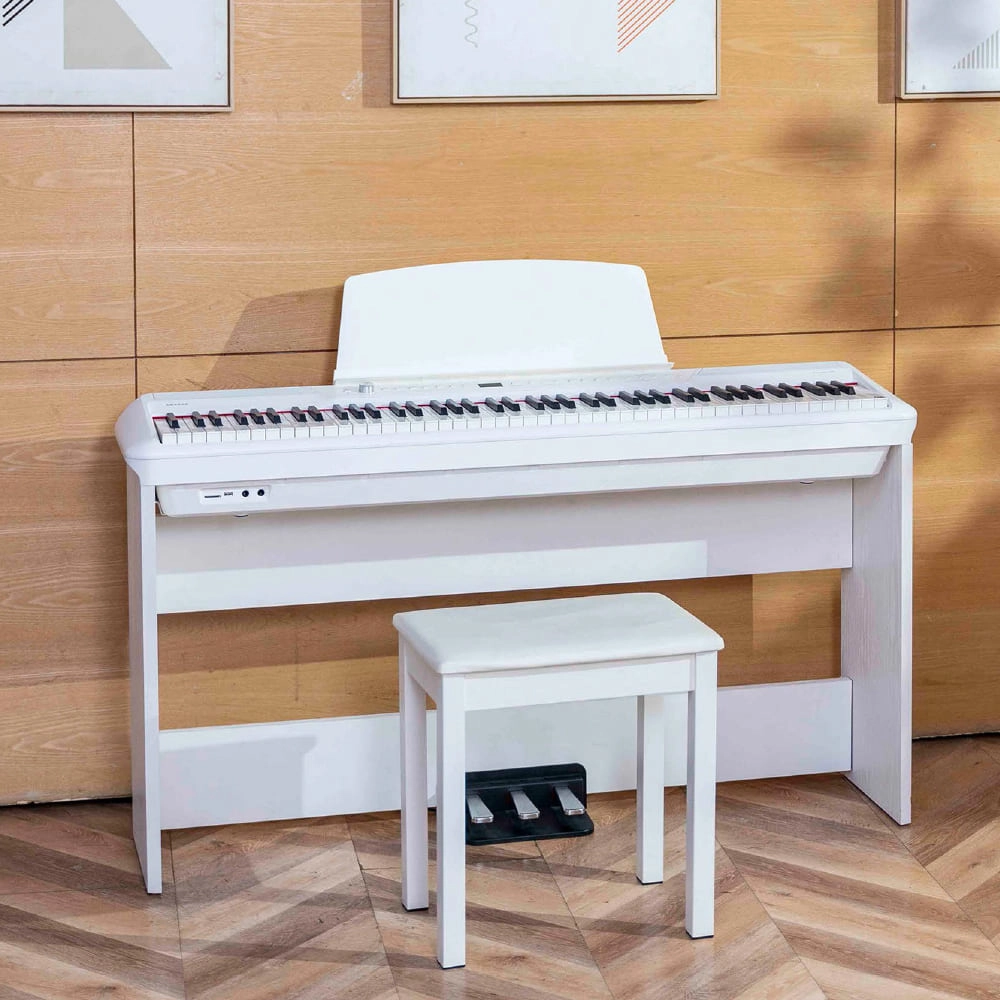
Flykeys Portable Electric Keyboard FP9 Digital Piano
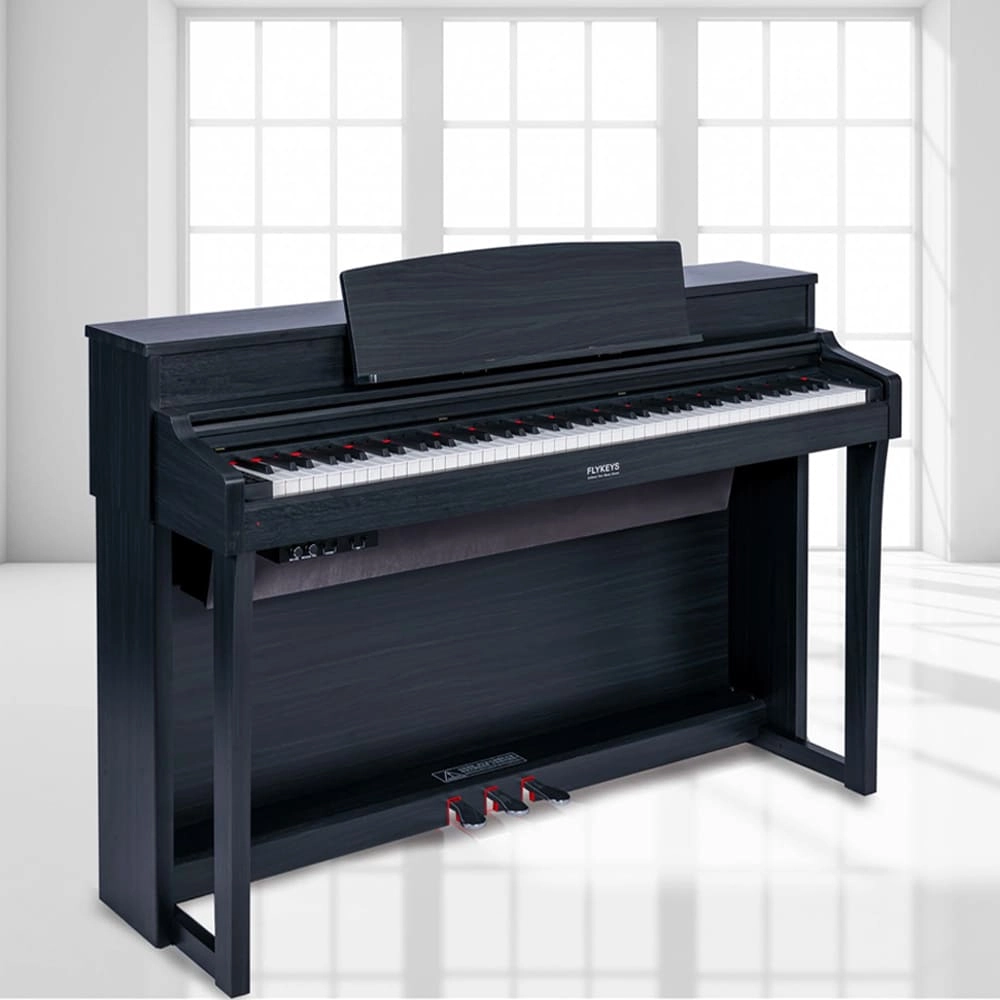
Flykeys Upright Digital Piano 88keys Hammer Action Keyboard FK330 Digital Piano
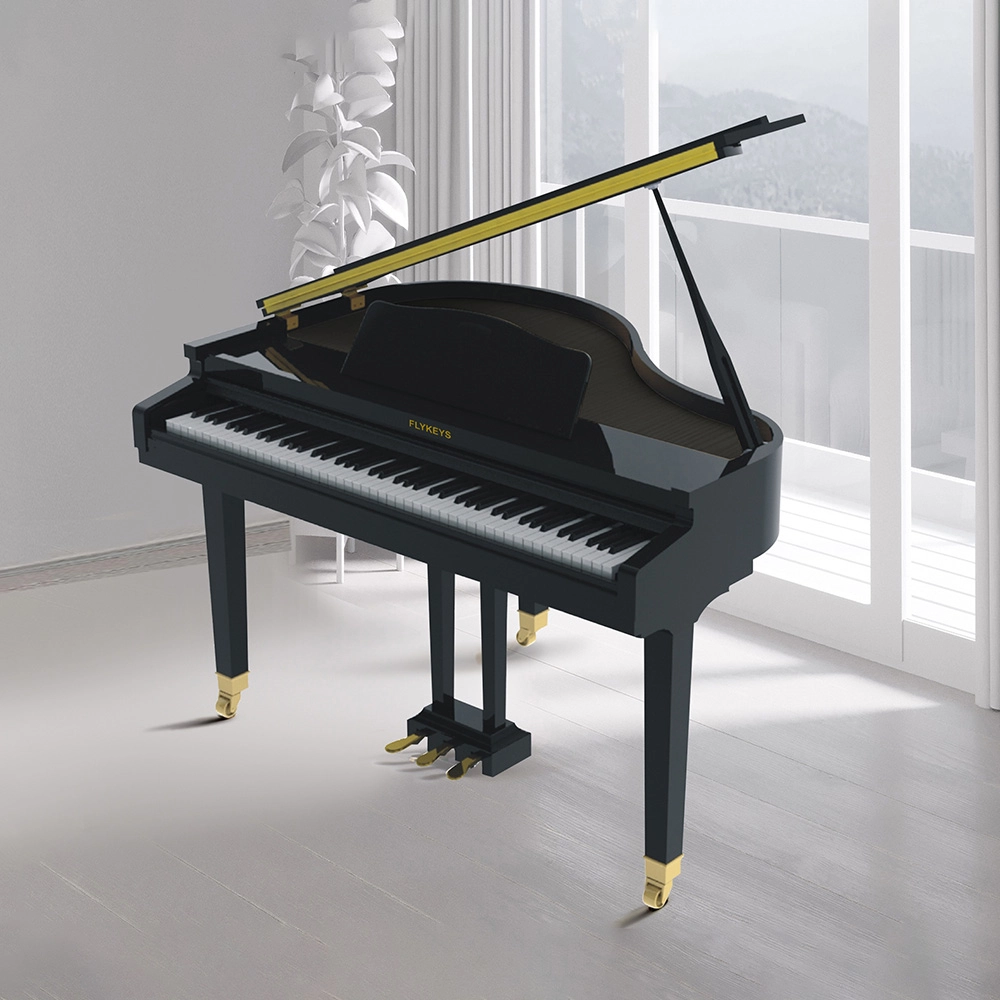
Flykeys 88 Keys Professional Digital Grand Piano Hammer Action Keyboard FGP110 Digital Piano
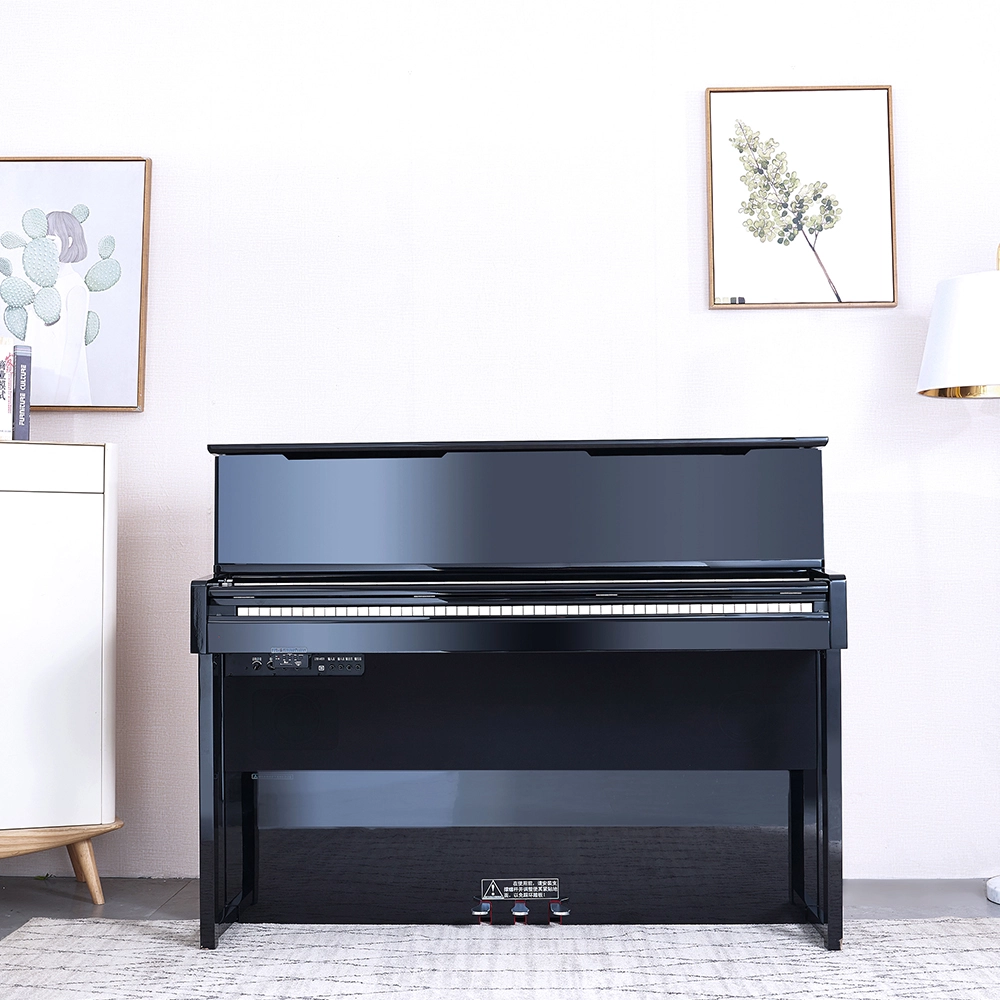
Flykeys Professional Digital Upright Piano 88 Keys Wooden Keyboard FK830 Digital Piano
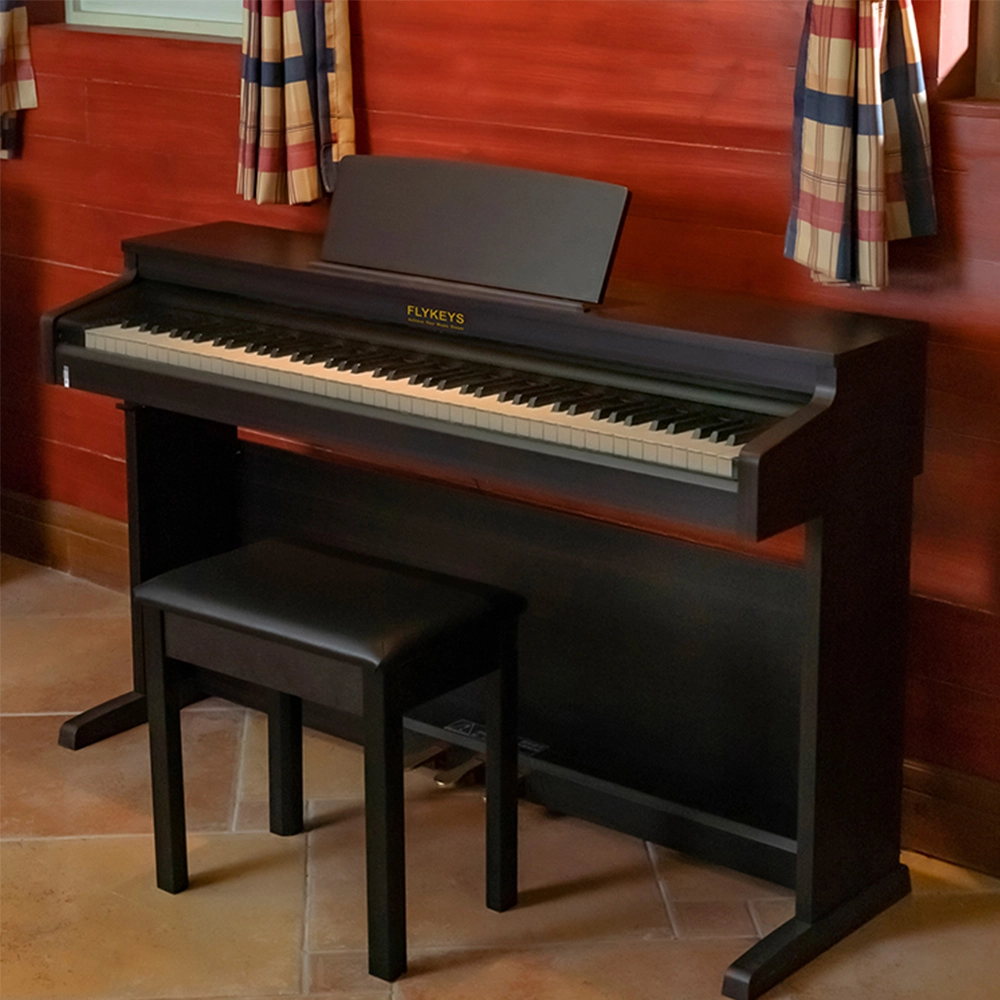
Flykeys Upright Electric Piano Built-In Speakers Music Instrument FD05 Digital Piano
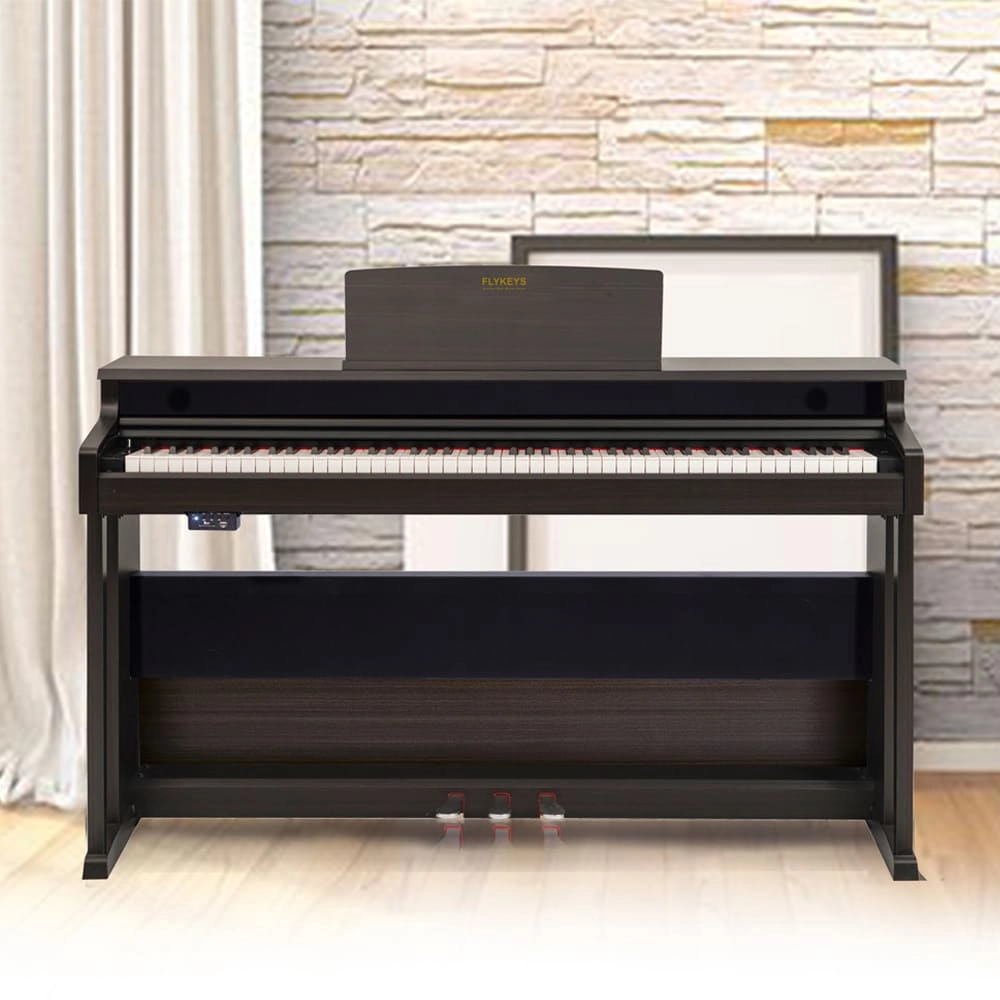
Flykeys Upright Piano Wooden Panel 88 KEYS Piano FK130 Digital Piano
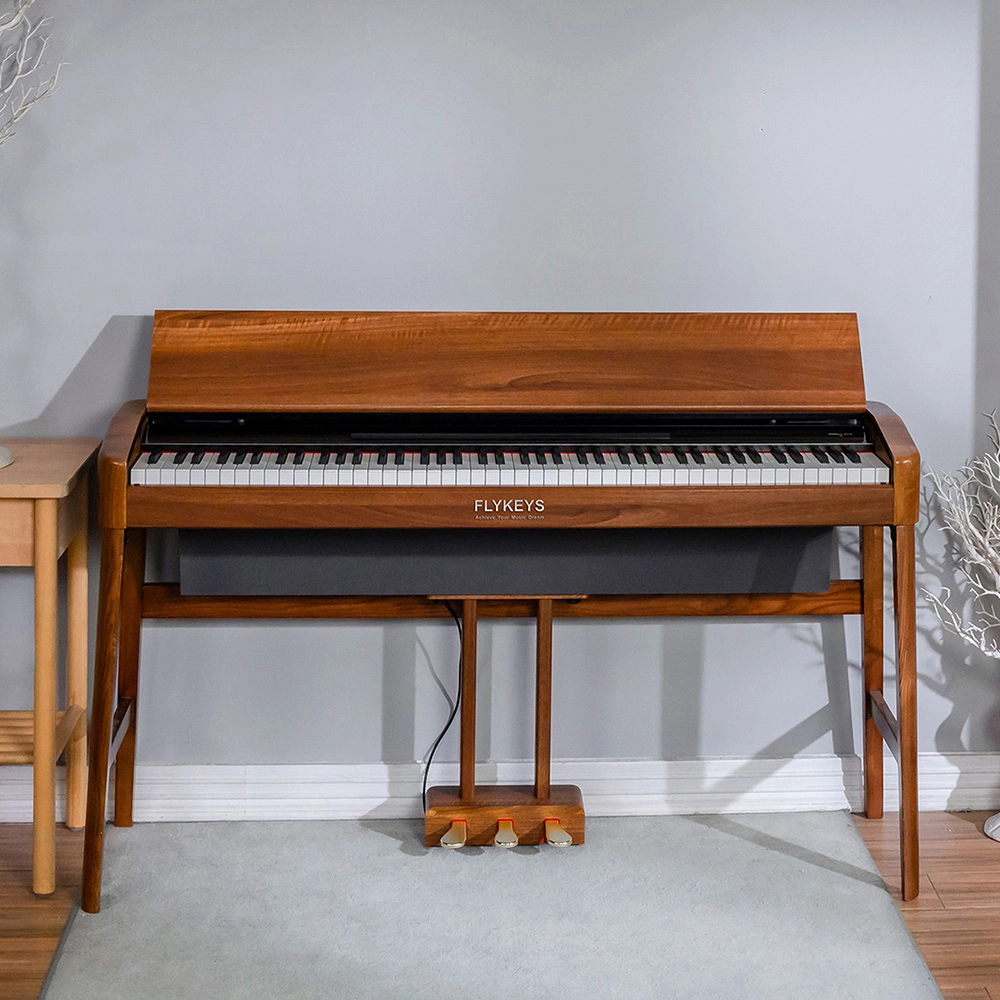
Flykeys Wooden Panel Piano Original Italian Imported Hammer Action Keyboard SK3 Digital Piano
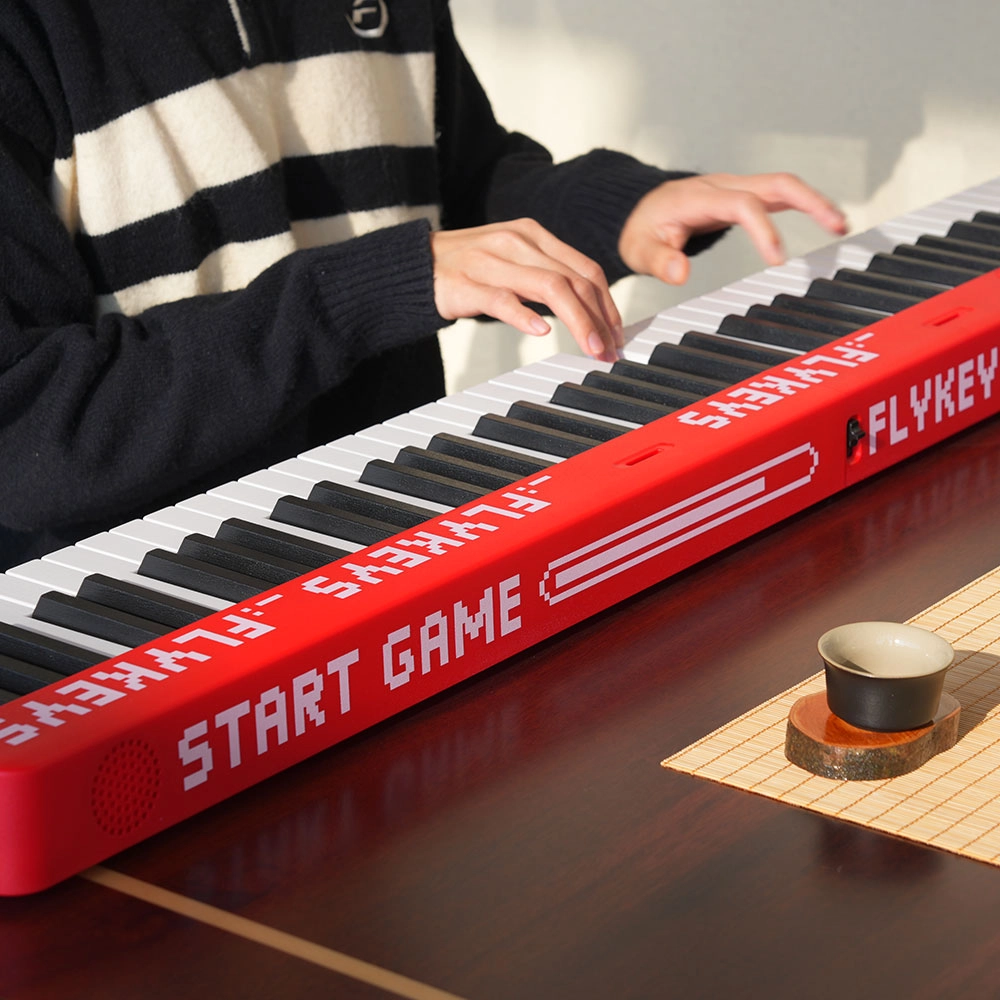
Flykeys M12 Folding Keyboard
Get in touch with us
Have a question or inquiry about our digital pianos products? Leave us a message here and our team will get back to you promptly within 24 hours.
Whether you're interested in custom orders, technical specifications, or partnership opportunities, we're here to assist you.
Rest assured that your privacy is important to us, and all information provided will be handled with the utmost confidentiality.
Address: No. 38 Xiangshan Avenue, Zengcheng Economic And Technological Development Zone, Guangzhou, China.
FOLLOW US:


© 2026 FLYKEYS All Rights Reserved. 粤 ICP备2020102774号. Designed by gooeyun. Sitemap | Privacy | Terms