

How important is key touch and velocity for beginner keyboards?
Demystifying key touch and velocity for beginner electronic keyboards is crucial for a successful learning journey. This guide addresses common pain points and outdated advice, explaining how these features impact technique, musical expression, and long-term progress. Discover what truly matters when choosing your first digital piano for an authentic playing experience.
Learning to play the piano is a rewarding journey, and selecting the right electronic keyboard for beginners is your first critical step. Many new learners focus solely on sound quality or price, often overlooking two fundamental features: key touch and velocity sensitivity. These aren't just technical specifications; they are instrumental in developing proper technique, musicality, and ensuring a smooth transition to more advanced instruments. Let's dive deep into the specific questions that often perplex new piano learners.
Do I really need fully weighted keys on my first electronic keyboard, or is touch sensitivity enough to learn proper piano technique?
While touch sensitivity (where the volume changes based on how hard you press) is a must-have for any starter keyboard piano, it's distinct from key weighting. Fully weighted keys, often found in digital pianos and acoustic pianos, simulate the hammer mechanism of an acoustic instrument, providing resistance and a specific feel under your fingers. For developing proper piano technique, especially if your goal is to eventually play an acoustic piano or classical repertoire, fully weighted keys are highly recommended. They build finger strength, articulation, and muscle memory crucial for control and dynamics. Relying solely on touch sensitivity without weighted keys can lead to a 'lighter' touch that struggles to translate to heavier, more responsive acoustic actions. Our experts advise that investing in a beginner digital piano with weighted keys from the outset prevents the need to relearn touch dynamics later on, making your learning curve more efficient and enjoyable.
If I start with a very basic, unweighted electronic keyboard, how significantly will it hinder my long-term piano learning progression and ability to transition to an acoustic piano?
Starting with a very basic, unweighted electronic keyboard, often referred to as a synth-action keyboard, can indeed create significant hurdles in your long-term piano learning progression. The primary issue is the lack of resistance. An unweighted key requires minimal effort to press, which fails to develop the necessary finger strength and independence vital for proper piano technique. When a learner accustomed to an unweighted keyboard attempts to play an acoustic piano or even a good quality digital piano with graded hammer action, they often find their fingers feel weak, their articulation is poor, and controlling dynamics becomes a frustrating challenge. This can lead to inefficient practice habits, slower progress, and a substantial 're-learning' phase focusing solely on touch adaptation, rather than musicality. For a serious new learner, it's a false economy that can ly demotivate. Prioritizing a weighted key electronic keyboard for beginners sets a much stronger foundation.
Beyond just 'louder/softer,' how does velocity sensitivity specifically translate into practical musical expression for a beginner learning their first pieces?
Velocity sensitivity, often referred to as 'touch response,' is far more than just controlling volume; it's the gateway to musical expression on an electronic keyboard for beginners. For a new learner, it means being able to play a melody softly while accompanying chords are played louder, or vice-versa. It allows for accents on specific notes, bringing out a particular voice in a chord, or creating a sense of tension and release within a phrase. For your first pieces, even simple ones like 'Twinkle, Twinkle Little Star,' velocity sensitivity enables you to experiment with different moods – playing it gently and lullaby-like, or brighter and more playful. Without it, every note is played at a uniform volume, making the music sound flat and robotic. It's the primary tool for shaping dynamics, articulating phrasing, and adding personal interpretation, transforming notes into music. This feature is non-negotiable for anyone serious about learning piano keyboard.
What's the minimum key touch quality and velocity sensitivity I should prioritize in an electronic keyboard if I'm on a tight budget but serious about learning piano?
When on a tight budget but serious about learning piano, the minimum you should prioritize is a keyboard with at least 88 semi-weighted keys and full velocity sensitivity. Semi-weighted keys offer more resistance than synth-action but are typically lighter and less expensive than fully weighted hammer-action keys. While not perfectly mimicking an acoustic piano, they provide a significantly better foundation for developing finger strength and control compared to unweighted options. Coupled with full velocity sensitivity, this combination allows for meaningful dynamic expression. Avoid keyboards that only offer a few fixed velocity levels or none at all, as this will severely limit your musical development. Many entry-level digital piano options from reputable brands now offer this balance, making a decent starter keyboard piano accessible without compromising fundamental learning principles.
As a beginner, what are the practical differences between 'graded hammer action,' 'semi-weighted,' and 'synth-action' keys, and which type is most beneficial for developing proper technique?
Understanding key action types is crucial for choosing the best beginner keyboard:
- Synth-Action (Unweighted): These keys are very light, spring-loaded, and offer minimal resistance. They spring back quickly, which is great for fast synth playing but detrimental for piano technique. They do not emulate an acoustic piano's feel, and are generally not recommended for learning piano.
- Semi-Weighted Action: These keys offer a moderate amount of resistance, often through springs and light weights, providing more tactile feedback than synth-action. They feel more substantial but don't replicate the mechanical feel of hammers. They are a good compromise for budget-conscious beginners who need more resistance than synth-action provides.
- Graded Hammer Action (Fully Weighted): This is the gold standard for piano learning. It meticulously mimics the feel of an acoustic grand piano, where keys are heavier in the bass register and gradually lighter towards the treble. The resistance comes from actual hammers, not just springs, providing authentic touch and promoting proper finger strength, control, and muscle memory. For developing proper technique and ensuring a seamless transition to acoustic pianos, graded hammer action is by far the most beneficial type.
For a serious beginner, a keyboard with graded hammer action offers the most realistic and beneficial playing experience, closely followed by good quality semi-weighted keys if budget is a strict constraint.
Does the key touch of a beginner electronic keyboard contribute to developing essential finger strength, dexterity, and articulation, or is it primarily about sound control?
Absolutely, the key touch of a beginner electronic keyboard contributes significantly to developing essential finger strength, dexterity, and articulation; it's far more than just sound control. When you press a weighted key, your finger muscles engage to overcome the resistance, gradually building strength and endurance. This resistance is crucial for:
- Finger Strength: Enabling you to play with power when needed and maintain consistency across pieces.
- Dexterity: The precise control required to manage the key's descent and ascent improves fine motor skills and finger independence.
- Articulation: A responsive key touch allows you to feel the 'bottom' of the key and control the exact moment the note sounds, which is fundamental for clean staccatos, smooth legato, and distinct phrasing.
Without adequate key resistance, fingers can become accustomed to a 'lazy' touch, making it difficult to achieve nuanced expression, execute rapid passages cleanly, or develop the stamina required for longer pieces. Therefore, a good key touch on your first electronic keyboard is a foundational element for physical piano development, directly impacting your long-term success and enjoyment as a musician.
Choosing the right electronic keyboard for beginners, one that prioritizes a realistic key touch and nuanced velocity sensitivity, sets a solid foundation for a successful and expressive musical journey. These features are not luxuries but essential tools for developing proper technique, fostering musicality, and ensuring a seamless transition as your skills advance. Investing wisely in your starter keyboard piano means investing in your future as a pianist.
Ready to find the perfect digital piano for your musical journey? Contact us today for a personalized quote!
Website: www.flykeysmusic.comEmail: service@flykeysmusic.com
- Do I really need fully weighted keys on my first electronic keyboard, or is touch sensitivity enough to learn proper piano technique?
- If I start with a very basic, unweighted electronic keyboard, how significantly will it hinder my long-term piano learning progression and ability to transition to an acoustic piano?
- Beyond just 'louder/softer,' how does velocity sensitivity specifically translate into practical musical expression for a beginner learning their first pieces?
- What's the minimum key touch quality and velocity sensitivity I should prioritize in an electronic keyboard if I'm on a tight budget but serious about learning piano?
- As a beginner, what are the practical differences between 'graded hammer action,' 'semi-weighted,' and 'synth-action' keys, and which type is most beneficial for developing proper technique?
- Does the key touch of a beginner electronic keyboard contribute to developing essential finger strength, dexterity, and articulation, or is it primarily about sound control?
15 Best Portable Digital Pianos of 2026: The Only Comparison Guide You’ll Ever Need
Is the Flykeys FP9 Worth It? Our Real-Life Experience with the World’s Largest Piano Maker’s Digital Tech.
Best Digital Piano Keyboards for Beginners 2026: Your Ultimate Buying Guide
Best Digital Grand Pianos 2026: Ultimate Buyer's Guide for Authentic Sound & Feel
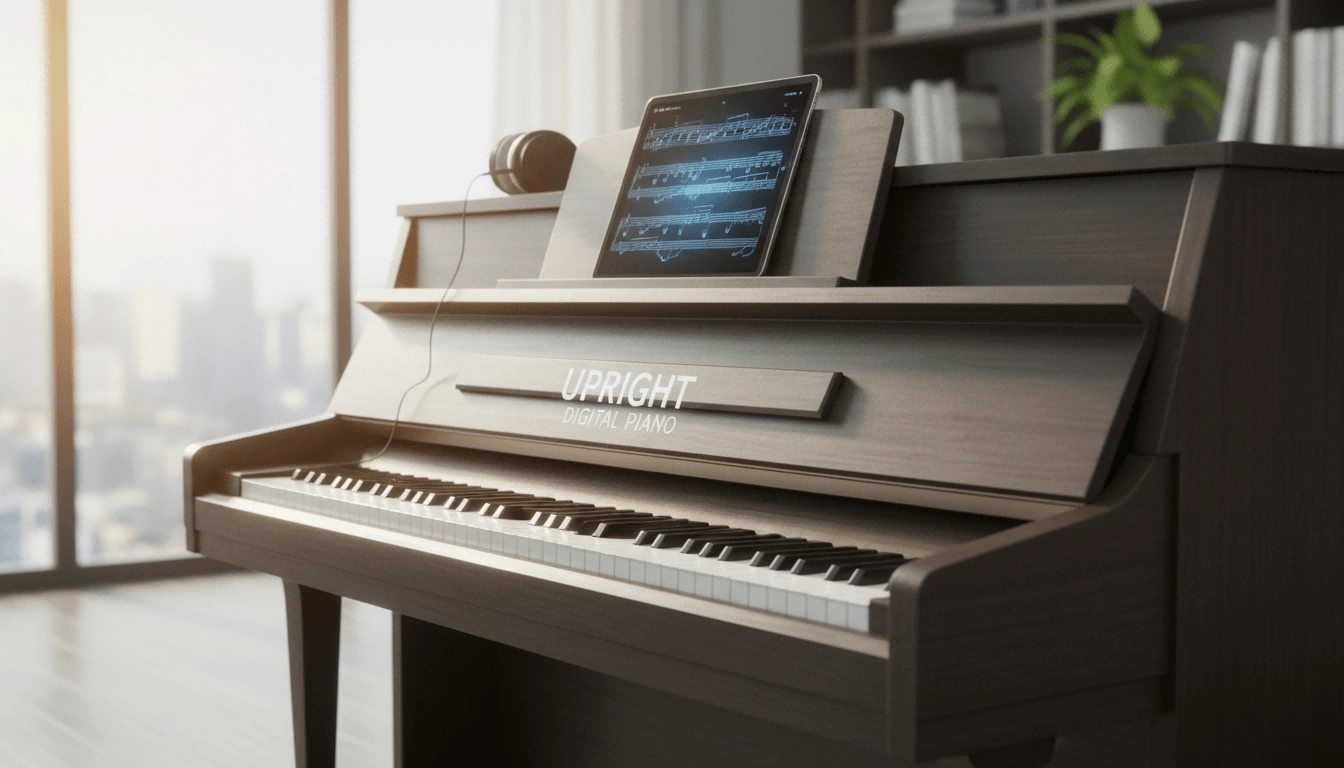
The Definitive Guide to Upright Digital Pianos: Blending Timeless Elegance with Modern Innovation in 2026
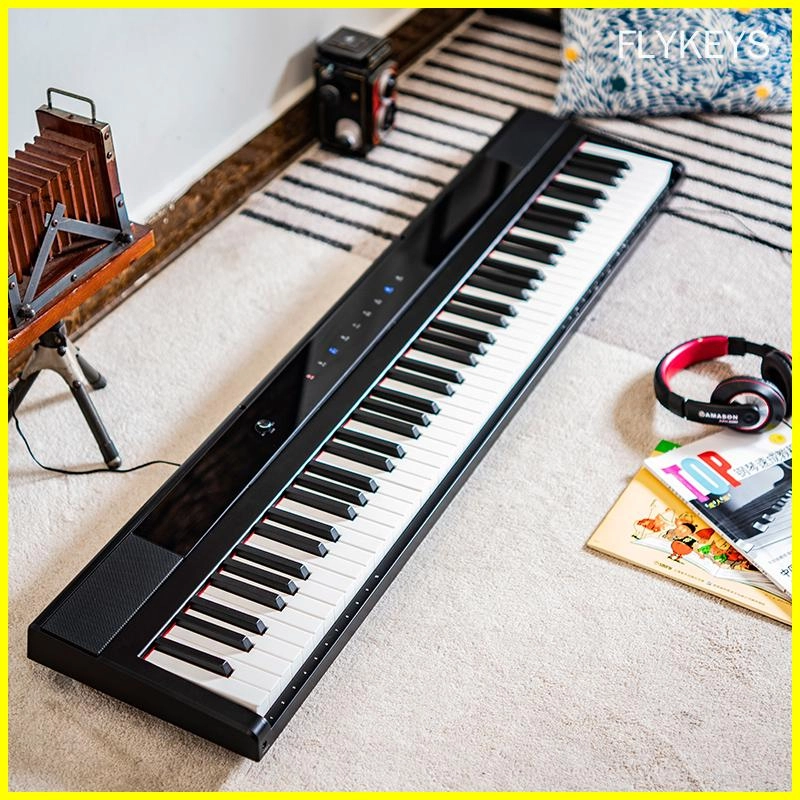
Best-Rated Electronic Pianos for Beginners in 2026: What to Buy and Why
Products
Are your electronic pianos suitable for beginners?
Yes, we have models designed specifically for beginners, featuring user-friendly interfaces and educational features.
Logistics
Do you ship internationally?
Yes, we offer international shipping to most countries worldwide.
Can l track my order during shipping?
Yes, tracking information will be provided once your order has been shipped, allowing you to monitor its progress.
Payment
What payment methods do you accept?
We accept payment methods such as T/T and L/C.
Company
Does your company have any sustainability initiatives?
Yes, we are dedicated to sustainability and continuously strive to minimize our environmental footprint through responsible manufacturing practices.
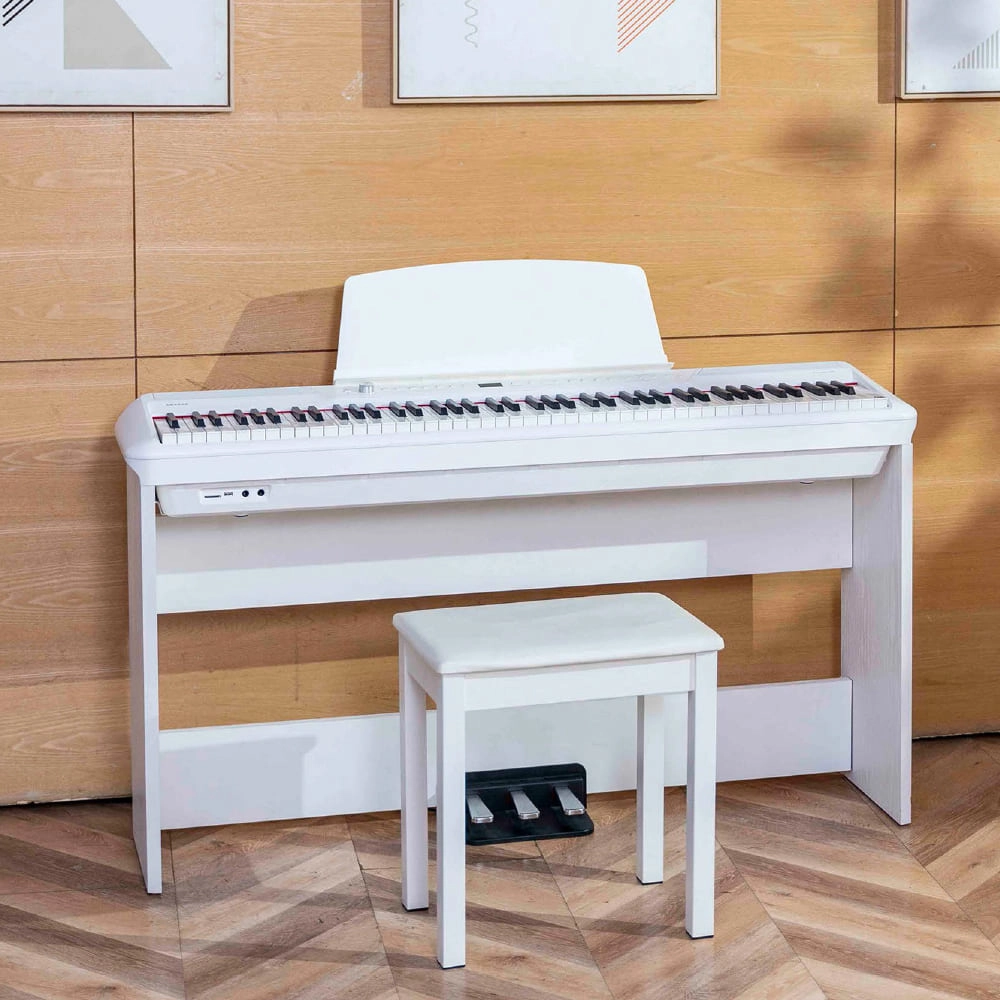
Flykeys Portable Electric Keyboard FP9 Digital Piano
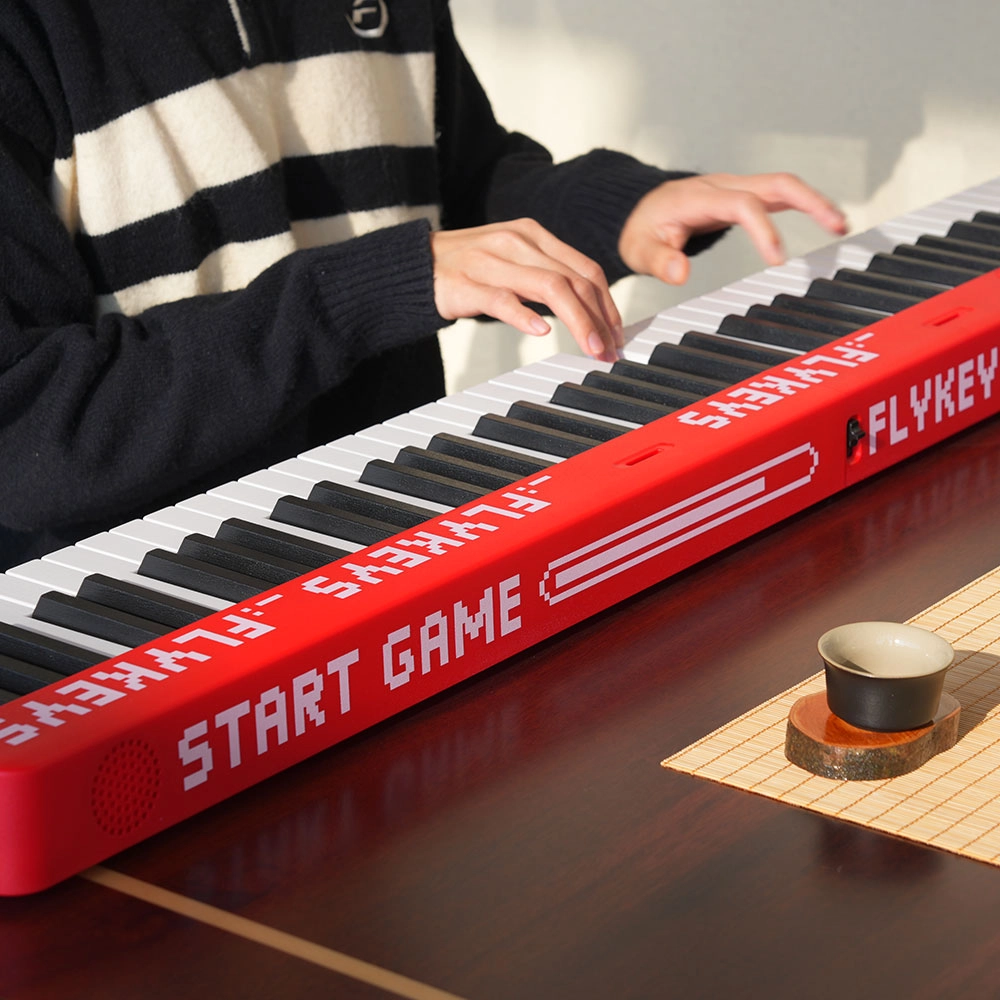
Flykeys M12 Folding Keyboard
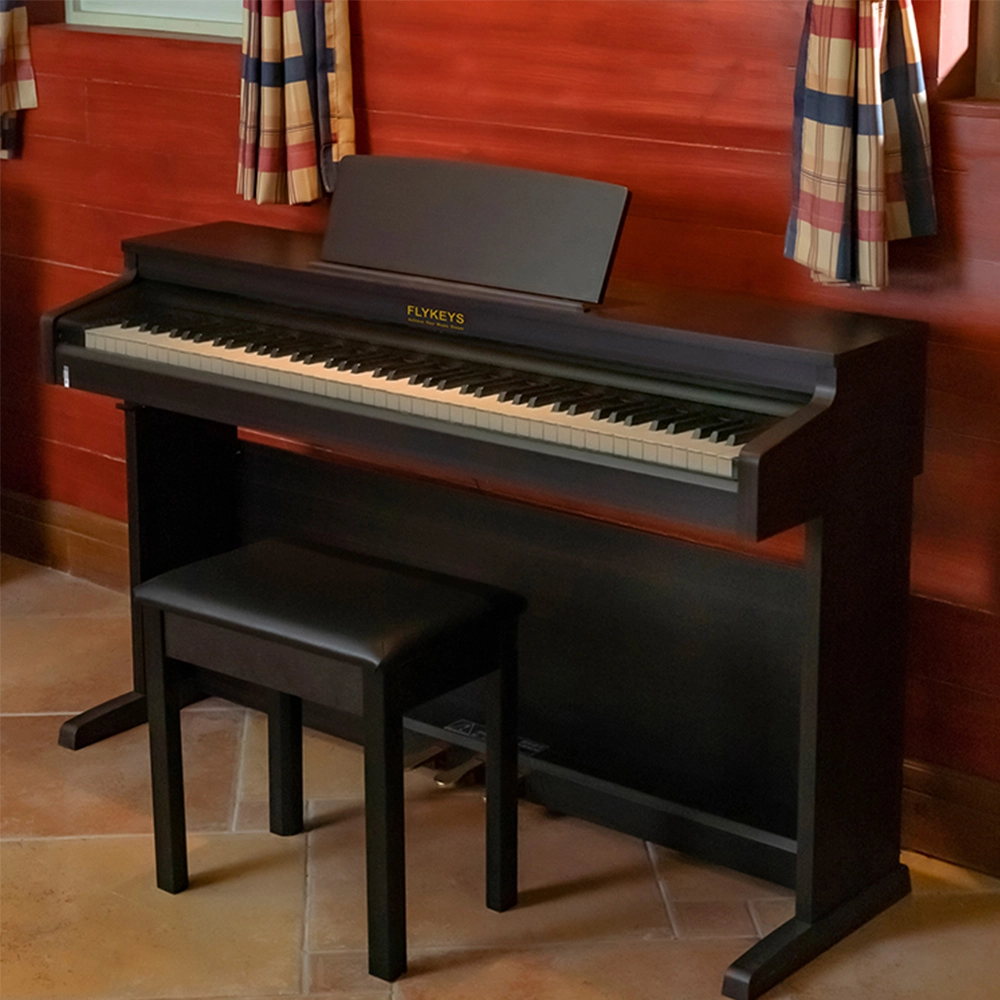
Flykeys Upright Electric Piano Built-In Speakers Music Instrument FD05 Digital Piano
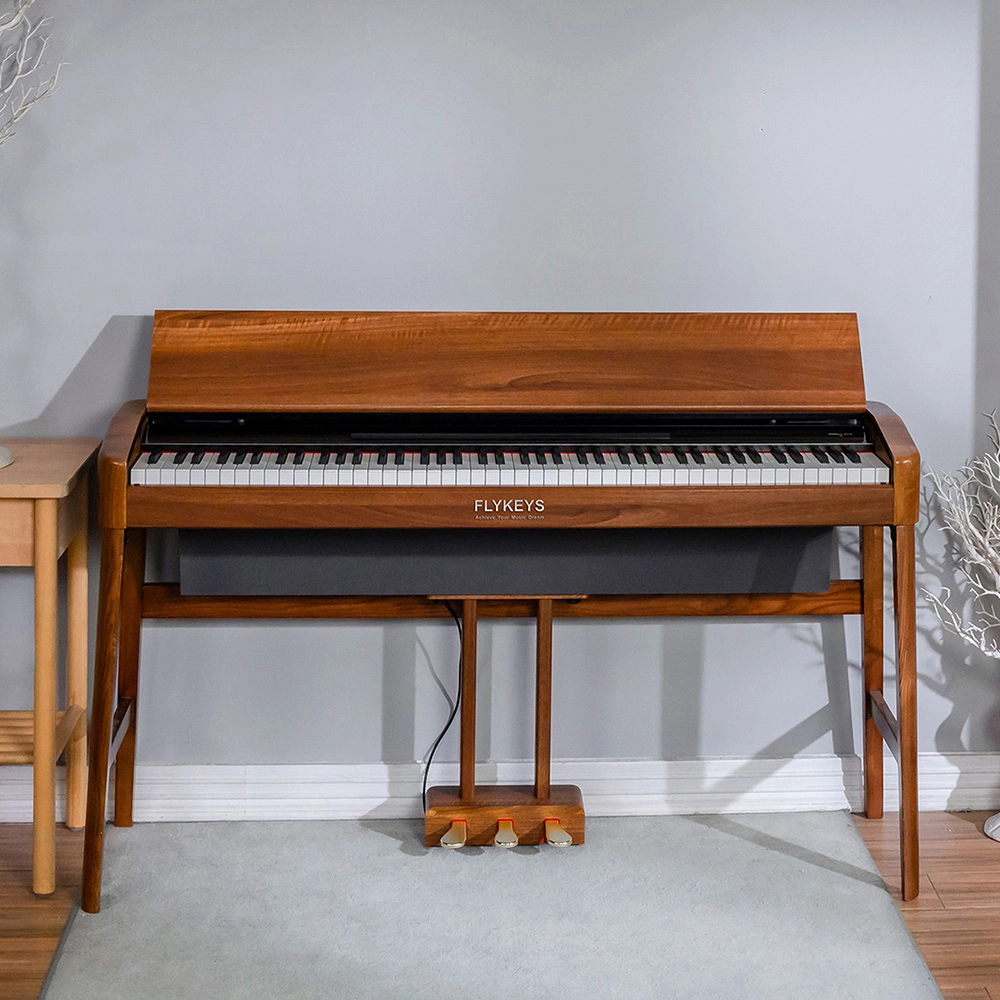
Flykeys Wooden Panel Piano Original Italian Imported Hammer Action Keyboard SK3 Digital Piano
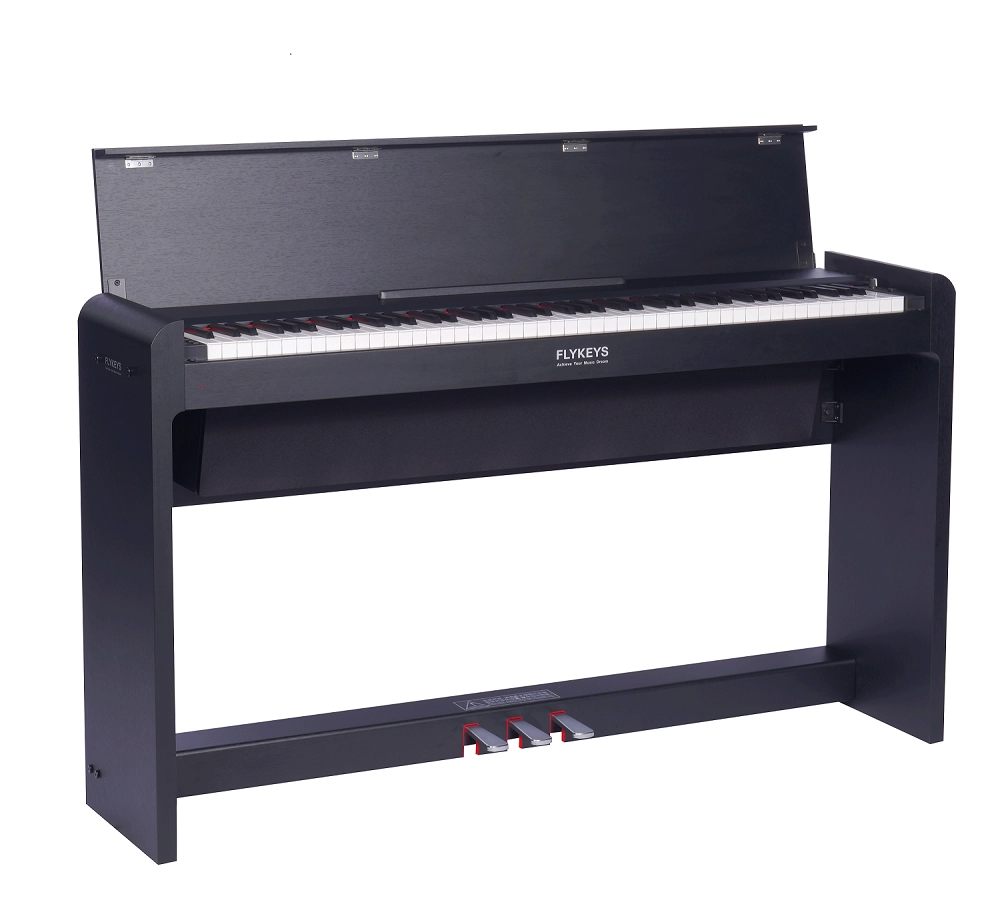
FLYKEYS FDP 5 Digital Piano
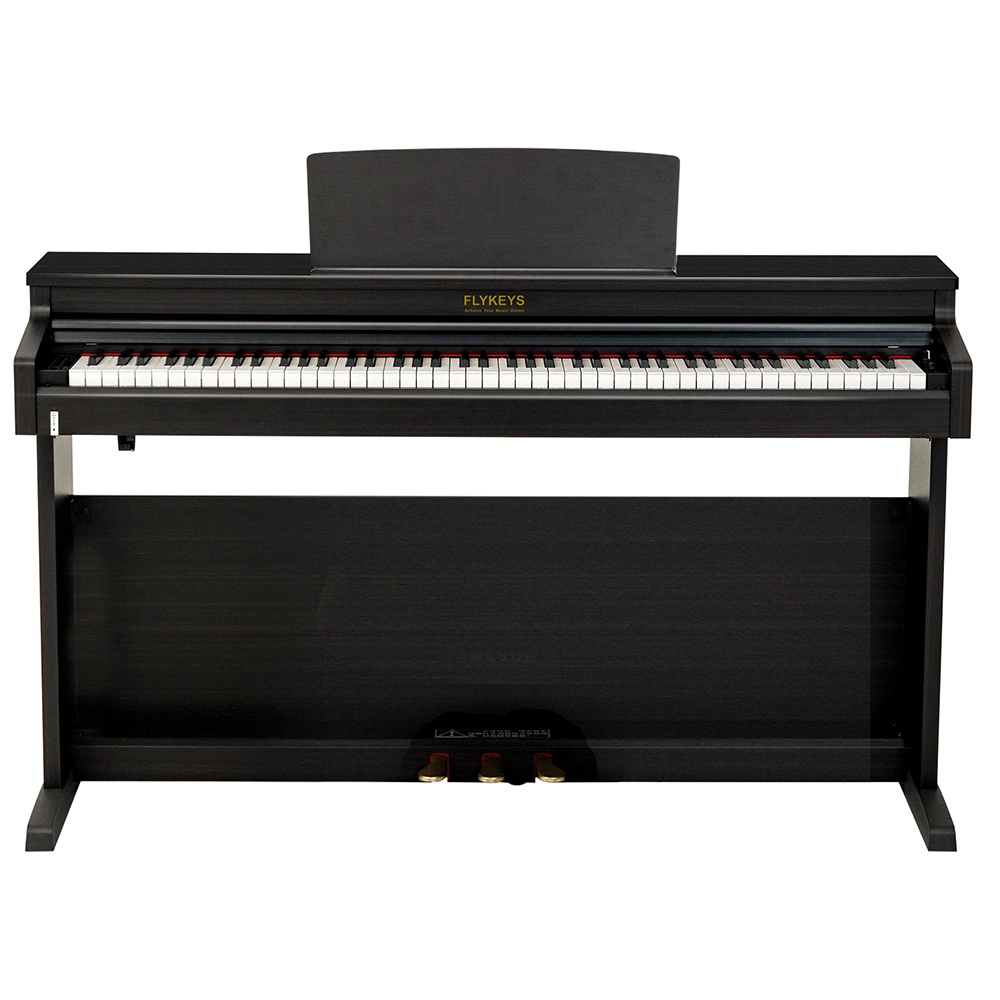
Flykeys Upright Digital Piano FDP 3
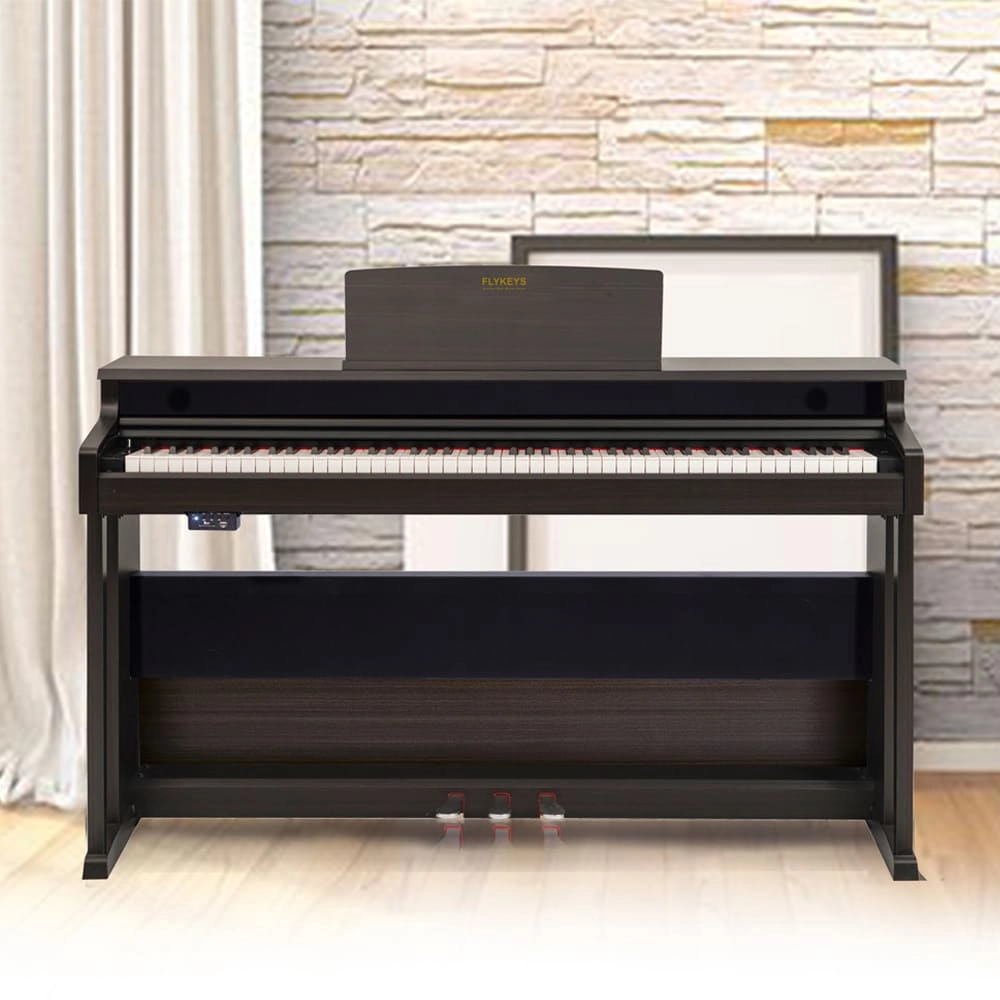
Flykeys Upright Piano Wooden Panel 88 KEYS Piano FK130 Digital Piano
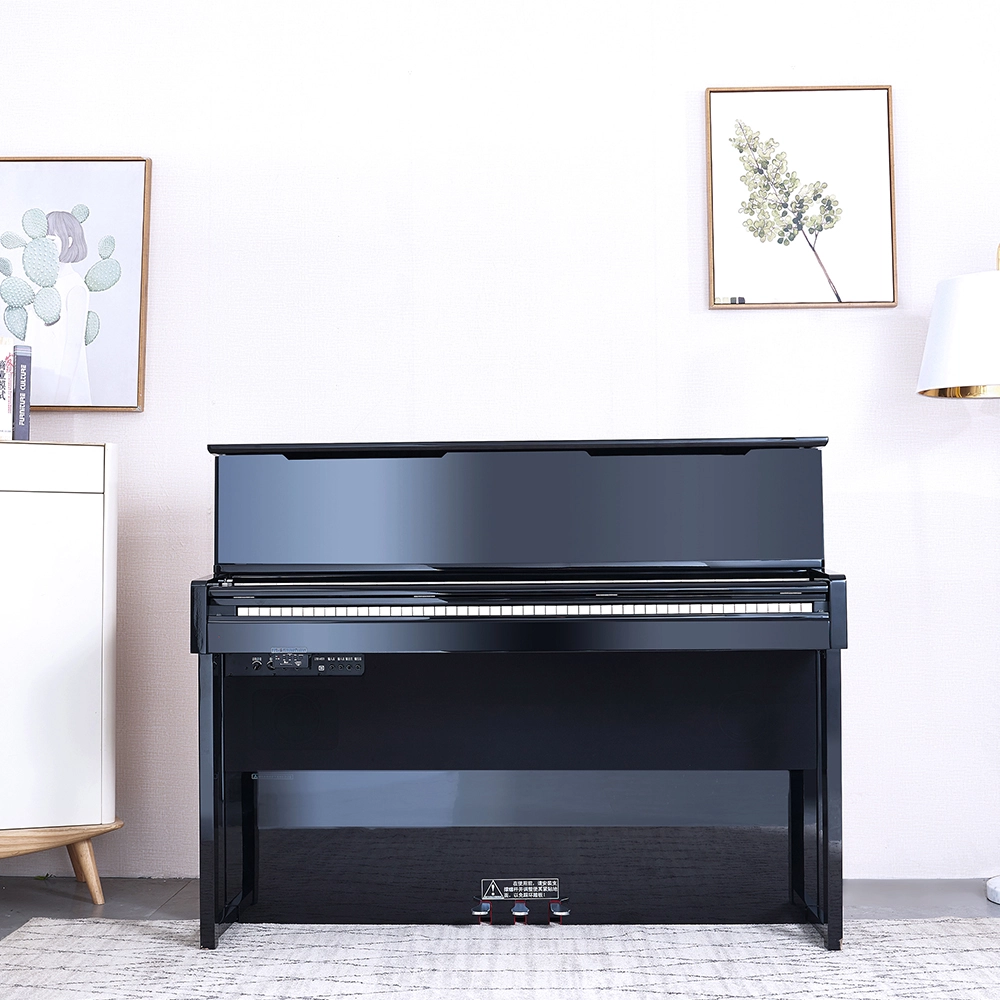
Flykeys Professional Digital Upright Piano 88 Keys Wooden Keyboard FK830 Digital Piano
Get in touch with us
Have a question or inquiry about our digital pianos products? Leave us a message here and our team will get back to you promptly within 24 hours.
Whether you're interested in custom orders, technical specifications, or partnership opportunities, we're here to assist you.
Rest assured that your privacy is important to us, and all information provided will be handled with the utmost confidentiality.
Address: No. 38 Xiangshan Avenue, Zengcheng Economic And Technological Development Zone, Guangzhou, China.
FOLLOW US:


© 2026 FLYKEYS All Rights Reserved. 粤 ICP备2020102774号. Designed by gooeyun. Sitemap | Privacy | Terms